
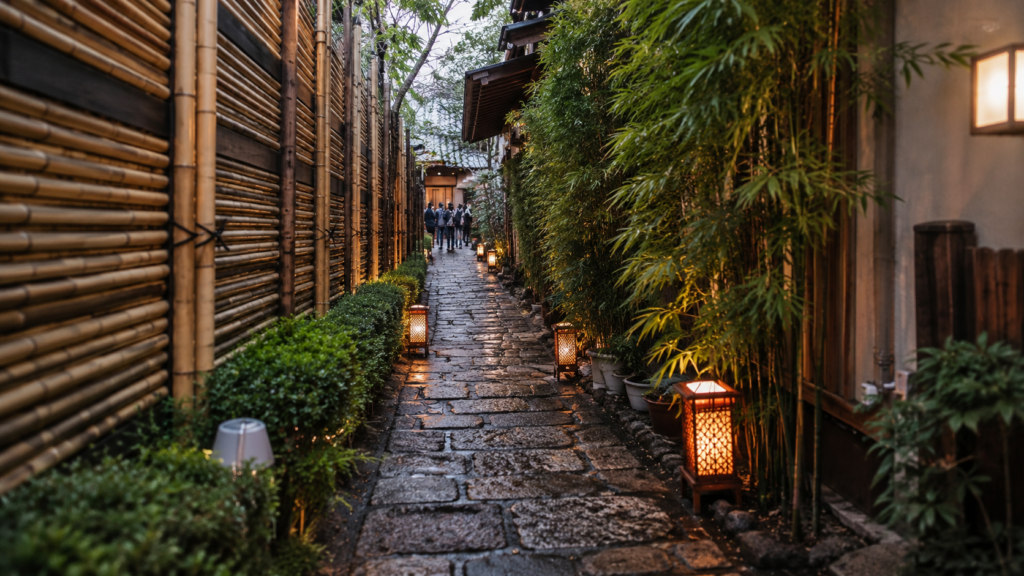
If you love the walkable, design-conscious feel of Mexico City’s Roma Norte, New York’s West Village, or London’s Notting Hill, Tokyo can feel overwhelming at first. Shibuya, Shinjuku, and Ginza are exciting, but they are not the whole city.
Just beyond Tokyo’s busiest hubs are quieter, more refined neighborhoods where small restaurants, backstreet cafés, old shopping streets, embassies, galleries, and residential calm sit surprisingly close together. This is the side of Tokyo that feels less like a checklist and more like a city you could actually live in.
Where Is Tokyo’s Roma Norte?
Tokyo does not have one perfect equivalent to Roma Norte. The city is too large and too layered for that. Instead, the Roma Norte feeling appears in several upscale quiet neighborhoods, each with a different strength.
For the closest match, start with Azabujuban. It has the strongest mix of old local shops, international residents, quiet wealth, restaurants, hills, and backstreets. If you want more food, cafés, and evening energy, add Ebisu and Nakameguro. If you want stone-paved alleys and a more historic mood, add Kagurazaka.
Best done on a dry day: these neighborhoods are beautiful on foot or by e-bike, but rain, summer heat, steep slopes, and cherry blossom crowds around Nakameguro can change the experience.
| Neighborhood | Best For | Roma Norte Similarity | Best Way to Explore | Main Drawback |
|---|---|---|---|---|
| Azabujuban | Old shops, international atmosphere, quiet luxury | Highest | Walk slowly or ride an e-bike for the hills | Hotels and restaurants can be expensive |
| Ebisu | Food, wine bars, backstreets, stylish local nightlife | High | Walk between Ebisu and Nakameguro | Less historic than Azabujuban or Kagurazaka |
| Nakameguro | Cafés, riverside walks, boutiques, relaxed dates | Medium to high | Walk the river and side streets | Very crowded during cherry blossom season |
| Kagurazaka | Stone alleys, traditional dining, French-Japanese culture | Medium | Walk the lanes off the main street | Feels more historic and romantic than bohemian |
| Daikanyama | Design shops, cafés, fashion, calm streets | Medium | Walk from Ebisu or Nakameguro | More polished than lived-in |
Which Tokyo Neighborhood Should You Choose?
Choose Azabujuban if you want the most direct answer to “Where is Tokyo’s Roma Norte?” It has the strongest combination of residential calm, good food, international atmosphere, history, and understated money.
Choose Ebisu and Nakameguro if your ideal day includes coffee, boutiques, wine bars, relaxed backstreets, and dinner somewhere stylish without the sensory overload of Shibuya.
Choose Kagurazaka if you want a more atmospheric version of quiet Tokyo, with narrow lanes, traditional restaurants, and a mood that feels older and more cinematic.
For a younger indie feel, compare Ebisu with Daikanyama or Yoyogi-Uehara. For a quieter residential version, Hiroo and Jiyugaoka may also fit the brief.
Is Azabujuban the Closest Match?
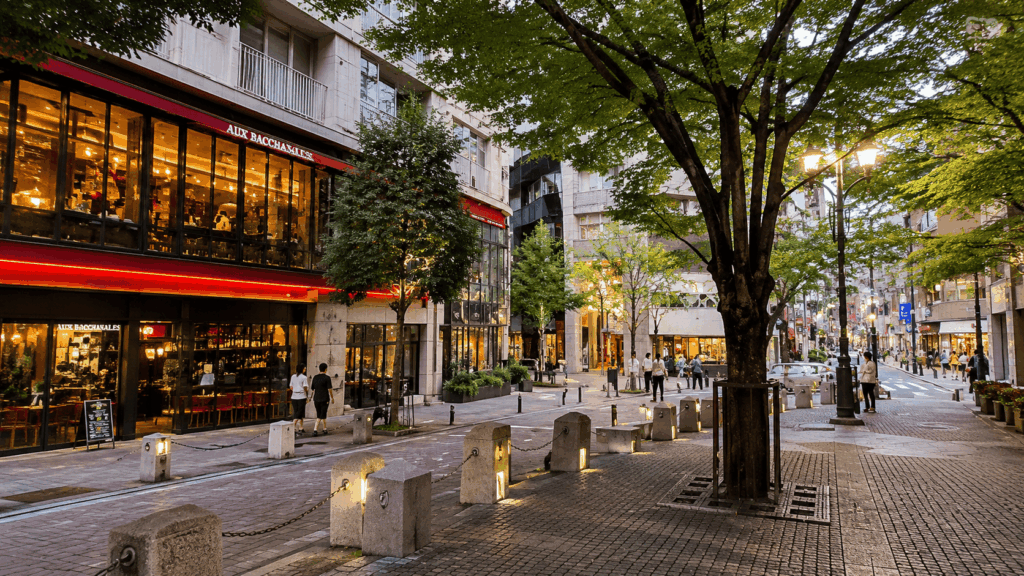
If you want the most direct equivalent to Roma Norte’s mix of history, affluence, international influence, and local texture, Azabujuban is the best place to start.
Located just south of Roppongi, Azabujuban feels much calmer than the nightlife district beside it. Its shopping street has a neighborhood feel, with traditional sweets shops, casual restaurants, bakeries, small cafés, and long-running local businesses mixed with modern bars and polished dining rooms.
This is where Azabujuban hidden gems work best as a travel idea. The pleasure is not only one famous attraction. It is the way an old storefront, a quiet shrine, a slope, a small restaurant, and a sleek wine bar can sit within a few minutes of each other.
The area is also hilly. That is part of its charm, but it matters for planning. If you want to wander the backstreets properly, wear comfortable shoes and expect slopes. If you plan to connect Azabujuban with Ebisu, Hiroo, or Roppongi backstreets, an e-bike can make the route feel much easier than walking everything.
Is Ebisu Better for Food, Cafés and Nightlife?
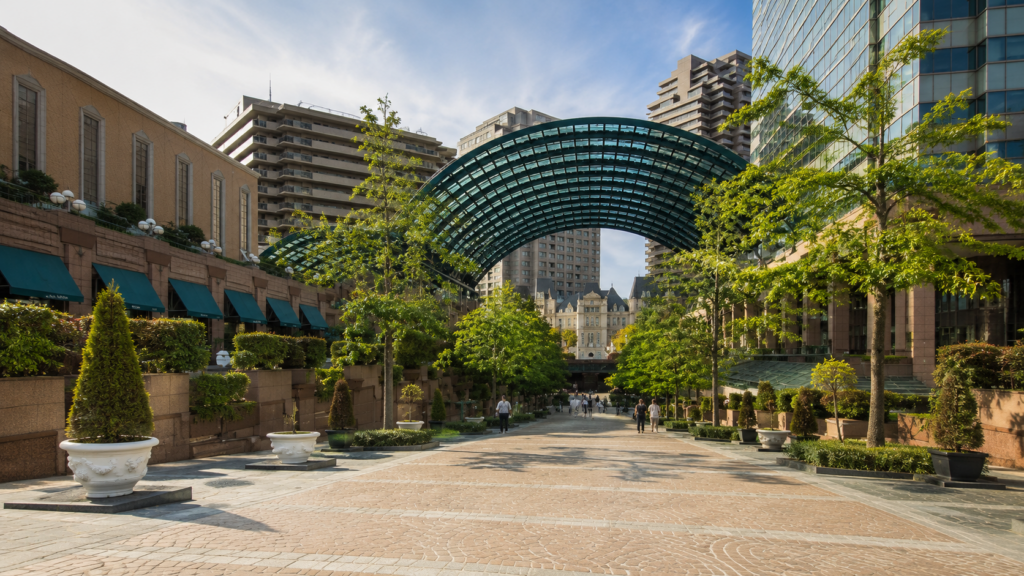
Ebisu is one stop from Shibuya, but the atmosphere is completely different. Shibuya is big, bright, loud, and crowded. Ebisu is more adult, more relaxed, and much more focused on food, drinks, cafés, and backstreet atmosphere.
For many travelers, Ebisu is the easiest neighborhood to enjoy without much planning. You can arrive in the afternoon, wander the side streets, stop for coffee, browse a few shops (such as trying a custom jeans making workshop), and stay for dinner or drinks. It feels stylish without needing to be flashy.
This Ebisu Tokyo guide approach works especially well if you pair Ebisu with Nakameguro. The walk between the two areas gives you a softer side of Tokyo: narrow streets, small restaurants, low-rise buildings, and a more local rhythm than the major sightseeing zones.
Nakameguro is especially appealing outside peak cherry blossom season. In spring, the river area can become extremely crowded. For the rest of the year, it is usually calmer and better suited to a slow walk, café stop, or relaxed evening route.
Is Kagurazaka Worth Adding?
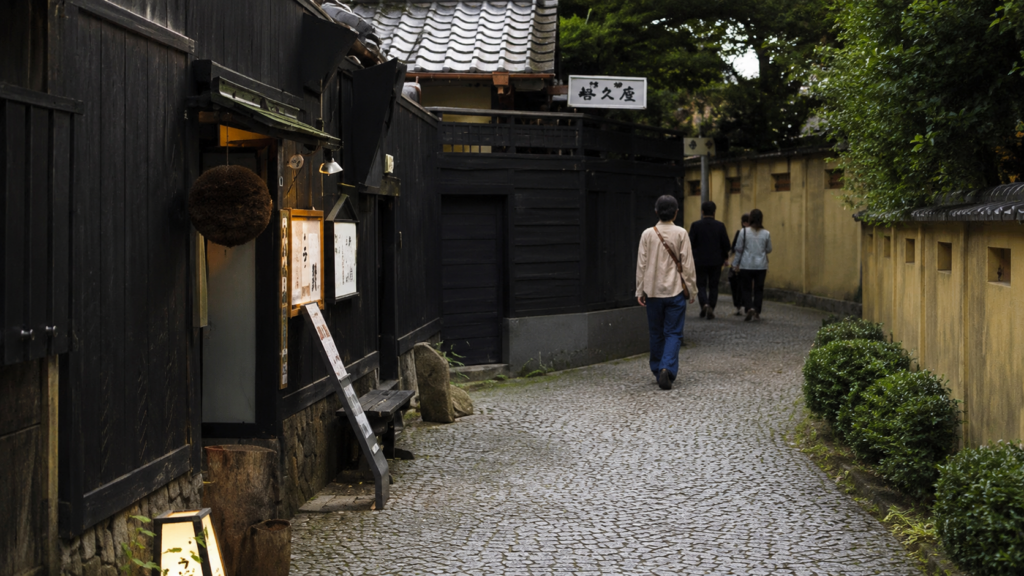
Kagurazaka is worth adding if you want Tokyo’s quiet upscale side to feel more historic, romantic, and atmospheric. It is less like Roma Norte in a strict sense, but it gives you something equally valuable: narrow lanes, traditional dining, stone-paved alleys, and a slower mood that feels far away from the city’s busiest stations.
The neighborhood was once known for its geisha culture, and that older character still shapes the area. The best way to enjoy Kagurazaka is not to rush from one landmark to another. Start on the main street, then turn into the small side alleys where restaurants and hidden entrances sit behind understated facades.
Kagurazaka also has a noticeable French influence, with bakeries, bistros, and French-inspired shops appearing beside Japanese restaurants and traditional architecture. That mix makes it a strong choice for travelers who like neighborhoods with layers rather than obvious attractions.
If Azabujuban is the closest answer to “Tokyo’s Roma Norte,” Kagurazaka is the more old-world alternative, making it a great starting point to explore pre-war Tokyo neighborhoods for an old Tokyo vibe. It is especially good for couples, food-focused travelers, and anyone who prefers quiet lanes to neon streets.
What Other Neighborhoods Feel Similar?
If you are still comparing upscale quiet neighborhoods in Tokyo, there are a few other areas worth considering. They do not replace Azabujuban, Ebisu, Nakameguro, or Kagurazaka, but they may fit your travel style better depending on what you want.
Daikanyama is one of the easiest additions to an Ebisu or Nakameguro route. It feels polished, design-focused, and calm, with boutiques, cafés, bookstores, and quiet streets. It is stylish rather than gritty, so it may feel more curated than Roma Norte, but it works well for travelers who like architecture, fashion, and slow afternoons.
Yoyogi-Uehara has a more residential, local, and creative feel. It is less obvious for first-time visitors, which is part of its appeal. Consider it if you want cafés, bakeries, small restaurants, and a neighborhood that feels lived-in rather than touristic.
Hiroo is a calm, international residential area that pairs naturally with Azabujuban. It is quieter and more polished than bohemian, but it works well if you want embassies, greenery, refined dining, and a very comfortable base.
Jiyugaoka is farther from the center, but it is a good option if you want a relaxed residential shopping district with cafés, small stores, and a softer pace. It is less convenient for a short Tokyo trip, so it is better for repeat visitors.
Should You Use the Subway, Walk or Ride an E-Bike?
Tokyo’s subway is excellent, and you should absolutely use it for longer journeys across the city, whether you are using an IC card or wondering if a 72-hour metro pass is worth it. The issue is that the subway can make these neighborhoods feel disconnected. You enter underground in one district and appear in another, missing the small streets, slopes, shrines, parks, and local transitions that make this side of Tokyo interesting.
Walking is the best choice if you are focusing on one compact area, such as Azabujuban alone, Ebisu to Nakameguro, or the lanes of Kagurazaka. It gives you time to notice details and stop whenever something catches your attention.
The challenge is distance and elevation. Azabujuban, Hiroo, Roppongi, Ebisu, Daikanyama, and parts of Kagurazaka all involve slopes or uneven routes. Walking too much in one day can turn a relaxed neighborhood plan into a tiring march.
An e-bike works best when you want to connect several neighborhoods without losing the street-level experience. It helps with hills, saves time between districts, and lets you see the quieter spaces between the famous areas.
Choose a dry day if possible. Rain, summer heat, traffic, narrow streets, and cherry blossom crowds around Nakameguro can change the experience. Follow local cycling rules, ride carefully on the left side of the road where required, use designated parking areas, and slow down around pedestrians.
Verdict: What Is the Best Tokyo Route for Roma Norte Fans?
If you only have half a day, start with Azabujuban. It is the strongest answer for travelers looking for Tokyo’s Roma Norte: quiet, international, upscale, historic in places, and full of small streets rather than big attractions.
If you have more time, connect Azabujuban with Ebisu and Nakameguro. This gives you a better mix of old shops, cafés, stylish dining, backstreets, and relaxed evening atmosphere. Add Kagurazaka on a separate day if you want a more traditional, romantic, and lane-filled version of quiet Tokyo.
For most travelers, the best route is not about checking off famous sights. It is about moving slowly through neighborhoods that feel human-sized, food-focused, and lived-in. That is where Tokyo becomes much more interesting than its busiest postcard images.
If you want to connect these quieter districts without spending half the day underground or wearing yourself out on hills, a guided e-bike route is the easiest way to experience the city at street level.
Book a 3-hour guided E-bike tour to seamlessly explore Tokyo’s hidden gems and quiet neighborhoods
FAQ About Tokyo’s Upscale Quiet Neighborhoods
Is Azabujuban a good place to stay?
Yes, Azabujuban is a good place to stay if you want a quiet, central, upscale base with good dining and easy access to areas like Roppongi, Hiroo, Ebisu, and central Tokyo. It is especially appealing for travelers who prefer residential calm over nightlife chaos. The main drawback is that hotel options can be limited and expensive compared with larger station areas.
Is Ebisu better than Shibuya?
Ebisu is better than Shibuya if you want a calmer, more adult atmosphere with good restaurants, wine bars, cafés, and backstreets. Shibuya is better if you want major shopping, nightlife, crowds, and iconic first-time Tokyo sights. For many travelers, the best approach is to see Shibuya once, then spend more relaxed time in Ebisu.
Is Tokyo too hilly to ride a bike?
Some parts of central Tokyo are hillier than visitors expect, especially around Azabujuban, Roppongi, Hiroo, Daikanyama, and Kagurazaka. A standard bicycle can be tiring on these routes, but an e-bike makes the slopes much easier. It is still important to ride carefully, watch traffic, and avoid over-planning your route on hot or rainy days.
When should you avoid Nakameguro?
Avoid Nakameguro if you dislike crowds during peak cherry blossom season, when the river area can become extremely busy. Outside that period, Nakameguro is much more relaxed and works well for cafés, boutiques, riverside walks, and an easy connection with Ebisu or Daikanyama.
What is the best area for a first-time visitor looking for quiet Tokyo?
For a first-time visitor, Ebisu is usually the easiest quiet area to enjoy because it is convenient, food-focused, and close to Shibuya without feeling as overwhelming. Azabujuban is better if you want a more upscale residential atmosphere, while Kagurazaka is better if you want history, alleys, and traditional dining. If you are comparing other options, you can also explore our guide on the best quiet neighborhoods to stay in Tokyo.
Can you visit Azabujuban, Ebisu and Nakameguro in one day?
Yes, you can visit Azabujuban, Ebisu, and Nakameguro in one day, but it is better to keep the plan loose. Choose a few streets, cafés, or dining areas rather than trying to cover everything. Walking works for smaller sections, while an e-bike or guided route can make the connections easier and more enjoyable.
Discover Tokyo’s hidden neighborhoods effortlessly with this 3-hour guided E-bike tour

Hi, I’m Kai. I’m a Tokyo-based travel writer, tourism industry insider, and the author of a published guidebook for international visitors to Japan. With over 10 years of professional experience at a leading Japanese tourism company, my mission is to help you skip the tourist traps and navigate Japan’s best destinations like a local. I believe the perfect day trip is like a traditional kaiseki meal: a beautiful balance of precise planning and unforgettable seasonal discovery. When I’m not out conducting field research, you’ll usually find me drafting new itineraries with one of my favorite fountain pens!