
If you are searching for Tokyo listening bars, audiophile bars in Tokyo, or hidden jazz bars in Tokyo, the real challenge is not finding a venue — it is choosing the room that matches your mood. Some Tokyo listening bars expect near-silence. Others feel more like social DJ lounges with serious sound. I wrote this guide to help you decide before you open the door.
For most first-time visitors, I would narrow the choice to two starting points: Bar Martha in Ebisu if you want the quiet, ritual-like vinyl experience, or DJ Bar Bridge in Shibuya if you want excellent sound with a more social nightlife atmosphere. If your plan involves several neighborhoods, a late finish, or a premium Tokyo night without route stress, treat transport as part of the experience rather than an afterthought.
Quick Answer — Which Tokyo Listening Bar Should You Choose?
If you want the classic quiet vinyl experience: Start with Bar Martha in Ebisu. It is best for solo travelers or couples who are comfortable with silence, low lighting, and strict room etiquette.
If you want audiophile sound without the pressure of silence: Choose DJ Bar Bridge in Shibuya. It has serious sound, city views, DJ programming, and a more social but still music-first atmosphere.
If you are a true sound-system pilgrim: Make the journey to SHeLTeR in Hachioji. It is not the most convenient choice, but that is part of the point — serious listeners go for the room and the system.
If you want a relaxed vinyl bar with soul and funk: Try Little Soul Cafe in Shimokitazawa. It is small, warm, record-focused, and less intimidating than the strictest listening rooms.
If you want old-school Japanese listening culture in a historic setting: Visit Meikyoku Kissa Lion in Shibuya during the day. It is a classical music coffee house, not a late-night bar.
If you want a compact, central vinyl fix: JBS in Shibuya is a small jazz, blues, and soul institution. Check the latest hours before making it your only plan.
What Is a Tokyo Listening Bar?
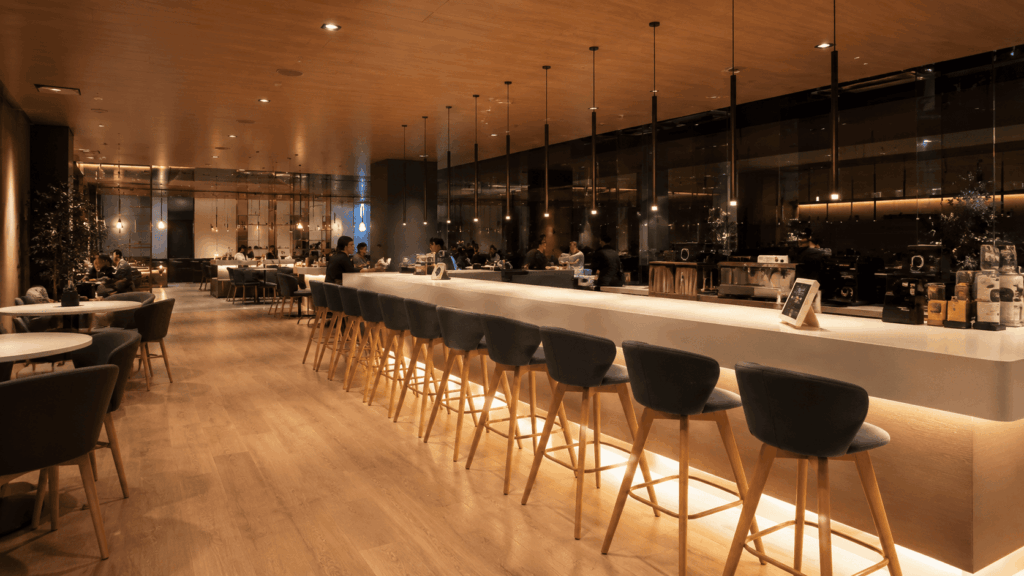
A Tokyo listening bar is a venue built around intentional music listening. Unlike a normal bar, where music sits in the background, these rooms put the sound system, record collection, selector, and listening culture at the center of the night. The roots go back to Japan’s postwar jazz kissa tradition — cafes where people gathered to hear records on audio systems that most private homes could not accommodate.
Today, the scene includes strict silent rooms, classical music cafes, tiny vinyl bars, and DJ lounges. Many are hidden in basements, upper floors, or modest multi-tenant buildings. That makes them memorable, but it also means you should confirm the exact address, floor, latest hours, payment method, and house rules before you go.
Kai’s tip: The mistake I see travelers make is treating a listening bar like a normal nightlife stop. Before leaving your hotel, save the building name, floor, and Japanese address in your map app. In Tokyo, the bar may be obvious once you are inside the building — but surprisingly hard to spot from the street.
6 Best Tokyo Listening Bars for Travelers (2026)
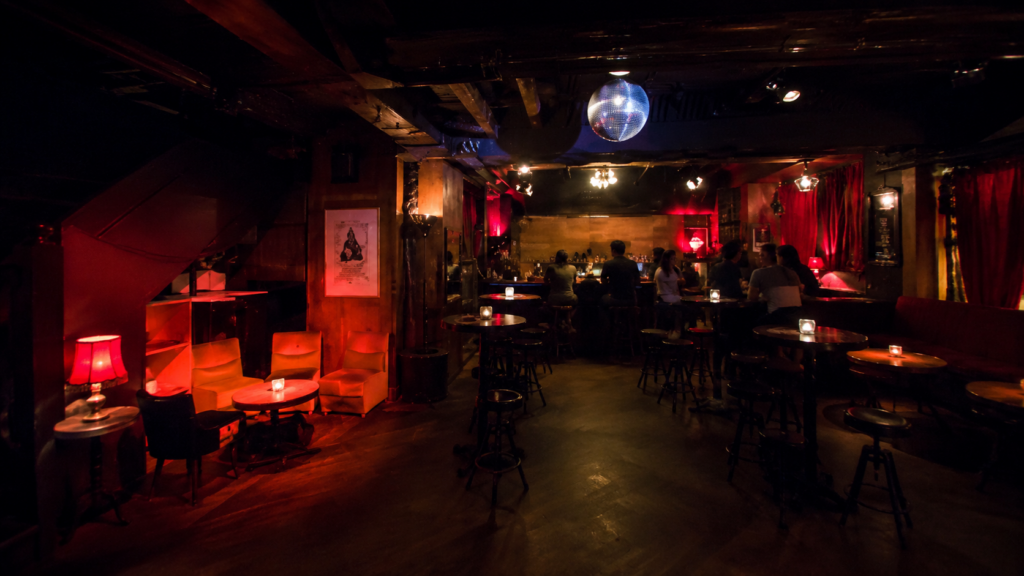
Bar Martha — Ebisu (The Strict Listening Sanctuary)
Address: Vera Heights Ebisu 1F (rear), 1-22-23 Ebisu, Shibuya-ku, Tokyo
Nearest station: Ebisu Station — commonly listed as a short walk from the JR and Tokyo Metro exits
Hours: Often listed from evening until late night, but confirm the latest details before visiting
Cover / seat charge: Commonly reported, but the amount can change
Reservations: Generally not accepted according to current listings
Best known for: Serious vinyl listening, strict etiquette, and a room where the music comes first
Bar Martha is one of the most respected names in Tokyo’s listening bar scene. It is narrow, dimly lit, and built around the ritual of records being selected and played with care. If you are exploring upscale quiet neighborhoods like Ebisu, this is the listening bar I would consider first — but only if you genuinely want the quiet-room experience.
Who it is best for: Solo travelers, couples, and serious music fans who want an immersive, near-silent vinyl night. The strict etiquette — minimal conversation, no casual photography, and no requests — is part of the appeal.
Who should skip it: Groups of four or more, anyone looking for a chatty cocktail night, or first-timers who feel uncomfortable when a room goes almost completely quiet.
DJ Bar Bridge — Shibuya (Social Sound with a View)
Address: Park Side Kyudou Bldg 10F, 1-25-6 Shibuya, Shibuya-ku, Tokyo
Nearest station: Shibuya Station — very close to the Hachiko side of the station
Hours / door charge: Event and schedule details can change, so check the official listing or social channels before going
Sound system: Known for high-quality audio and a music-first DJ bar format
Opened: 2014
DJ Bar Bridge sits high above Shibuya, with city views that make the elevator ride feel part of the night. Compared with Bar Martha, the mood is more social: you can usually talk quietly, order drinks, and enjoy DJ sets without feeling you have entered a silent temple. The key is still respect — this is not a loud pub with background music.
If you want to pair this with a guided local night nearby, a guided Shibuya hidden alleys food and bar tour can be an easy way to explore the area before or after your music-focused stop.
Who it is best for: First-timers, couples, small groups, and travelers who want high-quality sound without the pressure of near-silence. It fits naturally into a Shibuya night out.
Who should skip it: Anyone seeking total silence, a strictly vinyl-only room, or a traditional jazz kissa atmosphere.
SHeLTeR — Hachioji (The Audiophile Pilgrimage)
Address: 1-1 Yokamachi, Hachioji, Tokyo 192-0071
Nearest station: Hachioji Station — commonly listed as a short walk from the station area
Access from central Tokyo: The JR Chuo Line from Shinjuku is the simplest starting point, but confirm your return route carefully
Hours / events: Event-led and variable; check the latest official schedule or social media before going
Sound system: A custom system refined over many years by owner Yoshio Nojima
Best known for: Serious audiophile sessions outside central Tokyo
SHeLTeR is less a casual bar stop and more a pilgrimage site for serious listeners. The room attracts people who care about sound systems, selectors, and the way music fills a small space. For travelers staying in Shibuya, Shinjuku, or Ginza, the journey is significant enough that I would not treat it as a casual add-on.
Who it is best for: Sound-system obsessives, serious music fans, and travelers willing to plan a night around one room rather than squeeze it between other stops.
Who should skip it: Casual bar-hoppers, anyone on a tight schedule, or travelers who want to stay within Shibuya, Shinjuku, or Ebisu.
Kai’s tip: If I had one night for SHeLTeR, I would not combine it with two central Tokyo bars. Hachioji is workable, but it changes the rhythm of the evening. Decide first whether the sound system is the main event; if it is, build the whole night around it.
Little Soul Cafe — Shimokitazawa (Relaxed Vinyl & Soul)
Address: 2F Taisei Bldg, 3-20-2 Kitazawa, Setagaya-ku, Tokyo
Nearest station: Shimokitazawa Station — about 4 minutes on foot according to the venue’s official listing
Hours: Officially listed as 7:00 PM – 2:00 AM, open nightly, but confirm before visiting
Seating: Counter seating is limited, with additional sofa seating depending on availability
Founded: 1999
Records: The venue describes itself as having more than 14,000 vinyl records
Little Soul Cafe is a better fit for travelers who want vinyl culture without the pressure of a strict silent room. Soul, funk, jazz, and warm analog sound define the space, and the atmosphere is more neighborhood bar than formal listening temple. Shimokitazawa also makes sense if you want secondhand shops, small restaurants, and a more local-feeling evening before settling into music.
For a different but equally local night west of central Tokyo, a small-group Sangenjaya night food tour meeting in Shibuya can work well if you want guided context before heading into quieter music-focused spaces on your own.
Who it is best for: Solo travelers, couples, and anyone who wants a cozy, unpretentious vinyl bar without strict silence rules.
Who should skip it: Larger groups, travelers who dislike small rooms, or anyone who wants DJ-driven electronic music rather than soul, funk, and classic vinyl selections.
Meikyoku Kissa Lion — Shibuya (Historic Classical Music Cafe)
Address: 2-19-13 Dogenzaka, Shibuya-ku, Tokyo
Nearest station: Shibuya or Shinsen, depending on your route
Hours: Often listed as 1:00 PM – 8:00 PM, but check before visiting
Founded: 1926
Drinks: Coffee, tea, and soft drinks; this is not an alcohol-focused night bar
House rules: Quiet listening, no photography, and minimal phone use are commonly noted
Meikyoku Kissa Lion is not a bar — it is a historic classical music listening cafe. If you want to experience old-school Japanese kissa culture in one of its purest forms, it is worth considering. But if you are looking for a late-night drinking spot with vinyl records, this is the wrong choice. Save it for an afternoon Shibuya break between sightseeing and dinner.
Who it is best for: History buffs, classical music lovers, and travelers curious about Japan’s pre-war cafe culture.
Who should skip it: Anyone looking for a nighttime bar, vinyl-focused jazz or soul, or a place to drink alcohol late at night.
JBS — Shibuya (Compact Jazz, Blues & Soul Institution)
Address: Near Shinsen / Shibuya Station area
Nearest station: Shinsen Station or Shibuya Station, depending on your route
Hours: Current listings often show evening hours, with a shorter Wednesday schedule; confirm before going
Payment: Some listings note cash-focused payment, so bring yen
Focus: Jazz, blues, and soul records in a compact room
JBS (Jazz Blues Soul) is a compact Shibuya vinyl bar that regularly appears on Tokyo music lovers’ lists. It is not flashy, and that is the point: the room is about records, the owner, and the music. Because small independent bars can close unexpectedly or adjust hours, I would keep JBS as a strong central option but still have a backup nearby.
Who it is best for: Jazz and soul fans who want a quick, central, music-first vinyl stop in Shibuya.
Who should skip it: Travelers on a tight schedule who cannot risk an unplanned closure, or anyone looking for a late-night option after the listed closing time.
Tokyo Listening Bars Comparison Table
| Listening Bar | Area | Best For | Conversation Level | Cost Notes | Best Time to Use It |
|---|---|---|---|---|---|
| Bar Martha | Ebisu | Quiet vinyl, ritual listening | Very quiet; minimal talking | Expect a cover or seat charge; confirm latest amount | Late evening, if you want one focused room |
| DJ Bar Bridge | Shibuya | Social DJ bar, strong sound, city view | Social but music-first | Door charges and drink rules vary by night | First Shibuya listening-bar night |
| SHeLTeR | Hachioji | Audiophile sound pilgrimage | Depends on event | Event charges vary | When the room itself is your main destination |
| Little Soul Cafe | Shimokitazawa | Relaxed vinyl, soul, funk | Low conversation usually feels acceptable | Bring cash and confirm current charges | Neighborhood night after Shimokitazawa exploring |
| Meikyoku Kissa Lion | Shibuya | Classical music cafe, history | Quiet cafe rules | Drink order; cash is safest | Afternoon cultural stop |
| JBS | Shibuya / Shinsen | Jazz, blues, soul vinyl | Low to moderate | Bring cash and check latest listing | Central vinyl stop before or after dinner |
Listening Bar Etiquette — What First-Timers Need to Know
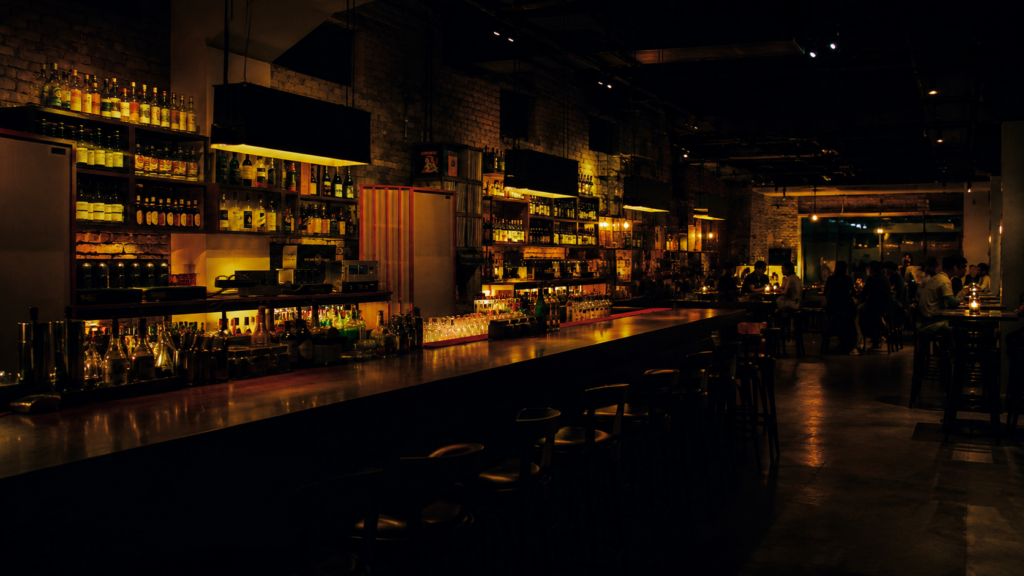
Tokyo listening bars are usually small, intimate spaces. Some seat fewer than 15 people, and even the larger rooms can feel quiet because the audience is focused on the music. The etiquette is not complicated, but it is different from a typical bar or nightclub.
Can I Talk?
It depends on the venue. At strict listening rooms like Bar Martha, keep conversation to an absolute minimum. At more social DJ bars like DJ Bar Bridge, low conversation is generally fine as long as it does not overpower the music. The safest rule is simple: if everyone else is facing the speakers and speaking softly, lower your voice and listen.
Can I Take Photos?
Do not assume photos are allowed. Many listening bars and traditional music cafes prohibit photography to protect the atmosphere, equipment, and other guests’ privacy. If there is no clear sign, keep your phone away or ask staff politely before taking a picture. At strict venues, the better move is often to skip photos entirely.
Can I Request Songs?
Usually, no. In a listening bar, the owner, bartender, or DJ is curating the room. You are there to hear their selection, not to control the playlist. Requests can feel intrusive, especially in traditional jazz kissa-style venues where the selection is part of the venue’s identity.
Are Large Groups Welcome?
Small groups are safer. Most listening bars have limited seating and a quiet atmosphere. A group of four or more can feel disruptive in a room designed for focused listening. For a first visit, solo, two people, or a very quiet group of three is usually the better fit.
Kai’s tip: What catches people out is not the rule itself, but how quickly one loud voice changes the room. I always tell readers to watch where people are facing. If the seats are angled toward the speakers instead of each other, treat the room more like a small concert than a bar.
How Much Do Tokyo Listening Bars Cost?
Expect more than just the drink price. Many Tokyo listening bars add a cover charge, seat charge, or music charge. For travelers unfamiliar with the system, understanding Japan’s table charge culture (otoshi) can help avoid confusion when the bill arrives.
These fees support small rooms, record collections, skilled staff, high-end audio equipment, and rent in central Tokyo. They are not automatically tourist upcharges — but you should know they exist before you sit down.
| Venue | Charge Style | Drink Budget | Payment Tip |
|---|---|---|---|
| Bar Martha | Cover / seat charge commonly reported | Expect premium bar pricing; confirm on site | Cash is safest |
| DJ Bar Bridge | Door charge can vary by day or event | Check event or official listing | Cards may be possible, but carry cash |
| SHeLTeR | Event-dependent music charge | Varies by event | Check event details in advance |
| Little Soul Cafe | Small venue; confirm latest charge | Standard bar drinks plus specialty spirits | Bring cash |
| Meikyoku Kissa Lion | Drink order at a daytime cafe | Coffee / tea budget rather than bar budget | Cash is safest |
| JBS | Drink order; listings can change | Modest bar budget | Bring cash |
Kai’s tip: For one listening bar, I would carry enough cash for a cover or music charge, two drinks, and a taxi buffer. Even when a place accepts cards, cash removes friction in small rooms. It also helps if you decide to leave quietly after one drink because the vibe is not right for you.
Getting Around — Trains, Taxis, or Private Chauffeur?
Your transport choice depends on how many bars you plan to visit, where they are located, and how late you want to stay out. For one central venue, trains are usually enough. For a multi-neighborhood night, the route matters much more.
For one bar in Shibuya or Ebisu: Tokyo’s trains and subways are usually enough. If you are staying near a central station, the JR Yamanote Line, Tokyo Metro, or Toei Subway will get you close to most first-time-friendly venues. When choosing your transport, comparing a Suica card versus a subway pass in advance can save you time and hassle at the station.
If your listening bar night is mostly around subway-connected areas, a Tokyo Subway Ticket can be useful for Tokyo Metro and Toei Subway rides, though you will still need a separate option for JR lines, late-night taxis, or far-flung venues.
For multiple bars in one night: The calculation changes. Tokyo listening bars are often tucked into basements, upper floors, or quiet side streets across different neighborhoods. Ebisu, Shibuya, and Shimokitazawa are manageable by train if you plan carefully. Hachioji for SHeLTeR is a separate journey and should be treated as its own plan.
For a late-night finish: Taxis are the realistic fallback after the last train. A private chauffeur-style tour can be valuable earlier in the day or for a custom sightseeing route that ends near your first listening bar, but you should check the product’s actual operating hours, pickup rules, and inclusions before assuming it works for a late-night bar crawl.
| Situation | DIY Train / Taxi | Private Chauffeur |
|---|---|---|
| One bar in Shibuya or Ebisu | Usually enough; check your last train | Usually unnecessary |
| Shibuya + Ebisu + Shimokitazawa | Possible with careful timing | Useful if comfort matters more than budget |
| Daytime sightseeing before a listening bar night | Efficient but tiring if you cross town all day | Strong fit for a customizable Tokyo route |
| Hidden entrances and multi-floor buildings | Allow extra time for finding the venue | Less route stress between neighborhoods |
| After last train | Taxi required | Only if the booked service specifically supports your timing |
Recommended Upgrade: Private Tokyo Chauffeur Route for a Smoother Music-Focused Day
If your Tokyo trip is short and you want to spend the day moving between neighborhoods like Asakusa, Shibuya, Omotesando, Ebisu, and Shimokitazawa before finishing with a listening bar, this is where a private chauffeur becomes practical. I would not frame it as a replacement for every late-night taxi; I would use it to make the daytime-to-evening route smoother so you arrive at the first music stop with energy left.
Why I’d book this one:
- It is customizable: That matters in Tokyo because the best listening bars are not all near the same train line or sightseeing cluster.
- It reduces route fatigue: Recent verified reviewers on the booking page tend to emphasize comfort, flexibility, and not having to navigate every transfer themselves.
- It works best for couples, families, or small groups: Solo travelers will usually get better value from trains, but groups who prioritize comfort can justify the upgrade more easily.
| Option | Best For | What to Check Before Booking |
|---|---|---|
| Private customizable chauffeur tour | Comfortable daytime route ending near Shibuya, Ebisu, or Shimokitazawa | Start times, pickup area, duration, inclusions, and whether your route is realistic |
| Guided Shibuya food and bar tour | Travelers who want a social local night in one area | Meeting point, group size, food/drink inclusions, and whether it matches your music plan |
How to Plan a Tokyo Listening Bar Night
A good listening bar night is simple, but it should not be random. Use this sequence to avoid the two most common mistakes: choosing the wrong room for your mood, and underestimating transport.
Step 1: Choose Your Listening Style
Decide whether you want strict quiet listening, social DJ-bar energy, a relaxed vinyl room, or a daytime kissa experience. This decision matters more than the neighborhood.
Step 2: Pick One Main Venue
Choose one bar as the anchor of the night. If you are new to the scene, Bar Martha, DJ Bar Bridge, or Little Soul Cafe are easier starting points than trying to link all six venues.
Step 3: Confirm the Latest Hours and Rules
Check the official website, social media, or current listing on the day you plan to go. Small bars may adjust hours, close for events, or enforce house rules that are not obvious from old travel articles.
Step 4: Plan the Return Before You Drink
Check your last train, taxi route, or private transport option before ordering the second drink. This is especially important if your hotel is not near Shibuya, Ebisu, or Shimokitazawa.
Step 5: Have a Backup Nearby
Small Tokyo bars can be full, closed, or not the right mood when you arrive. Keep one nearby backup so the night does not depend on a single door opening.
Frequently Asked Questions
Do I Need Reservations for Tokyo Listening Bars?
It depends on the venue. Small listening bars like Bar Martha and Little Soul Cafe are often first-come, first-seated, while DJ bars and event-led venues may operate differently depending on the night. Check the latest official website, social media, or event listing before heading out.
Can I Talk in a Tokyo Listening Bar?
Sometimes, but keep your voice low. At strict listening rooms like Bar Martha, conversation should be minimal. At more social DJ bars like Bridge, quiet conversation is usually fine. Read the room: if guests are facing the speakers in silence, do the same.
Are Tokyo Listening Bars Good for Solo Travelers?
Yes. Many Tokyo listening bars are excellent for solo travelers because the focus is on the music rather than group conversation. For more tips on mastering solo dining and drinking in Tokyo, these venues are a great place to start.
Can I Take Photos Inside?
Do not assume so. Some venues prohibit photography of the room, guests, records, equipment, or drinks. If there is no clear sign, keep your phone away or ask staff politely before taking a picture.
How Much Should I Budget for a Listening Bar Night?
Budget for a possible cover, seat, or music charge plus drinks. Amounts vary by venue and can change, so check the latest listing before you go. For one central listening bar, bring enough cash for the charge, two drinks, and a taxi buffer.
What Should I Wear?
Most Tokyo listening bars do not require formal dress, but clean, understated clothing is safest. Avoid looking like you are heading to a loud club. The mood is intimate, calm, and music-focused. Think smart casual, dark colors, and no costume-like group outfits.
Which Area Is Best for a First Listening Bar Night?
Shibuya and Ebisu are the easiest for first-time visitors because they are central, well-connected, and close to other nightlife options. DJ Bar Bridge and Bar Martha are the two clearest starting points. Shimokitazawa is also manageable if you want a relaxed neighborhood night. Hachioji is best for travelers specifically making a sound-system pilgrimage.
Final Verdict — Which Tokyo Listening Bar Is Right for You?
Choose Bar Martha if: You want the most ritual-like Tokyo listening bar experience. You are solo or with one companion. You are comfortable with near-silence and strict etiquette.
Choose DJ Bar Bridge if: You are a first-time visitor who wants great sound with a Shibuya nightlife atmosphere. You want city views, DJ sets, and a venue that fits naturally into a night out.
Choose SHeLTeR if: You are a serious audiophile willing to travel outside central Tokyo for a custom sound-system experience. Plan your night around the event schedule.
Choose Little Soul Cafe if: You want a cozy, lower-pressure vinyl bar with soul and funk, and you are already exploring Shimokitazawa. Bring cash and expect limited seating.
Choose Meikyoku Kissa Lion if: You want a daytime cultural experience — classical music, historic atmosphere, and a coffee break rooted in nearly a century of listening culture.
Choose JBS if: You want a compact, central jazz, blues, and soul vinyl stop in Shibuya — but have a backup plan in case hours change or the room is full.
Final Recommendation: Match the Bar to the Kind of Night You Actually Want
If this is your first Tokyo listening bar night, do not try to visit all six. Pick one serious room and let the night breathe. My safest first-timer pairing would be DJ Bar Bridge for social sound in Shibuya or Bar Martha for a quieter Ebisu experience. If your trip is short and you want a smoother day moving across Tokyo before ending near a music bar, a private chauffeur route is the premium upgrade worth checking.
Check availability and itinerary options for a private customizable Tokyo chauffeur tour

Hi, I’m Kai. I’m a Tokyo-based travel writer, tourism industry insider, and the author of a published guidebook for international visitors to Japan. With over 10 years of professional experience at a leading Japanese tourism company, my mission is to help you skip the tourist traps and navigate Japan’s best destinations like a local. I believe the perfect day trip is like a traditional kaiseki meal: a beautiful balance of precise planning and unforgettable seasonal discovery. When I’m not out conducting field research, you’ll usually find me drafting new itineraries with one of my favorite fountain pens!