
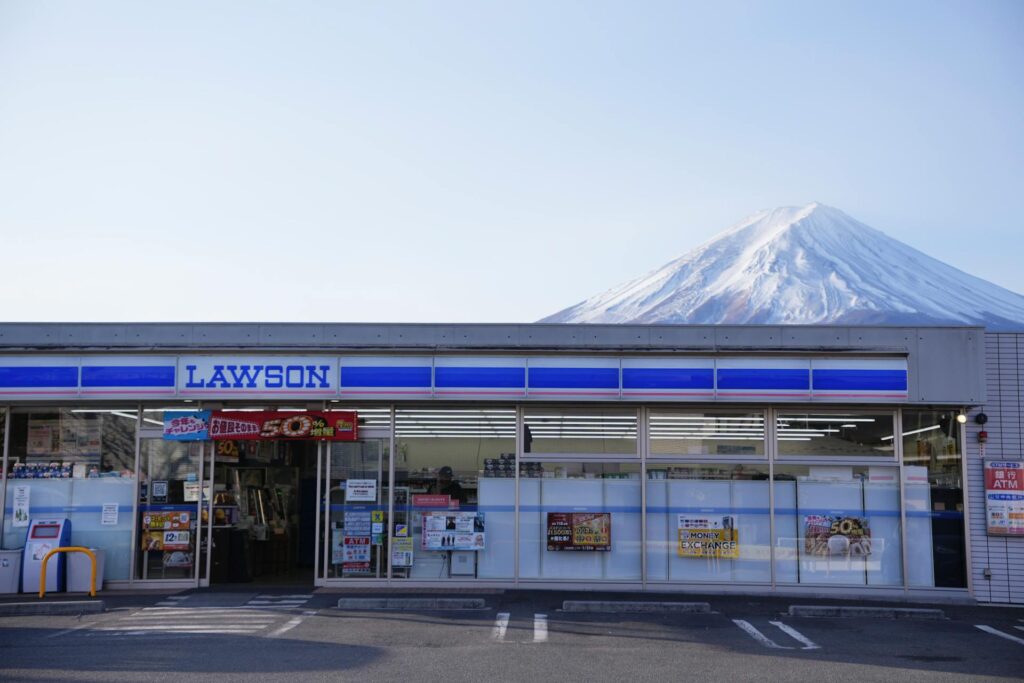
Seeing Mt. Fuji in all its glory is a bucket-list experience for anyone visiting Japan. However, Japan’s most iconic peak is notoriously known as the “Shy Mountain.” Because of its massive size and geographic location, it generates its own weather system, meaning it can easily be completely hidden by clouds—even on a day when the weather forecast says “sunny.”
If you are planning a trip to Kawaguchiko, Hakone, or taking a day trip from Tokyo, knowing the best time to see Mt. Fuji is crucial to avoid disappointment. This guide breaks down the realistic visibility chances by month and time of day, so you can plan your itinerary with confidence.
Quick Answer: When is the Best Time to See Mt. Fuji?
If you want the short version, here is the reality of Mt. Fuji’s visibility at a glance:
- Best Months: November, December, January, and February (Winter). The air is cold and dry, offering the highest chance of clear views.
- Worst Months: June, July, and August (Summer). High humidity and summer weather patterns mean the mountain is frequently hidden behind clouds.
- Best Time of Day: Early morning, ideally before 9:00 AM.
Pro Tip for Maximizing Your Chances: Clouds around Mt. Fuji move fast, and weather can differ drastically from one side of the mountain to the other. If one lake is cloudy, another might be clear. For travelers with limited time in Japan who absolutely do not want to miss the view, booking a tour where the itinerary can be adjusted on the fly is your best bet.
Check availability for the Mount Fuji Private Tour With English Guide
Mt. Fuji Visibility by Month (The Good, The Bad, and The Cloudy)
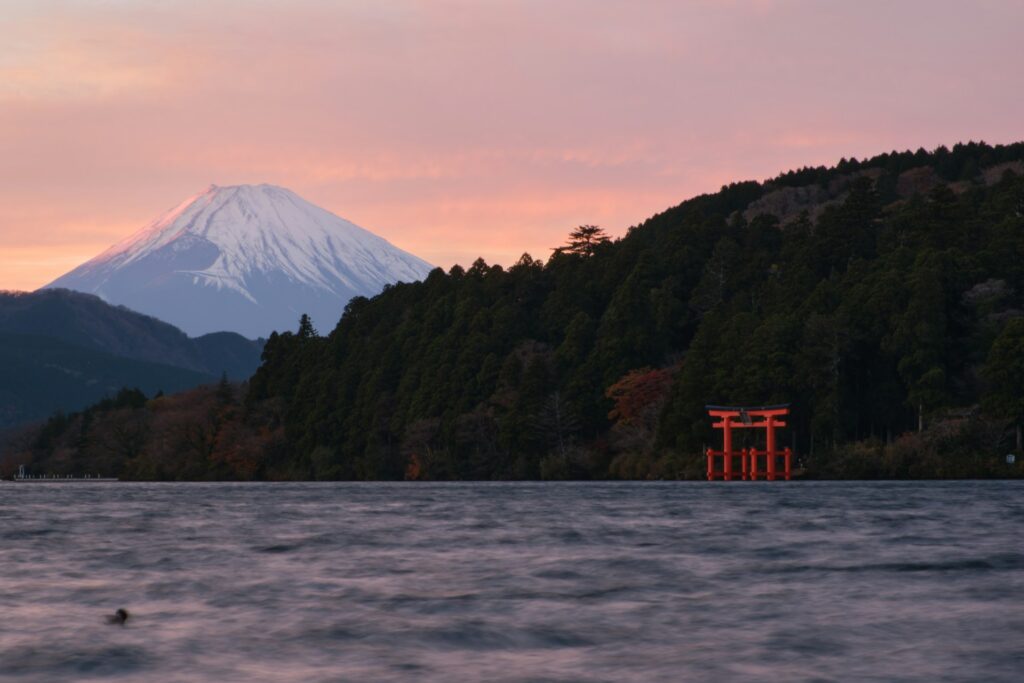
Your chances of seeing Mt. Fuji change dramatically depending on the season. Here is a realistic breakdown of what to expect throughout the year.
Winter (November to February): The Absolute Best Time
If your primary goal is to see Mt. Fuji perfectly, winter is the time to go. During these months, the air in Japan is incredibly dry and crisp. Historical weather data suggests you have a 70% to 80% chance of seeing the entire mountain, complete with its iconic snow-capped peak. December and January are particularly reliable.
Spring & Autumn (March to May, September to October): The Shoulder Seasons
These are the most popular tourist seasons due to cherry blossoms in spring and autumn foliage in the fall. However, visibility is a coin toss. You have roughly a 40% to 50% chance of a clear view.
- Spring: A phenomenon known as “spring haze” (dust and moisture in the air) can make the mountain look blurry or entirely obscure it, even on warm, sunny days.
- Autumn: September and early October are typhoon seasons in Japan, bringing heavy rain and thick clouds. Late October and November offer much better odds.
Summer (June to August): The Hardest Time to Spot It
Many travelers are surprised to learn that summer is actually the worst time to see Mt. Fuji from afar. June brings the rainy season (Tsuyu), and July and August are hot and extremely humid. This high humidity creates thick, low-hanging clouds. Even if it is not raining, the mountain is often completely invisible behind a white haze. Your chances drop to around 10% to 20% during the day. If you are visiting in summer, arriving at your viewing spot at the crack of dawn is absolutely mandatory.
Best Time of Day to See Mt. Fuji (Why Mornings Matter)
No matter what month you visit Japan, the rule for Mt. Fuji is always the same: The earlier, the better.
The clearest views are almost always between sunrise and 9:00 AM. Overnight, the temperatures drop, causing the air to stabilize and clouds to dissipate. As the sun rises and begins to heat the ground, the warm air rises and hits the cold slopes of the 3,776-meter mountain. This rapid temperature change creates convection clouds.
By 10:00 AM or 11:00 AM, it is very common for a thick ring of clouds to form around the middle or peak of Mt. Fuji, even if the sky directly above you is completely blue. The mountain might remain hidden for the rest of the day, though there is sometimes a brief window of visibility right around sunset as temperatures cool down again.
If you are taking a day trip from Tokyo, try to catch the earliest possible train or highway bus to arrive at the best photo spots in the Fuji Five Lakes area by 8:30 AM.
Why is Mt. Fuji Always Hiding? (The Science of the “Shy Mountain”)
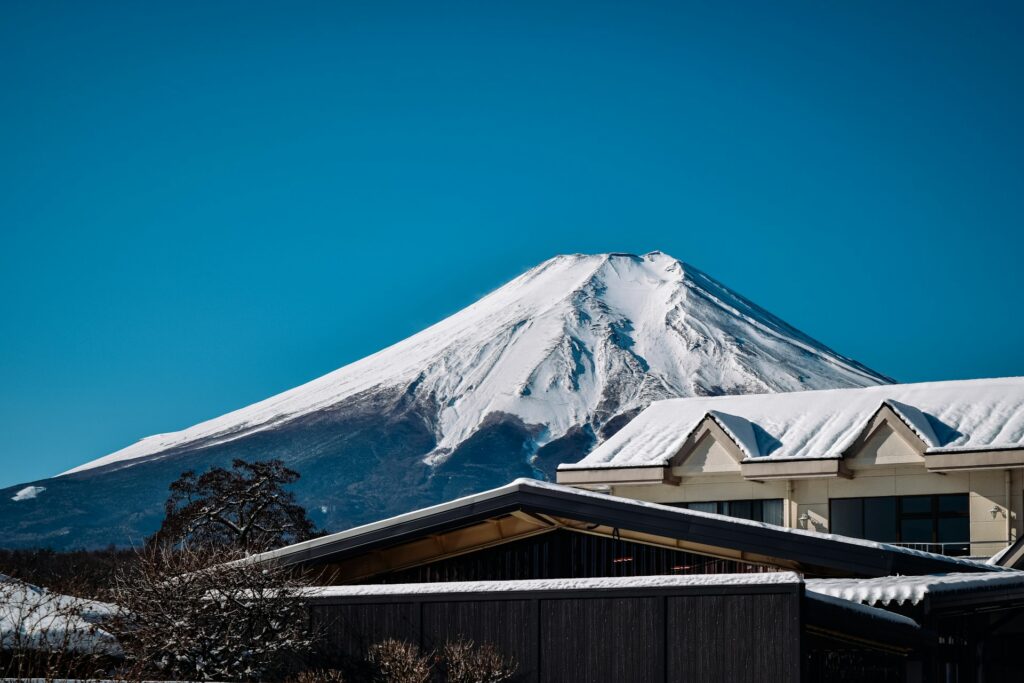
It can be frustrating to wake up in Tokyo to brilliant blue skies, travel two hours to Kawaguchiko, and find Mt. Fuji completely blocked by a thick wall of white clouds. Why does this happen?
Mt. Fuji is an isolated, freestanding stratovolcano rising 3,776 meters (12,388 feet) straight up from near sea level. Because it sits close to the Pacific Ocean, it acts as a massive barrier to moist ocean winds. When these warm, humid winds hit the mountain, they are forced upward. As the air rises into the colder altitudes, the moisture condenses rapidly, forming dense clouds that wrap around the peak.
This means Mt. Fuji literally creates its own localized weather system. The weather in Tokyo, which is about 100 kilometers (62 miles) away, has almost zero correlation with the cloud cover right at the mountain.
How to Maximize Your Chances of Seeing Mt. Fuji
Since you cannot control the weather, the best strategy is to control your schedule. Here are the most practical ways to increase your odds of a clear view:
- Check Live Cameras Before You Go: There are dozens of live webcams positioned around the Fuji Five Lakes. Always check them early in the morning before committing to your travel route.
- Stay Overnight: Spending a night in Kawaguchiko or Hakone allows you to wake up at 5:00 AM and see the mountain before the mid-morning clouds roll in.
- Prioritize Flexibility Over Fixed Itineraries: The most common mistake tourists make is sticking to a rigid plan. Mt. Fuji is huge. It might be cloudy on the north side (Kawaguchiko) but perfectly clear on the east side (Yamanakako) or the south side (Hakone).
Choosing Your Travel Method: DIY vs. Group Tour vs. Private Tour
Your choice of transportation heavily dictates how flexibly you can chase the clear skies. Here is a realistic comparison of DIY and tour options:
| Feature | DIY (Train/Bus) | Large Bus Tour | Private Guided Tour |
|---|---|---|---|
| Cost | Low | Low to Medium | Medium to High (Split among group) |
| Schedule Flexibility | Low (Tied to timetables) | Zero (Strictly fixed) | High (Go at your own pace) |
| Ability to Change Spots based on Clouds | Very Difficult (Public transport is sparse) | Impossible | Yes (Guide can drive to clear areas) |
Is a Private Tour Worth It?
If you are traveling on a strict budget and have multiple days to spare in the Fuji area, taking the local bus is fine. However, if you are doing a day trip from Tokyo and seeing the mountain is a top priority, a private tour is often the smartest investment.
Who it is for: Travelers with limited time, families, and those who want an English-speaking guide to monitor live weather feeds and dynamically adjust the driving route to the best viewing spots of the day.
Who it is not for: Solo backpackers on a tight budget, or travelers who are okay with just visiting the lakes even if the mountain is completely hidden.
Maximize Your Chances of a Clear View
Don’t risk your once-in-a-lifetime view on a fixed bus route. Book a private vehicle with a guide who knows how to navigate the local microclimates.
Frequently Asked Questions (FAQ)
Can I see Mt. Fuji in summer?
Yes, but it is rare. Because of high humidity and heat, the mountain is often hidden behind thick haze or clouds. To see it in July or August, you must look very early in the morning, ideally between 4:30 AM and 7:00 AM. By mid-morning, it is usually gone.
Does a sunny forecast in Tokyo mean Mt. Fuji will be visible?
No. Tokyo and Mt. Fuji have completely different weather systems. Tokyo can be perfectly sunny while Mt. Fuji is wrapped in heavy clouds. Always rely on local weather forecasts for “Fujikawaguchiko” or “Gotemba,” rather than Tokyo.
How can I check if Mt. Fuji is visible right now?
The most reliable method is to search for “Mt. Fuji live camera” online. Local municipalities and tourist boards maintain 24/7 webcams around Lake Kawaguchi, Lake Yamanaka, and Hakone. Checking these feeds early in the morning will give you real-time proof of whether the mountain is hiding or not.

Hi, I’m Kai. I’m a Tokyo-based travel writer, tourism industry insider, and the author of a published guidebook for international visitors to Japan. With over 10 years of professional experience at a leading Japanese tourism company, my mission is to help you skip the tourist traps and navigate Japan’s best destinations like a local. I believe the perfect day trip is like a traditional kaiseki meal: a beautiful balance of precise planning and unforgettable seasonal discovery. When I’m not out conducting field research, you’ll usually find me drafting new itineraries with one of my favorite fountain pens!