
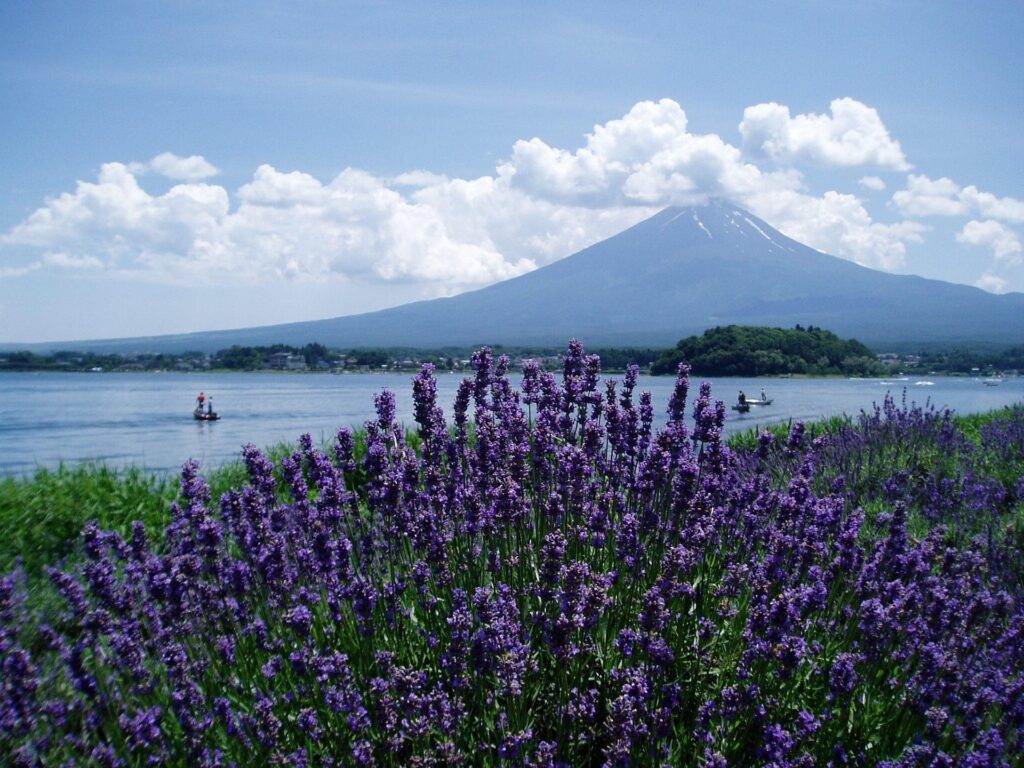
Yes, you can see Mt Fuji from Hakone, but the view is never guaranteed. Hakone offers some of the most scenic viewpoints near Tokyo, including Lake Ashi, the Hakone Sightseeing Cruise, Hakone Ropeway, Owakudani Valley, and Onshi-Hakone Park. Your best chance is usually on a clear winter morning, ideally before clouds build around late morning.
If you only have one day, start around Lake Ashi and Moto-Hakone for the classic lake-and-Fuji view, or head toward the Hakone Ropeway and Owakudani if the ropeway is operating and the mountain area looks clear.
| Quick Facts | Details |
|---|---|
| Best season | Winter, especially December to February, usually offers the clearest air and the best chance of seeing Mt Fuji. |
| Best time of day | Early morning, ideally before 10:00 AM. Clouds often build around Mt Fuji by late morning or afternoon. |
| Best first stop | Lake Ashi near Moto-Hakone for the classic lake, shrine, and Mt Fuji view. |
| Best panoramic option | Hakone Ropeway and Owakudani on a clear day, if the ropeway is operating. |
| Biggest risk | Clouds, haze, wind, ropeway suspension, cruise disruption, or volcanic gas restrictions around Owakudani. |
| Useful cost reference | As checked in June 2026, Hakone Ropeway is listed from 2,000 yen one-way for adults, Hakone Sightseeing Cruise from 1,700 yen one-way for adults, and the Hakone Freepass from Shinjuku from 7,100 yen for 2 days. Always confirm current fares before travel. |
A sunny forecast in Tokyo does not guarantee a clear Mt Fuji view from Hakone. The mountain has its own weather pattern, and clouds can form quickly between Hakone and Fuji. For the best chance, check the Hakone-area forecast, look at live cameras if available, and confirm the day’s ropeway and cruise operation status before committing to your route.
If your priority is to combine Mt Fuji and Hakone in one day without managing several rural transfers yourself, compare a structured tour before deciding.
👉 Check current availability, inclusions, and return options for the Mt Fuji & Hakone day tour
For a deeper breakdown of visibility by season and time of day, read our complete guide to the best time to see Mt Fuji.
How to Get to Hakone from Tokyo
If you are planning a day trip specifically for Mt Fuji views, how you reach Hakone matters. The faster you arrive, the better your chance of catching the mountain before clouds build.
| Route | Best For | Time Note | Cost Note |
|---|---|---|---|
| Odakyu Romancecar Shinjuku → Hakone-Yumoto |
Most first-time Hakone day trips | Usually around 80–90 minutes by limited express train. | Requires a regular fare or Hakone Freepass plus a separate Romancecar limited express ticket. |
| Shinkansen + local train Tokyo/Shinagawa → Odawara → Hakone-Yumoto |
Travelers starting near Tokyo Station or using JR routes | Fast to Odawara, then transfer to Hakone-Yumoto. | Usually more expensive than Odakyu from Shinjuku unless it fits your wider JR itinerary. |
| Highway bus Tokyo area → Hakone / Togendai area |
Travelers heading directly toward Lake Ashi or Togendai | Can be convenient, but traffic may affect arrival time. | Check the latest bus fare and timetable before travel. |
For most visitors, the Odakyu Romancecar plus Hakone Freepass is the easiest combination. The Shinkansen route can be faster from Tokyo Station, but it costs more and still requires onward transport from Odawara. Buses can be useful for Lake Ashi or Togendai, but road traffic makes them less predictable for a Fuji-focused morning.
Hakone Freepass: Is It Worth It?
The Hakone Freepass covers round-trip Odakyu transport from your departure station plus unlimited rides on many local Hakone transport options, including the Hakone Tozan Train, Cable Car, Ropeway, Sightseeing Cruise, and designated buses. It also includes discounts at selected attractions.
| Pass Type | Adult Price Checked in June 2026 | What It Covers |
|---|---|---|
| 2-day Hakone Freepass from Shinjuku | 7,100 yen | Round-trip Shinjuku–Odawara on Odakyu lines plus unlimited local Hakone transport in the covered area. |
| 3-day Hakone Freepass from Shinjuku | 7,500 yen | Same coverage as the 2-day pass, with one extra day. |
| 2-day Hakone Area Only pass from Odawara | 6,000 yen | Unlimited local Hakone transport in the covered area, without the Shinjuku–Odawara round trip. |
Important: the Limited Express Romancecar reserved-seat ticket is not included in the Hakone Freepass. If you take the Romancecar from Shinjuku to Hakone-Yumoto, you need to pay the separate limited express surcharge in addition to your pass or base fare.
Is the Hakone Freepass worth it for a day trip? Often yes, if you plan to ride the ropeway, take the Lake Ashi cruise, and use several trains or buses. If you only visit one or two places around Hakone-Yumoto or Lake Ashi, individual tickets may be cheaper.
5 Best Places to See Mt Fuji in Hakone
If you wake up to clear skies, do not leave Mt Fuji viewing until the afternoon. Go straight to one of the main viewpoints below, then build the rest of your Hakone day around the weather.
1. Lake Ashi and Moto-Hakone
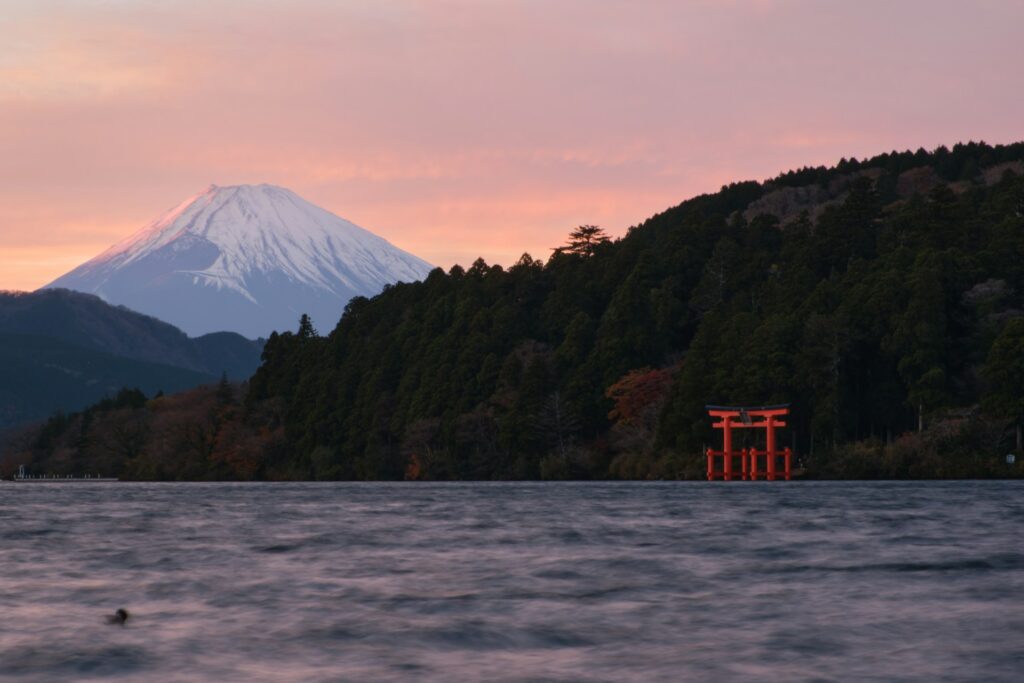
Lake Ashi, also called Ashinoko, gives you the classic Hakone postcard view: water in the foreground, the red torii gate of Hakone Shrine near the shore, and Mt Fuji in the distance when the sky is clear.
The Moto-Hakone area is one of the easiest places to try for this view. From here, you can walk near the lakeside, visit Hakone Shrine, and look for photo angles that include the famous red torii gate with Mt Fuji behind it.
Access: From Hakone-Yumoto Station, take a Hakone Tozan Bus toward Moto-Hakone or Hakone-machi. Travel time depends on the route and traffic, but it is usually around 30–40 minutes.
Cost: Free to walk around the lakeside and Hakone Shrine area.
Tip: Arrive early. The lakeside near the shrine gate can get crowded, and Mt Fuji is more likely to be clear in the morning. For photo-specific guidance, see our Hakone Shrine photo spots guide.
Best for: first-time visitors, classic photos, and travelers who want the most recognizable Hakone-and-Fuji scenery.
2. Hakone Sightseeing Cruise
The Hakone Sightseeing Cruise, often called the Hakone Pirate Ship, connects the main Lake Ashi ports, including Togendai-ko, Hakone-machi-ko, and Moto-Hakone-ko. On clear days, the upper deck can offer wide views across the lake toward Mt Fuji.
The cruise is still worth considering on a cloudy day because Lake Ashi itself is scenic, but do not plan your whole day around the cruise only for Mt Fuji. The mountain may be hidden even when the lake is beautiful.
Access: Board at Togendai-ko, Hakone-machi-ko, or Moto-Hakone-ko. The cruise is part of the classic Hakone transport loop.
Cost: As checked in June 2026, the cruise is listed from 1,700 yen one-way for adults and 3,000 yen round-trip for adults. It is covered by the Hakone Freepass for the normal cabin, but premium cabin upgrades cost extra.
Time: The ride usually takes about 25–40 minutes one-way between Togendai and the southern lake ports. Winter timetables may take longer or run less frequently.
Tip: Go to the open deck if weather allows. Views are best when the sky is clear across the southern side of Lake Ashi.
Best for: travelers who want lake views, easy sightseeing, and a chance to combine Mt Fuji, Lake Ashi, and Hakone Shrine scenery in one route.
Check the official Hakone Sightseeing Cruise information
3. Hakone Ropeway
The Hakone Ropeway can be one of the most dramatic places to see Mt Fuji in Hakone. As the gondola travels between Sounzan, Owakudani, Ubako, and Togendai, the view can suddenly open up to a wide mountain panorama.
The view is most impressive on clear days, especially around Owakudani and the sections with views toward Lake Ashi and Mt Fuji. Have your camera ready because the best angle can appear quickly as the gondola crests the mountain.
Access: From Hakone-Yumoto, take the Hakone Tozan Train to Gora, then the Hakone Tozan Cable Car to Sounzan. From Sounzan, board the ropeway toward Owakudani and Togendai.
Cost: As checked in June 2026, the ropeway is listed from 2,000 yen one-way for adults and 3,000 yen round-trip for adults. It is covered by the Hakone Freepass.
Operating hours: Official information lists general boarding times of 9:00 AM–5:00 PM from February to November and 9:00 AM–4:15 PM from December to January. Station-specific final boarding times, inspections, maintenance, wind, volcanic gas, and severe weather can affect operations, so always check the latest status on the day.
Important: the ropeway may be suspended because of strong wind, extreme weather, mechanical issues, inspections, maintenance, or safety conditions around the volcanic area. Do not make it the only reason for your Hakone day.
Best for: panoramic views, first-time Hakone visitors, and travelers following the classic Hakone transport loop.
Check the official Hakone Ropeway operation status
4. Owakudani Valley
Owakudani is known for its volcanic vents, sulfurous steam, and black eggs called kuro-tamago, but it is also one of Hakone’s most memorable Mt Fuji viewpoints on a clear day. The contrast between the smoking volcanic valley and the snow-capped mountain can make this one of the most distinctive views in the area.
Access: The easiest route is by Hakone Ropeway to Owakudani Station. If the ropeway is suspended, check current local transport options before assuming you can still reach the area easily.
Cost: The main viewing area is generally free to visit, but food, souvenirs, parking, and transport cost extra.
Important safety note: Owakudani is an active volcanic area. Volcanic gas levels, weather, and safety conditions can restrict trails or viewing areas. Travelers with asthma, respiratory conditions, heart conditions, pregnancy, newborn babies, small children, or elderly travelers should pay extra attention to local warnings and avoid the area if symptoms occur.
Best for: dramatic scenery, volcanic landscapes, and travelers who want a view that feels very different from the Lake Ashi postcard angle.
5. Onshi-Hakone Park
Onshi-Hakone Park is a quieter option for travelers who want to escape the busiest port areas. Located on a peninsula beside Lake Ashi, this former imperial retreat has elevated viewpoints over the lake and, on clear days, Mt Fuji beyond the water.
Access: From Moto-Hakone, it is a walkable detour if you do not mind some slopes and paths. You can also use nearby bus stops depending on your route.
Cost: Park entry is free. The Lakeside Observation Building is closed from December 29 to January 3, and facility hours may vary, so check the official park page if you plan to enter the building.
Tip: This spot requires more walking than the main lakeside viewpoints, which makes it less convenient but often more peaceful. If you enjoy photography and do not mind a slower pace, it is one of the best places in Hakone to wait for the clouds to shift.
Best for: quieter photos, lake panoramas, and travelers who prefer a less crowded viewpoint.
Check the official Onshi-Hakone Park information
Best Time to See Mt Fuji from Hakone
The most frustrating thing about trying to see Mt Fuji from Hakone is that the mountain may be hidden even when the rest of the day feels bright and pleasant. Hakone sits in a mountainous area, and the weather between Hakone and Mt Fuji can change quickly.
| Season | Visibility Chance | Main Challenge |
|---|---|---|
| Winter December–February |
Usually the best | Cold wind, shorter daylight, possible snow or transport disruption. |
| Spring March–May |
Fair, especially on clear mornings | Increasing humidity, spring haze, and changing mountain weather. |
| Summer June–August |
Often low | Humidity, haze, rainy season, and clouds around Mt Fuji. |
| Autumn September–November |
Fair to good, improving later in the season | Typhoon risk in early autumn and crowded foliage periods. |
In warmer months, humidity and haze are the biggest problems. From June to August, Mt Fuji can disappear behind a white atmospheric haze even when there are no obvious rain clouds. In the afternoon, rising moisture often creates cloud around the mountain, which is why morning is so important.
Winter is usually better because the air is colder and clearer. That said, no season gives you a guaranteed view. Treat Mt Fuji as the bonus that makes a Hakone day unforgettable, not the only reason to visit.
Sample Hakone Itinerary for a Mt Fuji-Focused Day
Use this as a flexible template, not a fixed schedule. Exact train times, bus times, cruise departures, ropeway operations, and weather conditions can change.
| Approx. Time | Plan |
|---|---|
| Early morning | Leave Tokyo early by Romancecar, Shinkansen route, or bus depending on where you are staying. |
| Around 9:00 AM | Arrive in the Hakone area. If Lake Ashi looks clear, go toward Moto-Hakone. If the mountain area looks clearer and the ropeway is running, go toward Sounzan / Owakudani. |
| Morning visibility window | Prioritize Lake Ashi, Moto-Hakone, Hakone Shrine area, Hakone Ropeway, or Owakudani before clouds build. |
| Late morning to lunch | Take the Hakone Sightseeing Cruise or continue the ropeway route if operations are normal. |
| Afternoon | If Mt Fuji disappears, switch to Hakone Open-Air Museum, an onsen, Onshi-Hakone Park, Owakudani if open, or the Old Tokaido cedar avenue. |
| Late afternoon | Return toward Hakone-Yumoto, Odawara, or your overnight accommodation. Allow extra time if buses, trains, or roads are crowded. |
If skies are already cloudy by mid-morning, do not spend the whole day chasing Mt Fuji. Hakone has enough scenery, museums, hot springs, and historic walks to make the trip worthwhile even without the mountain.
What to Do If Mt Fuji Is Cloudy
If Mt Fuji is hidden, do not cancel your Hakone day too quickly. Hakone is still one of the best day trips from Tokyo because the area is not only about Fuji views.
- Stay around Lake Ashi if the weather is still pleasant. The cruise and lakeside walks are scenic even without Mt Fuji.
- Visit Owakudani if the ropeway and volcanic area are open. The steam vents and black eggs are unique to Hakone.
- Go to the Hakone Open-Air Museum if the weather turns cloudy or wet.
- Plan an onsen break if you want a slower day and are not chasing views anymore.
- Walk part of the Old Tokaido cedar avenue for a quieter, more historic side of Hakone.
If seeing Mt Fuji matters more than visiting Hakone itself, compare this plan with Kawaguchiko or a dedicated Mt Fuji day trip. Those options bring you physically closer to the mountain, although they are still weather-dependent.
Self-Guided Hakone vs Guided Mt Fuji and Hakone Tour
A self-guided Hakone day trip works well if your main goal is to enjoy Hakone itself: Lake Ashi, the ropeway, Owakudani, museums, hot springs, and the scenic transport loop. However, if your top priority is seeing Mt Fuji, Hakone alone can be a gamble.
A guided Mt Fuji and Hakone tour can make sense if you have only one day, want fewer transport decisions, and prefer to go closer to Mt Fuji before visiting Hakone. It still cannot guarantee a clear view, but the route usually gives you more chances than staying only within Hakone.
| Decision Point | Self-Guided Hakone Day Trip | Guided Mt Fuji + Hakone Tour |
|---|---|---|
| Best for | Travelers who mainly want to enjoy Hakone at their own pace. | Travelers who want to combine Mt Fuji and Hakone in one structured day. |
| Fuji visibility strategy | You rely on Hakone viewpoints, which are beautiful but distant and weather-dependent. | The route usually goes closer to Mt Fuji first, then continues toward Hakone. Still weather-dependent. |
| Flexibility | High. You can change plans if the weather or ropeway conditions are poor. | Lower. The schedule is fixed, but easier to follow. |
| Transport complexity | Higher. You may use several trains, buses, ropeways, cruises, and transfers. | Lower. Transport between scattered sights is arranged for you. |
| Weather and operation risk | You need to monitor ropeway, cruise, and local weather conditions yourself. | The operator handles route decisions, but weather can still affect views and activities. |
| Best cloudy-day fallback | Museums, onsen, Lake Ashi, Owakudani if open, and slower local sightseeing. | You still follow the tour route, but the Mt Fuji portion may be less rewarding if visibility is poor. |
| Return to Tokyo | Flexible, but may involve crowded trains or buses depending on timing. | Some tours include a return by bullet train from Odawara, which can simplify the evening. |
Choose a Guided Tour If
- You only have one day and want to see both Mt Fuji and Hakone.
- You want a simpler route from Tokyo without managing multiple train, bus, ropeway, and cruise connections yourself.
- You are comfortable with a fixed schedule.
- You want a better chance of seeing Mt Fuji than you would get by staying only within Hakone.
- You like the idea of returning by bullet train from Odawara instead of navigating the evening journey on your own.
Skip a Guided Tour If
- You are staying overnight in a Hakone ryokan and want a slower trip.
- You mainly want museums, hot springs, and relaxed local sightseeing.
- You prefer to change plans freely based on the weather.
- You do not mind missing Mt Fuji as long as you enjoy Hakone itself.
If you are leaning toward a structured day, check the current route, inclusions, return method, lunch option, and cancellation terms before booking. Mt Fuji visibility, ropeway operation, and cruise operation still depend on the weather and local conditions.
👉 Check current details for the Mt Fuji & Hakone tour with return by bullet train
Is a Mt Fuji and Hakone Bullet Train Tour Worth It?
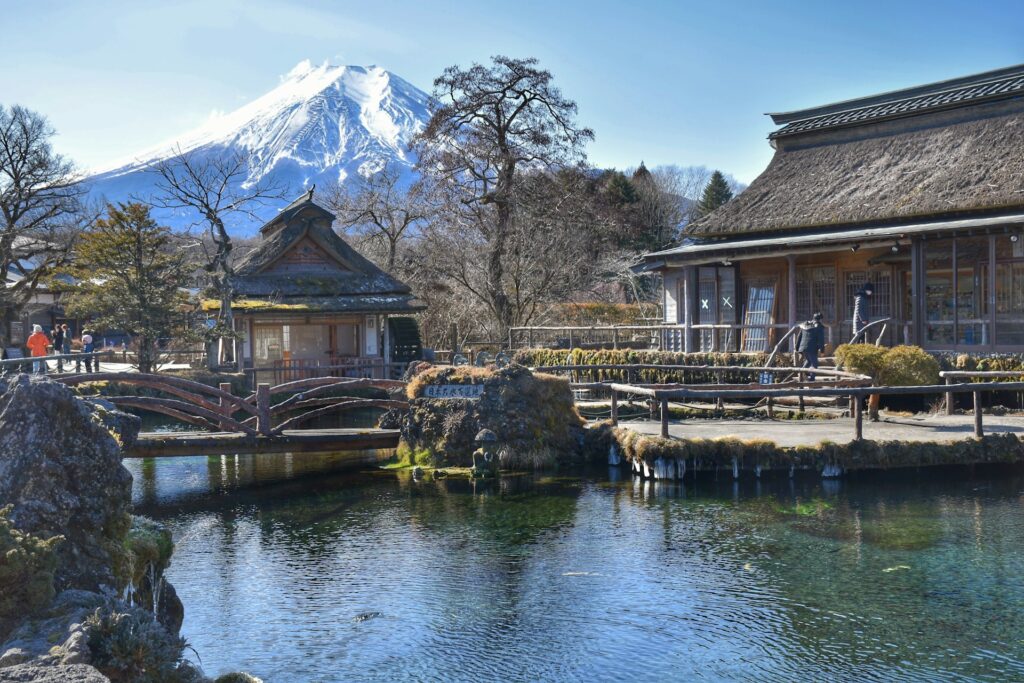
A Mt Fuji and Hakone bullet train tour can be worth it if you have only one full day and want to reduce the stress of planning transport. It is not the right choice for every traveler, but it can be a practical option if your priority is to see both Mt Fuji and Hakone without building the route yourself.
The biggest advantage is that you are not relying only on distant Hakone viewpoints. Many combined tours go closer to Mt Fuji first, then continue toward Hakone for Lake Ashi, the ropeway area, Owakudani, or other classic sights depending on the day’s schedule and conditions.
However, be realistic. A tour does not guarantee a clear view of Mt Fuji. It also does not remove all walking, weather, or operation risk. Ropeway or cruise segments may be replaced if services are suspended, and return details can vary by product and date.
FAQ About Seeing Mt Fuji from Hakone
What time of day is best to see Mt Fuji from Hakone?
Early morning is usually best, ideally before 10:00 AM. As the day warms up, moisture rises and clouds often form around Mt Fuji. If the mountain is your priority, do not delay your first viewpoint until the afternoon.
Can you see Mt Fuji from Hakone in summer?
Yes, but it is much less likely. Summer in Japan is humid, and haze can hide Mt Fuji even on days that look bright. If you visit between June and August, treat a clear Mt Fuji view as a lucky bonus rather than something to expect.
Where is the best place to see Mt Fuji in Hakone?
For most first-time visitors, Lake Ashi around Moto-Hakone is the best place to start because it gives you the classic lake, shrine, and Mt Fuji view. Hakone Ropeway and Owakudani are also excellent on clear days, especially if you want a wider mountain panorama.
Can the Hakone Ropeway close because of weather?
Yes. The Hakone Ropeway can be suspended because of strong wind, extreme weather, mechanical trouble, regular inspections, maintenance, or volcanic safety conditions. Check the official operation status on the day of travel before making it the center of your Mt Fuji plan.
Is Hakone better than Kawaguchiko for seeing Mt Fuji?
Hakone is better if you want hot springs, Lake Ashi, museums, volcanic scenery, and a chance of seeing Mt Fuji. Kawaguchiko is usually better if Mt Fuji itself is your main priority because it is closer to the mountain and has more direct Fuji-focused viewpoints.
What should I do if Mt Fuji is hidden by clouds?
Do not let clouds ruin your Hakone day. Visit Owakudani if it is open, take the Lake Ashi cruise, go to the Hakone Open-Air Museum, relax in an onsen, or walk part of the Old Tokaido cedar avenue. Hakone is still worth visiting even when Mt Fuji is not visible.
Can you see Mt Fuji from Hakone Shrine?
You may be able to see Mt Fuji from the Lake Ashi area near Hakone Shrine on a clear day, especially around Moto-Hakone. The famous red torii gate, lake, and Mt Fuji combination is one of the most recognizable Hakone views, but it depends heavily on visibility.
Is the Hakone Freepass worth it for a day trip?
It can be worth it if you plan to ride the ropeway, take the Lake Ashi cruise, and use several local buses, trains, or cable cars. As checked in June 2026, the 2-day Hakone Freepass from Shinjuku is listed at 7,100 yen for adults, while the area-only pass from Odawara is listed at 6,000 yen for adults. If you only visit one or two spots, individual tickets may be cheaper.
Should I plan Hakone only for Mt Fuji?
No. Hakone is best planned as a scenic day trip with a possible Mt Fuji view, not as a guaranteed Fuji-viewing destination. If seeing Mt Fuji is the main purpose of your trip, consider adding Kawaguchiko or a dedicated Mt Fuji tour to your Japan itinerary.
Final Verdict
Choose Hakone self-guided if: you enjoy the freedom to explore at your own pace, want a mix of hot springs, museums, lake scenery, and volcanic landscapes, and do not mind if Mt Fuji stays hidden.
Choose a Mt Fuji + Hakone guided tour if: you have only one day from Tokyo, want a simpler route with fewer transport decisions, and prefer to get closer to Mt Fuji before heading into Hakone.
For families: a flexible self-guided Hakone day can work well because you can slow down for meals, bathrooms, museums, and rest breaks. However, if managing multiple transfers with children feels stressful, a tour may be easier.
For photographers: start at Lake Ashi or the ropeway area as early as possible. Onshi-Hakone Park is a quieter alternative if you want lake panoramas with fewer people in the frame.
For travelers on a tight schedule: a guided tour can make the day more efficient, especially if it includes arranged transport and a bullet train return from Odawara. Check the latest itinerary before booking because inclusions and alternatives can change.
👉 See current availability, inclusions, and route details for the Mt Fuji & Hakone day tour
Final tip: check the weather, live visibility if available, ropeway status, and cruise status the night before and again on the morning of your trip. If the forecast looks poor, plan Hakone for hot springs, museums, and Lake Ashi scenery rather than chasing Fuji all day. If the skies are clear, leave early—Mt Fuji waits for no one.
Prices, opening hours, transport schedules, pass conditions, tour inclusions, payment methods, volcanic restrictions, weather conditions, and seasonal operations can change. Always check official sources and your selected booking page before finalizing your trip.

Hi, I’m Kai. I’m a Tokyo-based travel writer, tourism industry insider, and the author of a published guidebook for international visitors to Japan. With over 10 years of professional experience at a leading Japanese tourism company, my mission is to help you skip the tourist traps and navigate Japan’s best destinations like a local. I believe the perfect day trip is like a traditional kaiseki meal: a beautiful balance of precise planning and unforgettable seasonal discovery. When I’m not out conducting field research, you’ll usually find me drafting new itineraries with one of my favorite fountain pens!