
Quick Answer: Which Mt Fuji Tour from Tokyo Should You Choose?
Choose DIY public transport if you are confident with Japanese train and bus connections and want to keep transport costs low. Choose a standard group bus tour if you are a solo traveler or budget-conscious visitor who wants a simple fixed itinerary. Choose a private car tour if you are traveling with family, older relatives, children, or a group of three to seven people and value hotel pickup, flexible timing, and door-to-door comfort.
Important: Mt Fuji visibility is never guaranteed. Even on a clear morning in Tokyo, the mountain can be hidden by clouds by midday. Ropeways, local buses, roads, and outdoor viewpoints may also be affected by strong winds, snow, storms, maintenance, or traffic. Always check same-day conditions before finalizing your plans.
Prices below are rough examples checked in June 2026. Transport fares, tour prices, exchange rates, vehicle sizes, pickup areas, and inclusions can change, so always confirm the latest details before booking.
If you are traveling as a family or small group and want hotel pickup with less transfer stress, compare current private Mt Fuji tour options before deciding.
👉 Check current availability, vehicle options, and inclusions for a private Mt Fuji tour
Mt Fuji Day Trip Cost Comparison at a Glance
The table below shows the main price spectrum, from the cheapest DIY transport route to a private vehicle shared by a group. Private tour costs are usually shown per vehicle, so the per-person price depends heavily on how many people share the car or van.
| Option | Best For | Approx. Total Cost | Example Per Person | Hotel Pickup | Local Transport Needed? | Weather Flexibility |
|---|---|---|---|---|---|---|
| DIY highway bus | Budget solo travelers and confident planners | From around ¥4,400 return from Shinjuku to Kawaguchiko | About ¥4,400 before local transport | No — go to Shinjuku Bus Terminal yourself | Yes — local buses, taxis, or walks around Kawaguchiko | Low — fixed bus schedule |
| DIY train, including Fuji Excursion | Independent travelers who want a comfortable direct rail option | Usually around ¥8,000+ return between Shinjuku and Kawaguchiko, depending on ticket type | Usually around ¥8,000+ before local transport | No — go to Shinjuku Station yourself | Yes — local buses, taxis, or walks | Low — fixed train schedule |
| Standard group bus tour | Solo travelers and first-timers who want a simple plan | Often from around $55–$165 depending on route, date, and inclusions | Same as listed tour price | Usually no — most use a set meeting point | No — the tour bus handles the main route | Low to medium — itinerary is usually fixed |
| Private car or sedan | Couples, small families, and groups of up to about four | Often from around $320–$410 per vehicle | About $80–$103 each if four people share | Usually yes — many cover central Tokyo hotels | No — driver takes you between stops | High — route changes may be possible |
| Private van | Families and friend groups of five to seven or more | Often from around $450–$550 per vehicle, depending on size and date | Can become competitive when the vehicle is full | Usually yes — many cover central Tokyo hotels | No — driver handles the main transport | High — route changes may be possible |
Note: These are planning estimates, not guaranteed live prices. Meals, attraction fees, guide fees, pickup surcharges, overtime, and entrance tickets may be excluded unless your selected tour page clearly says they are included.
Option 1: DIY by Highway Bus or Train
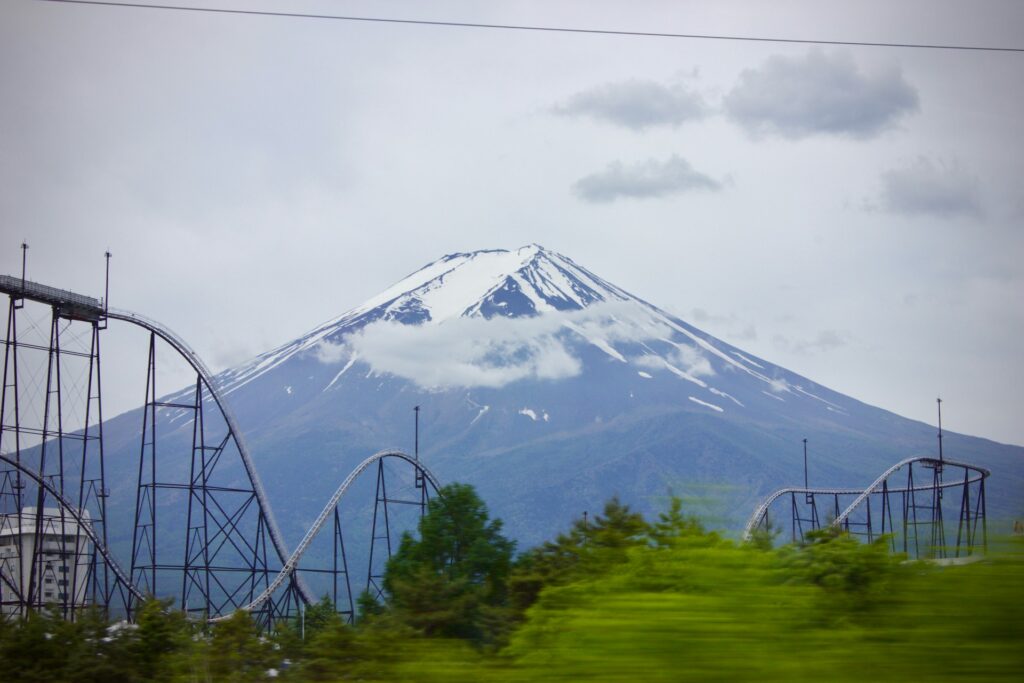
Many travelers assume that visiting Mt Fuji independently is always the best choice. It can be a great option, but it is not as simple as looking up one train route from Tokyo to Kawaguchiko. The real challenge is not only reaching Kawaguchiko Station; it is moving efficiently between spread-out sights once you arrive.
Highway Bus from Shinjuku: Usually the Cheapest Route
The highway bus from Shinjuku Expressway Bus Terminal to Kawaguchiko Station is usually the cheapest direct way to reach the Fuji Five Lakes area. As of June 2026, the official highway bus fare is ¥2,200 one way for adults between Shinjuku and Kawaguchiko Station, making a return trip about ¥4,400 before local transport.
The scheduled journey is about 1 hour 45 minutes in normal conditions, but weekend, holiday, and evening traffic can add time, especially on the return trip to Tokyo. During cherry blossom season, autumn foliage season, weekends, public holidays, and clear-weather periods, buses can sell out, so advance booking is strongly recommended.
How to book: Reserve through the official highway bus site at highway-buses.jp. If you use a third-party booking platform, check the latest cancellation rules, boarding location, and ticket conditions before paying.
Fuji Excursion Train: More Comfortable, but Book Early
The Fuji Excursion is a direct limited express train from Shinjuku to Kawaguchiko. It is more comfortable than a highway bus and avoids road traffic, but seats are limited and popular departures can sell out. The one-way fare is usually around ¥4,000+ depending on the route, seat type, and booking conditions, so a return trip is normally much more expensive than the highway bus before you add local transport.
Book in advance through JR East, a JR ticket counter, or another reliable ticket provider. If you are using a rail pass, check whether your pass covers the full journey, because part of the route uses Fujikyu Railway tracks and may require an additional fare.
The Hidden Challenge: Getting Around the Fuji Five Lakes
The biggest mistake DIY travelers make is underestimating local movement. Once you arrive at Kawaguchiko Station, the main sights are spread out:
- Chureito Pagoda: Usually reached via Shimoyoshida Station or local transport, followed by a climb of 398 steps to the famous observation area.
- Oishi Park: A lakeside viewpoint on the north side of Lake Kawaguchiko, usually reached by local bus, taxi, bicycle, or car.
- Oshino Hakkai: A traditional village area with spring-fed ponds, snacks, and souvenir shops, located away from central Kawaguchiko.
- Mt Fuji Panoramic Ropeway: Close to Lake Kawaguchiko and popular on clear days, but queues can be long and operations can be affected by weather or maintenance.
Local sightseeing buses can be useful, but schedules vary by route and season, and buses can be crowded on weekends and clear-weather days. Short taxi rides can also add up quickly. If you only have one day, waiting for local transport can easily be the difference between seeing two stops and seeing four.
Bottom line: DIY works best if you are comfortable with multiple transfers, start early, book long-distance transport in advance, and accept that you may not reach every famous stop in one day.
Option 2: Standard Group Bus Tour
A standard group bus tour is the simplest option for travelers who want a fixed itinerary without planning each transfer. You meet the bus at a central Tokyo location, follow a set route, and return in the evening. There is no need to manage local buses, taxi routes, or individual attraction logistics.
What Group Bus Tours Usually Include
Group bus tours range widely in price depending on the route, season, guide language, lunch, attraction tickets, and return transport. Budget Fuji Five Lakes photo tours may start from around $55 on some dates, while Mt Fuji and Hakone combination tours with additional activities or a bullet train return can cost much more.
- Fuji Five Lakes photo tours: Often focus on Chureito Pagoda, Lake Kawaguchiko, Oishi Park, and sometimes Oshino Hakkai. Lunch is often at your own expense unless clearly included.
- Mt Fuji and Hakone combination tours: May include Hakone Ropeway, a Lake Ashi cruise, lunch, or a Shinkansen return, depending on the selected option.
Example: A Mt Fuji and Lake Kawaguchi group tour may include transport, an English-speaking guide or tour leader, and stops at major viewpoints such as Chureito Pagoda, Lake Kawaguchiko, and Oishi Park. Always check the latest route, start time, inclusions, and cancellation policy because tour pages can change by date.
Pros and Cons of Group Bus Tours
| Pros | Cons |
|---|---|
| No detailed transport planning needed | Fixed schedule — you cannot linger at your favorite stop |
| Usually the lowest-cost guided option for solo travelers | Usually no hotel pickup — you must reach the meeting point |
| Good for first-timers who want a simple day trip | Limited weather flexibility — the route often runs even if Fuji is hidden |
| No local bus or taxi planning around Kawaguchiko | Can feel rushed at popular photo spots |
If your travel dates are already fixed and you want a no-fuss day out, compare the latest group tour prices, start times, and inclusions on Viator before planning the rest of your day.
Option 3: Private Car Tour
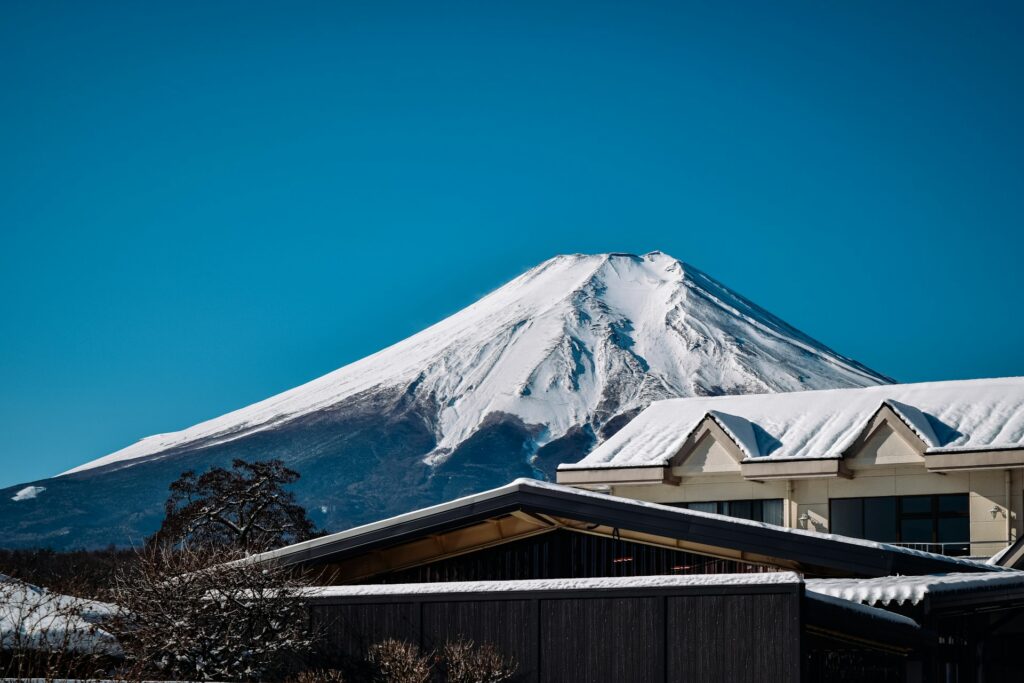
A private Mt Fuji tour from Tokyo looks expensive at first because the price is usually shown per vehicle rather than per person. For a small group, the math can be much more reasonable than the headline figure suggests.
Let’s Do the Math
| Vehicle Type | Typical Capacity | Approx. Cost Per Vehicle | Example Per Person | Best Fit |
|---|---|---|---|---|
| Sedan or standard car | Up to about 4 people | Often around $320–$410 | About $80–$103 each if four people share | Couples, small families, and small friend groups |
| Large van or minibus | Often around 5–9 people, depending on provider | Often around $450–$550 | Lower per person when the vehicle is close to full | Families and larger friend groups |
For a group of four sharing a private car, the cost may work out to roughly $80–$103 per person before meals and entrance fees. That will not always beat the cheapest highway bus or group tour option, but it can be surprisingly close to a train-based DIY route once you include local buses, taxis, and the time spent waiting between stops.
For a group of five to seven people, a private van can become especially competitive per person, not because it is always the cheapest option, but because it combines hotel pickup, direct transfers, flexible routing, and less stress.
What a Typical Private Tour Includes
Most private Mt Fuji day tours from Tokyo last around 10 hours and focus on the Fuji Five Lakes area. The exact route depends on traffic, weather, pickup location, road conditions, and how long your group spends at each stop.
- Arakurayama Sengen Park and Chureito Pagoda: Free to enter and one of the most famous Mt Fuji photo spots. Reaching the classic observation area requires climbing 398 steps, so travelers with mobility concerns may prefer alternative viewpoints.
- Lake Kawaguchiko and Oishi Park: Scenic lakeside walking paths with seasonal flowers and wide mountain views when visibility is good.
- Oshino Hakkai: A traditional village area with spring-fed ponds, souvenir shops, and local snacks. It is also a good place to try Oshino Hakkai street food such as mochi, grilled fish, or sweet potatoes.
- Mt Fuji Panoramic Ropeway: A popular option on clear days. As of June 2026, the adult round-trip fare is ¥1,000, but operations may be suspended due to strong winds, storms, maintenance, or crowding.
- Gotemba Premium Outlets or Hakone: Useful backup options if Mt Fuji is hidden by clouds or if your group wants shopping, hot springs, or a more varied day.
The main advantage of a private car is that you are not locked into the same order as a large bus tour. If one viewpoint is crowded or the mountain is clearer from another side of the lake, your driver may be able to adjust the route within the available time.
Who Benefits Most from a Private Tour?
- Families with children: Fewer transfers, less waiting at bus stops, and the freedom to take breaks when needed. See this Mt Fuji with kids itinerary for more planning tips.
- Groups of three to seven people: Splitting the vehicle cost can make private tours feel much more reasonable per person.
- Older travelers or anyone with mobility concerns: Door-to-door pickup and fewer transfers reduce physical strain. Avoiding the 398 steps at Chureito Pagoda may be sensible for some travelers.
- Photography-focused travelers: You can spend more time at the best Mt Fuji photo spots instead of rushing back to a group bus.
- Travelers with limited time in Japan: If this is your only free day for Mt Fuji, a private car can help you use the day more efficiently.
Before booking, check what is included: Some tours include only the vehicle and driver, while others include tolls, parking, fuel, hotel pickup, and an English-speaking driver-guide. A licensed guide who can provide deeper historical and cultural commentary is not always included and may cost more. Always read the latest inclusions on the booking page.
If your travel dates are set and you want a smoother day with hotel pickup and flexible routing, compare the latest private tour options, vehicle sizes, pickup details, and cancellation policies on GetYourGuide.
What Happens If the Weather Is Bad?
Bad weather is one of the biggest reasons to think carefully before choosing a Mt Fuji tour. The mountain is famous for disappearing behind clouds, and visibility can change quickly throughout the day.
- DIY by bus or train: You are tied to your booked transport. Changing plans may be difficult, especially if return buses or train seats are limited.
- Group bus tour: The schedule usually runs regardless of visibility. You may still visit famous viewpoints, but the experience can feel disappointing if your main goal was mountain photos.
- Private car tour: You have the most flexibility. If visibility is poor, your driver may be able to redirect to backup stops such as Gotemba Premium Outlets, Oshino Hakkai, local museums, food stops, or Hakone, depending on time and road conditions.
The best approach: Treat Mt Fuji visibility as a bonus, not a promise. Choose an itinerary that still gives you an enjoyable day even if the mountain stays hidden. Winter and early spring are generally better seasons for clearer views, but roads and higher-elevation areas may be affected by snow or ice.
Mt Fuji + Hakone vs Fuji Five Lakes: Which Route Should You Pick?
| Fuji Five Lakes Route | Hakone Route | |
|---|---|---|
| Primary focus | Close-up Mt Fuji viewpoints, pagoda photos, lakeside parks | Ropeway, lake cruise, hot springs, museums, and varied scenery |
| Best for | First-time visitors who want iconic Mt Fuji photos | Travelers who want a balanced scenic day trip with more activities |
| Mt Fuji visibility | Usually better for close-up Fuji-focused viewpoints | Views are possible, but Mt Fuji is less central to the experience |
| Weather backup | Food stops, shops, museums, and lakeside areas | Ropeway, cruise, museums, onsens, dining, and indoor options |
| Return transport | Usually bus, train, or private vehicle from the Fuji Five Lakes area | Some tours include bus return or Shinkansen return options |
| Typical tour cost | Varies from budget group tours to private vehicles | Often higher when ropeway, cruise, lunch, or Shinkansen return is included |
Choose Fuji Five Lakes if your main goal is close-up Mt Fuji views, Chureito Pagoda photos, and walking around Lake Kawaguchiko. Choose a Hakone combination tour if you want more variety, including a ropeway ride, lake cruise, hot springs, or the option of a bullet train return. Just remember that neither route can guarantee a clear view of Mt Fuji.
Final Verdict by Traveler Type
The best Mt Fuji tour from Tokyo depends on your group size, budget, and travel style. Here is the practical answer:
- Solo traveler on a budget: Choose a standard group bus tour or DIY highway bus. A private car is usually too expensive for one person.
- Confident planner who values independence: DIY by highway bus or Fuji Excursion can work well if you book early and plan your local transport carefully.
- Couple or small family of three to four: A private car can offer a strong balance of cost, comfort, and flexibility, especially if you want hotel pickup.
- Group of five to seven people: A private van can become very reasonable per person and much easier than coordinating public transport for everyone.
- First-time visitor wanting a worry-free day: A group bus tour or private tour both work. Choose group for lower cost, private for comfort and flexibility.
- Photography enthusiast: Private car is usually the strongest choice because route order and waiting time can matter when visibility changes.
- Traveler with mobility concerns: Private car with hotel pickup is usually the easiest option. Consider skipping the 398-step climb at Chureito Pagoda and asking for alternative viewpoints.
If comfort, flexible routing, and hotel pickup matter more than finding the absolute cheapest route, check current private Mt Fuji tour availability, vehicle options, and inclusions before booking.
Frequently Asked Questions
Is a private Mt Fuji tour worth the cost?
It depends on your group size. For four people sharing a private car, the cost can become much more reasonable per person. It will not always be cheaper than a DIY highway bus or budget group tour, but it can be worth it for hotel pickup, fewer transfers, easier local movement, and more flexibility if the weather changes.
Can we customize the itinerary on a private tour?
Usually, yes. Most private tours have a suggested route but allow you to request stops such as Chureito Pagoda, Lake Kawaguchiko, Oishi Park, Oshino Hakkai, Gotemba Premium Outlets, or Hakone. The final route depends on time, traffic, weather, road conditions, and the provider’s rules.
What happens if we cannot see Mt Fuji?
Mt Fuji visibility is never guaranteed. If the mountain is hidden by clouds, a private tour offers the most flexibility to switch focus to food stops, shopping, museums, Hakone, or other backup options. A group bus tour usually follows a fixed schedule regardless of visibility.
Are meals and entrance fees included in private tours?
Usually not. Many private tours include the vehicle, driver, fuel, tolls, parking, and pickup, but meals and entrance fees are often separate. For example, Mt Fuji Panoramic Ropeway tickets may need to be paid separately unless your selected tour clearly includes them. Always check the latest inclusions before confirming.
Do I need a licensed guide or just an English-speaking driver?
It depends on your expectations. An English-speaking driver can help with transportation and basic communication. A licensed guide can provide deeper historical and cultural explanations. Some private tours include a driver-guide, while others are mainly transportation services, so read the description carefully.
Is a Mt Fuji day trip from Tokyo too rushed?
A day trip is common and very doable, but it is a long day. Most private and group tours take around 10–12 hours from pickup or meeting point to return, depending on traffic, weather, and the number of stops. If you prefer a slower pace, consider staying overnight in Kawaguchiko or Hakone.
Should I book a Mt Fuji tour in advance?
Yes, especially during cherry blossom season, autumn foliage season, weekends, Japanese public holidays, and clear-weather periods. Trains, buses, and popular tours can sell out. Private vehicles may also become more expensive or unavailable close to your travel date.
What is the best season for clear Mt Fuji views?
Winter and early spring generally offer better chances of clear views than the humid summer months. However, visibility is still weather-dependent, and winter roads or higher-elevation areas may be affected by snow or ice. Do not book any Mt Fuji tour expecting a guaranteed view.
Still unsure which option fits your trip? Check the latest availability, vehicle options, inclusions, and cancellation policies for private Mt Fuji tours from Tokyo before making your decision.
Prices, opening hours, transport schedules, pass conditions, tour inclusions, payment methods, road conditions, attraction operations, and seasonal visibility can change. Always check official sources and your selected booking page before finalizing your trip.

Hi, I’m Kai. I’m a Tokyo-based travel writer, tourism industry insider, and the author of a published guidebook for international visitors to Japan. With over 10 years of professional experience at a leading Japanese tourism company, my mission is to help you skip the tourist traps and navigate Japan’s best destinations like a local. I believe the perfect day trip is like a traditional kaiseki meal: a beautiful balance of precise planning and unforgettable seasonal discovery. When I’m not out conducting field research, you’ll usually find me drafting new itineraries with one of my favorite fountain pens!