
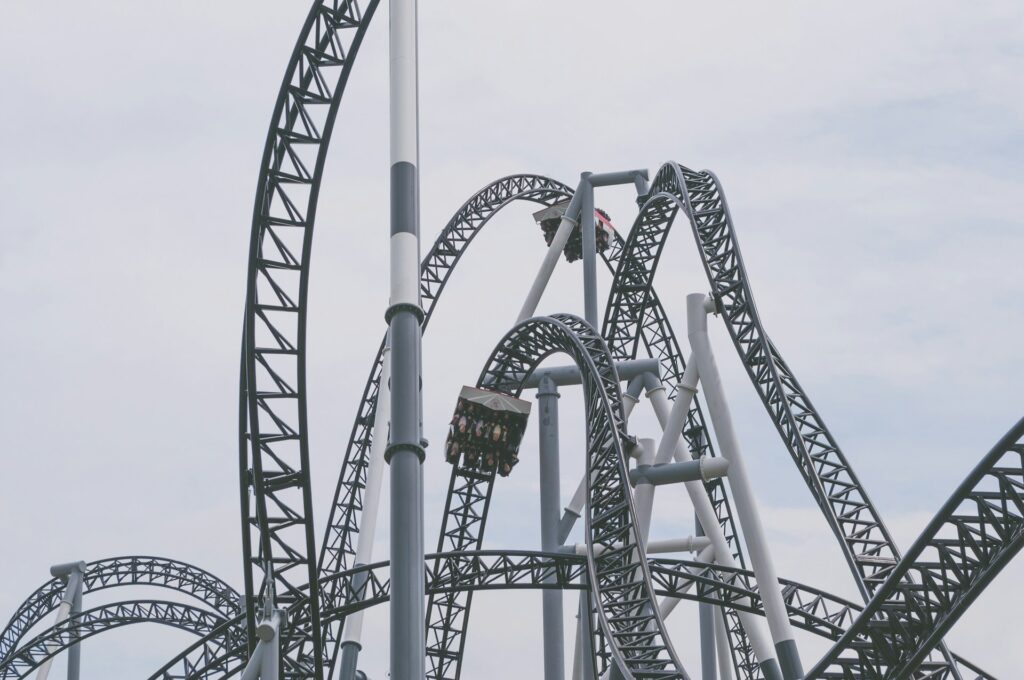
If you are planning a day trip from Tokyo to Fuji-Q Highland, the best way to get there depends on your travel date. On a normal weekday, the highway bus from Shinjuku is usually the best overall choice: it is direct, affordable, and takes about 1 hour 40 minutes in normal traffic. On weekends, Japanese public holidays, and peak travel dates, the Fuji Excursion train is often worth the higher fare because it avoids highway congestion.
Quick answer: take the bus if you want the cheapest direct route on a normal weekday. Take the Fuji Excursion train if arriving on time matters more than saving money. Consider a bus-and-ticket package if you want transport and admission bundled into one booking, but check the return time carefully before you buy.
If your travel date is already set, check park hours, ride status, and ticket availability before choosing your transport. Check current Fuji-Q Highland 1-Day Pass availability, ticket conditions, and cancellation terms here.
Quick Comparison: Which Option Fits Your Trip?
- Best overall on a weekday: Highway bus from Shinjuku — direct, around ¥2,200 one-way as of June 2026, and about 1 hour 40 minutes in normal traffic.
- Best for weekends and holidays: Fuji Excursion train — direct from Shinjuku to Fujikyu Highland Station on selected services, with no highway traffic risk.
- Best for JR Tokyo Wide Pass holders: Fuji Excursion train — the pass covers the eligible JR and Fujikyu Railway sections, though extra fees may apply for some special Fujikyu trains.
- Best for fewer separate bookings: A bus-and-1-Day-Pass package — convenient, but often less flexible.
- Best budget rail route: Local trains via Otsuki — cheaper than the direct limited express, but slower and less convenient.
Full Comparison Table: Bus, Train and Package Options
| Option | Best for | Typical travel time | Estimated cost | Transfers | Main risk |
|---|---|---|---|---|---|
| Highway bus from Shinjuku | Most weekday visitors | About 1 hr 40 min in normal traffic | About ¥2,200 one-way as of June 2026 | None | Traffic delays on weekends and holidays |
| Fuji Excursion train from Shinjuku | Weekend visitors and rail pass users | About 1 hr 55 min to Fujikyu Highland | Around ¥4,100–¥4,200 one-way as a planning estimate | None on direct services | Reserved seats can sell out |
| Bus + 1-Day Pass package | Travelers who want one booking | Varies by departure point | Varies by date, route, and ticket type | Usually none | Fixed return time and package conditions |
| Local trains via Otsuki | Flexible budget travelers | Usually about 2 hr 30 min to 3 hr | Often cheaper than the direct limited express | At least one transfer | Longer journey and connection gaps |
If your main goal is to spend less, the bus usually wins. If your main goal is to protect your morning ride time inside Fuji-Q Highland, the train is often the safer investment on busy dates.
Highway Bus from Shinjuku to Fuji-Q Highland
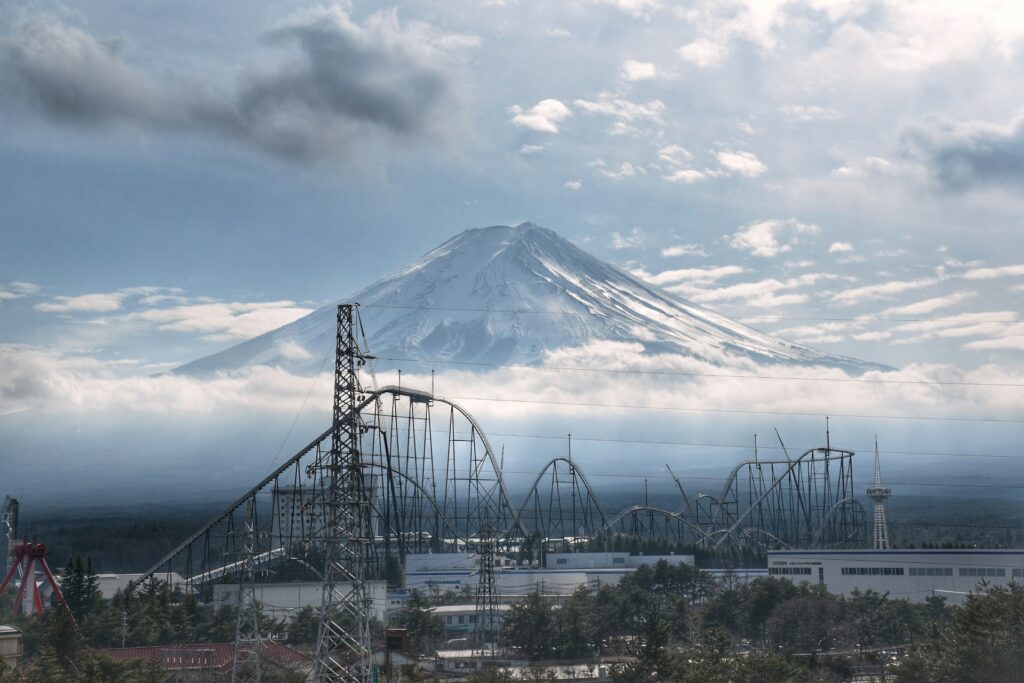
The highway bus is the simplest route for many first-time visitors. Once you board at Shinjuku, there is no transfer, no Otsuki connection, and no need to navigate a local railway line before reaching the park.
Fare, Travel Time and Where to Board
The main departure point is Busta Shinjuku, the expressway bus terminal directly connected to JR Shinjuku Station’s New South Exit. Buses on the Chuo Highway Bus route stop at Fuji-Q Highland.
- Fare: About ¥2,200 one-way from Shinjuku to Fuji-Q Highland as of June 2026.
- Travel time: About 1 hour 40 minutes in normal traffic.
- Best reason to choose it: It is usually the cheapest direct route from central Tokyo.
- Main risk: Traffic on the Chuo Expressway can be heavy on weekends, public holidays, and peak travel dates.
Reserve an early bus if you want to reach the park near opening time. Morning seats are popular with day-trippers, and leaving too late can cost you more ride time than you save by choosing the cheaper route.
When Should You Avoid the Bus?
Avoid relying on the bus if you are visiting on a Japanese public holiday, during a long weekend, during Golden Week, or on a peak autumn foliage day. The bus is comfortable and direct, but it cannot avoid road congestion. If opening-time arrival is important, the Fuji Excursion train is usually the safer choice on those dates.
Can You Take a Bus from Tokyo Station, Shibuya or Akihabara?
Yes, other Tokyo departure points may be more convenient depending on where you stay. Tokyo Station can work well for Ginza, Nihonbashi, Ueno, or Asakusa. Shibuya may be easier if your hotel is around Shibuya, Ebisu, or Meguro. Some routes may also operate from other parts of Tokyo, but departure frequency and fares vary by date.
Before booking, compare the first useful morning departure from your closest stop and from Shinjuku. For a ride-focused Fuji-Q Highland day trip, arriving near opening time matters more than saving a few hundred yen or choosing the closest departure point.
Fuji Excursion Train from Shinjuku
The Fuji Excursion, also called Fuji Kaiyu, is the direct limited express train from Shinjuku toward the Mount Fuji area. It stops at Fujikyu Highland Station, which is useful for Fuji-Q Highland visitors.
The train is usually more expensive than the bus, but it is valuable when punctuality matters. For a theme park day, arriving 30 to 60 minutes late can mean much longer queues for major rides such as Eejanaika, Fujiyama, Takabisha, and Zokkon.
Fare, Travel Time and Booking
- Fare: As a planning estimate, expect around ¥4,100–¥4,200 one-way, depending on your exact stop and ticket type.
- Travel time: About 1 hour 55 minutes from Shinjuku to Fujikyu Highland Station on direct services.
- Seats: Fuji Excursion limited express trains use reserved seating, so booking ahead is strongly recommended.
- How to book: Use JR East’s online reservation system, JR ticket counters, or reserved-seat ticket vending machines.
Useful 2026 Morning Fuji Excursion Services
As of the official timetable from March 14, 2026, useful direct morning services from Shinjuku to Fujikyu Highland generally include the following:
| Day type | Shinjuku departure | Fujikyu Highland arrival |
|---|---|---|
| Weekdays | 7:30, 8:30, 9:30, 10:30 | 9:26, 10:23, 11:25, 12:22 |
| Saturdays and holidays | 7:30, 8:30, 9:02, 9:30, 10:30 | 9:26, 10:23, 11:13, 11:26, 12:22 |
The 9:02 Saturday/holiday service is a seasonal service, and some extra trains operate only on selected dates. Always confirm the latest timetable before planning around a specific train.
JR Tokyo Wide Pass vs National Japan Rail Pass
- JR Tokyo Wide Pass: This pass costs ¥16,000 for adults and is valid for three consecutive days as of June 2026. It covers the eligible route to the Fuji-Q Highland area, including Fujikyu Railway lines, making it useful if you are also planning other eligible day trips from Tokyo.
- National Japan Rail Pass: This generally covers the JR section as far as Otsuki, but not the private Fujikyu Railway section between Otsuki and Fujikyu Highland. You need to pay the Fujikyu Railway portion separately.
Do not think of the route as “free” with a pass. A better way to think about it is that the route is covered once you have already purchased the correct pass for your itinerary.
If you are comparing the train with a ticket bundle, check admission prices before deciding. Compare current Fuji-Q Highland 1-Day Pass options and ticket conditions here.
Should You Book a Bus and 1-Day Pass Package?
A bus-and-ticket package can be useful if you want fewer separate bookings. These packages usually combine round-trip bus transportation with a Fuji-Q Highland ticket, although the exact ticket type, departure point, return time, and eligibility conditions vary by product.
The trade-off is flexibility. A package can be convenient, but it may lock you into a fixed schedule. Before booking, check:
- whether the bus departs from Shinjuku, Shibuya, Tokyo Station, Ueno, or another location;
- whether the package includes a Fuji-Q Highland 1-Day Pass or only selected ride access;
- whether the product includes priority admission or whether that is sold separately;
- whether the return time gives you enough time inside the park;
- whether the ticket is refundable or date-changeable;
- whether the product is limited to foreign visitors, non-residents, or specific visitor types.
Choose a package if convenience matters more than flexibility. Book transport and admission separately if you want more control over your first departure, return time, and ride strategy.
Alternative Route: Local Trains via Otsuki
If you want maximum flexibility and do not mind a longer journey, you can travel by local or regular trains via Otsuki. This avoids highway traffic and does not require a limited express seat, but it is slower than the direct Fuji Excursion train.
- Typical route: Shinjuku to Otsuki on the JR Chuo Line, then Otsuki to Fujikyu Highland Station on the Fujikyu Railway Line.
- Travel time: Usually about 2 hours 30 minutes to 3 hours, depending on connections.
- Transfers: At least one transfer at Otsuki Station.
- Best for: Budget-conscious travelers with time to spare, or travelers who do not want to commit to a reserved limited express train.
The downside is that connection gaps at Otsuki can make the trip feel longer than expected. For families, first-time visitors, and anyone trying to maximize ride time, the bus or direct Fuji Excursion train is usually easier.
Fuji-Q Highland Tickets: What to Know Before You Go
Getting from Tokyo to Fuji-Q Highland is only half the planning. Having the right ticket ready before you arrive can save valuable time at the entrance, especially if you are aiming for the major roller coasters first.
One Day Pass
The Fuji-Q Highland One Day Pass includes unlimited rides on most eligible attractions. As of June 2026, the official adult price range is ¥6,000–¥7,800, with prices varying by date. Children, toddlers, and seniors have separate price ranges.
Some attractions and special experiences are not included in the standard One Day Pass, so check the latest exclusions before buying if you have a specific attraction in mind.
Afternoon Pass
The Afternoon Pass is an unlimited-ride ticket available from 1:00 PM. As of June 2026, the official adult price range is ¥4,100–¥5,900, depending on the date.
This can work if you are combining Fuji-Q Highland with a morning sightseeing stop, but it is not ideal for serious coaster fans. Major ride queues are often longer by the afternoon, and you have fewer hours inside the park.
Priority Admission and Priority Tickets
A One Day Pass and a Priority Ticket are not the same thing.
The One Day Pass gives you park admission and unlimited rides on most eligible attractions. Priority Tickets are separate paid tickets that can reduce waiting time for selected popular attractions. Priority admission products may also be sold separately or as special online-only tickets, depending on the date and official sales conditions.
If your must-ride list includes Eejanaika, Fujiyama, Takabisha, or Zokkon, check the latest official ticket options before your visit. On a quiet weekday, you may not need priority tickets. On a weekend or peak travel date, paying extra for one or two must-do rides can be worth considering.
Does the One Day Pass Cover the Haunted Hospital?
Usually, no. The haunted house attraction, often known in English as the Super Scary Labyrinth of Fear, typically requires a separate time-designated ticket and is not included in the standard One Day Pass. Check the latest attraction ticket conditions before your visit.
Tips for a Smooth Day Trip from Tokyo
Arrive at or Before Opening Time
The biggest mistake is treating Fuji-Q Highland like a casual afternoon stop. For a day trip from Tokyo, an early start matters. Arriving late affects ticketing, ride queues, lunch timing, and your return trip.
If you want the day to feel worth it, aim to reach the park at or before opening time and have your admission ready before you arrive.
Choose Your First Ride Before You Enter
Do not spend your first 15 minutes inside the park deciding where to go. Choose one absolute priority and head there first.
- Eejanaika: A signature 4D coaster and one of Fuji-Q Highland’s most famous thrill rides.
- Fujiyama: A classic giant coaster and one of the park’s icons.
- Takabisha: Known for its intense layout and steep drop.
- Zokkon: A newer major coaster that can draw long queues.
After your first ride, check current wait times and adjust your route instead of following a fixed plan all day.
Weekday vs Weekend
A weekday is usually better if your schedule is flexible. Road traffic is lighter, queues are often shorter, and the highway bus is usually a strong choice.
A weekend can still work, but you should plan more defensively. Take the train if traffic risk worries you, buy admission in advance, and consider priority tickets for one or two must-do rides.
Weather and Ride Closures
Fuji-Q Highland is near Mount Fuji, where weather can change quickly. Outdoor rides may pause or close because of rain, strong wind, lightning, or poor operating conditions.
Before leaving Tokyo, check both the weather forecast and the park’s official ride status. This is especially important if your main reason for visiting is the major roller coasters. A cloudy day is not automatically a problem, but wind and rain can change the value of your trip quickly.
If seeing Mount Fuji is also part of your plan, read our guide to the best times for Mt. Fuji visibility before locking in your date.
Family Tips: Thomas Land and Kid-Friendly Areas
Fuji-Q Highland is not only for thrill-seekers. Families with young children may want to focus on Thomas Land and milder attractions rather than trying to cross the whole park immediately.
If you arrive near opening time, one strategy is to let thrill-ride visitors head toward the major coasters while your family goes directly to Thomas Land. Check the latest ticket conditions before assuming every child-friendly attraction is included in your selected pass.
Luggage and Coin Lockers
Coin lockers may be available at Fujikyu Highland Station and inside or near the park, but sizes, locations, payment methods, and availability can vary. On crowded days, large lockers may fill up.
If you are visiting as a day trip from Tokyo, travel light whenever possible. Leave large luggage at your hotel or use a major station locker in Tokyo before heading to Fuji-Q Highland.
Rainy Day Backup Ideas
If the forecast looks poor but you still want to visit the area, consider having a backup plan around the Fuji Five Lakes area. Options may include Lake Kawaguchiko, Oshino Hakkai, indoor attractions, shopping, or a shorter theme park visit focused on attractions that are less affected by weather.
Do not assume you will receive a refund just because some rides are closed by weather. Ticket refund and date-change rules vary by ticket type and booking platform, so check the conditions before buying.
Frequently Asked Questions
Can I use the JR Pass to get to Fuji-Q Highland?
Yes, but coverage depends on the pass. The JR Tokyo Wide Pass is the most useful option because it covers eligible travel to the Fuji-Q Highland area, including Fujikyu Railway lines. The National Japan Rail Pass generally covers the JR section to Otsuki only, so you need to pay separately for the Fujikyu Railway section between Otsuki and Fujikyu Highland.
How long is the bus ride from Tokyo to Fuji-Q Highland?
From Shinjuku, the highway bus takes about 1 hour 40 minutes to Fuji-Q Highland in normal traffic. From other Tokyo departure points, the journey may be closer to about 2 hours or longer depending on the route, date, and road conditions. On weekends, public holidays, and peak travel days, congestion can make the trip longer.
Is one day enough for Fuji-Q Highland?
Yes, one day can be enough if you arrive near opening time, buy admission in advance, and prioritize your must-ride attractions. If you arrive late or visit on a very crowded day without priority tickets, you may not be able to ride everything you want.
Is the bus or train better for Fuji-Q Highland?
The bus is usually better for price and simplicity on a normal weekday. The Fuji Excursion train is better for reliability on weekends, Japanese public holidays, and peak travel dates because it avoids highway traffic.
Does the Fuji-Q One Day Pass cover the Haunted Hospital?
Usually, no. The haunted house attraction generally requires a separate time-designated ticket. Check the latest official attraction ticket conditions before your visit.
What time should I leave Tokyo for Fuji-Q Highland?
For a serious ride-focused day trip, choose a morning bus or train that gets you to Fuji-Q Highland around opening time. From Shinjuku, that usually means leaving in the early morning rather than late morning. If you arrive after opening time, major coaster queues may already be growing.
Can I visit Fuji-Q Highland and see Mount Fuji on the same day?
Yes, but keep your expectations realistic. Fuji-Q Highland has Mount Fuji views on clear days, but the mountain is often hidden by clouds, especially later in the day. If Mount Fuji visibility is a major priority, check the forecast carefully and consider visiting during a season with clearer morning views.
Are there coin lockers at Fuji-Q Highland?
Coin lockers may be available at Fujikyu Highland Station and inside or near the park, but availability can be limited on busy days. Travel light if possible, and do not rely on finding a large locker at the last minute.
What happens if it rains?
Outdoor rides may pause or close during rain, strong winds, lightning, or other unsafe conditions. Refund and date-change rules depend on your ticket type and booking platform, so check the conditions before purchasing and confirm the park’s operating status on the morning of your visit.
Final Verdict: Which Option Should You Choose?
Choose the highway bus from Shinjuku if you are visiting on a normal weekday, want the cheapest direct route, and can handle some traffic risk. It is the simplest option for many first-time visitors.
Choose the Fuji Excursion train if you are visiting on a weekend, Japanese public holiday, or peak travel date. The fare is higher than the bus, but the reliability can be worth it when your main goal is to protect your morning inside the park.
Choose a bus-and-ticket package if you prefer one booking and the departure point, ticket type, and return time work for your schedule. This can be convenient, but always read the conditions carefully before buying.
Choose local trains via Otsuki if you are on a tighter budget, have time to spare, and do not mind a transfer. It is usually less convenient than the direct bus or direct limited express train.
For families with young children: take the highway bus on a normal weekday or the Fuji Excursion train on a busy weekend. Arrive early and consider focusing on Thomas Land and selected family-friendly attractions rather than trying to cover the whole park.
For first-time visitors on a tight schedule: take an early Fuji Excursion train or an early Shinjuku highway bus, buy your admission online in advance, and ride your top-priority coaster first.
Whichever route you choose, book your transport early, confirm the park’s operating status before leaving Tokyo, and have your admission ticket ready before you arrive.
For foreign visitors, some third-party ticket products are specifically sold for non-Japanese citizens, non-residents, or international travelers. Read the eligibility conditions carefully before purchasing.
Prices, opening hours, transport schedules, pass conditions, ride operations, ticket inclusions, payment methods, refund rules, and seasonal services can change. Always check official sources and your selected booking page before finalizing your trip.

Hi, I’m Kai. I’m a Tokyo-based travel writer, tourism industry insider, and the author of a published guidebook for international visitors to Japan. With over 10 years of professional experience at a leading Japanese tourism company, my mission is to help you skip the tourist traps and navigate Japan’s best destinations like a local. I believe the perfect day trip is like a traditional kaiseki meal: a beautiful balance of precise planning and unforgettable seasonal discovery. When I’m not out conducting field research, you’ll usually find me drafting new itineraries with one of my favorite fountain pens!