
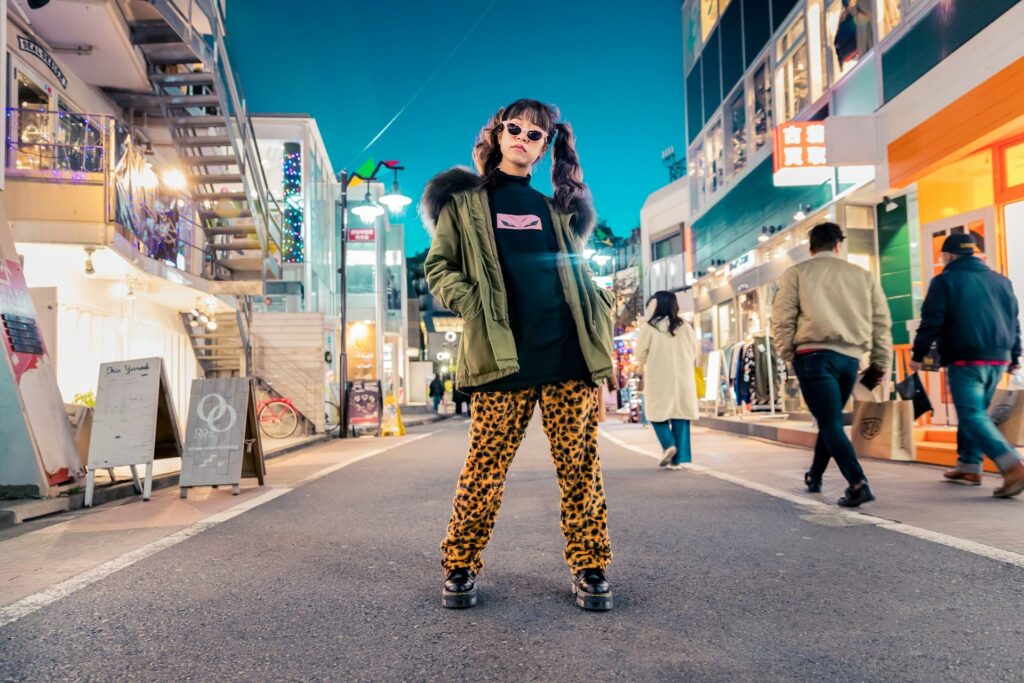
Harajuku is one of those places travelers either love or feel overwhelmed by—and the difference usually comes down to one thing: knowing where to go beyond Takeshita Street. If you only walk the main drag on a Saturday afternoon, what you’ll remember is the crowd, not the culture. But spend a half-day here using the right route, and you’ll understand why this small Tokyo neighborhood has shaped global street fashion, dessert trends, and youth culture for decades.
This guide breaks Harajuku into three distinct areas, gives you a timed walking route, and tells you honestly which spots are worth your time—and which ones you can skip depending on what you’re after.
If you like the idea of Harajuku but do not want to spend half your visit guessing which side streets matter, compare a guided Shibuya and Harajuku hidden-gems tour before you lock in your day. You can check current start times, route details, and recent traveler reviews for the private Shibuya and Harajuku tour while deciding whether to go fully DIY or guided.
Harajuku in a Nutshell: Three Areas, Three Vibes
Before you arrive, it helps to understand that Harajuku is not one place. It’s three adjacent zones that feel completely different, and knowing which one fits your travel style is the key to enjoying your visit.
| Area | Vibe | Best For | Time Needed | Best Time to Visit |
|---|---|---|---|---|
| Takeshita Street | Loud, youthful, colorful | Crepes, cotton candy, purikura, kawaii shopping, people-watching | 1–2 hours | Weekday mornings (before 11 AM) |
| Cat Street & Ura-Harajuku | Calm, creative, effortlessly cool | Vintage shopping, indie cafes, street art, quieter photo spots | 1–1.5 hours | Afternoon (shops open by noon) |
| Omotesando | Sophisticated, architectural, upscale | Designer boutiques, architecture walks, café terraces | 30 minutes–1 hour | Midday to late afternoon |
The mistake I see first-time visitors make is arriving at Harajuku Station, walking Takeshita Street, and going home thinking that’s all there is. The real magic of Harajuku is the contrast—stepping off the packed main street into the quiet backstreets of Cat Street, where the pace changes completely and you actually feel the neighborhood’s creative energy.
1. Takeshita Street: The Heart of Kawaii (But Timing Is Everything)
Takeshita Street (Takeshita-dori) is a 350-meter pedestrian street running from Harajuku Station toward Meiji-dori. It’s packed with roughly 130 shops, food stalls, and fashion boutiques targeting a young, trend-hungry crowd. On a sunny weekend, the street can feel like a single organism pushing down a narrow corridor—but approached with the right timing, it’s genuinely fun, especially if you love kawaii culture, street food, and high-energy people-watching.
What to Eat on Takeshita
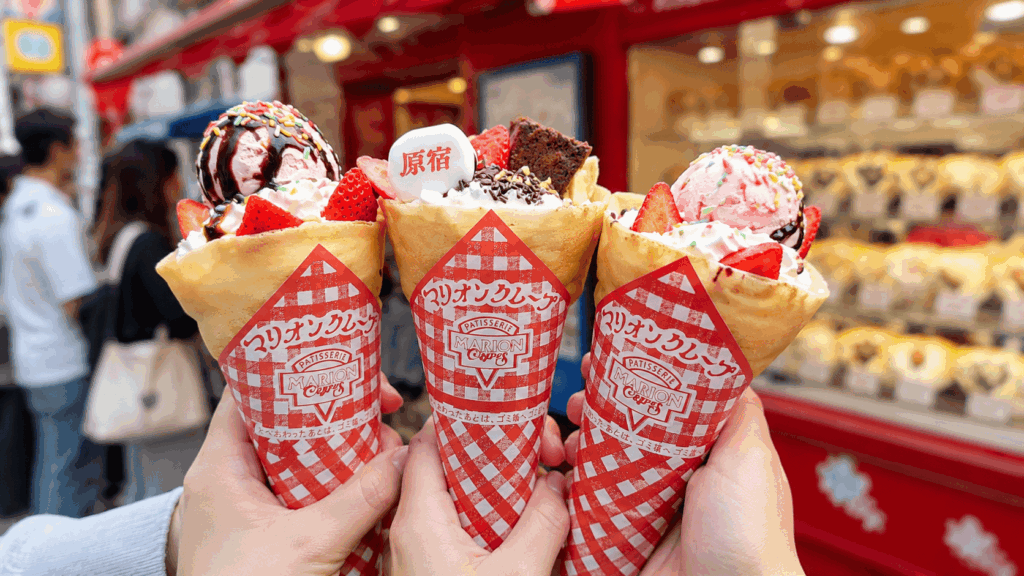
The street food scene on Takeshita is the main draw for most travelers. Here’s what’s worth your attention—and your appetite.
Marion Crepes — The original Harajuku crepe shop, founded in 1976. They serve both sweet and savory options in the ¥400–1,000 range, and the queue moves fast even when it’s long. Open weekdays 10:30 AM–8:00 PM, weekends from 10:00 AM. The strawberry-banana-chocolate combination is the classic order for a reason.
Santa Monica Crepes — Located near the Meiji-dori end of Takeshita. A good alternative if Marion has a long line. Prices are slightly lower (¥400–700 range), and the portion sizes are generous. Open 10:00 AM–9:30 PM daily.
Totti Candy Factory — This is where you go for the giant rainbow cotton candy everyone posts on social media. It’s on the second floor of the Ryu Apartment building on Takeshita. The large rainbow version runs around ¥900–1,000, and they also sell cake pops and smaller candy options. Opens around 11:00 AM on weekdays and earlier (9:30–10:00 AM) on weekends.
Calbee+ — Freshly fried potato chips and snacks you can’t find at the airport. They serve hot, just-fried Jaga Riko (potato sticks) in limited flavors. A quick, savory break from all the sugar. Open 9:30 AM–8:30 PM.
Kai’s tip: If you’re visiting Takeshita for the photos—especially the famous street sign shot or a crepe-in-hand picture—aim to arrive right when the first shops open on a weekday. Between 10:00 and 11:00 AM, the street is walkable and you can actually frame a shot without a dozen strangers in it. Weekend afternoons? The street becomes a slow-moving river of people, and “walking” turns into shuffling shoulder-to-shoulder. The energy is fun if you’re in the mood for it, but don’t expect to browse comfortably or take clean photos.
What to Do on Takeshita
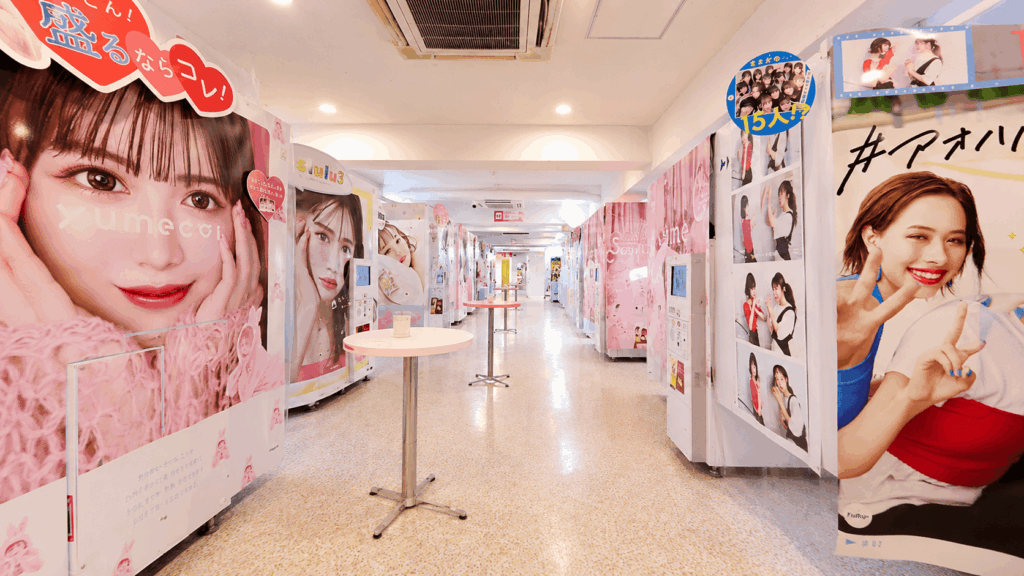
Purikura Land NOA — Japan’s first dedicated purikura (photo booth) shop, located just inside Takeshita Street (about a 1-minute walk from Harajuku Station’s Takeshita Exit). They have 25 machines with different themes, plus costumes and props you can use. Around ¥500 per session, and the machines have English guidance. Open 8:00 AM–11:00 PM—one of the few things open early on Takeshita.
Daiso Harajuku — A three-floor ¥100 (¥110 with tax) shop on Takeshita. Great for picking up souvenirs, Japanese snacks, stationery, and travel essentials without spending much. The store brand section has Harajuku-exclusive items worth browsing.
Laforet Harajuku — The landmark fashion building at the entrance of Takeshita Street, housing roughly 140 boutiques across 13 floors. It’s geared more toward fashion-conscious shoppers aged 20+ than the teenage crowd on the street itself. Most shops open around 11:00 AM and close at 8:00 PM.
Kawaii Monster Land: New for 2026
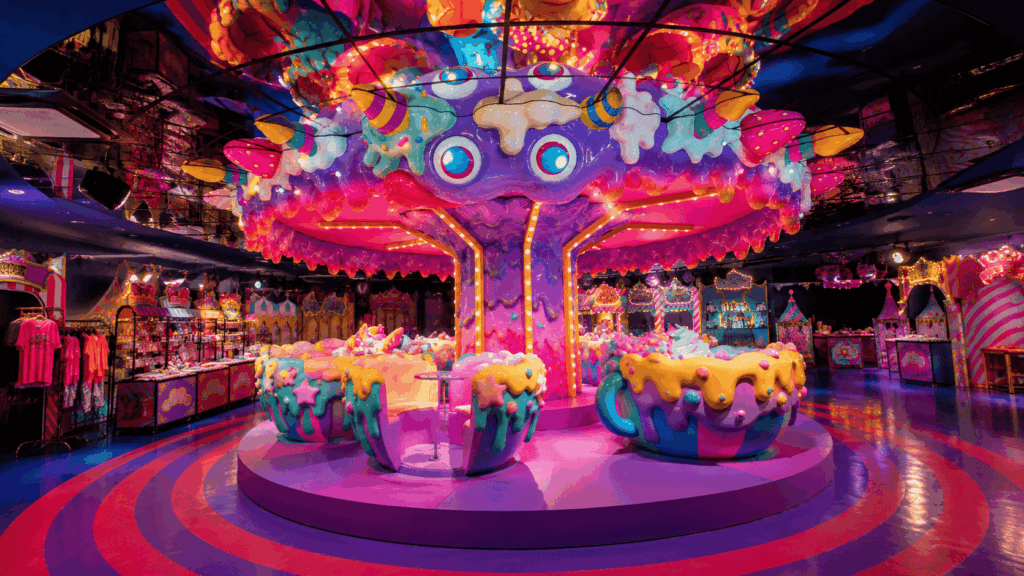
One of the biggest changes in Harajuku for 2026 is the opening of Kawaii Monster Land, an immersive kawaii entertainment complex that replaces the old Kawaii Monster Café in the basement of Takeshita’s iconic building. It opened on February 13, 2026, and sits directly beneath Takeshita Street, about a 2-minute walk from Harajuku Station’s Takeshita Exit.
This is not a café—it’s a time-slot attraction with a 60-minute admission window. Inside, you’ll find neon-lit interactive installations, a photogenic “monster” food court area, and a gift shop. Standard tickets start at ¥2,800 for adults (¥1,400 for children ages 4–12), with prices varying by date and time. Children under 4 enter free.
Tickets must be purchased in advance for a specific time slot via the official website or platforms like Klook. Given that it’s a 2026 opening, weekends and holidays can sell out—booking ahead is strongly recommended.
If Kawaii Monster Land is the one fixed stop in your Harajuku plan, you can check current Kawaii Monster Land time slots on Klook before building the rest of the route around it.
When to Go (And When to Avoid)
Takeshita’s crowd level changes dramatically depending on the day and time. Here’s the honest breakdown:
- Weekday mornings (before 11 AM): The street is quiet. Most shops haven’t opened yet, but Purikura NOA and Calbee+ are open, and you can walk freely, take photos, and get a crepe with minimal queue.
- Weekday afternoons (11 AM–3 PM): Moderate crowds. Doable. Shops are open, queues move reasonably fast.
- Weekend afternoons (12 PM–5 PM): Heavy to extreme crowds. The street becomes congested to the point where you’re moving with the flow rather than choosing your path. Still fun for the energy, but not for relaxed browsing or photography.
- Evenings (after 6 PM): Many shops close between 7 and 8 PM, but the street is quieter. Good for a sunset crepe and a less frantic atmosphere.
2. Beyond Takeshita: Cat Street & Ura-Harajuku
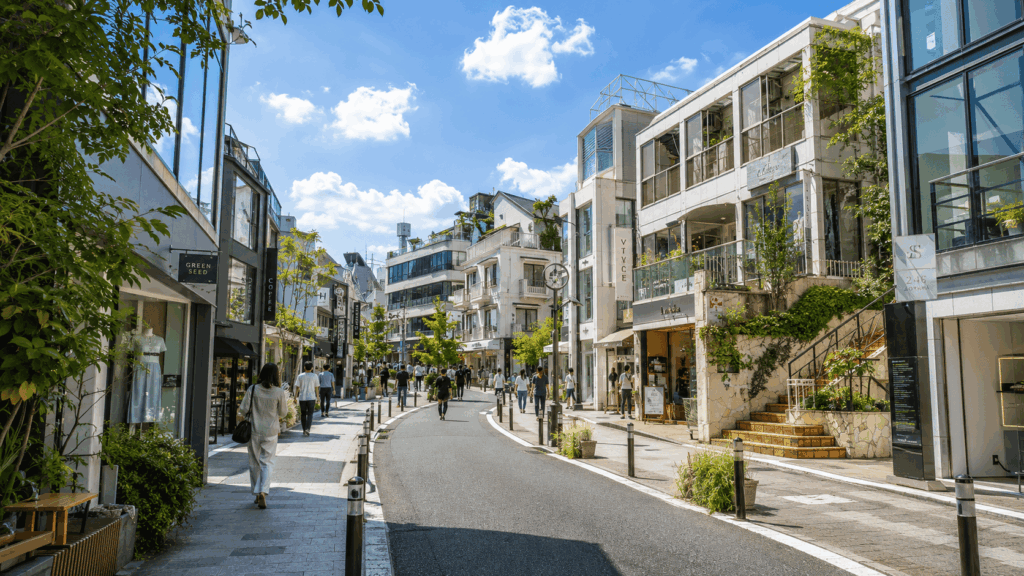
If you leave Harajuku after only walking Takeshita Street, you’ve seen about a third of what makes this neighborhood worth visiting. The second layer—Cat Street and the surrounding Ura-Harajuku (backstreet Harajuku) alleys—is where the neighborhood’s real character lives.
Kai’s tip: The single biggest mistake I see travelers make in Harajuku is running out of energy on Takeshita Street and heading back to the station. They never make it to Cat Street. And that’s a real shame—because the contrast between the packed main drag and the quiet, tree-lined backstreets is what makes Harajuku feel like a neighborhood with depth rather than just a tourist attraction. If you have 90 minutes in Harajuku total, spend 45 on Takeshita and 45 on Cat Street. The balance is worth more than doubling down on the crowds.
What Makes Cat Street Different
Cat Street (Kyto Cat Street—despite the name, there aren’t many cats) runs roughly parallel to Omotesando, connecting Harajuku to Shibuya. It’s a narrow, pedestrian-friendly lane lined with vintage clothing shops, independent cafes, and street art. The vibe is noticeably calmer than Takeshita, and the clientele skews older—think twenties and thirties instead of teens.
This is the area where Harajuku’s famed street style has historically been born. While Takeshita is where trends are commercialized, Cat Street and Ura-Harajuku are where they’re experimented with. You’ll find small vintage stores run by passionate owners, record shops, and galleries that feel worlds away from the neon chaos 400 meters up the road.
If you fall into that camp — you want the street fashion, backstreets, snacks, and Shibuya connection, but you do not want to decode it all from Google Maps — this is the guided option to compare before committing to the DIY route.
Why I’d book this one
- It is built around Shibuya and Harajuku rather than treating Harajuku as a quick photo stop.
- Recent travelers often mention guides who adapt the route to personal interests, which matters in a neighborhood where fashion, food, cafés, and side streets pull different people in different directions.
- The private format makes sense if you are traveling as a couple, family, or small group and want fewer wrong turns between Takeshita, Cat Street, and Shibuya.
Vintage Shopping, Cafes & Street Art
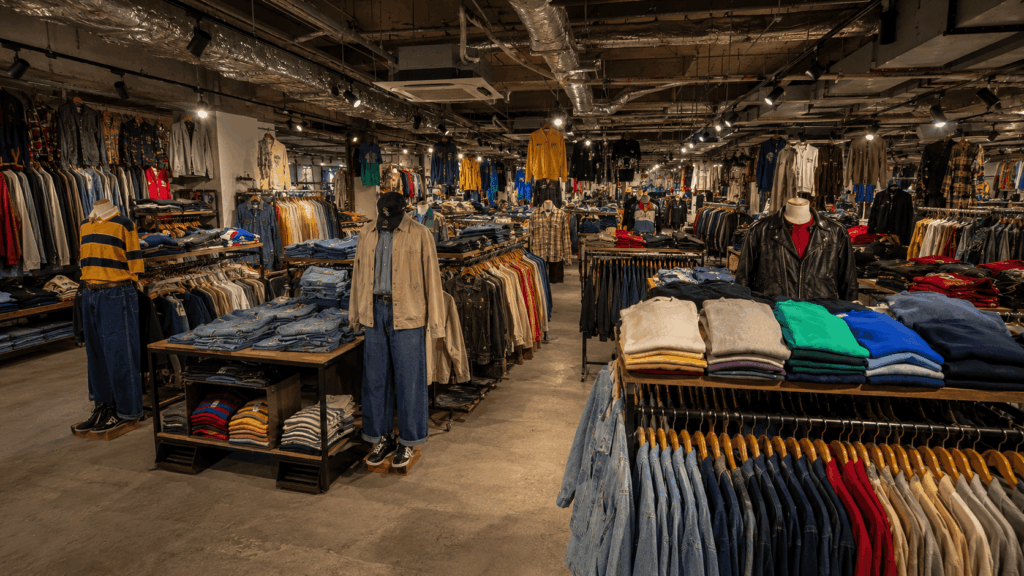
Vintage shopping is the main draw here. Look for stores like Ragtag (a well-curated chain that buys and sells secondhand designer labels), Kindal (streetwear-focused vintage), and the smaller independent shops tucked into the side alleys. If you’re a thrift hunter, Cat Street offers better curation than Takeshita but at higher prices than Shimokitazawa or Koenji—worth knowing so you can set expectations.
Design Festa Gallery — A free-entry gallery space showcasing independent and emerging artists. It’s split across two buildings (WEST and EAST) and hosts rotating exhibitions, so you never know exactly what you’ll find—that’s the point. Open 11:00 AM–8:00 PM daily. A good 15-minute stop if you’re interested in contemporary Japanese art outside the museum circuit.
Cafes on Cat Street — The coffee culture here is strong. Independent cafes with proper pour-over and single-origin options are scattered through the backstreets. They offer a genuine respite if the Takeshita energy has worn you out, and most have English menus or picture ordering.
Cat Street to Shibuya: The Best Walking Connection
One of the smartest ways to use Cat Street is as a walking connector between Harajuku and Shibuya rather than taking the train. The walk takes about 15–20 minutes at a relaxed pace and takes you through the backstreets rather than the main roads. You’ll emerge near Shibuya’s Mark City area, about a 5-minute walk from the famous Shibuya Scramble crossing.
This route transforms what would be a 2-minute train ride (¥140–180) into a genuinely pleasant walk that shows you a side of Tokyo most tourists miss. If your afternoon plans include Shibuya, this is the way to get there—check out our detailed Harajuku to Shibuya walking route to see exactly where to turn.
3. Omotesando: Tokyo’s Champs-Élysées
Omotesando runs parallel to Cat Street one block toward the station. It’s a broad, tree-lined boulevard flanked by designer flagship stores, many housed in buildings designed by Pritzker Prize-winning architects. The vibe here is polished and unhurried—a deliberate contrast to Takeshita’s sensory overload.
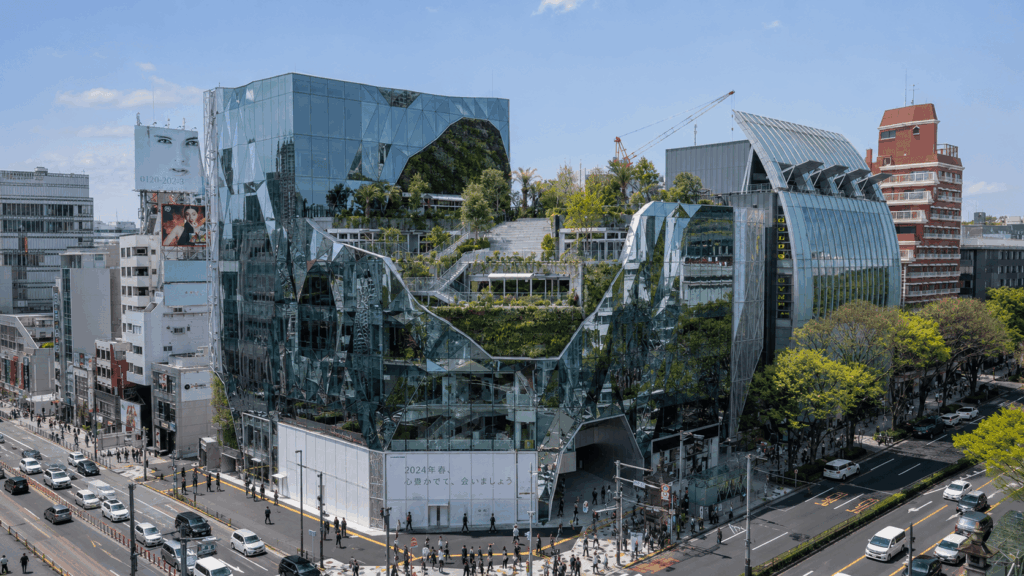
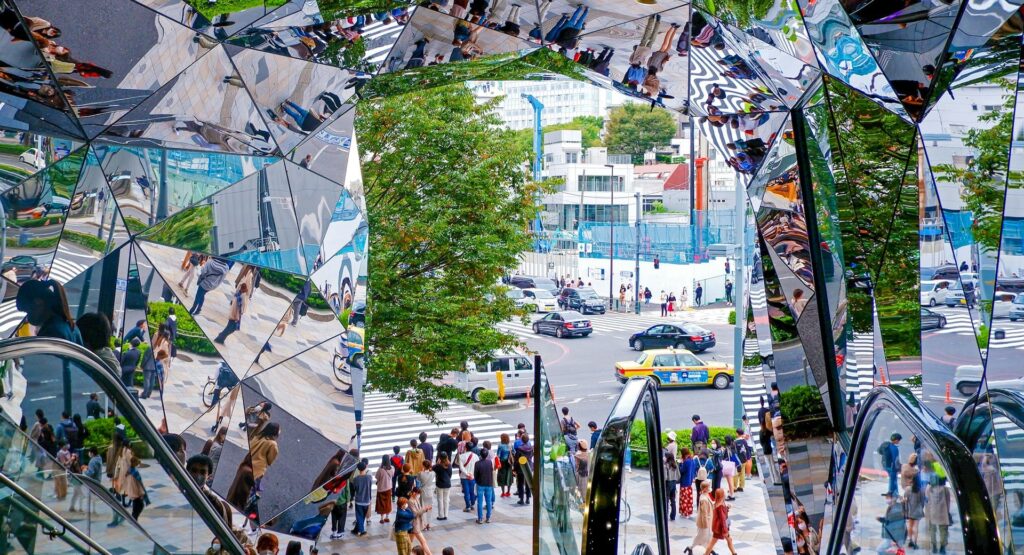
Tokyu Plaza Omotesando Harakado — Opened in April 2024 at the Jingumae intersection (where Omotesando meets Meiji-dori). The building’s mirrored entrance escalator—framed by a kaleidoscopic geometric ceiling—has become one of Instagram’s favorite Harajuku shots. Inside, you’ll find 75 shops and restaurants across 7 floors plus a rooftop terrace with open-air seating and views over the Omotesando canopy. The rooftop is free to enter and rarely crowded, making it a good spot for a quiet break.
Who should spend time here: Architecture enthusiasts, travelers interested in fashion design and luxury brands, photographers looking for clean, elegant street shots, and anyone who needs a quiet café break after Takeshita.
Who can skip it: If you’re primarily interested in street food, kawaii culture, or vintage bargains, Omotesando won’t be your favorite stop. You can walk from Takeshita to Cat Street without going up to Omotesando and still have a great afternoon.
4. Optional Add-Ons: Meiji Shrine & Yoyogi Park
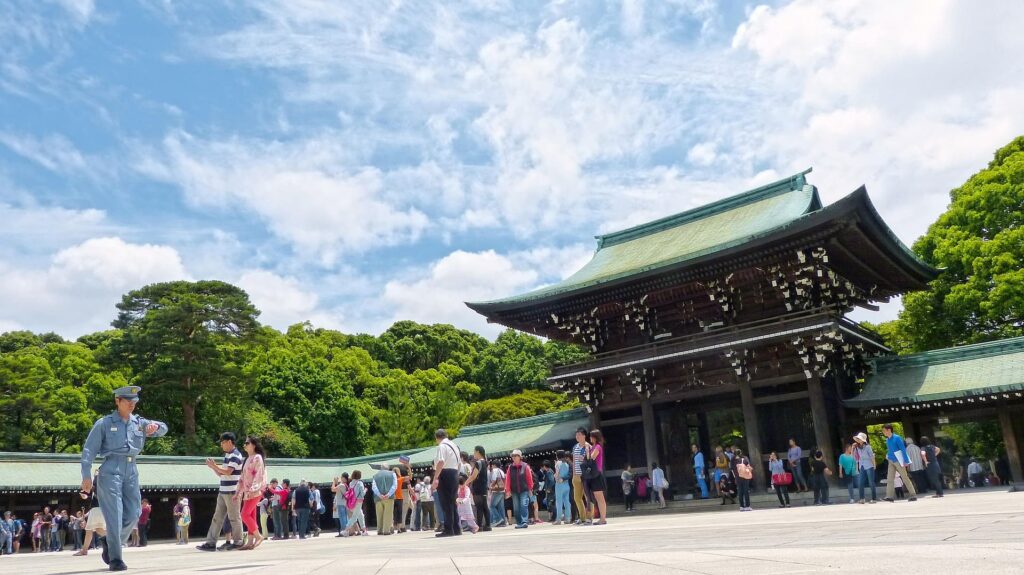
Meiji Jingu (Meiji Shrine) — Tokyo’s most important Shinto shrine, dedicated to Emperor Meiji and Empress Shoken. The entrance is a 1-minute walk from Harajuku Station, but the approach is a 500-meter forest path that immediately separates you from the city noise. Entry is free. The shrine opens at sunrise and closes at sunset (hours shift seasonally—check before you go). Allow 30–45 minutes minimum if you’re walking the full approach route, making a wish, and browsing the souvenir stands. For etiquette tips and map details, read our full guide to visiting Meiji Shrine.
Yoyogi Park — Adjacent to the shrine and one of Tokyo’s largest green spaces. On weekends, the park comes alive with street performers, dance troupes practicing routines, and casual picnics. It’s also home to roughly 800 cherry trees, making it one of Tokyo’s best hanami (cherry blossom viewing) spots in late March to early April. On weekdays, the park is quiet and mostly used by joggers and dog walkers.
Suggested timing: If you want to do both, arrive at Harajuku Station around 8:30–9:00 AM. Walk through Meiji Jingu (45 minutes), take a 15-minute stroll through Yoyogi Park’s edge, and arrive at Takeshita just as the food stalls and shops start opening around 10:00–11:00 AM. The shrine and park are free, and starting here puts you ahead of the midday crowd.
5. The Perfect Half-Day Harajuku Route (With Timing)
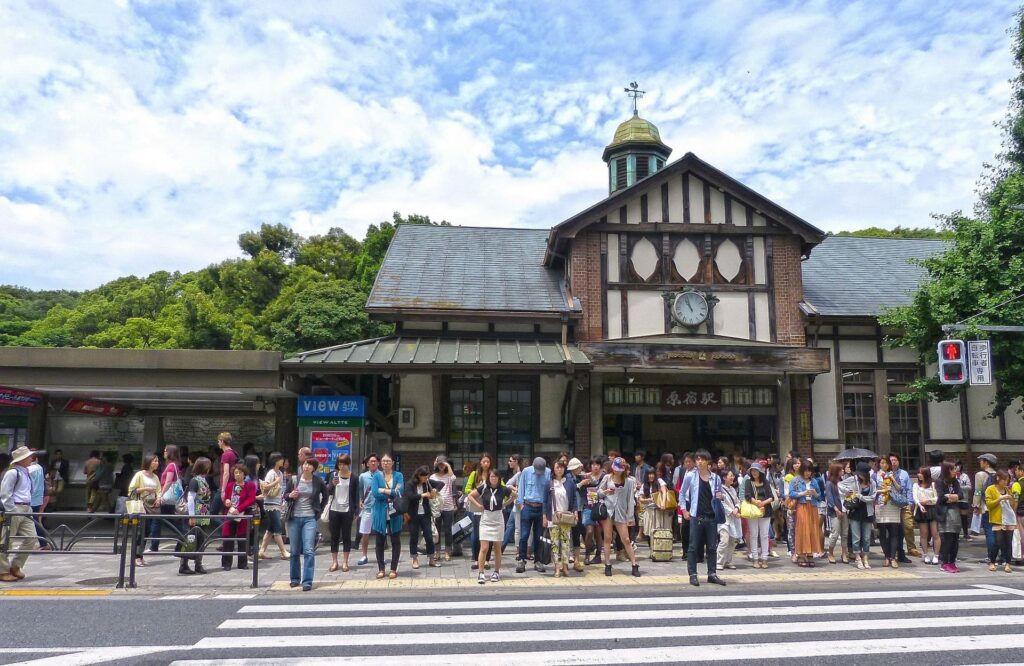
Here’s a realistic half-day itinerary that balances the three areas. Adjust based on your interests and energy level.
| Time | Activity | Duration |
|---|---|---|
| 9:00–9:45 AM | Meiji Jingu (if you choose to include it) | 45 min |
| 10:00–11:30 AM | Takeshita Street — crepe, purikura, Daiso, Kawaii Monster Land (if booked) | 1.5 hr |
| 11:30 AM–12:00 PM | Totti Candy Factory or Calbee+ snack | 30 min |
| 12:00–1:30 PM | Cat Street — vintage browsing, Design Festa Gallery, café stop | 1.5 hr |
| 1:30–2:00 PM | Omotesando — Tokyu Plaza Harakado rooftop (or skip and walk to Shibuya) | 30 min |
| 2:00 PM onward | Walk Cat Street toward Shibuya (15–20 min walk) or take the train | — |
Customization by traveler type:
- Photo-focused: Prioritize early Takeshita (10 AM opening), Tokyu Plaza Harakado’s escalator, and Cat Street’s graffiti walls. Skip Kawaii Monster Land if time is tight—the best shots are free.
- Shopping-focused: Add 30 minutes to Takeshita (Laforet). Spend the full 1.5 hours on Cat Street’s vintage stores. Consider skipping Meiji Shrine if you only have 3 hours.
- Families with children: Purikura NOA, Daiso, and the cotton candy at Totti are hits. Kawaii Monster Land works well for kids aged 6–12. Takeshita in the morning is manageable with a stroller; afternoons are difficult.
- Crowd-averse: Skip Takeshita entirely on weekends—go straight to Cat Street and Omotesando. Visit Takeshita on a weekday morning for 30 minutes just for a crepe, then leave. You won’t miss as much as you think.
6. Harajuku Street Food Etiquette: What I’d Tell a First-Time Visitor
Harajuku’s street food is designed for eating as you walk—but there’s a right way to do it that keeps the experience pleasant for everyone.
Kai’s tip: Here’s the thing about eating on Takeshita—the street is narrow, and if you stop in the middle to take a photo of your crepe, you create a bottleneck that backs up for meters behind you. What I’d tell a friend visiting for the first time is: order your food, step immediately to the side (near the shop’s wall or into a doorway), take your photo there, and eat while keeping to the edge. When you’re finished, look for the shop’s own trash bin—most crepe and candy shops have one out front. Public trash cans are almost nonexistent in Tokyo, so holding onto an empty crepe wrapper for blocks is a real possibility if you don’t use the shop’s bin.
A few practical notes before you start eating your way through Harajuku:
- Cash is still king at most Takeshita food stalls. Some shops now accept IC cards (Suica/Pasmo) or QR payments, but having ¥3,000–5,000 in small bills will save you from searching for ATMs mid-street.
- English menus are common at the major crepe shops and Totti Candy Factory, but many smaller food stalls have picture menus or displays with plastic food models. Pointing and smiling works perfectly fine.
- Beware the “no eating while walking” signs on certain blocks. Takeshita itself is generally permissive, but some streets around Omotesando have signs asking you to stand still while eating. Follow the local cue.
- Vegetarian and allergy-aware travelers: Marion Crepes and Santa Monica Crepes both have fruit-and-cream options without meat. Halal-friendly crepe options are limited—ask specifically before ordering.
FAQ
Is Takeshita Street worth visiting, or is it overrated?
It depends on what you’re looking for. If you enjoy high-energy street food, kawaii culture, and people-watching, Takeshita is absolutely worth an hour. If you’re crowd-averse and primarily interested in vintage shopping or quiet cafes, you can skip the main drag and focus on Cat Street without feeling like you missed the point of Harajuku.
What time do shops open in Harajuku?
Most shops on Takeshita Street open between 10:00 and 11:00 AM. Food stalls like Marion Crepes and Calbee+ open earlier (from 9:30–10:00 AM), while Laforet and most fashion boutiques don’t open until 11:00 AM. On Cat Street, shops tend to open closer to 11:00 AM or noon. If you arrive before 10:00 AM, the streets will be quiet but many shops will still be closed.
How long do you need in Harajuku?
A focused half-day (3–4 hours) is enough to cover Takeshita Street, Cat Street, and a short walk through Omotesando. If you want to include Meiji Shrine and Yoyogi Park as well, plan for 4–5 hours total. The full route described in this guide takes about 4 hours at a relaxed pace.
Do I need to book tickets for Kawaii Monster Land in advance?
Yes. Kawaii Monster Land operates on a time-slot system with 60-minute admission windows. Tickets are date- and time-specific and available through the official website or platforms like Klook. On weekends and public holidays, slots can sell out in advance. Booking ahead is strongly recommended.
Can I use a credit card on Takeshita Street?
Many shops (Laforet, Daiso, larger stores) accept credit cards and IC cards. However, smaller food stalls and some vintage shops on Cat Street are cash-only. Having ¥3,000–5,000 in small bills is a good safety net.
Is Harajuku family-friendly?
Yes, with caveats. The food is a hit with most children (crepes, cotton candy, fresh potato chips). Purikura NOA and Kawaii Monster Land work well for kids aged 4–12. However, Takeshita Street on a weekend afternoon is very difficult with a stroller—morning visits are much more manageable. For more tips, read our Tokyo survival guide for families.
Where can I find vintage clothing in Harajuku?
Cat Street and the Ura-Harajuku backstreets are the best areas for vintage shopping. Look for stores like Ragtag (curated secondhand designer) and Kindal (streetwear vintage), plus smaller independent shops tucked into the side alleys. Takeshita itself has very little vintage shopping—it’s mostly fast-fashion kawaii.
What’s the difference between Harajuku and Omotesando?
They’re adjacent but have completely different characters. Harajuku (Takeshita and Cat Street) is youthful, experimental, and food-focused. Omotesando is an upscale tree-lined boulevard with designer stores, flagship architecture, and quieter cafés. Most travelers benefit from visiting both, but if you only have an hour, pick based on your vibe: energy and street food (Harajuku/Takeshita) or architecture and quiet browsing (Omotesando).
Is Harajuku open on Sundays?
Yes. Sunday is one of the busiest days on Takeshita Street, but virtually all shops and food stalls are open. Many operate on extended weekend hours. Meiji Shrine and Yoyogi Park are also open on Sundays, and the park is particularly lively with street performers and dancers.
Final Verdict
Harajuku rewards travelers who plan their timing and know where to go. Here’s who should prioritize it—and who might be better off elsewhere.
Choose this route if you:
- Want to eat your way through Tokyo’s most famous street food neighborhood (crepes, cotton candy, fresh snacks)
- Are curious about kawaii culture and youth fashion beyond what you’ve seen on social media
- Have 3–4 hours and want a structured half-day that includes a shrine, street food, vintage shopping, and an architecture walk
- Appreciate knowing the “right way” to visit a famous tourist area—including when to go and what to skip
Consider a different plan if you:
- Are severely crowd-averse and visiting on a weekend—Cat Street alone might feel thin for a dedicated visit
- Are looking for dirt-cheap vintage bargains—Shimokitazawa or Koenji will serve you better for lower prices and more rack space
- Only have 90 minutes and want to maximize calm cultural experiences—consider spending that time entirely at Meiji Shrine and Yoyogi Park, with a quick crepe stop at the station exit
For first-time visitors: Start at Meiji Shrine for a quiet entry (if you arrive before 10 AM), hit Takeshita for an hour of eating and kawaii browsing, then walk through Cat Street on your way to Shibuya. That sequence gives you the full range of what Harajuku offers—from sacred to silly to sophisticated—in one logical loop.
For repeat visitors: Skip Takeshita entirely unless there’s a new food trend you want to try. Spend your time on Cat Street’s vintage shops and the Ura-Harajuku backstreets, where the neighborhood evolves faster than the main drag. Kawaii Monster Land is genuinely new for 2026 and worth a 60-minute slot if you didn’t catch the original café.
For families with children aged 4–12: The morning route (Meiji Shrine → Takeshita → Kawaii Monster Land bookable slot) works well. Purikura NOA, Daiso, and the cotton candy at Totti Candy Factory are hits across age groups. Plan to leave by early afternoon before the crowds peak.

Hi, I’m Kai. I’m a Tokyo-based travel writer, tourism industry insider, and the author of a published guidebook for international visitors to Japan. With over 10 years of professional experience at a leading Japanese tourism company, my mission is to help you skip the tourist traps and navigate Japan’s best destinations like a local. I believe the perfect day trip is like a traditional kaiseki meal: a beautiful balance of precise planning and unforgettable seasonal discovery. When I’m not out conducting field research, you’ll usually find me drafting new itineraries with one of my favorite fountain pens!