
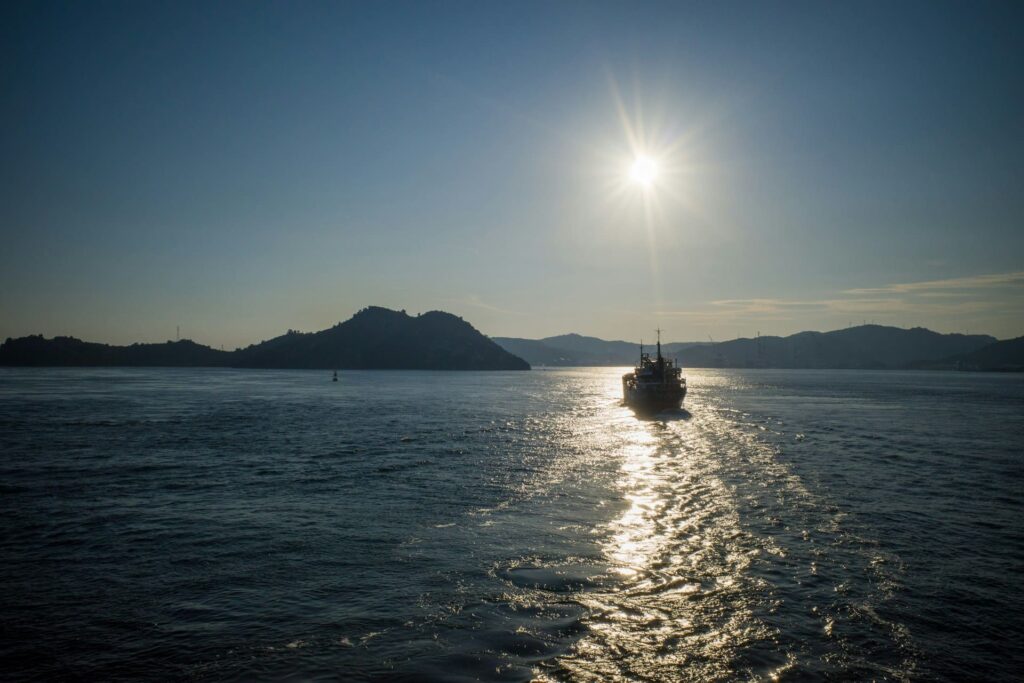
Naoshima is home to Yayoi Kusama’s spotted pumpkins, Tadao Ando’s concrete masterpieces, and some of Japan’s most quietly powerful contemporary art. The catch? It’s in the Seto Inland Sea, roughly 700 kilometers west of Tokyo. That distance raises a practical question for anyone building a Tokyo-based itinerary: is it actually worth the trip — and if so, how do you make it work without wasting a whole day on trains and ferries?
This guide answers that directly. You’ll get the fastest route, the real cost in time and money, an honest verdict on whether a day trip is feasible, and a smarter overnight plan that turns the journey into part of the experience rather than a logistical headache.
Planning to make Naoshima worth the long trip from Tokyo? If you stay overnight near Okayama or Takamatsu, a full-day private guide on the island can help you turn one precious day into a focused art itinerary instead of a transport puzzle. Check live availability, start times, and recent traveler reviews for this Naoshima full-day private guide tour.
Is Naoshima Worth It from Tokyo? The Honest Verdict
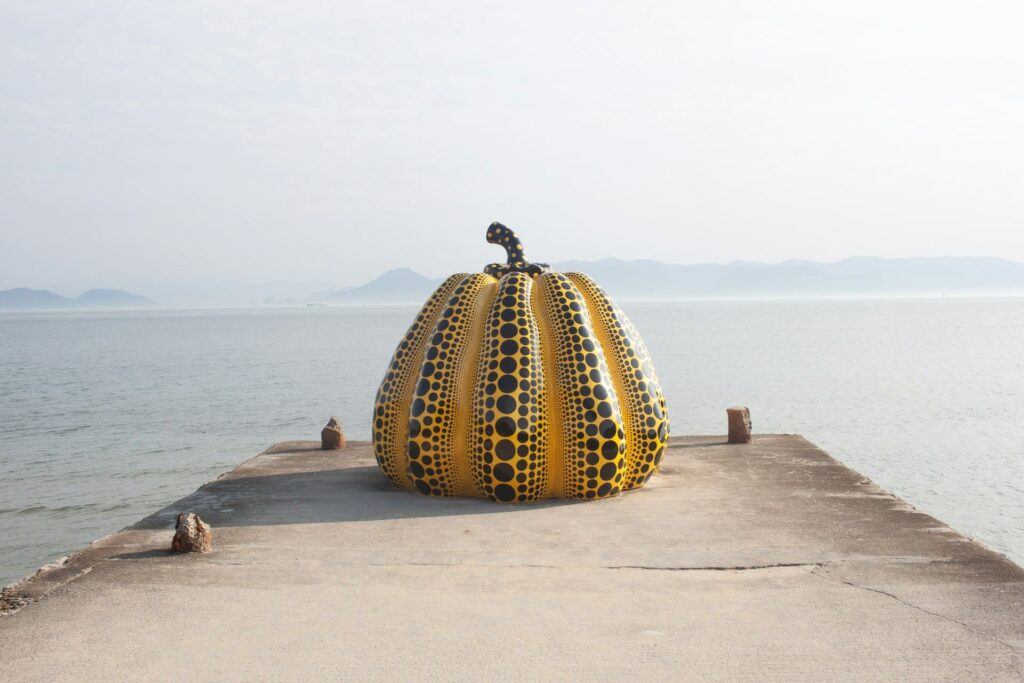
Short answer: yes, Naoshima is worth visiting from Tokyo — but only if you commit to at least one overnight stay somewhere along the way. A pure day trip from Tokyo (depart before 6:00 AM, return after 10:00 PM) gives you roughly two to three hours on the island. That’s enough for a quick photo with the Yellow Pumpkin and a rushed walk through one museum, but it misses almost everything that makes Naoshima special: the unhurried transition between Ando’s buildings and the Seto Inland Sea light, the Art House Project’s quiet engagement with village life, and the simple pleasure of cycling between installations without watching the clock.
The mistake I see most first-time visitors make is treating Naoshima like a day-trip checkbox. They pack Tokyo → Okayama → Uno → ferry into a single dawn-to-midnight marathon, arrive exhausted, and leave wondering what the fuss was about. Naoshima rewards time. If you’re deciding how long to stay, our guide on how many days to spend in Naoshima breaks down the options. If you only have one day to give it, that day is better spent as a full day on the island — which means arriving the night before or staying the night after.
Here is the three-option breakdown at a glance:
| Option | Island Time | Total Travel (Round Trip) | Verdict |
|---|---|---|---|
| Day trip from Tokyo | 2–3 hours | ~10 hours | Not recommended |
| Stay overnight in Okayama or Takamatsu | 6–8 hours | ~2 hours (morning ferry) | Best balance |
| Stay on Naoshima | Full day + evening + next morning | Minimal island commute | Maximum experience |
The Main Route: Tokyo → Okayama → Uno → Naoshima (Miyanoura)
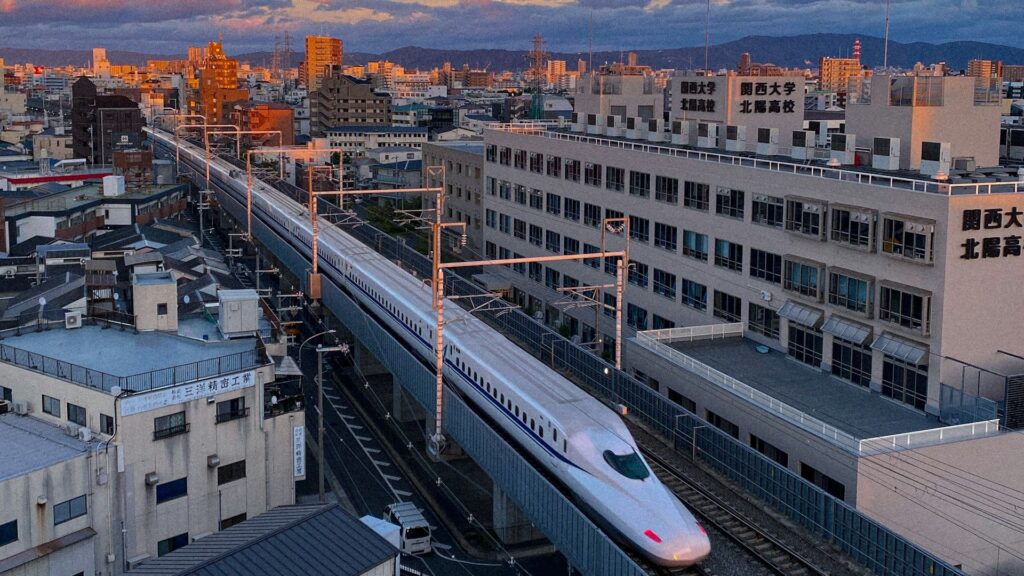
This is the standard and most efficient route. It involves three segments: shinkansen, local train, and ferry. Total one-way time is about 5.5 to 6 hours, and the cost (without a Japan Rail Pass) is around ¥17,500–¥18,700 per person.
Step 1: Tokyo Station → Okayama Station (Shinkansen)
Board the Tokaido-Sanyo Shinkansen from Tokyo Station. Two train types serve this route:
- Nozomi — approximately 3 hours 45 minutes, non-reserved from ¥16,600, reserved from ¥17,770. Frequent departures (every 10–20 minutes). Not covered by the Japan Rail Pass.
- Hikari — approximately 4 hours, non-reserved from ¥16,600, reserved from ¥17,130. Slightly fewer departures. Covered by the Japan Rail Pass.
Best for: Travelers who want speed and frequency (Nozomi), or JR Pass holders who don’t mind a slightly longer ride (Hikari). Green Car (¥23,200–¥23,840) offers wider seats and is worth considering for the 4-hour journey if your budget allows.
Step 2: Okayama Station → Uno Station (JR Uno Line)
From Okayama Station, transfer to the JR Uno Line (local / rapid train). The ride takes about 50–60 minutes and costs around ¥580. Trains run roughly once or twice per hour. The line ends at Uno Station, which is a short walk from Uno Port.
Kai’s tip: When you arrive at Okayama Station, follow the signs for the Uno Line (not the Shinkansen concourse). The platform is usually 5 or 6 on the regular JR lines level. The walk from the shinkansen gates to the Uno Line platform takes about 8–10 minutes, so factor that into your transfer time — a 15-minute buffer between trains is comfortable.
Step 3: Uno Port → Miyanoura Port (Ferry)
Uno Station connects directly to Uno Port via a 5-minute walk. Ferries operated by Shikoku Kisen cross to Miyanoura Port (Naoshima’s main ferry terminal) in about 20 minutes. The one-way fare is around ¥300–¥370 for adults, ¥150 for children aged 6–12. Bicycles can be brought aboard for an additional ¥310.
A smaller passenger-only boat also runs the same route in about 15 minutes at the same price range, but it has limited capacity (80–90 passengers) and fewer departures.
Ferries run from early morning (first departure from Uno around 6:10 AM) until late evening (last ferry around 20:25–22:30, with late-night services incurring a surcharge). The port has a ticket counter and a small waiting area with basic amenities.
Route Summary (One Way)
| Segment | Duration | Cost (¥) | JR Pass? |
|---|---|---|---|
| Tokyo → Okayama (Nozomi) | ~3h45m | ¥16,600–¥17,770 | No |
| Tokyo → Okayama (Hikari) | ~4h | ¥16,600–¥17,130 | Yes |
| Okayama → Uno (JR Uno Line) | ~50–60m | ~¥580 | Yes |
| Uno → Miyanoura (Ferry) | ~20m | ¥300–¥370 | No |
| Total (Nozomi + Uno + Ferry) | ~5h–5h30m | ~¥17,500–¥18,700 | — |
| Total (Hikari + Uno + Ferry, with JR Pass) | ~5h30m–6h | ~¥300–¥370 (ferry only) | — |
Alternative Route: Via Takamatsu (Marine Liner + Ferry)
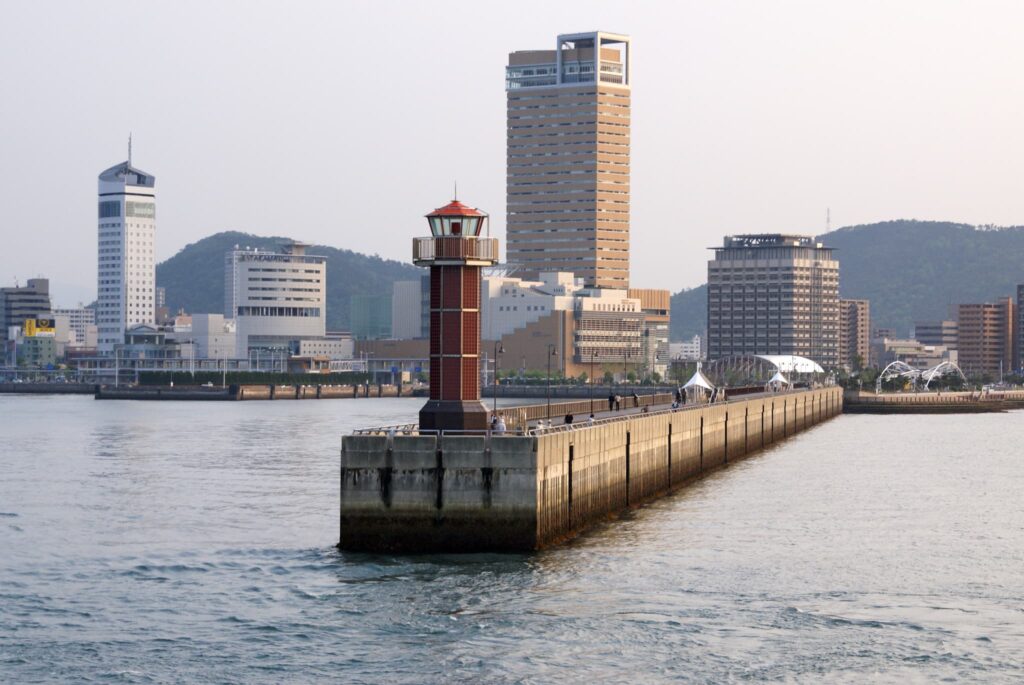
A second option is to travel through Takamatsu, the capital of Kagawa Prefecture on Shikoku. This route is slightly longer but offers a direct ferry to Naoshima without the Uno transfer.
Route: Tokyo → Okayama → Takamatsu → Miyanoura
- Tokyo → Okayama — Same shinkansen as the main route (~4 hours).
- Okayama → Takamatsu (Marine Liner) — Transfer to the JR Marine Liner, a rapid train that crosses the Seto Ohashi Bridge. Journey time is about 60 minutes, and it’s covered by the JR Pass. The ride itself is scenic, with views of the Seto Inland Sea islands.
- Takamatsu Port → Miyanoura Port — From Takamatsu Station, it’s a 15-minute walk (or short taxi ride) to Takamatsu Port. Ferries run to Miyanoura in about 50–60 minutes (¥680 one way). A high-speed passenger boat covers the same route in about 30 minutes (¥1,590).
Total time: Approximately 6 to 6.5 hours one way — about 30–60 minutes longer than the Uno route.
Best for: Travelers who want to combine Naoshima with a visit to Takamatsu (Ritsurin Garden, Shikoku’s famous udon culture) or continue deeper into Shikoku. Also useful if ferry schedules from Uno don’t align with your timing.
When to skip it: If you’re on a tight schedule and heading straight back to Tokyo, the Uno route is simpler and shaves off roughly an hour each way. I’d only recommend the Takamatsu route if you have a specific reason to be in Takamatsu — it adds complexity without much benefit for a pure Naoshima trip.
Route Comparison: Okayama (Uno) vs. Takamatsu
| Factor | Uno Route (via Okayama) | Takamatsu Route |
|---|---|---|
| Total one-way time | ~5h–5h30m | ~6h–6h30m |
| Ferry ride | 20 min (¥300–¥370) | 50–60 min (¥680) |
| Number of transfers | 2 (shinkansen → local → ferry) | 2 (shinkansen → Marine Liner → ferry) |
| JR Pass coverage | Covers shinkansen (Hikari) + Uno Line | Covers shinkansen (Hikari) + Marine Liner |
| Scenic value | Standard shinkansen + local train | Seto Ohashi Bridge crossing |
| Best for | Fastest access, direct return to Tokyo | Combining Naoshima with Shikoku travel |
By Air? The Flight Option
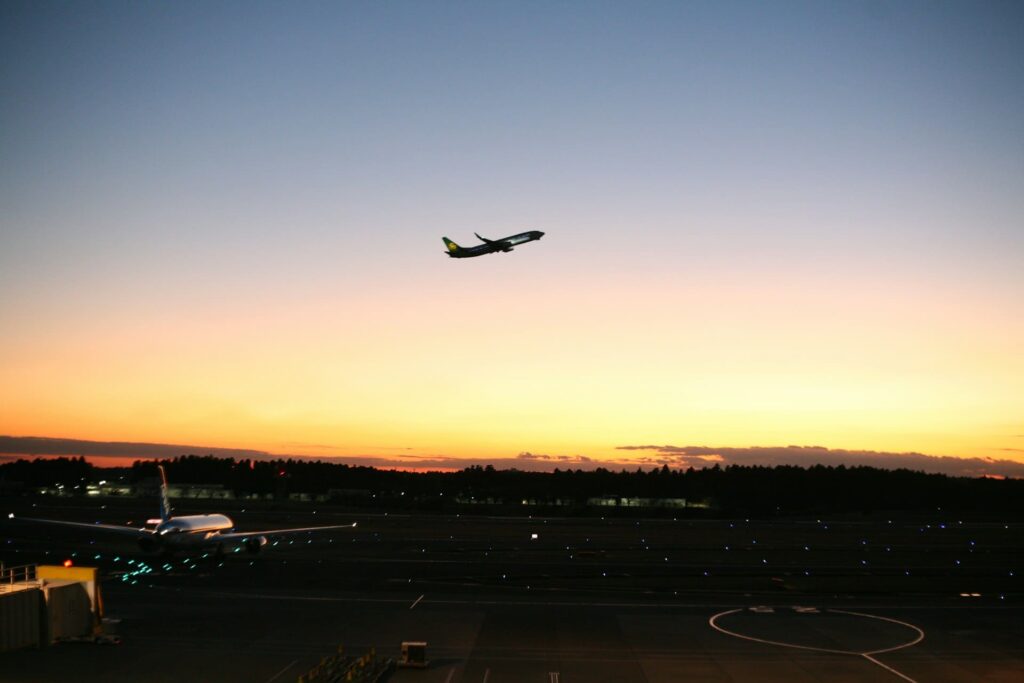
Another alternative is flying from Tokyo (Haneda) to Takamatsu Airport. The flight takes about 1 hour 30 minutes, and fares range from roughly ¥10,000 to ¥25,000 one way depending on how far in advance you book and whether you use a budget carrier.
From Takamatsu Airport, a limousine bus runs to Takamatsu Station / Takamatsu Port in about 40 minutes (¥760). Then it’s the same ferry (50–60 minutes, ¥680) or high-speed boat (30 minutes, ¥1,590) to Miyanoura.
The catch: Once you factor in airport access in Tokyo (30–45 minutes to Haneda), check-in time (45–60 minutes before departure), and the transfer on the Takamatsu side, the total door-to-door time is comparable to the shinkansen — roughly 5 to 6 hours — at a similar or higher cost. In my experience, the shinkansen is less stressful for most travelers: no baggage weight restrictions, no weather-related cancellations, and you can get food and drinks at station kiosks throughout the journey.
Best for: Travelers already near Haneda Airport or those who prefer flying for comfort reasons. Budget travelers who book early may also find fares competitive with the shinkansen.
When to skip it: If you’re starting from central Tokyo (Tokyo Station, Shinjuku, Shibuya), the shinkansen is more convenient. Flying makes sense primarily if you’re already at the airport or combining Naoshima with other destinations in Shikoku.
Day Trip from Tokyo: Is It Realistic?
Technically, yes — you can leave Tokyo in the early morning, reach Naoshima by late morning, and return to Tokyo by late evening. But the word “realistic” depends on what you want from the visit.
Here’s what a pure day trip looks like on paper:
- 05:45–06:00 — Depart Tokyo Station (first Nozomi around 06:00)
- 09:45–10:00 — Arrive Okayama, transfer to Uno Line
- 10:50–11:10 — Arrive Uno, walk to ferry, board 11:30 sailing
- 11:50 — Arrive Miyanoura Port, Naoshima
- 14:30–15:00 — Head back to Miyanoura for ferry
- 15:30–16:00 — Ferry to Uno, train to Okayama
- 16:30–17:00 — Okayama → Tokyo (Nozomi)
- 21:00–22:00 — Arrive Tokyo
That leaves roughly 2.5 to 3.5 hours on the island — and that’s assuming no delays, no missed connections, and no queues at the museum entrance.
The catch that catches people out is how quickly those hours disappear. By the time you’ve walked from the ferry port, waited for the town bus, ridden up the hill to the Benesse area, and queued for entry to the Chichu Art Museum, you’ve already spent an hour of your island time. Suddenly it’s time to go back down the hill for the return ferry, and you’ve seen one museum and the Yellow Pumpkin from a distance.
Who it works for: Travelers who genuinely have no other option (tight itinerary, no flexibility) and are content treating Naoshima as a quick introduction — a “see it once” checkbox with a single museum visit and a photo stop.
Who should skip it: Anyone who wants to experience Naoshima’s quieter side, explore the Art House Project in Honmura, visit multiple museums, or simply enjoy the island’s atmosphere without watching the clock.
Kai’s tip: If a day trip is your only option, consider not going back to Tokyo the same night. Instead, head for Okayama or Takamatsu in the evening, stay overnight, and return to Tokyo the next morning. That small shift — giving up your Tokyo hotel for one night — turns a rushed 3-hour visit into a relaxed afternoon and evening on the island. The shinkansen from Okayama to Tokyo the next morning takes the same 4 hours, so you’re only out the cost of a hotel night.
The Smarter Plan: Stay Overnight Near Naoshima

Option A: Stay in Okayama the Night Before
This is the most practical and popular choice. Okayama is a major city with excellent hotel options across all price points, abundant dining choices, and its own sightseeing (Okayama Castle, Korakuen Garden, the Kurashiki Bikan district).
The morning plan: Check out of your hotel after breakfast, take the 07:20 train from Okayama to Uno (arrives ~08:10), catch the 08:30 ferry to Miyanoura (arrives ~08:50). You’re on the island before 9:00 AM with the entire day ahead of you — roughly 8 hours before the last ferry around 19:00–20:00.
Best for: Travelers who want hotel selection, good dinner options, and the ability to combine Naoshima with Okayama sightseeing. Also works well for JR Pass holders, as the Uno Line is covered.
Option B: Stay in Takamatsu
Takamatsu has its own appeal: Ritsurin Garden (one of Japan’s most beautiful landscape gardens), an atmospheric port area, and Kagawa’s legendary udon culture (try a morning bowl of Sanuki udon at a local shop before heading to the island). The ferry from Takamatsu Port to Miyanoura runs about 50–60 minutes directly — no train-to-ferry transfer needed.
The morning plan: Walk from your hotel to Takamatsu Port (or a short taxi), board the 07:20 ferry, arrive at Miyanoura around 08:20. Alternatively, the high-speed boat departs around 08:00 and arrives in 30 minutes.
| Factor | Stay in Okayama | Stay in Takamatsu |
|---|---|---|
| Morning ferry to Naoshima | 20 min from Uno | 50–60 min direct |
| Hotel options | Wide (budget to luxury) | Good (mid-range to luxury) |
| Dinner / evening | Excellent (Koraku-en illumination, station dining) | Excellent (udon, port-side restaurants) |
| Combine with | Okayama Castle, Korakuen, Kurashiki | Ritsurin Garden, Shikoku travel |
| JR Pass coverage | Yes (Uno Line) | Yes (Marine Liner) |
| Back to Tokyo next day | Shinkansen from Okayama (~4h) | Marine Liner → Okayama → Shinkansen (~5h) |
Option C: Stay on Naoshima
For the complete experience, staying on the island itself is unmatched. Benesse House Museum operates a hotel within the museum complex — guests get after-hours access to the galleries and the surrounding installations in near-solitude. There are also guesthouses, minshuku (family-run inns), and a campground near Miyanoura.
What you gain: Evening walks to the Yellow Pumpkin with almost no other visitors, sunrise over the Seto Inland Sea, and the ability to visit the museums at the least crowded times (just after opening or late afternoon).
The trade-off: Benesse House starts around ¥30,000 per person per night. Guesthouses and minshuku range from ¥8,000 to ¥15,000. Book well in advance — island accommodation fills up particularly during weekends and the Setouchi Triennale years (the next is 2025).
If you fall into that camp — you want Naoshima to feel like a real art day, not a ferry-and-bus exercise — this is the booking worth comparing first.
Why I’d book this one
- It fits the smarter overnight plan. The tour works best when you are already near Naoshima, Okayama, Uno, or Takamatsu, which matches the article’s main advice: spend your energy on the island, not on a same-day Tokyo marathon.
- It reduces the hardest part of Naoshima planning. Recent travelers tend to value help with timing, island navigation, museum choices, and understanding the artworks rather than just moving from one photo stop to the next.
- It suits travelers with one precious island day. A private guide can help shape the day around your priorities, whether that means Chichu, the Art House Project, Ando architecture, outdoor installations, or a slower village-and-sea route.
Before locking in shinkansen and ferry times, see current availability, meeting details, and recent traveler reviews for the Naoshima full-day private guide tour.
Getting Around Naoshima
The island has four main ways to get around, and choosing the right combination makes a significant difference to how much you see in a day.
Town Bus (¥100 per ride)
The orange town bus runs from Miyanoura to Honmura to Tsutsujiso (the Benesse area), with stops at all major museums and the Art House Project. Buses run roughly every 20–40 minutes depending on the time of day, with limited capacity (28 seats). The fare is ¥100 — exact change required (no change machine onboard, so carry ¥100 coins).
Best for: Short trips between the port and specific stops, especially if you’re not comfortable cycling.
Naoshima Link (Free Shuttle)
Benesse Art Site operates a free shuttle called the “Naoshima Link” that runs between Tsutsujiso, Benesse House Museum, the Chichu Art Museum, and the Lee Ufan Museum. It’s a convenient loop for the Benesse area, but note that it only runs on days when the museums are open — which means it stops on Mondays and during winter maintenance closures.
Best for: Moving between the three main museums in the Benesse hill area without waiting for the town bus.
Bicycle Rental (¥500–¥1,500 per day)
Rental shops cluster around Miyanoura Port and Honmura Port. A standard bicycle costs about ¥500 per day, and an e-bike costs around ¥1,000 to ¥1,500. The e-bike is strongly recommended: the road from Miyanoura up to the Benesse area is a steady uphill climb, and in the summer heat, a standard bicycle becomes hard work.
What I’d tell a friend: Spring for the e-bike. The hills between Miyanoura and the Chichu Art Museum are steeper than they look on the map, and an e-bike turns a 25-minute uphill slog into an effortless glide. It also means you can cover more ground in less time — a real advantage if you’re on a tight schedule.
Best for: Confident cyclists who want independence. Note that bicycles are not allowed on the Naoshima Link shuttle, and parking is limited at some museum entrances.
Walking
Miyanoura to Honmura is about a 35-minute walk along the coast (pleasant, flat, with sea views). Honmura to Tsutsujiso (the Benesse area) is another 20–25 minutes uphill. Walking is realistic only if you’re staying on the island and have time to explore at a slow pace.
Kai’s tip: Before you leave Miyanoura Port, check the time of the last ferry back to Uno or Takamatsu for that day. It varies seasonally — typically between 19:00 and 20:30, with late-night services (after 22:00) incurring a surcharge. If you miss the last regular ferry, you’re looking at an expensive taxi to the late-night service or being stranded on the island. Decide your return ferry before you start exploring, and set an alarm on your phone 30 minutes before departure.
Museum Reservations & Monday Closures (Don’t Get Trapped)
This is the single most common mistake visitors make: arriving on Naoshima without realizing that most museums require advance reservations and are closed on Mondays. The result is a long journey for very little payoff.
The Monday Trap
The following museums and facilities on Naoshima are closed on Mondays (or the day after a Monday public holiday):
- Chichu Art Museum
- Naoshima New Museum of Art (opened May 2025)
- Lee Ufan Museum
- Art House Project (all properties — Kinza, Minamidera, others)
- ANDO MUSEUM
- Naoshima Link (free shuttle)
If you arrive on Naoshima on a Monday, you can see the outdoor installations (Yellow Pumpkin, Red Pumpkin, the Benesse House outdoor exhibits) and visit the Benesse House Museum (which is open on most Mondays), but roughly 70% of the main indoor art experiences are locked. Plan your visit for Tuesday through Saturday for the widest access.
Reservations: The Golden Rule
The Chichu Art Museum requires a timed-entry reservation that must be booked in advance through the official online system. Walk-up tickets are not available during busy periods — this includes weekends, public holidays, school holidays, and the Setouchi Triennale year. Reservations open roughly one month ahead and can sell out several weeks in advance for popular time slots (particularly the first 10:00 AM and last 2:00 PM entries).
The Naoshima New Museum of Art (2025 opening) and the Lee Ufan Museum also strongly recommend online reservations. From October 2026, the entire Benesse Art Site system is moving to a fully online reservation model — meaning on-the-day ticket purchases may no longer be possible.
Kai’s tip: Book the Chichu Art Museum first. Before you buy shinkansen tickets, before you check ferry times — secure your Chichu time slot. Then work backward: the museum time determines which ferry you need to arrive on Naoshima, and that ferry time determines your shinkansen departure from Tokyo. If you book the travel first and the museum second, you risk ending up with a ferry that arrives after your museum slot has started, or a time slot that cuts your island visit too short.
Winter Maintenance Closures
Between January and March each year, museums on Naoshima take turns closing for maintenance. The schedules vary annually. For example, the Chichu Art Museum typically closes for about two weeks in January or February, and the Lee Ufan Museum for a similar period. These closures are published on the Benesse Art Site official calendar. Always check this calendar before booking — especially if you’re traveling between January and March.
What to See: Prioritizing with Limited Time
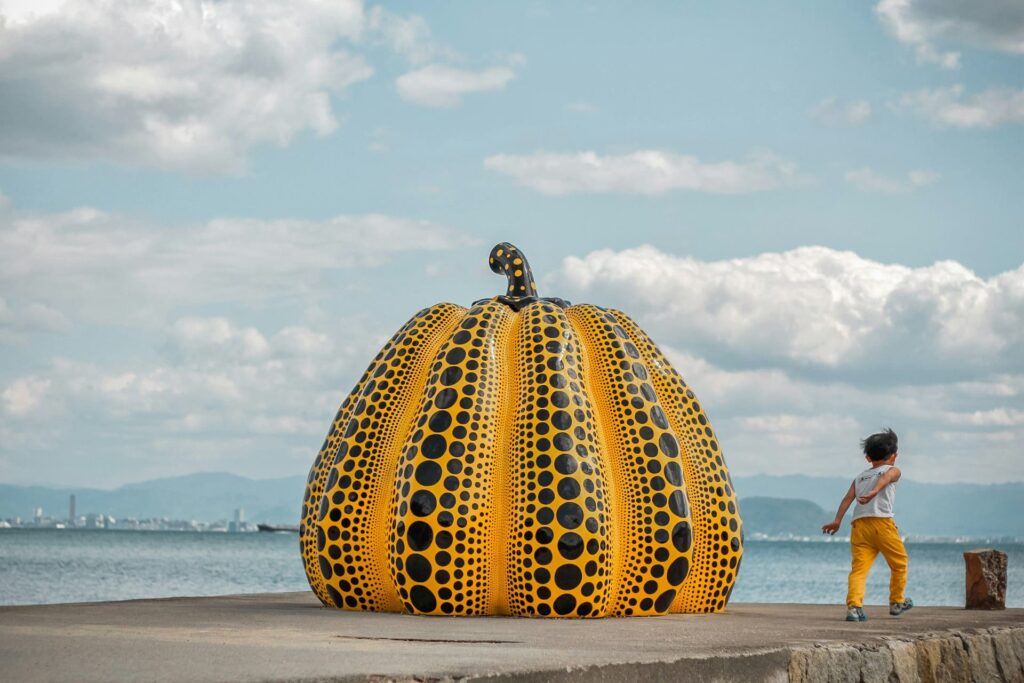
If You Have a Half Day (3–4 Hours on the Island)
This is realistic only if you’ve pre-booked the Chichu Art Museum and arrive on the island with a plan. Suggested sequence:
- Yellow Pumpkin (Miyanoura Pier, 10 minutes, free) — Photograph it on arrival before the crowds build.
- Chichu Art Museum (pre-booked, allow 1–1.5 hours) — The permanent installations by Monet, Turrell, and Eliasson are the island’s highlight.
- Naoshima New Museum of Art (allow 45 minutes, reserve ahead) — Ando’s latest gallery with views over the sea.
- Red Pumpkin (Tsutsujiso bus stop, 10 minutes, free) — A quick photo before heading back.
Skip: Art House Project, Benesse House Museum, Lee Ufan Museum, ANDO MUSEUM — there simply isn’t time.
If You Have a Full Day (6–8 Hours on the Island)
With a full day, you can visit three museums and see the outdoor installations at a relaxed pace:
- 08:50–09:00 — Arrive at Miyanoura, photograph Yellow Pumpkin
- 09:15–09:45 — Walk or bus to Honmura (Art House Project area)
- 09:45–10:45 — Art House Project (visit 2–3 properties: Kinza, Minamidera)
- 11:00–12:30 — Chichu Art Museum (pre-booked)
- 12:30–13:15 — Lunch (Café Ougiya near Miyanoura, or Chuo Cafe in Honmura — check our guide on where to eat on Naoshima to avoid the lunch rush)
- 13:30–14:30 — Naoshima New Museum of Art or Lee Ufan Museum
- 14:45–15:30 — Benesse House Museum (outdoor sculptures + indoor galleries)
- 15:45–16:15 — Red Pumpkin at Tsutsujiso, plus Valley Gallery if time allows
- 16:30–17:00 — Naoshima Bath “I♥湯” (optional, ¥650, open until 21:00)
- 17:15 — Head to Miyanoura for the ferry
Quick Reference: What’s Open & When
| Site | Visit Time | Reservation | Monday? | Approx. Fee |
|---|---|---|---|---|
| Yellow Pumpkin (outdoor) | 10 min | No | Yes | Free |
| Red Pumpkin (outdoor) | 10 min | No | Yes | Free |
| Chichu Art Museum | 1–1.5 hr | Yes (timed) | Closed | ¥2,100–¥2,500 |
| Naoshima New Museum of Art | 45 min–1 hr | Recommended | Closed | ¥2,000–¥2,200 |
| Benesse House Museum | 1–1.5 hr | Recommended | Open | ~¥1,300 |
| Lee Ufan Museum | 30–45 min | Recommended | Closed | ¥1,050–¥1,200 |
| Art House Project (Honmura) | 1–1.5 hr (2–3 properties) | Recommended | Closed | ¥420/ea, ¥1,050 pass |
| ANDO MUSEUM | 20–30 min | No | Closed | ¥510 |
| Naoshima Bath “I♥湯” | 30 min | No | Closed (varies) | ~¥650 |
| Valley Gallery | 20–30 min | No | Open | Free (in Benesse area) |
Sample Itineraries
6:00 AM–10:00 PM: 1-Day Blitz from Tokyo (Only If You Must)
- 05:50 — Depart Tokyo Station (Nozomi #1, 06:00)
- 09:45 — Arrive Okayama, transfer to Uno Line (JR Pass holders: Hikari departs ~05:55, arrives ~10:00)
- 10:50 — Arrive Uno Station, walk to ferry
- 11:30 — Ferry departs Uno → Miyanoura
- 11:50 — Arrive Naoshima
- 12:00–12:10 — Yellow Pumpkin photo
- 12:30–14:00 — Chichu Art Museum (pre-booked)
- 14:15–14:45 — Quick lunch at café
- 15:00–15:45 — Naoshima New Museum of Art
- 16:00–16:10 — Red Pumpkin photo
- 16:30 — Last ferry from Miyanoura to Uno
- 17:20 — Train from Uno to Okayama
- 18:15 — Nozomi Okayama → Tokyo
- 22:00 — Arrive Tokyo Station
Verdict: Exhausting, but possible. You’ll see the highlights but feel rushed.
2-Day Plan with Okayama Stay (Recommended)
- Day 1:
- Afternoon: Depart Tokyo (~14:00), arrive Okayama (~18:00). Visit Okayama Castle or Korakuen Garden in the evening light.
- Evening: Dinner in Okayama (try Okayama-style barazushi or local peaches in season). Stay in Okayama.
- Day 2:
- 07:20 — Train from Okayama to Uno
- 08:30 — Ferry to Miyanoura
- 08:50–17:00 — Full day on Naoshima (see “Full Day” itinerary above)
- 17:15 — Ferry to Uno, train to Okayama
- 18:30–19:00 — Shinkansen Okayama → Tokyo (arrive ~22:30–23:00)
Verdict: Relaxed, productive, and genuinely enjoyable. You get a full island day and a pleasant evening in Okayama.
FAQ
Can I visit Naoshima from Tokyo in one day?
Technically yes, but it’s not recommended. A day trip gives you roughly 2.5 to 3.5 hours on the island after about 6 hours of travel each way. You’ll have time for the Chichu Art Museum (with a pre-booked slot) and a photo with the Yellow Pumpkin, but you’ll miss most of what makes Naoshima special. A far better approach is to stay overnight in Okayama or Takamatsu the night before, which gives you a full 6–8 hours on the island.
Do I need a Japan Rail Pass for this trip?
A JR Pass covers the Hikari shinkansen (Tokyo → Okayama) and the JR Uno Line (Okayama → Uno), but it does not cover the Nozomi shinkansen or the ferry. If you’re making this trip purely for Naoshima, a JR Pass may not pay off unless you’re also doing other long-distance train travel in the same week. Calculate your full itinerary’s train costs before buying — for a standalone Naoshima trip, it’s often cheaper to pay out of pocket with a Nozomi ticket and Smart EX online discount.
What happens if the Chichu Art Museum is sold out?
You still have options. The Benesse House Museum (open most Mondays and generally less crowded), the Naoshima New Museum of Art, and the outdoor installations (Yellow Pumpkin, Red Pumpkin, Valley Gallery) are all accessible without a Chichu reservation. That said, Chichu is the island’s centerpiece for most first-time visitors, so if you can’t get a slot, consider shifting your Naoshima visit to a date when reservations are available. The museum releases new slots about a month ahead — check regularly.
Is Naoshima worth visiting on a Monday?
Only if you’re prepared for limited access. The Chichu Art Museum, Naoshima New Museum of Art, Lee Ufan Museum, Art House Project, and ANDO MUSEUM are all closed on Mondays (or the day after a Monday public holiday). The Benesse House Museum is typically open, and all outdoor installations are accessible, but roughly 70% of the indoor art experiences are unavailable. If your schedule allows, aim for Tuesday through Saturday.
What’s the best time of year to visit Naoshima?
Spring (April–May) and autumn (October–November) offer mild temperatures and clear skies — ideal for cycling and outdoor installations. Summer (June–September) is hot and humid, with occasional typhoons. Winter (December–March) has fewer crowds but several museums close for maintenance in January and February. Check the Benesse Art Site official calendar for winter closure dates before booking. For a deeper dive into seasonal planning, see our complete guide to the best time to visit Naoshima.
Can I bring luggage to Naoshima?
Yes, but it’s not ideal. The island has limited luggage storage, and the town bus is small (28 seats) with no dedicated luggage area. Coin lockers at Miyanoura Port are limited and often full during busy periods. A better approach is to leave your main luggage at a hotel in Okayama or Takamatsu (most hotels will hold it for a day) and travel to Naoshima with just a day bag. Alternatively, use a luggage forwarding service (takkyubin) to send bags to your next city.
How much money do I need for a day on Naoshima?
Budget roughly ¥5,000–¥8,000 per person for island expenses excluding transportation to and from Tokyo. This includes: one museum entry (¥2,100–¥2,500), lunch (¥1,000–¥2,000), town bus rides (¥100–¥300 depending on how many trips), a coffee or snack (¥500–¥800), and possibly an e-bike rental (¥1,000–¥1,500). The island has no ATMs that reliably accept international cards — bring enough cash for the day.
Final Verdict
Choose this trip (with an overnight stay near Naoshima) if…
- You’re genuinely interested in contemporary art and architecture — specifically Tadao Ando’s work and site-specific installations by artists like James Turrell, Claude Monet, and Lee Ufan.
- You value quality over quantity: you’d rather see three museums and a village installation properly than rush through ten attractions in a day.
- You have the flexibility to shift your Tokyo hotel by one night to stay in Okayama, Takamatsu, or on Naoshima itself.
- You’re already planning to visit the Seto Inland Sea region (including Teshima, Inujima, or the Shikoku side) — Naoshima fits naturally into a wider art island itinerary.
Skip it (or postpone) if…
- You’re on a Japan itinerary shorter than 10 days. Naoshima takes two days from Tokyo (one travel, one on the island) — that’s a significant chunk of a short trip, especially if modern art isn’t your primary interest.
- You’re only going for Instagram photos. The Yellow Pumpkin is free and photogenic, but the total travel time-to-photo ratio is poor compared to closer Tokyo-area art experiences (teamLab Borderless, the new teamLab Mori Building in Azabudai Hills).
- You’re traveling with very young children or anyone with mobility challenges. The hills, stairs, and long walkways between installations can be tiring, and the museums are quiet spaces not suited for active toddlers.
- You haven’t checked the Monday closure calendar and museum reservation availability. If your only available day is a Monday, or the Chichu Museum is sold out, wait for a better window.
For first-time visitors to Japan
Naoshima is worth the journey if contemporary art genuinely excites you. If it’s more of a casual interest, consider whether the 5–6 hour one-way travel time could be better spent in Kyoto, Hakone, or Kamakura — all closer to Tokyo with equally rich cultural experiences. If you do go, use the “2-Day Plan with Okayama Stay” itinerary above. It turns the distance from Tokyo into a manageable overnight trip rather than a punishing day-long commute.
For art and architecture enthusiasts
This is a pilgrimage worth making. Ando’s buildings on Naoshima — the Chichu Art Museum, the Naoshima New Museum of Art, Benesse House — are among his most important works. Add the Art House Project’s integration of contemporary art into existing village houses, and you have a concentrated experience of how art and architecture can transform a place. Stay at Benesse House if your budget allows; the after-hours access to the galleries and the overnight guests’ viewing of James Turrell’s “Open Sky” at sunset is unmatched.
For families with children
Naoshima can work for families, but choose your approach carefully. The outdoor installations (Yellow Pumpkin, Red Pumpkin, Valley Gallery) are easy wins for kids. The Benesse House Museum has some playful installations. However, the Chichu Art Museum and Lee Ufan Museum are quiet, contemplative spaces where children are expected to stay calm — not every child will enjoy this. The hills and distances between sites can also be tiring for little legs. Consider e-bikes with child seats (available at some rental shops) or rely on the town bus.
For repeat visitors to Japan
If you’ve already seen Tokyo, Kyoto, and Osaka, Naoshima offers something genuinely different. The Seto Inland Sea’s light, pace of life, and integration of art into landscape are unlike anything in Japan’s major cities. Combine Naoshima with a day on Teshima (20 minutes by ferry) to see the Teshima Art Museum and the Les Archives du Cœur, or with Inujima for the Seirensho Art Museum. A 3–4 day Seto Inland Sea art island itinerary is one of Japan’s most rewarding regional travel experiences. If you’re unsure which island fits your schedule, check our guide on choosing between Naoshima and Teshima.

Hi, I’m Kai. I’m a Tokyo-based travel writer, tourism industry insider, and the author of a published guidebook for international visitors to Japan. With over 10 years of professional experience at a leading Japanese tourism company, my mission is to help you skip the tourist traps and navigate Japan’s best destinations like a local. I believe the perfect day trip is like a traditional kaiseki meal: a beautiful balance of precise planning and unforgettable seasonal discovery. When I’m not out conducting field research, you’ll usually find me drafting new itineraries with one of my favorite fountain pens!