
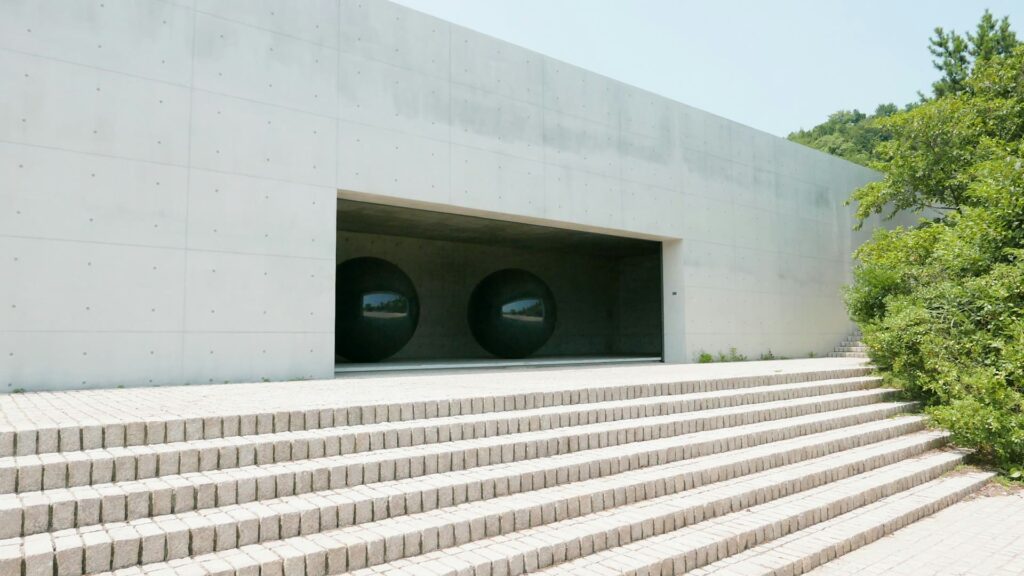
So you’re based in Kyoto, you’ve heard about Naoshima—Yayoi Kusama’s pumpkin by the sea, Tadao Ando’s concrete masterpieces buried in the hillside—and you’re wondering: can I actually do this in one day?
The short answer is yes, you can. But the smarter question is whether you should. Because a Kyoto-to-Naoshima day trip is about three hours each way, costs around ¥8,500 one-way, and the island’s best museums require timed reservations that sell out weeks ahead. Get any of that wrong, and you’ve just spent six hours on trains and ferries to see a pumpkin and a closed door.
This guide gives you the honest verdict: the exact route, the two trip-wrecking traps nobody warns you about, what you’ll actually see in five hours on the island, and when you should skip the day trip altogether and stay overnight instead.
Quick Answer: Can You Do Naoshima From Kyoto in One Day?
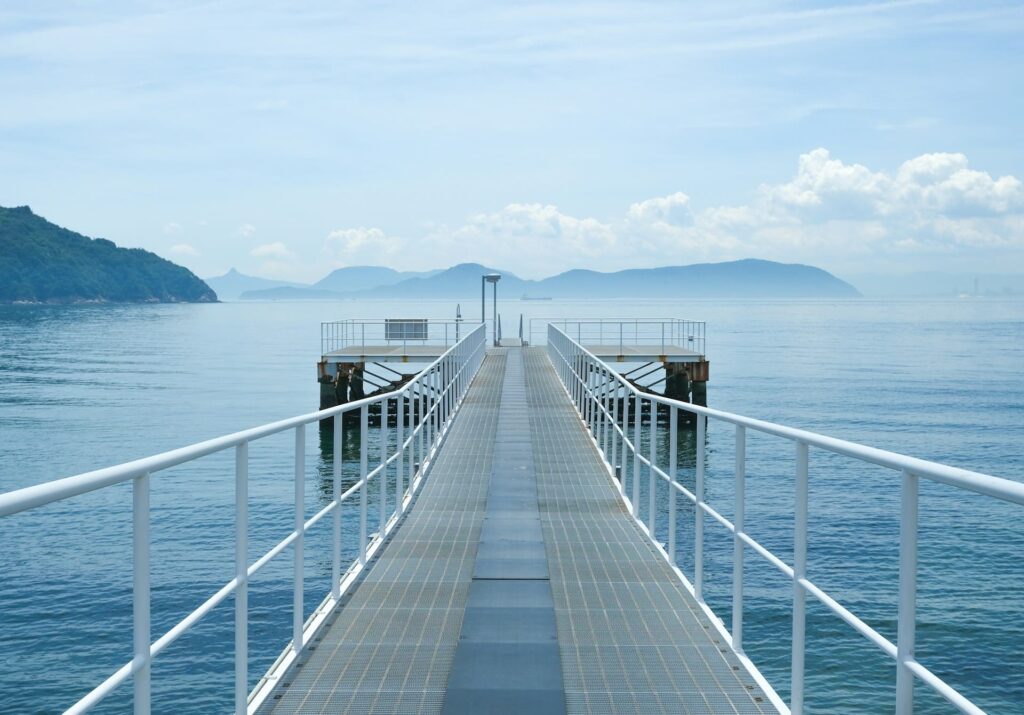
Yes, but with conditions. A day trip is mechanically possible and worth it if you plan well. Here’s the reality in numbers:
- Total travel time (one way): Approximately 3 hours
- Total cost (one way): Around ¥8,500 (Shinkansen ¥7,500 + local train ¥580 + ferry ¥300)
- Time actually on Naoshima: 5 to 6 hours (arriving ~10:00, leaving by the 17:05 or 17:35 ferry)
- What you can comfortably see: 2 museums + both pumpkins + lunch. That’s a good day.
- What you’ll have to skip: Lee Ufan Museum, Art House Project, and lingering anywhere. You won’t be able to “immerse” — you’ll be moving.
The deciding factor isn’t distance. It’s whether you can get a Chichu Art Museum reservation for a Tuesday through Saturday, and whether you’re genuinely okay with a tightly scheduled day rather than a relaxed island escape.
Want Naoshima without managing the Kyoto–Okayama–Uno–ferry chain yourself? If you are happy with a curated day rather than a Chichu-first DIY plan, a guided Kyoto departure keeps the transport and island timing in one booking. Check live dates, inclusions, and current availability for this Kyoto to Naoshima guided day trip.
The Route: Kyoto → Naoshima Step by Step
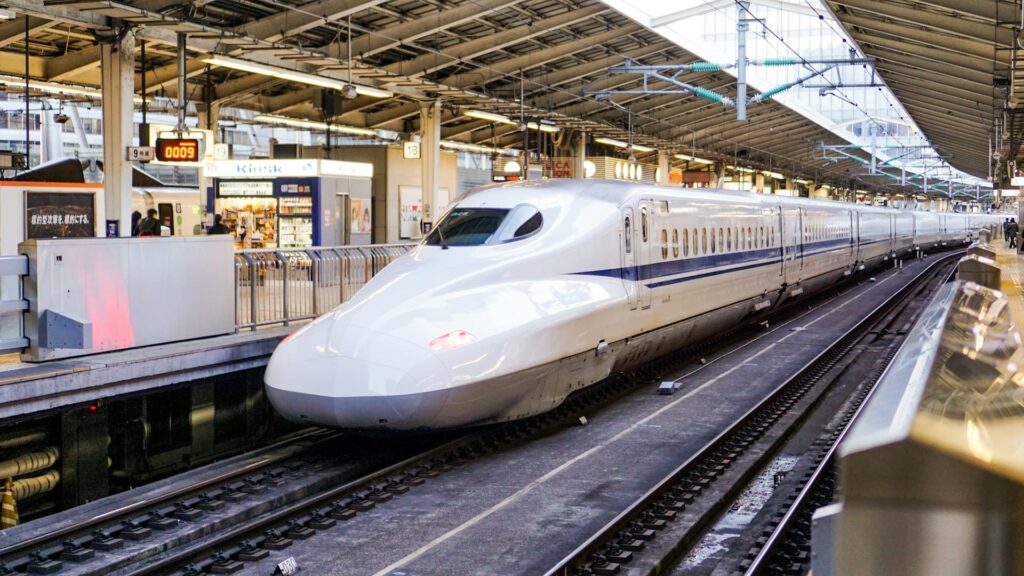
The standard route from Kyoto to Naoshima goes through Okayama Prefecture on Honshu, then crosses to the island by ferry from Uno Port. Here’s how each leg works.
Step 1: Kyoto → Okayama by Shinkansen
From Kyoto Station, take the JR Tokaido-Sanyo Shinkansen west toward Okayama. Two services cover this route:
- Nozomi: The fastest, about 1 hour. Around ¥7,500 for an unreserved seat. Not covered by the Japan Rail Pass.
- Hikari: Slightly slower, about 1 hour 30 minutes, with one direct train per hour. Covered by the Japan Rail Pass.
If you have a JR Pass, take the Hikari — the extra 30 minutes is worth saving ¥15,000 round-trip. If you’re paying out of pocket, the Nozomi saves time and runs more frequently. Either way, check your train stops at Okayama (most do).
Step 2: Okayama → Uno by JR Uno Line
At Okayama Station, transfer to the JR Uno Line. You’ll change trains at Chayamachi Station (茶屋町), but it’s a straightforward cross-platform transfer — same concourse, usually the same platform. The whole journey takes about 30 minutes and costs roughly ¥580.
Step 3: Uno Port → Miyanoura Port by Ferry
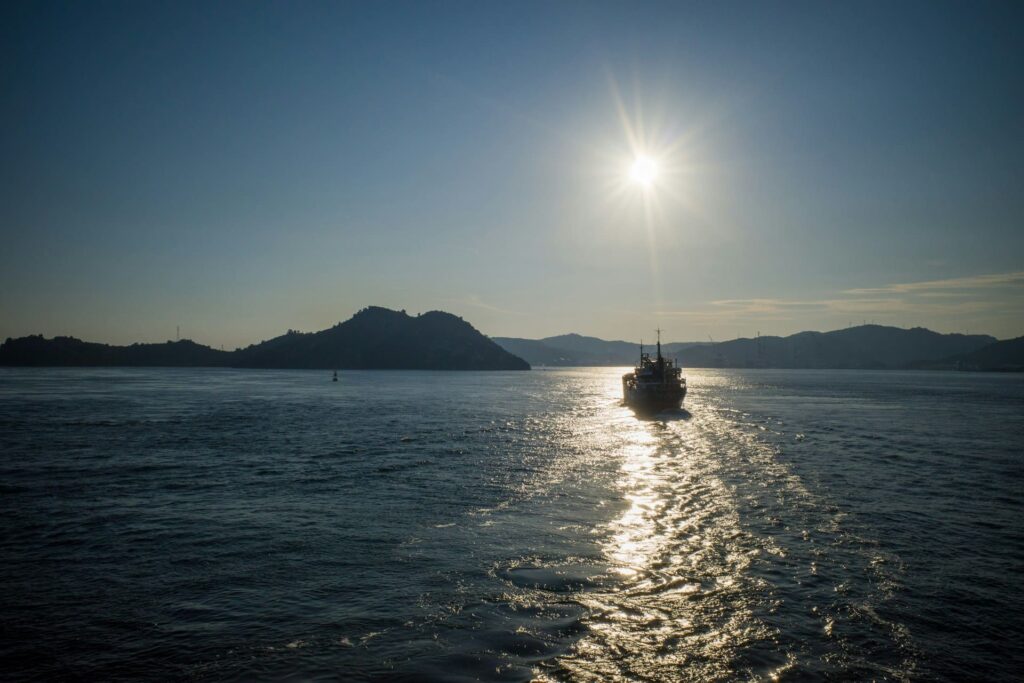
From Uno Station, it’s a short walk to Uno Port. Look for the Shikoku Kisen ferry terminal. Ferries run frequently to Miyanoura Port on Naoshima’s west coast — the main arrival point for visitors.
- Ferry: 20 minutes, ¥300. Bicycles can be loaded for an additional ¥310.
- High-speed passenger boat: 15 minutes (no bicycles). Limited departures.
The ferry is the better choice for most day-trippers — more frequent departures, you can bring a bike, and the 20-minute crossing is part of the experience as you approach the island.
Route Summary
| Leg | Transport | Time | Cost (approx.) | Notes |
|---|---|---|---|---|
| Kyoto → Okayama | Shinkansen (Nozomi / Hikari) | 1 hr – 1 hr 30 min | ¥7,500 | Nozomi not covered by JR Pass |
| Okayama → Uno | JR Uno Line (via Chayamachi) | ~30 min | ¥580 | Simple cross-platform transfer |
| Uno Port → Miyanoura | Shikoku Kisen ferry | 20 min | ¥300 | Bike +¥310; frequent departures |
| Total (one way) | ~3 hrs | ~¥8,380 |
The 2 Traps That Can Wreck Your Day Trip
Most Naoshima day trips go wrong before you even board the ferry. These two traps are the reason. Don’t learn about them the hard way.
Trap #1: Monday Is a Ghost Town
Nearly every major museum and gallery on Naoshima is closed on Mondays. That includes:
- Chichu Art Museum
- Naoshima New Museum of Art (opened May 2025)
- Benesse House Museum
- Lee Ufan Museum
- ANDO MUSEUM
- Art House Project
- Hiroshi Sugimoto Gallery: Time Corridors
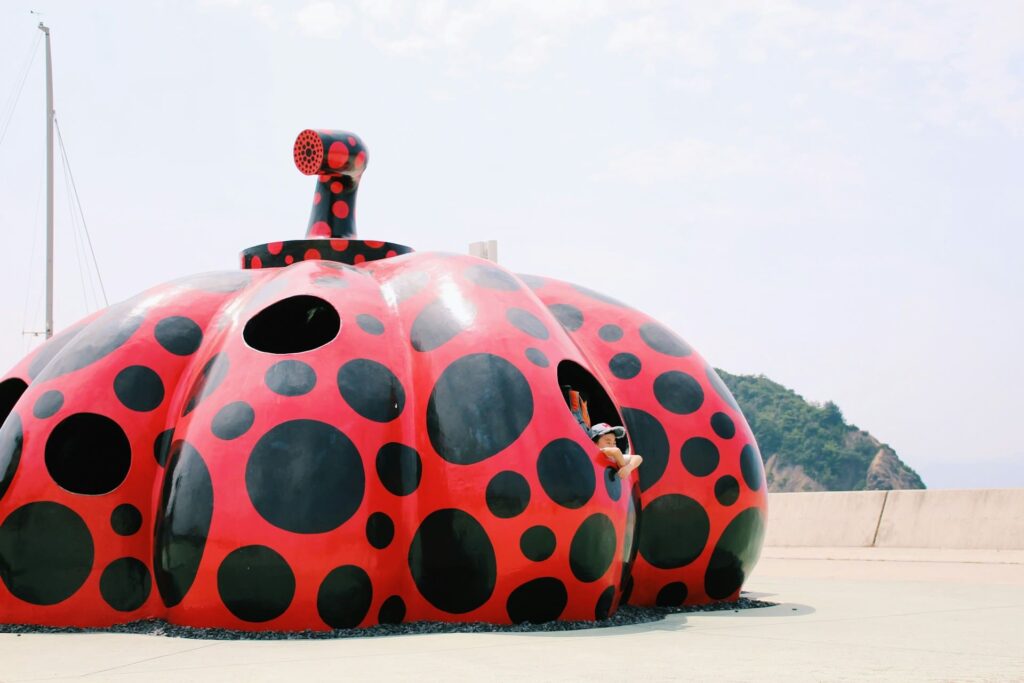
If your only available day in Kyoto is a Monday, the honest answer is: don’t go. You’ll spend six hours traveling to see a Red Pumpkin (at the port), a Yellow Pumpkin (on the south coast), and locked doors. The outdoor installations are lovely, but not worth the journey alone.
Exception: If a national holiday falls on Monday, the museums close on Tuesday instead. Always check the Benesse Art Site open days calendar before booking anything.
Trap #2: Chichu Art Museum Tickets Sell Out Weeks in Advance
The Chichu Art Museum — the single most important reason to visit Naoshima — operates a timed-entry online reservation system. You cannot buy tickets at the door. Here’s what you need to know:
- How it works: Choose a specific 15-minute entry window and arrive within that window. You have a 30-minute grace period after your reserved time.
- When tickets go on sale: The 5th of every month at 10:00 AM Japan time, tickets for the month after next are released. Example: tickets for August go on sale June 5th.
- How fast they sell: During peak seasons (spring, autumn, Setouchi Triennale years), prime time slots can sell out within days of release. Weekend slots are especially competitive.
- Price: Around ¥2,000 per adult. Children 15 and under are free but still need a reservation ticket.
- Payment: Credit card (Visa, Mastercard, JCB) only. No cash, no on-the-day sales.
- Cancellation: Not possible. No date or time changes after purchase.
- Same-day availability: If slots are still open, you can purchase until 30 minutes before your desired time. But during busy periods, don’t count on this.
Kai’s tip: This is the mistake I see first-time visitors make most often — they plan the whole day around Naoshima, book their Shinkansen tickets, and only check museum availability a few days before. By then, Chichu is sold out, and they’re stuck deciding whether to go anyway or scrap the plan entirely. Book your Chichu tickets before you book your Shinkansen. Treat it as the fixed point your entire day revolves around.
From October 2024 onward, all Benesse Art Site facilities on Naoshima, Teshima, and Inujima moved to an online ticket system. Check the official Benesse Art Site ticket page for the latest reservation process, as systems may be updated periodically.
Is the Day Trip Worth It? Honest Verdict
Here’s the question behind the question: will a Kyoto-to-Naoshima day trip leave you feeling like you experienced the island, or like you ran through it? The answer depends on what kind of traveler you are.
The Day Trip Is Worth It If…
- You’re an efficiency-minded traveler who is comfortable with a packed schedule and knows what trade-offs you’re making.
- You only want to see Chichu Art Museum (the main draw) plus the pumpkins and one other museum. That fits a 5-to-6-hour window comfortably.
- You have limited days in Japan and would rather see Naoshima briefly than not at all.
- You’re visiting on a weekday (Tuesday–Thursday) when the island is quieter and ferry slots are easier.
The Day Trip Is NOT Worth It If…
- You’re the type to linger over art — sit in James Turrell’s installation for 20 minutes, wander the Art House Project streets slowly, or spend an hour at the Benesse House Museum café looking at the sea. Day trips don’t have room for that.
- Your only available day is a Monday. See Trap #1 above.
- You cannot secure a Chichu Art Museum reservation for your preferred time slot.
- You’re traveling with young children or anyone who struggles with early starts and long transit days.
- Bad weather is forecast. Much of Naoshima’s experience is outdoors (the pumpkins, the island strolls, the architecture from the outside). Rain significantly diminishes what you can do.
Alternative: Stay Overnight on Naoshima
Staying overnight transforms the experience entirely. The island empties out after the last ferry around 17:00–17:35. Evening light on the Yellow Pumpkin, quiet streets in Honmura, and a bath at I♥Yu (Naoshima’s bathhouse — itself an art installation) give you the “island escape” that day-trippers miss. Accommodation options range from the architect-designed Benesse House (guests get after-hours museum access) to local guesthouses and minshuku in Honmura. The downside: rooms book out months in advance, especially during peak season. To help you weigh your options, you can consult our complete guide on how many days to spend in Naoshima.
Alternative: Base Yourself in Takamatsu Instead
If you’re flexible about where you sleep, Takamatsu on Shikoku offers a shorter ferry ride to Naoshima (about 30 minutes by high-speed boat) and saves you the Shinkansen leg from Okayama back to Kyoto at the end of a long day. Takamatsu also has its own attractions — Ritsurin Garden, the Takamatsu Art Museum — plus ferry access to other Setouchi art islands like Teshima and Inujima. For travelers doing 2–3 days in the Setouchi area, basing in Takamatsu makes more sense than commuting from Kyoto.
At a Glance: Kyoto Day Trip vs. Alternatives
| Day Trip from Kyoto | Overnight on Naoshima | Base in Takamatsu | |
|---|---|---|---|
| Travel time (Kyoto to island) | ~3 hrs | ~3 hrs | ~2 hrs (Kyoto→Takamatsu via Shinkansen + limited express) |
| Time on Naoshima | 5–6 hrs | 24+ hrs (evening + morning access) | Full day + flexibility |
| Museums you can see | 2 max + pumpkins | 3–4 museums + Art House Project | 3–4 museums + pumpkins |
| Cost (round trip transport, approximate) | ~¥17,000 | ~¥17,000 + accommodation | Depends on itinerary |
| Best for | Budget-conscious travelers with limited time who want a taste of Naoshima | Art lovers who want the full island experience | Travelers visiting multiple Setouchi islands |
What You Can See: Naoshima’s Art in 5–6 Hours
With limited time on the island, you need a clear priority list. Here’s what fits comfortably — and what you’ll have to leave for another trip.
Top Priority: Chichu Art Museum (Reserve First)
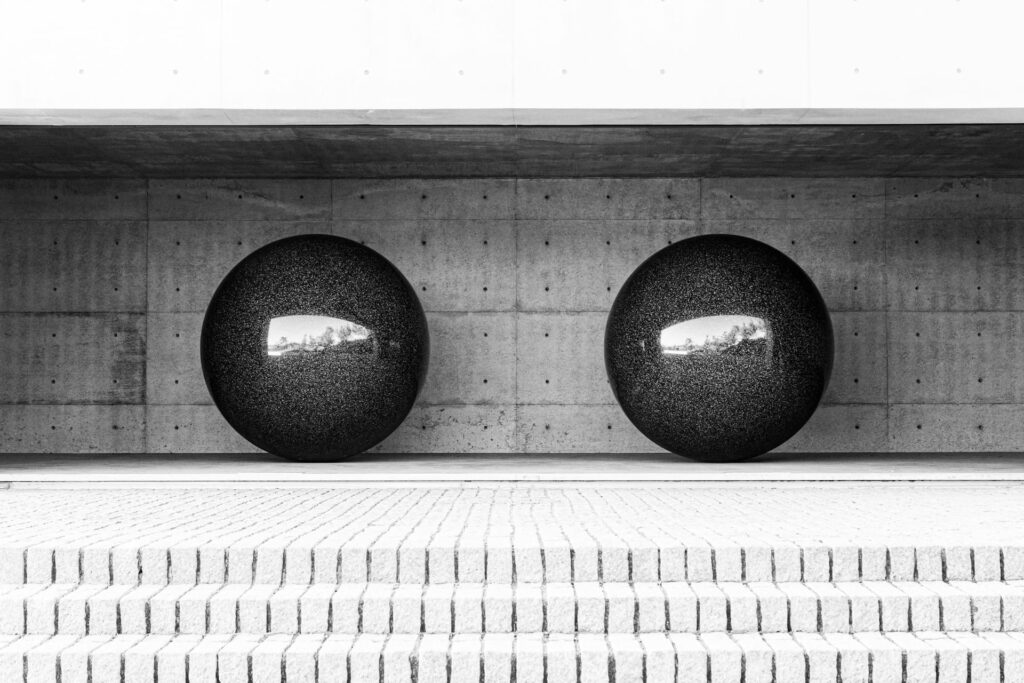
This is the reason most art lovers make the journey. Tadao Ando designed the building to sit entirely underground, carving light and space from concrete. Inside, three permanent installations — Monet’s Water Lilies, James Turrell’s Afrum, Pale Blue and Open Sky, and Walter De Maria’s Time/Timeless/No Time — give you a sequence of experiences that shift with the natural light outside. Allow 45 minutes to 1 hour.
Reservation tip: Book the earliest available slot (10:00 or 10:15) so you finish before the midday crowds arrive.
Second Pick: Choose One of These Two
Benesse House Museum (opened 1992)
Tadao Ando’s first museum on the island. It blends indoor and outdoor installations — pieces by Hiroshi Sugimoto, Jasper Johns, and Yayoi Kusama — along a waterfront path. The museum building itself is part of the Benesse House hotel, so the gallery spaces have a quieter, more contemplative feel than Chichu. Allow 45 minutes.
Naoshima New Museum of Art (opened May 2025)
Ando’s most recent addition, set on a hill between Miyanoura and Honmura. The new museum focuses on contemporary Japanese and Asian art, with a café serving Setouchi-inspired dishes. The building’s relationship with the hill — visible from the Miyanoura side — is worth seeing as an architectural work. Allow 45 minutes to 1 hour.
If you have time for only one, choose based on your taste: Benesse House for the classic Ando + Kusama/Yoshitomo Nara pieces, or the New Museum for fresh contemporary work and the café.
The Pumpkins: Yellow & Red
You can fit both in without rushing.
- Red Pumpkin is at Miyanoura Port, right by the ferry terminal. Photograph it as soon as you arrive — or on your way back. It’s always accessible and never requires waiting.
- Yellow Pumpkin sits on a small pier on the south coast, near Benesse House Museum. It’s about a 10-minute walk or 3-minute bus ride from the museum. Early morning (before 10:00) is best for photos with minimal other visitors in the frame.
What You’ll Have to Skip (and Why That’s OK)
With 5–6 hours, you realistically don’t have time for:
- Lee Ufan Museum (20-minute walk beyond Benesse House — it’s a separate trip just to get there and back)
- Art House Project in Honmura (6 installations spread through a residential neighborhood — needs 1.5–2 hours to do properly)
- Hiroshi Sugimoto Gallery: Time Corridors (requires a detour to the north side of the island)
- I♥Yu bathhouse (unless you squeeze in a quick dip and skip one museum)
Kai’s tip: I’ve seen travelers try to pack all four major museums into a single day trip, and it never ends well. You spend more time walking between buildings than inside them. Pick two museums, enjoy both pumpkins, have a proper lunch, and leave feeling satisfied rather than exhausted. The rest of Naoshima is a reason to come back.
Getting Around the Island
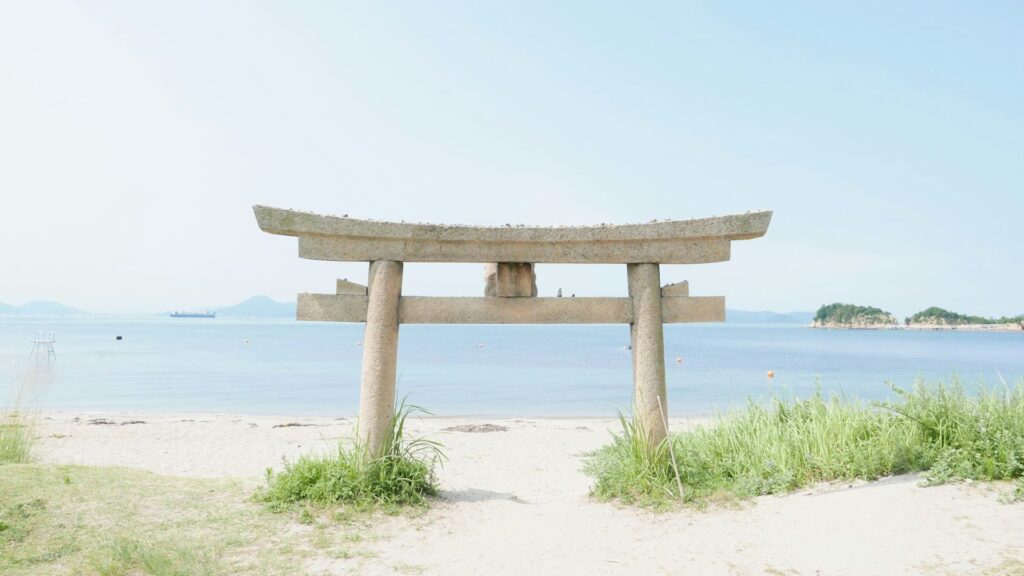
Naoshima is compact — about 8km long — but the main art sites are spread across three clusters: Miyanoura (port area, Red Pumpkin, bathhouse, New Museum), Honmura (Art House Project, ANDO MUSEUM), and the Benesse Area (Chichu Art Museum, Benesse House Museum, Lee Ufan Museum, Yellow Pumpkin). How you move between them makes a big difference to your day.
| Transport | Cost | Time | Best For |
|---|---|---|---|
| Town Bus | ¥100 per ride | 10–15 min between main stops | Efficiency — direct routes between Miyanoura, Honmura, and Tsutsujiso (Benesse area) |
| Benesse Free Shuttle | Free | Connects Tsutsujiso bus stop → Chichu → Benesse House Museum → Lee Ufan | Getting between museums in the Benesse area without walking |
| Rental Bicycle (regular) | ¥500/day | 25–30 min Miyanoura → Benesse | Budget travelers — but be prepared for hills |
| Electric Bicycle | ¥1,500/day (~¥1,000 in winter) | 15–20 min Miyanoura → Benesse | Comfort — strong recommendation for anyone not used to Japanese hills |
| Electric Scooter (50cc) | ¥2,500/day | Fast | Requires international driving permit; limited availability |
Kai’s tip: If you rent a bicycle, pay the extra ¥1,000 for the electric-assist version. The road from Miyanoura up toward Chichu Art Museum and the Benesse area is a steady incline — not steep, but relentless. I’ve watched travelers arrive at the museum entrance sweating through their shirts after cycling up on a regular bike. The electric bike makes the journey effortless and keeps your energy for the art. Rent from Ougi Rental (near Miyanoura Port, open daily 8:00–18:00, no Monday closure) — they have good electric options and speak enough English for the basics.
Bus tip for non-cyclists: Plan your ferry arrival to match the bus schedule. The town bus runs roughly once per hour on the loop between Miyanoura, Honmura, and Tsutsujiso (the Benesse area stop). If you step off the 09:55 ferry from Uno, you’ll likely have 10–15 minutes before the next bus — enough time to visit the Red Pumpkin at the port first, then catch the bus up to Chichu.
Sample Day Trip Timeline: Kyoto → Naoshima → Kyoto
Here’s a realistic schedule for a Tuesday–Saturday day trip that fits the 5–6 hour island window. If you want to dive deeper into the island logistics itself, check out a fully optimized 1-day Naoshima itinerary. Otherwise, adjust departure times based on your Chichu Art Museum reservation slot.
| Time | Activity | Notes |
|---|---|---|
| 06:30 | Depart Kyoto Station (Shinkansen Nozomi or Hikari) | Check the first Shinkansen; aim for the 06:30–07:00 window |
| 07:30–08:00 | Arrive Okayama → transfer to JR Uno Line | Breakfast bento at Okayama Station if needed |
| 08:30–09:00 | Arrive Uno Port → Board ferry to Miyanoura | Check Shikoku Kisen schedule for the next ferry |
| 09:20 | Arrive Miyanoura Port → Red Pumpkin photo | 5 minutes — it’s right at the port |
| 09:30–09:45 | Bus Miyanoura → Tsutsujiso (Benesse area) | Or rent bicycle at Ougi near the port |
| 10:00–10:45 | Chichu Art Museum (reserved entry) | Your fixed anchor point |
| 10:45–11:00 | Walk/short shuttle to Yellow Pumpkin | Best light in the morning |
| 11:00–11:45 | Benesse House Museum (or New Museum) | Choose one museum — not both |
| 12:00–13:00 | Lunch near Benesse area or back in Miyanoura | Limited options; check opening days ahead |
| 13:00–14:00 | Optional: walk along the coast or explore Honmura | Only if you have energy and time |
| 14:00–15:00 | Free time / café / final photos | |
| 15:30–16:00 | Return to Miyanoura Port | Buy ferry ticket, last Red Pumpkin photos |
| 16:05 / 16:35 / 17:05 / 17:35 | Depart Miyanoura → Uno Port | Ferries run roughly hourly in the afternoon; confirm latest departure |
| 17:00–18:00 | Uno → Okayama (JR Uno Line) | |
| 18:00–19:30 | Okayama → Kyoto (Shinkansen) | Dinner at Okayama Station or on the train |
| ~20:00–21:00 | Arrive back at Kyoto Station | Total day: about 13–14 hours |
For your midday break, see our curated guide to the best restaurants on Naoshima to avoid getting stuck without a table.
Kai’s tip: With a 06:30 departure from Kyoto, you’re looking at arriving on the island around 10:00 and leaving by the 17:05 or 17:35 ferry. That’s roughly 5–6 hours on Naoshima. Plan for 2 museums max + both pumpkins + lunch, and you’ll have a satisfying — not rushed — day. The common mistake is booking a late Shinkansen and then having to skip Chichu entirely because your ferry arrival doesn’t leave enough time before the last museum entry. Start early, and the island opens up for you.
Alternatives to the DIY Day Trip
Stay Overnight on Naoshima
If your budget and schedule allow one night on the island, you can visit Chichu in the morning, relax through the afternoon, and explore Benesse House Museum or the Art House Project after the day-trippers have left. Accommodation at Benesse House includes after-hours museum access — a significant upgrade. Local guesthouses in Honmura are more budget-friendly and give you a village experience. The catch: availability is limited, especially during peak seasons and Setouchi Triennale years. Book at least 2–3 months ahead.
Base in Takamatsu
If you’re planning to visit multiple Setouchi islands (Teshima, Inujima, Megijima), basing yourself in Takamatsu makes logistical sense. The high-speed ferry from Takamatsu to Naoshima’s Miyanoura Port takes about 30 minutes, and Takamatsu itself has good dining and accommodation options. It adds an extra leg (Kyoto→Takamatsu via Shinkansen to Okayama + Marine Liner limited express) but removes the Uno Port bottleneck from your itinerary.
Join a Guided Day Tour from Kyoto
For travelers who want the Naoshima experience without managing the transfers and timing themselves, guided tours handle much of the logistics: the Shinkansen timing, onward transfers, ferry connection, and island itinerary. This is particularly valuable for first-time visitors who are nervous about the complexity of the day or traveling during Setouchi Triennale periods when competition for museum slots is at its peak.
If you fall into that camp — you want to see Naoshima from Kyoto but do not want the day to revolve around train transfers, ferry timing, and island transport — this is the booking worth comparing first.
Why I’d book this one
- It matches the Kyoto day-trip problem. The tour is built around a Kyoto departure, so it reduces the most stressful parts of the route: Shinkansen timing, the onward transfer toward Uno, the ferry crossing, and island movement.
- It is better for travelers who value certainty over maximum museum control. The itinerary focuses on a curated Naoshima day with major art stops rather than asking you to build the whole route and island schedule from scratch.
- It keeps the decision practical. The product page lets you compare current dates, inclusions, meeting details, and availability before you finalise the rest of your Japan route.
Before deciding whether to DIY the route, see current start times, inclusions, and availability for the Kyoto to Naoshima guided day trip.
Frequently Asked Questions
Can I use a Japan Rail Pass for the Kyoto → Naoshima route?
Partially. The JR Pass covers the Hikari Shinkansen (Kyoto → Okayama, about 1 hr 30 min) and the JR Uno Line (Okayama → Uno, about 30 min). It does not cover the Nozomi Shinkansen, and the ferry from Uno to Miyanoura is not JR-operated. If you have an active JR Pass, your out-of-pocket costs are limited to the ¥300 ferry fare each way. If you don’t have a Pass and are considering buying one for this trip alone, calculate carefully — a single round-trip doesn’t usually justify the cost of a nationwide pass.
What if Chichu Art Museum tickets are sold out for my dates?
You have three options. First, check for same-day availability — unreserved slots sometimes open online 30 minutes before the time window. Second, consider visiting the Naoshima New Museum of Art (opened 2025) and Benesse House Museum instead, which are still worthwhile Ando-designed spaces with strong collections. Third, reconsider the day trip entirely — if Chichu was your primary reason for going, the island’s other museums may not justify the three-hour journey each way. In that case, save Naoshima for a future trip when you can secure a reservation.
Is Naoshima worth visiting on a Monday?
In most cases, no. The major museums — Chichu Art Museum, Lee Ufan Museum, Benesse House Museum, Naoshima New Museum of Art, ANDO MUSEUM, Art House Project, and Hiroshi Sugimoto Gallery — are all closed on Mondays. You can see the Red Pumpkin at the port and the Yellow Pumpkin on the south coast, plus the outdoor architecture, but that’s approximately 30–40 minutes of content for six hours of round-trip travel. If Monday is your only available day, consider an alternative day trip from Kyoto instead and save Naoshima for a Tuesday–Saturday window.
Can I bring luggage on the Kyoto → Naoshima day trip?
Yes, but it’s not ideal. The Shinkansen has overhead racks and luggage storage areas, and the ferry has plenty of space. The complication is on the island itself — there are no luggage storage services at Miyanoura Port, and cycling with a suitcase on Naoshima’s hills is impractical. If you’re traveling between cities with luggage, use a coin locker at Uno Station (limited availability) or Okayama Station (more options, larger lockers). For a true day trip, travel with a small daypack only.
Is Yayoi Kusama’s Yellow Pumpkin always on display?
Usually, but not always. The Yellow Pumpkin is an outdoor installation and may be temporarily removed for maintenance or storm protection. In early 2026 (January–February), it was inaccessible due to scheduled maintenance around the Benesse House area. Before planning your visit specifically for the pumpkin photo, check the Benesse Art Site news page for any maintenance notices. The Red Pumpkin at Miyanoura Port is more consistently available as it’s sheltered by the port structure.
What’s the best time of year to visit Naoshima?
Late spring (April–May) and autumn (October–November) offer mild weather, good light for photography, and fewer rain days. Summer (June–September) is hot and humid with higher humidity and the risk of typhoons, though the Setouchi region is less humid than other parts of Japan. Winter (December–February) has fewer crowds and lower bike rental prices, but several museums close for annual maintenance — typically for one to two weeks in mid-to-late January. Always check the Benesse Art Site calendar for closure dates before booking, or read our detailed Naoshima seasonal guide for a deeper month-by-month breakdown.
Final Verdict: Should You Do the Naoshima Day Trip From Kyoto?
Choose the day trip if…
- You’re an art lover with a confirmed Chichu Art Museum reservation on a Tuesday through Saturday. This is the single most important variable. With that ticket in hand, the rest of the day falls into place naturally.
- You’re a first-time Japan visitor on a tight itinerary who wants a real taste of Naoshima — the architecture, the pumpkins, the Setouchi coastline — and is okay with “sampling” rather than “immersing.”
- You’re traveling solo or as a couple who can move at your own pace without coordinating with a group or managing children.
- You’re comfortable with an early start (06:30) and a long day (13–14 hours total) in exchange for seeing one of Japan’s most celebrated art destinations.
Choose an overnight stay instead if…
- You want to see the Art House Project, Lee Ufan Museum, and I♥Yu bathhouse without rushing. These require more time and a slower pace than a day trip allows.
- You’re visiting during Setouchi Triennale years, when the island is busier and the experience is best enjoyed over multiple days.
- You value evening atmosphere — the island after the last ferry departs has a stillness that day-trippers never see.
- You have the budget for Benesse House and want after-hours museum access and a stay in an Ando-designed room.
Choose a guided tour if…
- You’re worried about managing the train transfers, ferry connection, and timing on your own. A guided tour from Kyoto can simplify the long-distance logistics and island navigation — removing the anxiety that can overshadow the art.
- You’re visiting during peak season (autumn leaves, cherry blossom season, or Triennale periods) and want fewer moving parts while you compare museum availability separately.
- You’d prefer an expert guide to explain the context behind Ando’s architecture, the Art House Project, and the museum collections — particularly valuable for first-time visitors to contemporary art sites.
For repeat visitors…
If you’ve already seen Chichu on a previous trip, consider skipping the day trip and exploring a different Setouchi island instead — Teshima (Teshima Art Museum by Ryue Nishizawa) or Inujima (Inujima Art Project by Yukinori Yanagi) each offer a completely different experience and are more feasible from Okayama or Takamatsu than from Kyoto. Naoshima rewards a second visit, but the day trip format is best reserved for first-timers.
Bottom line: The Kyoto-to-Naoshima day trip is worth it if you go in with clear eyes — knowing you’ll spend six hours traveling, you’ll have five to six hours on the island, and you’ll need to choose your priorities. It is not worth it if you want a relaxed island day, if Monday is your only option, or if you haven’t secured your Chichu reservation. Used correctly, the day trip gives you a focused, rewarding encounter with one of Japan’s most extraordinary art destinations. Used carelessly, it gives you a very expensive lesson in logistics.

Hi, I’m Kai. I’m a Tokyo-based travel writer, tourism industry insider, and the author of a published guidebook for international visitors to Japan. With over 10 years of professional experience at a leading Japanese tourism company, my mission is to help you skip the tourist traps and navigate Japan’s best destinations like a local. I believe the perfect day trip is like a traditional kaiseki meal: a beautiful balance of precise planning and unforgettable seasonal discovery. When I’m not out conducting field research, you’ll usually find me drafting new itineraries with one of my favorite fountain pens!