
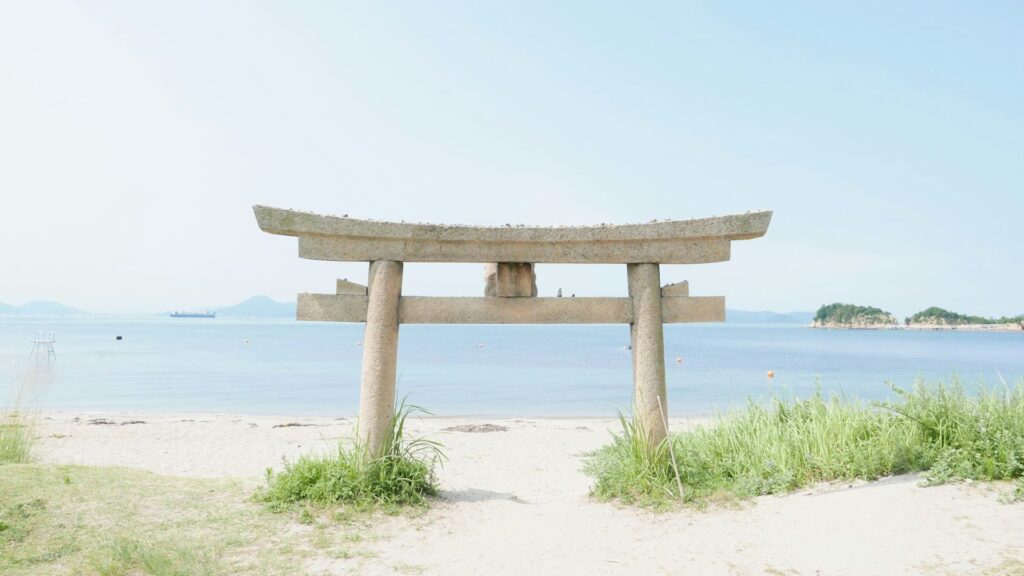
Naoshima is one of Japan’s most celebrated art islands, but figuring out how many days to spend is surprisingly tricky. The honest answer depends on three things: where you’re coming from, which day of the week you’re visiting, and how much art you actually want to see.
This guide cuts through the noise. You’ll get a clear recommendation for your specific situation — whether you’re squeezing Naoshima into a busy itinerary or planning a dedicated art pilgrimage.
Planning a tight Naoshima visit? If you only have one full day on the island, it is worth checking a private English-guided Naoshima tour before locking in your ferry and museum times. You can see current start times, cancellation terms, and recent traveler reviews for the Naoshima FullDay Private Tour with Government-Licensed Guide.
Quick Answer: How Many Days Do You Really Need?
The table below gives you your recommended stay based on your departure point and how deeply you want to explore. Find your row, find your goal, and you have your answer.
| Your Departure Point | Quick Photo Stop (Pumpkins + one museum) |
Art Lover (Chichu + Benesse House) |
Full Immersion (+ New Museum of Art) |
Island Hopper (+ Teshima / Inujima) |
|---|---|---|---|---|
| Uno Port (Okayama) or Takamatsu | Day trip — easy | Day trip — busy but doable | 1 night / 2 days ← sweet spot | 2 nights / 3 days |
| Osaka or Kyoto | Day trip — long day | 1 night / 2 days recommended | 1 night / 2 days | 2 nights / 3 days |
| Tokyo | 1 night / 2 days | 2 nights / 3 days | 2 nights / 3 days | 2 nights / 3 days+ |
Note: These recommendations assume you’re visiting on a weekday other than Monday. If your trip includes a Monday, see the section on Monday closures below — it changes everything.
Short answer for most travelers: If you’re coming from Uno Port or Takamatsu and want the full Naoshima experience (Chichu Art Museum + Benesse House Museum + Naoshima New Museum of Art + the pumpkins), one night and two days on the island is the sweet spot. A day trip from these ports covers the essentials but feels rushed. From Osaka or Kyoto, one night is strongly recommended. From Tokyo, you need at least two nights.
What’s on Naoshima — And How Long Each Takes
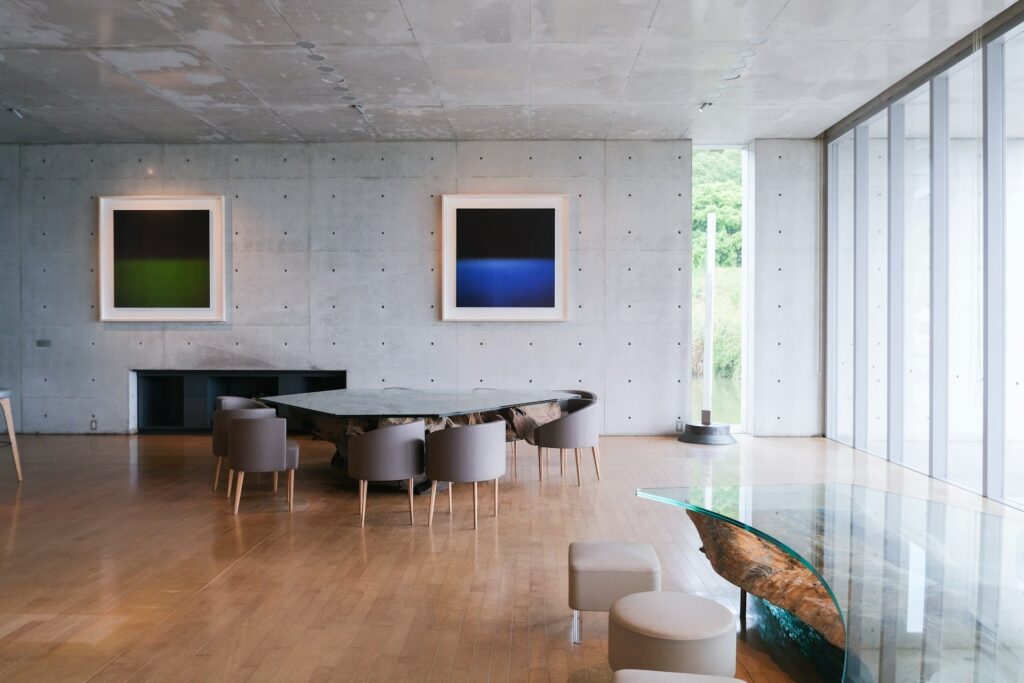
Before you decide how many days you need, here’s what you’re choosing between. Naoshima packs a remarkable number of world-class art venues into a small island (about 5km by 3km), but each one requires a real time investment — and most are closed on Mondays.
Chichu Art Museum
Time needed: 1.5 hours minimum
Admission: Around ¥2,100 (online) / ¥2,300 (on-site)
Closed: Mondays
Reservation: Timed-entry ticket required — book well in advance
Tadao Ando’s masterwork built into a hillside, housing installations by Claude Monet, James Turrell, and Walter De Maria. The building itself — almost entirely underground yet flooded with natural light — is the star. This is Naoshima’s most iconic museum and the one that requires the most planning. Tickets sell out, especially during peak seasons and the Setouchi Triennale years.
Benesse House Museum
Time needed: 1.5–2 hours (including outdoor sculpture walk)
Admission: Around ¥1,300 (online) / ¥1,500 (on-site)
Closed: Mondays (infrequent irregular closures — check calendar)
Hours: 8:00–21:00 (last entry 20:00)
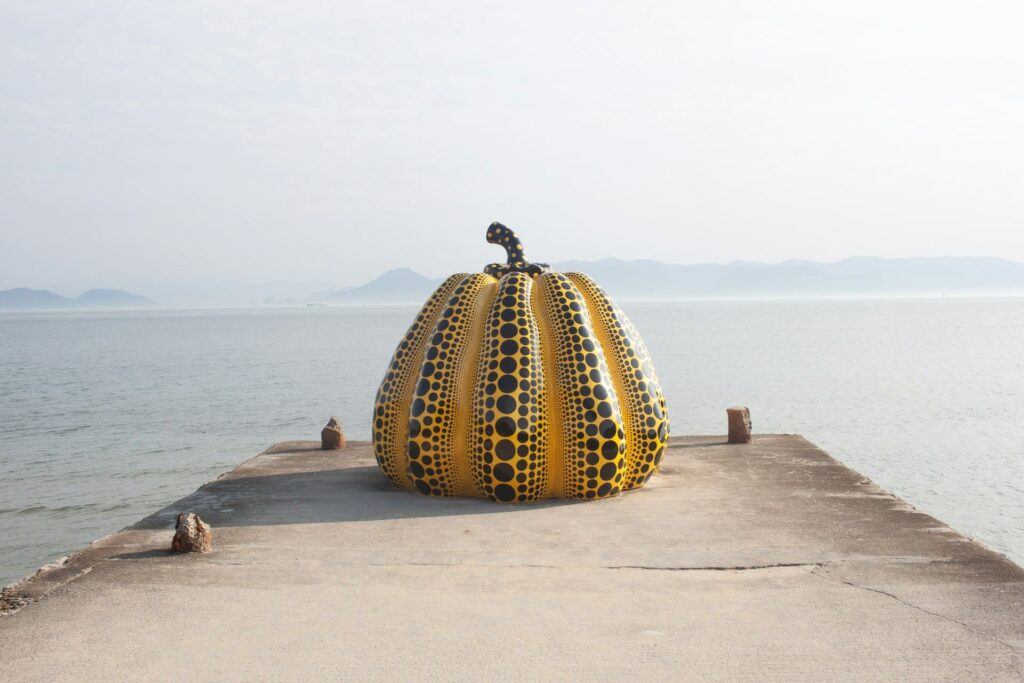
The centerpiece of the Benesse Art Site, the museum blends indoor galleries with outdoor sculptures scattered along the coastal path. The famous Yellow Pumpkin by Yayoi Kusama sits on the pier just below — it’s the most photographed spot on the island. On a tight schedule, you can combine this with a walk to the outdoor works in about 1.5 hours, but give it two if you want to see the indoor collection properly.
Naoshima New Museum of Art
Time needed: 1.5–2 hours
Admission: Around ¥1,500 (online) / ¥1,700 (on-site)
Closed: Mondays
Hours: 10:00–16:30 (last entry 16:00)
Opened in May 2025, this is Naoshima’s newest addition — also designed by Tadao Ando — perched on a hill above Honmura village. With rotating exhibitions of contemporary artists from Japan and Asia (including early works by Takashi Murakami and Cai Guo-Qiang), it adds a significant new layer to the island’s art offering.
Kai’s tip: The New Museum quietly changed the math on how many days you need. Before it opened, you could reasonably see the two headline museums (Chichu and Benesse) plus the pumpkins in a single well-organized day. Now, with a third major museum requiring 1.5–2 hours and timed-entry tickets capped at around 1,000 people per day, squeezing all three into one day is tight — and last-minute walk-ups rarely get in. If you want the full experience including the New Museum, budget for at least one night. Also note it’s closed for maintenance from May 11 to June 6, 2026 — check the official calendar if you’re visiting during this window.
Lee Ufan Museum
Time needed: 45 minutes
Admission: Around ¥1,050
Closed: Mondays
Hours: 10:00–18:00 (Mar–Sep) / 10:00–17:00 (Oct–Feb)
A minimalist museum by the Korean-born artist Lee Ufan, located just a short walk from Chichu Art Museum. The spare concrete galleries and outdoor installations offer a quiet counterpoint to the larger museums. Easy to add on to a Chichu visit — they’re a 10-minute walk apart.
Art House Project
Time needed: 1.5 hours (for all six houses)
Admission: Around ¥1,030 (common ticket for six sites)
Closed: Mondays (some sites)
Note: Kinza requires advance reservation (¥2,100)
Scattered through the historic Honmura district, the Art House Project transforms traditional wooden houses and buildings into site-specific artworks by artists including James Turrell (Minamidera) and Hiroshi Sugimoto. The common ticket gives access to six venues. Kinza, the most popular, requires a separate timed reservation. This is one of the most atmospheric experiences on the island but takes time to navigate between houses on foot or by bicycle.
Outdoor Art & The Pumpkins
Time needed: 20–30 minutes total (photos)
Free — no ticket required
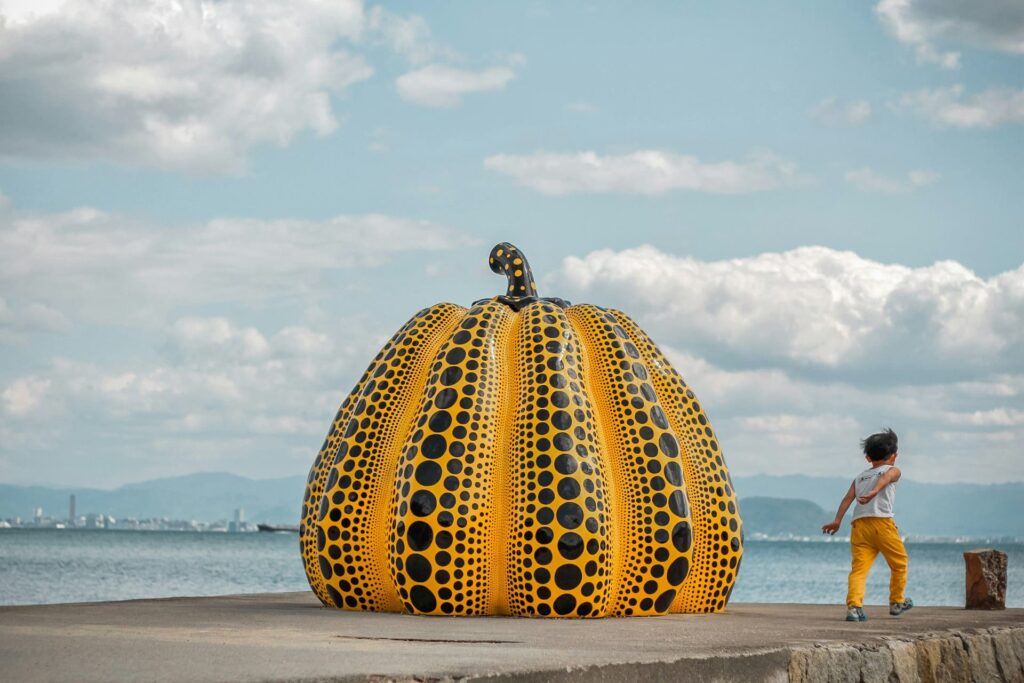
Two famous Yayoi Kusama pumpkins punctuate the island: the Yellow Pumpkin on the Benesse House pier and the Red Pumpkin at Miyanoura Port (the main ferry terminal). Both are freely accessible and almost always have a queue for photos. The Red Pumpkin is right where you step off the ferry — you’ll see it immediately. The Yellow Pumpkin requires a short walk (or shuttle bus ride) from the Benesse House Museum area. Early morning or late afternoon are the best times for fewer crowds.
Naoshima Bath “I♥湯” (I Love Yu)
Time needed: 45 minutes–1 hour
Admission: ¥500
Closed: Mondays
Hours: 13:00–21:00 (last entry 20:30)
An art installation you can actually bathe in, designed by Shinro Ohtake. The interior is a surreal collage of tiles, found objects, and a live goldfish tank embedded in the wall. Towels and soap are available for a small fee. It’s a wonderful way to end a day of walking, and one of the most affordable ways to experience Naoshima’s art-as-life philosophy.
Option 1: Day Trip (1 Day) — Is It Realistic?
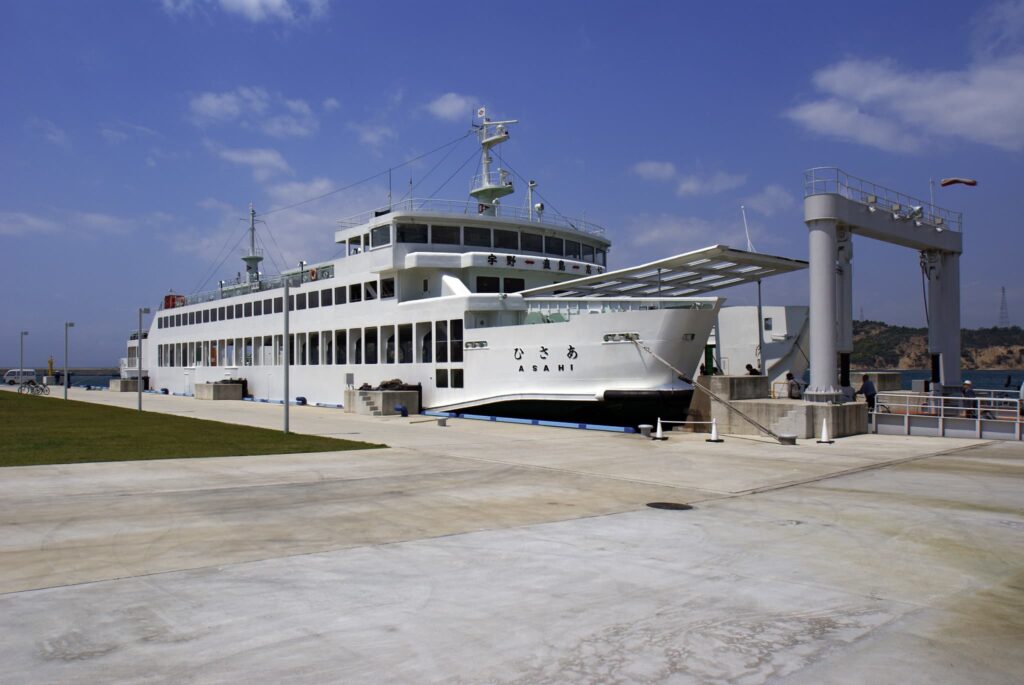
Yes — but only from certain departure points, and only if you choose wisely. Here’s the honest breakdown by where you’re starting from.
From Uno Port (Okayama) — ✅ Yes, Realistic
Ferry time: 20 minutes (one way, ¥300)
First ferry to Naoshima: Around 6:10 from Uno
Last ferry back: 20:25 from Miyanoura Port (passenger boat at 21:15 / 00:15)
Uno Port is the closest mainland connection to Naoshima. A day trip from here is very realistic. You can arrive by 6:30, spend 8–9 hours on the island, and catch the evening ferry back. Out of all the departure points, Uno gives you the most time on the island for the least travel cost.
From Takamatsu — ✅ Yes, Realistic
Ferry time: 50 minutes by ferry (¥530) / 30 minutes by high-speed boat (¥1,200)
First ferry to Naoshima: Around 7:00 from Takamatsu
Last ferry back: 17:00 from Miyanoura (ferry) / 19:45 (high-speed boat)
A day trip from Takamatsu is also doable, though the earlier last ferry (17:00 for the regular ferry) means you have less evening flexibility than from Uno. Use the high-speed boat in the morning to maximize your time, and be aware of the last return time.
From Osaka or Kyoto — ⚠️ Possible, But 1 Night Recommended
Travel time: Shinkansen to Okayama (~2 hours from Shin-Osaka, ~1.5 hours from Kyoto) + local train to Uno (~30 minutes) + ferry (20 minutes) — roughly 3 hours door-to-door each way
Technically you can do a day trip from Osaka or Kyoto. You’d leave around 6:00–6:30, arrive on Naoshima around 9:00–9:30, and need to leave by around 16:00 to get back at a reasonable hour. That gives you about 6–7 hours on the island — enough for one or two museums plus the pumpkins, but rushed. The mistake I see first-time visitors make is underestimating the total travel time and ending up with only 4–5 hours on the island, which means choosing between Chichu and Benesse when they’d hoped to see both.
Verdict: If you only have one day and are staying in Osaka/Kyoto, consider a guided day tour that includes round-trip transport — the logistics of Shinkansen + local train + ferry + timed museum reservations add up fast. Otherwise, add one night to your itinerary and split the travel across two days. It transforms the experience from stressful to enjoyable.
If you fall into that camp — you want Naoshima in one focused day but the ferry, museum reservations, and island transport feel like too many moving parts — this is the guided option to compare before you finalise your plan.
Why I’d book this one
- Recent travelers consistently mention that the guide helps them move around the island efficiently instead of losing time between museums, ports, and local transport connections.
- It is a private, customizable full-day tour, so you can prioritize Chichu, Benesse House, the Art House Project, or the pumpkins depending on your timed entries.
- The booking page lets you check current start times, cancellation terms, and recent reviews before you commit.
Before finalising your ferry and museum slots, check live availability and recent traveler reviews for the Naoshima FullDay Private Tour with Government-Licensed Guide.
From Tokyo — ❌ One Day Is Not Realistic
Travel time: Shinkansen to Okayama (~4 hours from Tokyo) + local train + ferry — roughly 5–5.5 hours each way
From Tokyo, you would need to leave around 5:00 AM, arrive on Naoshima around 11:00 AM, and leave by around 14:00 to make it back the same night. That’s roughly 3 hours on the island — barely enough to see one museum and take a pumpkin photo. Most travelers I’ve heard from who tried this regretted it. Plan for at least one night on Naoshima (or in Takamatsu) if you’re coming from Tokyo.
What You Can Actually See in One Day
If you’re coming from Uno Port or Takamatsu and you use your time well, here’s what a day trip realistically covers:
- Comfortable: Chichu Art Museum + Benesse House Museum + both pumpkins + I♥湯 bath
- Tight but doable: The above + Art House Project (skip Lee Ufan or keep it to a quick stop)
- Unrealistic in one day: Chichu + Benesse + New Museum of Art + Art House + pumpkins + I♥湯 — that’s roughly 6–7 hours of museum time alone, before factoring in travel between venues, ferry schedules, and lunch
Kai’s tip: The late ferry from Miyanoura to Uno doesn’t leave until 20:25 (with a passenger boat option at 21:15), so you don’t need to panic about an early departure. But here’s what catches people out: the public buses on Naoshima stop running well before the last ferry, and taxis are scarce. If you’re at Chichu (which is on the south end of the island) and the last shuttle bus has gone, you’re looking at a 4km walk to Miyanoura Port in the dark. Plan your last venue so you have a realistic way to get back to the port. Many visitors find themselves scrambling — and some end up stuck for an unplanned overnight stay.
Option 2: One Night / Two Days — The Sweet Spot
For most travelers — especially if you’re coming from Uno Port, Takamatsu, Osaka, or Kyoto — one night and two days on Naoshima is the most rewarding option. Here’s why:
- You can visit all three major museums (Chichu, Benesse House, New Museum of Art) without rushing
- You have time for the Art House Project, which is Naoshima’s most atmospheric experience but takes time to walk between houses
- You can take the evening ferry in on day one, settle in, and start fresh the next morning
- You get the island at dawn and dusk — the pumpkins are far less crowded, and the light on the Seto Inland Sea is beautiful
- You can soak at I♥湯 after a day of walking and still have time for a relaxed dinner
What a Two-Day Visit Looks Like
| Day | Morning | Afternoon | Evening |
|---|---|---|---|
| Day 1 | Arrive via ferry (aim for 9:00–10:00) Chichu Art Museum (timed entry) |
Lee Ufan Museum Benesse House Museum + outdoor sculptures + Yellow Pumpkin |
Dinner at Miyanoura I♥湯 bath (open until 21:00) |
| Day 2 | Naoshima New Museum of Art (opens 10:00) Art House Project (Honmura area) |
Red Pumpkin at Miyanoura Port Lunch + souvenir shopping Ferry back (aim for 15:00–17:00) |
— |
This is one example. You can rearrange based on museum reservation times and what you care about most.
Why the New Museum Changed the Math
Before May 2025, the argument for a day trip was stronger: two headline museums (Chichu and Benesse), the Art House Project, and pumpkins could reasonably fit into a long day from Uno Port. The Naoshima New Museum of Art added a third major venue that takes 1.5–2 hours. More importantly, its timed-entry system with limited daily capacity (around 1,000 people) means you can’t just “pop in” — you need a reserved time slot that may not align perfectly with your other bookings. Two days gives you enough flexibility to schedule Chichu on one day and the New Museum on the other, without overlapping timed entries or feeling rushed.
Option 3: Two Nights / Three Days — Adding Teshima & Inujima
Best for: Art enthusiasts, return visitors, and travelers who want to experience multiple Seto Inland Sea art islands on one trip.
If you have three days, you can spend two on Naoshima (covering everything) and use one full day for Teshima or Inujima — or split a day between both.
Teshima Art Museum
Time needed: Full day (ferry round-trip + museum + exploring the island)
Closed: Tuesdays
High-speed boat from Naoshima: Approximately 20–30 minutes (¥500–800, seasonal schedule)
Teshima’s headline attraction is the Teshima Art Museum, a single breathtaking building that collects rainwater in a concrete shell. It’s a completely different experience from Naoshima — quieter, more contemplative, with one of the most extraordinary pieces of architecture I’ve seen in Japan. The island also has the Yokoo House (a restored village house with artwork by Tadanori Yokoo) and a relaxed cycling culture with rice terraces and coastal roads.
Inujima Seirensho Art Museum
Time needed: Half day to full day
Closed: Tuesdays
Access: Ferry from Okayama (via Uno) — or take the high-speed boat from Naoshima (seasonal/weekend service only)
The Inujima Seirensho Art Museum repurposes a former copper refinery into a site-specific installation by artist Yukinori Yanagi and architect Hiroshi Sambuichi. It’s smaller and more remote than Teshima, and logistics are trickier — direct connections from Naoshima are limited to certain days and seasons.
Three-day tip: If you’re visiting on a Monday–Tuesday, remember that most of Naoshima’s museums are closed on Monday and Teshima/Inujima are closed on Tuesday. A smart workaround: spend Monday on Teshima (which is open on Monday but closed on Tuesday), Tuesday on Naoshima (museums reopen on Tuesday), and Wednesday as a flex day. This requires advance planning but makes the most of your time.
The Trap Most Travelers Miss: Monday & Tuesday Closures
This is the single most important thing to check before booking your Naoshima trip — and it’s surprisingly easy to overlook.
Monday: Nearly every major museum on Naoshima is closed — Chichu Art Museum, Benesse House Museum, Naoshima New Museum of Art, Lee Ufan Museum, the Art House Project (most sites), and I♥湯. You can still see the outdoor pumpkins, walk around Honmura village, and explore the free outdoor installations near Benesse House. But the indoor art that makes Naoshima famous is locked.
Tuesday: Teshima Art Museum and Inujima Seirensho Art Museum are closed. This matters if you’re planning a multi-island trip.
Kai’s tip: What catches many visitors off guard is that Monday closure isn’t just a single-museum inconvenience — it affects every major indoor venue on Naoshima. I’ve heard from travelers who arrived at Uno Port with a perfectly planned one-day itinerary, only to discover on the ferry that it’s Monday and every museum is shut. If your trip must fall on a Monday, here’s your strategy: spend Monday on Teshima (which is open Monday, closed Tuesday), then Tuesday and Wednesday on Naoshima. This flips the normal sequence but keeps both islands accessible. If you can’t rearrange your schedule, consider a guided tour that handles all the logistics — some operators offer curated Monday routes that work around the closures.
Is It Worth Staying Overnight on Naoshima?
Short answer: Yes, if you want the full experience and have the budget. But it’s not the only option.
Staying on Naoshima: The Pros
- You get the island after the day-trippers leave — quiet evenings, uncrowded museums, sunsets over the Seto Inland Sea
- You can start your second day early and refreshed
- Benesse House (the museum hotel) lets you explore the galleries after closing hours — a genuinely special experience
Staying on Naoshima: The Reality
- Accommodation is limited and books up early — especially Benesse House (¥40,000–80,000+/night) and the handful of guesthouses and minshuku (family-run inns, around ¥8,000–15,000/night per person)
- Dining options are limited — a handful of restaurants in Miyanoura, most close by 20:00–21:00. Sparky’s Coffee and Yuunagi (a fish restaurant near the port) are reliable options, but don’t expect late-night food.
- Alternative: Stay in Takamatsu — more choices, wider price range (¥5,000–20,000/night), excellent food scene, and a 50-minute ferry ride to Naoshima each morning. Many travelers find this gives them the best of both worlds: comfortable urban accommodation with Naoshima access.
What I’d tell a friend visiting for the first time: if you can secure a night at Benesse House, do it — it’s expensive but unlike anything else in Japan. If you can’t, or if the budget doesn’t stretch, base yourself in Takamatsu for 2–3 nights and do Naoshima as a day trip (or two day trips). You’ll sleep better, eat better, and spend less, while still getting the full Naoshima experience.
FAQ: How Many Days in Naoshima
Can I visit Chichu Art Museum and Benesse House Museum in one day?
Yes — this is the most common one-day combo, and it works well if you’re coming from Uno Port or Takamatsu. Give Chichu around 1.5 hours with a timed-entry reservation, and Benesse House another 1.5–2 hours including the outdoor sculpture walk. Add the pumpkins (20 minutes for photos) and you have a full but manageable day. The challenge comes when you add the Naoshima New Museum of Art — that pushes the total museum time to 5+ hours, which is tight with ferry schedules and travel between venues.
What happens if I visit on a Monday?
Nearly every indoor museum on Naoshima is closed on Monday: Chichu Art Museum, Benesse House Museum, Naoshima New Museum of Art, Lee Ufan Museum, most of the Art House Project sites, and I♥湯 bath. You can still see the outdoor art (both pumpkins, the free outdoor installations near Benesse House) and walk through the villages, but the main indoor art venues will be locked. If your itinerary lands on a Monday, consider visiting Teshima instead (which is open on Monday, closed on Tuesday), then spend Tuesday on Naoshima when the museums reopen.
Is Naoshima worth visiting for just one day?
It depends on where you’re coming from and what you want to see. From Uno Port (Okayama) or Takamatsu, a day trip is absolutely worth it — you can visit Chichu Art Museum, Benesse House Museum, and see both pumpkins without feeling excessively rushed. From Osaka or Kyoto, a day trip is possible but you’ll spend 6 hours in transit for about 6–7 hours on the island, which makes it tight. From Tokyo, a day trip isn’t realistic. If you can only squeeze one day into your itinerary and you’re based in Osaka/Kyoto, a guided tour that handles the logistics may be your best option.
How do I get from Naoshima to Teshima Art Museum?
A high-speed boat runs between Naoshima and Teshima, taking approximately 20–30 minutes. The service is generally daily from March to November (except Tuesdays, when Teshima Art Museum is closed). From December to February, the schedule is reduced to weekend and holiday services only. Always check the current timetable on the Shikoku Kisen website, as schedules change seasonally.
Should I stay on Naoshima or in Takamatsu?
Stay on Naoshima if you want the full island atmosphere — quiet evenings, sunrise walks to the Yellow Pumpkin, and the unique experience of staying at Benesse House. Stay in Takamatsu if you value wider accommodation choice, better dining, lower prices, and the flexibility to visit multiple islands from a single base. Takamatsu is a 50-minute ferry ride from Naoshima, so you can easily do two separate day trips if your schedule allows. Many travelers I’ve spoken with who stayed on Naoshima loved the experience but noted that dinner options are limited — plan ahead or bring snacks.
How far in advance should I book museum tickets?
For Chichu Art Museum and the Naoshima New Museum of Art, book as soon as your travel dates are confirmed — ideally 2–4 weeks in advance during peak season (spring and autumn, especially during the Setouchi Triennale years). Same-day tickets are rarely available at popular times. Benesse House Museum and Lee Ufan Museum are generally easier for walk-up entry, but booking online is still recommended. All three major museums now use an integrated online reservation system (as of late 2025), which makes it easier to manage multiple bookings in one place.
Can I bring luggage to Naoshima?
Yes, but it’s not ideal — the island’s main transport is bicycles (which can’t carry large suitcases) and infrequent shuttle buses. There are coin lockers at Miyanoura Port (near the ferry terminal) but they’re limited in size and number. If you’re staying overnight, some guesthouses can arrange luggage pickup. For most travelers, I’d recommend leaving large luggage at a coin locker at Uno Station or Takamatsu Station, or shipping it ahead to your next accommodation via takkyubin (luggage delivery service).
Final Verdict: Which Option Is Right for You?
Choose the day trip (1 day) if: You’re based in Okayama or Takamatsu, you want to see the two headline museums (Chichu + Benesse) plus the pumpkins, and you’re comfortable with a full but organized day. From Osaka or Kyoto, a day trip works only if you’re willing to invest 6 hours in transit and keep your island time to select priorities.
Choose one night / two days if: You want the full Naoshima experience — all three major museums (Chichu, Benesse, New Museum of Art), the Art House Project, both pumpkins, and I♥湯. This is the sweet spot for most travelers, and it gives you enough time to actually enjoy each venue rather than racing between them. It’s also the best recommendation for anyone coming from Osaka or Kyoto.
Choose two nights / three days if: You’re an art enthusiast who also wants to visit Teshima Art Museum or Inujima, or you’re coming from Tokyo and need two days on Naoshima itself to cover everything comfortably. Three days also works well if you want a genuinely relaxed pace — cycling around the island, multiple visits to the outdoor installations at different times of day, and a proper soak at I♥湯 without feeling like you should be somewhere else.
For first-time visitors: Start with one night and two days from Uno Port or Takamatsu. This gives you the complete Naoshima experience without the stress of ferry deadlines, and you’ll leave feeling like you actually experienced the island rather than just checked it off a list.
For families with children: Two days is ideal. Children often need more breaks, and the Art House Project involves walking between houses through Honmura’s narrow streets — it’s charming but tiring for little legs. The outdoor sculptures and the pumpkins are the biggest draw for kids, and the island’s small scale makes it easy to adapt your pace.
For repeat visitors: If you’ve seen the main museums on a previous trip, consider two nights and three days focused on Teshima and the quieter corners of Naoshima — the villages, the lesser-known outdoor works, and the cycling routes that most day-trippers miss. The island reveals more when you have the time to wander without a checklist.
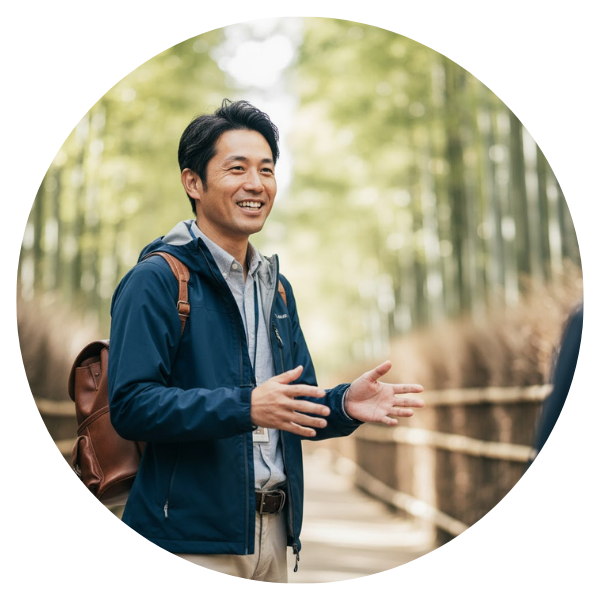
Hi, I’m Kai. I’m a Tokyo-based travel writer, tourism industry insider, and the author of a published guidebook for international visitors to Japan. With over 10 years of professional experience at a leading Japanese tourism company, my mission is to help you skip the tourist traps and navigate Japan’s best destinations like a local. I believe the perfect day trip is like a traditional kaiseki meal: a beautiful balance of precise planning and unforgettable seasonal discovery. When I’m not out conducting field research, you’ll usually find me drafting new itineraries with one of my favorite fountain pens!