
Standing in front of Yayoi Kusama’s Yellow Pumpkin at the edge of the Seto Inland Sea, with nothing but water and sky behind it—this is the image that draws most visitors to Naoshima. But the question I hear most often from travelers based in Osaka is not should I go, but can I actually do it in a day without regretting the six hours of round-trip travel?
The short answer is yes—but only if you plan around a few non-negotiable rules. Miss one of them, and your day trip turns into an expensive round-trip with very little art to show for it. Here is exactly how the route works, what you can realistically see, and where most day-trippers get caught out.
If the transfers and museum timing are the part you do not want to gamble on, compare the Osaka-departure guided option before building the day yourself: check current availability, start times, and inclusions for the Naoshima 1 Day Tour from Osaka.
Naoshima Day Trip from Osaka: The Bottom Line
A day trip from Osaka to Naoshima is realistic if you:
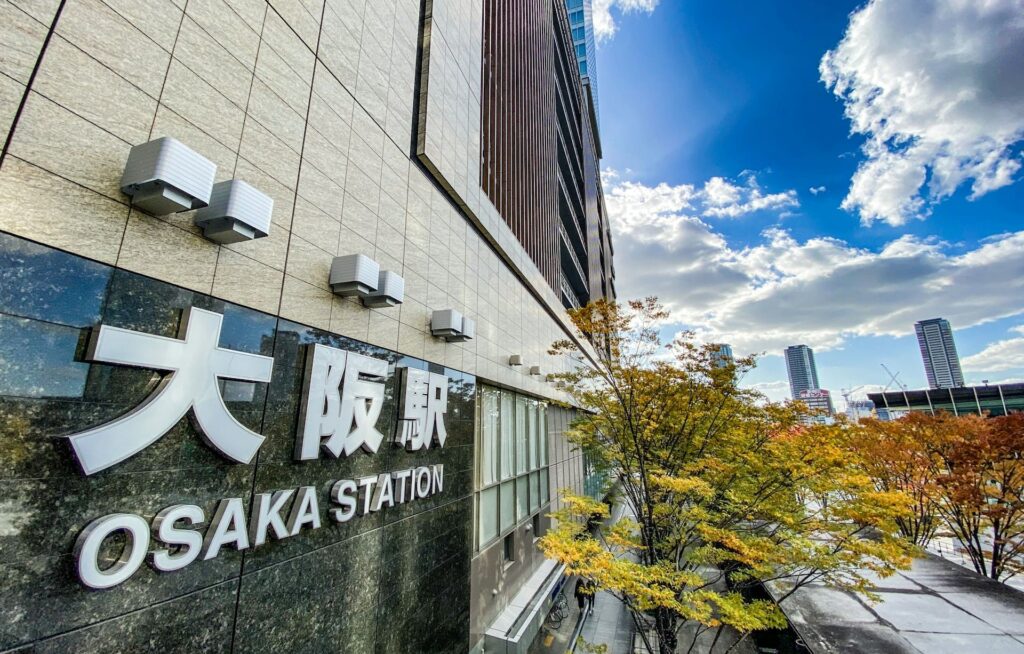
- Leave Shin-Osaka by 6:00–6:30 (first Shinkansen connections)
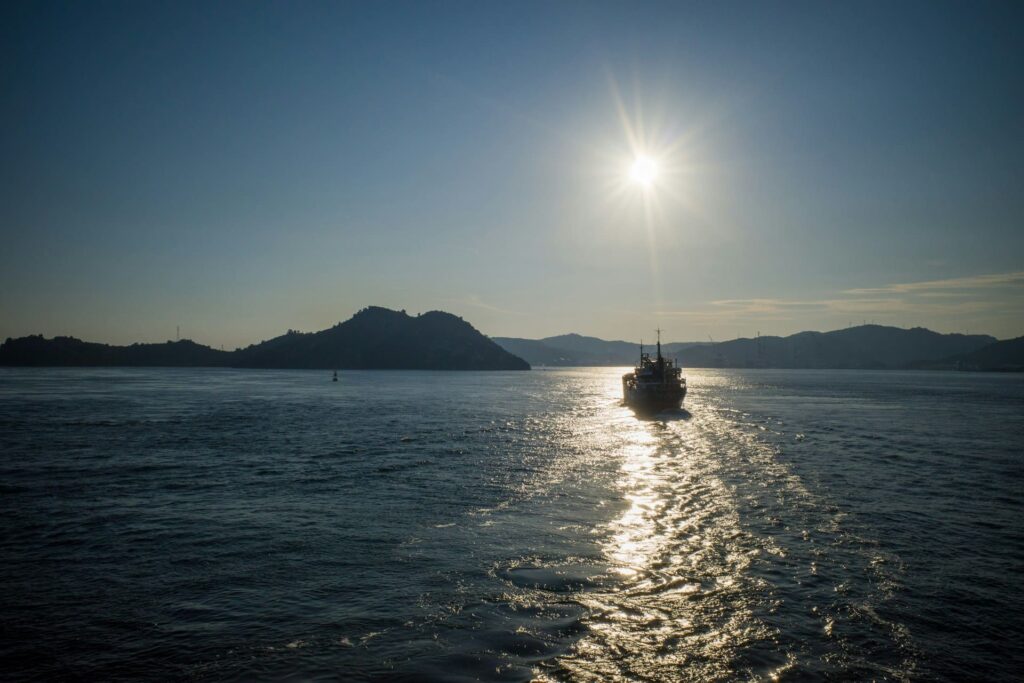
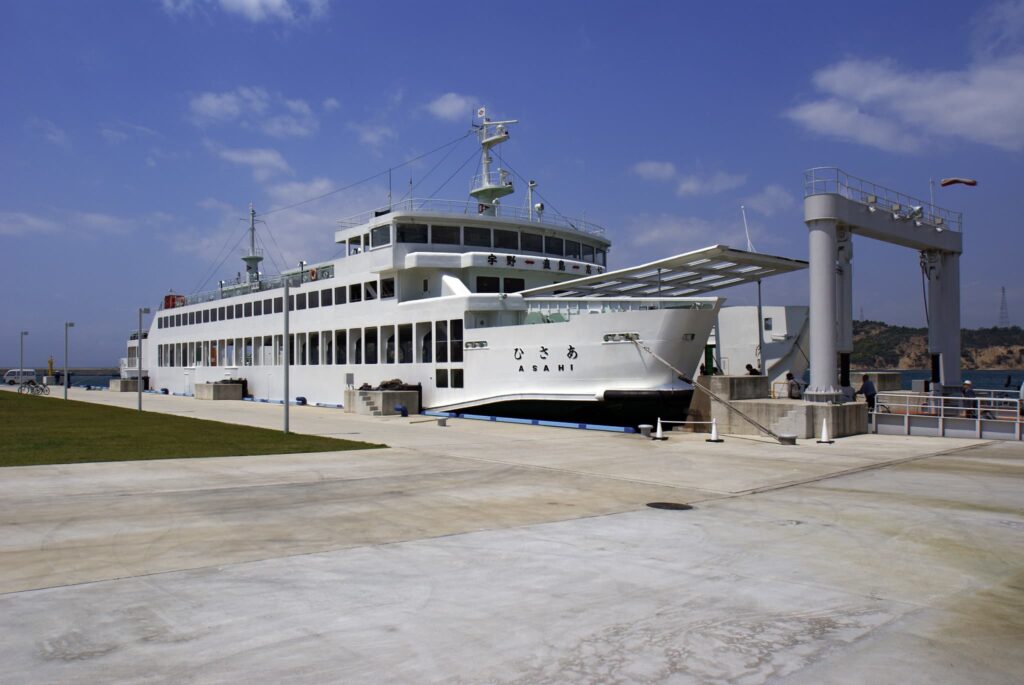
- Catch the 9:22 ferry from Uno Port to Miyanoura Port
- Visit 2 museums max (Chichu Art Museum + one more + outdoor works)
- Book Chichu Art Museum first, then build the rest of the day around that timed entry
- Return on a ferry that connects to a Shinkansen that actually gets you back to Osaka
Budget roughly ¥13,000–¥15,000 round-trip per person for transport (Shinkansen + local train + ferry) plus museum entry fees (Chichu is currently ¥2,500 online on weekdays / ¥2,700 on weekends and national holidays; other major museums are roughly ¥1,200–¥1,500 online).
If you only want the highlights—the Pumpkins, one major museum, and a walk through Honmura village—a day trip delivers. If you want to visit Teshima too, or see all four major museums at a relaxed pace, stay overnight (see our guide on how many days to spend in Naoshima for a detailed breakdown).
Kai’s tip: Monday requires extra care because several of Naoshima’s priority art sites close that day. Check the Benesse official calendar before booking anything.
Can You Really Do Naoshima from Osaka in a Day?
The total door-to-door travel time is roughly 2.5 to 3 hours each way. With an early ferry out and a late-afternoon return, you can have almost 8 hours on the island while still returning to Osaka the same evening. Within that window, here is what works:
Realistic: 2 museums + outdoor art
- Chichu Art Museum (reserve online, allow 1–1.5 hours)
- One additional indoor venue (Lee Ufan Museum, Benesse House Museum, or the new Naoshima New Museum of Art)
- Outdoor works (Yellow Pumpkin on the Benesse House coast, Red Pumpkin at Miyanoura Port, Naoshima Pavilion)
- Honmura village quick walk or one Art House Project property if time allows
Too tight: 4+ venues or Teshima Island
- Teshima requires a separate ferry and a full half-day. Save it for an overnight trip (if you only have one day, read our guide to help you choose between Naoshima and Teshima).
- Visiting Chichu and Lee Ufan and Benesse House Museum in one day means rushing through each. Pick two at most.
Who this day trip is for
- Art-focused travelers who prioritise Chichu Art Museum and one other venue
- Photography lovers who want the Pumpkins, the architecture, and the island atmosphere
- Travelers on a tight Osaka itinerary who can dedicate one full day (6 am to 9 pm)
Who should stay overnight
- Anyone who wants to visit Teshima Art Museum or Inujima
- Visitors who want to experience Benesse House Museum’s exclusive late-night access after 9 pm (for Benesse House guests)
- Travelers who prefer a relaxed pace with time for Honmura’s Art House Project, the Sugimoto Gallery, and a long lunch
Osaka to Naoshima: Step-by-Step Route Options
All routes pass through Okayama. From there, the JR Uno Line takes you to Uno Station, and the ferry terminal is about a 3–5 minute walk away.
Option 1: Shinkansen + JR Uno Line (Recommended)
| Step | Route | Time | Fare (approx.) | JR Pass? |
|---|---|---|---|---|
| 1 | Shin-Osaka → Okayama (Sanyo Shinkansen: Hikari or Sakura) | 45–50 min | ¥5,500–¥6,500 | Yes (Hikari/Sakura; Nozomi/Mizuho require a separate JR Pass-holder ticket) |
| 2 | Okayama → Uno Station (JR Uno Line; transfer at Chayamachi or direct) | 45–60 min | ~¥590 | Yes |
| 3 | Uno Port → Miyanoura Port (Shikoku Kisen ferry) | 20 min | ¥370 | No (ferry is private) |
Total (one way): approximately ¥6,460–¥7,460 · Total (round trip): approximately ¥12,920–¥14,920
First connection of the day: Shin-Osaka around 6:00–6:30 → Okayama ~6:50 → Uno Station ~7:50 → 8:22 ferry or 9:22 ferry to Miyanoura. The 9:22 ferry is the most practical target for most travelers. Passenger reservations are not accepted on the Uno–Miyanoura ferry; boarding is first come, first served, so arrive with a buffer.
Option 2: Local Train Only (Budget)
You can take JR local trains from Osaka to Okayama via the Sanyo Main Line instead of the Shinkansen. This saves money (around ¥2,500–¥3,000 one way) but adds roughly 1.5 to 2 hours each way. Given that you already have a tight window on the island, this option is only practical if you are on a very tight budget and staying overnight.
Option 3: Private Day Tour (Hassle-Free Alternative)
Several operators run full-day guided tours from Osaka that include Shinkansen tickets, ferry transfers, and museum entry. This option costs more but eliminates every logistical variable—advance reservations, train transfers, language navigation, and the risk of missing the last connection. It works best for travelers who want the experience without spending the morning studying timetables.
If you fall into that camp — you want Naoshima in one day, but the train-ferry-bike-museum chain sounds like the stressful part — this is the booking to compare against the DIY route.
Why I’d book this one
- It starts from Osaka, so it matches the exact problem this itinerary is trying to solve: getting from Shin-Osaka to the island and back without piecing every leg together yourself.
- The tour structure is built around the main friction points in this article: Shinkansen timing, ferry transfers, island mobility, and museum logistics.
- Treat it as a convenience check rather than a cheap-ticket shortcut: confirm the current start times, Chichu details, inclusions, and recent traveler reviews before deciding. For the Klook option linked below, the relevant e-bike plan currently includes Benesse House Museum and Lee Ufan Museum admission, while Chichu Art Museum is not automatically included and may require an additional arrangement.
See live availability, start times, inclusions, and recent traveler reviews for the Naoshima 1 Day Tour from Osaka.
Sample Day Trip Timeline: Osaka → Naoshima → Osaka
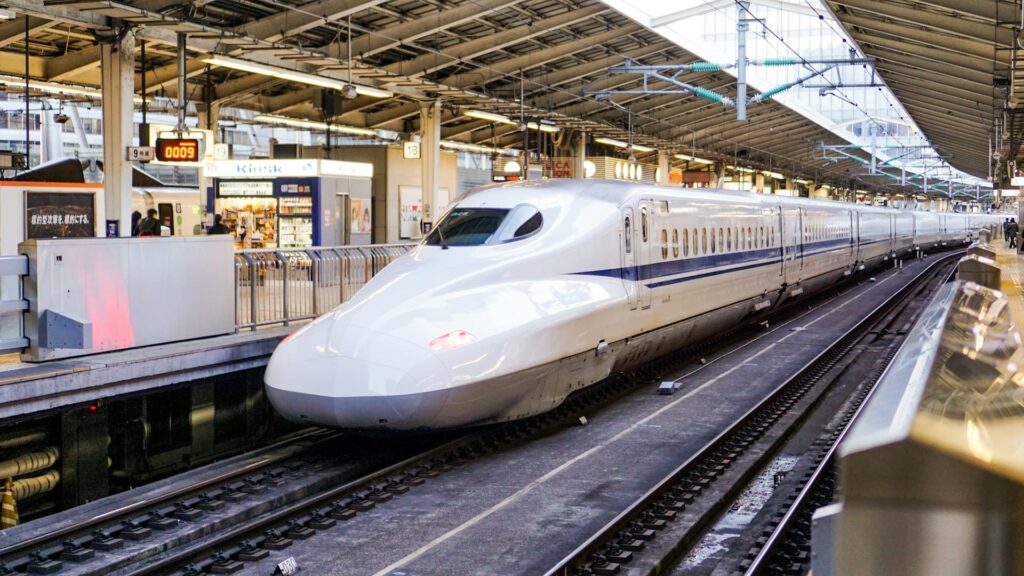
Below is the most realistic timeline I would recommend to a first-time visitor. It focuses on Chichu Art Museum, one additional venue, the Pumpkins, and a proper lunch stop. Ferry times below reflect the current schedule as of September 2026, so re-check them shortly before travel.
| Time | Activity |
|---|---|
| 6:00–6:30 | Depart Shin-Osaka on the first available Hikari or Sakura Shinkansen |
| 6:50–7:50 | Arrive Okayama → transfer to JR Uno Line → arrive Uno Station |
| 7:50–9:00 | Walk to Uno Port, buy ferry ticket, explore the small port area or grab a coffee |
| 9:22–9:42 | Ferry from Uno Port → arrive Miyanoura Port, Naoshima |
| 9:45–10:15 | Rent an e-bike, drop luggage at coin locker, photograph the Red Pumpkin at the port |
| 10:15–10:40 | Ride toward Chichu Art Museum and park at the ticket center |
| 11:00–12:15 | Chichu Art Museum (timed entry; allow about 1–1.5 hours including the walk from the bike/car park) |
| 12:30–13:15 | Lunch at Cafe Salon Nakaoku in Honmura (known for omurice; closed Tuesdays + irregular holidays) or at the cafe inside Naoshima New Museum of Art |
| 13:30–14:30 | Naoshima New Museum of Art or Lee Ufan Museum (pick one) |
| 14:45–15:30 | Head toward the Benesse House coast, park the bike where required, then walk or use the free shuttle to the Yellow Pumpkin and outdoor works |
| 15:30–16:40 | Use the remaining time for Honmura, a coffee stop, or additional outdoor art, then return toward Miyanoura |
| 16:40–17:15 | Return the bike, walk to Miyanoura Port, and leave a buffer before boarding |
| 17:35–17:55 | Ferry from Miyanoura Port back to Uno Port |
| After 17:55 | Uno Station → Okayama → Shin-Osaka. Check the JR timetable for your travel date rather than relying on a tight fixed connection. |
Kai’s tip: Do not calculate your return based on the last ferry alone. The current last ferry from Miyanoura to Uno departs at 20:25 and arrives at 20:45, but what matters is whether you can still make the onward JR connections to Osaka on your travel date. For a day trip, a late-afternoon ferry is a much safer planning target than the final sailing.
What to See on Naoshima in One Day (Realistic Picks)
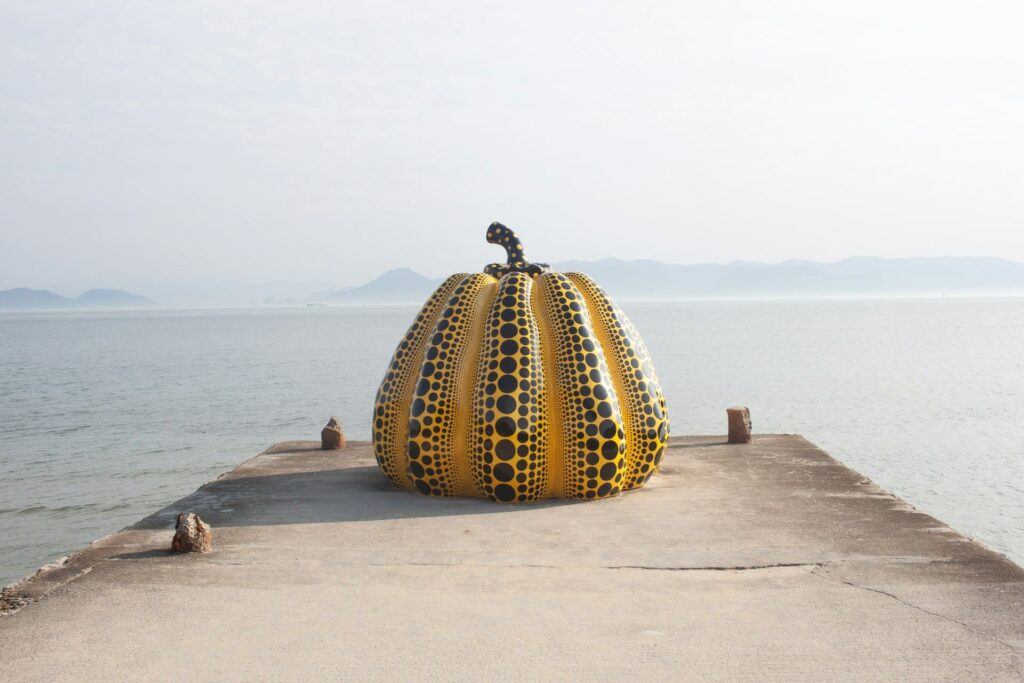
Even with almost eight hours on the island, you still need to choose wisely. Below are the venues worth prioritising, with honest time budgets and the trade-offs involved. For a broader overview, check our complete guide to things to do in Naoshima.
Must-Book: Chichu Art Museum
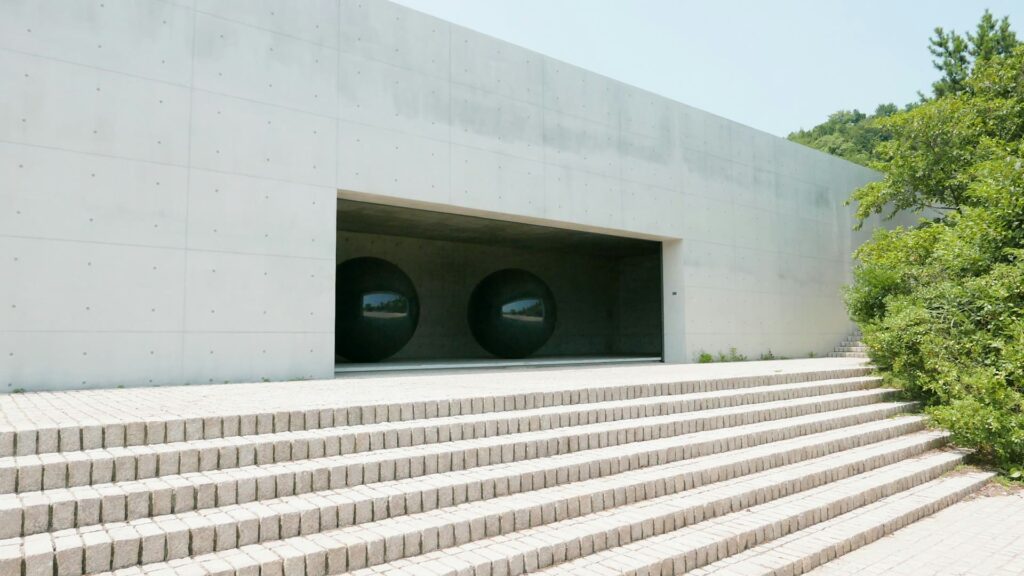
This is the reason most people come to Naoshima. Tadao Ando’s concrete-and-light architecture houses permanent installations by Claude Monet, James Turrell, and Walter De Maria. It is also the most logistically demanding venue on the island.
- Entry fee: Weekdays ¥2,500 online / ¥2,800 on site; weekends and national holidays ¥2,700 online / ¥3,000 on site
- Time needed: 1–1.5 hours including the walk from the car park
- Reservation: Timed entry. Buy online in advance if possible; if online tickets are sold out, there is no same-day on-site allocation.
- Closed: Mondays (or Tuesday if Monday is a public holiday), plus scheduled annual maintenance closures—check the official calendar for your dates
- Location: On the hill above the Benesse House Museum area, about 2 km from Miyanoura Port
Kai’s tip: The most common story I hear from disappointed day-trippers goes like this: they arrived at Uno Port, checked the Chichu website on the ferry, and found the useful time slots fully booked. Popular weekends and holidays can sell out, so book your Chichu slot as soon as your travel date is confirmed—do not wait until you reach the island. If the online allocation is sold out, there is no separate same-day ticket allocation at the museum.
For this itinerary, an 11:00 entry is a safer target than the earliest possible slot because it leaves time to collect an e-bike and reach the museum without racing every transfer. Plan your ferry and e-bike timing around your Chichu reservation.
New Museum of Art (Opened 2025)
The newest addition to Naoshima’s art ecosystem—also designed by Tadao Ando—opened in May 2025 on a hill in Honmura. It features rotating exhibitions of contemporary Asian art and includes a cafe serving regionally inspired lunch options and drinks. It is a strong second choice if you want to split your museum visits between two distinct experiences.
- Entry fee: ¥1,500 online / ¥1,700 on site
- Time needed: 45–60 minutes
- Reservation: Online booking recommended; on-site purchase is available when tickets remain
- Closed: Mondays
Lee Ufan Museum or Benesse House Museum (Pick One)
Both are excellent. The question is which fits your interests and schedule.
| Lee Ufan Museum | Benesse House Museum | |
|---|---|---|
| Focus | Minimalist sculptural works by Lee Ufan | Large collection of contemporary art (Warhol, Kusama, Turrell + rotating exhibits) |
| Setting | Quiet hillside with indoor/outdoor installation | Integrated with the Benesse House hotel; includes outdoor sculptures along the coast |
| Entry fee | ¥1,200 online / ¥1,400 on site | ¥1,300 online / ¥1,500 on site |
| Time needed | 45–60 minutes | 1–1.5 hours |
| Closed | Mondays | Open year-round |
| Best for | Fans of quiet, contemplative art in natural light | Visitors who want a broad survey of contemporary artists |
If you visit Benesse House Museum, you also get access to the outdoor sculpture trail along the coast—which includes the Yellow Pumpkin viewing area. That saves you a separate trip.
Free & Outdoor: Pumpkins, Pavilion, Bathhouse
These are flexible add-ons, but their opening rules are not identical, so check current closures if you are visiting on a Monday or during a maintenance period.
- Yellow Pumpkin (Yayoi Kusama): On the Benesse House coast, accessible via a short path from the museum car park. Photograph in the morning for softer light and fewer people.
- Red Pumpkin (Yayoi Kusama): At Miyanoura Port. You can step inside it—the interior is hollow and speckled with black dots. Great for photos immediately after arriving or before the return ferry.
- Naoshima Pavilion: A transparent, lattice-like structure at Miyanoura Port designed by Sou Fujimoto. Walk through it on your way to or from the ferry.
- I♥湯 (Naoshima Bathhouse): A functioning public bath turned art installation by Shinro Ohtake. You can actually bathe here (¥660). It is normally open 13:00–21:00 and closed on Mondays (or the following day when Monday is a national holiday).
Getting Around the Island
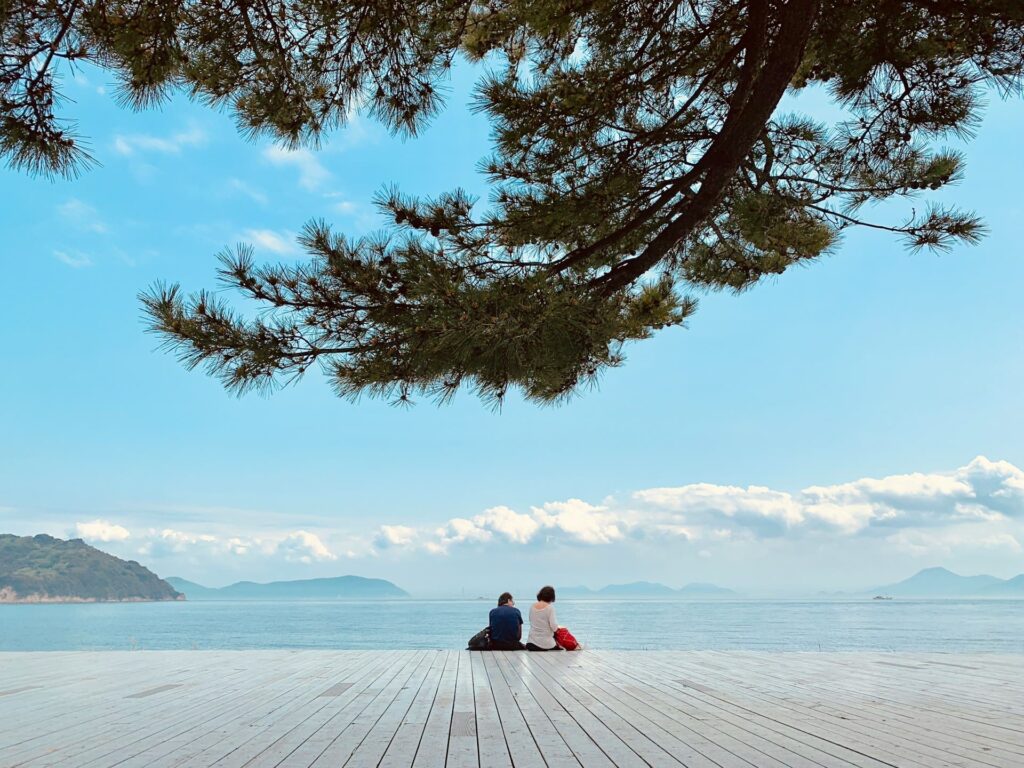
Naoshima is a small island (about 8 km long), but the distances between the port, Honmura village, and the Benesse House/Chichu area add up quickly—especially uphill.
Rent an E-Bike (Strongly Recommended)
An electric bicycle is the single best transport decision you can make on Naoshima. The road from Miyanoura Port toward the Benesse/Chichu area is hilly, and the afternoon heat in summer makes ordinary cycling punishing. An e-bike makes those climbs much easier on a tightly timed day trip.
- E-bike rental: Approximately ¥1,500 per day
- Standard bicycle: Approximately ¥500 per day
- Where to rent: Shops right at Miyanoura Port (Ougi rental cycle, T.V.C., and others)
- Note: Some rental shops close on specific days. Confirm the shop is open before you rely on it.
Important: The Benesse Art Site area between the East Gate near Tsutsujiso and the North Gate near Lee Ufan Museum is private property. Unless you are staying at Benesse House, you cannot ride a bicycle through this section; park at the Chichu Art Museum Ticket Center or near Tsutsujiso and continue on foot or by the free shuttle bus.
Kai’s tip: If I had to name one thing that drains the energy out of a Naoshima day trip, it is watching visitors who rented a standard bicycle struggle up the hill toward Chichu in 30°C humidity. The difference between ¥500 and ¥1,500 is the difference between arriving at the museum refreshed versus arriving sweaty and tired with most of the island still ahead of you. Spring for the e-bike.
Town Bus
The municipal bus runs between Miyanoura Port, Honmura, and the Tsutsujiso stop near Benesse House. It costs ¥100 per ride and follows a limited timetable, so pick up a paper schedule at the port or check the Naoshima Tourism Association website. Weekend and holiday afternoons can be very crowded, and if the bus is full you may have to wait for the next service.
On Foot
Honmura village is walkable from Miyanoura Port (about 20 minutes along the coast). But the Benesse House and Chichu area is too far to cover on foot if you have multiple venues on your list. Combine walking with the town bus if you prefer not to cycle.
Pitfalls to Avoid on Your Naoshima Day Trip
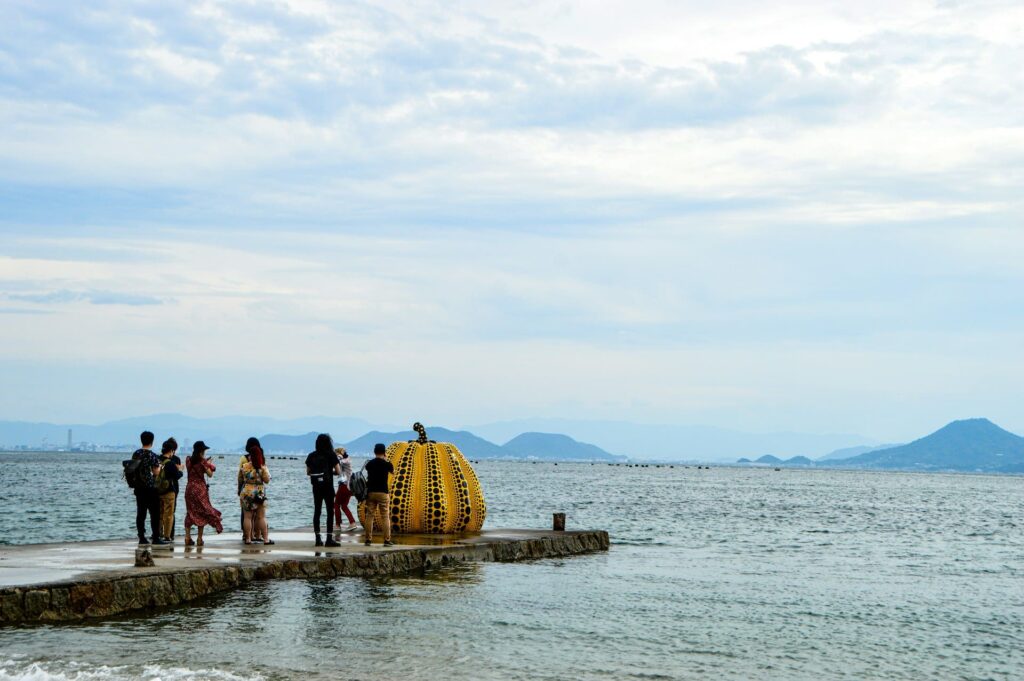
These are the mistakes I see most often from first-time visitors. None of them are deal-breakers if you know about them in advance.
1. Monday Closure (The Biggest Trap)
As mentioned in the intro, several major art sites close on Monday (or the following day if Monday is a national holiday), including Chichu Art Museum, Lee Ufan Museum, Naoshima New Museum of Art, ANDO MUSEUM, and most Art House Project sites. Benesse House Museum is open year-round, while I♥湯 is normally closed on Mondays. Always cross-check your planned day against the Benesse Art Site calendar before booking transport.
2. Last Ferry vs. Last Shinkansen (Different Problems)
The current last ferry from Miyanoura to Uno departs at 20:25 and arrives at 20:45, but that is not the number that matters. What matters is whether the ferry still connects with JR services that get you back to Osaka on your travel date. Do not build a day trip around the final sailing; the 17:35 ferry gives you a much more practical return window.
3. Photography Restrictions
Chichu Art Museum, Lee Ufan Museum, and the Art House Project properties strictly prohibit photography inside the galleries. The Pumpkins and outdoor sculptures are fair game. Do not plan on taking interior photos of the Turrell or Monet installations—you will be asked to put your phone away.
4. Annual Maintenance Closures (January–March)
Maintenance closures vary by facility and year. Chichu Art Museum, for instance, is scheduled to close from 12 January to 19 March 2027; Benesse House Museum and its outdoor artworks, including the Yellow Pumpkin, are scheduled to be unavailable from 12 to 18 January 2027. If you are travelling in winter, confirm opening schedules directly with the Benesse Art Site, or refer to our guide on the best time to visit Naoshima to plan around these closures.
5. Rainy Day Reality
Naoshima is at its best in clear weather—the art relies heavily on natural light and views of the Seto Inland Sea. If rain is forecast, the museums still work (Chichu’s underground galleries are climate-controlled), but cycling becomes unpleasant and the outdoor installations lose their context. If your day trip lands on a rainy forecast, aim for the museums only and use the town bus instead of a bicycle.
Naoshima Day Trip: Who It’s Best For (and Who Should Stay Over)
Choose the day trip if:
- You are based in Osaka (or Kyoto/Shin-Osaka accessible) with one full day to dedicate
- Your priority is Chichu Art Museum + one other venue + the Pumpkins
- You are comfortable with early mornings (departure by 6:30) and a tightly scheduled afternoon
- You are visiting on a Tuesday through Sunday, with weekdays generally simpler for museum availability and island transport
Choose an overnight stay if:
- You want to visit Teshima Art Museum or Inujima as well
- You want to experience all four major museums without rushing
- You want exclusive late-night access to Benesse House Museum after 9 pm as a hotel guest
- You prefer a relaxed pace with time for Honmura’s Art House Project, Sugimoto Gallery, and a long dinner
- You are travelling during a scheduled maintenance closure that affects one of your priority museums
Consider skipping the day trip if:
- Your only available day is a Monday and Chichu or the other Monday-closed museums are your main reason for visiting
- You have mobility issues that make walking or cycling uphill difficult and the town bus schedule feels too restrictive (private tours with transport included are a better fit in this case)
- Modern/contemporary art is not your primary interest—the draw here is specifically the art-architecture dialogue
Frequently Asked Questions
Is a Naoshima day trip from Osaka worth it?
Yes—if you are prepared for an early start and a selective itinerary. If you want to visit Teshima or explore all four major museums at a relaxed pace, an overnight stay will give you significantly more value.
Can I use my JR Pass for the Naoshima trip?
Yes, with two important limits. The JR Pass covers the Hikari and Sakura Shinkansen services from Shin-Osaka to Okayama, as well as the JR Uno Line from Okayama to Uno Station. Nozomi and Mizuho are not covered by the pass alone, but pass holders can use them by buying the separate NOZOMI MIZUHO Ticket. The Shikoku Kisen ferry from Uno Port to Naoshima is a private operator and is not included in the JR Pass—you pay the ¥370 fare separately each way.
Is Naoshima open on Mondays?
Several major venues are closed. Chichu Art Museum, Lee Ufan Museum, Naoshima New Museum of Art, ANDO MUSEUM, and most Art House Project sites normally close on Mondays (or the following day if Monday is a national holiday). Benesse House Museum is open year-round, while I♥湯 is normally closed on Mondays. If Chichu is your main reason for visiting, choose another day.
How far in advance should I book Chichu Art Museum?
As soon as your travel date is confirmed. Chichu uses timed entry, and popular weekends and holidays can sell out. If the online allocation is sold out, there is no separate same-day allocation at the museum, so do not wait until you reach Uno Port to check.
What is the best season for a Naoshima day trip?
Spring (April–May) and autumn (October–November) offer the most comfortable cycling weather and the clearest light for outdoor installations. Summer (June–September) is hot and humid, with occasional rain from typhoon season. Winter (December–February) brings cooler temperatures and fewer crowds, but maintenance closures vary by facility and year—always check the official calendar before planning a winter trip.
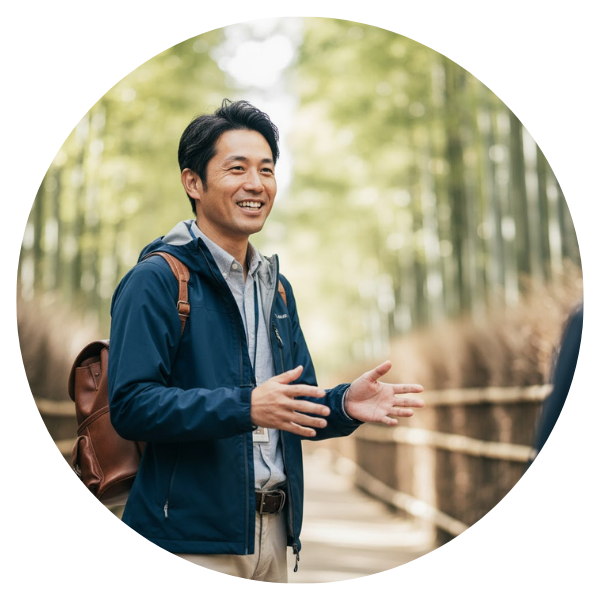
Hi, I’m Kai. I’m a Tokyo-based travel writer, tourism industry insider, and the author of a published guidebook for international visitors to Japan. With over 10 years of professional experience at a leading Japanese tourism company, my mission is to help you skip the tourist traps and navigate Japan’s best destinations like a local. I believe the perfect day trip is like a traditional kaiseki meal: a beautiful balance of precise planning and unforgettable seasonal discovery. When I’m not out conducting field research, you’ll usually find me drafting new itineraries with one of my favorite fountain pens!