
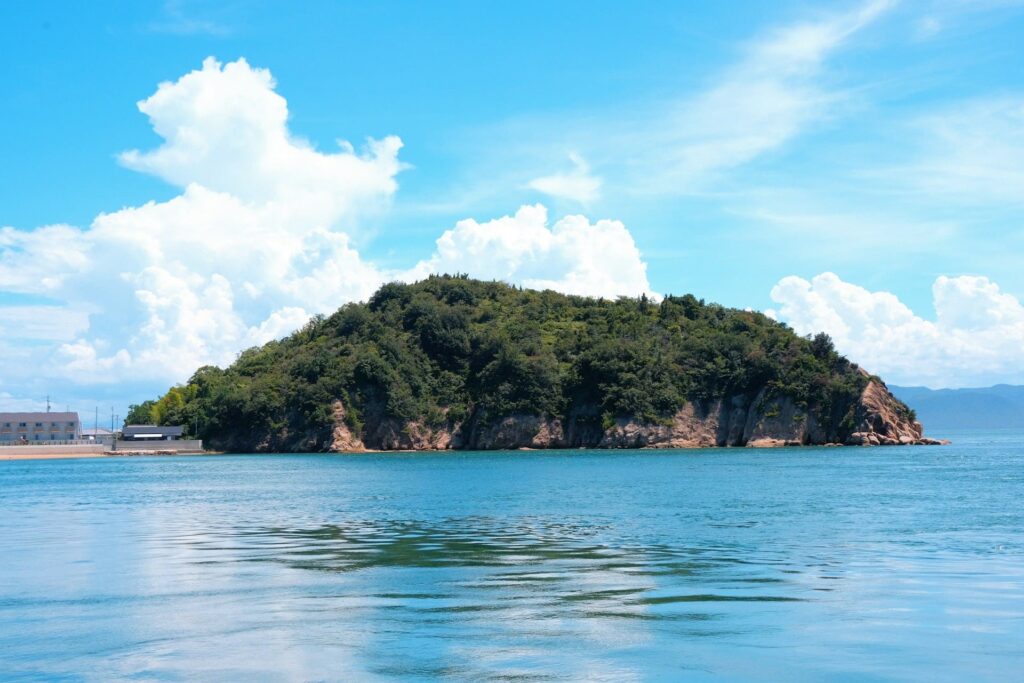
Naoshima is the kind of place that appears on every Japan art lover’s bucket list — and for good reason. Set in the Seto Inland Sea, this small island is home to museums designed by Tadao Ando, site-specific installations by Yayoi Kusama and James Turrell, and a slowly evolving village-wide art project that blends contemporary work with everyday life.
But here’s the reality check that most guides skip: Naoshima in one day is tight. Miss one ferry, skip one booking window, or arrive on the wrong day of the week, and your carefully planned day trip can unravel before you see a single artwork. This itinerary is built around the three things that trip up most first-time visitors — the new all-reservation system, the Monday closures, and the last ferry trap — so you can spend your day looking at art instead of checking your watch.
Planning note: If you want the Naoshima highlights without managing every museum slot, ferry connection, and island transfer yourself, it is worth checking availability for this private full-day Naoshima tour with a government-licensed guide before you finalise your ferry plan.
Before You Go: Three Things That Can Ruin Your Day on Naoshima
A little advance planning goes a long way on Naoshima. Here are the three non-negotiables to sort out before you arrive.
1. No Reservation = No Entry (Seriously)
Since October 2025, Naoshima’s major museums have moved to a full online timed-entry reservation system. There are no same-day tickets and no standby queues — if you don’t book ahead, you don’t get in. This applies to Chichu Art Museum, Hiroshi Sugimoto Gallery: Time Corridors, and two of the Art House Project venues (Minamidera and Kinza). These aren’t “nice to book” — they’re required. Slots, especially for the morning windows, can sell out days or even weeks in advance during peak seasons.
2. Monday Is a Wasteland
Most of Naoshima’s museums — including Chichu, Benesse House Museum, Lee Ufan Museum, and the Art House Project — are closed on Mondays. If that Monday falls on a national holiday, they open on Monday and close the following Tuesday instead. Either way, if your only available day is Monday, a day trip to Naoshima is not going to work. Check the official calendar before you book anything else.
3. The Last Ferry Leaves Earlier Than You Think
The last ferry from Miyanoura Port back to Uno usually departs around 17:00, and the last one to Takamatsu is around 17:20 — but the exact time shifts by season and day of the week. Add to this the fact that a queue starts forming at the terminal about 45 minutes before departure, and your “last ferry” is effectively around 16:30. Miss it, and you’re looking at a very expensive taxi to a very limited accommodation island. Plan your entire day working backward from this deadline.
Kai’s tip: The morning time slots — especially 9:00 or 10:00 at Chichu — are the first to sell out. But if you can snag one, it solves your entire day. You arrive, walk straight in before the crowds build, and the rest of your itinerary falls into place without the stress of waiting or queue-switching between afternoon slots. Book your ferry and your museum entry so the timing clicks.
Getting to Naoshima: Uno vs Takamatsu
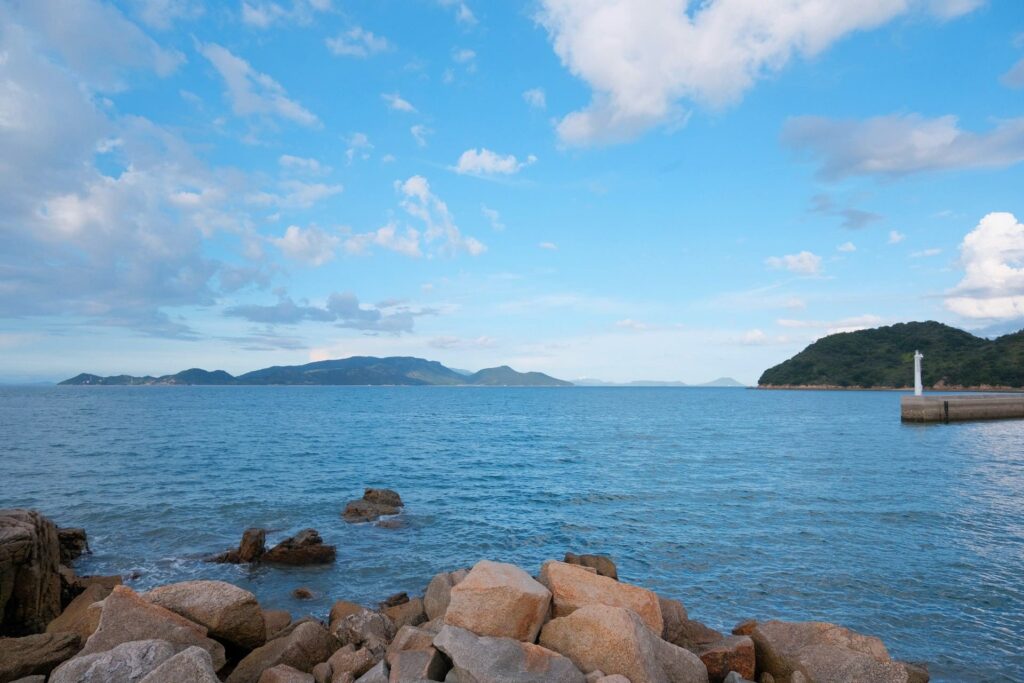
Naoshima has two gateway ports on the mainland. Which one you choose depends on where you’re coming from and whether you’re planning an overnight stay (for a deeper breakdown of the options from different cities, see our comprehensive guide on how to get to Naoshima).
Route A: Via Uno Port (from Okayama) — Recommended for Day Trips
This is the route most day-trippers should take. From Okayama Station, take the JR Uno Line to Uno Station (about 50 minutes, changing at Chayamachi Station). From Uno Station, it’s a 5-minute walk to Uno Port, where the ferry runs to Miyanoura Port on Naoshima in about 20 minutes. Ferries run roughly every hour, with around 16 round trips per day — more frequent than the Takamatsu route.
Route B: Via Takamatsu Port (from Takamatsu)
If you’re staying in Takamatsu (a popular base for Seto Inland Sea travelers), you can take the ferry from Takamatsu Port directly to Miyanoura Port. The ride takes about 50 minutes, and the ferries are comfortable with indoor and outdoor seating. The frequency is lower than the Uno route, so check the timetable carefully. This route makes more sense if you’re staying overnight on Naoshima or combining it with a trip to Teshima or other islands.
| Via Uno Port (Okayama side) | Via Takamatsu Port | |
|---|---|---|
| Train/transfer time | ~50 min (Okayama → Uno) | Walk from Takamatsu Station |
| Ferry time | ~20 min | ~50 min |
| Frequency | ~16 round trips/day | ~8–10 round trips/day |
| Best for | Day trips from Okayama/Hiroshima side | Overnight stays or Teshima combos |
Getting Around the Island: Bike vs. Bus
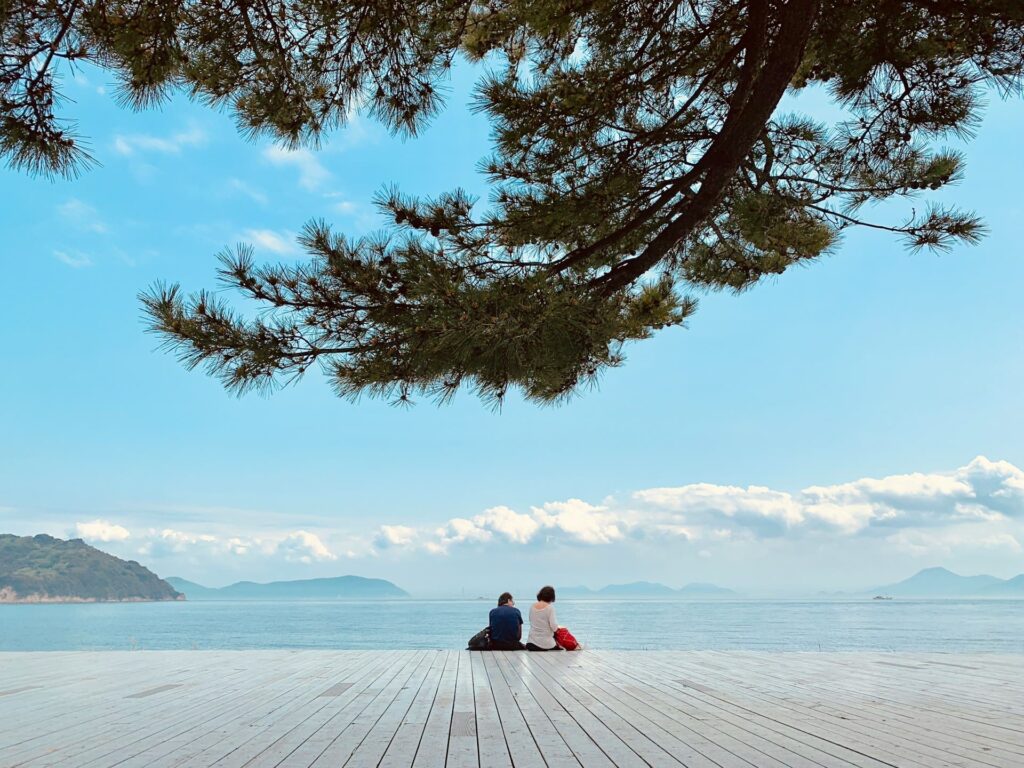
Naoshima is compact but spread out. The main art clusters are at Miyanoura (port area), Honmura (village center), and the Benesse Hill / Tsutsujiso area (museums on the southern tip). You have two main options for getting between them.
Electric Bicycle (Rental)
Electric bicycles are available for rent at shops near Miyanoura Port and cost around ¥1,000–¥1,500 per day. They make a noticeable difference on the island’s steady uphills — especially the climb from Honmura up toward Chichu and the Benesse area. The number of bikes is limited, and during busy seasons they can sell out by late morning, so booking ahead through your accommodation or the rental shop is wise.
Town Bus (¥100 Flat Fare)
The town bus runs a loop connecting Miyanoura Port → Honmura → Tsutsujiso (the stop nearest Benesse House and Chichu). The fare is a flat ¥100 per ride, and buses run roughly every 20–30 minutes. It’s reliable and cheap, but it does mean working around the schedule — you can’t linger at a museum and just walk out to the next stop.
Benesse Free Shuttle
If you’re visiting the Benesse House Museum and Chichu Art Museum areas, the Benesse free shuttle connects these sites and the Tsutsujiso bus stop. It’s a convenient add-on if you’re using the town bus to reach the area.
Kai’s tip: The hills between Honmura and Chichu look gentle on a map but feel longer on a standard bicycle. I’ve watched travelers arrive at Chichu already tired and distracted. An electric bike — booked in advance — turns the island into a genuinely enjoyable ride. If you can’t reserve one, the town bus plus the Benesse shuttle is the next best thing.
If you fall into that camp — you want Naoshima’s art highlights but don’t want to spend the day coordinating buses, bike rental, museum timing, and the route order yourself — this is the booking to compare first.
Why I’d book this one
- Recent travelers tend to value having a licensed guide handle the structure of the day, especially on an island where timing matters.
- It suits visitors who want context for Tadao Ando’s architecture, the Art House Project, and Naoshima’s outdoor works rather than just moving from stop to stop.
- The private format is useful if your ferry timing is fixed and you want a realistic route built around the time you actually have on the island.
Before locking in your ferry plan, see live availability, start times, and recent traveler reviews for the private full-day Naoshima guide tour.
Must-Know: The New Booking System (2025–2026 Update)
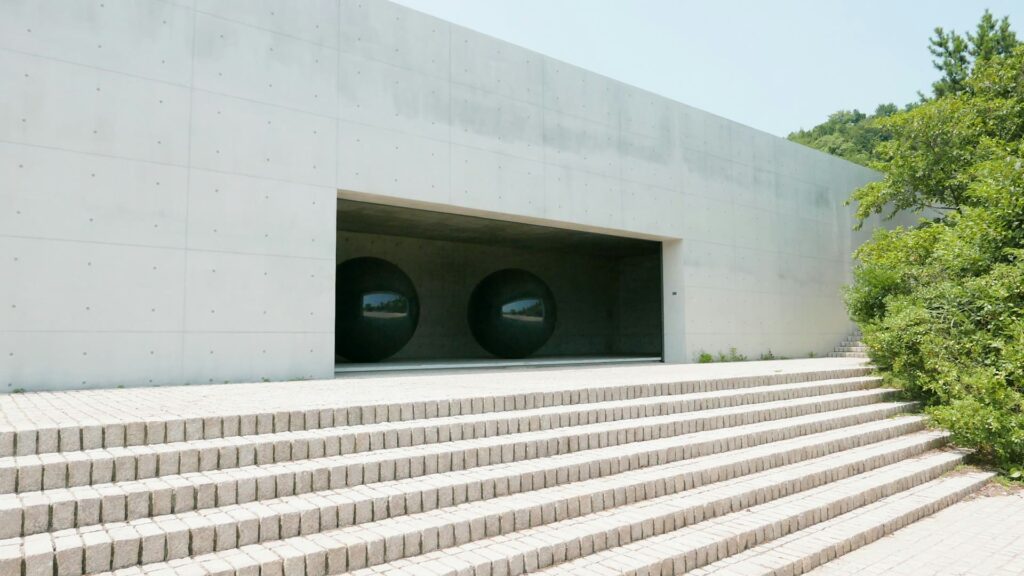
The single biggest change to visiting Naoshima in 2026 is the full online timed-entry reservation system. Here’s exactly what you need to know.
Which Venues Require Advance Booking
- Chichu Art Museum — all visitors must reserve a timed slot online. Capacity is limited and slots for popular hours (9:00–11:00) sell out first.
- Hiroshi Sugimoto Gallery: Time Corridors — advance reservation required.
- Art House Project — Minamidera — timed entry required.
- Art House Project — Kinza — timed entry required.
Other venues like Benesse House Museum, Lee Ufan Museum, ANDO MUSEUM, and the new Naoshima New Museum of Art (opened May 2025) may have standby entry or separate booking systems — check each venue’s page on the official Naoshima reservation portal.
How to Book
Reservations are handled through the official Naoshima online booking portal (accessible via the Benesse Art Site Naoshima website). You’ll select a date, a venue, and a time slot. Payment is online. A single booking can include multiple venues if slots are available for the same day, but do note that time slots need to be spaced realistically — you can’t, for example, book Chichu at 10:00 and Minamidera at 10:15 on the same day.
What Happens If You Don’t Book
There are no same-day tickets, no standby queues, and no exceptions for the reservation-required venues. Arriving without a booking at Chichu means you simply cannot enter — even if you’ve traveled all the way from Okayama or Takamatsu to see it. For the unreserved venues (Benesse House Museum, Lee Ufan, ANDO MUSEUM, outdoor works), you can enter without a reservation, subject to regular admission fees.
A Note on the 2026 System Change
The reservation system is scheduled to transition to a new platform on August 1, 2026. Check the official Benesse Art Site Naoshima Open Days Calendar and reservation portal for the latest details before your trip, as interface and availability rules may shift.
Your One-Day Naoshima Itinerary — Hour by Hour
This timeline assumes you’re traveling via Uno Port (the day-tripper’s best option) and have secured your online reservations for Chichu, Minamidera or Kinza, and/or Sugimoto Gallery in advance. Adjust the order slightly if your time slots differ — the key is to build your day around your reservation times, not the other way around.
7:30 – 8:30: Okayama → Uno Port → Ferry
Take an early train from Okayama Station to Uno Station (around 50 minutes with a change at Chayamachi Station). Walk to Uno Port and board the ferry to Miyanoura Port. The crossing takes about 20 minutes. Aim for a ferry that arrives on Naoshima by 8:30 or 9:00 at the latest — this gives you a solid 7–8 hours on the island before the last return ferry.
8:30 – 9:00: Arrive at Miyanoura Port
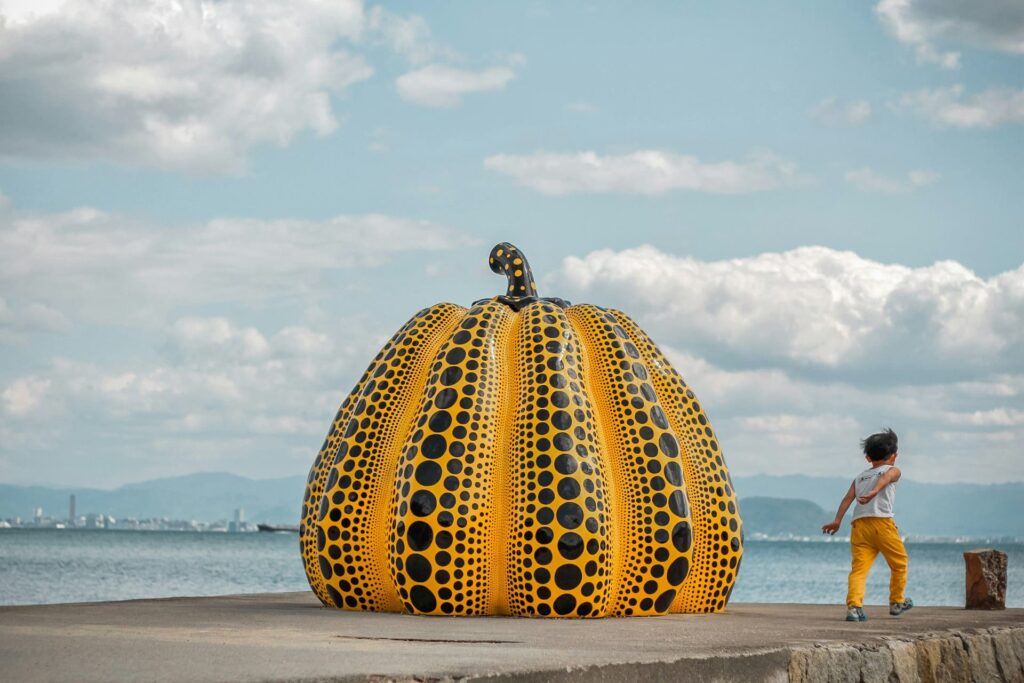
Step off the ferry and you’re greeted by Yayoi Kusama’s Red Pumpkin right on the dock. Take your photos now — the morning light is excellent and the crowds are thin. If you’ve pre-booked an electric bicycle, pick it up from the rental shop near the port. If you’re using the town bus, check the timetable at the stop just outside the terminal. There are coin lockers at the port if you need to leave luggage.
9:00 – 9:20: Red Pumpkin & Miyanoura Area
Spend a few minutes exploring the port area. Besides the Red Pumpkin, there’s a small information center and a handful of shops. Don’t linger too long — your first museum reservation is waiting.
9:30 – 11:00: Chichu Art Museum (Reservation Required)
This is the centerpiece of your Naoshima visit. Chichu Art Museum, designed by Tadao Ando, is built mostly underground — yet light floods through carefully calculated openings, changing the experience of the artworks throughout the day. The permanent installations include Claude Monet’s Water Lilies, James Turrell’s Afrum, Pale Blue and Open Field, and Walter De Maria’s Time/Timeless/No Time.
A few things to know before you go in: photography is strictly prohibited inside all galleries. This is frustrating for some visitors, but it also means the experience is genuinely unmediated — no phones held up, no Instagram queues. The Turrell installation, in particular, requires sitting in complete darkness for several minutes while your eyes adjust. It’s an experience that can feel slow if you’re in a rush, but it’s also the one thing most visitors remember most vividly years later.
Allow about 90 minutes here. The museum shop has thoughtful souvenirs if you’re looking for something beyond postcards.
11:15 – 12:00: Benesse House Museum Area
A short walk or shuttle ride from Chichu, the Benesse House Museum complex includes the main museum building (Tadao Ando’s first museum on the island), the Lee Ufan Museum, and the Valley Gallery. The outdoor sculpture path connects these venues and leads down toward the coast where Yayoi Kusama’s Yellow Pumpkin sits on the pier — the island’s single most photographed spot. If the tide is low, you can walk out onto the small jetty next to it. Allow 30–45 minutes for this area.
12:00 – 12:45: Lunch
Your best option near the museum area is The Museum Restaurant Issen inside Benesse House, which serves a set lunch menu using local Seto Inland Sea ingredients. Reservations aren’t usually required for lunch, but wait times can build up around 12:30. Alternatively, head back toward Honmura village where several casual cafes — including Cafe Maruyo and Cafe Naka-Oku — serve simple curry, sandwiches, and coffee. Honmura’s options are more laid-back and quicker if you’re watching the clock. For more choices and tips to avoid long queues, check out our complete guide on where to eat on Naoshima.
13:00 – 14:30: Honmura — Art House Project
The Art House Project transforms abandoned houses and workshops in the Honmura district into site-specific art installations. Six venues are currently open, and each is a different experience. If you’ve booked Minamidera (Tadao Ando + James Turrell — a sensory-deprivation room that’s one of the most powerful art experiences on the island) or Kinza (Reiko Sudo’s fabric installation), those slots will dictate your timing here.
If you only have time for one or two without a reservation, the unreserved houses are still very much worth visiting. The project is spread along narrow village lanes, so you’ll naturally walk past several just by exploring Honmura.
While in Honmura, you can also visit ANDO MUSEUM (a small exhibition on Tadao Ando’s architecture inside a restored wooden house) and — if time allows — the Naoshima New Museum of Art, which opened in May 2025 on a hill just above the village. Also designed by Tadao Ando, it’s a more compact gallery with rotating contemporary exhibitions.
14:30 – 15:15: Hiroshi Sugimoto Gallery or Final Art Stop
If you have a reservation at Hiroshi Sugimoto Gallery: Time Corridors, this is the time slot to use it. The gallery sits on a hillside near the Benesse area and features Sugimoto’s photography, a stage set, and a small Japanese garden. If you don’t have a booking here, use this time to revisit the Yellow Pumpkin for different afternoon light, or stop by Naoshima Bath “I♥湯” — a working public bath designed by artist Shinro Ohtake — for a genuinely unusual end to your art tour. Admission is around ¥600 and towels can be rented.
15:30 – 16:00: Return Bike → Head to Ferry Terminal
This is the most important deadline of your day. Return your rental bicycle and make your way to Miyanoura Port. Aim to arrive at the terminal by 16:00 — at the absolute latest 16:15. The queue for the last ferry begins forming roughly 45 minutes before departure, and the ferry itself boards early. Arriving at 16:30 means you’re watching the ferry pull away from the dock.
Kai’s tip: The last ferry queue at Miyanoura is surprisingly long — it’s not a five-minute-before-departure situation. I’ve seen travelers sprint down the hill from Honmura only to find 50 people already lined up at 16:15. Build a 30-minute buffer into your final return. If you make it to the port early, there’s a small waiting area and a shop with drinks. It beats the alternative of figuring out island accommodation on the spot.
What to Cut If You’re Short on Time
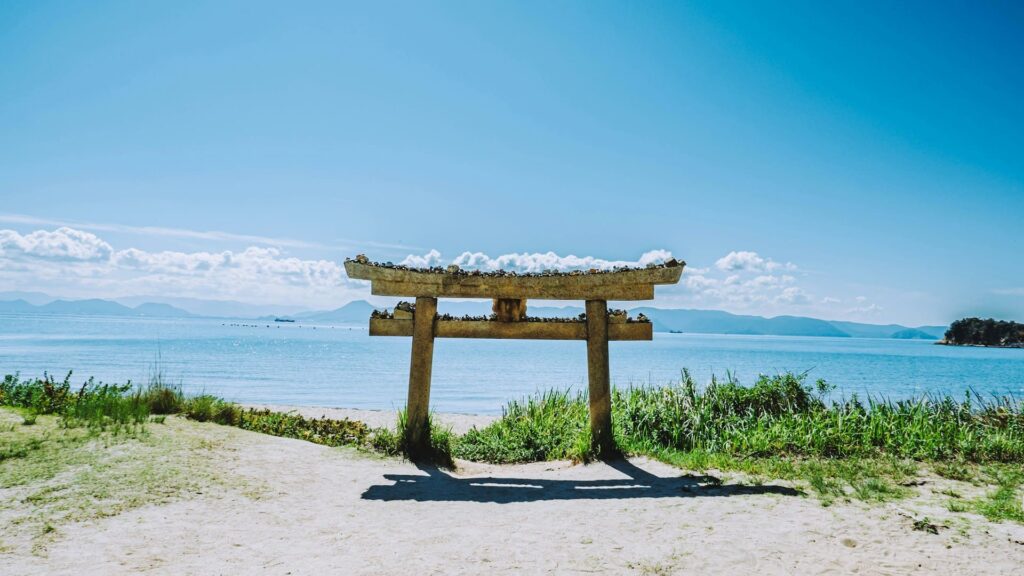
Not everything on Naoshima is essential for a one-day visit. Here’s how to prioritize if you’re running late or just want a more relaxed pace.
Must-See (Don’t Skip These)
- Chichu Art Museum — the main reason most people come to Naoshima. Book it first, build the day around it.
- Yellow Pumpkin — quick, free, and the iconic Naoshima photo spot. Even a 5-minute stop counts.
- Art House Project (at least 1–2 venues) — Minamidera if you can book it, or any unreserved house if you can’t. This is what makes Naoshima different from other art museums.
Worthwhile If You Have Time
- Naoshima New Museum of Art (opened 2025) — compact, well-curated, and just up the hill from Honmura
- Hiroshi Sugimoto Gallery: Time Corridors — serene and beautifully sited, but requires its own booking
- Lee Ufan Museum — minimalist and meditative; works best if you’re already at Benesse House
- Naoshima Bath “I♥湯” — a fun 30-minute cultural side quest
You Can Skip Without Regret (for a Day Trip)
- ANDO MUSEUM — an interesting small exhibition, but if you’re already visiting multiple Ando-designed museums on the island, this one feels redundant
- Benesse House Museum — if you’re short on time, Chichu is the stronger museum experience. The outdoor sculpture path is still accessible without entering the museum.
Is Naoshima Worth It as a Day Trip?
Let’s be straightforward. Naoshima in one day is possible, rewarding, and absolutely worth doing — if you plan it right. But it’s not the right call for everyone. If you’re still debating whether to stay longer, read our guide on how many days you actually need in Naoshima.
Yes, Worth It If…
- You’re an early riser and can catch the first or second ferry from Uno
- You’ve pre-booked your top-priority museums (Chichu + at least one Art House venue)
- You’re comfortable with a structured timeline and don’t mind moving between venues at a steady pace
- You’re based in Okayama or Takamatsu and only have one day to spare for the art islands
Not Worth It If…
- Your only available day is a Monday (nearly everything is closed)
- You dislike advance scheduling and prefer to decide what to do on the morning of
- You’re visiting during heavy rain (many outdoor paths and the Art House walking route lose their appeal)
- You want to see all six Art House Project venues plus all museums — that’s a two-day itinerary
Better as an Overnight Trip If…
- Staying at Benesse House (the museum hotel) is one of Japan’s most unique accommodation experiences — guests get after-hours access to the museums
- You want to visit Teshima or Inujima on consecutive days without commuting from the mainland each morning
- You want to experience the island in the evening when the day-trippers are gone and the art feels more private
Practical Tips for a Smooth Day
- Cash is king. Most rental shops, cafes, and the town bus are cash-only. There’s an ATM at the port, but it’s not always reliable. Bring enough yen for the day.
- No photography indoors. This includes Chichu, Benesse House Museum galleries, and most Art House Project venues. Outdoor sculptures and the ferry ride are fair game.
- Coin lockers are available at Miyanoura Port (¥300–¥500). If you’re coming from Okayama with a larger bag, consider leaving it in a station locker at Okayama Station instead — the port lockers are small and fill up quickly.
- Rain plan: Naoshima is less enjoyable in heavy rain because the routes between venues involve walking or cycling. The Chichu and Benesse House museums are fine, but the outdoor sculptures and Art House walking loop lose their charm. If rain is forecast, bring a waterproof jacket and consider switching to the town bus.
- Sun protection: There’s limited shade between Honmura and the museum areas, especially on the outdoor sculpture path. Sunscreen and a hat make a real difference during summer months.
From Naoshima to More — Extending Your Art Island Trip
If one day on Naoshima leaves you wanting more (and it probably will), the Seto Inland Sea has two other art islands that pair naturally with it.
- Teshima — home to the extraordinary Teshima Art Museum (a single, cavernous concrete droplet with water and light) and the Teshima Yokoo House. Reachable by ferry from Miyanoura Port or Takamatsu Port. If you’re torn between the two, read our Naoshima vs Teshima comparison guide.
- Inujima — smaller and more rugged, with the Inujima Seirensho Art Museum (housed in a former copper refinery) and several outdoor installations. Requires more careful ferry planning.
During Setouchi Triennale years, Naoshima becomes part of a much larger art festival circuit across 12 islands and ports. The festival brings additional installations, longer hours, and — importantly — heavier crowds and tighter booking windows.
FAQ — Naoshima Day Trip
Do I need to book Chichu Art Museum in advance?
Yes — since October 2025, Chichu Art Museum requires all visitors to reserve a timed entry slot online in advance. There are no same-day tickets or standby queues. Slots for morning hours (9:00–11:00) tend to sell out first, especially during spring, autumn, and Setouchi Triennale years. Book at least a week ahead if you’re visiting during peak season.
Is Naoshima open on Mondays?
Most of the major museums — Chichu Art Museum, Benesse House Museum, Lee Ufan Museum, the Art House Project, and the Naoshima New Museum of Art — are closed on Mondays. If a national holiday falls on a Monday, they open on Monday and close the following Tuesday instead. Always check the official Benesse Art Site calendar for the month you’re visiting. If Monday is your only available day, plan for something else.
Can I visit Naoshima without any advance reservations?
You can — but you’ll miss the three most significant experiences on the island. Without a reservation, you cannot enter Chichu Art Museum, Hiroshi Sugimoto Gallery: Time Corridors, or the Art House Project venues Minamidera and Kinza. You can still visit Benesse House Museum, Lee Ufan Museum, ANDO MUSEUM, the Naoshima New Museum of Art (check its current booking policy), and all outdoor works including the Yellow and Red Pumpkins. That’s still a worthwhile day — but it’s not the full Naoshima experience most travelers come for.
Is one day enough for Naoshima?
Yes, for most first-time visitors — if you plan well, secure your reservations in advance, and arrive early. A well-timed day trip from Uno Port gives you roughly 7–8 hours on the island, which is enough to visit Chichu, the Art House Project (1–2 venues), and see the outdoor works. You won’t see everything, and the pace is steady rather than relaxed. If you want to visit all museums, see every Art House venue, and stay for sunset, plan for one overnight.
What’s the best way to get around Naoshima in one day?
An electric bicycle rented at Miyanoura Port gives you the most flexibility and speed between the three main areas (port, Honmura village, and the Benesse/Chichu hill). Reserve one in advance during busy periods. If you’d rather not cycle, the town bus (¥100 per ride) combined with the Benesse free shuttle is a reliable alternative — just check the timetable and allow extra waiting time between venues.
Final Verdict — Who Should (and Shouldn’t) Visit Naoshima in One Day
Choose This Itinerary If…
- You’re a first-time visitor to Naoshima and want to see the essential museums (Chichu, Art House Project, Yellow Pumpkin) without logistical stress. This route hits all the landmarks with realistic timing.
- You’re a confident day-tripper based in Okayama or Takamatsu who’s comfortable with early starts and pre-booked schedules. If you enjoy structuring your day around timed entries, this itinerary is built for that mindset.
- You’re traveling as a couple or solo and can move at your own pace. Couples and solo travelers tend to navigate the ferry schedule, bike rental, and museum bookings more easily than larger groups.
- You’re an architecture or contemporary art enthusiast — even a single day on Naoshima delivers concentrated exposure to Tadao Ando’s museum designs and site-specific installations that you won’t find anywhere else in the world.
Choose Another Option If…
- You’re visiting in a large group (4+) — coordinating timed-entry reservations for multiple people on the same day is trickier, and electric bike availability is limited. Consider a full-day private tour that handles bookings and island transport for the group.
- You prefer spontaneous travel over advance planning — Naoshima in 2026 demands reservations for its best experiences. If you dislike fixed schedules, consider skipping the island or coming prepared to accept that you’ll miss Chichu and the bookable Art House venues.
- You’re a family with young children (under 6) — while some children enjoy the outdoor sculptures and the ferry ride itself, the Chichu Turrell installation and Minamidera require sitting in silence and darkness for extended periods, which doesn’t work for every child. Focus on the outdoor works and the Red Pumpkin, and keep the museum visits short.
- You’re visiting on a Monday — this cannot be overstated. Nearly every museum is closed. If Monday is your only window, use it for Okayama city (Korakuen Garden, Okayama Castle) or a ferry ride around the Seto Inland Sea without landing at the art sites.
One Last Thing
If I had to give one piece of advice to a friend visiting Naoshima for the first time, it would be this: don’t try to see everything. The island’s best quality is not its checklist of artworks but the way art integrates into everyday life — a pumpkin on a pier, a transformed house on a village lane, a museum built into a hillside that you almost walk past. The visitors who rush from venue to venue with a timer running are often the ones who leave slightly disappointed. The ones who pick three things, book them well, and leave the rest for “next time” are the ones who come back.
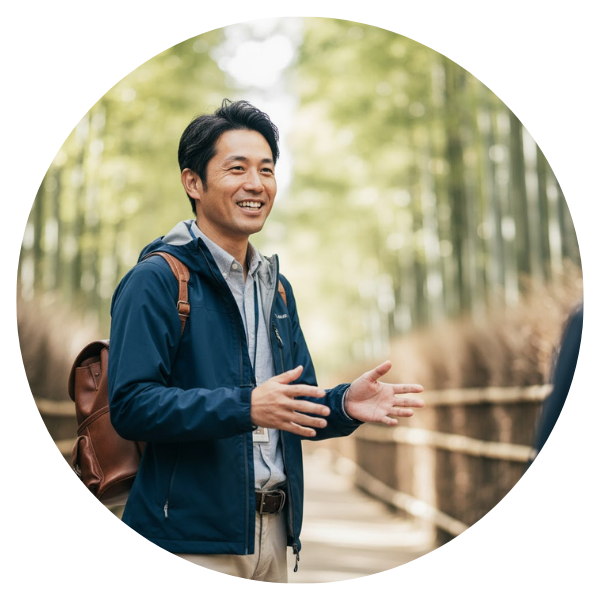
Hi, I’m Kai. I’m a Tokyo-based travel writer, tourism industry insider, and the author of a published guidebook for international visitors to Japan. With over 10 years of professional experience at a leading Japanese tourism company, my mission is to help you skip the tourist traps and navigate Japan’s best destinations like a local. I believe the perfect day trip is like a traditional kaiseki meal: a beautiful balance of precise planning and unforgettable seasonal discovery. When I’m not out conducting field research, you’ll usually find me drafting new itineraries with one of my favorite fountain pens!