
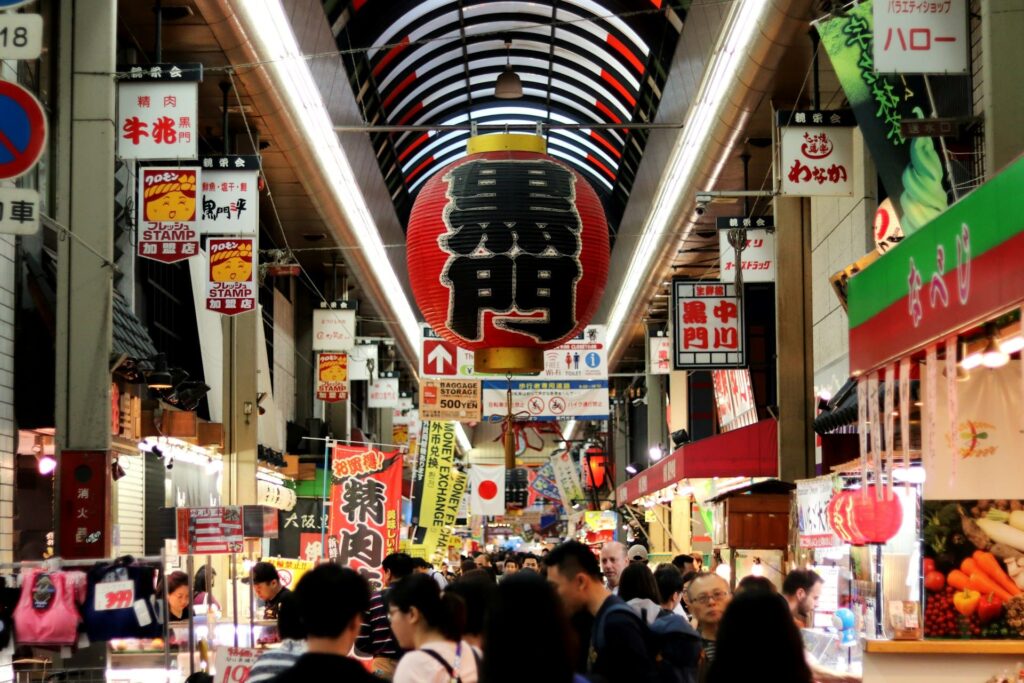
If you are planning a trip to Osaka, you have probably seen videos of people eating giant crab legs, sizzling Wagyu beef, fresh sea urchin, and colorful fruit at Kuromon Market, also known as Kuromon Ichiba. Historically known as “Osaka’s Kitchen,” this covered arcade stretches for about 580 meters and is home to roughly 150 shops.
But lately, many visitors describe Kuromon Market with a less flattering phrase: tourist trap. Prices can feel high, the crowds can be intense, and the old local-market atmosphere is not as strong as it once was.
So, is Kuromon Market worth it?
The honest answer is: yes for convenience, no for value. Kuromon can still be fun if you have limited time, a flexible budget, and want to sample famous Osaka foods in one easy, English-friendly place. But if you are looking for local prices, quiet market culture, or the best food value in Osaka, you may be happier elsewhere.
This guide breaks down the real pros and cons, who should go, who should skip it, and the best alternatives to consider before adding Kuromon Market to your Osaka itinerary.
Is Kuromon Market Worth It? The Quick Answer
Here is the fastest way to decide.
- Go to Kuromon Market if: You have a flexible budget, limited time in Osaka, and want the convenience of trying Wagyu, seafood, sushi, fruit, and Osaka snacks on one easy street with picture menus and tourist-friendly ordering.
- Skip Kuromon Market if: You are on a tight budget, want a traditional local market atmosphere, prefer sit-down meals, or care more about value than convenience.
Best use of Kuromon: Treat it as a short food stop, not your main food destination in Osaka. Walk through, try one or two things that genuinely excite you, then save the rest of your food budget for Dotonbori, Shinsekai, or a proper sit-down meal in Namba.
If the convenience of Kuromon appeals to you but you do not want to choose every stall alone, it is worth comparing a guided food walk before deciding.
👉 Check current Kuromon Market food tour availability, tastings, and meeting details
Kuromon Market Prices: How Much Will You Really Spend?
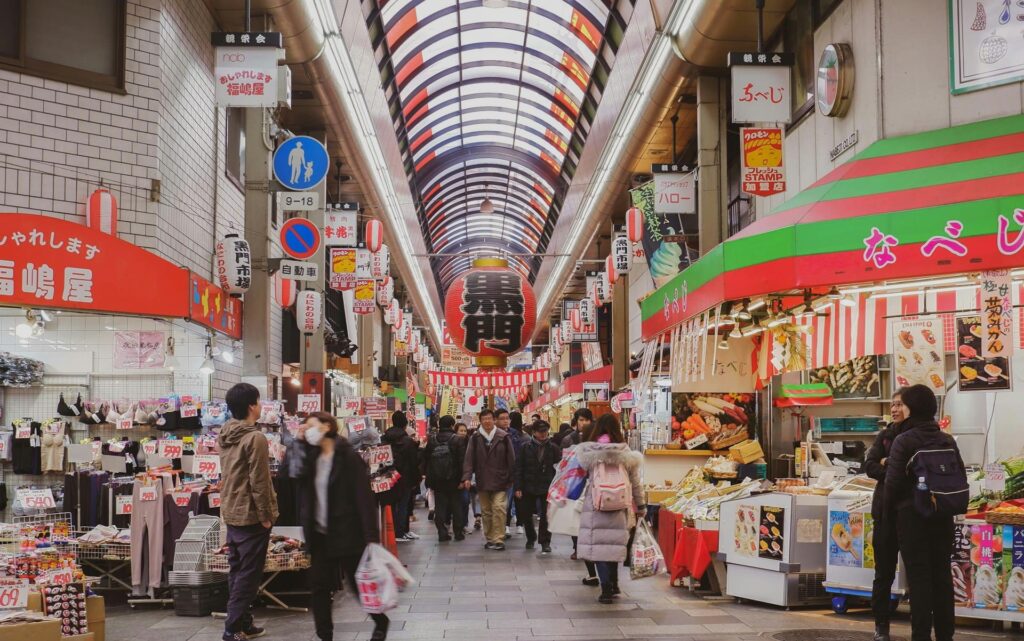
The biggest complaint about Kuromon Market is the price. Food here is generally priced for visitors, not for locals doing their weekly grocery shopping. Prices vary by stall, season, seafood availability, beef grade, portion size, and shop, so treat the figures below as practical planning examples rather than fixed official prices.
Always check the displayed price before ordering, especially for premium beef, crab, sea urchin, large shellfish, and fruit.
| Item | Planning Price Range | What to Know |
|---|---|---|
| Wagyu or premium beef skewer | Often around 1,500–4,000 JPY | Grade, cut, size, and branding make a big difference. Premium beef can get expensive quickly. |
| Grilled scallop or shellfish | Often around 600–2,000 JPY | Smaller portions are more affordable; large premium shellfish cost more. |
| Sea urchin, crab, or premium seafood | Often several thousand yen for a small portion | Good for a splurge, but not usually the best value meal in Osaka. |
| Takoyaki or simple Osaka snacks | Usually more budget-friendly | One of the safer choices if you want to enjoy the market without overspending. |
| Seafood bowl or sushi stop | Varies widely by shop and toppings | Can be decent value if you choose carefully, but premium tuna, uni, and crab add up fast. |
| Fruit, melon, or dessert | Moderate to expensive | Photogenic and easy to share, but not always cheap. |
If you casually order Wagyu, grilled seafood, and dessert from several stalls, it is easy to spend much more than expected. A snack-style visit can start feeling like the price of a full restaurant meal.
On the other hand, Kuromon does not have to destroy your budget. If you stick to one premium item, one cheaper Osaka snack, and maybe fruit to share, you can enjoy the experience without turning it into a major splurge.
Why Is Kuromon Market Called a Tourist Trap?
Kuromon Market is not a scam. You are still buying real food from real shops. The issue is that the market has shifted heavily toward tourism, and that changes the experience.
The Prices Are Built Around Visitors
In the past, Kuromon was more of a working market where chefs and locals bought ingredients. Today, many ready-to-eat stalls clearly target international visitors. You will see English signs, picture menus, cooked-to-order seafood, Wagyu skewers, and premium items designed for travelers who want an easy food experience.
That convenience has a price. A single skewer or seafood item may cost as much as a simple meal elsewhere in Osaka. If you arrive expecting local grocery prices, you will probably be disappointed.
The Atmosphere Is Lively, But Not Very Local
Kuromon can be energetic and fun, especially for first-time visitors. But during busy hours, it can also feel crowded and commercial. You may find yourself moving slowly through the arcade with other travelers, stopping for photos, and comparing prices from stall to stall.
If your dream is a quiet, traditional wet market where locals shop for dinner ingredients, Kuromon may feel too polished and tourist-focused. If your goal is simply to try famous Japanese foods in one easy place, the tourist-friendly setup can actually be a benefit.
In other words, Kuromon Market can feel like a tourist trap if you expect local grocery prices, but it is better described as a convenience-focused food arcade with tourist-area pricing.
Who Should Go to Kuromon Market?
Go If You Prioritize Convenience Over Cost
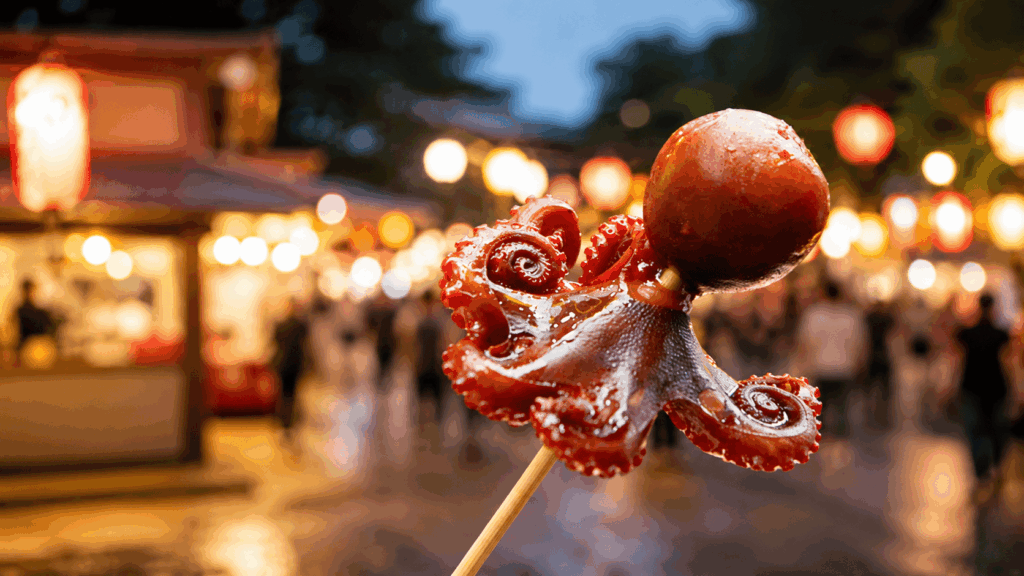
Kuromon is convenient. You can sample grilled seafood, beef, sushi, fruit, sweets, and Osaka snacks without researching separate restaurants or taking extra trains. For travelers with only one day in Osaka, that convenience matters.
Go If You Are Staying in Namba or Dotonbori
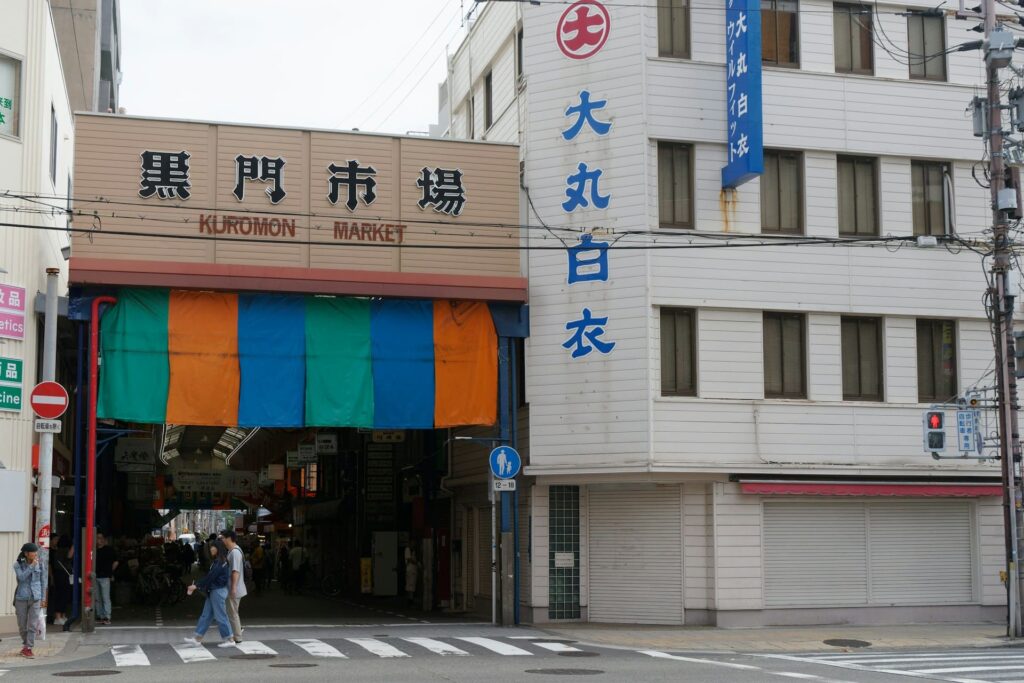
Kuromon Market is very easy to add to a Namba or Dotonbori day. It is close to Nipponbashi Station and within walking distance of the main Namba and Dotonbori area. If you are already nearby, it makes sense as a short stop.
Go If You Have a Flexible Food Budget
If paying extra for the convenience and atmosphere does not bother you, Kuromon can still be enjoyable. The key is to go in knowing that you are paying a tourist-area premium.
Go If You Are Traveling With Picky Eaters
Kuromon offers a wide range of food in one place: grilled, fried, raw, sweet, savory, seafood-heavy, meat-heavy, and snackable. That variety can help families or groups with different tastes. However, the main aisle can get tight with a stroller, especially around late morning and lunchtime.
Who Should Skip Kuromon Market?
Skip It If You Are on a Tight Budget
If you are watching every yen, Kuromon is not the smartest place to spend your food money. A few impulsive purchases can quickly eat into your daily Osaka food budget.
Skip It If You Want a Local Market Experience
Kuromon still has history, but it no longer feels like a purely local shopping market. If you want a more practical wholesale-market atmosphere, Kizu Market is a better fit, especially in the morning.
Skip It If You Prefer Sit-Down Dining
Many Kuromon foods are eaten at small standing areas or near the stall where you bought them. If you want to relax over a proper meal, you may be happier choosing a restaurant in Namba, Dotonbori, or Shinsekai.
Skip It If You Are Vegetarian or Vegan
Kuromon is heavily focused on seafood, meat, eggs, and grilled items. You may find fruit, corn, sweets, or simple snacks, but fully vegetarian or vegan choices are limited and not always clearly labeled.
DIY vs Guided Food Tour: Which Is Better?
You can visit Kuromon Market completely on your own. In fact, DIY is the best choice for many travelers because the market is easy to navigate, English menus are common, and you can choose exactly what you want to try.
A guided food tour can still make sense if you want context, ordering help, and a more structured route. Just do not assume a tour is automatically cheaper. Tour prices, tastings, start times, cancellation rules, and meeting points vary by operator and booking platform.
| DIY Visit | Guided Food Tour | |
|---|---|---|
| Best for | Independent travelers who want freedom | Travelers who want structure and food explanations |
| Cost | You control what you spend | Higher upfront cost; inclusions vary |
| Food choice | You choose every stall | Route and tastings are usually pre-planned |
| Language help | Usually manageable with English signs | Guide handles explanations and ordering help |
| Flexibility | Very flexible | Depends on start time, group size, and cancellation policy |
| Best value if | You only want one or two snacks | You want several tastings and cultural context |
Choose DIY if: You want complete freedom, only plan to try a few items, or prefer to keep your spending flexible.
Choose a guided tour if: You want help choosing stalls, want to understand Osaka food culture, or prefer a planned tasting route instead of guessing what to buy.
If you are considering a guided experience, compare the latest start times, tastings, meeting point, exclusions, and cancellation terms before planning the rest of your day: check Kuromon Market food tour availability and current inclusions.
Best Alternatives to Kuromon Market in Osaka
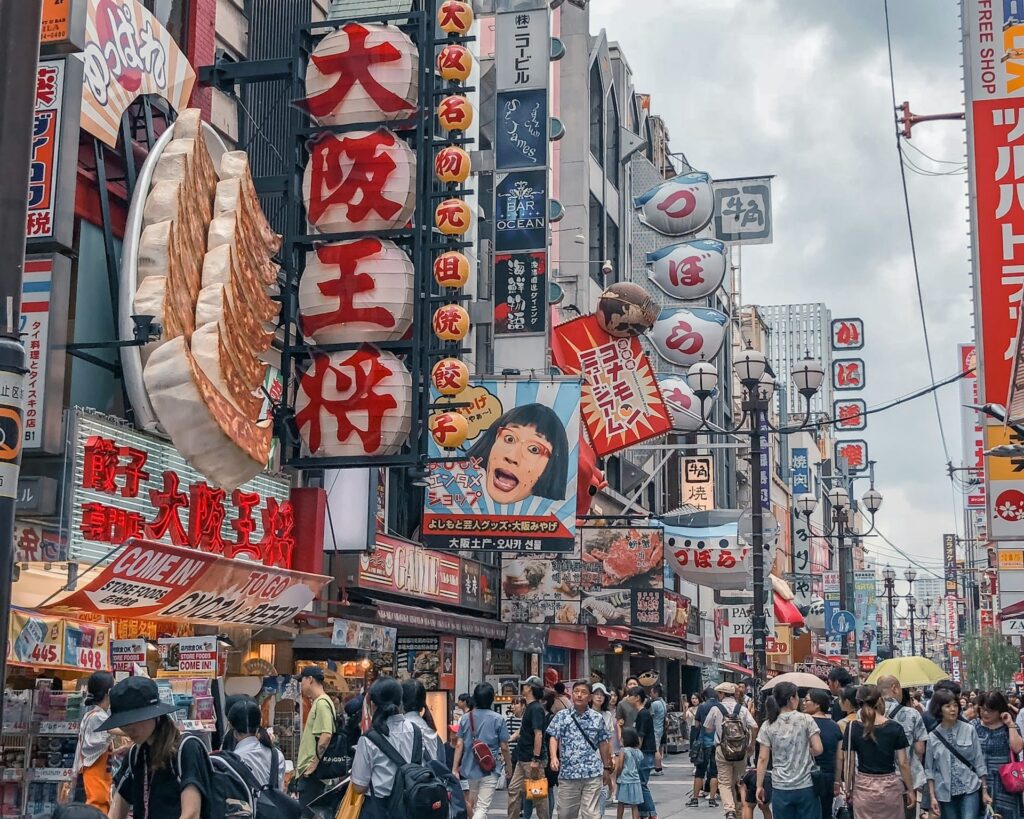
If you decide to skip Kuromon Market, Osaka has several better options depending on what you actually want: local market atmosphere, cheaper street food, retro nightlife, or a neighborhood shopping arcade.
| Spot | Vibe | Price Level | Best For | Timing Notes |
|---|---|---|---|---|
| Kuromon Market | Tourist-focused, convenient, crowded | Moderate to high | One-stop sampling, English-friendly ordering | Best as a daytime stop; hours vary by shop |
| Kizu Market | Wholesale, local, practical | Standard to local | Early-morning seafood and market atmosphere | Many shops are best visited in the morning; closed Sundays, public holidays, New Year holidays, and some irregular Wednesdays |
| Dotonbori | Neon-lit, loud, iconic | Budget to moderate | Takoyaki, okonomiyaki, night food, first-time Osaka energy | Better than Kuromon for evening food |
| Shinsekai | Retro, casual, nostalgic | Budget to moderate | Kushikatsu, beer, casual dinners, old Osaka atmosphere | Good for lunch or dinner |
| Tenjinbashisuji | Local shopping street, everyday Osaka | Low to moderate | Budget snacks, local shops, rainy-day wandering | Hours vary by shop |
Kizu Market: Best for a More Local Morning Market
Kizu Market is the best alternative if you want a more practical, local-feeling market. Located near Daikokucho Station, it is a wholesale market where restaurants and professionals buy seafood, produce, and other ingredients.
It requires more planning than Kuromon. Shops operate early, many wind down by late morning, and public-facing hours vary. A practical visitor window is usually the morning, especially if you want the market to feel active.
Kizu Market is generally closed on Sundays, national holidays, New Year holidays, and some irregular Wednesdays, so always check the official calendar before going. If you visit on the wrong day, the market may be quiet or closed.
The Kizu Morning Market is usually held on the second and last Saturday of each month from 9:00 AM to noon, but event schedules can change. If that experience is important to you, confirm the date before building your itinerary around it.
Best for: Early risers, seafood lovers, repeat visitors to Osaka, and travelers who care more about market atmosphere than Instagram-friendly snacks.
Dotonbori: Best for Classic Osaka Street Food at Night
If you simply want the fun of eating your way through Osaka, Dotonbori may be a better choice than Kuromon. It is touristy too, but the food is more naturally suited to casual snacking: takoyaki, okonomiyaki, kushikatsu, gyoza, ramen, and sweets.
Dotonbori also works much better at night. Kuromon is mainly a daytime destination, while Dotonbori becomes more atmospheric after dark when the neon signs turn on and the streets fill with energy.
For a deeper food plan, see our Osaka street food guide to Dotonbori and our guide to Namba nightlife and izakaya areas.
If you would rather skip Kuromon and use your evening for classic Osaka food, compare current Dotonbori and Shinsekai food tour details before finalizing your plan.
Shinsekai: Best for Retro Osaka and Kushikatsu
Shinsekai is a better choice if you want a casual, retro food neighborhood with lower-pressure prices. The area around Tsutenkaku Tower is famous for kushikatsu, deep-fried skewers usually eaten with drinks in relaxed restaurants.
Compared with Kuromon, Shinsekai feels less like a premium snack arcade and more like an old-school Osaka food area. It is still popular with tourists, but it has a grittier, more nostalgic feel.
Best for: Dinner, casual drinking, kushikatsu, budget-friendly group meals, and travelers who want a different side of Osaka.
Tenjinbashisuji: Best for Local Shopping Street Wandering
Tenjinbashisuji Shopping Street is often described as Japan’s longest shopping street, stretching about 2.6 kilometers through a covered arcade. It is not a seafood market like Kuromon or Kizu, but it is excellent for seeing everyday Osaka life.
You will find casual restaurants, snack shops, groceries, clothing, home goods, cafes, and local businesses. Prices are generally more relaxed than in the most tourist-heavy zones, and the covered arcade makes it useful on a rainy day.
Best for: Budget travelers, rainy days, local shopping, casual snacks, and visitors who have already seen Dotonbori.
Practical Tips for Visiting Kuromon Market
Best Time to Visit
Kuromon Market is best treated as a daytime food stop. Individual shop hours vary, but many market-style food stalls are most useful from late morning through early afternoon rather than dinner time.
Aim for around 10:00 AM to 11:30 AM if you want a balance of open stalls and manageable crowds. Lunchtime can feel much more congested, especially on weekends and busy travel seasons.
Do not plan Kuromon as a dinner destination. Some individual shops may operate later, but many market-style food stalls are most useful during the day, and hours vary by shop.
How to Get There
- From Nipponbashi Station: Use Osaka Metro or Kintetsu Nipponbashi. The market is a short walk from Exit 10, usually around 4 to 5 minutes depending on your pace and exact entrance.
- From Namba or Dotonbori: Walk east toward Nipponbashi. For most travelers, it takes about 5 to 10 minutes from the main Dotonbori/Namba area depending on your starting point.
- From other Osaka areas: Aim for Nipponbashi Station if you want the simplest access.
Cash or Card?
Bring cash as a backup. Some larger or more tourist-focused shops accept cards, QR payments, or other cashless options, but smaller vendors may still prefer Japanese yen. A quick ATM stop before you arrive can save frustration.
How Much Time to Budget
For a simple walk-through and one or two snacks, budget around 45 to 90 minutes. If you want to compare stalls, eat several items, take photos, and browse slowly, allow closer to 1.5 to 2 hours.
Eating Etiquette and Trash
Kuromon is busy, so do not stop in the middle of the arcade to eat, take photos, or check your phone. Move to the side, use the stall’s designated eating area when available, and keep the walkway clear.
Dispose of trash properly. Use public or designated trash bins when available, and follow each shop’s instructions for food waste, trays, skewers, and packaging. Do not use private residential bins or vending-machine bins for food trash.
Strollers and Families
Kuromon is possible with children, but the main aisle can be crowded. If you are visiting with a stroller, go on a weekday morning before the lunch rush if possible. For babies or toddlers, a baby carrier may be easier than pushing a stroller through the busiest sections.
Frequently Asked Questions
Is Kuromon Market a tourist trap?
For budget-conscious travelers, it can feel like one. Prices for premium seafood and beef are often high, and many stalls clearly target visitors. But it is not a scam. You are paying for convenience, variety, and an easy food experience in central Osaka.
Is Kuromon Market still worth visiting?
Yes, if you manage expectations. It is worth visiting for a short walk, one or two snacks, and the convenience of seeing many foods in one place. It is less worth it if you expect local prices or a quiet traditional market.
How far is Kuromon Market from Dotonbori?
Kuromon Market is close to Dotonbori and Namba. Most travelers can walk between the areas in about 5 to 10 minutes, depending on the exact starting point.
What time should I visit Kuromon Market?
Late morning is usually best. Around 10:00 AM to 11:30 AM is a good target because many stalls are open, but the market may be less crowded than peak lunchtime. Hours vary by shop, so do not leave it too late in the day.
Can I go to Kuromon Market for dinner?
Kuromon is not ideal for dinner. Some individual shops may stay open later, but the market is most useful as a daytime food stop. For evening food, Dotonbori, Shinsekai, Namba, or izakaya areas are better choices.
Do I need cash at Kuromon Market?
Cash is strongly recommended. Some shops accept cards or cashless payments, but not all do. Bring Japanese yen so you do not have to skip a stall you want to try.
Is Kuromon Market vegetarian or vegan-friendly?
Not very. The market is heavily focused on seafood, meat, eggs, and grilled foods. You may find fruit, corn, sweets, or simple snacks, but fully vegetarian or vegan meals are limited and not always clearly marked.
Is Kizu Market better than Kuromon Market?
Kizu Market is better if you want a more local wholesale-market atmosphere and are willing to visit early. Kuromon is better if you want convenience, English-friendly signs, and easy ready-to-eat snacks in central Osaka.
Final Verdict: Should You Visit Kuromon Market?
Kuromon Market is not bad. It is simply a very specific kind of Osaka food experience.
- Visit Kuromon if: You have limited time, a flexible budget, and want an easy place to sample famous Japanese foods without much planning.
- Skip Kuromon if: You are traveling on a tight budget, want local market prices, or prefer relaxed sit-down meals.
- For first-time visitors: Kuromon is fine as a short stop, especially if you are already near Namba or Dotonbori.
- For foodies on a budget: Wake up early and try Kizu Market instead, but check the calendar first.
- For evening food: Choose Dotonbori or Shinsekai rather than Kuromon.
- For families: Kuromon can work with older children, but visit before the lunch rush if you have a stroller.
If you go in expecting a convenient tourist-friendly food arcade, Kuromon Market can be enjoyable. If you go expecting the cheapest or most authentic food experience in Osaka, it will probably disappoint you.
Still unsure? Check current Kuromon food tour options, tastings, meeting details, and reviews before deciding whether a guided visit is worth adding to your Osaka plan.
Prices, opening hours, market holidays, transport details, payment methods, tour inclusions, meeting points, cancellation rules, and booking conditions can change. Always check official sources and your selected booking page before finalizing your trip.

Hi, I’m Kai. I’m a Tokyo-based travel writer, tourism industry insider, and the author of a published guidebook for international visitors to Japan. With over 10 years of professional experience at a leading Japanese tourism company, my mission is to help you skip the tourist traps and navigate Japan’s best destinations like a local. I believe the perfect day trip is like a traditional kaiseki meal: a beautiful balance of precise planning and unforgettable seasonal discovery. When I’m not out conducting field research, you’ll usually find me drafting new itineraries with one of my favorite fountain pens!