
If you are planning to snorkel in Okinawa, you may be wondering: are Okinawa sea snakes dangerous? The honest answer is yes—sea snakes are venomous—but they are not usually the main danger for snorkelers who keep their distance and do not touch them.
The bigger practical risks in Okinawa’s water are box jellyfish, stonefish, strong currents, shallow reef injuries, sun exposure, and poor site choice. This guide separates fear from fact, explains what to do if you see a sea snake, and helps you decide whether a managed beach or guided boat tour is the safer fit for your trip.
Author note: I’m Kai Tanaka, a Tokyo-based travel writer focused on practical Japan travel planning. For this guide, I treat “dangerous” as a planning question: what should you avoid, where should you swim, and when is it smarter to book help instead of guessing from the beach?
Is the Okinawa Sea Snake Dangerous for Snorkelers?
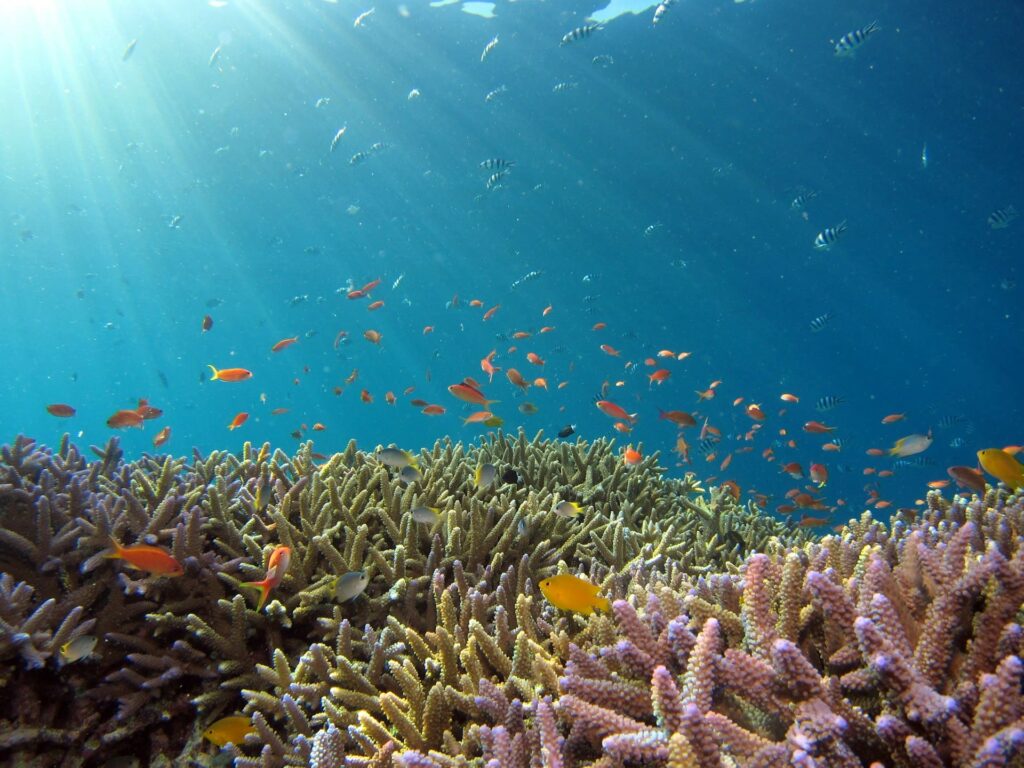
Quick answer: Okinawa sea snakes are highly venomous, but the risk to snorkelers is very low if you leave them alone. They do not hunt people, and dangerous bites are most likely when someone handles, grabs, steps on, corners, or provokes them.
For most visitors, the better question is not only “Are sea snakes dangerous?” but “What should I actually protect myself from while snorkeling in Okinawa?”
- Sea snakes: Venomous, but usually shy and non-aggressive if left alone.
- Box jellyfish (Habu Kurage): A major warm-season hazard. In 2025, box jellyfish accounted for 81 out of 199 reported marine-life injury cases in Okinawa Prefecture.
- Stonefish: Extremely well-camouflaged in shallow rocky areas. Their venomous spines can cause severe pain.
- Currents and weather: Often underestimated, especially outside managed swimming areas. Rough conditions can become dangerous even when the water looks beautiful from shore.
- Best safety choices: Swim inside a managed beach area with a jellyfish net, wear protective gear, check conditions, or join an organized tour where staff manage the site choice.
If anyone is bitten, stung badly, struggling to breathe, losing consciousness, or unable to leave the water safely, call for help immediately. In Japan, 118 connects to the Coast Guard for marine emergencies, and 119 is for ambulance and fire services.
What You Should Actually Watch For in Okinawa’s Water
Sea snakes get attention because they look frightening, but several less obvious hazards are more relevant to ordinary beachgoers and snorkelers. Pay special attention to these before entering the water.
Watch for Box Jellyfish During the Warm Months
The Okinawa box jellyfish, called Habu Kurage, is one of the most important marine hazards for summer visitors. It has a transparent body, is difficult to see, and may appear even in shallow water near the shore.
The official warning period issued by the Okinawa Prefectural Government runs from June 1 to September 30, 2026. During this season, a managed beach with a jellyfish net is usually a much safer choice than an unmanaged natural beach.
According to Okinawa Prefecture data, box jellyfish caused 81 of the 199 marine-life injury cases reported in 2025—roughly 40% of all incidents. While most stings are not life-threatening, severe reactions can occur, especially in children or if a large area of skin is affected.
If you are stung by a suspected box jellyfish, leave the water calmly and get help. Do not rub the area or rinse it with fresh water. For Habu Kurage stings, local safety guidance recommends pouring vinegar generously over the tentacles, removing them carefully with tweezers or a cloth, cooling the area with ice or cold water, and seeking medical attention.
Kai’s tip: The mistake I see travelers make is choosing the prettiest-looking beach first and checking the safety setup second. In Okinawa, I would reverse that order in summer: first look for a managed swimming area, jellyfish net, lifeguard or beach staff, and posted warnings. The less information you can find at the beach, the more conservative your decision should be.
Watch for Stonefish in Shallow Rocky Water
The stonefish, known in Japanese as Onidaruma Okoze, is dangerous because it is so easy to miss. It can look like a rock, coral, or algae-covered lump in shallow water—exactly where people tend to walk before swimming.
Its venomous dorsal spines can cause extreme pain and may pierce thin footwear. Thick-soled marine shoes reduce the risk, but they are not a guarantee. The safest approach is to avoid stepping on rocks, coral, or unclear patches of seabed whenever possible. This is especially important at natural beaches, reef flats, and rocky entries.
If someone steps on a suspected stonefish, leave the water, remove visible spines only if it is safe to do so, and seek urgent medical help. Local guidance commonly recommends warming the affected area in hot water around 40–45°C (104–113°F) to help with venom-related pain, but do not delay professional care.
Watch for Currents, Low Tide, and Changing Weather
Marine life is not the only reason to be cautious. Strong winds, waves, poor visibility, rip currents, low tide, and fatigue can turn a pleasant snorkel into a dangerous situation, even when the water looks calm from the beach.
Before entering the water, check local beach signs, lifeguard instructions, tide timing, and weather conditions. If you are still planning your trip, understanding the best time to visit Okinawa can help you avoid periods with a higher risk of rough seas. If the beach is unmanaged, there is no jellyfish net, or the water looks rough, choose another location or join an organized tour instead.
Kai’s tip: What catches people out in Okinawa is that “sunny” does not always mean “safe for snorkeling.” Wind direction, tide, and local currents matter more than the color of the sky. I always tell readers to make the ocean plan flexible, especially if they are also trying to visit outer islands where boats can be affected by sea conditions.
If your itinerary depends on ferries or boat trips, read my Okinawa ferry cancellation guide before locking in your final day. It explains why I usually avoid putting important island transfers or marine activities too close to an international flight.
What Kind of Sea Snakes Live in Okinawa?
Okinawa’s waters are home to several sea snake and sea krait species. One of the most recognized is the black-banded sea krait (Laticauda semifasciata), also known in Japan as erabu umihebi. It has distinctive black-and-white bands and a flattened tail for swimming.
Its venom is potent, but that does not mean ordinary snorkelers should panic when they see one. Sea snakes and sea kraits spend much of their time hunting around reefs, surfacing to breathe, and moving between reef areas. They are not looking for people as prey.
During the warmer months, you may see them more often as marine life becomes more active. Seeing one does not mean you are in danger—most encounters end with the snake swimming away on its own.
How Should You React If You See a Sea Snake?
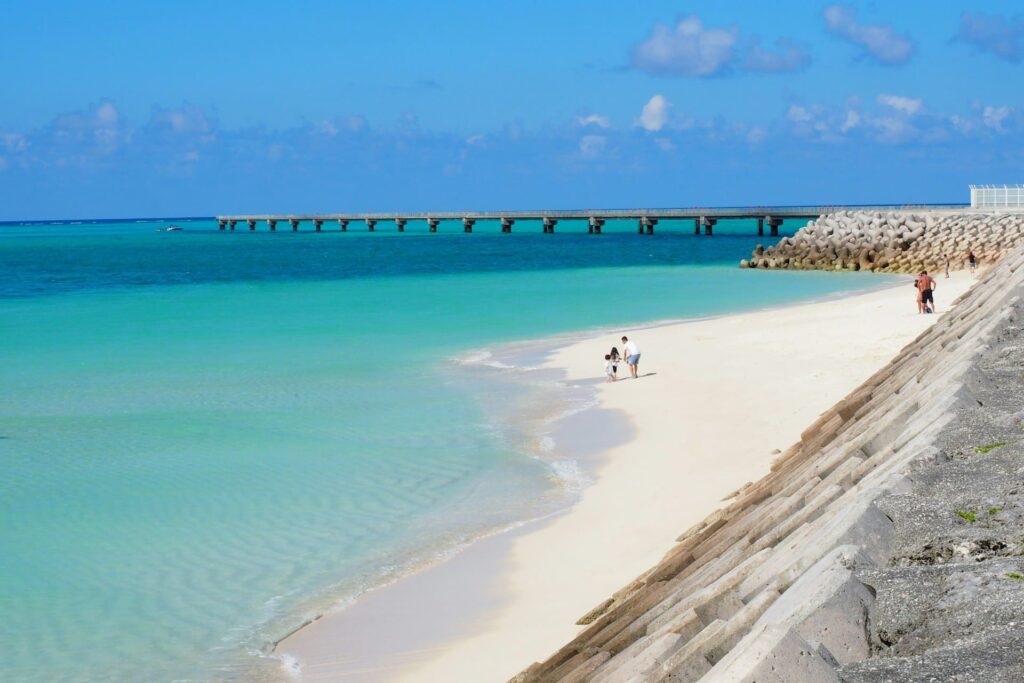
Seeing a sea snake while snorkeling can be unsettling, but the safest response is simple: stay calm, give it space, and do not interact with it.
Stay Calm and Let It Pass
Sea snakes sometimes swim close to divers or snorkelers, but that does not mean they are attacking. They may be surfacing for air, moving between reef areas, or simply investigating their surroundings.
Stop swimming toward it, keep your hands close to your body, and allow it to move away. Avoid sudden splashing or blocking its path.
Never Touch, Chase, or Handle It
The main rule is easy to remember: look, but do not touch. Do not try to pick up a sea snake, pose with it, push it away, or follow it for a closer photo.
Nearly all dangerous encounters happen when people interfere with wildlife. If you leave the sea snake alone, the chance of a bite is extremely low.
Leave the Water If You Feel Unsafe
You do not need to panic, but you also do not need to prove anything. If a sea snake encounter makes you uncomfortable, slowly return to shore or to the boat while keeping your distance.
If a bite occurs, treat it as a medical emergency. Exit the water, keep movement to a minimum, and call for professional help immediately.
5 Common Mistakes Snorkelers Make in Okinawa
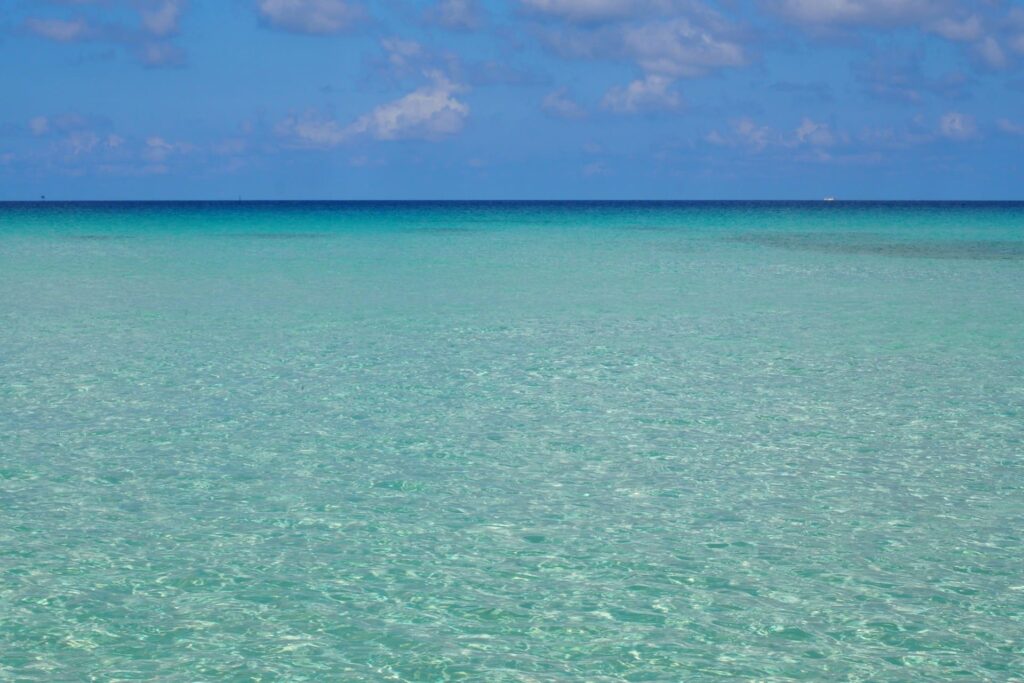
Even experienced snorkelers can make errors in unfamiliar waters. Here are five mistakes that turn a fun day into a stressful one—and how to avoid them.
- Walking barefoot in shallow water. Coral, rocks, and stonefish are hard to spot. Always wear thick-soled marine shoes, even if the beach looks sandy.
- Snorkeling alone. Currents, cramps, or a simple loss of orientation can become serious without a buddy. Always snorkel with at least one other person.
- Ignoring local warning signs. Red flags, jellyfish warnings, and no-swimming signs exist for a reason. If locals are not in the water, ask why before entering.
- Reaching out to touch marine life. Sea turtles, sea snakes, and colorful fish are tempting to approach, but even a harmless-looking creature may bite, sting, or be protected by law.
- Underestimating the sun and fatigue. Okinawa’s subtropical sun burns quickly through the water. Combine that with hours of swimming, and you may feel exhausted before you realize it. Take breaks, drink water, and get out before you are worn out.
Kai’s tip: If I had one day for snorkeling in Okinawa, I would not spend it trying to “discover” a wild beach from social media. I would choose a place where the entry, exit, tide, and safety support are obvious. A beautiful photo is not the same thing as a safe swimming plan.
How Can You Snorkel More Safely in Okinawa?
You do not need to cancel your Okinawa beach plans because of sea snakes. A safer snorkeling plan is mostly about choosing the right location, wearing the right gear, and avoiding risky conditions.
Choose Netted or Lifeguarded Beaches
For families, beginners, and nervous swimmers, a managed beach is often the easiest choice. Popular options include Emerald Beach at Ocean Expo Park, Mibaru Beach in Nanjo, and Sunset Beach in Chatan. Before entering, confirm the current beach rules, swimming area, jellyfish net status, lifeguard hours, and local warnings because these details can change by season and weather.
A natural beach may feel more adventurous, but it usually has fewer protections. If there is no jellyfish net, no lifeguard, no posted safety information, and no one else in the water, think carefully before entering.
Wear Protective Swimwear and Marine Shoes
A long-sleeved rash guard, swimming leggings, or a lightweight wetsuit reduces exposed skin and helps protect against jellyfish tentacles, sunburn, and minor reef scrapes.
For your feet, use thick-soled marine shoes rather than flip-flops. They are especially important on rocky beaches, reef flats, and shallow areas where stonefish or sharp coral may be present. If you have not bought them yet, many shops in Okinawa sell them near popular beach areas, but it is better to arrive prepared.
Use a Life Jacket or Snorkeling Vest
A life jacket or snorkeling vest is strongly recommended, especially for beginners, children, and anyone who is not a confident swimmer. Okinawa’s water can look calm from above, but currents and fatigue can become serious quickly.
Never snorkel alone. Stay close to your group, agree on a return point, and get out of the water before you become tired.
If you are basing yourself in Naha without renting a vehicle, my Okinawa without a car itinerary guide can help you decide whether a guided pickup tour, bus-based beach day, or ferry day trip makes the most sense.
Beach vs. Guided Boat Tour: Which Is Safer for You?
The safest option depends on your confidence, the season, the beach conditions, and how much gear you are willing to prepare. Once you know where to find the best snorkeling spots, use this comparison to decide whether a DIY beach day or a guided tour fits your trip.
| Decision Point | DIY Beach Snorkeling | Guided Boat Tour |
|---|---|---|
| Walking through shallow rocky water | Often required, especially at natural beaches and reef flats. | Usually reduced because you enter from the boat, depending on the tour and site. |
| Box jellyfish protection | Better at managed beaches with nets; higher risk at unmanaged beaches in warm months. | Guides can choose sites based on conditions, but protection still depends on season, gear, and local conditions. |
| Stonefish risk | Higher if you walk through shallow rocky areas or cannot see the seabed clearly. | Usually much lower if you avoid walking through shallow reef areas. |
| Gear preparation | You need your own marine shoes, rash guard, snorkeling vest, mask, and fins. | Many tours provide core snorkeling gear, but confirm inclusions before booking. |
| Weather and sea condition checks | You are responsible for checking warnings, tides, wind, waves, and currents. | Guides monitor conditions and may change, delay, or cancel the plan if the sea is unsafe. |
| Best for | Confident swimmers, repeat visitors, and travelers who know how to assess beach conditions. | Beginners, anxious snorkelers, families, solo travelers, and visitors who want support in the water. |
My Recommendation for First-Time Okinawa Snorkelers
If you are reading this because sea snakes, jellyfish, currents, or unknown beach conditions make you nervous, I would not make your first Okinawa snorkel a DIY wild-beach experiment. I would choose either a managed beach with a net or a guided Kerama Islands boat tour from Naha.
Why I’d book this one:
- Site choice is handled for you. The Full-Day Kerama Islands Snorkeling Tour from Naha visits the Kerama area by boat, so you are not guessing from a random shoreline or walking across shallow reef flats alone.
- It reduces the gear problem. The booking page lists snorkeling equipment, towels, tea, insurance, hot shower access, and other onboard facilities, but inclusions can change, so confirm the latest details before reserving.
- Reviews match the safety concerns in this article. Recent reviewers consistently mention clear instructions, kind staff, beautiful water, and wildlife such as turtles, fish, and sometimes sea snakes. A few also note choppy boat conditions, seasickness, or sunburn, which is exactly why I would bring sun protection and consider motion-sickness planning.
| Option | Best For | What to Confirm |
|---|---|---|
| Full-Day Kerama Islands Snorkeling Tour from Naha | First-time Okinawa snorkelers, solo travelers, nervous swimmers, and visitors without gear. | Availability, pickup point, current price, included gear, lunch arrangement, age/health limits, and weather policy. |
| Managed beach with jellyfish net | Families, casual swimmers, and travelers who want a shorter, lower-commitment beach day. | Swimming season, net status, lifeguard hours, parking or bus access, tide, and local warnings. |
Frequently Asked Questions
Are sea snakes in Okinawa aggressive?
No. Okinawa sea snakes are venomous, but they are generally not aggressive toward snorkelers or swimmers. The risk is much higher if someone tries to touch, grab, chase, or handle one. If you see a sea snake, stay calm and give it space.
What kind of sea snakes are found in Okinawa?
One of the best-known species is the black-banded sea krait (Laticauda semifasciata), also called erabu umihebi in Japan. It has distinctive black-and-white bands and a flattened tail for swimming. It is venomous, but bites to ordinary snorkelers are rare when the animal is left alone.
What should I do if a sea snake swims near me?
Stop swimming toward it, keep your hands close to your body, and let it pass. Do not splash, corner it, or try to push it away. If you feel uncomfortable, slowly return to shore or to the boat while keeping your distance.
What should I do if a sea snake bites someone?
Treat any sea snake bite as a medical emergency. Leave the water immediately, keep the person as still as possible, and call for professional help. In Japan, call 118 for marine emergencies or 119 for ambulance services.
What is the box jellyfish season in Okinawa?
Box jellyfish are most commonly a concern during the warmer months. As of the 2026 Okinawa Prefecture advisory, the official warning period runs from June 1 to September 30. During this period, managed beaches with jellyfish nets and protective swimwear are the safer choices.
Should I pour vinegar on every jellyfish sting?
No. Vinegar is commonly recommended in Okinawa for suspected Habu Kurage box jellyfish stings, but first aid differs depending on the marine animal. Do not rub the area or rinse with fresh water. Leave the water, follow local beach guidance, and seek medical help if symptoms are severe, widespread, or involve breathing problems.
Do I really need marine shoes in Okinawa?
Yes, especially at natural beaches, rocky shores, and reef flats. Thick-soled marine shoes reduce the risk of cuts, coral injuries, and stepping on hidden marine life such as stonefish. They are not a perfect shield, so you should still avoid stepping on rocks, coral, or unclear patches of seabed whenever possible.
What should I pack for a safe snorkeling day in Okinawa?
Bring thick-soled marine shoes, a long-sleeved rash guard or wetsuit, a snorkeling vest or life jacket, reef-safe sunscreen, plenty of drinking water, a towel, and a dry bag for valuables. If you are joining a guided tour, ask which items are provided and which you should bring yourself.
When is the best time for safer snorkeling in Okinawa?
There is no guaranteed safe month, but many visitors find spring to early summer and autumn more comfortable than peak typhoon or peak jellyfish season. July and August are popular for swimming but require extra caution with jellyfish nets, protective gear, hydration, and sun exposure. Always check the current forecast and local sea conditions before entering the water.
Are guided boat tours safer than beach snorkeling?
They can be safer for many visitors because you often avoid walking through shallow rocky areas, receive gear and safety instructions, and snorkel at sites chosen according to the day’s conditions. However, tours can still be affected by weather, waves, currents, seasickness, and personal swimming ability.
Is Okinawa snorkeling safe for children?
It can be, but choose carefully. For children, a managed beach with a jellyfish net, lifeguards, calm water, protective swimwear, and a life jacket is usually better than an unmanaged natural beach. A beginner-friendly guided tour may also be suitable if the tour accepts children and provides proper flotation support.
Can I snorkel at a wild beach in Okinawa?
You can, but it requires more caution. Wild beaches often have no jellyfish net, no lifeguards, no warning signs, and limited emergency support. Check weather, tide, currents, entry points, and your own swimming ability before entering. If anything feels uncertain, choose a managed beach or guided tour instead.
What is the safest simple rule for Okinawa snorkeling?
Do not touch marine life, do not walk barefoot, do not snorkel alone, and do not enter rough or unfamiliar water. For most visitors, the safest plan is to swim inside a managed beach area or join an organized snorkeling tour.
Final Verdict: Is Okinawa Safe for Snorkeling?
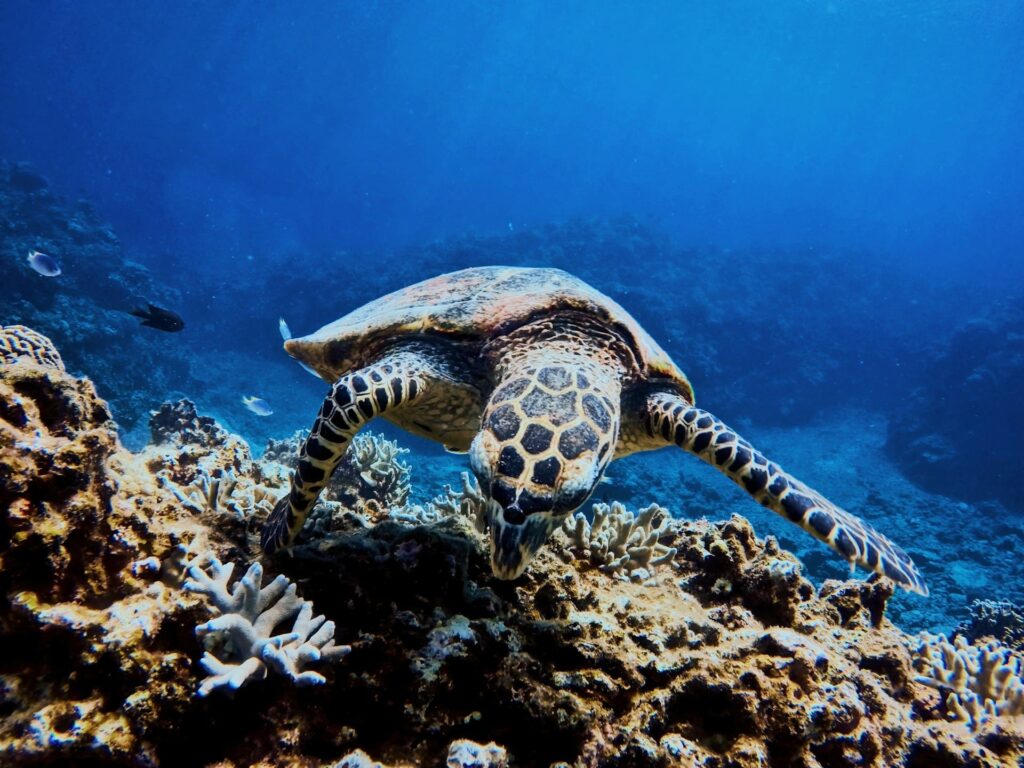
Yes, Okinawa can be safe for snorkeling if you choose the right conditions and do not treat the ocean like a swimming pool. To answer the question “Are Okinawa sea snakes dangerous?”—they are venomous, but they are unlikely to bite if you leave them alone. The real safety decisions involve jellyfish season, footwear, currents, and choosing the right beach or tour.
Choose a managed beach if… you are with children, prefer a controlled environment, and want to stay inside a jellyfish net with lifeguards nearby. Beaches such as Emerald Beach, Mibaru Beach, or Sunset Beach can be good candidates, but always confirm the current swimming rules, season, and safety setup before entering.
Choose a guided boat tour if… you are a beginner, nervous about marine life, short on gear, staying in Naha without a car, or traveling without experienced snorkelers. Guides handle the route, equipment, and safety briefing, so you can focus on enjoying the water instead of interpreting every beach condition yourself.
Skip snorkeling altogether if… the water is rough, the beach has no safety signs, no net, no lifeguard, and you are unsure about your swimming ability. Okinawa has plenty of other ways to enjoy the ocean, including glass-bottom boat rides, coastal viewpoints, and beachfront cafés. For short trips, this 3-day Okinawa itinerary without a car can help you keep a backup plan ready.
Best Safer Choice for First-Time Visitors from Naha
For cautious first-time visitors, solo travelers, and anyone worried about sea snakes, jellyfish, stonefish, or choosing the wrong beach, my practical pick is the Full-Day Kerama Islands Snorkeling Tour from Naha. It is not risk-free—no ocean activity is—but it removes several common DIY problems: unknown entry points, missing gear, lack of briefing, and having to judge sea conditions alone.
Why I’d book this one:
- It fits the exact safety problem in this guide. You are not booking it because sea snakes are hunting people; you are booking it because Okinawa’s real risks are site choice, currents, gear, and knowing when not to enter.
- The review pattern is reassuring but not unrealistic. Travelers repeatedly praise the staff, instructions, water clarity, and wildlife, while also mentioning practical cautions like choppy boat rides, sunburn, and seasickness.
- It is easy to verify before paying. The booking page lets you check the latest availability, start time, pickup details, current price, included gear, restrictions, and cancellation policy instead of relying on outdated blog details.
Before booking, confirm the meeting point or pickup area, what gear is included, whether lunch is included or must be ordered, age and health requirements, swimming support, seasickness guidance, and the weather cancellation policy, as these details can change.

Hi, I’m Kai. I’m a Tokyo-based travel writer, tourism industry insider, and the author of a published guidebook for international visitors to Japan. With over 10 years of professional experience at a leading Japanese tourism company, my mission is to help you skip the tourist traps and navigate Japan’s best destinations like a local. I believe the perfect day trip is like a traditional kaiseki meal: a beautiful balance of precise planning and unforgettable seasonal discovery. When I’m not out conducting field research, you’ll usually find me drafting new itineraries with one of my favorite fountain pens!