
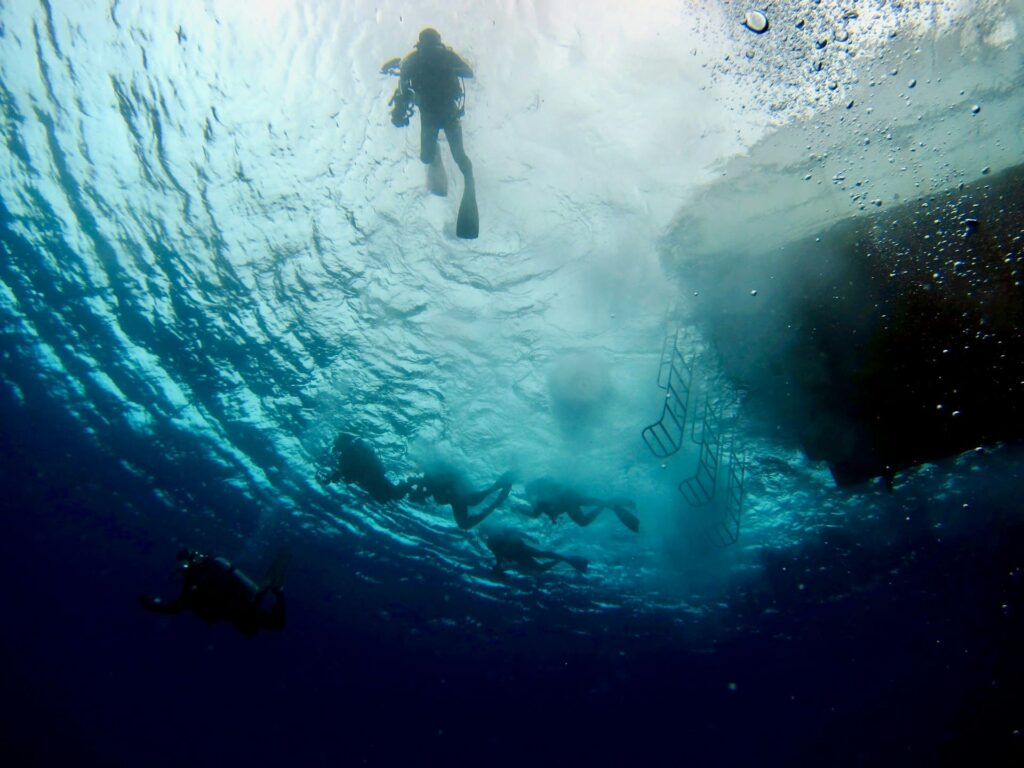
Okinawa has some of Japan’s clearest water, but the best snorkeling spot depends entirely on your travel style. The right choice is different if you want an easy DIY reef, a famous cave experience, a better chance of seeing sea turtles, or the clearest water possible near Okinawa Main Island.
This guide compares the four most practical snorkeling options around Okinawa Main Island and the Kerama Islands: the Blue Cave at Cape Maeda, Sunabe Seawall, Gorilla Chop, and the Kerama Islands. If your trip is centered on Ishigaki or Miyako, those islands deserve a separate guide because the logistics and best reefs are different.
Quick Answer: The Best Okinawa Snorkeling Spot by Travel Style
If you are choosing between Okinawa’s best snorkeling spots, start here:
| Spot | Best For | Access | Tour Needed? | Cost Style | Main Risk |
|---|---|---|---|---|---|
| Blue Cave | First-timers who want Okinawa’s most famous snorkeling experience | Cape Maeda, Onna Village | Strongly recommended | Usually a lower-cost half-day tour; check live pricing | Crowds, parking, slippery stairs, and sea-condition closures |
| Sunabe Seawall | DIY travelers staying near Chatan or American Village | Shore entry from the seawall | No, if conditions are calm and you have your own gear | Low-cost DIY; gear rental prices vary by shop | Waves, tide level, rocky entry, and limited parking after morning |
| Gorilla Chop | Beginners, families, and winter or shoulder-season snorkelers | Beach entry in Motobu | No, if conditions are calm — but bring your own gear | Low-cost DIY; bring gear or rent before arrival | Weekend crowds and changing local facility conditions |
| Kerama Islands | Clear-water seekers and travelers hoping to see sea turtles | Boat tour or ferry from Naha | Recommended for most short trips | Higher than DIY, but usually includes boat access, gear, and guide support | Weather cancellations and ferry or boat schedule changes |
Bottom line: Choose the Kerama Islands if snorkeling quality matters more than convenience. Choose the Blue Cave if you want the iconic Okinawa cave experience and can book an early guided tour. Choose Sunabe Seawall or Gorilla Chop if you want a flexible DIY snorkel from shore.
If I had to choose only one paid snorkeling experience from Naha, I would put the Kerama Islands first. The day takes more commitment than the Blue Cave, but the boat access, clearer water, and guide support make it the stronger choice for travelers who came to Okinawa mainly for the ocean.
Weather matters in Okinawa. Even famous spots can become unsafe or inaccessible when wind, waves, tides, or visibility change. Always check local conditions on the day, avoid snorkeling alone, and do not enter the water if the sea looks rough.
How to Choose Your Okinawa Snorkeling Spot
If you are still unsure after the comparison table, use these quick filters:
- You only have a half-day and want the most famous spot → Blue Cave with an early morning guided tour.
- You have one full day from Naha and want the best water → Kerama Islands by boat tour.
- You have your own gear and want flexibility → Sunabe Seawall if you are near Chatan, or Gorilla Chop if you are heading north.
- Water clarity is your top priority → Kerama Islands. The main island reefs are good, but Kerama blue is in a different league.
- You are traveling with young children or nervous beginners → Gorilla Chop on a calm day, or a guided Kerama boat tour with flotation support.
- You are visiting between May and October → Box jellyfish are more active during this period. Wear a rash guard or full-body swimsuit regardless of where you snorkel.
- Your schedule is tight or weather looks unstable → Stick to a main island shore spot, where you can adjust plans more easily than a Kerama boat trip.
Kai’s tip: The mistake I see travelers make is choosing a snorkeling spot only by the photo. In Okinawa, the better question is: “Can I get in and out safely today?” Before you decide, check wind direction, wave height, tide, and how you will get back to your hotel if the session runs late or gets canceled.
Blue Cave (Cape Maeda): Best for First-Timers Who Book Early
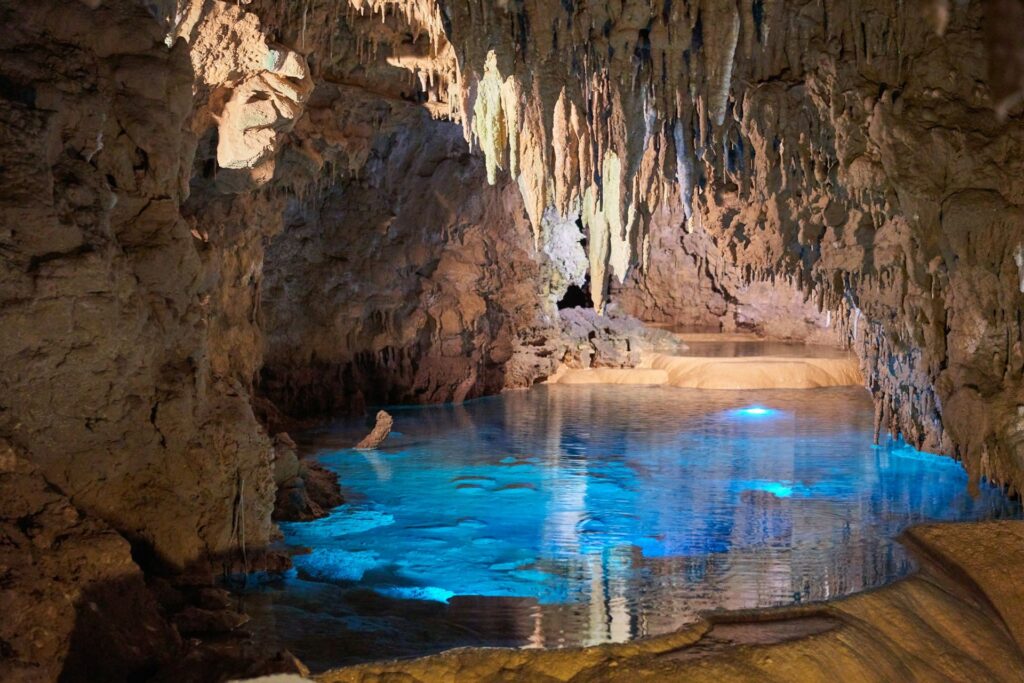
The Blue Cave in Onna Village is Okinawa’s most famous snorkeling and diving destination. Sunlight reflects off the pale limestone bottom and fills the cave with a glowing blue color, which is why it appears in so many Okinawa travel photos.
The Blue Cave can be worth it, but only with the right expectations. It is not a quiet hidden cave during peak travel periods. In summer, on weekends, and around midday, it can feel crowded, with groups waiting in the water to enter the cave.
Blue Cave Crowds and Weather Reality
The biggest mistake is treating the Blue Cave like an easy beach snorkel. The usual shore-entry route at Cape Maeda involves parking, stairs, rocks, and changing sea conditions. When the stairs are closed because of rough water, shore entry is not available. Even when the area is open, the rocks can be slippery and the water can become busy quickly.
For most first-time visitors, the Blue Cave is best with an early morning guided tour. A guide can provide gear, check conditions, manage timing, and help you avoid the most stressful parts of the experience. Booking a tour is also the easiest way to visit the Blue Cave without a rental car. Some tours also use a boat approach, which can reduce the need to deal with the cliffside stairs.
Kai’s tip: What catches people out at Cape Maeda is not the swimming itself — it is the access. Parking, stairs, wet rock, and other groups can all add friction before you even put your face in the water. If you are nervous, do not try to “save money” by making the Blue Cave your first DIY snorkel in Japan.
Blue Cave Price & Practical Info
| Item | Details |
|---|---|
| Group snorkeling tour | Often one of the more affordable guided snorkeling options in Okinawa. Exact prices, start times, inclusions, and cancellation rules change, so check the booking page before you commit. |
| Private snorkeling tour | Usually costs more than a group tour but can be better for families, nervous beginners, or travelers who want a slower pace. Confirm current pricing and inclusions before booking. |
| Parking at Cape Maeda | Paid parking is usually available, but spaces and rates can change. Confirm locally on arrival and avoid relying on midday parking during peak season. |
| Showers | Coin-operated showers may be available. Bring coins and a towel, and check current facility signs on arrival. |
| Lockers | Coin lockers may be available for small items. Do not bring valuables you cannot secure. |
| On-site facilities | Facilities can include changing areas, restrooms, vending machines, food options, and a building area, but opening status can vary by season or local maintenance. |
Blue Cave Guided Tour vs. DIY Snorkeling
| Option | Best For | Pros | Cons |
|---|---|---|---|
| Guided tour | First-timers, families, and travelers without gear | Gear, safety support, timing help, and less planning stress | Costs more than DIY and still depends on sea conditions |
| DIY shore entry | Confident snorkelers with their own gear and local-condition awareness | Flexible timing and lower cost | Parking stress, slippery stairs, crowding, and higher safety responsibility |
Skip the Blue Cave if you want a peaceful, crowd-free reef or if the weather forecast looks unstable. You will probably enjoy Sunabe, Gorilla Chop, or Kerama more.
Best Blue Cave choice: Pick this if you want Okinawa’s most famous snorkeling spot without handling parking, gear rental, rocky access, or sea-condition decisions alone.
Why I’d book a guided Blue Cave tour:
- It reduces the most stressful parts of Cape Maeda: gear, access, timing, and condition checks.
- It works well for travelers without a rental car, especially if the tour offers meeting-point support or transport options.
- It is a better fit than DIY if this is your first time snorkeling in Okinawa.
👉 Check Blue Cave tour availability, start times, and current inclusions
Sunabe Seawall: Best DIY Reef Near Chatan
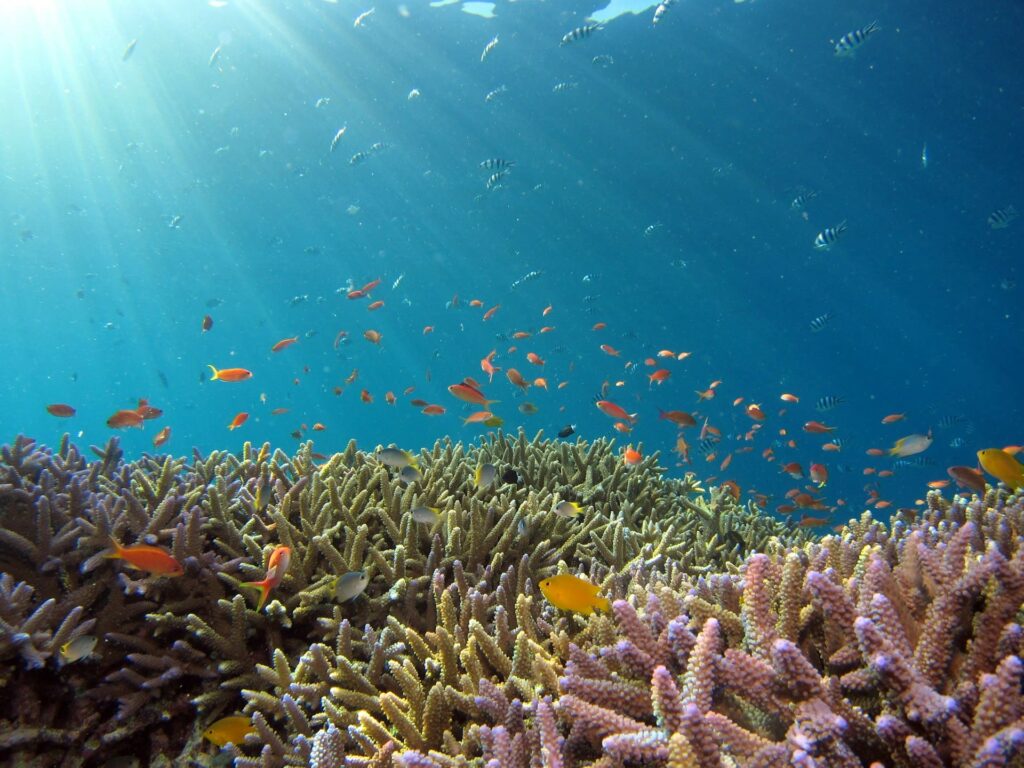
Sunabe Seawall is one of the easiest DIY snorkeling choices for travelers staying around Chatan, American Village, or central Okinawa. Instead of entering from a sandy beach, you enter from concrete steps along the seawall.
The main appeal is convenience. You can pair a morning snorkel with lunch or coffee in Chatan, and you do not need to commit a full day to a boat tour. Under calm conditions, the reef can be colorful and rewarding for confident beginners and casual snorkelers.
Sunabe Seawall Highlights
- Best for: DIY travelers, repeat visitors, and people staying near Chatan.
- What you may see: Soft corals, tropical fish, and reef life close to shore.
- Access: Shore entry from the seawall, usually by concrete steps.
- Parking: Free parking may be available nearby, but it can fill quickly after morning. Arrive early and follow current local signs.
- Facilities: Nearby cafes, dive shops, and urban conveniences depending on your exact entry point.
- Gear rental: Several dive shops along the seawall may rent masks, fins, and wetsuits. Confirm current prices and return times before entering the water.
Sunabe is not the best choice when the water is rough. The entry points can be rocky, and waves against the seawall can make getting in and out uncomfortable. Marine shoes are important here, and beginners should avoid entering if they are unsure about conditions.
Choose Sunabe over the Blue Cave if you are based near Chatan, already have gear, and want a flexible morning snorkel rather than a famous cave experience.
Gorilla Chop (Motobu): Best Beginner-Friendly Shore Entry
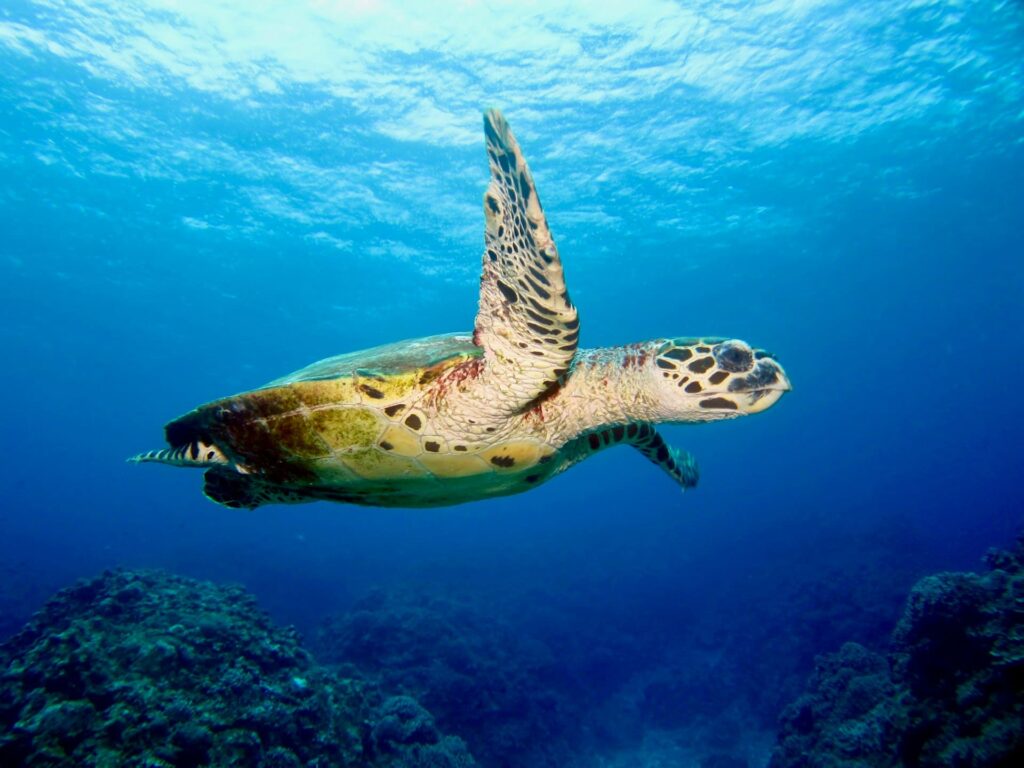
Gorilla Chop, in Motobu, is one of the most beginner-friendly snorkeling spots on Okinawa Main Island. It gets its nickname from a nearby rock formation that looks like a gorilla doing a karate chop.
The spot is popular because the entry is relatively straightforward, the water is often calmer than more exposed coasts, and the area is easier to manage than many rocky reef entries. It is especially useful for travelers visiting northern Okinawa, including Motobu, Nago, or the area around Okinawa Churaumi Aquarium.
Gorilla Chop Facilities & What to Know
| Item | Details |
|---|---|
| Parking | Free parking is usually available, but capacity and local management can change. Follow current signs and avoid blocking local roads. |
| Opening hours | Facility hours may vary by season or maintenance. Confirm locally before relying on showers or changing areas. |
| Showers | Coin-operated showers may be available. Bring coins and do not assume unlimited hot water. |
| Changing rooms | Changing areas may be available, but current access can change. |
| Lockers | Lockers may be available for small items. Keep valuables minimal. |
| Gear rental | Do not assume there is an on-site rental shop. Bring your own gear or rent from a shop in Nago or Motobu before you arrive. |
- Best for: Beginners, families, and DIY snorkelers who want a less complicated shore entry.
- What you may see: Tropical fish, coral areas, and shallow-water reef life.
- Access: Shore entry from the beach area.
Gorilla Chop remains one of the more practical DIY options for travelers who want a simple shore snorkel, but it can still become crowded on weekends and holidays. Conditions also change with wind direction, tide, and visibility, so do not treat it as automatically safe every day.
Choose Gorilla Chop over the Blue Cave if you care more about easy access and a relaxed snorkel than seeing Okinawa’s most famous cave. Choose the Blue Cave instead if the iconic blue-light experience is your priority and you are willing to book a guided tour.
Kerama Islands: Best for Clear Water and Sea Turtles
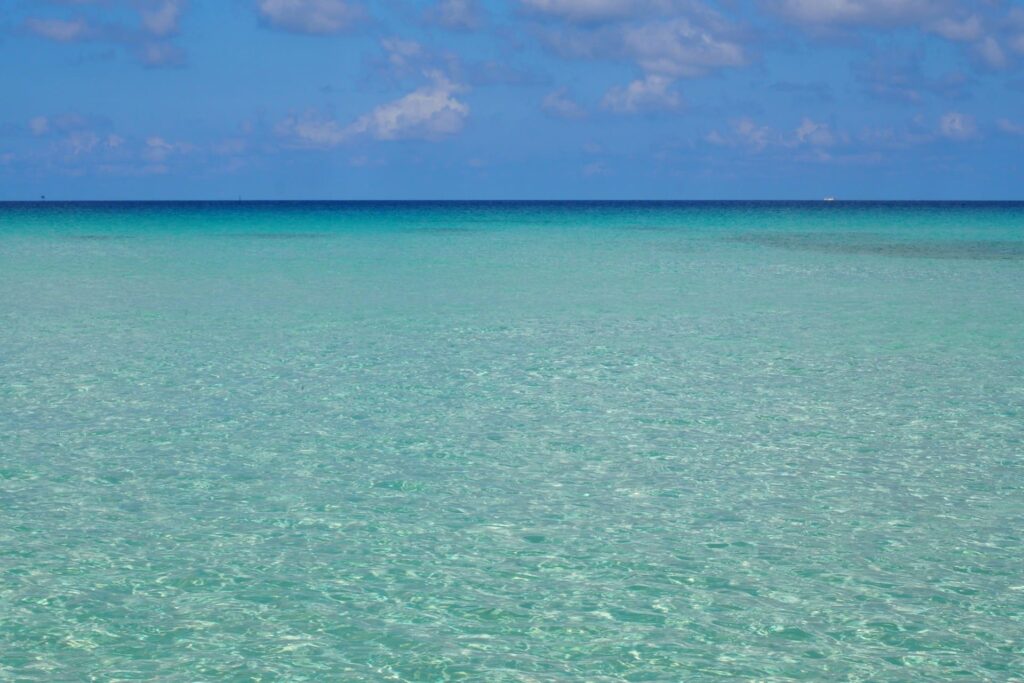
If you want the clearest water near Okinawa Main Island, the Kerama Islands are usually the strongest choice. This island group sits west of Naha and is known for bright blue water, healthy reefs, and a much more open-ocean feel than most shore-entry spots on the main island.
The Keramas are not the easiest option, but they are often the most rewarding. For many travelers, this is the better choice if snorkeling quality matters more than convenience.
Kerama Islands Boat Tour vs. Ferry DIY
| Option | Best For | Pros | Cons |
|---|---|---|---|
| Boat tour from Naha | Short trips, first-time visitors, and sea turtle seekers | Efficient route, gear included on many tours, direct access to offshore reefs, guide support | Higher cost than DIY and possible cancellation in poor sea conditions |
| Ferry DIY | Independent travelers staying overnight on Zamami or Tokashiki | More freedom, lower cost per person for the crossing, and time on the islands | Requires ferry booking, island transport, gear rental, and careful schedule planning |
My pick for most travelers: book the Kerama Islands boat tour from Naha.
This is the decision point in the article. If you are comparing a DIY ferry day with a guided boat tour, I would choose the tour unless you are staying overnight on Zamami or Tokashiki and already know how you will handle transport, gear, and ferry timing.
Why I’d book this one
- It solves the hard logistics. A Naha-based boat tour usually removes the need to book ferries, plan island buses or taxis, find rental gear, and watch the return schedule all day.
- It gives you better reef access for a short trip. Boat tours can choose snorkeling points based on the day’s sea conditions, which is useful when wind, visibility, and waves change.
- It is the better bet for wildlife-focused travelers. Sea turtles are never guaranteed, but recent traveler feedback for Kerama tours often highlights guide support, organized safety instructions, and sightings of fish, coral, and other marine life.
| Option | Choose This If… | Price Note |
|---|---|---|
| Kerama Islands boat tour | You have one full day from Naha and want the best overall snorkeling quality | Check current tour price, pickup details, lunch, gear, and cancellation rules |
| Blue Cave guided tour | You only have a half-day and want Okinawa’s iconic cave experience | Usually a shorter, lower-cost option; confirm live price and start times |
Kerama Ferry Prices & Schedule Overview
| Island | Boat Type | Typical Planning Point | What to Confirm |
|---|---|---|---|
| Tokashiki Island | High-speed boat or regular ferry | Usually the easier Kerama island for a straightforward beach day, but beach transport still needs planning | Current fare, departure pier, seat availability, weather cancellations, and return time |
| Zamami Island | High-speed boat or regular ferry | Excellent for independent travelers staying overnight or building a slower island itinerary | Current fare, timetable, Aka/Zamami stop order, local bus or taxi options, and gear rental |
Ferry fares and schedules change by season, vessel, and weather. Ferries depart from Tomari Port in Naha, but the exact pier can differ by route or boat type. Always check the latest ferry timetable before booking.
For most travelers based in Naha, a full-day boat tour is the simpler choice. The boat acts as your base for the day and can take you to reef points that are harder to reach independently. Some tours visit multiple snorkeling points, depending on weather, visibility, and sea conditions.
When I look at recent traveler feedback for Kerama snorkeling tours, the strongest positives are practical rather than flashy: friendly guides, clear safety instructions, organized pickup or lunch arrangements, and the feeling that staff know how to choose points for the day. The caveat is that this is still a boat day. If you get seasick easily or only want a quick swim, the Blue Cave may suit you better.
Sea turtles are never guaranteed, but the Kerama area is one of the best options near Okinawa Main Island for travelers hoping to see them in the wild. Go for the water clarity and reef quality first, and treat any turtle sighting as a bonus.
Weather is the main drawback. Boats and ferries can be delayed, rerouted, or canceled because of wind, waves, typhoons, or poor visibility. Keep your Kerama day flexible if possible, and never schedule your ferry return on the final day of your trip to avoid missing your flight.
Okinawa Snorkeling Price Comparison at a Glance
| Spot | DIY Cost | Tour Cost | Parking | Gear Rental On-Site |
|---|---|---|---|---|
| Blue Cave | Parking and own gear if shore entry is open; local fees can change | Usually a budget-friendly half-day guided option; check current price | Paid parking may be available; confirm locally | Usually included with tour |
| Sunabe Seawall | Low-cost if you have your own gear | Not the usual choice for casual travelers | Free or low-cost parking may be nearby, but space is limited | Nearby shops may rent gear; confirm price and return time |
| Gorilla Chop | Low-cost if you have your own gear | Not the usual choice for casual travelers | Free parking may be available; confirm current local rules | Do not rely on on-site rental |
| Kerama Islands | Ferry plus island transport and gear rental if going independently | Higher than DIY, but often includes boat access, gear, and guide support | Tomari Port parking or nearby paid parking if self-driving to the port | Included with many tours; confirm before booking |
Best Time to Snorkel in Okinawa (Month-by-Month Guide)
Okinawa’s snorkeling conditions change significantly across the year. Here is a quick seasonal breakdown:
| Period | Water Feel | Conditions | Best Spots | Watch Out For |
|---|---|---|---|---|
| April–June | Warming up, but some travelers still prefer extra coverage | Clear water, warming temperatures, moderate crowds outside peak holidays | All spots can be good when sea conditions cooperate | Golden Week in early May is very crowded |
| July–August | Warmest water of the year | Hot, humid, peak tourist season | Early morning Blue Cave, Kerama tours, or Gorilla Chop before crowds arrive | Box jellyfish season, typhoon risk, strong sun, and extreme crowds |
| September–October | Still warm, gradually becoming more comfortable | Good days can be excellent, but weather flexibility matters | Kerama Islands before stronger winter winds become more common | September can still bring typhoons and jellyfish risk |
| November–March | Cooler water and cooler air | Fewer crowds, calm days possible, but wind can be strong | Gorilla Chop on suitable days; Sunabe only when calm | Wetsuit recommended for many travelers; some services may operate on reduced schedules |
Bottom line: April–June and October–November often offer the best balance of clear water, comfortable temperatures, and manageable crowds. July–August is still doable if you book early tours, wear protective clothing against jellyfish, and stay flexible with weather.
Kai’s tip: I always tell readers not to treat “summer” as automatically best. July and August have warm water, but they also bring crowd pressure, strong sun, jellyfish risk, and typhoon disruption. A calm shoulder-season day can feel far better than a hot peak-season day with rough water.
Okinawa Snorkeling Safety: Weather, Tides & Essential Gear
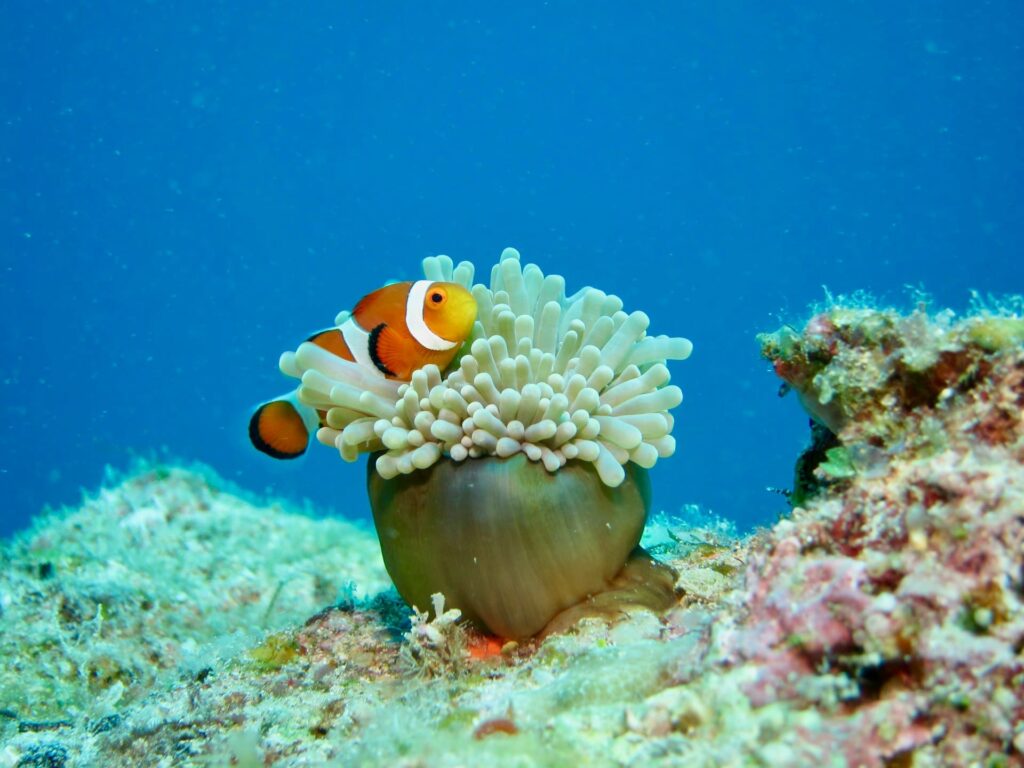
Okinawa’s ocean can look calm from shore while conditions are still risky for snorkelers. Before entering the water, check the local weather, wind direction, wave height, tide, and any posted warnings. If you are unsure, choose a guided tour or skip the session.
Essential Snorkeling Gear
- Rash guard or skin suit: The sun in Okinawa is strong, and long sleeves help reduce sunburn and protect against box jellyfish, which are a bigger risk than sea snakes. This is especially important from May to October.
- Marine shoes: Many entries have coral fragments, rocks, or slippery surfaces. Do not enter barefoot.
- Wetsuit in cooler months: From late autumn to spring, many travelers are more comfortable with a wetsuit for warmth, buoyancy, and protection.
- Flotation support: A life jacket or snorkeling vest is useful for beginners, children, and anyone joining a tour.
- Reef-safe sunscreen: Regular sunscreen can damage coral. Use reef-safe mineral sunscreen or wear UV-protective clothing instead.
- Reef-safe habits: Do not stand on coral, chase marine life, feed fish, or collect shells and coral.
Box Jellyfish Season & Protection
Box jellyfish, called habu-kurage in Okinawa, are most active in the warmer months. Their stings can be painful and, in rare cases, dangerous. The most effective protection is physical:
- Wear a rash guard, long-leg swim pants, or a full-body stinger suit.
- Do not rely on reef-safe sunscreen alone — it does not prevent stings.
- Some beaches and snorkeling areas set up protective nets during jellyfish season.
- If you are stung, follow posted local first-aid instructions and seek medical help.
Kai’s tip: The first thing I want readers to check is the exit, not the fish. Before you swim out, identify exactly where you will get back on shore or onto the boat, and ask yourself whether that exit still works if small waves start pushing in. A beautiful reef is not worth entering if you cannot get out calmly.
DIY Snorkeling Checklist
- Do not snorkel alone.
- Stay inside protected or commonly used snorkeling areas.
- Avoid reef edges, channels, and areas where water appears to be flowing quickly.
- Check tide timing, especially around shallow coral areas.
- Do not enter the water if waves are breaking over the reef or entry point.
- Wear marine shoes at rocky entries.
- Bring sun protection, drinking water, and a dry towel for after the session.
- Leave valuables at your hotel or locked safely away.
The safest Okinawa snorkeling day is not always the sunniest day. Calm water, good visibility, and an easy exit point matter more than blue skies.
Frequently Asked Questions
Is the Blue Cave in Okinawa worth it?
Yes, the Blue Cave can be worth it if you book an early guided tour and understand that it is a popular tourist spot, not a hidden cave. Skip it if you want quiet reefs, flexible DIY snorkeling, or a crowd-free experience.
Is the Blue Cave really that crowded?
It can be. Summer, weekends, holidays, and midday tours are usually the busiest times. The earliest morning tour is usually the best choice if the Blue Cave is a priority.
Can I snorkel in Okinawa without a tour?
Yes. Sunabe Seawall and Gorilla Chop are good DIY candidates when conditions are calm and you have your own gear. The Blue Cave is less suitable for casual DIY snorkeling because of parking, stairs, rocks, crowding, and sea-condition closures. Kerama DIY is possible by ferry, but it requires more planning.
Where is the best place to see sea turtles while snorkeling in Okinawa?
The Kerama Islands are one of the best choices near Okinawa Main Island for travelers hoping to see sea turtles. Sightings are not guaranteed, but Kerama boat tours usually offer better clear-water reef access than most main-island shore spots.
What happens if the weather is bad?
Snorkeling plans may change or be canceled. Blue Cave shore entry can become unavailable when conditions are unsafe, and Kerama boats or ferries can be delayed, rerouted, or canceled because of wind, waves, typhoons, or poor visibility. Keep your schedule flexible and check conditions on the day.
Do I need a wetsuit for snorkeling in Okinawa?
In the warmest summer months, many travelers are comfortable with a swimsuit and rash guard. From late autumn through spring, a wetsuit is recommended for many travelers for warmth, buoyancy, and extra skin protection. A wetsuit can also help reduce sun exposure and skin contact with marine irritants.
Which Okinawa snorkeling spot is best for beginners?
Gorilla Chop is usually the easiest DIY choice for beginners when the water is calm. The Blue Cave is beginner-friendly only if you join a guided tour. Kerama can also work well for beginners on a tour because gear, flotation support, and guide supervision are usually included.
What is the cheapest way to snorkel in Okinawa?
DIY snorkeling at Gorilla Chop or Sunabe Seawall with your own gear is usually the cheapest option, aside from transportation and any parking or facility fees. If you need to rent gear, confirm current prices and return rules with a local shop before entering the water.
Final Verdict: Where Should You Snorkel in Okinawa?
Choose the Blue Cave if you want Okinawa’s most famous snorkeling experience and are willing to book an early guided tour to reduce stress.
Choose Sunabe Seawall if you are staying near Chatan and want a flexible DIY snorkel close to cafes, dive shops, and American Village.
Choose Gorilla Chop if you want a beginner-friendly shore entry, especially during a northern Okinawa itinerary around Motobu or Nago.
Choose the Kerama Islands if you want the clearest water, offshore reefs, and a better chance of seeing sea turtles. For most short trips, a Naha-based boat tour is the easiest way to make the most of it.
My final recommendation: If snorkeling is one of the main reasons you are visiting Okinawa, book the Kerama Islands tour and give it a full day. It is not the cheapest option, but it gives you the strongest combination of clear water, boat access, gear support, and guide-managed conditions.
| Your Situation | Best Choice | Why |
|---|---|---|
| You have one full day from Naha | Kerama Islands tour | Best balance of water quality, reef access, and logistics |
| You only have a half-day | Blue Cave tour | Iconic Okinawa experience with easier timing |
| You have gear and want to spend little | Sunabe or Gorilla Chop | Flexible DIY shore snorkeling when conditions are calm |
👉 Check Kerama Islands tour availability before locking in your Okinawa itinerary
Still unsure? If you have only one day for snorkeling and want the best water, choose Kerama. If you have only a half-day and want the most famous single spot, choose the Blue Cave. If you have two or more snorkeling days, combine a Kerama boat tour with a relaxed DIY session at Gorilla Chop or Sunabe on another day.

Hi, I’m Kai. I’m a Tokyo-based travel writer, tourism industry insider, and the author of a published guidebook for international visitors to Japan. With over 10 years of professional experience at a leading Japanese tourism company, my mission is to help you skip the tourist traps and navigate Japan’s best destinations like a local. I believe the perfect day trip is like a traditional kaiseki meal: a beautiful balance of precise planning and unforgettable seasonal discovery. When I’m not out conducting field research, you’ll usually find me drafting new itineraries with one of my favorite fountain pens!