
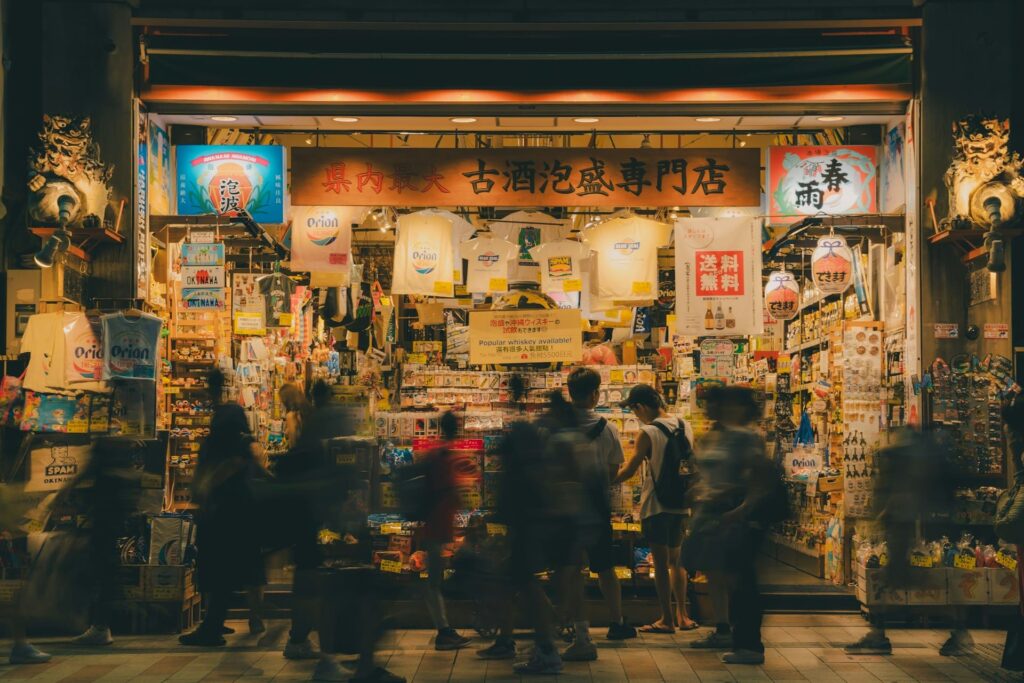
Quick answer: Yes, you can usually bring Habu Sake, or Okinawan snake wine, into the United States for personal use. The lower-risk way is to declare it, keep the bottle sealed in its original retail packaging, carry the receipt, and make sure the snake species is not protected. Because the bottle contains both alcohol and a preserved animal, US Customs and Border Protection (CBP) and the US Fish and Wildlife Service (FWS) may treat it as alcohol and a wildlife product.
The main mistake is thinking of Habu Sake as just another bottle of liquor. For customs purposes, the preserved habu inside the bottle is the part that can trigger extra questions. This guide explains what officers may check, how to describe the bottle clearly, when confiscation is more likely, and how to pack it so it does not become an expensive suitcase disaster.
Important note: Rules and officer decisions can change, and the final decision is always made at your US port of entry. Use this as practical travel guidance, not legal advice. Before flying, confirm the current rules on the official CBP, TSA, FWS, CITES, and IUCN pages if your bottle is unusual, expensive, homemade, or unlabeled.
Note: The habu is a land-dwelling pit viper native to Okinawa—not related to the marine sea snakes that sometimes worry snorkelers. If you are curious about those instead, see our guide on whether the Okinawa sea snake is dangerous.
Can You Bring Habu Sake to the US? (Quick Answer)
Yes, in most normal traveler situations—if it is commercially bottled, declared honestly, and the snake is not a protected species. A single sealed bottle bought from a proper Okinawa shop is generally much easier to explain than a homemade bottle, an opened bottle, or a bottle with no clear label.
Rules checked in June 2026: CBP guidance generally allows travelers age 21 or older to bring alcohol into the United States for personal use, with duty-free treatment usually limited to a certain amount per person. TSA also has separate rules for carrying alcohol on planes, especially for higher-alcohol beverages. Because Habu Sake contains a preserved snake, FWS wildlife rules may also matter.
The simplest customs description is: “commercially bottled Okinawan Habu Sake, a Japanese liquor containing a preserved habu snake, for personal use.” Do not call it only “snake,” and do not hide the snake if an officer asks what is inside.
| Issue | What Officers May Check | What You Should Do | Risk Level |
|---|---|---|---|
| Snake inside the bottle | Whether the species is protected, restricted, or unclear | Declare it and keep the original label or receipt | Medium |
| Alcohol declaration | Total value, volume, and whether it is for personal use | Declare the bottle as alcohol and explain the preserved snake if asked | Low if declared |
| Duty-free allowance | Whether your total alcohol is above the usual personal allowance | Declare the full amount; duties or state taxes may apply | Low |
| Alcohol by volume | Whether the ABV is within airline limits | Check the label before buying; avoid bottles with unclear ABV | Low |
| TSA liquid rules | Whether the bottle is in your carry-on or checked bag | Pack it in checked luggage unless your duty-free liquid route is fully protected | High if packed loose in carry-on |
| Bottle breakage | Not a customs issue, but a real travel risk | Use a padded wine protector, a leakproof bag, and the center of your suitcase | Medium |
What US Customs Actually Checks
When you arrive in the United States with Habu Sake, officers are looking at two separate things: the alcohol and the preserved animal inside it. Those two checks are handled differently, which is why a normal liquor answer is not enough.
Kai’s tip: The mistake I see travelers make is treating Habu Sake like a funny bottle of alcohol rather than a wildlife item. I would not rely on “I bought it at a souvenir shop” as the whole explanation. Keep the receipt, keep the label visible, and be ready to say exactly what it is in plain English.
The Snake Species Matters
The key question is whether the snake in your bottle comes from a protected or endangered species. Commercial Okinawan Habu Sake is usually associated with the Okinawan habu, commonly listed as Protobothrops flavoviridis or the older name Trimeresurus flavoviridis. This species is generally treated as a non-CITES-listed species and is assessed as Least Concern by the IUCN Red List, but the officer still has to be satisfied that your specific bottle is what it appears to be.
That is why labels matter. A clearly labeled retail bottle is much easier to assess than a homemade bottle with a snake inside and no product information. If an FWS specialist or customs officer cannot verify what the animal is, the bottle may be delayed, detained, or refused even if the product is normally allowed.
To make the inspection as smooth as possible:
- Keep the original label with the product name visible
- Keep the store receipt
- Take a clear photo of the front and back label before packing
- Write down the scientific name Protobothrops flavoviridis and the older name Trimeresurus flavoviridis
- Be ready to explain that this is a commercially sold Okinawan liquor souvenir
Alcohol Limits and Duty-Free Allowance
For travelers age 21 or older, CBP guidance generally allows a limited amount of alcohol to enter duty-free for personal use, while larger amounts may be subject to duty, federal excise tax, and state rules. A single standard souvenir bottle often stays within normal personal-use expectations, but you should still declare it.
If you want to understand Okinawan spirits before deciding whether to buy a snake-in-the-bottle souvenir, the Naha: Awamori Tasting & Okinawan Liquor Culture Tour is a practical way to taste local liquor culture first instead of guessing from a souvenir shelf.
Will US Customs Confiscate Habu Sake?
US Customs does not automatically confiscate Habu Sake just because there is a snake in the bottle. The risk increases when the bottle is undeclared, unlabeled, opened, homemade, hard to identify, or carried in a quantity that looks commercial rather than personal.
Higher Risk Situations
- You do not declare the bottle at all
- The bottle is homemade, unlabeled, or transferred into another container
- The snake species cannot be identified from the label or appearance
- The product appears to contain a protected or restricted animal
- You bring quantities that look commercial rather than personal
- You cannot explain what the product is beyond “there is a snake inside”
Lower Risk Situations
- The bottle is commercially sealed and clearly labeled
- You keep the receipt from the shop
- You declare the alcohol honestly
- You can explain that it is Okinawan habushu made with a preserved habu snake
- The total amount looks reasonable for personal use
- You pack it securely in checked luggage and do not open it before flying
Avoid writing only “snake” on a declaration form without context, because that can create unnecessary confusion. At the same time, do not hide the fact that the bottle contains a preserved snake if an officer asks. The best description is simple and accurate: “commercially bottled Okinawan snake wine” or “Habu Sake, a Japanese liquor with a preserved habu snake.”
How to Declare Habu Sake at US Customs
Yes, you should declare the alcohol and be ready to explain the preserved snake inside the bottle. Even when a product is legal, wildlife items can still be inspected. Honest declaration is always safer than hoping the bottle is not noticed.
When you arrive in the United States, declare the bottle with your other alcohol purchases. If you use Global Entry, Mobile Passport, or a paper customs declaration process, be honest about the alcohol and its total value. If an officer asks for details, give a calm, specific explanation.
You can say:
“This is commercially bottled Okinawan Habu Sake, a Japanese liquor containing a preserved habu snake (Protobothrops flavoviridis). It is for personal use.”
Kai’s tip: I always tell readers to make the officer’s job easy. A receipt, a photo of the label, and one clear sentence are better than a long nervous explanation. If you packed the bottle deep inside your checked bag, the label photo on your phone can help you answer basic questions without unpacking everything immediately.
Before Leaving Japan Checklist
- Keep the bottle sealed in its original packaging
- Keep the store receipt
- Take a photo of the label in case the bottle is wrapped inside your suitcase
- Ask the shop staff if the label identifies the product type clearly
- Do not open, refill, or transfer the liquor into another bottle
- Note the scientific name Protobothrops flavoviridis somewhere handy
- Check whether your route has another security screening before your final US entry point
If you are more curious about the habu snake itself before buying a bottle, the Okinawa World Ticket & Nanjo Cultural Workshop Experience is a lower-pressure way to learn about Okinawan culture and see habu-related exhibits before souvenir shopping.
Can You Bring Habu Sake on a Plane?
For most travelers, checked luggage is the safest option. Habu Sake bottles are usually much larger than the normal carry-on liquid limit, so they should not be placed loose in your carry-on bag.
There are two separate rules to think about:
- TSA liquid rules: Regular carry-on liquids are limited to small containers that fit within the TSA liquids bag rule. A standard bottle of Habu Sake will not qualify.
- Airline alcohol rules: TSA and airline rules limit higher-alcohol beverages in checked baggage, and bottles must be unopened retail packaging. Very high-proof alcohol may not be allowed in checked bags at all.
Most commercially sold Habu Sake is made with an Awamori base and is not usually in the extreme high-proof category, but you should always check the bottle label before buying. If the alcohol percentage is not clearly marked, choose a different bottle with proper commercial labeling.
Checked Luggage vs. Carry-On: What Works Best?
Pack Habu Sake in checked luggage unless you are certain your full route allows sealed duty-free liquids through every security checkpoint. This matters especially if you buy the bottle after passing security in Japan but have a connecting flight before entering the United States.
For example, if you buy Habu Sake at Naha Airport and then connect through Tokyo, Seoul, Taipei, or another hub, you may need to pass another security screening. A large bottle that is not properly sealed under duty-free liquid rules can be confiscated at the connection point—even before you reach US Customs.
Kai’s tip: What catches people out is the connection, not the first airport. A bottle bought airside in Naha can still become a problem if your next airport makes you clear security again. If your route is not simple, buy the bottle before final packing and put it in checked luggage.
The safest method is to buy the bottle before your final packing, keep it sealed, and place it in the center of your checked suitcase.
How to Pack Habu Sake Safely
Habu Sake is more fragile than a normal liquor bottle. The preserved snake inside can shift during baggage handling, and a broken bottle will ruin clothes with strong-smelling alcohol. Pack it as if it were both glass and liquid cargo.
- Use a padded wine sleeve: An inflatable bottle protector or thick padded sleeve is much safer than wrapping it in a T-shirt.
- Seal it inside a leakproof bag: Use a dry bag, bottle travel bag, or multiple heavy-duty resealable bags.
- Pack it in the center: Surround the bottle with soft clothing on every side, away from suitcase edges and wheels.
- Keep it upright if possible: This reduces pressure on the cap and helps prevent leaks.
- Do not open it before flying: Keep the original seal, label, and packaging intact.
If the bottle is large, unusually shaped, or expensive, ask the shop whether they sell protective packaging. Some souvenir shops in Okinawa are used to travelers buying liquor and may be able to wrap the bottle more securely than you can with hotel-room supplies.
Where to Buy Habu Sake in Okinawa
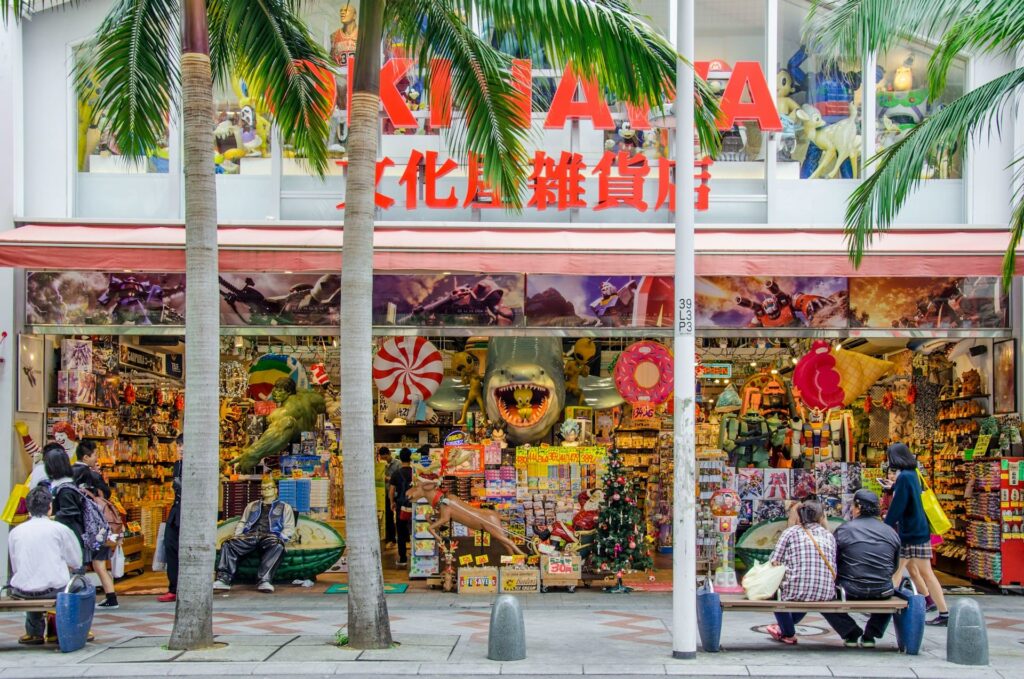
If you have not bought your bottle yet, the safest choice is usually a commercially sealed bottle from a shop that clearly labels the product. Avoid homemade, unlabeled, or refilled bottles, because they are harder to explain if an officer asks what the product contains.
| Buying Location | Why It Can Work | What to Watch For | Best For |
|---|---|---|---|
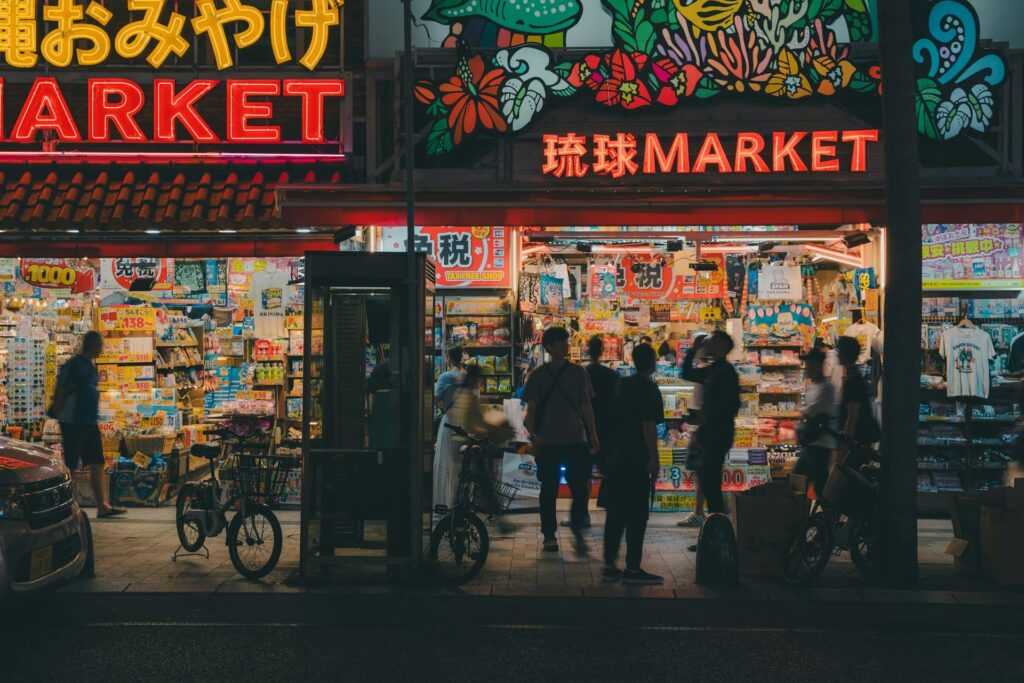
| Kokusai Street shops in Naha | Large selection, different bottle sizes, and more time to compare labels | You must pack the bottle securely in your checked luggage yourself | Travelers who want choice and time to pack carefully |
| Naha Airport shops | Convenient for last-minute souvenir shopping | Large liquids can be complicated if you have another security checkpoint before your US flight | Travelers with a simple route and no risky liquid transfer |
| Small local liquor shops | May carry regional bottles or smaller producers | Labels may be harder to read or less travel-friendly | Travelers who can confirm the bottle is sealed and commercially labeled |
Before buying, check three things: the bottle is sealed, the alcohol percentage is clearly marked, and the product label identifies it as Habu Sake, habushu, or Okinawan snake wine. A receipt is also useful because it helps show that the bottle was purchased commercially for personal use.
Kai’s tip: If I had one day left in Naha, I would buy the bottle early enough to pack it properly at the hotel, not as a last-minute airport impulse. The airport is convenient, but your route matters. Kokusai Street gives you more time to compare labels, photograph the bottle, and protect it before check-in.
Lower-Risk Alternatives to Habu Sake
If the idea of a wildlife inspection makes you uncomfortable, choose a snake-free Okinawan souvenir instead. This is the simplest way to avoid questions about the preserved animal inside the bottle.
- Regular Awamori: Okinawa’s classic distilled spirit without the snake. Trying it at an izakaya is a major part of Okinawa nightlife, so you can taste a few varieties before deciding which bottle to buy.
- Mini bottles of local liquor: Easier to pack and less expensive if something breaks.
- Okinawan food souvenirs: Such as beni imo sweets, sea salt, or local snacks to remind you of the best Okinawa food you tried during your trip.
- Decorative non-wildlife souvenirs: Better if you want something unusual without customs uncertainty.
My Safer Pick Before Buying: Taste Awamori First
If your real goal is to bring home a liquor you will actually enjoy drinking, I would not start by buying the strangest bottle on the shelf. I would taste Awamori first, learn what styles you like, and then decide whether Habu Sake is worth the customs and packing effort.
Why I’d book this one before souvenir shopping:
- You get context before buying: The tour focuses on Awamori history, production, and guided tastings, which helps you understand what is inside many Okinawan liquor bottles.
- It is lower-risk than carrying snake wine: You can enjoy the cultural side of Okinawan spirits without committing to a wildlife-product souvenir.
- It fits naturally into a Naha stay: It works best for travelers who are based in Naha and want a food-and-drink experience before shopping on Kokusai Street.
Check availability for the Naha Awamori Tasting & Okinawan Liquor Culture Tour to see current dates, inclusions, and whether the tasting style fits your trip.
Habu Sake is memorable, but it is not the only Okinawan souvenir worth bringing home. If you want the smoothest airport experience, regular Awamori is the safer alcohol choice.
FAQs About Habu Sake and US Customs
Do I Have to Pay Taxes on Habu Sake at US Customs?
Possibly. Travelers age 21 or older are generally allowed a limited amount of alcohol duty-free for personal use, but amounts above the allowance may be subject to duties, federal excise tax, or state rules. The final decision is made at the port of entry, so always declare everything honestly.
Can I Put Habu Sake in My Carry-On Bag?
Usually, no. A standard bottle of Habu Sake is larger than the normal TSA carry-on liquid limit, so it should go in checked luggage. Duty-free liquids purchased after security can have special exceptions, but they can still cause problems if you have a connecting flight with another security screening before reaching the US.
Do I Need to Tell Customs There Is a Snake Inside?
Yes, if asked. Do not hide the fact that the bottle contains a preserved snake. A clear description is better than a vague one: “commercially bottled Okinawan Habu Sake with a preserved habu snake (Protobothrops flavoviridis)” is more useful than simply saying “snake.”
What Happens If I Do Not Declare Habu Sake?
If officers find undeclared alcohol or an undeclared wildlife item, the bottle may be confiscated, and you could face penalties including fines. Declaration does not guarantee entry, but failing to declare makes the situation much worse.
Is the Habu Snake an Endangered Species?
The Okinawan habu commonly associated with Habu Sake, Protobothrops flavoviridis / Trimeresurus flavoviridis, is generally described as not CITES-listed and is assessed as Least Concern by the IUCN Red List. However, officers may still need to verify the product visually. Keep the original label and receipt, and be ready to explain that the bottle is a commercially sold Okinawan liquor souvenir.
Can I Bring More Than One Bottle?
You may be able to bring more than one bottle for personal use, but larger quantities can raise questions about alcohol allowances, taxes, state rules, and whether the amount looks commercial. If you want to minimize risk, bring one clearly labeled bottle and declare it honestly.
Should I Open the Bottle Before Flying Home?
No. Keep it sealed in its original retail packaging. Do not taste it, refill it, or transfer it into another container before your flight. An opened or repackaged bottle is harder to explain and more likely to leak or cause inspection problems.
Final Verdict: Should You Bring Habu Sake Home?
Habu Sake is usually possible to bring into the United States, but you should treat it as alcohol plus a wildlife item—not just a normal souvenir. Here is how the decision breaks down by traveler type:
- Choose Habu Sake if: You want the iconic snake-in-the-bottle souvenir, you are comfortable declaring it at customs, and you can buy a sealed, commercially labeled bottle with a clear receipt.
- Choose regular Awamori if: You want to avoid any risk of wildlife inspection, you have a tight connecting flight with limited time for customs processing, or you simply prefer to keep your suitcase packing simple.
- For first-time visitors to Okinawa: Try Awamori before buying. The Naha: Awamori Tasting & Okinawan Liquor Culture Tour lets you sample local spirits without committing to a bottle before you know what you like.
- For travelers on a tight schedule: Buy one commercially labeled bottle before departure day, pack it securely in checked luggage the night before, and declare it honestly at US Customs.
- For family travelers: One bottle is easier to explain than several. Larger quantities may raise questions about personal use versus commercial intent.
The safest approach is to buy a sealed, commercially labeled bottle; keep the receipt; pack it in checked luggage; declare it on arrival; and clearly explain that it is Okinawan snake wine with a preserved habu snake if asked.
My Okinawa Planning Pick: Book a Private Highlights Tour Before You Overload Your Souvenir Day
Once you understand the Habu Sake rules, the bigger question is how to use your Okinawa time well. Many first-time visitors underestimate how spread out the island is: Churaumi Aquarium, Cape Manzamo, Kouri Island, castle sites, beaches, and Naha nightlife do not combine neatly unless your route is planned well.
Why I’d book this one:
- It solves the transport problem: A private Okinawa highlights tour is better for travelers who do not want to manage rental cars, parking, tolls, or long bus transfers.
- It keeps the day flexible: Recent reviewers consistently mention local knowledge, hidden gems, and the ability to adjust the route rather than being locked into a rigid bus-tour pace.
- It pairs well with souvenir planning: If your major sightseeing is handled efficiently, you can leave Naha shopping and careful bottle packing for a calmer evening instead of rushing it before your flight.
| Option | Best For | What to Confirm |
|---|---|---|
| Full Okinawa Private Tour | First-time visitors, couples, families, and travelers who want the big island highlights without driving | Current availability, pickup area, inclusions, route flexibility, and cancellation terms |
| Awamori Tasting Tour | Travelers staying in Naha who want to understand Okinawan liquor before buying souvenirs | Current dates, tasting format, food inclusions, and age requirements |
Check availability for the Full Okinawa Private Tour to see current routes, pickup details, and whether the private format fits your Okinawa itinerary.
Planning the rest of your Okinawa trip? Sort the big sightseeing first, then shop for Habu Sake when you have time to check labels, keep the receipt, and pack the bottle properly.

Hi, I’m Kai. I’m a Tokyo-based travel writer, tourism industry insider, and the author of a published guidebook for international visitors to Japan. With over 10 years of professional experience at a leading Japanese tourism company, my mission is to help you skip the tourist traps and navigate Japan’s best destinations like a local. I believe the perfect day trip is like a traditional kaiseki meal: a beautiful balance of precise planning and unforgettable seasonal discovery. When I’m not out conducting field research, you’ll usually find me drafting new itineraries with one of my favorite fountain pens!