
Seeing Mt. Fuji clearly is one of the most memorable experiences you can have in Japan, but it is never guaranteed. Japan’s most famous peak is often called the “Shy Mountain” because it can disappear behind clouds even when Tokyo is sunny.
If you are planning a trip to Kawaguchiko, Hakone, Yamanakako, or a day trip from Tokyo, timing matters. This guide uses the latest available Fuji City visibility records, long-term observation trends, and practical live-camera tips to help you choose the best month, best time of day, and smartest backup plan for 2026.
Quick Answer: Best Time to See Mt. Fuji
The best time to see Mt. Fuji is usually December to February, especially in the early morning from sunrise to before 9:00 AM. Long-term Fuji City data shows that Mt. Fuji is more visible from November to February and much less visible from June to August.
- Best months for clear views: December, January, February, and November
- Best time of day: Sunrise to before 9:00 AM
- Most difficult months: June, July, and August
- Best first choice for classic views: Lake Kawaguchi / Kawaguchiko
- Best last-minute check: Official live cameras and visibility tools before you leave
No month guarantees a clear view. Even in winter, clouds can hide the mountain. But if you go early, check live cameras, and keep your route flexible, you can improve your chances dramatically.
If you only have one possible Mt. Fuji day from Tokyo, compare flexible transport options before locking in a fixed route.
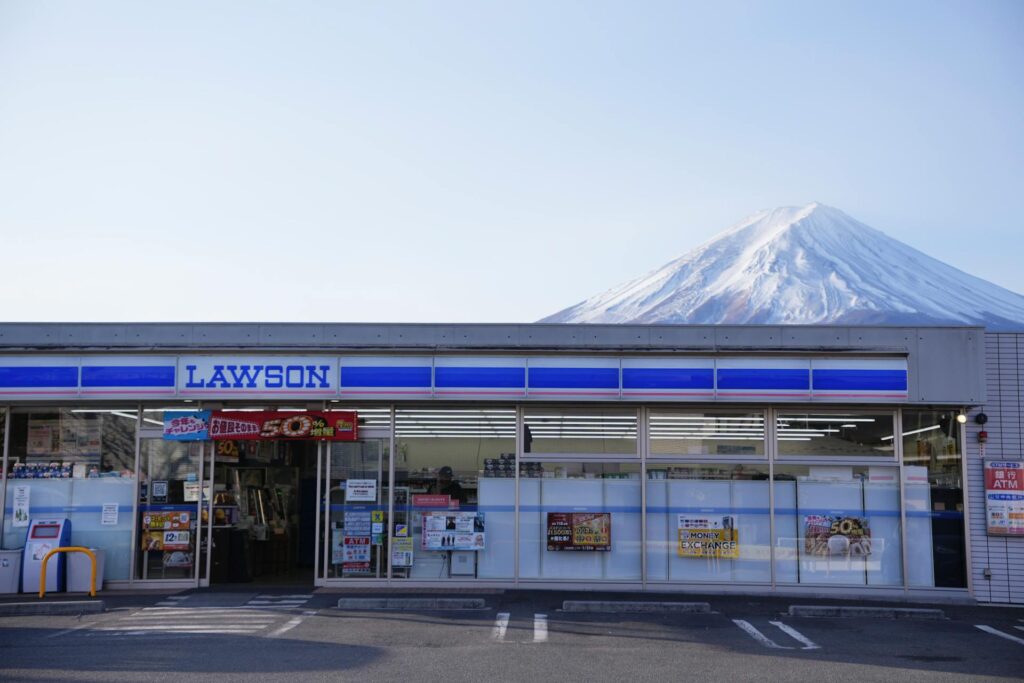
Mt. Fuji Visibility by Month
The table below combines two useful planning references from Fuji City: the long-term 35-year observation trend and the latest full-year record available for this guide, the 2025 observation data. The 2025 figures are based on 8:00 AM observations from Fuji City on the Shizuoka side.
Use this as a planning guide, not a promise. Conditions can differ at Kawaguchiko, Hakone, Yamanakako, Gotemba, and other viewpoints around the mountain.
| Month | 35-Year Full Visibility Rate at 8:00 AM (Fuji City) |
Full Visibility Days (2025, 8:00 AM) |
Partial Visibility Days (2025, 8:00 AM) |
Invisible Days (2025, 8:00 AM) |
Planning Takeaway |
|---|---|---|---|---|---|
| January | 60.0% | 19 | 9 | 3 | Excellent winter odds; cold mornings but very clear air |
| February | 52.6% | 22 | 4 | 2 | One of the strongest months; 2025 was especially clear |
| March | 40.7% | 13 | 7 | 11 | Still possible, but haze and warmer air start to matter |
| April | 36.3% | 9 | 9 | 12 | Beautiful with blossoms, but visibility is less reliable |
| May | 30.2% | 9 | 10 | 12 | Warmer and hazier; go early if Fuji is your priority |
| June | 12.4% | 2 | 9 | 19 | Rainy season; one of the hardest months for clear views |
| July | 9.9% | 5 | 4 | 22 | Hot, humid, and cloudy; try only very early morning |
| August | 14.6% | 3 | 8 | 20 | Low visibility; summer clouds often build fast |
| September | 27.2% | 6 | 11 | 13 | Improving slowly, but typhoon season can interfere |
| October | 41.1% | 10 | 8 | 13 | Cooler air returns; late October is better than early October |
| November | 53.9% | 19 | 9 | 2 | Strong visibility plus autumn colors around the lakes |
| December | 61.7% | 19 | 7 | 5 | Excellent long-term odds and classic snow-capped views |
Source note: The long-term visibility percentages are based on Fuji City’s 35-year 8:00 AM observation data from 1991 to 2025. The 2025 actual counts are Fuji City’s latest full-year observation record available for this guide. Data was checked in June 2026. Conditions at your exact viewing spot may differ, especially on the Yamanashi side or in Hakone.
Which Months Have the Clearest Mt. Fuji Views?
Your chances of seeing Mt. Fuji change dramatically by season. Winter is usually the most reliable period, while summer is the most difficult because heat, humidity, rainy season, and local cloud formation often hide the mountain.
Winter: December to February
Winter is usually the best season to see Mt. Fuji. The air is colder and drier, which reduces haze and makes long-distance views much clearer. This is also when many travelers get the classic image of a snow-capped Mt. Fuji against a blue sky.
Long-term Fuji City data shows especially strong full-visibility rates in December, January, and February. In the latest 2025 record, February was the strongest month at the 8:00 AM observation point, with Mt. Fuji fully visible on 22 out of 28 days.
The trade-off is temperature. Around Kawaguchiko, Yamanakako, and higher-elevation viewpoints, early mornings can be below freezing in winter. Bring warm layers, gloves, a hat, and comfortable shoes. Roads, ropeways, and mountain-area attractions may also be affected by snow, ice, strong wind, or maintenance, so check the latest status before committing to a route.
Spring: March to May
Spring can be beautiful, but visibility becomes less predictable. March still has decent odds, especially early in the month, but April and May bring warmer air, more moisture, and seasonal haze. Even on sunny days, Mt. Fuji may look faint, blurry, or partly hidden.
Spring is still popular because of cherry blossoms, flower fields, and scenic lake views around places like Chureito Pagoda and the northern shore of Lake Kawaguchi. If your main goal is photography, arrive as early as possible. Haze and clouds usually become more noticeable later in the morning.
Summer: June to August
Summer is the hardest season to see Mt. Fuji clearly from a distance. June is rainy season in much of Japan, while July and August are hot and humid. Moisture often gathers around the mountain and forms clouds even when it is not actively raining.
In Fuji City’s 35-year 8:00 AM data, June, July, and August have the lowest full-visibility rates of the year. The 2025 record shows the same problem: only 2 full-visibility days in June, 5 in July, and 3 in August at the Fuji City 8:00 AM observation point.
If you visit in summer, your best chance is usually very early morning, often from sunrise to around 7:00 AM. By mid-morning, clouds may already be covering the peak or the entire mountain. Summer can still be rewarding for lakes, greenery, festivals, and climbing-season atmosphere, but do not plan a summer trip around guaranteed Fuji views.
Fall: September to November
Fall improves as the season gets later. September can still be affected by typhoons, rain, and lingering humidity. October is better, especially later in the month, as cooler air returns. November is one of the strongest months of the year because it combines clearer air with autumn foliage around the lakes.
If you want both colorful leaves and a better chance of seeing Mt. Fuji, late October to November is one of the best windows. November is especially useful because visibility begins to approach winter levels while the scenery around Lake Kawaguchi and nearby viewing spots is still colorful.
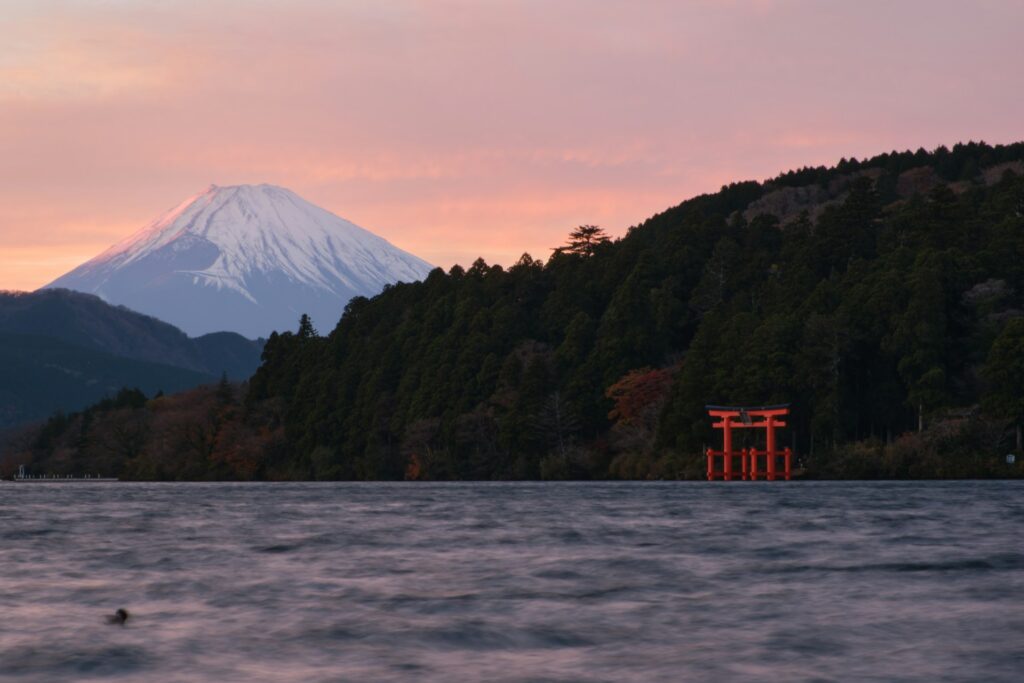
Best Time of Day to See Mt. Fuji
The best time of day to see Mt. Fuji is usually sunrise to before 9:00 AM. This rule applies in every season, but it matters most in spring and summer.
Fuji City’s long-term observation data also supports this morning-first strategy. In the 1991–2025 8:00 AM, 12:00 PM, and 4:00 PM comparison, the percentage of days when the whole mountain was visible was highest at 8:00 AM. The same pattern appears in the 2025 record, where full visibility was recorded on 136 days at 8:00 AM, compared with 96 days at 12:00 PM and 91 days at 4:00 PM.
Overnight temperatures help stabilize the air, and clouds often decrease before dawn. After sunrise, the ground warms up. Warm air rises, moisture gathers around the mountain, and clouds can form quickly around the slopes or peak.
By 10:00 AM or 11:00 AM, it is common for Mt. Fuji to become partly or completely hidden, even if the sky above your viewing spot is blue. Occasionally, the mountain becomes visible again around sunset as temperatures cool, but morning is still the safest choice.
If you are taking a day trip from Tokyo, aim to reach the best photo spots in the Fuji Five Lakes area by around 8:30 AM or earlier. That usually means taking one of the earliest trains, buses, or tours available.
Why Is Mt. Fuji Hidden Even on Sunny Days?
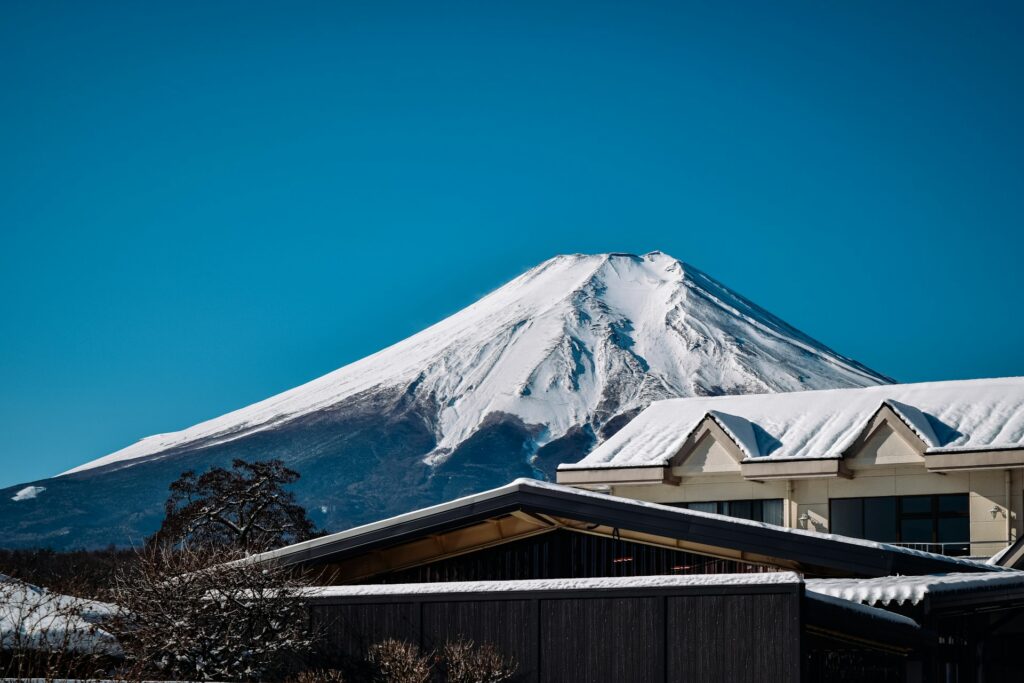
Mt. Fuji is a 3,776-meter freestanding volcano, so it strongly affects the weather around it. Moist air can rise along the mountain’s slopes, cool down, and condense into clouds. This can happen even when the surrounding sky looks bright.
This is why Mt. Fuji can be invisible even when the weather in Tokyo looks perfect. Tokyo is roughly 100 kilometers away, and its forecast does not reliably predict cloud cover around Kawaguchiko, Hakone, Gotemba, Yamanakako, or the Fuji Five Lakes area.
Local conditions also vary by side of the mountain. Kawaguchiko may be cloudy while Yamanakako or Gotemba has a clearer angle. Hakone can have its own cloud and mist patterns, especially around Lake Ashi and the ropeway area. This is why flexibility and live camera checks matter so much.
How to Check Mt. Fuji Visibility Before You Go
You cannot control Mt. Fuji’s weather, but you can control how flexible your plan is. The best strategy is to check multiple live cameras before you leave and choose your viewing area based on actual conditions, not only a general weather forecast.
Your Morning Action Plan
- The night before: Check the SeeMtFuji visibility index and separate weather forecasts for Kawaguchiko, Hakone, Yamanakako, and Gotemba. Do not rely only on Tokyo weather.
- Before sunrise: Open live cameras from multiple sides of the mountain. Useful official options include Yamanashi Fujisan Watcher live cameras and Shizuoka Prefecture Mt. Fuji Live View.
- Compare more than one angle: If Kawaguchiko is cloudy, check Yamanakako, Gotemba, Fujiyoshida, or Shizuoka-side cameras. Clouds can hide Fuji from one side while another side still has a clear view.
- Choose your destination based on live views: If your schedule is flexible, head toward the side that looks clearest that morning.
- Arrive by 8:00–8:30 AM when possible: The earlier you reach your chosen viewing spot, the better your chance before clouds build.
- Have a non-Fuji backup plan: If the whole area is covered, shift to lakeside walks, hot springs, museums, shrines, local food, or a scenic route instead of waiting in one spot all day.
Useful Mt. Fuji Visibility Links
- Yamanashi official live cameras: Fujisan Watcher live cameras
- Shizuoka official live cameras: Mt. Fuji Live View
- Visibility index: SeeMtFuji
- Multi-angle webcam site: Fujigoko.TV Mt. Fuji webcams
If you only have one day for Mt. Fuji, flexibility matters more than following the most famous route. A fixed itinerary works well on a clear day, but it gives you fewer options if clouds gather around your planned viewing spot.
Where to See Mt. Fuji: Kawaguchiko vs. Hakone vs. Yamanakako
Your viewing location matters almost as much as your timing. The same morning can give you a perfect view from one lake and a completely hidden mountain from another area.
Here is how the three most popular areas compare for Mt. Fuji visibility, convenience, and overall travel experience.
| Factor | Lake Kawaguchi (Kawaguchiko) |
Hakone | Lake Yamanaka (Yamanakako) |
|---|---|---|---|
| Mt. Fuji visibility | Usually a strong first choice for classic lake-and-Fuji views | Less predictable; clouds and mist can build around Lake Ashi and the ropeway area | Good backup angle, especially for sunrise and east-side views |
| Access from Tokyo | About 2 hours by express bus or limited express train, depending on route and traffic | About 1.5–2 hours to the Hakone area, depending on train route and destination | About 2 hours by highway bus, depending on traffic and stop |
| Best for | First-time visitors, photographers, classic postcard views | Hot springs, Lake Ashi, ropeway scenery, museums, and a varied day out | Quieter lakeside views, sunrise photos, and backup planning |
| Things to do besides Fuji viewing | Lake cruise, ropeway, Chureito Pagoda, museums, cafes, lakeside walks | Hakone Open-Air Museum, Owakudani, onsen, Lake Ashi cruise | Lakeside walks, cycling, camping, seasonal outdoor activities |
| Crowd level | High, especially on weekends and peak seasons | High on weekends, holidays, and popular onsen seasons | Usually quieter than Kawaguchiko |
| Overnight stay value | Very good if Fuji views are your priority | Excellent if you want onsen and a wider sightseeing day | Good for sunrise-focused travelers and quieter lake stays |
Which Area Should You Choose?
- Choose Kawaguchiko if this is your first Mt. Fuji trip and your main goal is a classic view with lake scenery. It is the safest first choice for most visitors.
- Choose Hakone if you want a fuller sightseeing day with hot springs, museums, Lake Ashi, and ropeway scenery, and you are happy treating the Fuji view as a bonus. See our full Hakone Mt. Fuji viewing guide for more details.
- Choose Yamanakako if you want quieter lakeside views, sunrise photos, or a backup area when live cameras show Kawaguchiko is cloudy.
Diamond Fuji: A Seasonal Bonus
If you visit between around October and February, you may be able to see Diamond Fuji, a phenomenon where the sun aligns with the summit of Mt. Fuji and creates a bright diamond-like glow at sunrise or sunset.
Two famous areas for Diamond Fuji are:
- Lake Yamanaka / Yamanakako: Often known for sunset Diamond Fuji views from the northern side of the lake.
- Lake Motosu / Motosuko: Known for sunrise views and the famous Mt. Fuji scene associated with the ¥1,000 bill design.
Diamond Fuji requires precise timing. The alignment changes by date, location, and viewing direction, so check a local calendar or tourism office information for your exact spot before you go.
Should You Go DIY, Join a Group Tour, or Book a Private Guide?
Your travel method can make a big difference because the best Mt. Fuji view often depends on being in the right place early in the morning and being able to switch locations if clouds appear.
Here is a practical comparison for a Mt. Fuji day trip from Tokyo.
| Decision Point | DIY by Train or Bus | Large Group Tour | Private Guided Tour |
|---|---|---|---|
| Best for | Budget travelers, independent explorers, and people staying overnight | Easy sightseeing with a fixed plan and no logistics | Travelers with one Fuji day who want route flexibility |
| Arriving before 9:00 AM | Possible, but you must choose very early transport | Depends on departure time; many tours do not reach Fuji viewpoints very early | Usually easier if early pickup is available |
| Switching areas if clouds appear | Difficult if relying on local buses or fixed train plans | Usually not possible because the route is fixed | Often easier, depending on the provider and route policy |
| Live camera use | You check and decide the route yourself | Usually not used to change the route mid-tour | A driver or guide may be able to adjust stops based on current visibility |
| Weather disruption | Higher schedule stress if your plan depends on one lake or attraction | Medium; the tour continues even if Fuji is hidden | Lower schedule stress, but Mt. Fuji visibility is still not guaranteed |
| Cost | Often cheapest, but varies by bus, train, local transport, taxis, and overnight stays | Low to medium per person | Higher overall, but can be better value for families or small groups |
Cost note: DIY is not always as cheap as it first looks. For example, the official Fuji Excursion limited express fare from Shinjuku to Kawaguchiko is listed at ¥4,200 one way, before adding any local buses, taxis, meals, attractions, or accommodation. Highway buses may be cheaper, but fares, availability, and traffic conditions vary. Always check current official fares before comparing DIY travel with tours.
Is a Private Tour Worth It for Seeing Mt. Fuji?
A private tour is not necessary for everyone. If you are staying overnight in the Fuji Five Lakes area, you can usually wait for a clear morning and use local buses, taxis, rental bikes, or short transfers when conditions improve.
However, if you are taking a single day trip from Tokyo and seeing Mt. Fuji clearly is your top priority, a private route can be worth considering. The main advantage is not luxury. It is flexibility.
A private tour is best for:
- Travelers with only one possible Mt. Fuji day
- Families or small groups who can split the cost
- Visitors who want hotel pickup and less transport stress
- People who want to adjust the route based on live camera views and local cloud cover
- Travelers who want to visit several viewing areas without relying on infrequent local buses
A private tour is not ideal for:
- Solo travelers on a tight budget
- Visitors who are happy exploring even if Mt. Fuji is hidden
- Travelers staying overnight in Kawaguchiko or nearby areas
- People who prefer independent travel and can adjust plans themselves
Before booking, check whether early pickup is available, whether the route can be adjusted for weather, which areas are included, what is not included, and whether the service is a guided tour, an English-speaking driver service, or both.
If your schedule is fixed and you want the flexibility to adjust your route based on the morning’s conditions, compare the start times, pickup area, inclusions, and cancellation policy for this private tour:
👉 Check current availability and cancellation policy — Mount Fuji Private Tour With English Guide
Frequently Asked Questions
Can You See Mt. Fuji in Summer?
Yes, but summer is the hardest season to see Mt. Fuji clearly from a distance. June to August has the lowest visibility in Fuji City’s long-term data, and clouds often form quickly because of rain, heat, and humidity. Your best chance is very early morning, ideally from sunrise to around 7:00 AM.
Does a Sunny Forecast in Tokyo Mean Mt. Fuji Will Be Visible?
No. Tokyo and Mt. Fuji have different weather patterns. Tokyo can be sunny while Mt. Fuji is covered by clouds or haze. Always check local forecasts and live cameras around Kawaguchiko, Yamanakako, Gotemba, Hakone, and the Shizuoka side before leaving.
How Can I Check If Mt. Fuji Is Visible Right Now?
The quickest method is to check multiple live cameras before you travel. Start with official options such as Yamanashi Fujisan Watcher and Shizuoka Prefecture Mt. Fuji Live View, then compare other webcam feeds if needed. Look at more than one location because clouds can hide the mountain from one side while another side remains clear.
Is Kawaguchiko or Hakone Better for Seeing Mt. Fuji?
Kawaguchiko is usually the better first choice if your priority is a classic Mt. Fuji view. Hakone is excellent for a varied day out with hot springs, Lake Ashi, ropeway scenery, and museums, but Fuji visibility can be less predictable. Choose Kawaguchiko if the view is your main goal. Choose Hakone if you want a broader sightseeing day and the Fuji view is a bonus.
Is Winter Too Cold for a Mt. Fuji Day Trip?
Winter can be cold, especially before sunrise and near lakes or higher-elevation areas, but it is usually the best season for clear views. Bring warm layers, gloves, a hat, and comfortable shoes. Also check road, ropeway, and attraction status if your route includes mountain roads or higher viewpoints.
What Should I Do If Mt. Fuji Is Completely Hidden?
First, check live cameras from other sides of the mountain. If Kawaguchiko is cloudy, Yamanakako, Oshino Hakkai, Gotemba, or the Shizuoka side may still have a clearer angle. If the whole area is covered, shift your focus to nearby experiences such as lakeside walks, hot springs, museums, shrines, local food, or scenic train and bus routes. If you are staying overnight, try again the next morning.
Can a Tour Guarantee a View of Mt. Fuji?
No. No tour, guide, driver, or viewing spot can guarantee a clear Mt. Fuji view. A good tour can reduce transport stress and may help you adjust the route if clouds appear, but weather and visibility are still outside anyone’s control.
Final Verdict: Plan Your Mt. Fuji Visit by Traveler Type
If you are a photographer or serious Fuji viewer: Go in December, January, February, or November. Arrive before sunrise if possible. Stay at least one night near Kawaguchiko or Yamanakako so you get two morning chances instead of one. Check live cameras the night before and again at dawn.
If you are on a day trip from Tokyo with only one flexible date: Aim for November to February. Take the earliest practical bus, train, or tour. Check live cameras before you leave and choose your area based on current visibility. Consider a private route if you want more flexibility than a fixed group bus tour.
If you are traveling in summer: Accept that clear views are unlikely but not impossible. Go very early, ideally from sunrise to around 7:00 AM. If the mountain is hidden, enjoy the lakes, onsen, museums, shrines, and local food without letting the clouds ruin your day.
If you are traveling with family or a small group: Staying overnight near Kawaguchiko, Yamanakako, or Hakone gives you more chances. If your schedule only allows one day, a private tour with an early start and flexible routing may be worth comparing, especially if you can split the cost.
If you are on a budget: Use DIY transport and consider staying overnight near Kawaguchiko to maximize your chance without paying for a private tour. Check live cameras yourself and keep your route flexible.
If you want autumn colors and Fuji views: Late October to November is your best window. November is especially strong because visibility improves while autumn scenery around the lakes is still beautiful.
Whichever month you choose, remember the two rules that matter most: go early, and check live cameras before you leave.
👉 Compare start times, inclusions, pickup areas, and cancellation terms for a private Mt. Fuji tour
Prices, opening hours, transport schedules, live camera availability, visibility data, tour inclusions, pickup areas, cancellation policies, payment methods, road conditions, ropeway operations, and seasonal access can change. Always check official sources and your selected booking page before finalizing your trip.

Hi, I’m Kai. I’m a Tokyo-based travel writer, tourism industry insider, and the author of a published guidebook for international visitors to Japan. With over 10 years of professional experience at a leading Japanese tourism company, my mission is to help you skip the tourist traps and navigate Japan’s best destinations like a local. I believe the perfect day trip is like a traditional kaiseki meal: a beautiful balance of precise planning and unforgettable seasonal discovery. When I’m not out conducting field research, you’ll usually find me drafting new itineraries with one of my favorite fountain pens!