
Quick Verdict: Is the Hakone Open-Air Museum Worth It?
Yes — if you can give it at least two hours. The Hakone Open-Air Museum is one of Hakone’s most memorable stops, combining large outdoor sculptures, mountain scenery, a stained-glass tower, a dedicated Picasso collection, and a natural hot spring footbath in one spacious park.
But if you are visiting Hakone as a strict one-day trip from Tokyo and your main goal is to see Mt. Fuji, ride the Hakone Ropeway, visit Owakudani, and cruise Lake Ashi, the museum is usually the stop you should skip.
If you only have one day from Tokyo and your priority is Mt. Fuji, Owakudani, the ropeway, and Lake Ashi, compare a structured Fuji-Hakone day tour before forcing the museum into your route.
👉 Check current availability, inclusions, and return options for the Mt. Fuji & Hakone day tour
| Question | Best Answer |
|---|---|
| Is it worth it? | Yes, if you have at least 2 hours. |
| Minimum time needed | 1.5 hours, but you will feel rushed. |
| Ideal visit length | 2.5 to 3 hours. |
| Best for | Overnight Hakone visitors, families, art lovers, and photographers. |
| Skip it if | You only have one day from Tokyo and Mt. Fuji is your top priority. |
| Adult ticket price | As of June 2026, 2,000 yen for same-day admission or 1,800 yen online. |
| Opening hours | Usually 9:00 AM to 5:00 PM, with last admission at 4:30 PM. Check same-day notices before visiting. |
| Weather note | The museum can still work in light rain, but strong weather may affect museum operations, transport, ropeway plans, and Lake Ashi cruises. |
Who Should Visit — and Who Should Skip?
Visit the Hakone Open-Air Museum if…
- You are staying overnight in Hakone. If you are spending one or two nights in a Hakone ryokan, the museum is one of the easiest major attractions to fit into your itinerary without sacrificing the classic Hakone loop.
- You are traveling with kids. Hands-on installations such as Woods of Net make this museum far more engaging for children than a typical indoor gallery.
- You enjoy photography. The Symphonic Sculpture, outdoor artworks, and mountain backdrop make this one of Hakone’s most photogenic stops.
- You prefer a slower travel pace. If you want a break from rushing between transport connections, the museum gives you a reason to slow down and enjoy Hakone’s landscape.
- You do not usually enjoy traditional museums. Because much of the experience is outdoors, it feels more like a sculpture park than a quiet gallery.
Skip the Hakone Open-Air Museum if…
- You are on a one-day trip from Tokyo and Mt. Fuji is your priority. If your dream is to see Mt. Fuji, ride the Hakone Ropeway, visit Owakudani, and cruise Lake Ashi in a single day, the museum will make your itinerary tight.
- You have less than 90 minutes. You can walk through quickly, but you will miss the relaxed pace that makes the museum enjoyable, and the entrance fee becomes harder to justify.
- You are visiting on a weekend or public holiday. Hakone transport can run slower on busy days, and local buses are more vulnerable to traffic than the train.
- You need a fully indoor plan. There are indoor sections, including the Picasso Pavilion, but much of the museum experience is outdoors.
How Much Time Do You Really Need?
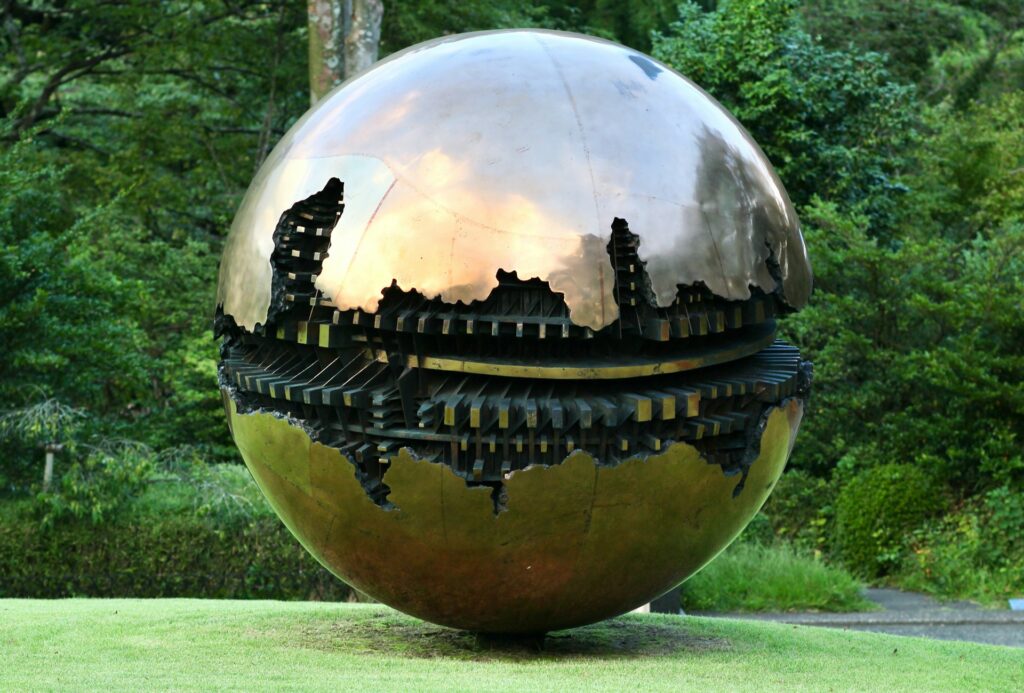
Plan for at least 1.5 hours at the Hakone Open-Air Museum. However, the visit feels much better if you allow 2.5 to 3 hours, especially if you want to explore the main sculptures properly, visit the Picasso Pavilion, climb the Symphonic Sculpture, use the footbath, or let children play at the interactive installations.
The 90-Minute Route
This is the absolute minimum. In 90 minutes, you can follow the main outdoor route, take photos at the Symphonic Sculpture, walk through part of the Picasso Pavilion, and return to the entrance. It works if you are short on time, but it does not leave much room for bad weather, crowds, or a relaxed break.
The 2–3 Hour Route
This is the best timeframe for most travelers. With 2.5 to 3 hours, you can explore the outdoor sculptures at a comfortable pace, spend proper time inside the Picasso Pavilion, soak your feet in the natural hot spring footbath, and enjoy the museum as part of the Hakone landscape rather than just another stop on a packed itinerary.
Best Time of Day to Visit
- Right at opening: The museum is often quieter, and the softer morning light can work well for photos.
- Later afternoon: The grounds can feel calmer after some day-trippers start moving toward their return routes, but do not arrive too late because last admission is usually 30 minutes before closing.
- Weekdays: Weekdays are usually easier than weekends, especially if you want a slower walk through the sculpture garden.
- Japanese holiday periods: Golden Week, Obon, and New Year travel periods can make Hakone busier overall, so allow extra transport time.
Ticket Prices & How to Save
As of June 2026, adult admission to the Hakone Open-Air Museum is 2,000 yen for a same-day ticket or 1,800 yen for an online ticket. Online tickets are usually the better choice if your plans are fixed because they are cheaper and can help you avoid the ticket sales counter.
| Ticket Type | Adult Price | Best For |
|---|---|---|
| Same-day ticket at the museum | 2,000 yen | Travelers who want maximum flexibility and have not decided their schedule yet. |
| Online ticket | 1,800 yen | Most visitors who already know they are going. It saves money and can reduce time at the counter. |
| Hakone Freepass discount | 1,900 yen for adults, as listed by Hakone Navi in June 2026 | Travelers already using the Hakone Freepass. Compare the current Freepass benefit with the online ticket price before buying. |
If you have a Hakone Freepass, compare before buying. Hakone Navi currently lists the Freepass adult admission at 1,900 yen, while the museum’s online adult ticket is currently 1,800 yen. That means the online ticket may still be cheaper if your plans are fixed.
For families, students, groups, and visitors with disability certificates, check the museum’s latest official ticket page before purchasing because categories and conditions can change.
Top Highlights You Should Not Miss
Even if you are not an art expert, the museum is easy to enjoy because the highlights are visual, spacious, and simple to experience. If you are short on time, prioritize these stops first.
The Symphonic Sculpture
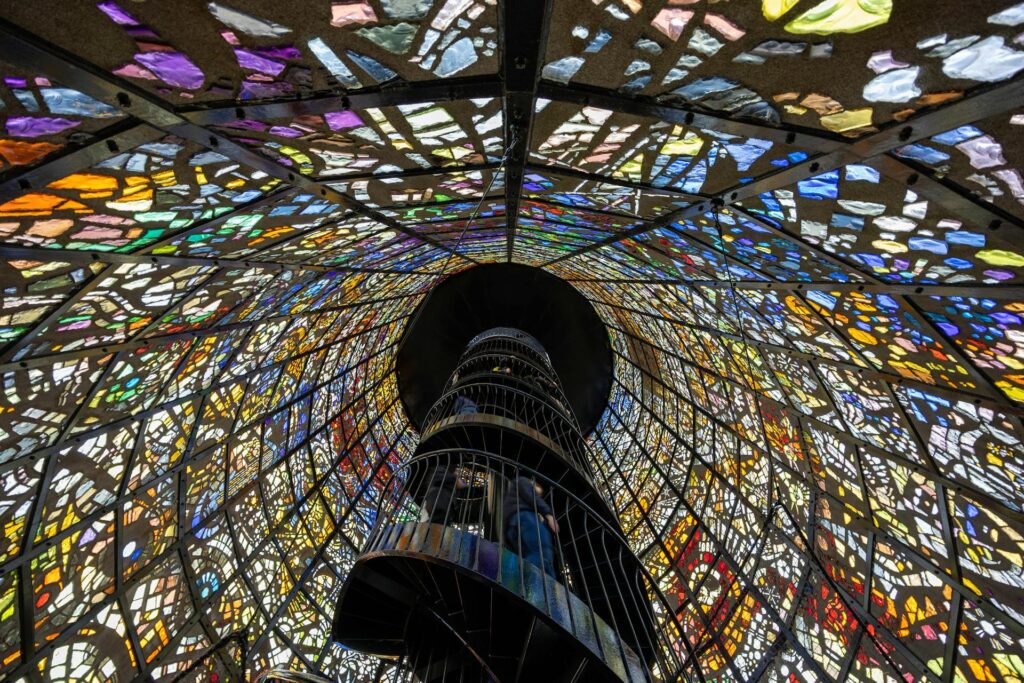
The Symphonic Sculpture is the museum’s most famous photo spot. You can step inside this stained-glass tower and climb the spiral staircase while colorful light filters through the glass panels. On a clear day, the upper section also gives you a wider view across the museum grounds and surrounding mountains.
The Picasso Pavilion
The Picasso Pavilion is the main indoor highlight. It displays a large collection of Picasso works, including ceramics, sculptures, sketches, and other pieces beyond the paintings many travelers expect. Plan at least 20 to 30 minutes for a quick walkthrough, and longer if you are especially interested in Picasso’s ceramics and smaller works.
The Hot Spring Footbath
The natural hot spring footbath is a small but memorable bonus after walking around the museum grounds. It is included once you are inside the museum. Bring a small towel if you have one, or check whether souvenir towels are available during your visit.
Woods of Net & Interactive Installations
If you are traveling with children, Woods of Net can be a highlight. It is a colorful hands-on artwork where kids can climb, sit, and play inside the structure. The museum lists this area for children aged 12 and under, and it may close during poor weather, so do not build your entire family visit around it without checking conditions on the day.
Museum vs Classic Hakone Loop: Can You Do Both?
You can technically visit the Hakone Open-Air Museum and still try to see the classic Hakone loop in one day, but it is not the best plan for most first-time visitors. The museum needs at least 1.5 to 2 hours, and Hakone’s transport network is scenic but slow. Once you add train transfers, ropeway queues, bus delays, lunch, and the return to Tokyo, the day becomes tight very quickly.
The biggest issue is that the museum does not offer a Mt. Fuji viewpoint. If seeing Mt. Fuji is your priority, you should spend your limited time around Owakudani, the Hakone Ropeway, Lake Ashi, or other dedicated viewpoints instead. Weather also matters: the museum can still work in light rain, but ropeway, lake cruise, and Fuji-view plans may change during strong winds, poor visibility, maintenance, or service disruptions.
| Decision Point | Museum on a DIY Day Trip | Overnight Hakone Visit | Guided Fuji-Hakone Day Tour |
|---|---|---|---|
| Time fit | Tight. You may need to cut Lake Ashi, Owakudani, the ropeway, or a relaxed lunch short. | Best. You can visit without rushing the rest of Hakone. | Efficient, but the museum is usually skipped. |
| Mt. Fuji priority | Lower. The museum uses time you could spend at Fuji-view areas. | Flexible. You can choose the clearer day for Fuji views. | Higher focus on classic Fuji and Hakone scenery. |
| Transport risk | Higher. You must manage local trains, buses, ropeway timing, and return transport yourself. | Lower. You have more buffer time. | Lower. Transport is organized for you, though weather can still affect the route. |
| Weather risk | Moderate. The museum works in light rain, but Fuji views may disappear. | Lower. You can adjust your schedule more easily. | Moderate. Ropeway, lake, or Fuji-view plans may change in poor conditions. |
| Best for | Art-first travelers who do not mind missing some classic Hakone sights. | Travelers who want both the museum and the main Hakone highlights. | First-time visitors who care more about Mt. Fuji, Owakudani, and Lake Ashi than the museum. |
| What you may skip | Lake Ashi, Owakudani, the ropeway, or a relaxed meal. | Nothing major if you plan well. | The Hakone Open-Air Museum. |
The verdict: If you only have one day from Tokyo and your top priority is Mt. Fuji, skip the museum and focus on the classic Hakone loop instead. If you are staying overnight or you are more interested in art, design, and slower travel than Fuji views, the Hakone Open-Air Museum is worth adding to your itinerary.
For travelers who want to prioritize Mt. Fuji, Owakudani, the Hakone Ropeway, and Lake Ashi without managing every connection independently, a guided tour can simplify the day.
👉 Check current availability, inclusions, and return options for the Mt. Fuji & Hakone day tour
How to Get to the Hakone Open-Air Museum
The easiest way to reach the Hakone Open-Air Museum is by train. If you are staying in Hakone, this is usually more reliable than relying only on local buses, especially on weekends or during busy travel periods.
- From Hakone-Yumoto Station: Take the Hakone Tozan Railway toward Gora and get off at Chokoku-no-Mori Station. The trip usually takes around 30 to 40 minutes depending on connections, and the museum entrance is about a 2-minute walk from the station.
- From Gora Station: Take the Hakone Tozan Railway one stop to Chokoku-no-Mori Station, or walk if your hotel is nearby and the weather is comfortable.
- By bus: Buses from Odawara or Hakone-Yumoto can also reach the area via Ninotaira-iriguchi, followed by a short walk. Buses are more affected by traffic, so the train is usually easier for most DIY travelers.
- By car: Parking is available on-site. As of June 2026, standard cars cost 500 yen for up to 3 hours, then 500 yen per additional hour.
If you are visiting from Tokyo on a day trip, build in extra time for transfers. Hakone looks compact on a map, but moving between the museum, Owakudani, Lake Ashi, and the return train can take longer than expected.
Practical Tips Before You Go
Check Weather and Same-Day Notices
The Hakone Open-Air Museum can still be enjoyable in light rain because there are indoor areas, including the Picasso Pavilion, and the outdoor sculptures can look atmospheric in misty weather. However, strong weather can affect museum operations, outdoor areas, local transport, ropeway service, lake cruises, and visibility.
If your plan depends on the Hakone Ropeway, Lake Ashi cruise, or Mt. Fuji views, check current transport conditions before committing to a packed route. Comfortable walking shoes are essential because the museum grounds include slopes, stairs, and outdoor walking routes.
Bring a Small Towel for the Footbath
The hot spring footbath is one of the museum’s most enjoyable small extras, especially after walking around the outdoor grounds. Bring a small towel if you have one. If not, check whether souvenir towels are available at the museum during your visit.
Food, Cafés & Snacks
The museum has food, café, and shop facilities, so you do not necessarily need to leave the grounds for a break. However, menus, opening conditions, and availability can change. If you have strict dietary needs, allergies, or young children who need specific snacks, bring a backup.
Luggage Lockers
Free coin lockers are available near the entrance area and use a 100-yen coin return system. This is useful if you visit before hotel check-in or after check-out. Keep a 100-yen coin handy, and ask staff if your luggage does not fit in a locker.
Stroller & Wheelchair Access
Free stroller and wheelchair rental is available at the museum, but availability may depend on the situation. The museum is more spacious than many indoor attractions, but it is still an outdoor site with slopes, stairs, narrow sections, and uneven routes. If mobility is a major concern, allow extra time and check the latest accessibility information before visiting.
Photography Rules
Photography is generally permitted for personal use, but video recording is not allowed inside indoor exhibition spaces, live streaming is not permitted, and commercial use of photos or videos is prohibited. Avoid using tripods or selfie sticks in indoor exhibition areas, and always follow current museum rules posted on-site.
Frequently Asked Questions
Can you see Mt. Fuji from the Hakone Open-Air Museum?
No. The museum sits in a valley surrounded by Hakone’s mountains, so it is not a good place to see Mt. Fuji. If seeing Mt. Fuji is your priority, focus your limited time on Owakudani, the Hakone Ropeway, Lake Ashi, or other dedicated viewpoints. You can also read this guide to where to see Mt. Fuji in Hakone before planning your route.
Is the museum worth visiting on a Tokyo day trip?
It depends on your priority. If the museum is the main reason you are going to Hakone, then yes, it can work on a Tokyo day trip. But if you also want Mt. Fuji views, Owakudani, the ropeway, and Lake Ashi, the museum usually makes the day too rushed. For most first-time day-trippers, the better choice is to prioritize the classic Hakone loop and save the museum for an overnight Hakone stay.
Is the Hakone Open-Air Museum good for kids?
Yes — it is one of the better art stops in Japan for families. Because much of the museum is outdoors and interactive, children have more space to move than in a typical indoor gallery. Installations such as Woods of Net make the visit more playful, though some play areas have age rules and may close in poor weather. Families should allow more time than couples or solo travelers.
Is the museum worth visiting in the rain?
Yes, but with realistic expectations. Light rain is manageable because you can use umbrellas, spend more time in the Picasso Pavilion, and enjoy the quieter atmosphere. Heavy rain makes the outdoor sections less comfortable, and some outdoor or children’s areas may be affected. If the forecast is bad and you want a mostly indoor art day, consider comparing it with the POLA Museum of Art or the Okada Museum of Art.
How much time do you need for the Picasso Pavilion?
Plan at least 20 to 30 minutes for the Picasso Pavilion if you only want a quick look. If you are especially interested in Picasso’s ceramics, sculptures, and smaller works, allow longer. The pavilion is also a useful place to slow down if the weather changes during your visit.
Are there restaurants or cafés inside the museum?
Yes. The museum has food and café facilities, but specific menus and hours can change. If you have strict dietary requirements, it is safer to eat before arriving or bring snacks as a backup.
Are there luggage lockers at the museum?
Yes. Free coin lockers are available near the entrance. They use a 100-yen coin return system, so keep a 100-yen coin handy if you plan to use them.
Can you visit with a stroller or wheelchair?
Yes, but with caveats. Free stroller and wheelchair rental is available, but the museum grounds include slopes, stairs, narrow passages, and outdoor walking routes. Some items, such as certain wagons or unsafe stroller types, may not be allowed inside. If mobility is a major concern, check the latest museum guidance before your visit.
Should you buy tickets in advance?
Yes, if your plans are fixed. As of June 2026, online adult tickets cost 1,800 yen compared with 2,000 yen for same-day adult admission. If you already have a Hakone Freepass, compare the current Freepass benefit with the online ticket price before buying.
Final Verdict: Is the Hakone Open-Air Museum Worth It?
The Hakone Open-Air Museum is worth it if you have at least two hours and want a slower, more scenic Hakone experience. It is especially good for overnight visitors, families, photographers, and travelers who want something more memorable than a standard indoor museum.
- Choose this if you are staying overnight in Hakone, traveling with kids, or prefer art and photography over chasing Mt. Fuji views.
- Skip it if you only have one day from Tokyo and your main goal is to see Mt. Fuji, ride the Hakone Ropeway, visit Owakudani, and cruise Lake Ashi.
- For families: This is one of Hakone’s better attractions for children, but check age rules and weather conditions for play areas such as Woods of Net.
- For first-time visitors: If this is your first trip to Hakone and time is limited, prioritize the classic loop and come back for the museum on a slower trip.
- For tight schedules: A 90-minute visit is possible, but you will enjoy it much more with 2.5 to 3 hours.
If you only have one day from Tokyo and want to prioritize Mt. Fuji, Owakudani, the Hakone Ropeway, and Lake Ashi, a guided Fuji-Hakone route may be simpler than planning every transfer independently.
👉 Check current availability, inclusions, and return options for the Mt. Fuji & Hakone day tour
Prices, opening hours, transport schedules, pass conditions, museum services, photography rules, tour inclusions, and seasonal operations can change. Always check official sources and your selected booking page before finalizing your trip.

Hi, I’m Kai. I’m a Tokyo-based travel writer, tourism industry insider, and the author of a published guidebook for international visitors to Japan. With over 10 years of professional experience at a leading Japanese tourism company, my mission is to help you skip the tourist traps and navigate Japan’s best destinations like a local. I believe the perfect day trip is like a traditional kaiseki meal: a beautiful balance of precise planning and unforgettable seasonal discovery. When I’m not out conducting field research, you’ll usually find me drafting new itineraries with one of my favorite fountain pens!