
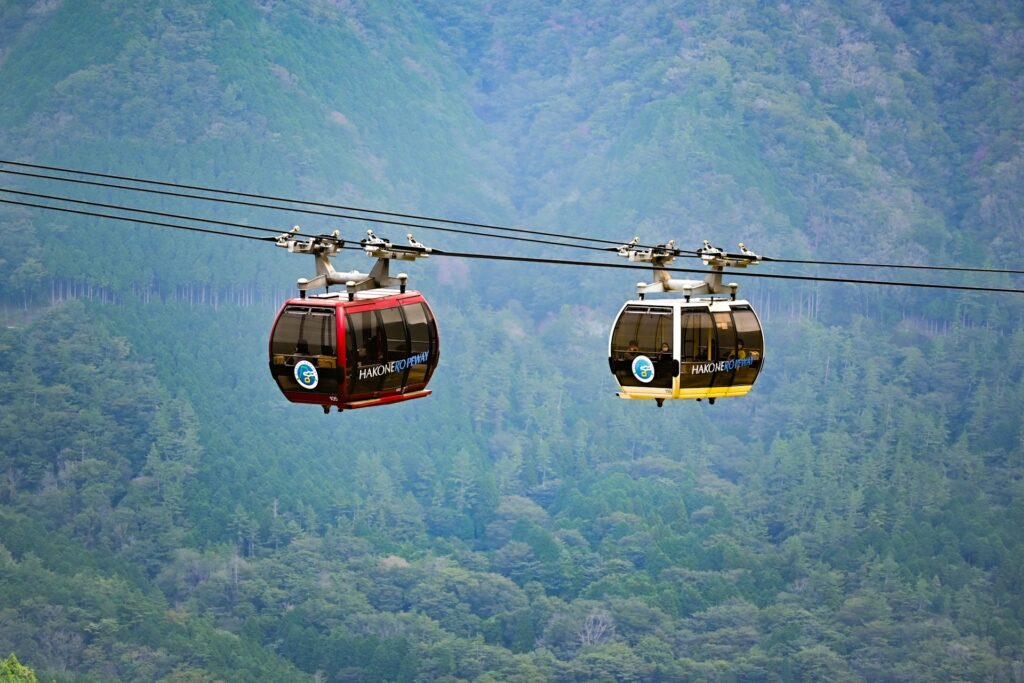
Is the Hakone Free Pass Worth It in 2026?
If you plan to complete the classic Hakone Golden Route — the loop that connects the mountain railway, cable car, ropeway, Lake Ashi cruise, and local buses — the short answer is usually yes. But a Hakone Free Pass is not automatically the cheapest option for every day trip or overnight stay. The deciding factor is which covered rides you will actually take.
After the October 2025 fare revision, individual tickets for some major Hakone transport legs became more expensive. That makes the pass more attractive than it used to be, especially if you ride the Hakone Ropeway and Lake Ashi Sightseeing Cruise as part of the full loop.
On the specific Golden Route calculated below — including a direct bus from Moto-Hakone to Odawara — buying individual adult tickets costs approximately 8,230 yen from Shinjuku or 6,410 yen from Odawara. Against the 2-day pass, that means savings of around 1,130 yen from Shinjuku or 410 yen from Odawara. The bigger value, though, is convenience: you can move through most of the route without buying a new ticket for every train, cable car, ropeway, boat, and bus.
However, the Hakone Free Pass is not the right choice for every traveler. The most important thing to understand is that Hakone is not Mt. Fuji. You can see Mt. Fuji from Hakone on a clear day, but the pass does not take you to Mt. Fuji 5th Station, Kawaguchiko, or the Fuji Five Lakes area.
| Your plan | Best choice |
|---|---|
| Complete the full Hakone Golden Route | Buy the Hakone Free Pass |
| Stay overnight and take several covered rides | Usually buy the pass; calculate your route first |
| Use JR to reach Odawara first | Compare the Odawara version with individual local fares |
| Visit only one museum, onsen, shrine, or viewpoint | Pay as you go |
| Visit Mt. Fuji 5th Station and Hakone in one day | Consider a guided tour instead |
Weather warning: The pass gives the best value when the Hakone Ropeway and Lake Ashi Sightseeing Cruise are operating. Both can be suspended due to strong wind, heavy rain, snow, volcanic gas alerts, inspections, or maintenance. Always check the official Hakone transport status on the morning of your trip before committing to the full loop.
Do You Save Money on the Hakone Golden Route?
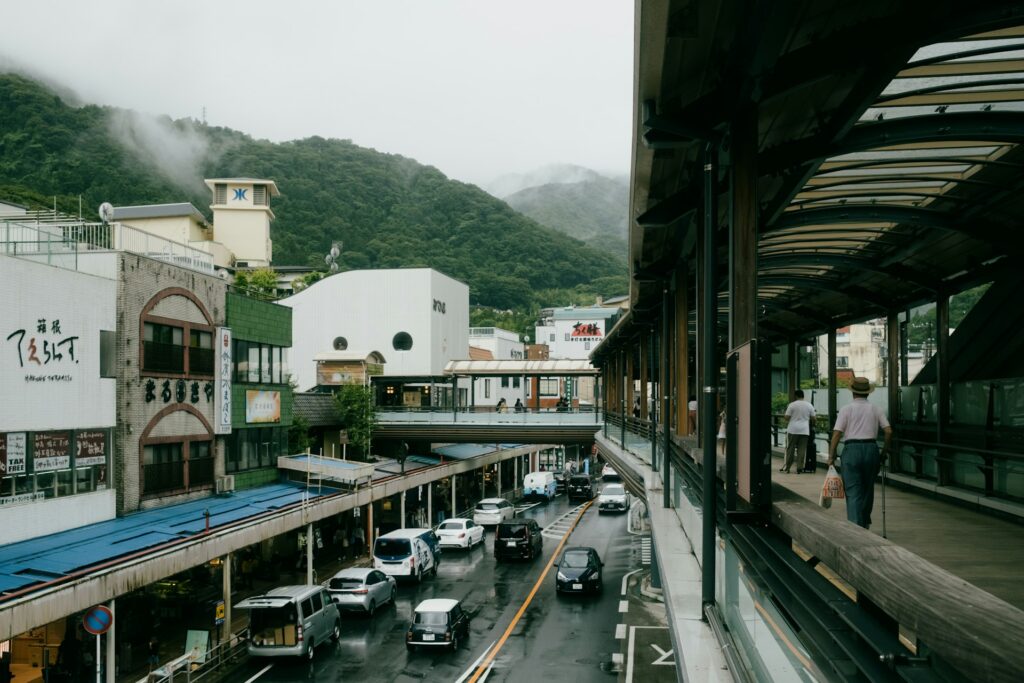
For most first-time visitors, the key question is not whether the pass gives unlimited rides. It is whether the pass actually saves money on a realistic Hakone day trip itinerary.
After the October 2025 fare revision, the pass became more attractive for travelers completing the full Golden Route. But a saving quoted without exact start, finish, and bus stops can be misleading. Below is one reproducible adult-fare calculation for a clockwise loop, using ordinary tickets rather than a Romancecar upgrade.
Golden Route: What Each Leg Costs Without the Pass
| Exact leg (adult, one way) | Individual fare |
|---|---|
| Shinjuku → Odawara (Odakyu ordinary fare) | 910 yen |
| Odawara → Gora (Hakone Tozan Railway) | 770 yen |
| Gora → Sounzan (Hakone Tozan Cable Car) | 430 yen |
| Sounzan → Togendai via Owakudani (Hakone Ropeway) | 2,000 yen |
| Togendai → Moto-Hakone Port (Hakone Sightseeing Cruise) | 1,700 yen |
| Moto-Hakone Port → Odawara Station (Hakone Tozan Bus, designated route) | 1,510 yen |
| Odawara → Shinjuku (Odakyu ordinary fare) | 910 yen |
The Odawara starting-point total is 6,410 yen (the five Hakone-area rides). Add both 910-yen Odakyu fares for a Shinjuku round-trip total of 8,230 yen. If you get off at Hakone-Yumoto instead of riding the bus all the way to Odawara, choose Hakone-machi Port rather than Moto-Hakone, or pay IC rather than paper-ticket fares, your total can differ. The bus amount refers to Moto-Hakone Port → Odawara, not the shorter ride to Hakone-Yumoto.
Pass vs Single Tickets: The Actual Difference
| Full-loop example | Individual tickets | 2-day Freepass | Saving with pass |
|---|---|---|---|
| Start/end Shinjuku | 8,230 yen | 7,100 yen | 1,130 yen |
| Start/end Odawara | 6,410 yen | 6,000 yen | 410 yen |
For these two specific routes, a full loop makes the pass cheaper even on a one-day trip. The saving is larger from Shinjuku because its pass price adds only 1,100 yen to the Odawara-area version, while two ordinary Shinjuku–Odawara fares total 1,820 yen. These examples exclude admission fees, optional special cruise cabins, and Romancecar limited express surcharges. Check the official Hakone transport fare tables and Hakone Freepass price list if you change the route.
That saving is helpful, but the real value goes beyond the numbers:
- Flexibility: Add an extra bus ride, change your route because of weather, or stop at a museum, and the pass becomes more useful.
- Convenience: You do not need to buy separate tickets at every stage of the trip.
- Route freedom: If you decide to take a different bus or return a different way within the covered area, the pass gives you more room to adjust.
When the calculation flips: If you skip the Hakone Ropeway or Lake Ashi Sightseeing Cruise, individual tickets may be cheaper than the pass. This is especially true if you only visit one museum, onsen, shrine, or viewpoint.
When Should You Not Buy the Hakone Free Pass?
The Hakone Free Pass is useful for the full Hakone loop, but it is not automatically the best ticket for every itinerary. Before buying it, compare your actual route with what the pass covers.
| When to skip it | Better option |
|---|---|
| Shinjuku → Hakone-Yumoto for an onsen, then back | Ordinary round-trip rail fares are about 2,540 yen: buy individual tickets instead of a 7,100-yen pass |
| You want to visit Mt. Fuji 5th Station or Kawaguchiko | Choose a Fuji-focused pass or guided tour |
| You only want Gora and the Open-Air Museum | Compare round-trip train fares; museum admission is not normally free with this pass |
| You are not riding the ropeway or Lake Ashi cruise | Check individual fares before buying |
| You are combining Hakone with Kamakura or Enoshima | Compare the Hakone Kamakura Pass |
| You only have one day and want both Mt. Fuji and Hakone | Consider a guided Mt. Fuji and Hakone tour from Tokyo |
An overnight stay does not automatically make the pass worthwhile either. A guest spending two days mostly at one ryokan may use less transport than a day visitor who completes the whole Golden Route. Count your planned rides before choosing the 2-day pass; museum and onsen admissions are generally separate, even when a passholder discount applies.
Hakone Free Pass 2026 — At a Glance
| Feature | Details |
|---|---|
| Issued by | Odakyu Railway |
| Validity | 2 or 3 consecutive days |
| 1-day pass available? | No. Day-trippers must buy the 2-day pass. |
| 2-day adult starting price | 6,000 yen from Odawara or 7,100 yen from Shinjuku (see full table below) |
| What it covers | 8 transport types in Hakone plus discounts at selected facilities |
| Romancecar included? | No. A separate limited express ticket is required. |
Hakone Free Pass Prices in 2026
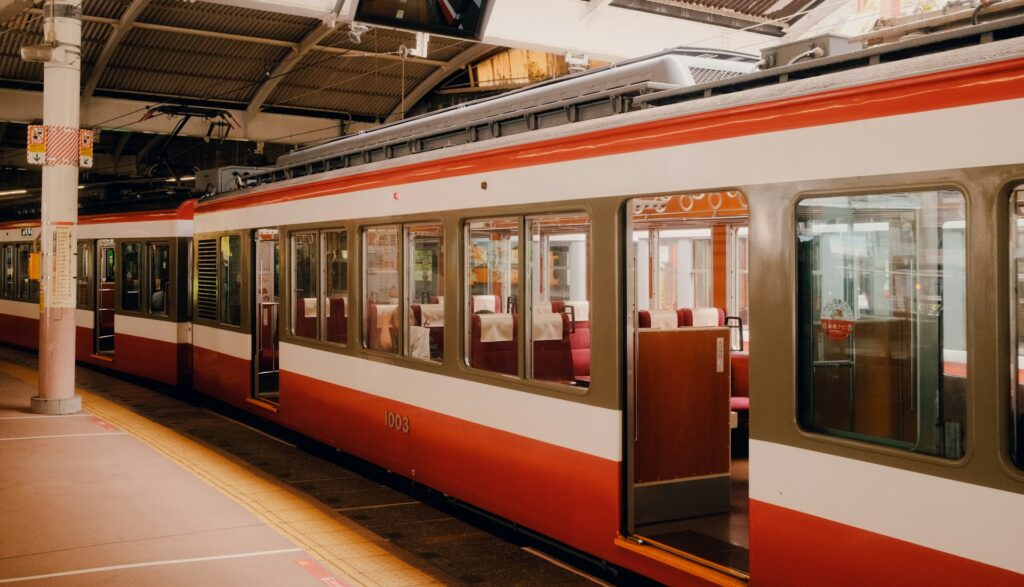
The Hakone Free Pass is a discount transport ticket issued by Odakyu Railway. It gives you unlimited rides on major transportation in the Hakone area, plus discounts at selected museums, hot springs, and attractions.
You can choose between a 2-day or 3-day pass. There is no 1-day Hakone Free Pass, so even day-trippers need to buy the 2-day version.
| Starting station | Pass type | Adult | Child |
|---|---|---|---|
| From Shinjuku | 2-day pass | 7,100 yen | 1,600 yen |
| 3-day pass | 7,500 yen | 1,850 yen | |
| From Odawara | 2-day pass | 6,000 yen | 1,500 yen |
| 3-day pass | 6,400 yen | 1,750 yen |
Prices above reflect the official post-October 2025 Hakone Free Pass listings checked for 2026. Fares, sales channels, and pass conditions can change, so always verify the latest price before buying.
The price difference between the 2-day and 3-day pass is small for adults — 400 yen at either departure station. Choose the 3-day pass if you will use covered transport on a third consecutive calendar day, rather than simply because you are staying two nights. For a simple day trip from Tokyo, the 2-day pass is enough. Validity is counted by consecutive calendar dates, not as a rolling 48- or 72-hour period.
What Does the Hakone Free Pass Include?
Inside the designated Hakone area, the pass covers unlimited rides on the main transport network used by most first-time visitors.
- Hakone Tozan Railway — the mountain train from Odawara and Hakone-Yumoto toward Gora
- Hakone Tozan Cable Car — from Gora to Sounzan
- Hakone Ropeway — from Sounzan through Owakudani to Togendai
- Hakone Sightseeing Cruise — the Lake Ashi pirate ship route
- Hakone Tozan Bus — in designated areas
- Odakyu Highway Bus — in designated areas
- Tokai Bus — in designated areas
- KANKO SHISETSU-MEGURI Bus — the tourist facility sightseeing bus
This is why the pass works well for the Hakone Golden Route. That route typically links Hakone-Yumoto, Gora, Sounzan, Owakudani, Togendai, Lake Ashi, and the return bus route toward Hakone-Yumoto or Odawara.
Important bus warning: The Hakone Free Pass does not cover every bus you may see in the area. In particular, Izu-Hakone Bus is a different operator and is not covered by the pass. The Komagatake Ropeway is also not included as an unlimited ride (a passholder discount may apply). The Shinjuku version covers only one outward-and-return Odakyu Line journey between your starting station and Odawara, even though designated Hakone-area transport is unlimited. Once you return to your original Odakyu departure station, the pass can no longer be used, even if a second or third day remains. When in doubt, check the route on Hakone Navi or show your pass to the driver before boarding.
Discount perks: The pass also gives discounts at selected facilities in Hakone, including museums, onsens, and sightseeing spots. These discounts are useful, but they should be treated as a bonus rather than the main reason to buy the pass.
Shinjuku vs Odawara: Which Hakone Free Pass Should You Buy?
Your best starting station depends on how you reach Hakone and where you go afterward. If a JR train, a Shinkansen, or your existing itinerary already gets you to Odawara, buying the Shinjuku version may mean paying for train coverage you do not need.
JR passes do not cover Odakyu Railway from Shinjuku or most local Hakone transport. However, many travelers can use JR trains to reach Odawara Station from Tokyo, Shinagawa, or other JR stations. From Odawara, you can buy the cheaper Odawara version of the Hakone Free Pass.
| Your situation | Recommended pass |
|---|---|
| Starting and returning to Shinjuku on Odakyu trains | Hakone Free Pass from Shinjuku (if doing the full loop) |
| Using JR to reach Odawara first | Hakone Free Pass from Odawara |
| Arriving from Kyoto, Osaka, or Nagoya by Tokaido Shinkansen | Hakone Free Pass from Odawara |
| Only visiting one place in Hakone | Compare individual fares first |
| Shinjuku → Hakone → Kyoto/Osaka via Odawara | Compare Shinjuku pass with one Odakyu fare plus an Odawara pass |
One-way Tokyo-to-Kyoto example: If you take the Odakyu Line from Shinjuku to Odawara (910 yen) and later leave Odawara by Shinkansen for Kyoto or Osaka, a 6,000-yen Odawara-area Freepass plus the one-way Odakyu fare comes to 6,910 yen. The 7,100-yen Shinjuku pass includes a return journey to Shinjuku that you will not use, so the split purchase is 190 yen cheaper before any Romancecar surcharge. The Shinkansen onward ticket is separate in both cases. This example uses the ordinary paper-ticket Odakyu fare; compare the current purchase terms if you book digitally.
JR Tokyo Wide Pass warning: Do not assume every JR pass covers the same route. The JR Tokyo Wide Pass does not cover the Tokaido Shinkansen. If you plan to use a JR pass to reach Odawara, check the exact trains covered by your pass before deciding between the Shinjuku and Odawara versions.
Does the Hakone Free Pass Cover the Romancecar?
No. This is the most common Hakone Free Pass misunderstanding.
If you buy the Shinjuku version, the pass covers the basic round-trip fare between Shinjuku and the Hakone area. However, it does not include the Limited Express Romancecar surcharge.
The Romancecar is the faster, reserved-seat limited express train from Shinjuku toward Hakone-Yumoto. To ride it, you need to buy a separate limited express ticket in addition to the Hakone Free Pass. As listed by Odakyu in November 2026, the Shinjuku–Hakone-Yumoto adult surcharge is 1,200 yen one way with a standard limited express ticket or 1,150 yen with a ticketless limited express ticket bought online. These are upgrades on top of the basic fare already covered by a Shinjuku-issued Freepass.
Think of the Hakone Free Pass as covering your base fare, not your reserved-seat upgrade. If you prefer not to pay extra, you can use regular Odakyu trains covered by the pass, but the journey usually takes longer and may require a transfer.
Where to Buy and How to Use the Hakone Free Pass
You can buy the Hakone Free Pass before your trip or on the day, depending on which format you prefer.
Digital Pass
The digital pass is convenient for many travelers because you can buy it online and use it on your phone. It is useful if you want to avoid ticket counter queues or buy before arriving in Hakone.
For families or friends, EMot also lists “For Group” digital Hakone Freepasses that allow up to four people to use tickets on one smartphone as long as everyone travels together. You cannot split that group ticket between phones or separate into different groups during the trip. If your companions may travel independently, buy separate individual tickets. If you do not want to depend on a charged smartphone and mobile access, a paper pass may be simpler.
How to Use a Digital Pass
After buying, open your ticket on a smartphone using the same sign-in method used for purchase. At the first covered ride, activate the pass from the ticket screen; then show the live screen or scan the displayed QR code as directed by staff. At staffed buses and gates, show your active ticket to the driver or attendant. A screenshot is not a substitute for the working digital ticket, so keep your phone charged.
Paper Pass
You can buy a physical pass at Odakyu stations and selected service counters. This can be the easier option for families, groups, or travelers who prefer a backup ticket that does not depend on phone battery or mobile data.
Do not confuse the Hakone Free Pass with a Romancecar ticket. If you want to ride the Romancecar, buy the limited express ticket separately.
👉 Check the latest Hakone Free Pass price and digital ticket options via EMot
Hakone Free Pass vs Other Passes
The Hakone Free Pass is the best fit if your trip is mainly within Hakone. If your itinerary also includes Kamakura, Enoshima, or the Fuji Five Lakes area, another pass may be worth comparing.
| Pass | Typical validity | Best for |
|---|---|---|
| Hakone Free Pass | 2 or 3 days | Hakone only — Golden Route, overnight stays, museums, onsens |
| Hakone Kamakura Pass | 3 days | Hakone plus Kamakura and Enoshima |
| Fuji Hakone Pass | 3 days | Hakone plus the Fuji Five Lakes area |
- Choose the Hakone Free Pass if Hakone is your main destination outside Tokyo.
- Compare the Hakone Kamakura Pass if you are also visiting Kamakura and Enoshima within the same short trip.
- Compare the Fuji Hakone Pass if you want to visit both Hakone and the Fuji Five Lakes area over several days.
A different local ticket may also suit a trip that is not a full loop. The following are alternatives to check, not interchangeable versions of the Hakone Freepass:
| Alternative ticket | Adult price shown by operator | When to consider it |
|---|---|---|
| Ropeway & Sightseeing Cruise Pass | 5,000 yen (1-day pass) | You expect to use the ropeway and cruise repeatedly in one day; one-way tickets for one ride on each may cost less. |
| Owakudani Ticket | 5,000 yen from Odawara | Your sightseeing focuses on the mountain railway, cable car and Owakudani, without a Lake Ashi cruise. |
| Hakone Tozan Train 1-Day “Nonbiri” Ticket | 1,580 yen | You only intend to ride the mountain railway between Odawara and Gora repeatedly. |
These products cover different services, and their sales conditions may vary. Check the operator’s current ticket list rather than assuming an alternative includes buses, ropeway, and cruise.
Pass prices and conditions can change, so check Odakyu’s latest official pass information before buying.
Hakone Free Pass vs Guided Tour
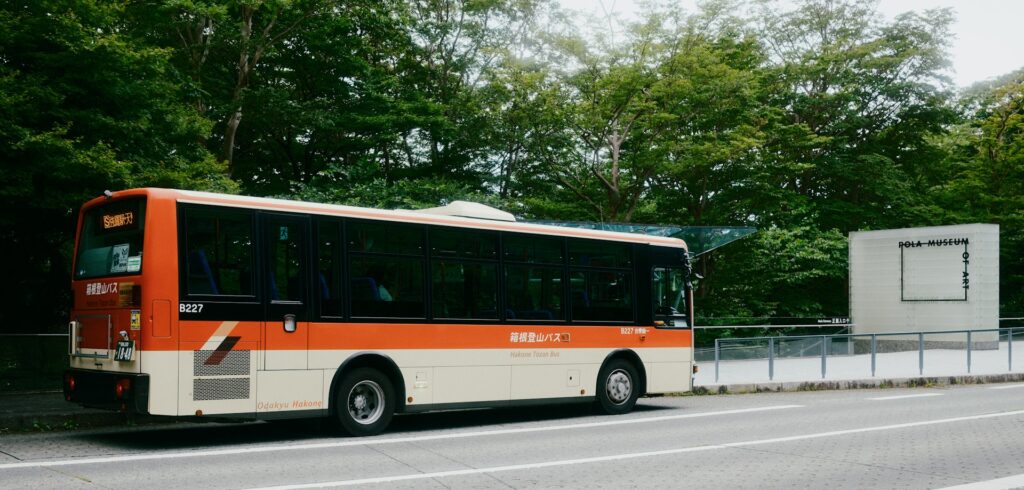
The Hakone Free Pass is the better choice if you want flexibility, local transport, and enough time to enjoy Hakone at your own pace. A guided tour is usually better if you have only one day from Tokyo and want to include both the Mt. Fuji area and a short Hakone experience.
| Decision point | Hakone Free Pass | Guided tour from Tokyo |
|---|---|---|
| Best for | Hakone day trips, overnight stays, and the full Golden Route | First-time visitors who want Mt. Fuji and Hakone in one day |
| Mt. Fuji 5th Station | Not covered | Often included, or replaced with another Fuji-area stop depending on season and conditions |
| Hakone Ropeway and Lake Ashi cruise | Covered when operating | Often included, depending on the selected tour and date |
| Transfers to manage | Several trains, cable cars, ropeway stations, boats, and buses | Mostly handled by the tour operator |
| Weather risk | You adjust your own route if transport is suspended | The operator may adjust the itinerary, but Mt. Fuji views are never guaranteed |
| Return to Tokyo | Shinjuku-issued pass includes the regular Odakyu return; Romancecar costs extra | Some tours include a faster bullet train return |
| Best pace | Slower and more flexible | Faster and more structured |
If your priority is to visit Mt. Fuji 5th Station and still experience highlights such as the Hakone Ropeway and Lake Ashi cruise in one day, a guided tour is the more practical option. It reduces the number of transfers and avoids the difficult public transport connection between the Mt. Fuji area and Hakone.
If you stay overnight, you can also book a traditional ryokan in Hakone and spread your Hakone sightseeing over two days.
Always check the selected date, meeting point, route, included transport, and cancellation terms before booking.
Bad Weather? What to Do If Transport Is Suspended
The Hakone Ropeway and Lake Ashi Sightseeing Cruise are the two most weather-dependent legs of the Golden Route. Both can be suspended due to strong wind, heavy rain, snow, volcanic gas alerts, or maintenance.
Check before you leave Tokyo:
If the ropeway, cruise, or another part of the route is suspended, do not rely on a fixed backup route from an old blog post. Check Hakone Navi’s current transport status and follow the official substitute route for that day. Some alternative buses or routes may not be covered by the Hakone Free Pass.
If the ropeway or cruise is not operating, the pass may still be useful if you take several covered buses or visit multiple discount facilities. However, it is not automatically the cheapest choice if you skip the most expensive transport legs. The operator states that a refund related to a suspended mode can apply when that mode was not used at all; it does not mean every interruption gives you a full refund of the pass. Ask staff about the applicable ticket and claim procedure before assuming you will be reimbursed. Check planned maintenance and replacement-bus announcements as well as live weather-related suspensions.
Scheduled winter 2026–27 ropeway maintenance: Service is scheduled to be suspended between Sounzan and Owakudani from December 7–24, 2026, and between Owakudani, Ubako, and Togendai from January 12–February 26, 2027. Replacement buses are planned for the affected sections. Expect extra waiting time and confirm the latest notice before traveling. See the official maintenance notice published in EMot.
Good rainy-day alternatives in Hakone include Hakone-Yumoto for shopping and onsen, Gora for the Hakone Open-Air Museum and Gora Park, Moto-Hakone for Hakone Shrine and lakeside walks when conditions allow, or a slower museum-focused itinerary.
Frequently Asked Questions
Does the Hakone Free Pass cover the Romancecar?
No. The Hakone Free Pass covers the basic fare between Shinjuku and the Hakone area if you buy the Shinjuku version, but it does not include the Limited Express Romancecar surcharge. To ride the Romancecar, buy a separate limited express ticket for a reserved seat.
Is there a 1-day Hakone Free Pass?
No. The Hakone Free Pass is sold as a 2-day or 3-day pass. Even if you are visiting Hakone as a day trip from Tokyo, you need to buy the 2-day version.
Does the Hakone Free Pass last 48 hours from activation?
No. A 2-day or 3-day pass is counted over consecutive calendar days, rather than 48 or 72 hours from when you start using it.
Is the Hakone Free Pass worth it for a day trip?
Often yes for the full Golden Route, even though the shortest option is a 2-day pass. See the Shinjuku and Odawara fare comparisons above for worked examples. If you only visit one or two places, calculate individual fares first.
Can I buy the Hakone Free Pass online?
Yes. Digital ticket options are available online, and paper tickets are available through selected stations and counters. Check the official purchase page for the latest sales channels, activation rules, and device requirements.
Does the pass include discounts at museums and onsens?
The pass does not usually include free admission, but it gives discounts at selected facilities in Hakone. Show your pass at the ticket counter and check the current discount before paying.
What is the difference between the digital pass and the paper pass?
Digital passes are displayed and used on a smartphone; paper passes are physical tickets. EMot also sells a group format allowing several people to travel together with one phone, but the group cannot split up. Paper can be easier if you prefer not to depend on a phone.
Can I use the Hakone Free Pass with a JR Pass?
Yes, but the JR Pass does not cover Odakyu trains or most Hakone local transport. A common approach is to use JR to reach Odawara Station, then buy the Odawara version of the Hakone Free Pass. Check your exact JR pass coverage before choosing this route.
Should I buy the Shinjuku version or the Odawara version?
The Shinjuku version makes sense for a Tokyo round trip on Odakyu. Use the Odawara version if arriving by JR or Shinkansen. If you go from Shinjuku to Hakone but then continue to Kyoto or Osaka, compare one Odakyu fare plus the Odawara pass against the Shinjuku version.
What happens if the Hakone Ropeway or Lake Ashi cruise is canceled?
Check Hakone Navi’s official transport status and the operating company’s replacement-bus information. Some routes are outside the pass area. A conditional refund may be available for a suspended mode you have not used at all, but do not assume an automatic full-pass refund.
Does the Hakone Free Pass cover Mt. Fuji?
No. The Hakone Free Pass covers the Hakone area only. You may see Mt. Fuji from Hakone on a clear day, but the pass does not take you to Mt. Fuji 5th Station, Kawaguchiko, or the Fuji Five Lakes.
Can I visit Mt. Fuji and Hakone in one day with the Hakone Free Pass?
Not realistically by public transport for most first-time visitors. The Hakone Free Pass is designed for Hakone, while Mt. Fuji 5th Station and the Fuji Five Lakes are separate travel areas. If you want both in one day from Tokyo, a guided tour is usually the more practical choice.
👉 Compare the Mt. Fuji and Hakone day tour from Tokyo
Final Verdict
The Hakone Free Pass is one of the best-value transport passes for exploring Hakone, but only if your itinerary matches what it covers.
Choose the Hakone Free Pass if:
- You are completing the full Hakone Golden Route
- You are staying overnight and will use covered local transport on more than one day
- You plan to use several covered trains, buses, ropeway, and cruise routes
- You want the convenience of not buying individual tickets at each stop
- You want flexibility in case you change your route during the day
Skip the Hakone Free Pass if:
- You only plan to visit one spot in Hakone
- Your main goal is Mt. Fuji 5th Station, Kawaguchiko, or the Fuji Five Lakes
- You are not riding the ropeway or Lake Ashi cruise
- You are combining Hakone with Kamakura, Enoshima, or Fuji Five Lakes and another pass fits better
- Bad weather has suspended the main transport legs and your replacement route is much shorter
For families with children: The child pass can be very good value if your family completes the full Golden Route. A group digital ticket can serve up to four people on one smartphone if they stay together; use individual tickets if you need to split up. Paper passes may be easier for younger children.
For JR pass holders: If your pass or route gets you to Odawara efficiently and you plan enough covered travel, the Odawara version is usually the better match. Just remember that not every JR pass covers the same trains, and the JR Tokyo Wide Pass does not cover the Tokaido Shinkansen.
For first-time visitors wanting both Mt. Fuji and Hakone: A guided tour is the realistic choice for a single day. The Hakone Free Pass is excellent for a dedicated Hakone trip, but it will not take you to Mt. Fuji itself.
Prices, opening hours, transport schedules, pass conditions, digital ticket rules, tour inclusions, payment methods, and seasonal operations can change. Always check official sources and your selected booking page before finalizing your trip.

Hi, I’m Kai. I’m a Tokyo-based travel writer, tourism industry insider, and the author of a published guidebook for international visitors to Japan. With over 10 years of professional experience at a leading Japanese tourism company, my mission is to help you skip the tourist traps and navigate Japan’s best destinations like a local. I believe the perfect day trip is like a traditional kaiseki meal: a beautiful balance of precise planning and unforgettable seasonal discovery. When I’m not out conducting field research, you’ll usually find me drafting new itineraries with one of my favorite fountain pens!