
Hakone looks compact on a map, but getting from one restaurant area to another can take much longer than expected by train, cable car, ropeway, boat, and bus. If you are planning a day trip from Tokyo, where you eat matters almost as much as what you eat.
Quick Answer: Where to Eat in Hakone
For most first-time visitors, the best Hakone restaurants depend on your sightseeing route, not just online reviews. Here is the fastest way to decide:
- Best area for choice: Hakone-Yumoto has the widest range of restaurants and is the safest place to eat before or after arriving from Tokyo.
- Best for tofu katsuni: Gora, especially Tamura Ginkatsutei. It is famous, but lunch waits can be long and current opening days should be checked before you go.
- Best for lake views and cafes: Lake Ashi. Bakery & Table Hakone and La Terrazza Ashinoko are practical options around the Motohakone area.
- Best quick snack: Kuro-tamago black eggs at Owakudani. As of official information checked in June 2026, they are sold in bags of four for 500 yen.
- Budget tip: Many casual lunches in Hakone fall around ¥1,000–¥2,500 per person, while famous restaurants or full set meals can cost more.
- Biggest dining risk: Popular lunch spots can involve long waits, and many local restaurants close after lunch or by early evening.
- Weather risk: The Hakone Ropeway may be suspended because of bad weather or maintenance, and Owakudani access can be affected by volcanic gas conditions. Do not postpone Owakudani or Lake Ashi until late afternoon if they are your main priorities.
If you are visiting Hakone on a day trip, plan lunch around your route rather than choosing a restaurant on reputation alone. A one- or two-hour lunch queue can easily affect your Lake Ashi cruise, ropeway ride, or return train schedule.
If your priority is sightseeing efficiency rather than choosing one specific restaurant, compare a structured Mt. Fuji and Hakone day tour before committing to a DIY food route.
👉 Check current availability, inclusions, and return options for the Mt. Fuji and Hakone day tour
Best Hakone Restaurants by Area
Hakone looks compact, but moving between areas can take time. Use this table to choose where to eat before committing to a long detour or restaurant wait.
| Area | Best For | Good Options | Typical Budget | Dining Warning |
|---|---|---|---|---|
| Hakone-Yumoto | First meal, many choices, yuba, soba | Yuba Don Naokichi, Hatsuhana Soba, Shika-Jaya | About ¥1,000–¥2,500 for many casual lunches | Famous lunch spots can fill quickly from late morning. Check current closing days before relying on one restaurant. |
| Gora | Tofu katsuni, cable car transfer point | Tamura Ginkatsutei | About ¥1,500–¥3,000 for many set meals | Usually busy at lunch. Commonly listed with Wednesday closures, and some dinner services may be unavailable depending on the day. |
| Lake Ashi | Lake views, cafes, pizza, relaxed breaks | Bakery & Table Hakone, La Terrazza Ashinoko, Amimoto Oba | About ¥500–¥2,500 depending on snack, cafe, or meal | Restaurant choice depends heavily on which pier or lakeside area you visit. |
| Owakudani | Black eggs, quick snacks, volcanic scenery | Owakudani Kurotamagokan | 500 yen for a bag of four black eggs, as checked in June 2026 | Access depends on ropeway operations, weather, maintenance, and volcanic gas conditions. |
Must-Try Hakone Food
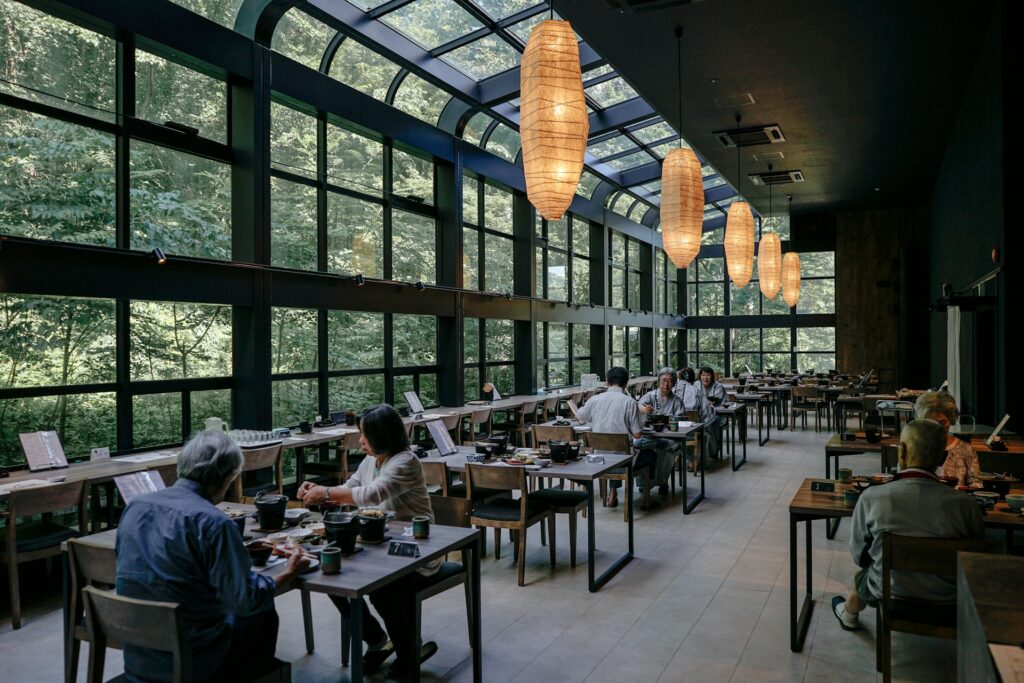
Hakone is known for mountain water, hot springs, tofu dishes, soba noodles, lake fish, and quick volcanic snacks. These are the foods to prioritize if you only have one day.
Kuro-Tamago Black Eggs
Kuro-tamago are Hakone’s most famous snack. These eggs are boiled using the geothermal waters of Owakudani, where minerals turn the shells black. Local legend says eating one adds seven years to your life.
They taste mostly like regular boiled eggs with a slight mineral note. As of official information checked in June 2026, kuro-tamago are sold at Owakudani in bags of four for 500 yen. They are ideal for day-trippers because they are quick to buy and eat, as long as Owakudani is open and access is operating normally.
Yuba
Yuba is tofu skin, the delicate layer that forms on the surface of heated soy milk. In Hakone, it is often served with rice, broth, and egg, making it a warm and comforting lunch choice. Yuba Don Naokichi in Hakone-Yumoto is one of the best-known places to try it.
Tofu Katsuni
Tofu katsuni is closely associated with Tamura Ginkatsutei in Gora. The dish usually features tofu with minced pork, fried and simmered in a sweet-savory egg broth. It is one of Hakone’s most famous restaurant meals, but it is not the best choice if your schedule is tight and you cannot afford a long lunch wait.
Soba Noodles
Soba is another strong option in Hakone, especially around Hakone-Yumoto. Hatsuhana Soba is known for noodles made with natural yam, giving them a smooth texture and earthy flavor. Soba can also be easier to fit into a busy day than a long multi-course restaurant meal.
Smelt Tempura
Lake Ashi is also associated with wakasagi, or smelt, often served as tempura. Amimoto Oba near the Motohakone area is a well-known option for this dish, but lake fish restaurants can be lunch-focused and may sell out, so do not leave this type of meal too late in the day.
Hakone-Yumoto Restaurants
Hakone-Yumoto is the gateway to Hakone and the easiest area for most travelers arriving from Tokyo. If you are nervous about finding food later in the day, eating here first can be the safest plan.
Yuba Don Naokichi
Yuba Don Naokichi is one of the most popular Hakone restaurants for yuba. Its signature dish is yuba served in a hot clay pot with rice, broth, and egg. A typical meal often falls around the mid-range lunch budget for Hakone, but prices can change.
Restaurant listings commonly note that standard reservations are not accepted, so plan it as a walk-in unless you confirm otherwise. The usual strategy is to arrive before the peak lunch rush, take a ticket if the restaurant is using a queue system, and avoid planning a tight connection immediately after lunch.
Hatsuhana Soba
Hatsuhana Soba is a long-running soba restaurant near the river in Hakone-Yumoto. It is known for noodles made with natural yam and egg, creating a rich and smooth texture.
This is a good choice if you want a traditional Hakone meal without traveling deeper into the mountains before eating. It can still be busy, so it works best when you arrive early or keep your post-lunch itinerary flexible. Check the current opening days before relying on it, especially around midweek.
Shika-Jaya
Shika-Jaya is a traditional restaurant option in Hakone-Yumoto that can work well for travelers interested in tofu and vegetable-centered Japanese food. Its tofu-focused set meals may be useful for vegetarians or travelers trying to avoid meat-heavy meals.
Strict vegetarians, vegans, and Muslim travelers should still confirm broth, cooking sake, mirin, and seasoning details with the staff. Japanese tofu and vegetable dishes may still use fish-based dashi or alcohol-based seasonings.
If you are planning your full Hakone route and want a step-by-step schedule that includes meal stops, see our detailed Hakone day trip itinerary.
Gora Restaurants
Gora is a major transfer point for the Hakone Tozan Cable Car and the route toward the Hakone Ropeway. It is convenient if your sightseeing route already takes you through the mountain side of Hakone, but it is not always worth a special lunch detour from Lake Ashi or Hakone-Yumoto.
Tamura Ginkatsutei
Tamura Ginkatsutei is the best-known restaurant in Gora and one of the most famous places to eat in Hakone. Its signature tofu katsuni makes it especially popular with first-time visitors.
The main thing to understand is the queue. On weekends, holidays, and clear-weather days, lunch waits can be long. Some online or priority waiting systems may be available at certain times, but treat them as queue management rather than a guaranteed reservation at an exact time. You may still need to wait after arrival.
Common restaurant listings show Tamura Ginkatsutei as usually closed on Wednesdays, with some dinner services unavailable depending on the day. Hours and reservation systems can change, so check the latest listing before building your route around it.
Choose Tamura Ginkatsutei if eating tofu katsuni is one of your main Hakone goals. Skip it if your top priorities are Lake Ashi, Owakudani, the ropeway, and returning to Tokyo on a strict schedule.
Lake Ashi Restaurants and Cafes
Lake Ashi is the best area for scenic views and relaxed dining. It is also a practical backup if you are more interested in lakeside eating than waiting for a famous local restaurant inland.
Bakery & Table Hakone
Bakery & Table Hakone is a popular cafe and bakery near the Motohakone-ko sightseeing boat pier. It is especially convenient if you are visiting Lake Ashi, Hakone Shrine, or the red torii gate by the water.
As of information checked in June 2026, Bakery & Table Hakone is commonly listed around 9:00–17:00, with some floors or services opening later than the bakery. You can buy bread or pastries for a quick break, use the cafe floors for a longer stop, or enjoy the outdoor footbath area when available. Same-day hours and services can change, so check before relying on it.
La Terrazza Ashinoko
La Terrazza Ashinoko is a lakeside Italian restaurant known for pizza, pasta, and lake views. It is a practical choice for travelers who want a break from Japanese food or need a more flexible vegetarian-friendly meal.
As of information checked in June 2026, it is commonly listed with longer hours than many lunch-focused Hakone restaurants, including evening service on many days. This makes it a useful option to check when you need food around Lake Ashi in the late afternoon or early evening. Hours can change by weekday, weekend, season, or private events, so confirm before relying on it for dinner.
Amimoto Oba
Amimoto Oba is a small lakeside restaurant near the Motohakone area known for wakasagi, or smelt from Lake Ashi. The classic order is smelt tempura, which is light, mild, and easy to combine with a Lake Ashi sightseeing route.
This type of restaurant is best treated as an early-lunch option. Fish dishes may sell out, and lunch-focused local restaurants may close earlier than city travelers expect. Carry cash as a backup and check same-day hours before going.
Vegetarian and Muslim-Friendly Food in Hakone
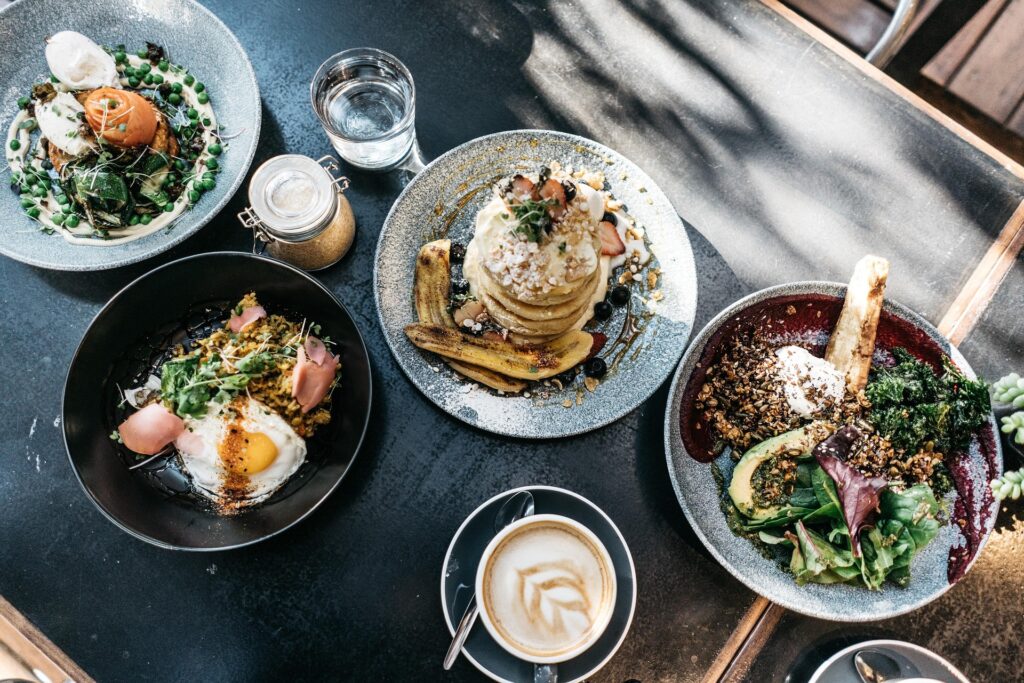
Hakone can be challenging for travelers with strict dietary needs. It is a hot spring resort area rather than a major city, so do not expect the same number of vegetarian, vegan, or halal-certified restaurants you might find in Tokyo, Kyoto, or Osaka.
For Muslim travelers, the safer term is Muslim-friendly food in Hakone rather than strict halal dining. Fully halal-certified restaurants with dedicated kitchens are very limited in the Hakone area, so it is important to confirm ingredients directly with each restaurant.
La Terrazza Ashinoko
La Terrazza Ashinoko is one of the more practical options around Lake Ashi if you want to avoid meat-heavy Japanese set meals. Pizza, pasta, and seafood dishes can be easier to customize than fixed Japanese set meals.
Strict Muslim travelers should still ask about alcohol in sauces, cooking wine, pork-derived ingredients, and cross-contamination. Vegetarians should also confirm whether cheese, broth, sauces, or toppings contain animal-derived ingredients.
Shika-Jaya
Shika-Jaya in Hakone-Yumoto can work well for travelers interested in tofu and vegetable-centered Japanese food. A tofu set meal is a better starting point than ramen, curry, or meat-based rice bowls if you are trying to avoid pork or beef.
The key issue is seasoning. Japanese tofu and vegetable dishes may still use fish-based dashi or cooking sake, so ask the staff before ordering if you follow strict dietary rules. A translation app or written dietary card can be very useful.
Soba Restaurants
Soba can be a useful backup meal in Hakone, especially around Hakone-Yumoto. Cold soba is often simpler than hot soup-based dishes, but the dipping sauce usually contains fish-based dashi.
If you are vegetarian, vegan, or Muslim, do not assume soba is automatically suitable. Ask whether the sauce or broth contains fish, meat, alcohol, mirin, or other ingredients you avoid.
Hakone Dining Logistics: What You Need to Know Before You Go
The hardest part of eating in Hakone is not finding famous restaurants. It is fitting those restaurants into a mountain sightseeing route that depends on trains, buses, cable cars, ropeways, boats, and weather.
Lunch Waits and How to Avoid Them
Popular Hakone restaurants can have long waits during weekends, Japanese holidays, autumn foliage season, spring travel periods, and clear-weather days when Mt. Fuji views are more likely.
How to avoid the worst waits:
- Arrive before opening or before the main lunch rush: The first seating is usually much easier than arriving after the line has formed.
- Eat early in Hakone-Yumoto: If you arrive from Tokyo in the late morning, an early lunch in Yumoto can save stress later.
- Keep your next stop flexible: Do not book yourself into a tight ropeway, cruise, or train plan immediately after a famous restaurant.
- Skip the famous restaurant if sightseeing matters more: A quick soba, cafe, or black egg stop may protect your Lake Ashi and Owakudani time.
Reservation Reality
Reservation rules vary by restaurant. Some famous local lunch spots do not accept standard reservations, while others may use online waiting or priority systems that still involve waiting during busy periods.
Do not assume that a famous Hakone lunch restaurant will let you book a normal table in advance. Always check the restaurant’s current rules before planning your route around it.
Cash vs Card at Hakone Restaurants
Payment methods vary widely in Hakone. Larger cafes and restaurants may accept credit cards or cashless payments, while smaller restaurants, snack counters, and older local shops may prefer or require cash.
Do not build your food plan around card payment alone. Carry cash as a backup, especially if you want to eat at smaller local restaurants, snack stalls, or lunch-only spots. A practical food budget is often around ¥5,000–¥10,000 per person in cash for the day, depending on whether you plan snacks, cafes, or a full restaurant meal.
Early Closures and Dinner Options
Hakone is a hot spring resort area, and many overnight visitors eat dinner at their ryokan. Because of this, many independent restaurants focus on lunch and close after the afternoon or by early evening.
If you are staying overnight, check whether your accommodation includes dinner. If you are not staying at a Hakone ryokan with dinner included, confirm restaurant hours before assuming you can find a late meal near your hotel.
Weather and Transport Risk
Hakone dining plans should always leave room for weather changes. The ropeway can be suspended because of bad weather or maintenance, and Owakudani access can be restricted due to volcanic gas conditions.
This matters because many travelers plan to eat black eggs at Owakudani, then continue to Lake Ashi. If access is interrupted, you may need to change your meal plan and sightseeing route on the same day. Always have a backup eating area in mind.
Route-Based Meal Planning: What to Eat Where and When
These sample plans are planning frameworks, not fixed schedules. Actual timing depends on your starting point, train choice, ropeway operations, boat schedule, weather, and restaurant waits.
Plan A: Tight Day Trip from Tokyo
Best for: First-time visitors who care more about Lake Ashi, Owakudani, and the ropeway than a famous sit-down lunch.
- Morning: Travel from Tokyo to Hakone-Yumoto and continue toward Gora and Owakudani.
- Late morning or midday: Eat kuro-tamago black eggs at Owakudani if access is open.
- Midday to early afternoon: Continue toward Lake Ashi and choose a flexible cafe or casual restaurant near your pier area.
- Afternoon: Prioritize the Lake Ashi cruise, Hakone Shrine area, and return route.
Food strategy: No long famous restaurant queue. Use black eggs and a lakeside cafe meal to protect sightseeing time.
Plan B: Food-Focused Day Trip
Best for: Travelers who specifically want one famous Hakone restaurant experience.
- Option 1: Eat yuba in Hakone-Yumoto, then continue sightseeing deeper into Hakone.
- Option 2: Go straight to Gora and prioritize Tamura Ginkatsutei for tofu katsuni.
- After lunch: Continue to Owakudani and Lake Ashi only if the wait time and transport conditions still make sense.
Food strategy: Choose one famous restaurant, not two. Trying to combine Yuba Don Naokichi and Tamura Ginkatsutei on the same tight day trip can easily cost you Owakudani, Lake Ashi, or a relaxed return to Tokyo.
Plan C: Overnight Stay
Best for: Travelers staying at a ryokan or anyone who wants a slower Hakone food experience.
- Day 1: Arrive, eat lunch in Hakone-Yumoto or Gora, explore one main sightseeing area, and have dinner at your ryokan if included.
- Day 2: Visit Owakudani earlier in the day, eat black eggs, then try a Lake Ashi or Hakone-Yumoto lunch before returning to Tokyo.
Food strategy: With two days, you can try one famous restaurant and still keep room for black eggs, soba, yuba, or a lakeside meal without rushing.
DIY Hakone Dining vs Guided Day Tour
A DIY Hakone day trip gives you the most freedom, especially if eating at a specific restaurant is part of your travel goal. The trade-off is that you need to manage queues, transfers, restaurant hours, and weather changes yourself.
A guided day tour is better for travelers who care more about seeing the major Hakone and Mt. Fuji area highlights than choosing a specific restaurant. It usually reduces transit stress, but it also means less dining freedom.
| Decision Point | DIY Hakone Dining | Guided Day Tour |
|---|---|---|
| Best For | Travelers who want to choose a specific restaurant or stay overnight. | Travelers who want sightseeing efficiency on a day trip from Tokyo. |
| Lunch Queue Risk | High at famous restaurants during peak periods. | Lower, because meal stops are usually planned around the itinerary. |
| Dining Freedom | Highest. You can choose yuba, soba, tofu katsuni, cafes, or ryokan meals. | Limited. You may need to follow the tour schedule and rest-stop options. |
| Transport Complexity | You manage trains, buses, cable cars, ropeways, boats, and return timing. | Transport is organized for you, which reduces planning stress. |
| Weather Flexibility | You can change plans, but you must solve route changes yourself. | The operator may adjust the route, but views, ropeway access, and traffic conditions still depend on the day. |
| Best Food Strategy | Eat early in Hakone-Yumoto or commit to one famous restaurant. | Use food stops as part of the schedule and prioritize sightseeing over restaurant queues. |
Still deciding? If your main goal is to see Hakone’s highlights — such as the ropeway, Lake Ashi, and Mt. Fuji area views — without managing every transfer and lunch queue yourself, a structured tour can remove much of the stress. The trade-off is less flexibility in where you eat.
👉 Check current tour details, inclusions, and return options for the Mt. Fuji and Hakone day tour
Best for travelers who want a structured day covering major sightseeing stops with simpler lunch logistics.
Backup Plans When Restaurants Are Full
Even the best Hakone restaurant plan can fall apart if you arrive during a busy lunch rush. Have a backup before you get hungry.
Eat in Hakone-Yumoto First
If you arrive from Tokyo and already see crowds building, consider eating in Hakone-Yumoto before heading deeper into the mountains. It has the widest range of restaurants and is easier to navigate than smaller stops later in the route.
Use Owakudani for a Snack, Not a Full Meal
If your schedule is tight, treat Owakudani as a black egg stop rather than a full lunch stop. Kuro-tamago are quick, iconic, and much easier to fit into a day trip than a long restaurant meal.
Switch to Lake Ashi Cafes
If you are already near Lake Ashi, a cafe or casual restaurant may be a smarter choice than backtracking for a famous lunch spot. Bakery & Table Hakone, La Terrazza Ashinoko, and Amimoto Oba can be useful options around the lake, depending on your route and the day’s opening hours.
Eat in Odawara After Sightseeing
Odawara can be a practical backup if restaurants in Hakone are full or closed by the time you finish sightseeing. It has more evening dining options and better train access, so it can be easier than searching for a late meal in a quiet Hakone resort area.
Frequently Asked Questions
What are the best Hakone restaurants for first-time visitors?
For first-time visitors, the most practical Hakone restaurants are Yuba Don Naokichi in Hakone-Yumoto, Tamura Ginkatsutei in Gora, Bakery & Table Hakone near Lake Ashi, and La Terrazza Ashinoko for a more flexible lakeside meal. Choose based on your route, not just reputation.
What food is Hakone famous for?
Hakone is famous for kuro-tamago black eggs at Owakudani, yuba tofu skin, soba noodles, tofu katsuni, Lake Ashi smelt, and hot spring ryokan meals. If you only have one day, black eggs are the easiest must-try food because they do not require a long restaurant stop.
How much does food cost in Hakone?
Many casual lunches in Hakone cost around ¥1,000–¥2,500 per person. Famous restaurants, full set meals, or lakeside restaurants can cost more. Black eggs at Owakudani are 500 yen for a bag of four as of official information checked in June 2026. Prices can change, so check current menus before you go.
Do Hakone restaurants require reservations?
Some Hakone restaurants accept reservations, some do not, and some use online waiting or priority systems. Do not assume that a famous lunch spot will let you book a normal table in advance. Always check the restaurant’s current rules before planning your route around it.
Are Hakone restaurants cash only?
Some smaller Hakone restaurants and snack stalls may be cash-only or cash-preferred, while larger cafes and restaurants may accept cards or cashless payments. Payment methods can change, so carry cash as a backup even if a listing says cards are accepted.
Are there halal restaurants in Hakone?
Strict halal-certified restaurants are very limited in Hakone. Muslim travelers usually need to look for Muslim-friendly options, such as vegetarian dishes, tofu meals, seafood, or Italian restaurants, while confirming alcohol, pork, broth, and cross-contamination with the staff. See our Muslim-friendly food guide to Hakone for more details.
Are there vegetarian restaurants in Hakone?
Hakone has vegetarian-friendly dishes, but fully vegetarian restaurants are limited. Tofu meals, soba, pizza, pasta, and vegetable dishes can work, but you should confirm dashi, sauces, toppings, and cooking alcohol before ordering.
Why do many Hakone restaurants close early?
Hakone is a hot spring resort town, and many overnight guests eat dinner at their ryokan. Because of this, some local restaurants focus on lunch and close after the afternoon or by early evening. Dinner is much easier if your accommodation includes it or if you confirm restaurant hours in advance.
Is it better to eat lunch in Hakone-Yumoto or Gora?
Hakone-Yumoto is usually safer if you want more restaurant choices and easier train access. Gora is better if you specifically want tofu katsuni at Tamura Ginkatsutei and are already transferring toward the cable car and ropeway. For a tight day trip, Hakone-Yumoto is usually the lower-risk lunch area.
Can I visit Hakone restaurants and still see Lake Ashi and Owakudani in one day?
Yes, but only if you manage your time carefully. A long restaurant queue can reduce your chances of fitting in Lake Ashi, Owakudani, the ropeway, and the return trip to Tokyo. Eat early, choose quick meals, or accept that one famous restaurant may replace one sightseeing stop.
Final Verdict
Choose a DIY food-focused day trip if:
- A specific restaurant, such as Tamura Ginkatsutei or Yuba Don Naokichi, is one of your main reasons for visiting Hakone.
- You are staying overnight and have flexibility across two days.
- You enjoy planning your own route and managing transport transfers.
Choose a guided tour if:
- Your main goal is to see Mt. Fuji and Hakone highlights without losing time to restaurant queues or route planning.
- You have only one day and want someone else to manage the logistics.
- You prefer a relaxing experience over choosing exactly where to eat.
For families with children: Hakone-Yumoto is usually the easiest area for a lower-stress meal. Bakery & Table Hakone is also practical for quick food near Lake Ashi. Famous local restaurants may not have kids’ menus, but soba, rice dishes, bakery items, and casual cafes can be easier options.
For travelers on a tight schedule: Skip the famous lunch restaurant. Eat black eggs at Owakudani, grab a pastry or casual meal near Lake Ashi, and use the saved time for the ropeway, cruise, and return route.
For travelers who prefer a structured day with simple lunch logistics, here is the top recommended tour to compare:
👉 Check current availability, inclusions, and return options for the Mt. Fuji and Hakone day tour
Good for travelers who want major sightseeing stops with less route-planning stress. Food flexibility is more limited than a DIY trip.
Prices, opening hours, transport schedules, restaurant closing days, reservation systems, payment methods, tour inclusions, and seasonal operations can change. Always check official sources, current restaurant listings, and your selected booking page before finalizing your trip.
Hi, I’m Kai. I’m a Tokyo-based travel writer, tourism industry insider, and the author of a published guidebook for international visitors to Japan. With over 10 years of professional experience at a leading Japanese tourism company, my mission is to help you skip the tourist traps and navigate Japan’s best destinations like a local. I believe the perfect day trip is like a traditional kaiseki meal: a beautiful balance of precise planning and unforgettable seasonal discovery. When I’m not out conducting field research, you’ll usually find me drafting new itineraries with one of my favorite fountain pens!