
Hakone is one of the most scenic day trips from Tokyo, but it is not one of Japan’s easiest places for halal dining. If you need the safest plan, bring a halal bento or clearly labelled meal from Tokyo and treat restaurant meals in Hakone as a bonus rather than your main food strategy.
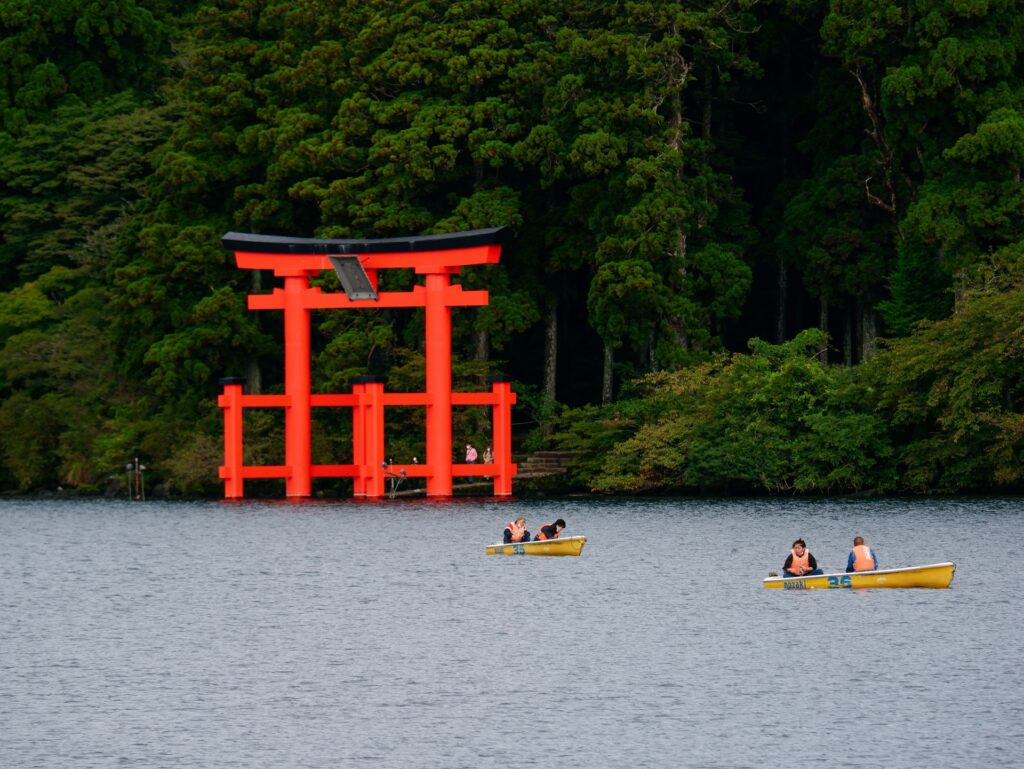
As of 2026, Hakone has only a small number of practical restaurant options where Muslim travellers may be able to find suitable meals, and even those options require same-day confirmation. Menu policies, sauces, cooking alcohol, meat sourcing, and shared kitchen practices can change.
The most reliable Hakone halal food strategy is simple: prepare your meal before entering Hakone, use local restaurants only when staff can clearly confirm the ingredients, and keep your sightseeing plan flexible enough that lunch does not become the stressful center of the day.
Quick Answer: What Is the Safest Halal Food Plan in Hakone?
If you are searching for halal food in Hakone, the safest practical approach is usually this:
- Bring a halal bento or safe packed meal from Tokyo before starting your Hakone day trip.
- Use Hakone restaurants only after confirming directly about meat, sauces, cooking alcohol, broth, fryer oil, and shared utensils.
- Treat La Terrazza near Lake Ashi as the most practical restaurant to check if you are already in Moto-Hakone, but do not assume every menu item is halal.
- Do not build your whole day around one restaurant. Hakone transport delays, ropeway changes, and lunch queues can easily disrupt a tight sightseeing plan.
- If the transport itself is the stressful part, consider an English-guided day tour that lets you bring your own food, so you keep full control of your meal while someone else handles the trains, ropeway, and timing.
- If prayer facilities are important, plan them separately. The core Hakone loop does not have a widely used public mosque or prayer room.
For most Muslim travellers, especially families with children, seniors, or visitors doing Hakone as a day trip from Tokyo, the lowest-stress option is to carry your own food and focus your energy on Lake Ashi, Owakudani, the ropeway, museums, and hot springs.
What to Expect from Halal Dining in Hakone
Hakone is a traditional hot spring and sightseeing area, not a major halal dining hub like Tokyo. Even dishes that look simple can include ingredients that create problems for Muslim travellers.
- Sauce risk: grilled fish, rice bowls, pizza toppings, pasta sauces, and set meals may use mirin, wine, sake, or other alcohol-based seasonings.
- Soup and broth risk: udon, soba, ramen, miso soup, and dipping sauces may contain fish stock, meat extract, or seasonings that do not fit stricter halal standards.
- Shared kitchen risk: fried foods, grilled items, pizza ovens, knives, boards, and tongs may be shared with non-halal meat or alcohol-based dishes.
- Language risk: staff may understand “no pork” but not automatically understand issues such as alcohol in sauce, dashi, shared oil, or gelatin.
That does not mean you cannot eat in Hakone. It means you should avoid guessing. A restaurant is only a safe option when staff can clearly explain the ingredients and preparation used for your meal.
Kai’s tip: The mistake I see travellers make is judging a Japanese dish as safe by how it looks. A plain bowl of soba or a simple grilled-fish set can still carry dashi, mirin, or a splash of cooking sake in the sauce. Before you order anything, ask specifically about the broth, the sauce, and whether the fryer is shared — “no pork” on its own rarely covers what you actually need to know.
Hakone Halal & Muslim-Friendly Restaurants to Check
The places below are not listed as guaranteed halal-certified restaurants for every visitor. They are practical options to check because of their location, international visitor experience, or reported Muslim-friendly options. Always confirm directly before ordering.
La Terrazza (Moto-Hakone / Lake Ashi)
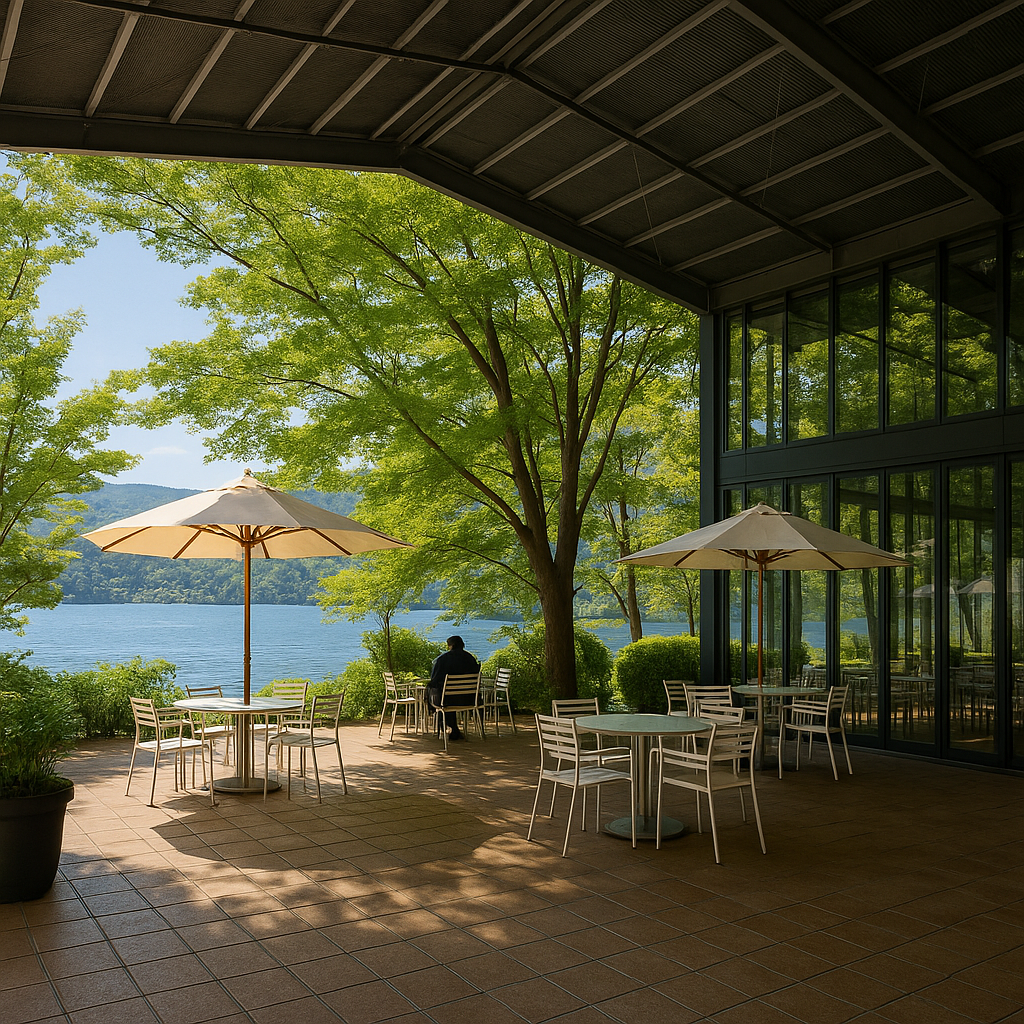
La Terrazza is one of the easiest restaurants to consider if you are sightseeing around Lake Ashi. It sits inside Ashinoko Terrace near Moto-Hakone, so you do not need to make a major detour from the classic Hakone sightseeing route.
Muslim travel sources have reported halal-friendly and vegetarian options at La Terrazza, and the restaurant is known for Italian dishes such as wood-fired pizza, pasta, vegetables, and seafood. However, because Italian menus often involve cheese, wine, meat toppings, seafood sauces, and shared preparation areas, strict halal travellers should still confirm the current menu directly.
- Why it is practical: it is close to Moto-Hakone, Lake Ashi, and the Hakone Shrine area.
- Best for: travellers who want a possible sit-down meal without leaving the Lake Ashi area.
- What to ask: whether the current Muslim-friendly or halal-friendly menu is available, whether wine or alcohol is used in sauces, whether meat is halal-certified, and whether utensils or cooking surfaces are shared.
- Safer choices to ask about: vegetarian pizza, seafood pasta without wine, simple salad, and dishes without meat toppings.
- Timing risk: lunch can be busy near Lake Ashi, so do not rely on walking in at peak lunch time without waiting.
If your priority is scenery and convenience, La Terrazza is the first local restaurant worth checking. If your priority is strict certainty, a pre-packed halal meal is still safer.
Gora restaurants: check carefully, do not assume halal
Gora has several popular restaurants used to international visitors, including GORA BREWERY & GRILL and ITOH DINING by NOBU. These may appear in Hakone restaurant searches, but you should not treat them as guaranteed halal restaurants.
GORA BREWERY & GRILL is a craft beer and grill restaurant connected with the ITOH DINING group. It is known for creative Japanese-style dishes, sushi, grilled steak, and craft beer. Because alcohol is part of the restaurant concept, and because official information does not clearly establish halal certification, Muslim travellers should only consider it after direct confirmation.
- Why it may still be worth checking: it is in the Gora area, close to the Hakone Open-Air Museum and Gora Park.
- What to ask: whether any current Muslim-friendly menu exists, whether alcohol is used in sauces, whether meat is halal-certified, and whether separate utensils can be used.
- Who should skip it: strict halal travellers who need a halal-certified restaurant or alcohol-free environment.
ITOH DINING by NOBU is a premium teppanyaki restaurant in Gora, known for carefully selected meat, seafood, and seasonal dishes. It may suit travellers who want a high-end meal and are willing to contact the restaurant well in advance. However, because the restaurant is not a clearly halal-certified venue, same-day requests are not a reliable strategy.
- Best for: travellers staying overnight in Hakone or building a slower, food-focused itinerary.
- Less ideal for: day-trippers trying to cover Lake Ashi, Owakudani, and the ropeway in one day.
- What to ask in advance: no pork, no alcohol-based sauces, seafood or vegetarian alternatives, utensils, and whether any halal-certified ingredients can be used.
For a fast Hakone day trip, these Gora restaurants should be treated as optional checks, not as your main halal meal plan.
The Lowest-Risk Strategy: Bring a Halal Bento from Tokyo
If your goal is to enjoy Hakone without meal anxiety, bringing your own halal food from Tokyo is often the smartest decision. This gives you control over ingredients, saves time, and protects your sightseeing plan from restaurant queues or route changes.
This strategy is especially useful if you want to visit several of Hakone’s headline attractions in one day, such as Lake Ashi, Owakudani, the Hakone Ropeway, and Hakone Shrine. It also makes the day easier if you are travelling with children, elderly family members, or anyone who needs predictable meal timing.
Why a Tokyo bento often works better than a Hakone restaurant
- Better meal certainty: you choose your food before the trip instead of negotiating ingredients during a busy lunch stop.
- Less time pressure: you do not need to wait for a table during the busiest sightseeing hours.
- More flexible timing: you can eat when your route allows, not only when a restaurant is open.
- Lower disruption risk: ropeway delays, cruise changes, bad weather, or bus traffic are less likely to ruin your lunch plan.
- Better for families: children and seniors do not have to wait while you search for a suitable meal.
Where to Buy Halal or Muslim-Friendly Food Before Hakone
Tokyo Station is convenient for many Hakone day trips, but you should not rely blindly on one specific shop being open or stocked. Buy early, check labels yourself, and have a backup plan.
Hanagataya Tokyo Station South
Hanagataya Tokyo Station South is listed on Halal Navi as halal certified by the Nippon Asia Halal Association, with takeaway available. This makes it one of the more useful Tokyo Station options to check before a long day trip.
- Best use: takeaway bento before boarding a train.
- What to check: current stock, labels, certification display, and whether the specific item you want is available that day.
- Important note: station shops can sell out, and information can change. Do not wait until the last minute if this is your main meal plan.
Zenmai bento reports
Older Muslim travel and food-diversity reports mention halal bento boxes at Zenmai inside Tokyo Station, including kebab and turkey bento options. Because many of those reports are not recent, treat Zenmai as a place to check, not as a guaranteed current option.
- Best use: possible takeaway option if you are already inside Tokyo Station.
- What to check: whether halal bento is still sold, whether certification is displayed, and what time the halal items become available.
- Do not rely on this for early departures: if your train leaves very early, buy food the night before or prepare a backup.
T’s Tantan at Tokyo Station
T’s Tantan is a plant-based ramen shop inside Tokyo Station. It is useful for Muslim travellers who are comfortable with vegan or vegetarian food as a practical backup, but it should not be treated as a halal-certified restaurant unless the shop itself confirms a specific halal status.
- Best use: sit-down or takeaway-friendly vegan meal before or after your Hakone trip.
- Why it helps: the menu is plant-based and avoids meat, fish, eggs, and dairy.
- What to check: whether alcohol, mirin, or other ingredients matter for your personal standard, and whether the shop is inside the ticket gates for your route.
Simple backup foods
If a full halal bento is sold out, simple packaged foods can help. Look for clearly labelled items and avoid anything with unclear sauces, meat extracts, gelatin, or alcohol-based seasonings.
- Fruit
- Plain yoghurt
- Boiled eggs
- Packaged salad without dressing or with clearly labelled dressing
- Plain bread or sealed bakery items with ingredient labels
- Drinks and snacks with clear ingredient lists
Tip: Pack tissues, wet wipes, a small rubbish bag, water, and any utensils you may need. Public bins can be limited in sightseeing areas.
Kai’s tip: What catches people out is leaving the food run for the morning of an early Hakone start. Station halal counters can be low on stock or not yet open when you need a 7–8 a.m. train, and you do not want to be searching the concourse with a departure ticking down. I always tell readers to buy the bento the evening before, keep it cool overnight, and treat any same-morning purchase as a backup rather than the plan.
Sample Muslim-Friendly Hakone Day Trip Plan
If you carry your own halal meal, you can enjoy a classic Hakone day without building your schedule around uncertain restaurant stops. This sample plan keeps food flexible and sightseeing realistic.
| Time | Plan | Food & Prayer Notes |
|---|---|---|
| Before departure | Buy or prepare your halal meal in Tokyo | If leaving early, do not depend on same-morning station stock. Buy the night before if needed. |
| Morning | Travel to Hakone-Yumoto, then continue toward Gora or Lake Ashi depending on your route | Keep snacks and water accessible. |
| Late morning | Hakone Ropeway / Owakudani if operating | Check ropeway status before committing. Owakudani black eggs are a low-risk snack for many travellers, but check packaged seasonings separately. |
| Lunch window | Eat your packed meal at a suitable rest area or during a natural route break | Avoid waiting until everyone is hungry. Use your own food to protect the itinerary. |
| Afternoon | Lake Ashi cruise, Hakone Shrine area, or museum route | Use restaurant stops only if convenient and confirmed. |
| Prayer planning | Pray before departure, after returning, or during a suitable quiet break depending on your practice and schedule | Bring a pocket prayer mat and prayer app. Public prayer facilities are limited in the core Hakone loop. |
For a full hour-by-hour version you can adapt to your own pace, see our Hakone day trip itinerary with DIY and guided options.
If you are using the Hakone Freepass, check the latest official coverage and price before you go. It can be useful for the classic Hakone transport loop, including many local trains, buses, the ropeway, and sightseeing cruise, but you should still confirm route changes and operation status on the day.
Prayer Room Options Near Hakone
There is no widely used public mosque or dedicated prayer room in the core Hakone sightseeing loop around Lake Ashi, Owakudani, Gora, and Hakone-Yumoto. If prayer facilities are important to your day, plan ahead instead of assuming you will find a convenient prayer room at the exact time you need one.
Kai’s tip: If I had one day in Hakone and prayer timing mattered, I would anchor it to the transport rhythm rather than hunt for a room mid-loop. The classic loop has long seated stretches on the ropeway, cruise, and bus, so it is usually easier to pray before you leave Hakone-Yumoto and again after you return to Tokyo. Carry a pocket mat and a qibla app, and do not count on finding a quiet, clean space exactly when you need it around Owakudani or the lake.
Gotemba Premium Outlets prayer room
Gotemba Premium Outlets has one of the better-known prayer rooms in the wider Fuji-Hakone area. However, it is not a convenient stop on a standard Hakone loop unless your route already goes toward Gotemba.
- Best use: travellers whose itinerary already includes Gotemba Premium Outlets, Gotemba Station, or a Fuji-area route.
- Not ideal for: travellers doing the classic Hakone loop from Hakone-Yumoto to Gora, Owakudani, Lake Ashi, and back.
- Facilities: prayer space and washing facilities have been reported by official regional halal tourism information.
- What to bring anyway: pocket prayer mat, tissues, prayer app, and a flexible schedule.
If you are staying in Tokyo and visiting Hakone as a day trip, some travellers prefer to pray before departure or after returning, depending on their schedule and school of practice.
Muslim-Friendly Hotels and Overnight Options in Hakone
If you stay overnight, meal planning becomes easier because you can contact accommodation in advance. However, be careful with the words “Muslim-friendly” and “halal.” They do not always mean the same thing.
Yuinoya
Yuinoya is one of the more relevant Hakone-area accommodation options to check because its official information mentions Muslim-friendly support such as prayer mats, compass rental, qibla direction stickers, halal-labelled cookware, and dedicated tableware.
- Why it is worth checking: the property actively presents Muslim-friendly support on its own website.
- What to confirm before booking: meal availability, halal ingredient sourcing, cookware separation, prayer support, room location, and cancellation policy.
- Best for: travellers who want to stay overnight and prefer an accommodation that has thought about Muslim guest needs.
Hakone Kowakien Ten-yu
Hakone Kowakien Ten-yu is a luxury ryokan known for private open-air baths in guest rooms and Japanese-style dining. Some tour and third-party sources mention Muslim-friendly meal requests, while other booking sources do not list halal food provision. Because the information is not perfectly consistent, do not assume halal dining is available automatically.
- Why it may still be worth checking: private open-air baths can be attractive for Muslim travellers who prefer privacy.
- What to ask directly: whether no-pork, no-alcohol meals are available for your exact booking; whether halal-certified ingredients are used; whether utensils are separate; and how far in advance requests must be made.
- Important caveat: Muslim-friendly does not necessarily mean halal-certified. Get written confirmation before booking if meals are important to your stay.
Hotel planning rule
For overnight Hakone, the safest hotel question is not simply “Do you have halal food?” Ask more specific questions:
- Do you use pork, pork-derived gelatin, or pork stock?
- Do sauces or soup bases contain sake, mirin, wine, or alcohol?
- Are halal-certified ingredients used?
- Are utensils, cookware, and serving dishes separate?
- Can you provide a no-pork, no-alcohol seafood or vegetarian meal?
- How many days in advance must I request this?
DIY Travel vs Guided Tour for Muslim Travellers
The food question in Hakone is closely linked to the transport question. On paper, DIY travel looks flexible. In reality, each restaurant detour, queue, or route change can take time away from the sights you came to see.
If you are debating how to get around smoothly, our guide on whether you really need a Hakone English guide can help you decide.
| Decision Factor | DIY Hakone Travel | Guided Bus Tour |
|---|---|---|
| Halal meal certainty | Medium if you bring your own food; low if you rely on restaurants | Medium to high if you bring your own food |
| Need to reserve ahead | Higher if you want a restaurant meal with dietary requests | Lower if you skip restaurant lunch |
| Transport complexity | Higher: trains, buses, ropeway, cruise, and timing decisions are on you | Lower: transport is handled, but the route is fixed |
| Lunch flexibility | High if you bring food; low if you depend on restaurants | High if you bring food; depends on tour rules about eating on or near the bus |
| Kid and senior friendliness | Lower on a busy day | Usually higher for most travellers |
| Best strategy | Bring your own food and keep the route simple | Bring your own food and check the itinerary before booking |
Who DIY travel suits best
- Travellers who are comfortable managing train, cable car, ropeway, and boat connections on their own.
- Travellers with a flexible schedule who do not mind changing lunch plans at the last minute.
- Travellers who are happy to bring their own food and treat restaurants as optional.
Who guided tours suit best
- Families with children or seniors.
- Visitors trying to see the main Hakone highlights in a single day.
- Travellers who want the easiest sightseeing flow and are happy to carry their own lunch.
My pick for Muslim travellers: a guided day tour that lets you bring your own food
If you have decided that managing trains, buses, the ropeway, and a cruise is the stressful part of a Hakone day — and that your halal meal is something you would rather control yourself — this is the option I point readers to first.
Why I’d book this one:
- It works with a bring-your-own meal, not against it. This Mt. Fuji and Hakone day tour does not include lunch and openly lets you bring your own food, so a halal bento packed in Tokyo fits the plan instead of becoming a midday problem.
- The transport is handled for you. The bus, the ropeway, and the main stops around Lake Ashi, Owakudani, and the Mt. Fuji area are organised, so you are not juggling connection times while also worrying about where to eat.
- There is an English-speaking guide. Reviewers consistently mention friendly, knowledgeable English guides and a comfortable coach, with guide and transport both rating around 4.8 out of 5 — useful if you do decide to ask a guide-recommended restaurant about ingredients. Note that Mt. Fuji views depend on the weather and are not guaranteed, and heavy traffic can shorten time at the final stops.
Check the current route, lunch policy, and availability for the Mt. Fuji & Hakone day tour — the booking page also shows the cancellation terms and recent traveller reviews, so you can confirm it fits before you commit.
| Option | Best for | Cost & booking |
|---|---|---|
| Mt. Fuji & Hakone guided day tour (my pick) | English guide, transport sorted, bring-your-own lunch allowed | Check current price & availability on the tour page |
| A different operator to compare | If you want to weigh another Fuji–Hakone day trip’s route and reviews before deciding | Check the alternative Mt Fuji & Hakone day trip on Klook |
| Bring-your-own + DIY | Maximum schedule control if you are happy managing trains, buses, ropeway, and cruise yourself | No tour cost, beyond your own transport and food |
If you want the simplest formula, it is usually this: book the sightseeing plan that fits your schedule, then solve the food question in advance by carrying your own halal meal.
Before You Go: Muslim Traveller Checklist for Hakone
These checks take only a few minutes, but they can prevent an awkward lunch gap or missed connection.
- Check Hakone transport status: confirm ropeway, cruise, train, and bus operations before leaving Tokyo.
- Buy food early: do not rely on one station shop being open or stocked if your departure is early.
- Pack a small meal kit: bento, water, wet wipes, tissues, utensils, and a small rubbish bag.
- Bring backup snacks: fruit, plain yoghurt, packaged snacks with clear labels, or other safe items.
- Download offline maps: useful if your route changes around Gora, Owakudani, or Lake Ashi.
- Prepare a Japanese dietary note: include no pork, no alcohol, no mirin/sake/wine, no gelatin, and no shared fryer if needed.
- Check prayer timing: plan prayer before departure, after returning, or during a suitable route break.
- Contact restaurants or hotels in advance: especially for strict halal needs, allergies, or overnight meals.
Hakone Halal Food FAQ
Are Owakudani black eggs halal?
The plain kuro-tamago sold at Owakudani are simple eggs cooked in the local hot spring process, so they are generally one of the lowest-risk snacks in the area for many Muslim travellers. However, treat this answer narrowly. Check any packaged seasonings, sauces, or processed souvenir versions separately if you follow a stricter standard.
Can I rely on seafood or vegetable dishes in Hakone?
Not automatically. Seafood, vegetables, and noodles may still involve alcohol-based sauces, fish stock, meat extract, or shared cooking oil. In Hakone, the safest habit is to ask about ingredients and preparation rather than judge a dish by appearance alone.
Is tempura usually safe for Muslim travellers?
Not always. Even if the ingredients are seafood or vegetables, the frying oil may be shared with non-halal items, and the standard dipping sauce may include mirin or other alcohol-based seasonings. Unless staff can explain the fryer and sauce situation clearly, tempura is better treated with caution.
Should I eat in Tokyo or Odawara instead of waiting for Hakone?
For many travellers, yes. If halal food is a priority and you do not want uncertainty in the middle of your sightseeing day, eating before entering Hakone or carrying food from Tokyo is often more practical than searching once you arrive. Odawara may have more general restaurant options than the mountain area, but dedicated halal options are still limited, so you should check carefully.
Can I find halal food near Hakone-Yumoto Station?
As of 2026, there are no widely known dedicated halal restaurants within easy walking distance of Hakone-Yumoto Station. Your best options are to bring food from Tokyo, check possible restaurants elsewhere in Hakone directly, or contact your hotel in advance if you are staying overnight.
Are there Muslim-friendly hotels in Hakone?
Yes, but you need to distinguish between “Muslim-friendly” and “halal-certified.” Yuinoya provides Muslim-friendly support such as prayer items and halal-labelled cookware according to its official information. Other hotels may be able to adjust meals on request, but you should confirm no-pork, no-alcohol, utensils, and halal certification directly before booking.
Is a guided tour a good option for Muslim travellers?
It can be, especially if your main goal is to see the highlights without dealing with complex transport changes. The easiest version is usually to join a sightseeing plan that lets you bring your own food, then solve the meal question in advance with a halal bento from Tokyo.
Can I pray in Hakone during a day trip?
You can pray during a Hakone day trip, but dedicated public prayer rooms are limited in the core sightseeing loop. Bring a pocket prayer mat and plan your timing. Gotemba Premium Outlets has a prayer room in the wider area, but it is not convenient unless your route already goes toward Gotemba.
Final Verdict: What Is the Best Hakone Halal Food Strategy?
Hakone is absolutely worth visiting, but Muslim travellers need to plan meals more carefully here than in Tokyo. If you can confirm a suitable restaurant directly on the day, that is a bonus. If not, bringing your own halal food remains the most dependable way to enjoy the area without stress.
Choose the bring-your-own-food approach if:
- You are visiting Hakone as a day trip from Tokyo.
- You want maximum control over your food and schedule.
- You are travelling with children or seniors.
- You follow a stricter halal standard and need certainty.
Check La Terrazza if:
- You are already near Moto-Hakone or Lake Ashi.
- You are comfortable confirming the current menu directly.
- You can accept vegetarian, seafood, or halal-friendly options rather than guaranteed halal meat.
Consider a guided tour if:
- You prefer not to manage the Hakone transport loop yourself.
- You want the simplest possible sightseeing flow.
- You are willing to carry your own meal regardless of the tour format.
Consider an overnight stay if:
- You want more time to confirm meals in advance.
- You want private onsen options or prayer support from accommodation.
- You prefer a slower Hakone trip rather than a rushed day tour.
If a guided tour is your lean, the simplest version for a Muslim traveller is one that handles the transport and still lets you bring your own halal meal. Reviewers of this Mt. Fuji & Hakone day tour consistently praise the English-speaking guides and comfortable coach, and because lunch is not included you can carry your bento from Tokyo without compromise. Check the current route, lunch policy, and availability before you book.
For most visitors, the best formula is simple: prepare your meal in advance, keep your sightseeing route realistic, and treat restaurant dining in Hakone as optional rather than essential. That approach gives you the best chance of enjoying Lake Ashi, Owakudani, and the wider Hakone area without losing time to uncertain lunch plans.
➡️ Use the Mt. Fuji & Hakone day tour guide to compare the route, timing, and lunch planning before you decide
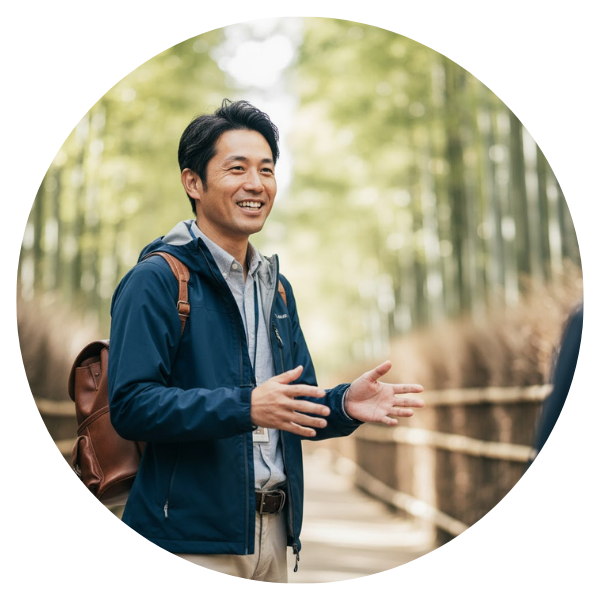
Hi, I’m Kai. I’m a Tokyo-based travel writer, tourism industry insider, and the author of a published guidebook for international visitors to Japan. With over 10 years of professional experience at a leading Japanese tourism company, my mission is to help you skip the tourist traps and navigate Japan’s best destinations like a local. I believe the perfect day trip is like a traditional kaiseki meal: a beautiful balance of precise planning and unforgettable seasonal discovery. When I’m not out conducting field research, you’ll usually find me drafting new itineraries with one of my favorite fountain pens!