
If you’re wondering what to eat in Ishigaki, here’s the short version: the island’s food scene is one of the easiest to enjoy in Japan and one of the hardest to narrow down. Ishigaki beef, Yaeyama soba, tuna, and a dozen other local specialties all deserve a meal slot — but on a typical 2–4 night trip, you simply don’t have enough slots for everything.
I’ve eaten at the main restaurants covered in this guide on several visits, and this article is my attempt to turn that into a simple plan: three meals worth prioritizing, the exact restaurants I’d use for each, and the booking and timing realities most guides leave out. In total, this guide covers eight local foods — the three pillars below, plus five more worth trying if you have room.
If you’d rather use one half-day to get a local introduction to Ishigaki’s food and scenery instead of piecing every stop together yourself, the Slow Local Tour in Ishigaki lets you check the current itinerary, start times, availability and traveler reviews before deciding whether it fits around your restaurant plans.
What to Eat in Ishigaki: The 3 Meals I’d Prioritize First
For a first trip, I’d prioritize three food experiences above everything else:
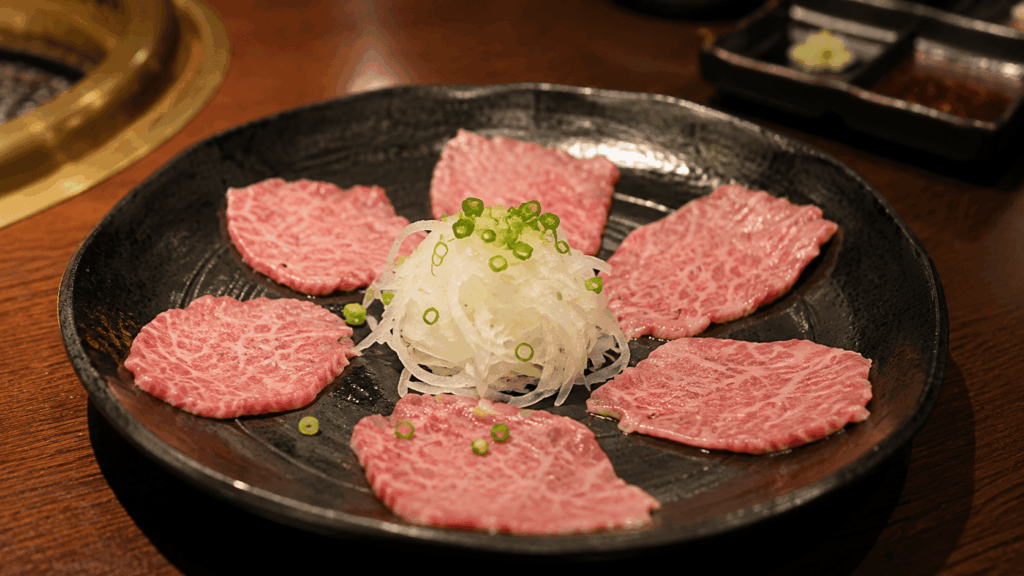
- Ishigaki beef — the island’s own wagyu brand, eaten as yakiniku (grilled at the table). My pick: Yakiniku Yamamoto.
- Yaeyama soba — the local noodle soup with pork, fish cake and a mild bonito-and-pork broth. My pick: Shima Soba Ichibanji.
- Tuna and local izakaya dishes — sashimi, sushi and Okinawan classics in one lively dinner. My pick: Hitoshi.
All three restaurants are well known, and two of them are genuinely hard to book. That friction is the reason I’m pairing each meal with a practical backup: if Yamamoto and Hitoshi are already full when you try to book, your trip does not lose anything essential.
| Meal | My restaurant pick | Booking | Time to allow | Backup if booked out |
|---|---|---|---|---|
| Ishigaki beef (yakiniku) | Yakiniku Yamamoto | Phone reservation; essential | 90-minute seating | Ishigaki Beef MARU (online booking) |
| Yaeyama soba | Shima Soba Ichibanji | Walk-in; no reservation | 30–60 minutes | Other soba shops within walking distance |
| Tuna & island izakaya dishes | Hitoshi (main store) | Phone only; hard to get | Allow 2+ hours | Teppen (online booking) |
Ishigaki Beef: Yakiniku Yamamoto Is Excellent — If You Can Get a Table
Ishigaki beef (石垣牛) is the brand name for Japanese Black cattle born in the Yaeyama district and fattened on the island for at least 20 months. The result is beef with fine marbling and a cleaner, less heavy finish than many mainland wagyu brands — which is exactly why locals and visitors alike treat a beef dinner as the centerpiece of an Ishigaki trip.
Yakiniku Yamamoto (炭火焼肉やまもと), at 2-5-18 Hamasaki-cho, is the restaurant I’d build that dinner around. It sits about 1.1 km from the Ishigaki Port Remote Island Terminal — a 15-minute walk in the evening heat, or a short cab ride if you’re staying in the city center. Expect an evening-only service that starts around 17:00, a regular closed day on Wednesdays, and a strict 90-minute seating limit. Reservations are taken by phone and are essential.
Kai’s tip: I’ve watched walk-in parties get turned away at Yamamoto’s door more than once, so treat a table here like a fixed dinner reservation, not a casual option. The 90-minute seating felt slightly rushed to me — order in two batches rather than one slow round, and arrive on time, because the clock starts whether or not you’re seated.
What I’d Order at Yamamoto
The signature dish is yakiniku shabu: a thin cut of top loin flash-grilled over charcoal, wrapped around a slice of raw onion, and dipped in ponzu. It’s the house original and the dish I’d order first — the sweetness of the beef and the acidity of the onion balance each other better than any other combination on the menu.
Beyond that, my usual pairing is a plate of karubi (short rib) with a salt rice ball on the side. The karubi is the richest cut on the menu, and the plain salt onigiri cuts through the fat better than rice alone usually does. Whatever you choose, know that the most popular items — the top loin, harami (skirt steak) and the shabu — can sell out early in the evening, so a seat in the first service makes it easier to get what you want.
Budget-wise, a full dinner for two with drinks commonly lands above ¥20,000 in total. You can keep it closer to ¥8,000–10,000 per person if you skip the premium cuts and alcohol, but this is a splurge meal by design.
Is Yamamoto Worth the Reservation Hassle?
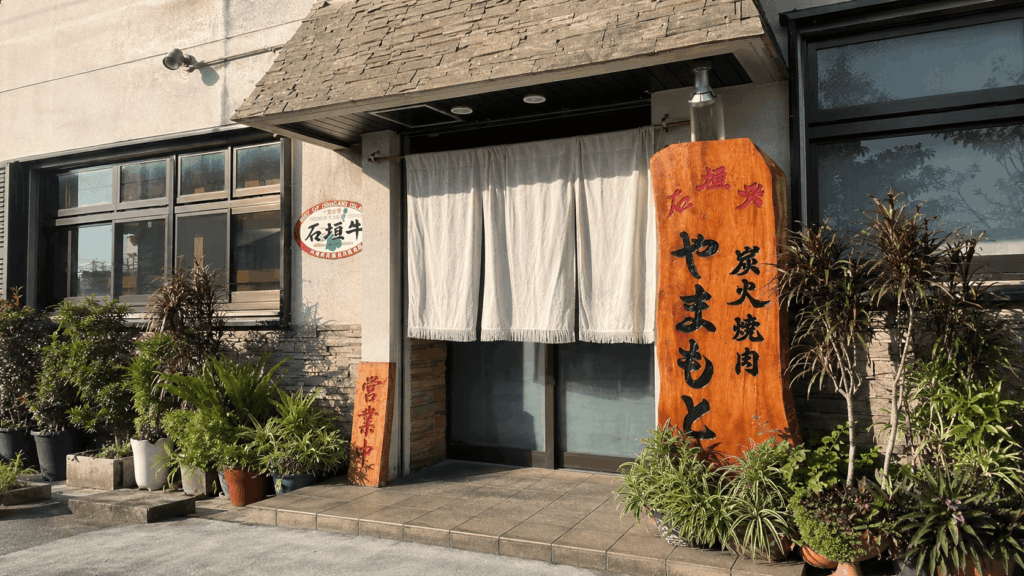
Honestly, it depends on how much you value planning certainty. The food is the best beef meal I’ve had on the island, and if you’re the type who books flights and hotels months ahead, one more phone call is a small price. Go if you want the definitive Ishigaki beef dinner and can commit to a fixed evening.
Skip it — or choose a backup — if you travel spontaneously, prefer long relaxed dinners, or don’t want to work around a 90-minute clock. In that case, Ishigaki Beef MARU (登野城26-4, next to the Ishigaki Tax Office) is the practical alternative: A5-grade Ishigaki beef, a service that starts at 16:00 (last orders 21:30), and — crucially for English speakers — a 24-hour online booking page with an English option and an English menu. It runs fully reservation-only too, but the booking takes two minutes on a website instead of a phone call in Japanese.
Yaeyama Soba: Shima Soba Ichibanji Is My Easy Lunch Pick
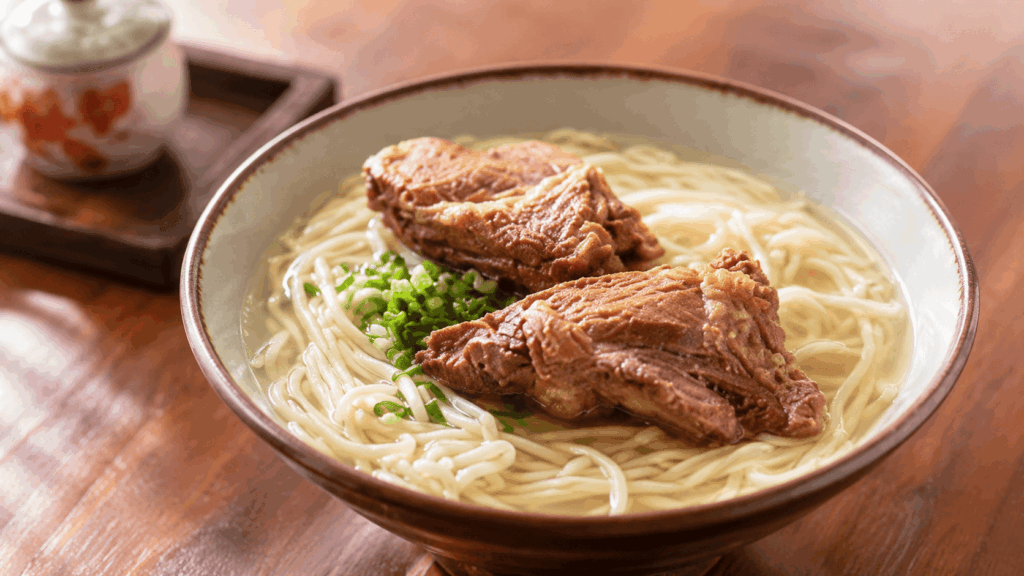
Yaeyama soba is the noodle soup you’ll see everywhere on Ishigaki: thick, chewy wheat-flour noodles (not buckwheat) in a mild broth made from bonito, pork bone and kelp, topped with sliced pork, fish cake and green onion. It’s light enough for a midday meal and cheap enough to eat daily — which is exactly how locals treat it.
My easy lunch pick is Shima Soba Ichibanji (島そば一番地) at 1-1 Ishigaki, about a 7-minute walk from the Ishigaki Port Remote Island Terminal and opposite the former Ishigaki City Hall. It’s a walk-in place — no reservation needed — with a daytime service from 10:30 to 15:30 (last order 15:00) and an evening service from 18:00 to 21:30. One catch: the shop closes its evening service on Thursdays, so either plan your soba for another day of the week or go at lunchtime on Thursday.
On the menu, the standard island soba is ¥715, the three-layer pork version (sanniku soba) ¥935, and the pork rib version (hon-soki soba) ¥1,100 — all including tax. Every bowl comes with strips of pork, fish cake and island green onion, and the shop also does a weekday lunch set that adds jushi, pickles, mozuku and jiimami tofu for ¥550 on top of the soba price.
Flavor-wise, the broth is mild, and I picked up a clear bonito note underneath the pork — typical of Yaeyama soba across the island.
Try It Plain First, Then Add Pipatsu
The local way to finish the bowl is with pipatsu — the Yaeyama long pepper (also written hihatsu), a slender pepper grown in the region and used in soba, chanpuru and jushi alike. It’s a gentle, aromatic heat, nothing like chili.
My routine is to eat the first half of the bowl plain, then add pipatsu halfway through — the soup changes character completely, and you get two different meals out of one bowl. If the table offers koregusu (chili-soaked awamori), a few drops do a similar job with more punch. And if you’re ordering a side, the jushi (Yaeyama-style seasoned rice, ¥330, made with pipatsu) pairs naturally with the soba — locals order the two together without thinking.
One Timing Warning Before You Go
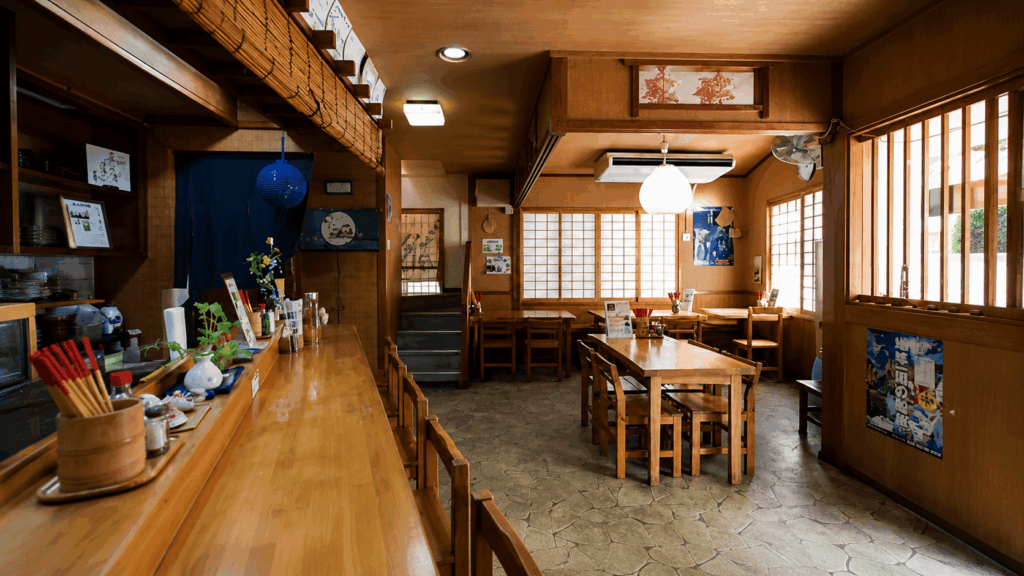
Two timing notes before you rely on this place for a pre-ferry lunch. First, the evening service is closed on Thursdays and the daytime service ends at 15:00 — both confirmed on the shop’s official page, so check rather than assume. Second, lunch is genuinely busy: this is a popular shop in a small room, with a small kitchen team behind it.
Kai’s tip: I’ve waited noticeably longer for my bowl on a busy midday visit, and I’ve seen the queue stretch well past the door around 12:30–13:00. If you have a ferry or a booked tour right after lunch, give yourself a buffer: aim to be seated by around 13:00 at the latest, and keep the hour after your meal flexible instead of scheduling something tight.
Tuna and Island Izakaya Food: Hitoshi Is the Dinner I’d Choose for Variety
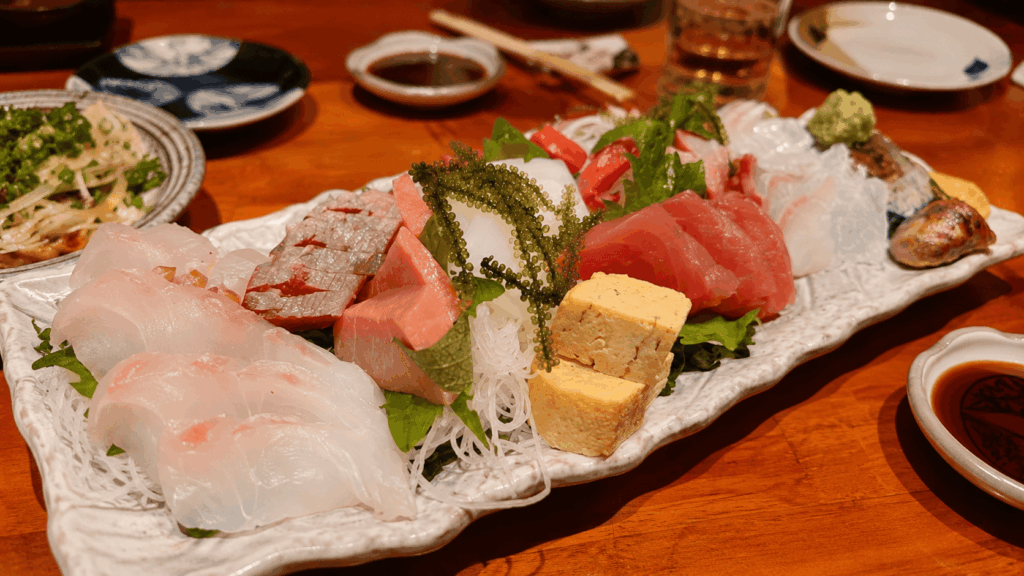
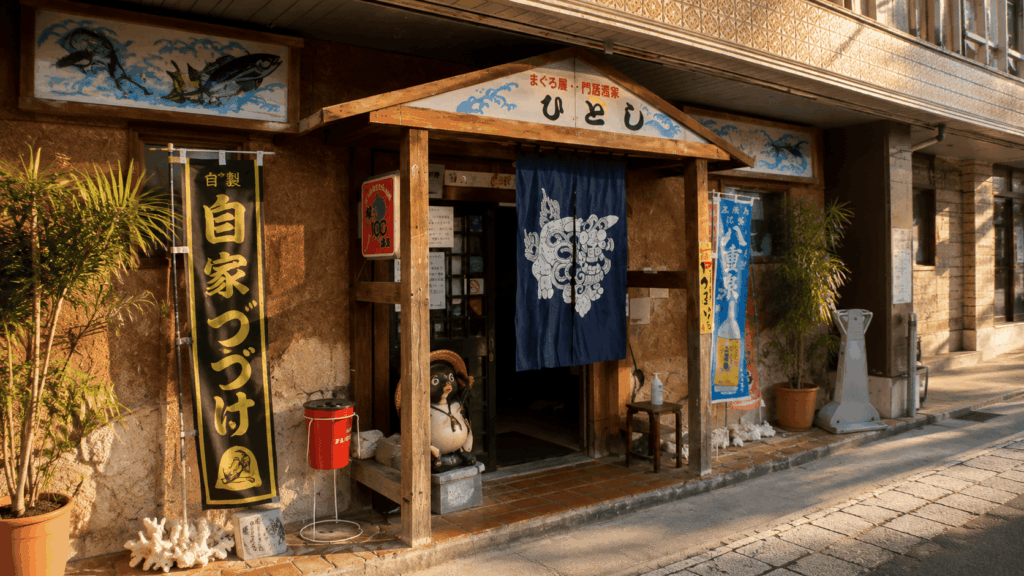
Ishigaki sits at the southern edge of Japan’s tuna-fishing routes, so the island’s markets and restaurants get a steady supply of fresh maguro — and locals treat it as an everyday food, not a luxury. The most honest way to experience that, plus Okinawan classics in one sitting, is an izakaya dinner, and the restaurant I keep coming back to for it is Hitoshi (ひとし) at 15-8 Shin-ei-cho, a tuna-focused izakaya that also happens to serve some of the best island food on the island.
Hitoshi’s main store is bigger than most izakaya in Japan — around 100 seats — and it still books out, which tells you something. Reservations are phone-only, in Japanese, and genuinely hard to get: I’ve seen reports of visitors trying for weeks, and the shop itself is open almost every day with irregular days off, so the safest reading is “assume you need to plan ahead and call.” The main store serves evenings from around 17:00, typically until around 23:00 on weekdays and later on weekends — check the latest details, because hours shift.
If the name sounds familiar from reviews, the dishes people remember — and the ones I remember from my own visits — include negimamire katsuo (seared bonito buried under green onion), Ishigaki beef nigiri in salt and tare versions, raw sea-urchin somen chanpuru, and a maguro sushi set. Prices are fair for the quality: a dinner for two with drinks usually lands in the ¥8,000–12,000 range, and you can go lower if you stick to one or two dishes plus drinks.
For Two People, Order Less Than You Think
Izakaya portions here are generous, and the one mistake I see two-person tables make — and have made myself — is ordering like a larger group. Three or four dishes plus a couple of drinks is already a full evening for two; the negimamire katsuo alone is a meal-sized plate.
Kai’s tip: Order one dish per person to start, plus one shared plate, then add as you go — the kitchen is fast enough that you won’t wait long for round two. You can also order just the nigiri or a single sashimi plate with drinks if you only want a light seafood evening; nobody will push you toward a bigger meal.
What to Do If You Can’t Book Hitoshi
Not getting into Hitoshi is not a wasted evening. Two practical alternatives:
- Hitoshi’s second store — the restaurant runs a second location (Hitoshi Ishiganku) in Okawa, separate from the main store. If the main store is full, it’s worth asking whether the other location has space.
- Teppen (てっぺん) — a yakiniku-and-seafood restaurant about a 3-minute walk from Euglena Mall, serving JA-certified Ishigaki beef alongside fish bought daily. It takes online reservations (the reservation page notes a 2-hour seating for online bookings), which makes it a genuinely easier backup for English speakers than a phone-call-only izakaya. Opening hours are listed from around 15:00, but I’d confirm the latest times before relying on it.
I haven’t eaten at Teppen myself, so I’m recommending it as a practical backup based on current booking information rather than as a personal pick — but it covers the same “beef plus seafood in one dinner” need with far less friction.
Other Ishigaki Foods Worth Trying If You Have Room
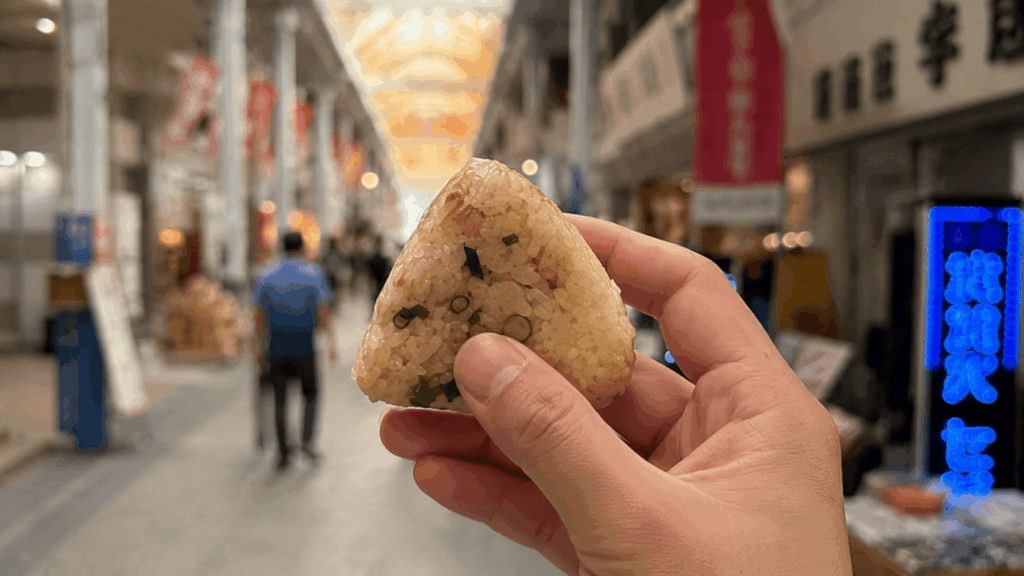
Beyond the three pillars, these five foods are common on Ishigaki menus and worth ordering when the opportunity appears. None of them needs a special trip — you’ll meet them all naturally as sides and snacks.
- Jushi — Yaeyama-style seasoned rice, often cooked with pork and pipatsu, and served as the classic side to soba. If a bowl of soba alone doesn’t feel like a meal, jushi is the answer.
- Yaeyama kamaboko — dense fish cake made from island fish, served in soba or sliced and fried. Lighter and more savory than mainland kamaboko; I’d order the mixed plate as a snack.
- Mozuku — Okinawa’s signature seaweed, usually served vinegared. It’s the dish that quietly appears at the start of almost every local meal.
- Umi budo — “sea grapes,” little clusters of seaweed that pop in your mouth, served with ponzu. Fun to order at least once.
- Island vegetables — goya (bitter melon), nabela (loofah), island okra and the like, mostly in chanpuru stir-fries and tempura. Good for balance after a rich beef dinner.
Seasonal fruit deserves a mention too: Ishigaki mangoes (roughly June to August, peaking late June to July) and pineapples (roughly April to August) are the two to watch for, and the window shifts a little every year. If you want to buy any of the above to take back to your accommodation, JA Farmers Market Yaeyama “Yuratiku Market” (1-2 Shin-ei-cho, near the port, open around 9:00–18:00) is the easy stop for kamaboko, mozuku, fruit and local snacks — I’d pick it over a souvenir shop for anything edible.
Where to Eat in Ishigaki Based on Your Schedule
The three pillars above assume you can move freely around the city. If your time is tighter, use geography as your guide instead: Shima Soba Ichibanji and the Yuratiku Market sit within a short walk of the Ishigaki Port Remote Island Terminal, which makes them natural pre- or post-ferry stops. Yamamoto, MARU and Hitoshi are all in the central city area, and Teppen sits just off Euglena Mall, the covered shopping arcade that’s worth a walk-through anyway.
If you’re visiting Ishigaki without a rental car — which is common for a short first trip — you can still combine sightseeing with these food stops by basing yourself near the port or city center and taking a private English-guided tour for the parts of the island that are hard to reach on foot. The right tour will cover Kabira Bay and the island’s viewpoints, and will not include restaurant meals or make restaurant bookings for you — food stays a separate part of the day, which is how most local tours work. If you’d rather handle every meal yourself, everything in this guide is walkable or a short taxi ride from the city.
If you want something more food-led and lower-commitment than a full private sightseeing day — while still keeping your main beef, soba and seafood meals separate — the Slow Local Tour is the better fit.
Why I’d book this one
- It’s a short small-group experience with English support and pickup, which removes some of the transport friction if you’re exploring without a rental car.
- The itinerary includes local food stops such as Onisasa and island-made gelato, so it complements the restaurant plan in this guide rather than replacing one of your main meals.
- The shorter format is easier to fit around a fixed dinner reservation, and the booking page lets you review the current cancellation terms before committing.
If You Have Only One, Two, or Three Meals
| Meal budget | What I’d spend it on | Why |
|---|---|---|
| 1 meal only | Yaeyama soba at Shima Soba Ichibanji | Cheap, no reservation, and the most distinctively “Ishigaki” taste per dollar. Beef and tuna are easier to find elsewhere in Japan; this combination is not. |
| 2 meals | Ishigaki beef dinner (Yamamoto or MARU) + soba lunch | The beef is the island’s flagship splurge, and the soba covers the local everyday food. Skip the izakaya night. |
| 3 meals | Beef dinner + soba lunch + Hitoshi-style seafood night | The full picture: wagyu, island noodles, and fresh tuna in one trip. Book beef and seafood first, keep soba flexible. |
Practical Restaurant Tips I’d Know Before Eating in Ishigaki
- Book beef and seafood first. Yamamoto and Hitoshi are the two restaurants where a walk-in rarely works. Lock those in as soon as your flight dates are fixed, and treat MARU and Teppen as plan B.
- Phone reservations are normal here. Online booking exists at MARU and Teppen, but Yamamoto and Hitoshi run on phone calls in Japanese. If that’s a barrier, pick the online-booking backups instead of skipping the food.
- 90-minute seatings are real. Yamamoto runs one, and Teppen’s online bookings note a 2-hour seating. Arrive on time and order in two batches.
- Cash is still king in smaller shops. The main restaurants on this list take cards, but the smaller soba shops and market stalls are safer with cash. Carry enough for a soba lunch plus market snacks.
- Lunch queues are short-lived. Shima Soba Ichibanji peaks around 12:30–13:00; going just before or after that window usually means a shorter wait.
- Order less at izakaya. Two people, three to four dishes max to start. You can always add.
- Check hours the day before. Irregular closed days are common on Ishigaki, and Google hours are not always current. One look at the official page saves a wasted walk.
FAQ: What to Eat in Ishigaki
What food is Ishigaki most famous for?
Three things: Ishigaki beef, Yaeyama soba, and fresh tuna and local seafood. Ishigaki beef is the island’s own wagyu brand — Japanese Black cattle born and fattened in the Yaeyama region, usually eaten as tabletop yakiniku. Yaeyama soba is a wheat-noodle soup with pork, fish cake and a mild bonito-and-pork broth. And because the island sits on southern tuna routes, the markets and izakaya get a steady supply of maguro at prices that feel low for the quality.
Where should I eat on my first trip to Ishigaki?
Use one meal slot for each of the three pillars: Ishigaki beef at Yakiniku Yamamoto (or Ishigaki Beef MARU if Yamamoto is booked), a Yaeyama soba lunch at Shima Soba Ichibanji, and a seafood-and-island-food dinner at Hitoshi (or Teppen if Hitoshi is full). That combination covers the island’s flagship splurge, its everyday noodle soup, and its seafood in one trip.
Do I need to book restaurants in Ishigaki in advance?
Only the two famous ones. Yamamoto and Hitoshi both run on phone reservations and both regularly turn away walk-ins, so book them as soon as your dates are fixed — Yamamoto’s 90-minute seating and Hitoshi’s phone-only booking are the two friction points to plan around. Soba shops like Shima Soba Ichibanji are walk-in, and the online-booking backups (MARU, Teppen) let you skip the phone call entirely.
What if Yamamoto or Hitoshi is fully booked?
Nothing is lost. For beef, Ishigaki Beef MARU offers A5 Ishigaki beef with a 24-hour English online booking page. For a seafood-and-beef evening, Teppen sits near Euglena Mall and takes online reservations too. Hitoshi also has a second location in Okawa, separate from the main store, that’s worth asking about. None of the backups is a consolation prize — they’re just easier to book.
What should I eat if I only have one day in Ishigaki?
Do the soba lunch at Shima Soba Ichibanji (no reservation, cheap, and the most distinctive local taste) and spend the dinner slot on Ishigaki beef at Yamamoto or MARU. That gives you the island’s everyday food and its flagship splurge in one day. If you’re arriving by ferry, the soba shop’s 7-minute walk from the terminal makes it a natural first stop.
So, What Should You Actually Eat in Ishigaki?
If I were planning a first trip with no strong opinions of my own, I’d lock in exactly three meals: a beef dinner at Yamamoto with the yakiniku shabu and karubi, a soba lunch at Shima Soba Ichibanji with jushi and pipatsu, and a seafood evening at Hitoshi ordered slowly and lightly for two. That trio covers wagyu, island noodles, and tuna — the three tastes that make Ishigaki different from the rest of Japan.
Book Yamamoto and Hitoshi first, keep the soba flexible, and treat MARU and Teppen as equal-quality plan Bs rather than downgrades. The restaurants in this guide are worth planning around, but the island’s food — the beef, the soba, the tuna, the island vegetables — is worth planning around even more. If you get the three pillars in, you’ve had a complete Ishigaki food trip.
Final Verdict: Choose by Traveler Type
For first-time visitors: Follow the three-meal plan above — beef at Yamamoto, soba at Shima Soba Ichibanji, seafood at Hitoshi. Start the phone booking for Yamamoto and Hitoshi as soon as your dates are fixed; the soba can wait until you land.
For couples: Hitoshi’s generous portions are the one trap — order one dish per person plus one shared plate, then add. The negimamire katsuo and the raw sea-urchin somen chanpuru make a memorable two-person evening.
For travelers on a tight schedule (1–2 nights): Prioritize the soba lunch (no reservation, near the terminal) and one beef dinner at whichever of Yamamoto or MARU you can actually book. Skip the izakaya night if your time is short — you can always catch tuna sashimi at the market.
For repeat visitors: Skip Yamamoto this time and try MARU or Teppen, both of which are easier to book and hold their own on beef quality. Use the soba and market stops as the reliable anchors, and let the izakaya pick be whatever is fresh that evening.
For travelers who hate phone reservations: Choose MARU for beef and Teppen for the seafood night — both book online in English. You lose nothing essential by skipping the phone-call-only restaurants; you just trade the famous names for a smoother evening.

Hi, I’m Kai. I’m a Tokyo-based travel writer, tourism industry insider, and the author of a published guidebook for international visitors to Japan. With over 10 years of professional experience at a leading Japanese tourism company, my mission is to help you skip the tourist traps and navigate Japan’s best destinations like a local. I believe the perfect day trip is like a traditional kaiseki meal: a beautiful balance of precise planning and unforgettable seasonal discovery. When I’m not out conducting field research, you’ll usually find me drafting new itineraries with one of my favorite fountain pens!