
 If you are planning a trip to Japan, seeing a sumo wrestling match is likely high on your bucket list. However, unless you happen to visit during one of the strictly scheduled 15-day Grand Tournaments (held in Tokyo only in January, May, and September) and manage to secure the highly competitive tickets, seeing real sumo can be incredibly difficult.
So, what is the best alternative? For the vast majority of international visitors, a Sumo Show (Sumo Experience) is the perfect solution. It offers an entertaining, English-friendly, and interactive way to experience Japan’s national sport up close, without the strict rules of a morning practice.
Quick Answer: Can You See Sumo in Tokyo Anytime?
Yes! While official tournaments happen only three times a year in Tokyo, Sumo Shows run year-round. These interactive shows feature former professional wrestlers, English commentary, and the chance to take photos or even step into the ring.
If you want a highly-rated, action-packed show that doesn’t require a long sit-down dinner, the Shinjuku Sumo Show is the best option for your itinerary.
Grand Tournament vs. Morning Practice vs. Sumo Show
Before booking anything, it is crucial to understand the three main ways to experience sumo in Tokyo. Each offers a completely different vibe, time commitment, and set of rules.
| Feature | Grand Tournament (Honbasho) | Morning Practice (Asageiko) | Sumo Show (Experience) |
|---|---|---|---|
| Availability | Jan, May, Sep only | Year-round (early mornings) | Year-round (afternoons/evenings) |
| Vibe | Intense & Official | Strict, silent, solemn | Fun, educational, interactive |
| English Friendly? | Audio guide available | No (usually Japanese only) | Yes, full English commentary |
| Photo Ops | From your seat only | Often restricted | Yes! Pose with the wrestlers |
| Good for Kids? | Long day, can be tiring | No (must sit still in silence) | Highly recommended |
For purists and hardcore sports fans visiting during tournament months, fighting for a Grand Tournament ticket is worth it. But for casual travelers, families, and those visiting outside of tournament season, a Sumo Show is objectively the most enjoyable and stress-free option.
Why a “Sumo Show” is the Best Choice for Most Tourists
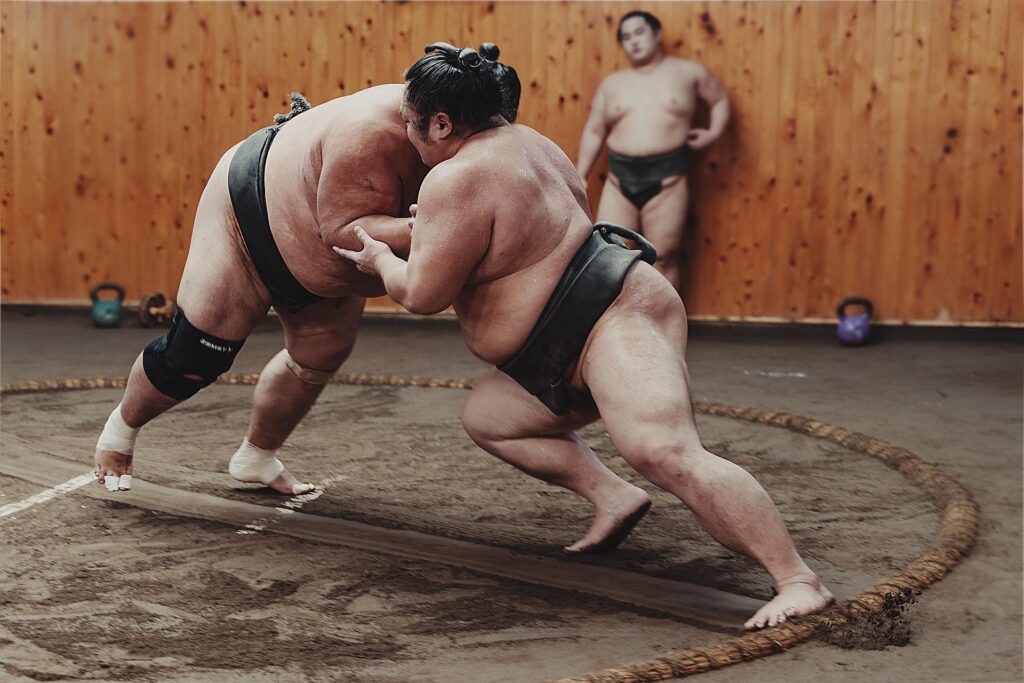
If you are still wondering if a tourist-focused sumo experience is “authentic” enough, here is why most international visitors actually prefer it over a morning practice.
1. Available Year-Round & English-Friendly
You do not need to base your entire Japan itinerary around the sumo calendar. Sumo shows operate year-round. More importantly, they feature English-speaking MCs who explain the deep history, rules, and daily lives of the wrestlers. You will walk away actually understanding the sport, rather than just watching silently.
2. Interactive Fun: Wrestle a Sumo Wrestler!
This is the highlight for many guests. At a sumo show, former professional wrestlers demonstrate forbidden moves and training techniques. Then, volunteers from the audience are invited into the ring to try and push the wrestlers out. It is safe, hilarious, and creates unforgettable photos and videos for your trip.
3. Perfect Schedule (No Long Dinners Required)
Many traditional sumo experiences in areas like Ryogoku or Asakusa are “dinner shows” that take 2.5 hours and force you to eat a heavy Chanko-nabe (sumo hot pot) meal. While fun, it can eat up your evening and budget. The Shinjuku Sumo Show, on the other hand, is a focused 1.5-hour event without a mandatory meal. This means you can enjoy the action and then head out to explore Shinjuku’s incredible izakaya and dining scene on your own terms.
Top Recommended Sumo Experience in Tokyo (Shinjuku)
If you have decided that a sumo show is the right fit for your trip, the Shinjuku Sumo Show & Experience is our top recommendation for its convenience, price point, and pure entertainment value.
What to Expect at the Shinjuku Sumo Show
Located right in the heart of Shinjuku, this highly-rated 1.5-hour event skips the long dinner service and gets straight to the action. Here is what a typical session looks like:
- Welcome & Briefing: You are greeted with a welcome drink (bottled water) while a bilingual MC introduces the history, strict daily routines, and rules of sumo in English.
- Live Demonstration: Former professional sumo wrestlers step into the ring to perform traditional rituals, demonstrate training exercises, and showcase winning (and forbidden!) moves.
- Audience Participation: The floor opens up! Volunteers from the audience—kids and adults alike—can put on a sumo suit (or go as they are) and try to push the massive wrestlers out of the ring. It is hilarious and completely safe.
- Photo Session: At the end of the show, everyone gets the chance to take photos with the wrestlers in the ring.
Who is This For (and Not For)?
Because there are different types of sumo experiences, it is important to set the right expectations.
- Perfect For: Families with children, couples, travelers on a tighter schedule, and anyone who wants to learn about sumo in a fun, interactive environment. It is also ideal if you prefer to choose your own restaurant in Shinjuku afterward rather than being tied to a set menu.
- Not For: Hardcore purists looking for the absolute silence and intensity of a real morning practice. It is also not for those specifically seeking a “Chanko-nabe” (sumo hot pot) dinner show.
Highly rated (4.8/5) and often sells out. Book in advance to secure your spot!
Other Sumo Show Locations: Asakusa & Ryogoku
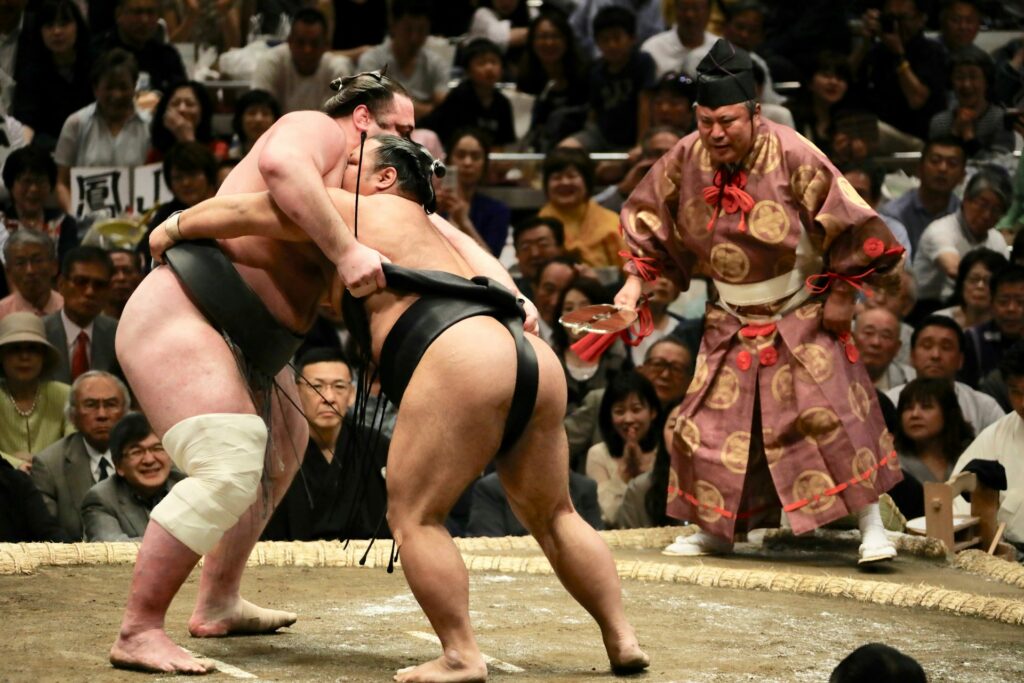
If you are researching, you might also come across a sumo show in Asakusa (a great addition to an Asakusa half-day itinerary) or Ryogoku (Tokyo’s traditional “sumo town”). While these are also excellent experiences, they cater to a slightly different crowd.
Shows in Asakusa and Ryogoku are typically full Sumo Restaurant experiences. They last upwards of two hours and include a heavy, traditional Chanko-nabe meal. While eating what wrestlers eat is a great cultural immersion, it comes with a higher price tag (often $90-$120+ per person) and takes a larger chunk out of your day. If you want the entertainment without the mandatory heavy meal, the Shinjuku option remains the most efficient and budget-friendly choice.
Frequently Asked Questions (FAQ)
Is the sumo show explained in English?
Yes. Tourist-friendly sumo shows, including the Shinjuku experience, feature a dedicated English-speaking MC. They translate the wrestlers’ explanations, explain the cultural significance of the rituals, and keep the crowd laughing and engaged.
Can I see sumo in Tokyo if there is no tournament?
Absolutely. Grand Tournaments in Tokyo only happen in January, May, and September. If you visit during any other month, booking a ticket for a sumo show is the most reliable and entertaining way to see real former professionals in action.
Do I have to eat Chanko-nabe at the show?
It depends on the venue you book. Many shows in Asakusa and Ryogoku require you to purchase a dinner package that includes Chanko-nabe (pork or chicken hot pot). If you do not want a heavy meal or have picky eaters in your group, book the Shinjuku Sumo Show, which is an entertainment-only event (welcome drink included).
Are sumo shows good for kids?
Sumo shows are fantastic for kids! Unlike Morning Practices (where absolute silence is required and kids are often turned away), sumo shows are loud, interactive, and fast-paced. Kids are often encouraged to step into the ring and challenge the wrestlers, making it a highlight of their Japan trip and a must-do if you are traveling through Tokyo with children.
Ready to step into the ring?
Secure your tickets for Tokyo’s most interactive and time-efficient sumo experience.
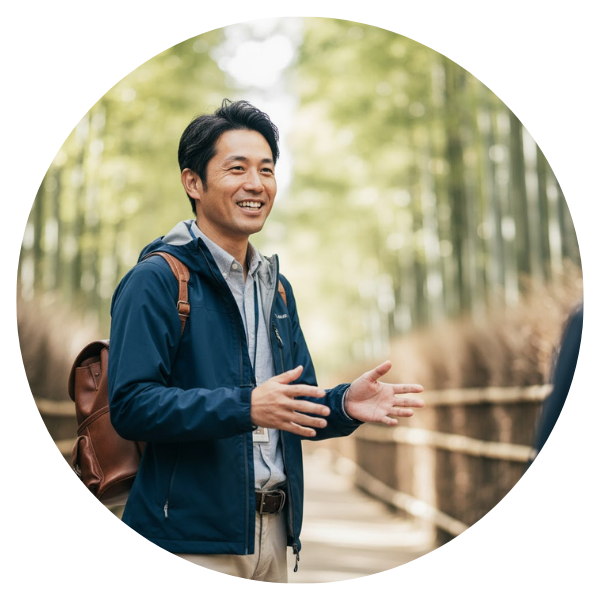
Hi, I’m Kai. I’m a Tokyo-based travel writer, tourism industry insider, and the author of a published guidebook for international visitors to Japan. With over 10 years of professional experience at a leading Japanese tourism company, my mission is to help you skip the tourist traps and navigate Japan’s best destinations like a local. I believe the perfect day trip is like a traditional kaiseki meal: a beautiful balance of precise planning and unforgettable seasonal discovery. When I’m not out conducting field research, you’ll usually find me drafting new itineraries with one of my favorite fountain pens!