
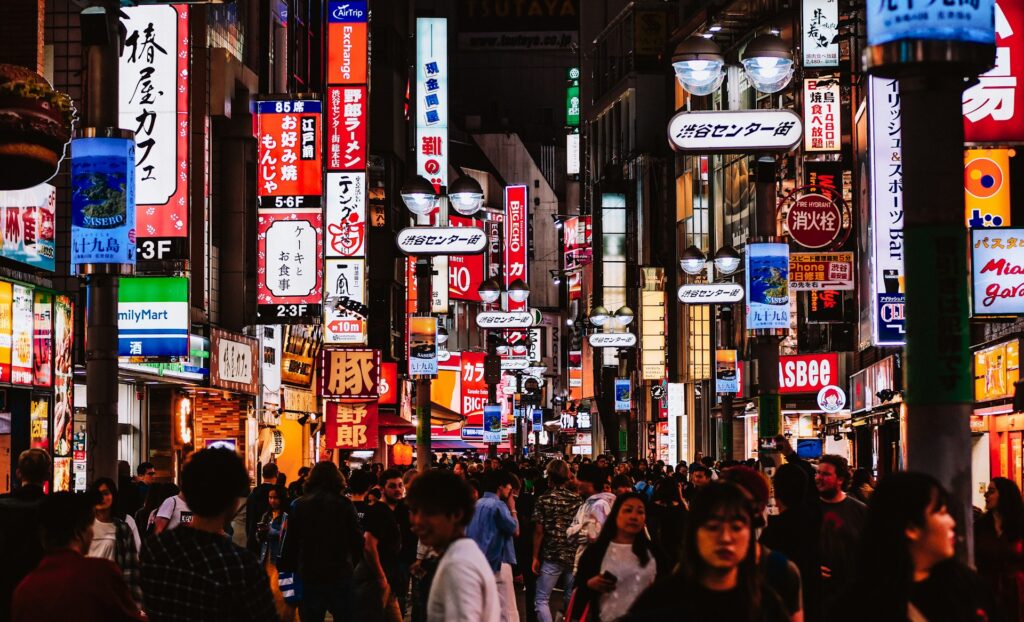
Tokyo is a city of striking contrasts, where ancient temples stand in the shadow of modern skyscrapers, and quiet morning streets transform into electric, cyberpunk-style neon mazes by night. If you want to capture the true essence of this city for your Instagram, TikTok, or personal portfolio, timing and location are everything.
This guide breaks down the absolute best Tokyo photo spots based on the lighting and time of day—from serene sunrises to the iconic neon glow of Shibuya and Shinjuku. We have also included essential local rules, such as where tripods are banned, to ensure your shoot goes perfectly.
- Sunrise (Beat the crowds): Senso-ji Temple (Asakusa), Shiba Park (Tokyo Tower view).
- Sunset & Golden Hour: Shibuya Sky (Outdoor deck), Tokyo Metropolitan Government Building (Shinjuku).
- Night (Cyberpunk Neon): Shibuya Scramble Crossing, Shinjuku Omoide Yokocho, Kabukicho.
Essential Photography Rules in Tokyo (Know Before You Go)
Before packing your gear, it is crucial to understand Tokyo’s specific photography etiquette and rules. Ignoring these can result in being asked to leave a location.
- The “No Tripod” Rule: Tripods are strictly prohibited at almost all major observation decks (including Shibuya Sky, Tokyo Skytree, and the Tokyo Metropolitan Government Building) due to safety and crowd control. They are also heavily discouraged in busy streets and narrow alleys like Omoide Yokocho.
- Observation Deck Glare: Since you cannot use a tripod, shooting night cityscapes through glass requires preparation. Bring a rubber lens hood or a dark piece of cloth (like a black jacket) to press against the glass and block interior reflections.
- Respecting the Locals: When shooting in neon-lit restaurant alleys, remember that these are active businesses. Do not block walkways with extensive gear, and avoid pointing your camera directly into the faces of people eating or drinking.
Best Tokyo Sunrise Photo Spots (Beat the Crowds)
Tokyo is notoriously crowded, but the city is incredibly peaceful before 7:00 AM. Sunrise is the best time to photograph popular traditional spots without hundreds of tourists in your frame.
Senso-ji Temple, Asakusa
During the day, the Kaminarimon (Thunder Gate) and the main hall of Senso-ji are packed shoulder-to-shoulder. Arriving at sunrise completely changes the experience.
- Why it works: You can capture the massive red lanterns, the five-story pagoda, and the traditional Nakamise shopping street completely empty. The soft morning light hitting the red architecture is stunning.
- Best Time: 30 minutes before sunrise until about 6:30 AM.
- Tripod Rule: Allowed in the open areas, but be respectful of locals who come for early morning prayers. Do not block the main pathways.
- Cost: Free.
Tokyo Tower from Shiba Park
While the Tokyo Skytree is taller, Tokyo Tower’s classic red and white lattice design offers a more nostalgic, iconic backdrop.
- Why it works: Shiba Park offers lush greenery in the foreground with the towering structure in the back. You can also walk over to the nearby Zojoji Temple to frame the modern Tokyo Tower behind traditional temple roofs.
- Best Time: Early morning for crisp, clear skies and zero crowds.
- Tripod Rule: Generally acceptable in the park areas, provided you are not obstructing walkways.
- Cost: Free (park grounds).
Best Tokyo Sunset & Golden Hour Spots
To capture the sprawling metropolis transitioning from day to night, you need to get high above the streets. Golden hour in Tokyo often brings a beautiful haze, and on clear winter days, you might even spot Mount Fuji.
Shibuya Sky (The Ultimate Sunset Cityscape)
Currently the most popular observation deck in Tokyo, Shibuya Sky offers a 360-degree open-air view from 229 meters above the iconic Scramble Crossing.
- Why it works: The glass edges allow for incredible reflection shots and unobstructed views of the sunset behind the city skyline. It is the premier spot for urban photography.
- Booking Warning: Sunset time slots sell out extremely fast. You must book your tickets online at least 3 to 4 weeks in advance.
- Strict Gear Rules: No tripods, no gimbals, and no camera bags are allowed on the roof. All loose items must be stored in a 100-yen coin locker. You can only bring a camera if it has a neck strap, or a smartphone.
- Cost: Approximately 2,200 – 2,500 JPY (varies slightly by online/walk-up, though walk-up is rarely available for sunset).
Tokyo Metropolitan Government Building, Shinjuku (Free Alternative)
If Shibuya Sky is sold out or you are traveling on a budget, this is your best alternative.
- Why it works: It offers fantastic panoramic views of Shinjuku’s skyscrapers and, on clear days, Mount Fuji to the west. The South Observation Deck is open until 10:00 PM, making it one of the best free observation decks in Tokyo.
- Tripod Rule: Strictly prohibited. You must shoot handheld or rest your camera closely against the glass.
- Photography Tip: Indoor reflections are very strong here at night. A dark jacket or a silicone lens hood is mandatory for clean shots.
- Cost: 100% Free.
Best Tokyo Neon Photo Spots (Cyberpunk Vibes)
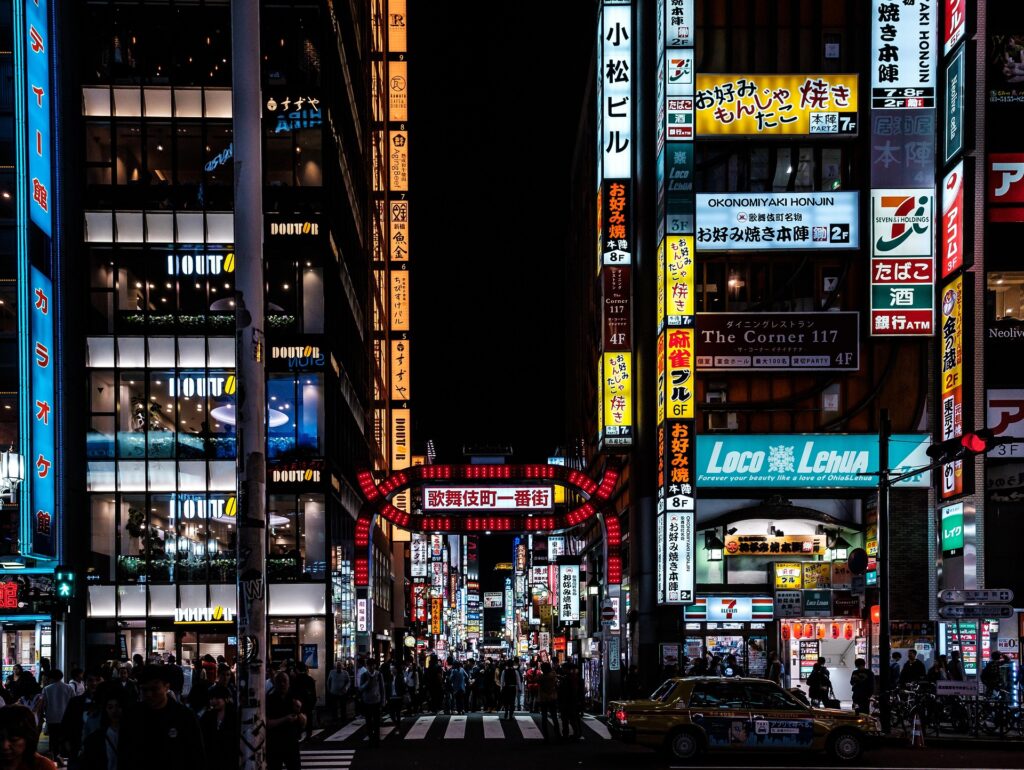
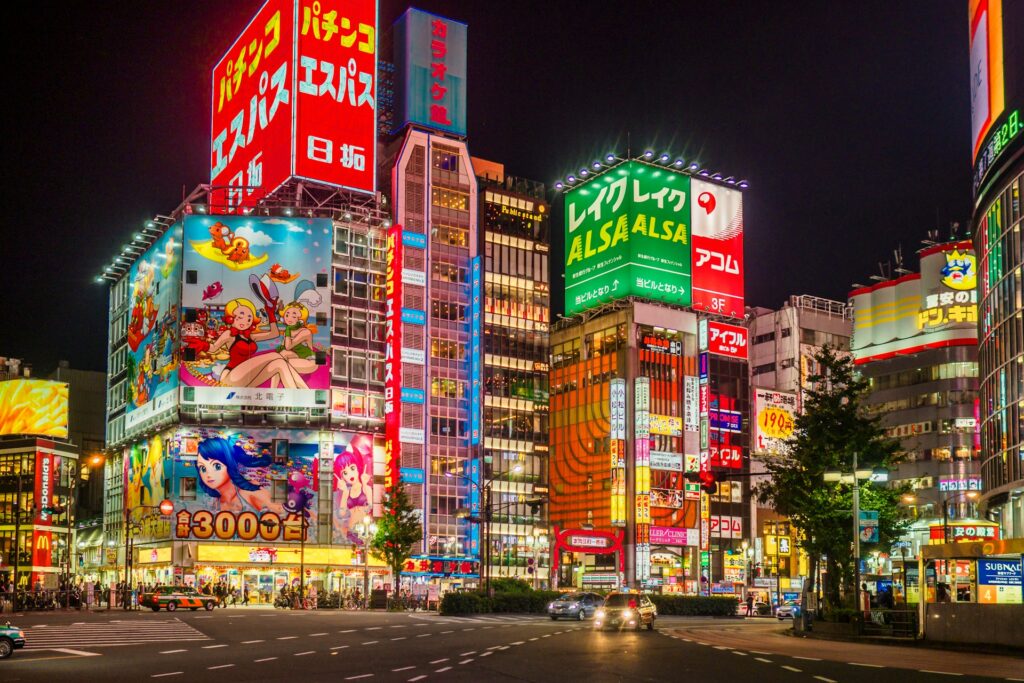
As the sun sets, Tokyo transforms into a glowing metropolis of neon signs, bustling crowds, and cinematic alleyways. This is the time to capture the city’s famous cyberpunk aesthetic.
Shinjuku Omoide Yokocho & Kabukicho
Shinjuku is the undisputed king of Tokyo nightlife photography. Just steps from the station, you will find two completely different vibes.
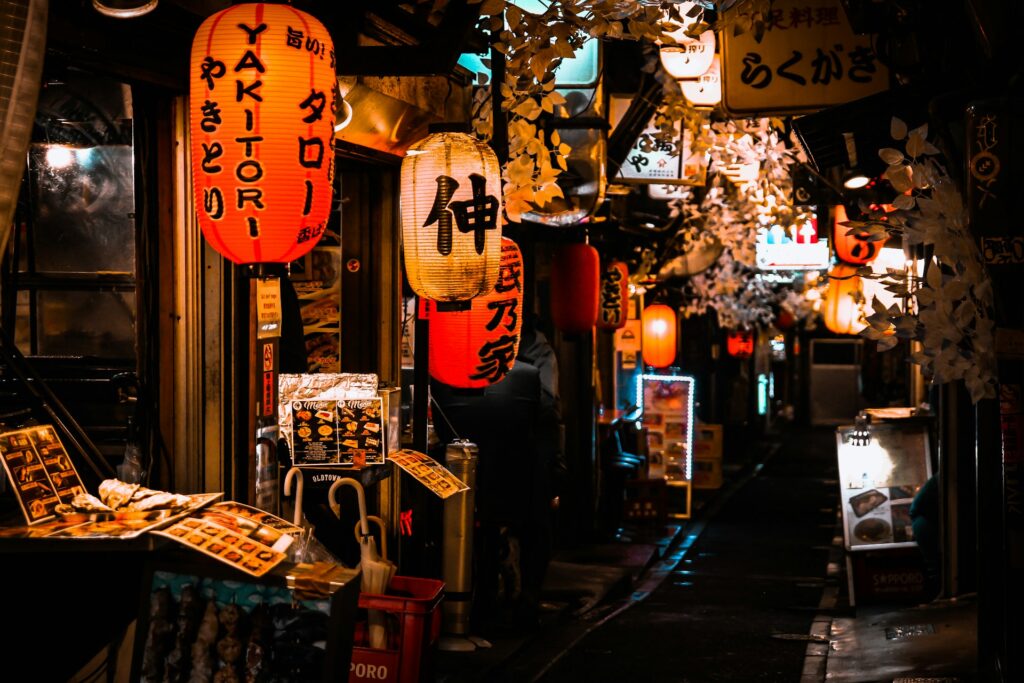
- Why it works: Omoide Yokocho (Memory Lane) is a narrow, smoke-filled alley lined with tiny yakitori stalls and glowing red lanterns—perfect for moody, traditional shots. A short walk away is Kabukicho, boasting massive, colorful neon signs and futuristic street scenes.
- The Reality of Shooting Here: These areas are incredibly crowded. You will be bumped into constantly, making long exposures or setting up a shot with yourself in it extremely difficult.
- Tripod Rule: Absolutely impossible in Omoide Yokocho due to space, and highly impractical/frowned upon in the busy streets of Kabukicho. You must shoot handheld with a fast lens (e.g., f/1.4 or f/1.8).
Shibuya Scramble Crossing & Center Gai
The energy of Shibuya at night is unmatched. The sheer volume of people crossing under the massive digital billboards is a must-capture Tokyo moment.
- Why it works: You can shoot the crossing from ground level for a chaotic, immersive feel, or head down Center Gai (the main pedestrian street) for endless rows of neon shop signs overlapping each other.
- The Challenge: The lighting is incredibly mixed—bright LED screens clash with dark shadows. Capturing a sharp, well-lit portrait of yourself against the moving crowd without a flash or off-camera lighting is one of the hardest shots to pull off in Tokyo.
DIY vs. Hiring a Local Photographer for Night Shoots
While shooting Tokyo’s landscapes and architecture on your own is highly rewarding, capturing high-quality portraits of yourself in the neon districts presents a unique challenge.
Between navigating massive crowds, dealing with strict tripod bans, and managing complex low-light settings, getting that perfect “cyberpunk portrait” often turns into a frustrating experience.
| Feature | DIY Photography | Private Photo Tour |
|---|---|---|
| Getting Yourself in the Photo | Very difficult. Requires asking strangers or awkward selfies. Tripods are banned. | Guaranteed. The photographer focuses entirely on posing and framing you. |
| Lighting & Gear | You must carry fast lenses and manage mixed neon lighting yourself. | Professional gear is provided and handled by the photographer. |
| Finding Locations | Stick to crowded main streets; hidden alleys are hard to find. | Locals know the exact hidden spots with the best neon glow and fewer people. |
| Stress Level | High. Managing gear in crowds can be overwhelming. | Zero. Just walk, enjoy the vibe, and receive professional edits later. |
If you are traveling solo, as a couple, or simply want stunning, cinematic photos of yourself in Tokyo without the stress of carrying gear or fighting crowds, booking a local professional is highly recommended.
Perfect for couples and solo travelers looking for cinematic memories:
👉 Check availability for the Tokyo: Private Shibuya Neon Lights Photo Tour
Frequently Asked Questions (FAQ)
Can I use a tripod at Tokyo observation decks like Shibuya Sky?
No. Almost all major observation decks in Tokyo, including Shibuya Sky, Tokyo Skytree, and the Metropolitan Government Building, strictly prohibit tripods and monopods for safety reasons. At Shibuya Sky, you are not even allowed to bring a camera bag onto the roof; everything must be stored in a locker.
What time should I visit Shibuya Sky for the best sunset photos?
You should aim to book a time slot approximately 60 to 90 minutes before the actual sunset time in Tokyo. This allows you enough time to clear the security lines, store your bags in the locker, and secure a good spot on the glass edge before the golden hour begins. Remember, these sunset slots sell out nearly a month in advance.
Are Tokyo’s neon streets safe for night photography?
Yes, Tokyo is exceptionally safe, even at night. Walking around Shinjuku or Shibuya with expensive camera gear is generally fine. However, common sense still applies. In nightlife districts like Kabukicho, avoid taking clear photos of touts (people trying to pull you into bars) or intoxicated individuals, as this can lead to uncomfortable confrontations. If you are unfamiliar with the area, it helps to read up on how to navigate Kabukicho safely before your shoot. Always respect the locals and the businesses you are photographing.
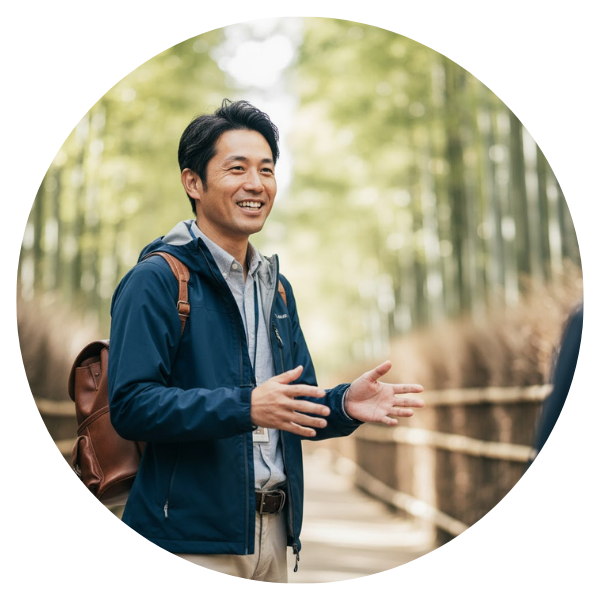
Hi, I’m Kai. I’m a Tokyo-based travel writer, tourism industry insider, and the author of a published guidebook for international visitors to Japan. With over 10 years of professional experience at a leading Japanese tourism company, my mission is to help you skip the tourist traps and navigate Japan’s best destinations like a local. I believe the perfect day trip is like a traditional kaiseki meal: a beautiful balance of precise planning and unforgettable seasonal discovery. When I’m not out conducting field research, you’ll usually find me drafting new itineraries with one of my favorite fountain pens!