
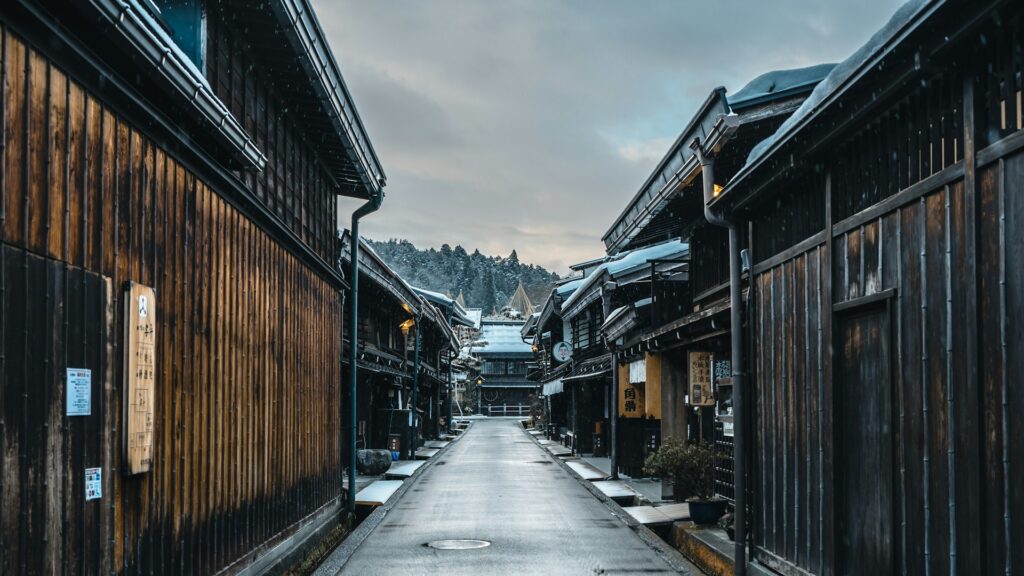
Takayama is frequently touted as “Little Kyoto” and a must-visit destination in the Japanese Alps. However, looking at a map reveals a difficult truth: it is not exactly “on the way” to anywhere. Located deep in Gifu Prefecture, visiting requires a deliberate detour from the standard Golden Route (Tokyo-Kyoto-Osaka).
So, does the destination justify the travel time?
The Quick Verdict: Yes, Takayama is worth it, but primarily for travelers who prioritize preserved history and food over nightlife. It is an essential stop for anyone wanting to taste authentic Hida beef or see traditional carpentry without Kyoto’s modern sprawl. However, it is not worth it as a day trip from Tokyo (too far) and can feel overly crowded if you visit during peak midday hours. To make the travel time truly pay off, you should combine it with a visit to the nearby UNESCO village of Shirakawa-go.
Deciding how to fit Takayama into your route?
- I want to plan a full overnight route: ➡️[From Kanazawa or Takayama: Private Shirakawa-go & Takayama Day Tour — Is It Worth It?]
- I want to see Takayama & Shirakawa-go in one efficient day: ➡️[View tour details].
Why Takayama IS Worth the Hype (The Pros)
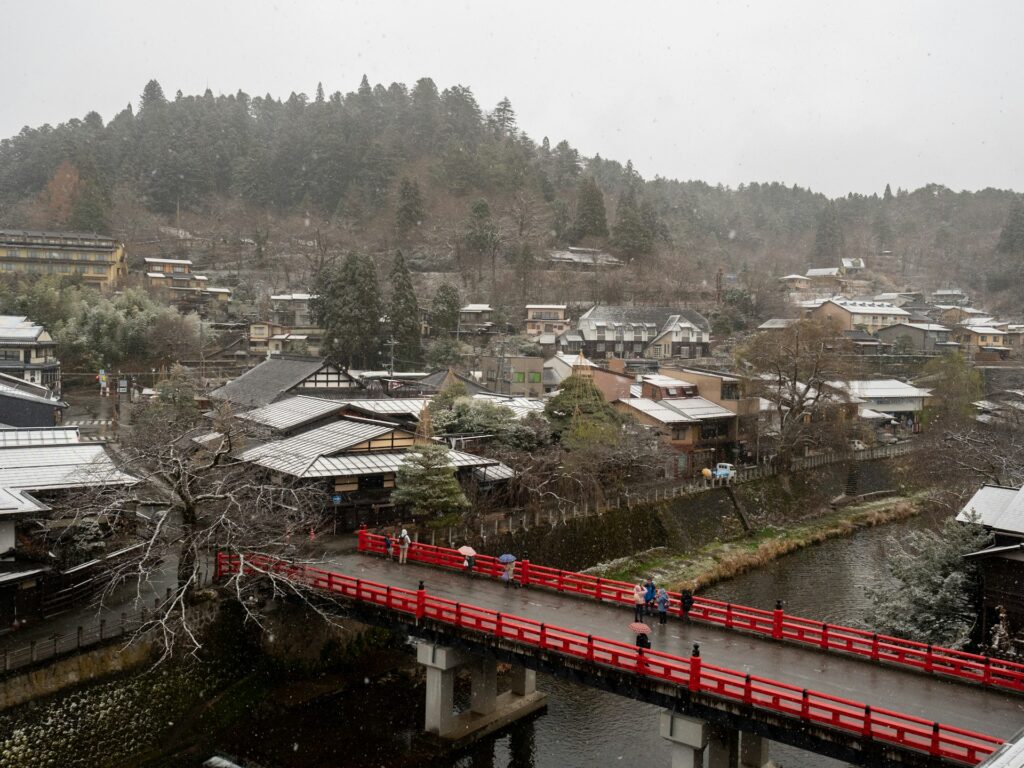
Despite the travel time, thousands of people make the trek every day. There are three specific reasons why the detour pays off.
The Old Town (Sanmachi Suji)
Unlike Kyoto, which is a massive modern city with pockets of history, Takayama’s Old Town feels compact and cohesive. The Sanmachi Suji district consists of three parallel streets lined with beautifully preserved Edo-period merchant houses. The dark wood architecture, latticed windows, and cedar balls hanging in front of sake breweries create an atmosphere that feels genuinely suspended in time.
Hida Beef: The Real Deal
For many foodies, the beef alone justifies the train ticket. Takayama is the home of Hida Beef, a wagyu brand that rivals Kobe or Matsusaka in quality but is often easier to find and slightly more affordable locally. You don’t need a fancy reservation to try it; the streets are lined with stalls selling Hida beef sushi (served on a rice cracker) and charcoal-grilled skewers.
The Morning Markets
The Miyagawa Morning Market offers a level of interaction you rarely get in big cities. Local farmers set up stalls along the riverbank from 7:00 AM to noon, selling apples, pickles, and handmade crafts. It is a lower-paced, friendly experience where you can actually chat with the vendors.
The Reality Check (The Cons)
To keep your expectations realistic, you need to know the downsides before you book your ticket.
The Crowd Factor
Because the historic area is so compact, it fills up quickly. Between 11:00 AM and 3:00 PM, the narrow streets of Sanmachi Suji can feel like a packed commuter train, especially when tour buses arrive. If you are looking for a silent, meditative village experience, you won’t find it here during midday.
The “Tokyo Day Trip” Trap
A common mistake is trying to visit Takayama as a day trip from Tokyo. This is physically exhausting and mathematically unwise. The journey takes about 4.5 hours one way (Shinkansen to Nagoya or Toyama, then a transfer). You would spend 9 hours on trains for 3 hours of sightseeing. Takayama only works as an overnight stay or a side trip from closer hubs like Kanazawa or Nagoya.
The Early Shutdown
Takayama is a morning town. Most shops in the Old Town close promptly at 5:00 PM. By 6:00 PM, the streets are dark and quiet. If you are looking for vibrant nightlife or late-night shopping, you will be disappointed.
DIY Logistics: Getting There & The Shirakawa-go Connection
If you are planning a DIY trip, the logistics require careful timing.
The Train vs. Bus Dilemma Most travelers arrive via the “Hida Wide View” limited express train from Nagoya. It offers stunning valley views but takes about 2.5 hours. Alternatively, highway buses connect Takayama to Kanazawa and Tokyo. Buses are cheaper but strictly require advance reservations, which can sell out weeks in advance during peak seasons.
The Shirakawa-go Puzzle Almost everyone visiting Takayama also wants to see the thatched-roof farmhouses of Shirakawa-go, located about 50 minutes away by bus. The challenge is the “Nohi Bus” system. It is the only public transport link, and the non-reserved buses often have long lines, while reserved seats disappear quickly. Carrying luggage between these stops adds another layer of friction, as coin lockers in Shirakawa-go are limited and fill up by mid-morning.
Dreading the bus schedules and luggage lockers?
Skip the logistics headache and cover both towns with guaranteed transport. ➡️[View tour details].
The Smarter Alternative: Guided Day Tour from Kanazawa
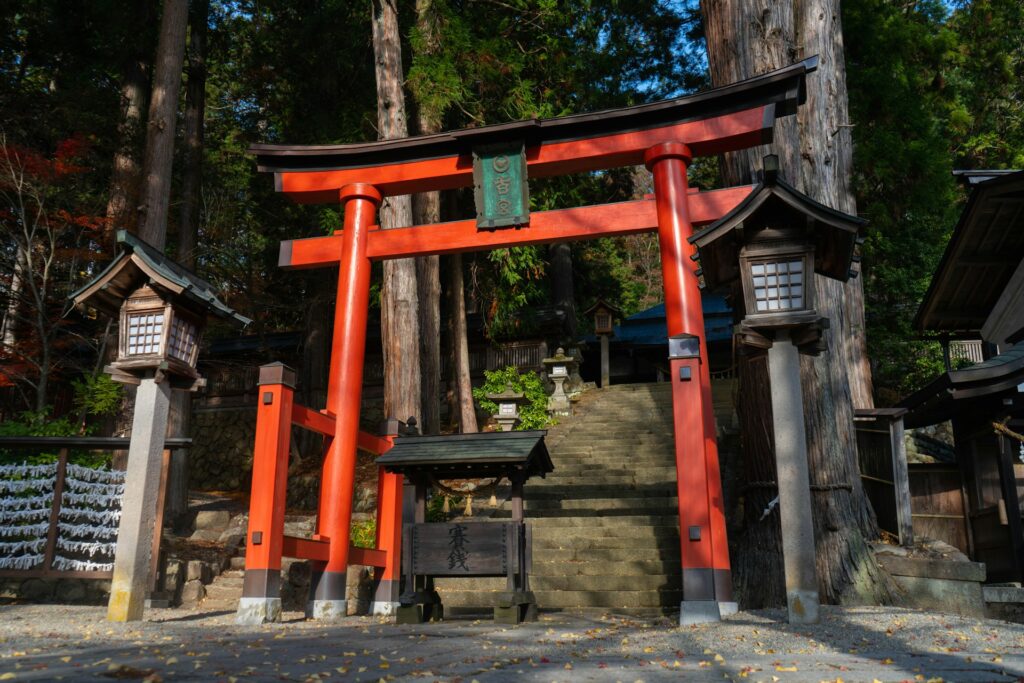
For travelers already planning to visit Kanazawa (which is highly recommended), the most efficient way to see Takayama is actually to start from there. A guided tour eliminates the transfer stress and the risk of sold-out public buses.
Why This Specific Route Works This route hits both major highlights—Shirakawa-go and Takayama—in a single loop. The biggest advantage is luggage management; you can leave your bags on the tour bus while you explore, rather than hunting for coin lockers in a crowded village.
Tour Snapshot
- Route: Kanazawa Station Start → Shirakawa-go (free time) → Takayama (free time + lunch) → Return to Kanazawa or drop-off in Takayama.
- Transport: Private air-conditioned coach (no train transfers).
- Guide: English-speaking tour conductor provides historical context.
- Efficiency: Covers the difficult cross-mountain route without relying on public bus schedules.
How to Structure Your Day (Realistic Expectations)
Whether you go DIY or take a tour, you usually have about 2 to 3 hours to explore Takayama’s core. Here is how to use that time effectively:
- Start at the Miyagawa Morning Market: Grab a coffee or snack if you arrive before noon.
- Walk to Sanmachi Suji (Old Town): Spend 45 minutes soaking in the atmosphere and browsing sake breweries.
- Lunch on the Fly: Instead of a sit-down meal, eat your way through the street: Hida beef sushi, mitarashi dango (soy sauce rice dumplings), and beef buns.
- Takayama Jinya: If time permits, visit this former government outpost to see traditional tatami rooms and a beautiful garden.
Final Verdict: Is it Right for You?
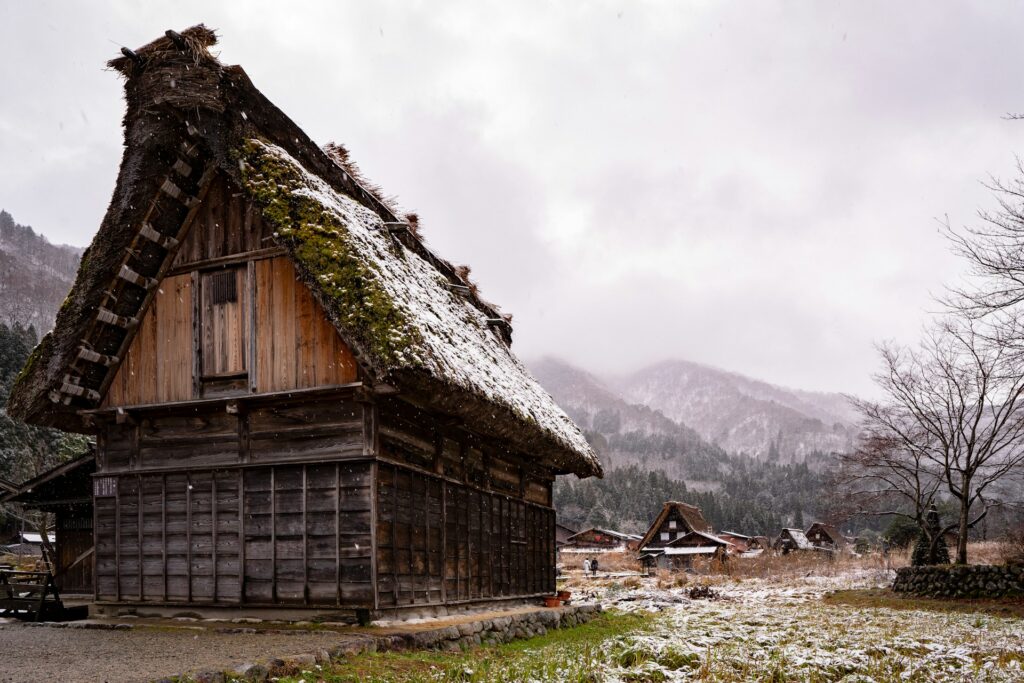
Takayama offers a window into the Japan of the past that Kyoto often struggles to provide due to modernization. The wooden architecture, the alps backdrop, and the beef make it a standout destination.
However, the access is difficult. If you try to force it into a rushed itinerary, you will regret the travel time. The best approach is to respect the distance: either stay overnight or utilize a structured tour from Kanazawa to handle the mountain logistics for you.
Ready to see the Japanese Alps?
Avoid the worst crowd window and skip the planning logistics.➡️[View tour details].
FAQ: Takayama Essentials
Q: Is Takayama worth visiting in winter? A: Yes, it is arguably even more beautiful in winter when snow covers the old streets. However, it gets very cold, and you need proper boots with grip. Public transport can occasionally be delayed by heavy snow.
Q: How much time do I need in Takayama? A: For the main highlights (Old Town and Jinya), 3 to 4 hours is sufficient. You only need more time if you plan to visit the festival float exhibition halls or hike the Higashiyama walking course.
Q: Is Hida beef better than Kobe beef? A: “Better” is subjective, but Hida beef is top-tier A5 wagyu. It is known for intense marbling and a melt-in-the-mouth texture. Many travelers find it just as good as Kobe beef, often at a lower price point within Takayama.
Q: Can I use the JR Pass to get there? A: Yes, you can use the JR Pass on the “Hida Wide View” train from Nagoya or Toyama. However, the JR Pass does not cover the highway buses to Shirakawa-go or Kanazawa (unless it is a specific regional pass that includes buses).
Q: Is the town wheelchair accessible? A: The main streets are flat but paved. Some shops have a step up to enter. Crowds can make navigation difficult for wheelchairs during peak hours.