
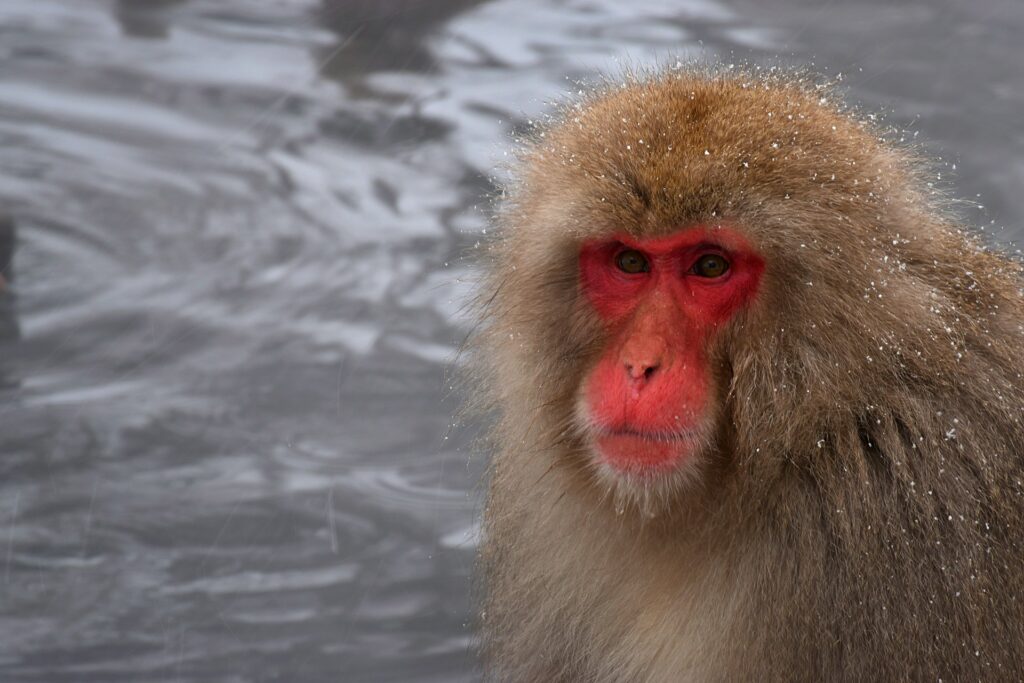
If you want to see Jigokudani’s famous “snow monkeys” without juggling local buses, trail timing, and Nagano logistics, this Nagano: Snow Monkeys, Zenkoji Temple & Sake Day Trip is one of the most straightforward ways to do it—especially in winter.
The experience is not just the monkey park. It’s a full-day loop that adds Zenko-ji Temple, a sake tasting stop, and a local lunch, with transport and an English-speaking guide connecting the dots. Reviews are overwhelmingly positive for pacing, organization, and guide quality—but there are a few predictable friction points (walking, winter footing, and the fact that monkeys and snow are never guaranteed).
If it sounds like your kind of day, check current availability and your best starting time here: ➡️ [Check availability & prices]
Quick verdict
Choose this tour if you want:
- A low-stress, all-in-one day (temple + food + monkeys) with transport handled
- An English-speaking guide who adds context and keeps timing on track
- A plan that works well for winter travel (when conditions can complicate DIY logistics)
- A “one day in Nagano” itinerary that still feels enjoyable, not frantic
Skip this tour if you:
- Have mobility limitations or don’t feel confident on an unpaved winter trail
- Prefer to linger independently (longer temple time, extra café stops, onsen towns, etc.)
- Strongly dislike group pacing
- Will be disappointed if there’s no snow or if monkeys aren’t soaking when you arrive
What you get at a glance
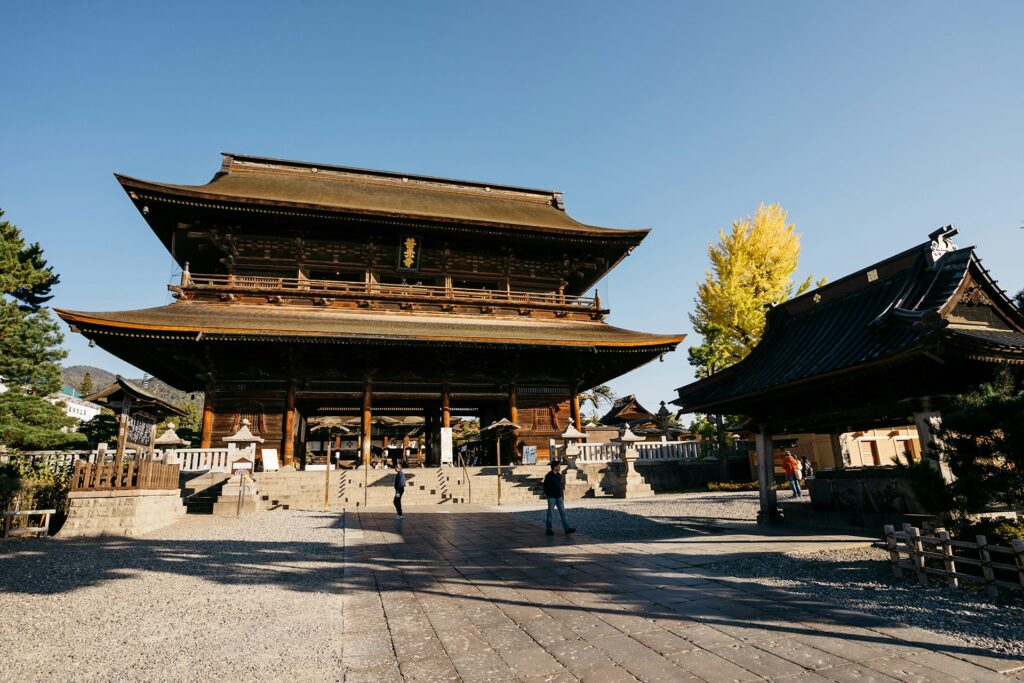
The booking page lists this as a group day tour with a live English-speaking guide, lasting around 8–12 hours, with free cancellation up to 24 hours in advance and “reserve now, pay later” flexibility. Details can vary by date/operator, so confirm on the booking page. ➡️ [Check availability & prices]
Route (typical order, but may vary):
Meet in/around Nagano (and winter pickup options from Hakuba-area locations) → Zenko-ji Temple → sake tasting stop → lunch → Jigokudani Monkey Park (includes the walk to/from the park)
Included (as listed)
- Transportation between stops (plus winter shuttle options for some Hakuba-area departures)
- English-speaking guide
- Snow Monkey Park entry fee
- Lunch (vegetarian options available)
- Sake tasting (with a non-alcohol option typically available)
Not included (as listed)
- Bullet train tickets to/from Nagano (important if you’re coming from Tokyo)
- Optional paid areas at Zenko-ji (such as the inner sanctuary/underground passage)
- Extra snacks/drinks beyond what’s included
The problems this tour solves
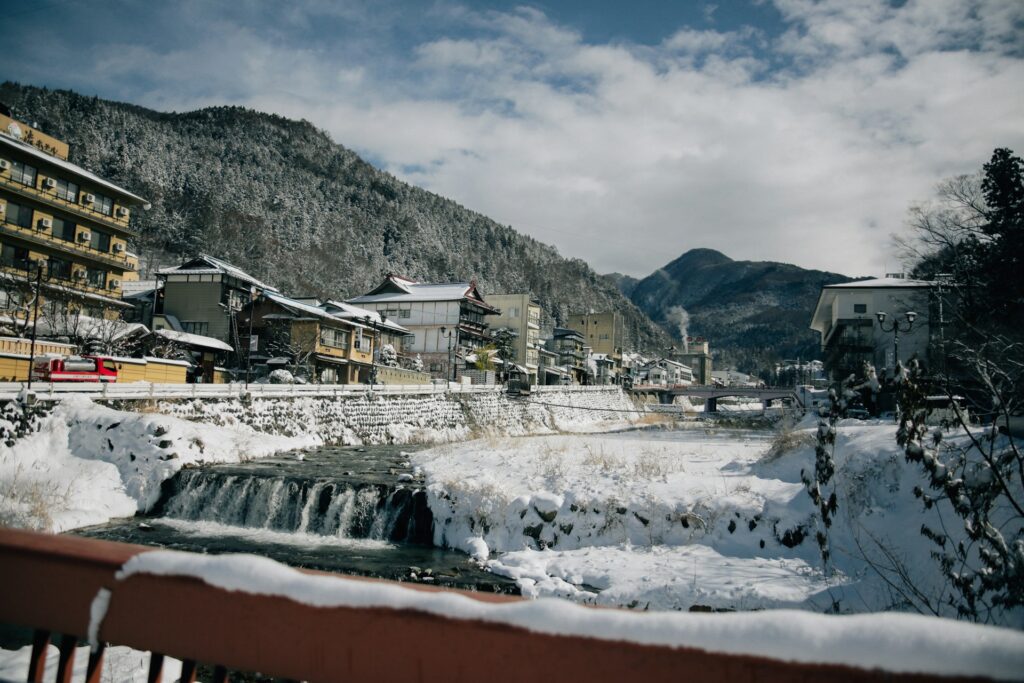
A lot of “Snow Monkey Park wasn’t worth it” reviews (in general, not just for this tour) come down to the same issues: timing, logistics, and expectations. This day trip is designed to reduce those failure points.
- Transport anxiety: You don’t have to line up train/bus schedules or guess which connection is best in winter.
- Pace planning: The itinerary is structured so you’re not racing the clock at every stop.
- Expectation management: A good guide helps you understand what’s realistic—especially around the monkeys’ behavior and the “snow monkey” myth.
- One-day efficiency: If you only have one day in Nagano (or you’re taking a break from skiing in Hakuba), this is a simple, coherent plan.
If you want a blunt, no-hype perspective on what Jigokudani feels like as a day trip, this guide can help you set expectations before you book: ➡️[Snow Monkey Park Day Trip: The Reality Check (Jigokudani)].
A realistic itinerary
Think of this as a culture + food + wildlife day, with the monkey park as the headline moment rather than the only reason to go.
Start times and meeting logistics
The booking page lists a typical meet time around 9:35 at Nagano Station, with the possibility of an earlier Nagano start time on some dates. In winter, there are also earlier pickup options from Hakuba-area locations (generally December through March) and a later return if you start from Hakuba. Details can vary by date/operator, so confirm your exact option and start time on the booking page. ➡️ [Check availability & prices]
Stop 1: Zenko-ji Temple (about 1.5 hours guided)
Zenko-ji is one of those places that works even if you’re not “a temple person.” It’s spacious, historic, and easy to appreciate with a little context—especially around why it matters in Japanese Buddhism and why it became a major pilgrimage site.
Most travelers get a guided walk through the main grounds and key points, plus a small amount of free time to browse the approach streets or take photos.
Optional add-on worth knowing about: Zenko-ji has paid areas, including an inner sanctuary ticket that allows entry into the inner part of the main hall and the famous underground passage (often described as a pitch-black corridor). The booking page lists optional entry to the inner sanctuary as not included, so plan to pay on-site if you choose to do it.
Stop 2: Sake tasting (about 30 minutes)
Nagano has a strong sake culture, and this stop is usually positioned as a quick, guided intro: what you’re tasting, what to notice, and how regional brewing differs. Even if you’re not a sake fan, many people enjoy this as a short “reset” after the temple and before the longer drive toward the mountains.
If you don’t drink alcohol, you’re not automatically excluded from the experience—many operators offer a non-alcohol option.
Stop 3: Lunch (about 1 hour)
Reviews often highlight lunch as better than expected for a day tour—more like a proper regional meal than a rushed convenience stop. It also breaks up the day in a way that makes the schedule feel balanced.
If you have allergies or dietary needs, this is the moment where booking notes matter. The booking page indicates vegetarian options, and it’s smart to flag allergies early when you reserve.
Stop 4: Jigokudani Monkey Park (about 2.5 hours including the walk)
This is the core of any snow monkey park review: what it’s actually like, and why some people leave thrilled while others shrug.
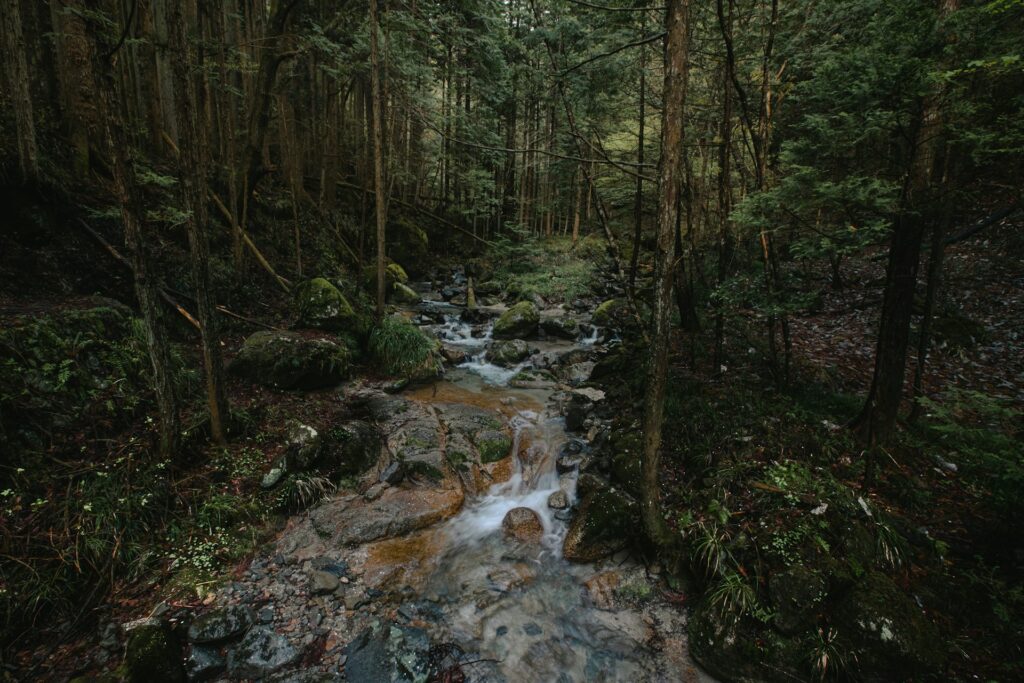
The walk is part of the experience. Expect roughly 25–30 minutes each way on an unpaved forest trail (longer if conditions are icy or if your group pace is slower). It’s generally manageable for reasonably fit travelers, but it’s a real factor in winter.
Once you reach the park, you’ll have time for observation and photos. The park itself isn’t huge; the value is in watching behavior—grooming, social dynamics, playful chaos—at close range (while still respecting the rules and keeping your distance).
Snow Monkey Park review: the reality behind the photos
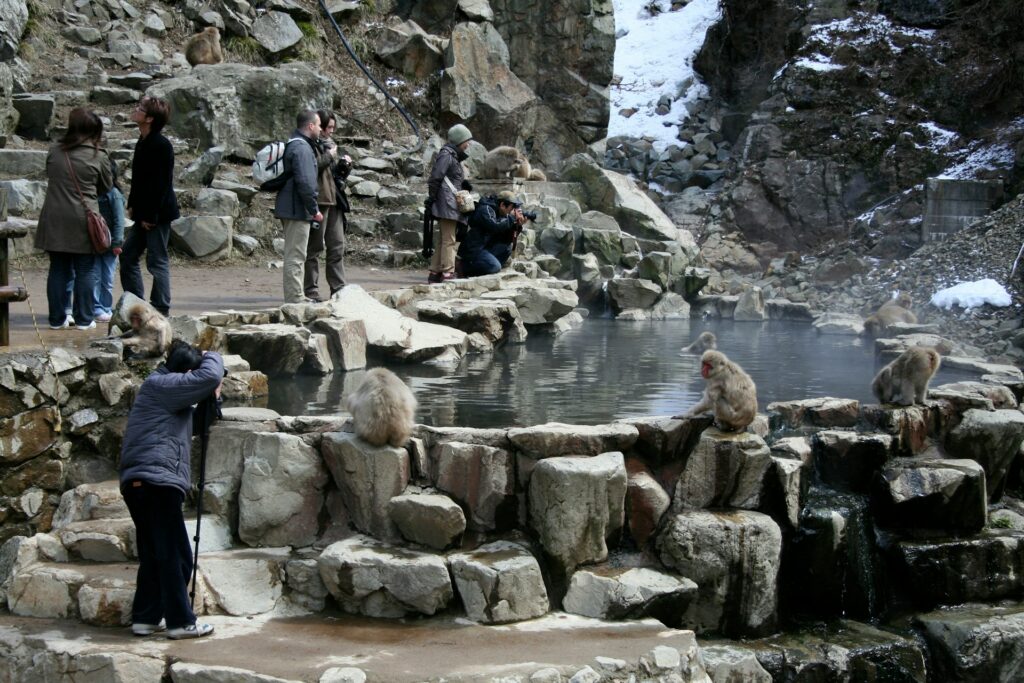
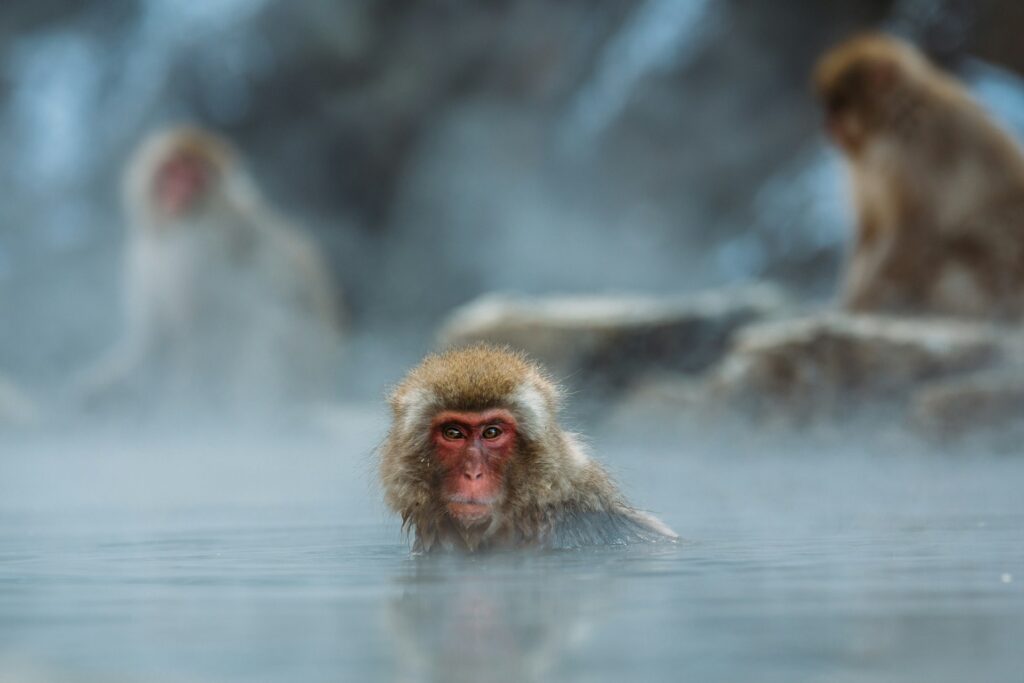
The iconic image—macaques soaking in steaming water with snow falling—is real, but it’s also the product of season + temperature + timing + monkey mood.
What “snow monkeys” really means
- The monkeys are wild Japanese macaques that live in the surrounding mountains and visit the park during the day.
- They’re known for bathing in hot springs primarily in the coldest months, but they do not bathe all day and do not do it year-round.
- Snow is seasonal, and even in winter, weather can change quickly (snowy morning, clear afternoon).
If your main goal is that classic snowy soaking scene, plan the timing carefully: ➡️[Jigokudani Monkey Park snow: when to go for ”snow monkeys”].
The “guarantee” question
Two separate things matter:
- Will there be monkeys?
- Will they be soaking when I’m there?
The park isn’t a zoo. On rare days, monkeys may not come down into the viewing area. And even when they’re present, they might be lounging, grooming, or wandering rather than bathing. A good tour guide can improve your odds with smarter timing, but no operator can promise a specific behavior.
Crowds and comfort
Jigokudani is extremely popular, and peak winter periods can feel busy at the main viewing area. The best way to enjoy it is to treat it like wildlife viewing: be patient, watch for moments, and don’t expect a quiet, private experience.
Park rules that matter (and why)
To keep visitors and monkeys safe, rules are strict—and for good reason. Don’t feed or touch monkeys, don’t get in their space, and don’t do anything that startles them. Selfie sticks and “creative” close-up behavior can cause problems fast.
This tour works best for travelers who like wildlife as wildlife—observing, not interacting.
What reviews suggest (pros and cons)
At the time of writing, the tour is rated around 4.9/5 with about 700 reviews, with strong sub-scores for guide and transportation, and a slightly lower (but still high) score for value for money. Numbers can change, so treat this as a snapshot and check the latest on the booking page. ➡️ [view tour details]
Pros people consistently emphasize
- Guides make the day: friendly, knowledgeable, and good at keeping the group moving without making it feel rushed
- Smooth logistics: transport is comfortable, and the day feels well-organized
- Balanced itinerary: temple + tasting + lunch + monkeys feels like a complete Nagano experience
- Good use of time: many travelers feel they “fit a lot in” without it becoming exhausting
- Lunch is a pleasant surprise: frequently mentioned as genuinely enjoyable
Cons to plan around (even if the tour is excellent)
- Walking is non-negotiable: the forest trail can be slippery in winter and includes uneven footing
- Nature doesn’t perform on cue: you might see monkeys but not see them soaking; you might see no snow even in winter
- Group dynamics vary: pacing is generally praised, but if you walk slower than average, staying close to the guide matters
- Time at each stop is finite: if you want long, unhurried exploration, DIY (or private) may fit better
- Tokyo logistics aren’t included: if you’re coming from Tokyo, you must add shinkansen cost and time
If you want an hour-by-hour plan you can compare against this tour’s structure, this realistic day plan is useful: ➡️[Jigokudani Monkey Park itinerary: a realistic day plan that won’t waste your time].
DIY vs this tour
DIY can be great—especially if you enjoy figuring out local transport and you want full control over timing. But Jigokudani has two built-in “friction points”: connections and the walk.
DIY is a good fit if you want maximum flexibility
On your own, you can:
- Spend longer at Zenko-ji (or skip it entirely)
- Choose your lunch (or eat in Shibu/Yudanaka instead)
- Time the monkey park around your preferences (early arrival, late arrival, etc.)
You’ll still need to manage:
- Getting from Nagano to the trailhead area (bus/train + bus)
- Budgeting enough buffer time so you don’t feel rushed on the walk
- Weather and winter footing
If you’re cost-checking, keep it simple: park entry is relatively inexpensive on its own, but DIY adds up when you factor transport and the “cost of mistakes” (missed connections, poor timing, arriving when conditions are worst). For a clearer budget breakdown, this guide helps: ➡️[Snow Monkey Park Cost: Entry Fee, Transport, and Realistic Budgets].
This tour is a good fit if you value convenience and a coherent day
What you’re buying here isn’t just entry. It’s:
- A schedule that removes guesswork
- Transport that keeps the day comfortable
- A guide who adds context (temple + sake + the monkeys’ behavior)
- The simplicity of one booking covering the main pieces
For many travelers, that’s worth it—especially in winter, or if you only have one free day.
Coming from Tokyo: what’s realistic
This tour’s common starting point is Nagano, not central Tokyo. That’s totally workable as a day trip from Tokyo, but it’s a long day and it only feels “easy” if you plan it properly.
A realistic Tokyo-based plan looks like:
- Early shinkansen to Nagano
- Full day tour
- Evening return to Tokyo (or overnight in Nagano)
If you’re debating whether it’s sensible (and what kind of day it actually becomes), this quick reality check is helpful: ➡️[Snow monkeys from Tokyo: what’s realistic for a day trip].
Group tour vs private tour
If you’re traveling with family, have mobility considerations, or simply want full control over timing, a private tour can make sense—but it’s a different purchase.
A private option usually buys you:
- Custom pacing (longer/shorter stops)
- Easier handling of slower walkers
- More control over lunch and routing
- Sometimes hotel pickup (depending on the product)
It also costs more, and you lose some of the social/low-planning simplicity of a well-run group day.
If you’re on the fence, this guide explains what a private tour is really buying (and when it’s worth paying for): ➡️[Nagano Private Tour: what you’re really buying (and when it’s worth it)].
Practical tips to enjoy the day more
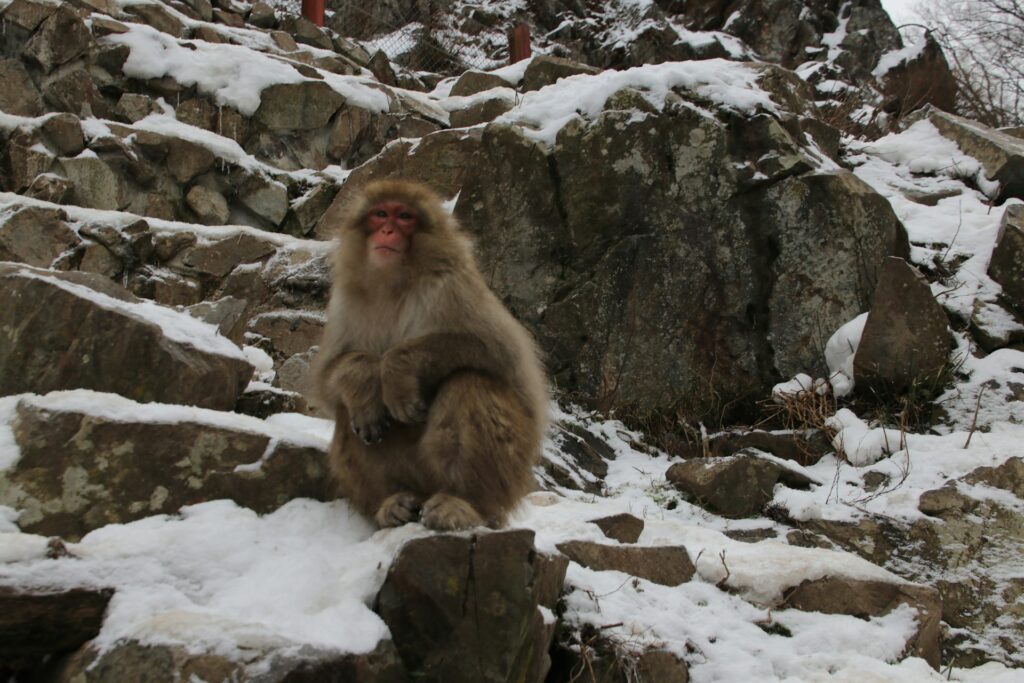
Dress for the walk, not the photos. In winter, waterproof shoes or boots with grip make a bigger difference than any other gear decision. If you’re not confident on icy paths, traction aids (often sold near trailheads in the area) can be a game-changer.
Use the temple as your “energy check.” Zenko-ji is early in the day and sets the tone. If you already feel tired there, you’ll want to be especially careful with pace and footing later.
Don’t chase the perfect monkey moment. The best experiences at Jigokudani come from watching behavior—social dynamics, grooming, playful interactions—not from trying to force a specific shot.
Keep snacks discreet. Wildlife rules are strict for a reason. Don’t eat in the viewing area, and don’t wave food around.
If you’re traveling with kids: plan a bathroom break before the walk in and keep expectations simple (“we’re going to see wild monkeys,” not “they will definitely be soaking in snow”).
Final recommendation
As a snow monkey park review verdict: this tour is worth it for most travelers who want a reliable, well-paced day in Nagano with minimal planning. The strongest value is how it bundles the experience—temple, tasting, lunch, and monkeys—into a day that feels complete rather than stressful.
The main reasons to skip are clear: mobility limitations, a strong preference for independent wandering, or expecting guaranteed snow-and-soaking scenes. If you go in with realistic expectations—wild animals, seasonal conditions, a real forest walk—this is one of the safest bets for having a great Jigokudani day.
To confirm your exact meeting point, start time, inclusions, and cancellation terms (which can vary by date), check the latest details here: ➡️ [Check availability & prices]