
The classic “snow monkeys in a hot spring” photo makes Jigokudani Monkey Park look like a quick, effortless stop. In reality, a successful visit is all about timing and logistics: getting to Nagano early enough, choosing the right bus or train route, avoiding the biggest midday crowds, and budgeting enough energy for the mandatory forest walk.
One quick note on names: you will also see the park written as Jigokudani Yaen-Koen. It is the same place as Jigokudani Monkey Park or Snow Monkey Park.
Quick Facts: Jigokudani Monkey Park at a Glance
| Item | Details |
|---|---|
| Official Name | Jigokudani Yaen-Koen |
| Location | Yamanouchi, Nagano Prefecture |
| Admission | Typically around ¥800 for adults and ¥400 for children aged 6–17; children 5 and under are usually free. |
| Typical Hours | Summer is usually 8:30–17:00; winter is usually 9:00–16:00. Hours can change due to weather, monkey behavior, or park conditions. |
| Best Season for Hot Spring Photos | Winter, especially the colder months when bathing behavior is more likely. |
| Trail Walk | About 1.6–2 km each way, depending on where you start. Expect around 30 minutes in good conditions and longer in snow or ice. |
| JR Pass Valid? | Only as far as Nagano Station. Local Nagaden trains and buses to the park are not covered by the JR Pass. |
| Payment | The park may accept cards and some electronic payments, but carry cash for buses, lockers, rentals, snacks, and backup. |
Quick Verdict: Is the Snow Monkey Park Worth a Day Trip?
Yes, Jigokudani Monkey Park is worth a day trip if you want the chance to see wild Japanese macaques up close and you are comfortable with a 30-minute unpaved forest walk each way.
It is most worth it in winter, when snow scenery and hot spring behavior are more likely. It is less ideal if you are severely short on time, have mobility limitations, dislike icy trails, or are visiting in a season when the monkeys are less likely to spend time near the hot spring.
The key warning: this is not a zoo. The monkeys are wild and can move in and out of the area. Most visitors do see monkeys, especially in winter, but sightings and hot spring bathing are never guaranteed.
For a broader pros-and-cons breakdown, read: ➡️ Snow Monkey Park Review: Is This Nagano Day Trip Actually Worth It?
3 Things Everyone Gets Wrong About the Snow Monkey Park
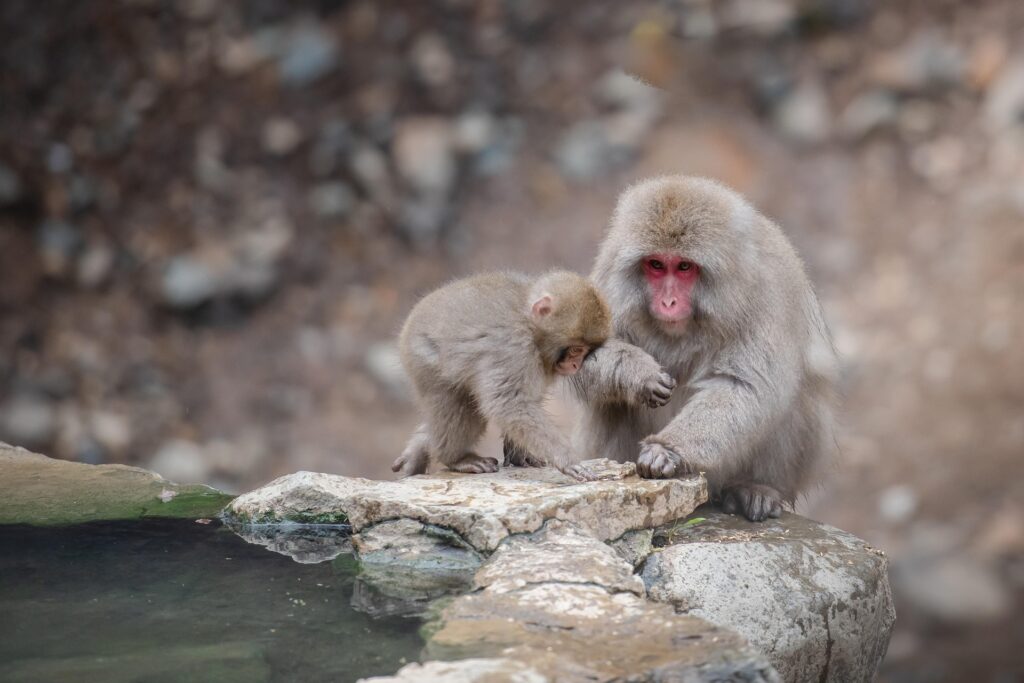
1. It is not a zoo
Jigokudani Monkey Park is an open nature area that attracts wild macaques. Park staff encourage the troop to come down from the mountains, but the monkeys are still free to leave. Treat the famous “dozens of monkeys soaking on cue” scene as a bonus, not a promise.
Before making a long journey, check the park’s latest updates and monkey appearance information on the official Jigokudani Yaen-Koen website.
2. The hot spring bathing is seasonal
The macaques use the hot spring mainly to stay warm. That means the classic bathing behavior is most associated with winter. In spring, summer, and autumn, you may still see monkeys, but they are more likely to be grooming, playing, foraging, or moving around the valley rather than sitting in the bath.
3. The forest walk is mandatory
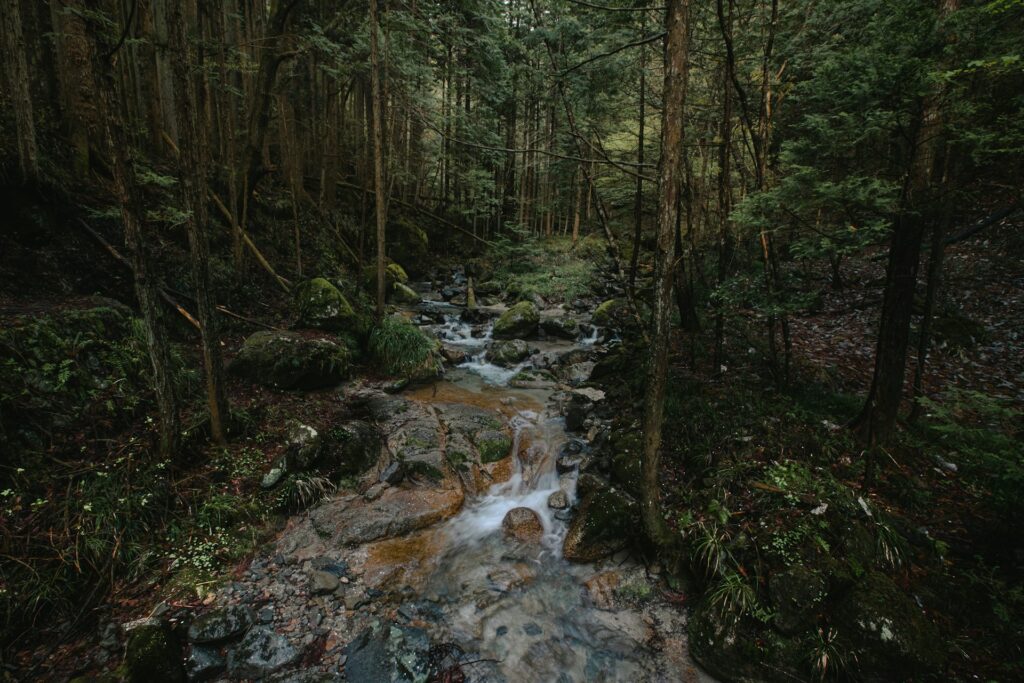
You cannot drive, take a bus, or join a tour vehicle directly to the hot spring pool. Every visitor must walk the forest trail from the Kanbayashi / Snow Monkey Park bus stop area to the park entrance. In good conditions, it is manageable for most active travelers. In winter, the same path can become icy, muddy, or slippery.
Need-to-Know Logistics Before You Go
Opening Hours and Entry Fees
Standard entry is usually purchased at the park entrance on the day of your visit. However, winter crowd-control rules, ticketing systems, and online ticket options may change, so check the official website before visiting in peak season.
- Adults: typically around ¥800
- Children aged 6–17: typically around ¥400
- Children 5 and under: usually free
Typical seasonal hours are:
- Summer season: usually 8:30–17:00
- Winter season: usually 9:00–16:00
Do not plan a last-minute arrival right before closing. Hours may be shortened or access may change due to severe weather, trail conditions, natural hazards, or unusual monkey behavior.
The Snow Monkey Pass vs. the Japan Rail Pass
A common mistake is assuming the Japan Rail Pass covers the entire journey. It does not. The JR Pass can help you reach Nagano Station by JR routes, but it does not cover the Nagaden trains or local / express buses required to reach the monkey park area.
For the local portion from Nagano, many independent travelers compare the current Snow Monkey Pass options:
| Pass Type | Typical Use | Price Notes |
|---|---|---|
| Train + Local Bus Pass | Nagaden train from Nagano to Yudanaka, then local bus toward the park. | Recent listings have shown adult pricing around ¥5,100, including park entry. Check current details before buying. |
| Express Bus Pass | Direct express bus from Nagano Station toward the Snow Monkey Park stop. | Pricing can vary by season. Winter listings may be around ¥6,800, while green-season pricing may differ. |
Is the pass worth it? It depends on your route. From Nagano Station, a pass can simplify the day and bundle transport with park entry. If you are staying near Yudanaka or Shibu Onsen, buying only what you need may be cheaper.
Luggage, Accessibility, and Trail Reality
Do not bring suitcases to the park. Rolling luggage on an unpaved snowy forest trail is not realistic. Use lockers at Nagano Station, Yudanaka Station, or another suitable location before heading to the trail.
The trail is also not suitable for wheelchairs, carts, or heavy strollers. If you are visiting with a baby or toddler, use a sturdy baby carrier and keep children close at all times. The monkeys are wild animals, and there are no barriers between visitors and the troop in some viewing areas.
How to Get to Jigokudani Monkey Park from Nagano
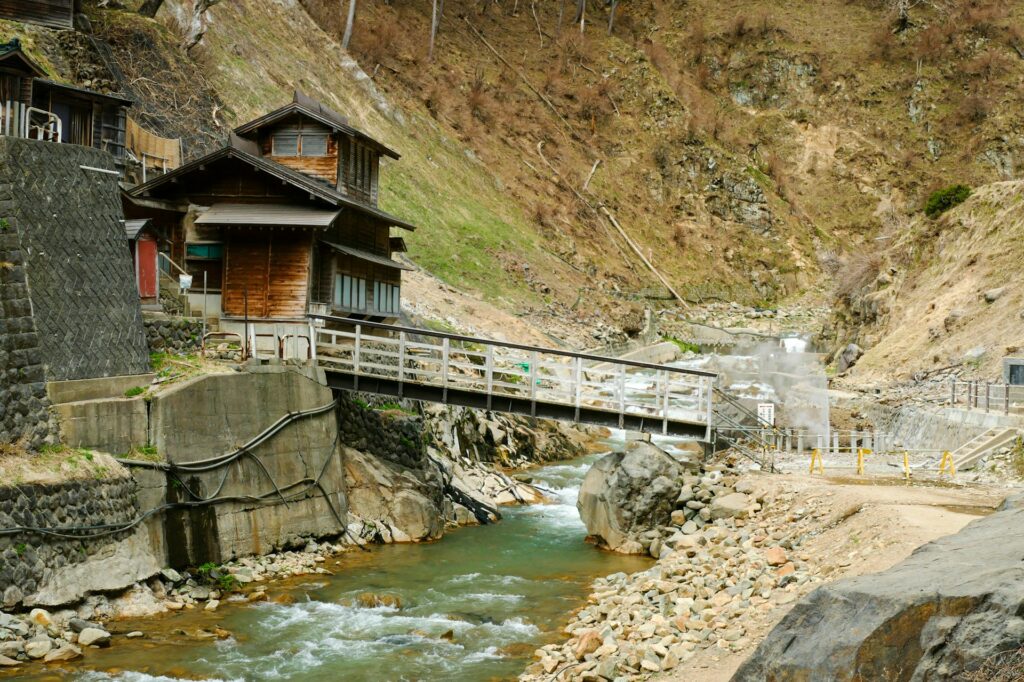
Unless you are driving, your journey will almost always start at Nagano Station. From there, choose between the express bus route and the train-plus-local-bus route.
Route A: Express Bus from Nagano Station
This is usually the simplest public transport route because it avoids a train-to-bus transfer.
- Go to the Nagano Station East Exit bus area.
- Take the Nagaden Express Bus toward the Snow Monkey Park stop.
- Walk the forest trail to the park entrance.
Travel time varies by season, traffic, road conditions, and snow. Morning departures can be limited, so check the latest Nagaden timetable the night before and screenshot your return options.
Route B: Train to Yudanaka + Local Bus
This route is useful if you want to visit Yudanaka, Shibu Onsen, or other stops along the Nagaden line.
- Take the Nagaden train from Nagano Station to Yudanaka Station.
- Transfer to a local bus toward the Snow Monkey Park stop.
- Walk the forest trail to the park entrance.
This option gives you more flexibility if you are staying overnight in the onsen towns, but it requires more attention to connection times.
3 Realistic Jigokudani Monkey Park Itineraries
These are sample itineraries, not fixed timetables. Always check current train, bus, park, and weather information before you travel.
Option 1: Tokyo Day Trip
This is possible, but it is a high-paced day. It works best for travelers who are comfortable starting early and managing multiple transport legs.
- Early morning: Take an early Hokuriku Shinkansen from Tokyo to Nagano.
- Morning: Connect to the express bus or Nagaden train/bus route toward the park.
- Late morning: Walk the forest trail and enter Jigokudani Monkey Park.
- Late morning to early afternoon: Spend time observing and photographing the monkeys.
- Afternoon: Return to Nagano Station.
- Late afternoon or evening: Visit Zenko-ji Temple if time allows, then return to Tokyo.
What makes or breaks it: start early and leave buffer time. If you arrive in Nagano too late, you may hit the busiest part of the day and have less flexibility if buses are full, delayed, or infrequent.
Option 2: Nagano City Base
This is the most balanced plan for many travelers. Staying in Nagano removes the pressure of a same-day Tokyo round trip.
- Morning: Visit Zenko-ji Temple before the main crowds arrive.
- Late morning: Return to Nagano Station and take the express bus or train/bus route toward the monkey park.
- Midday to afternoon: Walk the trail, visit the park, and allow extra time if conditions are snowy.
- Late afternoon: Return to Nagano City for dinner.
Why this works: you are not chained to a tight Shinkansen schedule, and you can enjoy both Nagano City and the monkey park at a more realistic pace.
Option 3: Shibu Onsen or Yudanaka Overnight
This is the best plan if you want the quietest possible start and a more traditional onsen experience.
- Day 1 afternoon: Arrive in Yudanaka or Shibu Onsen, check into your accommodation, and enjoy the hot spring town atmosphere.
- Day 2 morning: Take a short local bus, taxi, or arranged transfer toward the trail entrance.
- Morning: Walk to the park around opening time, when day-trippers are less likely to have arrived.
- Late morning: Return to town for lunch or continue your onward journey.
Why this works: you avoid the hardest part of the Tokyo day trip and give yourself a better chance of a calmer visit. The trade-off is the cost of an extra hotel or ryokan night.
DIY vs. Guided Tour: Which Should You Choose?
| Factor | DIY | Guided Tour |
|---|---|---|
| Logistics | You handle trains, buses, tickets, timing, and luggage yourself. | Transport, guide, timing, lunch, and park entry are usually arranged from Nagano. |
| Flexibility | High. You can stay longer, arrive earlier, or add Shibu Onsen. | Lower. You follow the group itinerary. |
| Cost | Cheaper from Nagano. From Tokyo, remember that Shinkansen costs are separate unless covered by your rail pass. | More expensive, but reduces planning stress. Shinkansen from Tokyo is usually not included in Nagano-based tours. |
| Comfort | Public transport, possible waiting outdoors, and more transfers. | More structured transport, often with a dedicated group vehicle from Nagano. |
| Best For | Budget travelers, photographers, independent planners, and overnight guests in Yudanaka or Shibu Onsen. | First-time visitors, families, solo travelers, winter visitors, and anyone who wants less schedule stress. |
DIY is best if you want full control over your time, plan to stay near the park, or care more about photography than convenience.
A guided tour is better if you want a more structured day and do not want to manage rural bus connections, lunch planning, luggage, and winter transport timing on your own.
If your priority is a smoother day with transport, lunch, Zenko-ji Temple, sake tasting, and the monkey park organized from Nagano, compare the latest tour details before booking:
➡️ Compare inclusions, start times, and cancellation policy for the guided day trip
What to Wear and Bring for the Trail
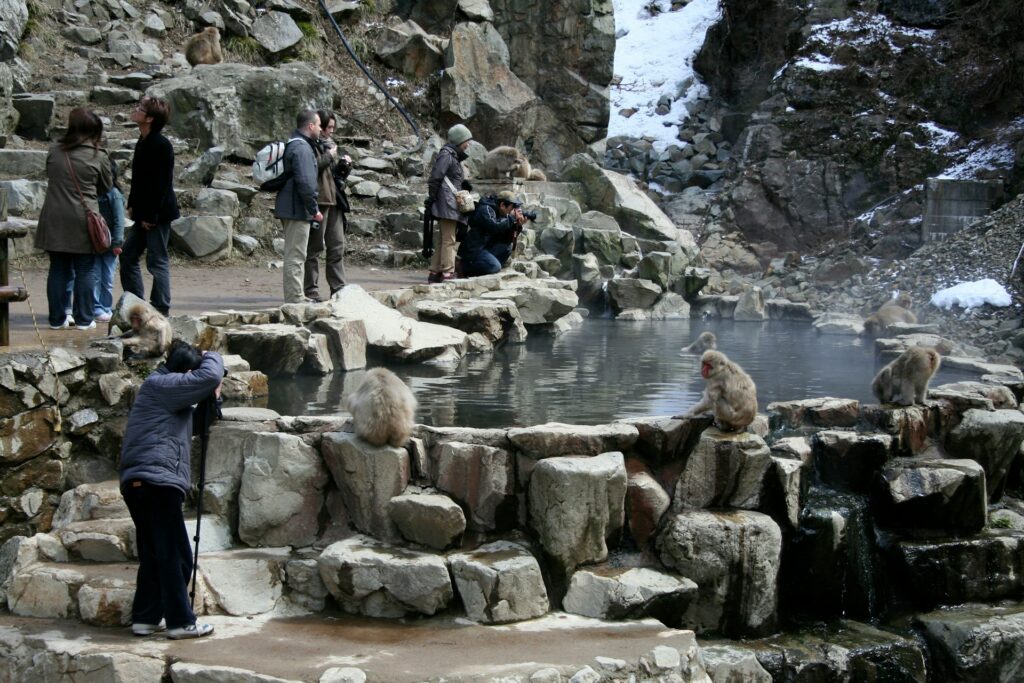
You do not need technical hiking gear most of the year, but you should take the forest trail seriously in winter. It is not a paved city sidewalk.
- Proper footwear: wear shoes with real grip. In snow or ice, waterproof winter boots and traction devices are strongly recommended.
- Adjustable layers: you may warm up during the walk but get cold while standing still near the viewing area.
- Gloves: useful for both warmth and photography.
- Tissues: cold weather and snowy trails make them surprisingly useful.
- Small daypack: keep your hands free for balance.
- Cash backup: useful for lockers, buses, small shops, rentals, snacks, and unexpected situations.
Snow boots, crampons, or anti-slip gear may be available near the trailhead in winter, but do not rely on rentals being available in every size or at every time. Bring appropriate footwear if you can.
Best Time to Visit and Seasonal Tips
Winter: Best for the Classic Snow Monkey Photo
Winter is the peak season because snow scenery and hot spring behavior are more likely. It is also the season when the trail can be most slippery and the park can feel most crowded. Arrive early, wear proper footwear, and check official updates before setting out.
Spring: Baby Monkeys and Easier Weather
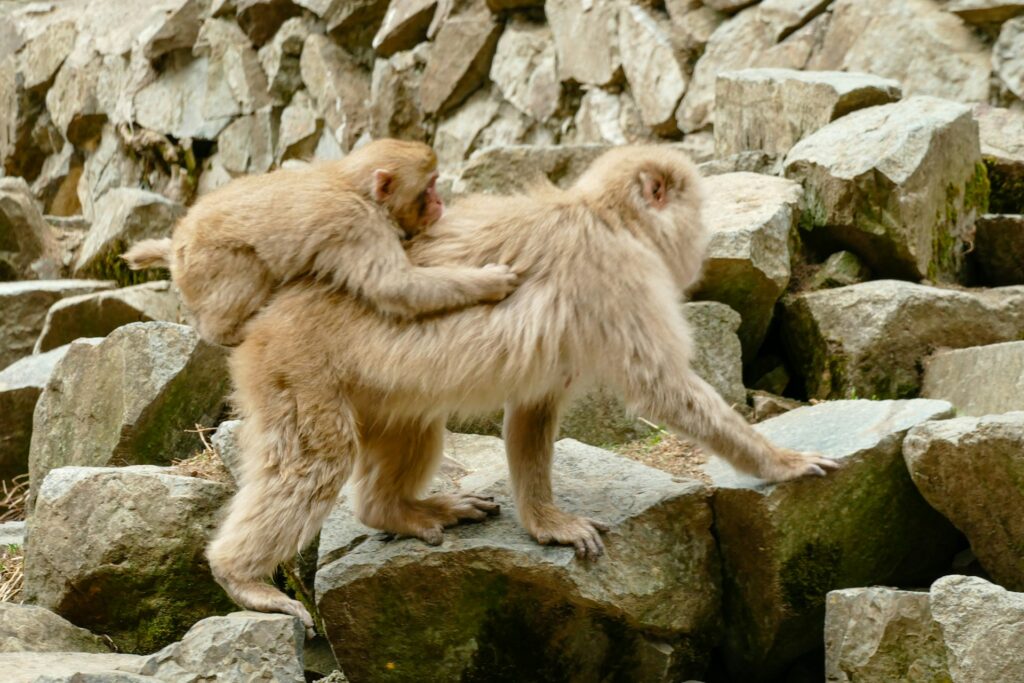
Spring can be a rewarding time to visit if you care more about seeing macaques than getting the classic snow-bath photo. Baby monkeys may appear in the troop, and the trail is usually easier than in deep winter, though mud is possible.
Summer: Green Scenery and Fewer Bathing Scenes
Summer is greener and usually less focused on hot spring behavior. Expect the monkeys to move around, groom, forage, or rest rather than sit in the bath. Bring water and prepare for heat and humidity.
Autumn: Beautiful but Less Predictable
Autumn can be peaceful and photogenic, but monkey activity near the park may be less predictable. This is a season when checking the park’s latest appearance information is especially important.
Where to Eat Near the Trailhead
There are no full restaurants inside the park itself. Near the trailhead, you may find cafes or small food options, including Enza Cafe, which is a convenient stop for many visitors. However, opening hours, menus, and seasonal operations can change, so check current information before relying on any one place for lunch.
If you are staying in Yudanaka or Shibu Onsen, you will have more dining options in town, including soba shops, ryokan meals, and casual local restaurants. Pack snacks if you are visiting with children, traveling in winter, or planning to spend extra time at the park.
Frequently Asked Questions
How long is the walk to Jigokudani Monkey Park?
Expect about 1.6–2 km each way, depending on where you start. Most visitors take around 30 minutes each way in good conditions. In snow, ice, mud, or crowds, allow more time.
Can I use the Japan Rail Pass to get to the Snow Monkey Park?
The JR Pass can help you reach Nagano Station by JR routes, but it does not cover the Nagaden trains or local / express buses needed for the final leg to the park. Budget separately for local transport or compare current Snow Monkey Pass options.
Is the Snow Monkey Pass worth buying?
It can be worth buying if you are traveling independently from Nagano Station and want to simplify local transport. However, the best choice depends on your route, season, and whether you are staying overnight near Yudanaka or Shibu Onsen.
What is the best time of day to see the monkeys?
Early in the day is usually better for avoiding the biggest visitor waves. However, monkey appearances are not guaranteed at a specific time, so check the official updates and avoid building your entire plan around a single perfect window.
Can I pay with a credit card or IC card at the park?
The park may accept credit cards and some IC cards, but payment methods can change. Carry cash as a backup, especially for local buses, coin lockers, rentals, small shops, and food stops.
Are there toilets on the trail?
Use the toilets near the trailhead or park facilities before starting the walk. Do not assume there will be toilets along the forest trail itself.
Can I visit with young children?
Yes, but use a baby carrier rather than a stroller. The trail is unpaved and can be slippery or muddy. Keep children close around the monkeys because they are wild animals.
What if it rains or snows heavily?
The park is generally open in many weather conditions, but heavy snow, icy trails, natural hazards, or unusual monkey behavior can affect access and hours. Check official updates before traveling, and consider changing your plan if conditions look unsafe.
Final Verdict: Which Itinerary Is Right for You?
Choose the Tokyo day trip if you are short on time, willing to start very early, and comfortable with a long travel day.
Choose the Nagano City base if you want the best balance of culture, comfort, and wildlife without rushing from Tokyo and back in one day.
Choose the Shibu Onsen or Yudanaka overnight if you want a quieter start, a traditional onsen stay, and a more relaxed experience near the park.
Choose a guided tour if you want someone else to handle the local logistics, lunch planning, timing, and transport from Nagano. It will not guarantee monkey sightings or remove the forest walk, but it can make the day much easier.
Before you go, run through this quick checklist:
- Check the official park updates for hours, closures, and monkey appearance information.
- Check the latest Nagaden train and bus timetables.
- Screenshot your outbound and return transport options.
- Wear proper footwear for the trail conditions.
- Carry cash as a backup.
- Start earlier than you think you need to.
If you want the easiest version of the day — Zenko-ji Temple, lunch, sake tasting, transport, and the monkey park organized from Nagano — compare the latest details here:
➡️ View tour inclusions, start times, and cancellation policy
Related reading: ➡️ Snow Monkey Park Review: Is This Nagano Day Trip Actually Worth It?
Prices, opening hours, transport schedules, pass conditions, online ticket rules, payment methods, locker availability, restaurant hours, tour inclusions, trail conditions, and seasonal operations can change. Always check official sources and your selected booking page before finalizing your trip.
Hi, I’m Kai. I’m a Tokyo-based travel writer, tourism industry insider, and the author of a published guidebook for international visitors to Japan. With over 10 years of professional experience at a leading Japanese tourism company, my mission is to help you skip the tourist traps and navigate Japan’s best destinations like a local. I believe the perfect day trip is like a traditional kaiseki meal: a beautiful balance of precise planning and unforgettable seasonal discovery. When I’m not out conducting field research, you’ll usually find me drafting new itineraries with one of my favorite fountain pens!