
Quick Verdict: Is a Jigokudani Monkey Park Tour Worth It?
Yes, a Jigokudani Monkey Park tour is worth it if you want a smooth, low-stress day without navigating rural bus schedules, waiting at outdoor stops in winter, or worrying about where to store luggage. A good guided tour usually combines Zenko-ji Temple, a local lunch, sake tasting, and the snow monkeys into one efficient itinerary from Nagano Station.
Go DIY instead if you value flexibility, want to spend extra time in Shibu Onsen or Yudanaka, are traveling on a tighter budget, or want more than the usual tour time at the monkey park itself.
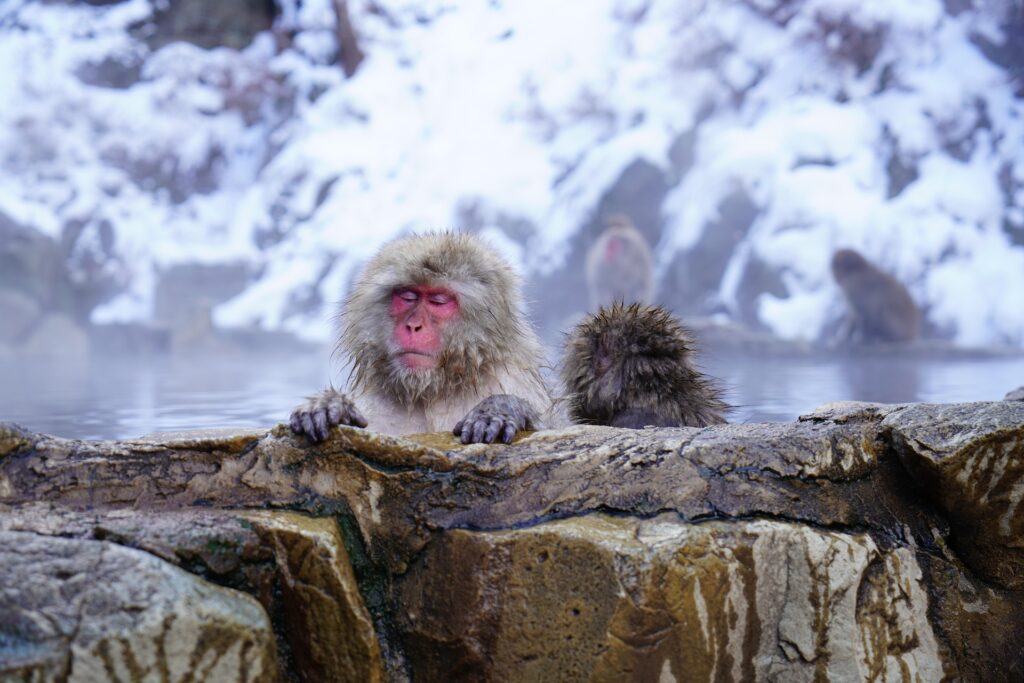
The most important reality check: Jigokudani Yaen-Koen is a nature reserve, not a zoo. The monkeys are wild and free to roam. Sightings are generally more reliable in winter, but the classic “monkeys in the hot spring” scene is never guaranteed, especially outside the cold months.
If you prefer to skip the transport planning and let someone else handle the day’s logistics, check the current tour details, prices, and inclusions before booking.
➡️ Compare tour rates, inclusions, and availability on GetYourGuide
Related reading: ➡️ Snow Monkey Park Review: Is This Nagano Day Trip Actually Worth It?
Typical 2026 Costs to Check Before You Go
One of the first questions travelers ask is, “How much does this actually cost?” The answer depends on where you start, which pass you use, and whether you book a guided tour. Use the prices below as planning references only, because transport passes, online ticket rules, and tour prices can change by season.
| Option | Typical Adult Cost | What It Usually Includes |
|---|---|---|
| Entry Only | Around ¥800 | Park admission only. Best if you are staying nearby in Yudanaka, Shibu Onsen, or the surrounding area. |
| DIY — Train + Local Bus Pass | Around ¥5,100 | Nagaden train, local bus access, and park admission. Best for travelers starting from Nagano Station who want an all-in-one transport option. |
| DIY — Express Bus Pass | Seasonal pricing; winter listings may be around ¥6,800 | Express bus access from Nagano Station toward the Kanbayashi trailhead area plus park admission. Check the current Nagaden Bus information before relying on this option. |
| Guided Day Tour from Nagano | Often from around ¥19,800 | Usually includes transport from Nagano, English-speaking guide, park entry, lunch, sake tasting, and a Zenko-ji visit. Shinkansen tickets from Tokyo are not included. |
Cost takeaway: DIY is clearly cheaper if you are comfortable with transfers and timing. A guided tour costs more, but you are paying for convenience, arranged transport, a guide, lunch, and a more structured day.
For a deeper breakdown of transport passes and hidden expenses, read: Snow Monkey Park Cost: Entry Fees, Passes & Hidden Expenses.
Expectation vs. Reality: What You’re Actually Visiting
The Snow Monkey Park is a mountain wildlife observation area, not a zoo. There are no fences keeping the monkeys on schedule, and the famous hot-spring pool is only one small part of the valley.
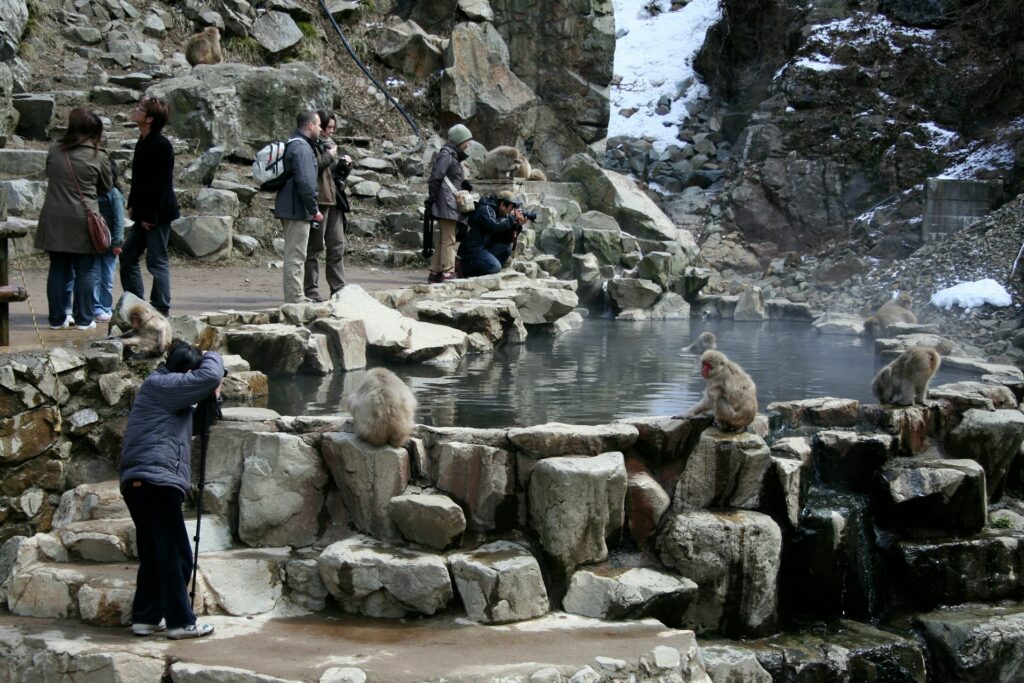
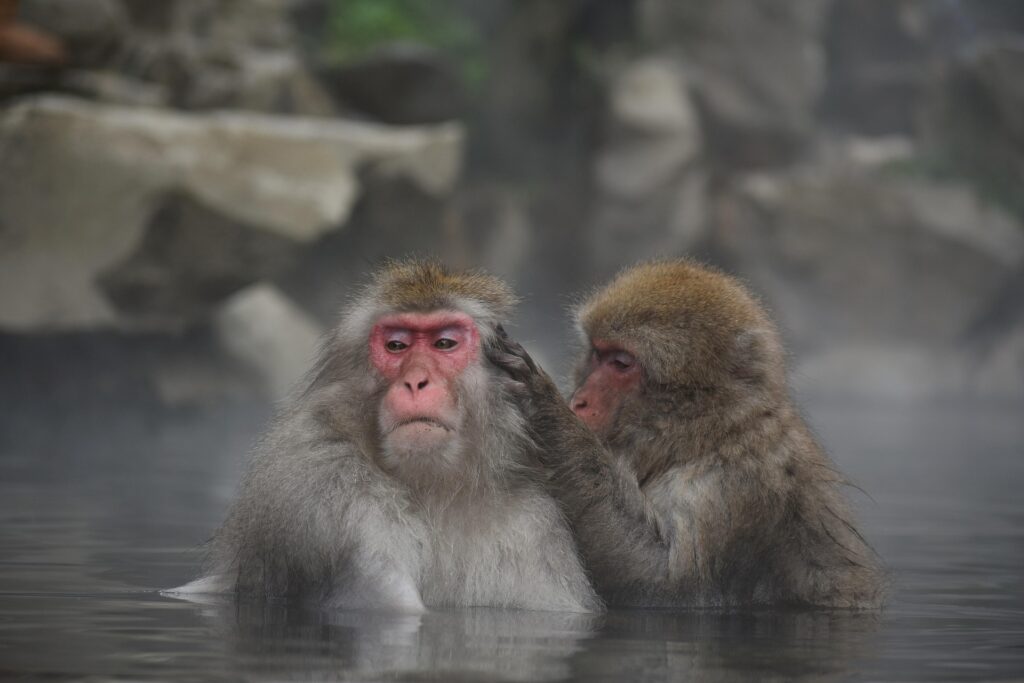
On a great winter day, you may see many monkeys up close, grooming, playing, and sometimes soaking in the steaming onsen. On a quieter day, a smaller troop may pass through, or the monkeys may spend less time around the pool. Treat this as a nature hike with wildlife viewing, not a guaranteed photo studio.
The crowd reality: most visitors cluster around the main hot spring pool. When groups arrive in waves, the narrow viewing paths can feel crowded. If the pool edge is packed, wait a few minutes and look beyond the bath. Some of the best photos are often of monkeys interacting on the hillside, near the river, or along the snowy trail.
The Walk: What First-Timers Always Underestimate
This is the make-or-break detail for many travelers: you cannot drive directly to the monkey pool.
Distance, Time, and Terrain
From the Kanbayashi Onsen trailhead area, expect a walk of roughly 1.6 to 2 km each way, depending on where you start. In mild conditions, this usually takes about 30 minutes each way. In winter, the trail can become packed with snow and ice, so it may take longer.
The path is mostly forest trail rather than a steep mountain climb, but it is unpaved, uneven, and slippery in winter. Even if you book a guided tour, you still need to walk this trail yourself.
What to Wear in Winter
Do not attempt the winter trail in city sneakers or fashion boots. Come prepared:
- Waterproof winter boots with good grip: ice cleats or anti-slip covers are strongly recommended in snowy or icy conditions.
- Warm layers: you may warm up while walking but get cold quickly when standing still near the pool.
- Gloves: touchscreen-compatible gloves make photography much easier.
- A small backpack: keep your hands free in case you slip.
- Cash backup: useful for small shops, lockers, rentals, buses, or places where card acceptance is limited.
Accessibility Note: Wheelchairs and Strollers
This trail is not suitable for wheelchairs, carts, or strollers. The route is unpaved and can be icy, muddy, or uneven depending on the season. If you are visiting with a baby or toddler, use a sturdy baby carrier rather than a stroller.
DIY vs. a Jigokudani Monkey Park Tour
You do not need a tour to visit the monkeys. Many travelers reach the park independently from Nagano using Nagaden trains and buses. The question is not whether DIY is possible. The question is whether the savings are worth the extra planning, transfers, and winter logistics.
| Feature | DIY | Guided Tour |
|---|---|---|
| Cost | Cheaper, especially if you only need transport and entry. | More expensive, but usually includes guide, transport, lunch, sake tasting, and park entry. |
| Transport | You handle trains, buses, schedules, and transfers yourself. | Transport from Nagano is arranged for you, often by coach or private group vehicle. |
| Luggage | You need to find lockers at Nagano, Yudanaka, or another convenient station. Large lockers can be limited in busy periods. | Many tours allow luggage to stay on the vehicle during the hike, but confirm this on your booking page. |
| Flexibility | High. You can arrive early, stay longer, or add Shibu Onsen. | Lower. You follow a fixed itinerary and time at the park is usually limited. |
| Stress Level | Manageable for confident travelers, but winter transfers can be tiring. | Lower. Best for travelers who want a simple, guided day. |
| Best For | Budget travelers, photographers, repeat visitors, and onsen-stay guests. | First-time visitors, families, Tokyo day trippers, and travelers with luggage. |
If deciphering rural transit, waiting in the cold, or worrying about lockers sounds like a stressful start to your day, a guided tour can be worth the extra cost. Just remember that a tour reduces logistics; it does not remove the forest walk.
➡️ See current tour pricing, start times, and traveler reviews
How a Typical Jigokudani Monkey Park Tour Flows
A typical guided day tour is built for efficiency. You cover several Nagano highlights in one day, but you are not meant to linger for hours in each place.
Zenko-ji Temple, Sake Tasting, and Lunch
Most tours start in Nagano City with a visit to Zenko-ji Temple, one of Japan’s most important Buddhist temples. A guide can help explain the temple’s history, customs, and layout, which is useful if this is your first time visiting a major temple in Japan.
After Zenko-ji, many tours include a sake tasting and a local lunch before heading toward Jigokudani. Non-alcoholic options are usually available, and vegetarian or dietary requests may be possible if arranged in advance. Always confirm dietary details on the booking page before reserving.
During peak winter, some operators may adjust the order of the day to manage crowds, weather, or road conditions. Treat any itinerary you see online as a guide, not a guarantee.
Meeting Points and Timing
Most Nagano-based tours meet at or near Nagano Station in the morning and return in the late afternoon or early evening. Exact meeting times vary by operator, season, and availability.
If you are coming from Tokyo, choose an early Hokuriku Shinkansen that gets you to Nagano with at least 30 to 45 minutes of buffer before the tour meeting time. Do not cut it close. Finding the meeting point, using lockers, buying a drink, or dealing with a delayed train can take longer than expected.
Sample Flow Only
| Part of Day | Typical Activity |
|---|---|
| Morning | Meet at Nagano Station and visit Zenko-ji Temple. |
| Late Morning | Sake tasting and local lunch. |
| Afternoon | Transfer toward Kanbayashi, walk the forest trail, and visit Jigokudani Monkey Park. |
| Late Afternoon | Walk back to the trailhead and return to Nagano Station. |
Always check your selected booking page for the latest start time, meeting point, cancellation rules, luggage policy, and what is included.
Can You Visit Jigokudani Monkey Park as a Day Trip from Tokyo?
Yes, but it is a long day. You need to travel from Tokyo to Nagano by Hokuriku Shinkansen, then continue from Nagano to the monkey park area, walk the forest trail, visit the park, and return the same way.
With a guided tour: the Tokyo-to-Nagano Shinkansen is still your responsibility, but the local logistics after reaching Nagano are handled for you. This makes the day much easier for first-time visitors.
DIY from Tokyo: this is possible, but it is more tiring. You need to coordinate the Shinkansen, Nagaden train or bus, local connections, the forest walk, park time, and the return journey. It works best if you are comfortable with Japanese transit and start very early.
Practical recommendation: if you are based in Tokyo and only have one day, a Nagano-based guided tour is usually the more realistic option. If you want a slower experience, spend a night in Nagano, Yudanaka, or Shibu Onsen instead.
Best Time to Visit Jigokudani Monkey Park
| Season | What to Expect | Travel Tips |
|---|---|---|
| Winter | Best chance of snow scenery and monkeys using the hot spring, especially in colder periods. | Wear proper boots, expect icy trails, and check current park and transport conditions. |
| Spring | Milder hiking weather and possible baby monkeys. Bathing behavior is less reliable. | Trails may be muddy. A good season if you care more about monkeys than snow photos. |
| Summer | Green scenery, fewer snow-photo expectations, and monkeys more likely to be away from the bath. | Bring water and prepare for heat and humidity. |
| Autumn | Beautiful foliage and cooler weather, but monkey appearances can be less predictable at certain times. | Layers are useful, and checking the park’s latest updates is especially important. |
Best season for the classic snow monkey photo: winter, especially colder periods when snow and hot-spring behavior are more likely.
Best season for fewer crowds: shoulder seasons such as spring or autumn, though you should expect fewer iconic bathing scenes.
Jigokudani Snow Monkey Park FAQ
Are the snow monkeys in the hot spring year-round?
No. The famous bathing behavior is most associated with cold winter conditions. You can visit the park year-round, but in warmer months the monkeys are more likely to forage, play, or move around the valley rather than sit in the hot spring.
Are monkey sightings guaranteed?
No. The monkeys are wild, and the park is not a zoo. Sightings are generally more reliable in winter, but there can still be days or times when the troop does not appear as expected. Check the official park updates before making a long journey.
Can I visit with a baby or toddler?
Yes, but use a baby carrier. Do not rely on a stroller. The trail is unpaved and can be snowy, icy, or muddy depending on the season. Families should also remember that the monkeys are wild animals, so children need close supervision.
Can I use Suica, Pasmo, or credit cards?
The park may accept credit cards and some electronic payment methods, but payment options can change and smaller transport-related expenses may still require cash. Carry cash as a backup, especially for buses, lockers, rentals, snacks, and local shops.
Is the Snow Monkey Pass worth it?
It can be worth it if you are starting from Nagano Station and plan to use the covered train and bus routes. If you are staying near Yudanaka, Shibu Onsen, or the park area, a full pass may not be necessary. Compare the current pass price with your actual route before buying.
What happens in bad weather?
The park is generally open year-round, but hours, access, and operations can change due to weather, trail conditions, natural hazards, or monkey behavior. Tours may also adjust their schedule. Check the official park information and your booking page before traveling.
What should I do with luggage?
Do not bring a suitcase onto the forest trail. If you go DIY, use lockers at Nagano Station or another suitable station, but large lockers can be limited during busy travel periods. If you book a tour, confirm whether luggage can be left on the tour vehicle during the hike.
How much time do I need at the monkey park?
Casual visitors may be satisfied with around one hour inside the park, especially if monkey activity is good. Photographers and wildlife lovers should go DIY and allow more time, because waiting often makes a big difference.
Final Verdict: Who Should Book a Tour?
Choose a guided tour if you:
- Want a low-stress day with transport, guide, lunch, and park entry arranged from Nagano.
- Are visiting in winter and want to avoid waiting at cold bus stops.
- Are coming from Tokyo and need the Nagano portion of the day to run smoothly.
- Are traveling with luggage and want a simpler storage solution.
- Prefer cultural context at Zenko-ji Temple and the sake tasting.
- Are a first-time visitor to Japan and do not want to manage rural transit under time pressure.
Choose DIY if you:
- Are on a tighter budget.
- Want to spend longer at Jigokudani Monkey Park.
- Plan to visit Shibu Onsen or Yudanaka at your own pace.
- Are staying overnight near the park.
- Are a photographer who wants to wait for the best light or behavior.
- Are comfortable navigating Japanese transport schedules.
For most first-time winter visitors: the guided tour is the safer and easier choice. It will not guarantee monkey sightings or remove the forest walk, but it does reduce the biggest sources of stress: transport, timing, lunch, and luggage.
For independent travelers and photographers: DIY is better. You save money and get more control over your time, which matters if you want to wait for better photos or continue to Shibu Onsen afterward.
If your priority is a smooth, English-guided day where the main logistics are handled, check the current calendar, inclusions, and cancellation terms before booking.
➡️ Check the latest tour prices, start times, and availability
Related reading: ➡️ Snow Monkey Park Review: Is This Nagano Day Trip Actually Worth It?
Prices, opening hours, transport schedules, pass conditions, online ticket rules, tour inclusions, payment methods, luggage policies, and seasonal operations can change. Always check official sources and your selected booking page before finalizing your trip.
Hi, I’m Kai. I’m a Tokyo-based travel writer, tourism industry insider, and the author of a published guidebook for international visitors to Japan. With over 10 years of professional experience at a leading Japanese tourism company, my mission is to help you skip the tourist traps and navigate Japan’s best destinations like a local. I believe the perfect day trip is like a traditional kaiseki meal: a beautiful balance of precise planning and unforgettable seasonal discovery. When I’m not out conducting field research, you’ll usually find me drafting new itineraries with one of my favorite fountain pens!