
Is One Day in Osaka Enough?
Yes — one day is enough to get a real taste of Osaka, but only if you resist the urge to see everything.
For most first-time visitors, the best plan is simple: start at Osaka Castle in the morning, have lunch in Shinsekai, spend the afternoon around Namba and Dotonbori, and stay in Dotonbori into the evening.
That gives you a famous landmark, retro streets, local food, and Osaka’s neon nightlife without spending half the day changing trains.
If you still have time and energy after dinner, add Umeda Sky Building as an optional final stop. It does not need to be part of the core itinerary.
The biggest mistake is trying to fit Osaka Castle, Umeda, Kaiyukan Aquarium, Shinsekai, Dotonbori, and several paid attractions into the same day. It looks efficient on a map, but station walking, queues, meals, and transfers quickly eat into your sightseeing time.
The realistic rule: do not cross the city more than twice. Kita/Umeda is the modern north, Minami — including Namba, Dotonbori, and Shinsekai — is the main food and nightlife zone in the south, and Osakako/Kaiyukan is in the Bay Area. Pick one daytime zone, then move toward Minami for the evening; add extras only if the day is running smoothly.

One Day in Osaka Itinerary at a Glance
| Time | Area | Plan |
|---|---|---|
| 9:00 AM | Osaka Castle | See the park, moat, and castle exterior. Allow 45–60 minutes outside, or closer to 1.5–2 hours if you enter the museum. |
| 11:30 AM | Shinsekai | Walk the retro streets and have a kushikatsu lunch. If you spend longer inside Osaka Castle, arriving around noon is fine. |
| 2:00 PM | Namba & Dotonbori | Explore the canal, side streets, shopping areas, and street-food stops at your own pace. |
| Late afternoon–evening | Dotonbori | Stay for dinner and the neon after dark. The exact sunset timing depends on the season. |
| After 8:00 PM | Umeda — optional | Add Umeda Sky Building only if you still want another stop and have the energy for it. |
This is intentionally not an attraction-maximizing itinerary. It leaves room for getting lost in a station, waiting for food, stopping for coffee, or spending longer somewhere you actually enjoy.
9:00 AM — Start at Osaka Castle
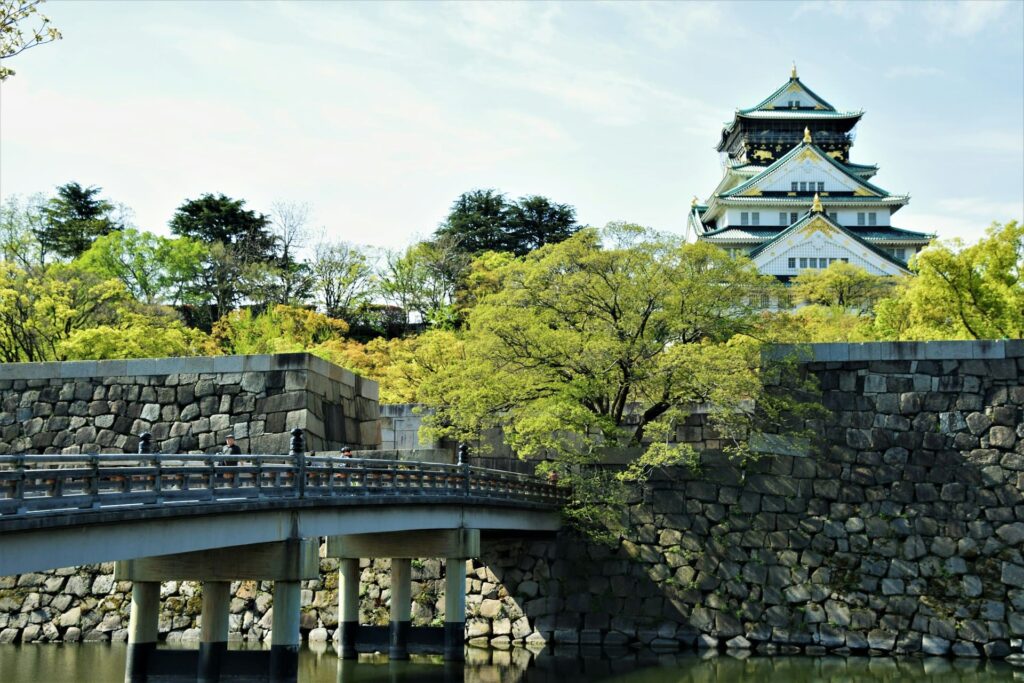
Start with Osaka Castle, then move south into the food and entertainment districts for the rest of the day.
The most important decision here is not whether to visit Osaka Castle. It is whether to spend the extra time going inside.
Should You Go Inside Osaka Castle?
If this is your only Japanese castle and you are interested in Toyotomi Hideyoshi and Osaka’s history, the museum can be worth your time.
If you are also visiting Himeji Castle, Nijo Castle, or another major historic site during your Japan trip, I would keep this stop shorter. Walk through the park, see the moat and main tower exterior, take your photos, and continue south.
The current main tower is a reconstructed building with a modern museum inside rather than an original surviving wooden castle interior.
As of September 2026, the official Osaka Castle information lists the main tower as open from 9:00 AM to 6:00 PM, with last admission at 5:30 PM. Adult admission is ¥1,200.
- Exterior and park only: roughly 45–60 minutes around the main castle area.
- Inside the museum as well: allow roughly 1.5–2 hours or more once entry, exhibits, and crowds are included.
If the ticket line is long and history is not a priority, skipping the interior is one of the easiest ways to protect the rest of your day.
For a deeper comparison, see our honest Osaka Castle inside-vs-outside review.
11:30 AM — Shinsekai for Retro Osaka and Lunch
Next, head south to Shinsekai. If you spent the full two hours inside Osaka Castle, arriving closer to noon is completely fine.
Shinsekai feels very different from the castle area and modern Umeda. Around Tsutenkaku you will find oversized restaurant signs, game arcades, old-school eateries, and the retro streets that have become one of Osaka’s most recognizable neighborhood scenes.
Late morning also works well because you can make Shinsekai your lunch stop instead of adding a separate restaurant detour elsewhere.
What Should You Eat in Shinsekai?
The obvious local choice is kushikatsu — skewers of meat, seafood, vegetables, and other ingredients that are battered and deep-fried.
You do not need to spend your limited Osaka day waiting for one famous restaurant. If a popular shop has a long line, there are plenty of alternatives around the neighborhood.
Allow roughly 1.5 to 2 hours for Shinsekai if that includes lunch.
Should You Go Up Tsutenkaku?
Only if Tsutenkaku itself is one of the attractions you particularly want to experience.
Tsutenkaku now uses entry-time reservations for its ticketed attractions, and its official website recommends advance online purchase if you want a specific time.
For a one-day itinerary, I would normally choose one observation experience rather than spending time on two. If you may visit Umeda Sky Building later, seeing Tsutenkaku from street level is enough for most first-time visitors.
For more detail on the neighborhood, see our Shinsekai Osaka guide.
Want the food to be the main experience? A guided Shinsekai food tour can work well if you would rather try several local dishes with someone who knows the area than spend your evening comparing restaurants.
Check availability for the Osaka Food Tour (15 Dishes & 3 Drinks with a Local Expert)
2:00 PM — Move to Namba and Dotonbori
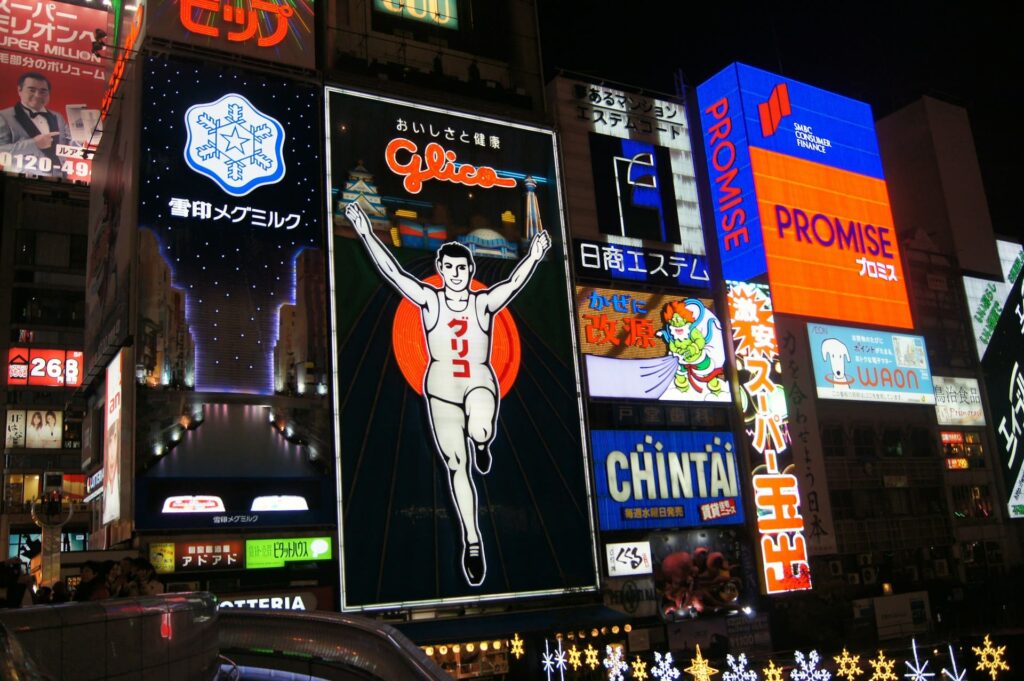
From Shinsekai, continue toward Namba and Dotonbori.
This should be the least rigid part of your day. You have already completed your main sightseeing stop and eaten lunch, so there is no reason to turn the afternoon into another checklist.
Depending on your interests, you can spend the next few hours on:
- the Dotonbori canal and Glico Running Man sign
- side streets around Namba
- Shinsaibashi shopping
- Den Den Town if you like games, electronics, anime, or collectibles
- Kuromon Ichiba Market if market food is important to you
- takoyaki or another small food stop rather than another large meal
You do not need to cover all of them.
If you spent longer than expected at Osaka Castle or over lunch, go straight to Dotonbori. If your morning moved quickly, add Den Den Town, Shinsaibashi, or Kuromon.
If Kuromon is a priority, visit it earlier in the afternoon rather than leaving it until late in the day, since individual shops keep different hours.
For food ideas once you reach the area, see our Dotonbori street food guide.
Late Afternoon to Evening — Stay in Dotonbori
Dotonbori is lively during the day, but it is worth staying long enough to see the canal and signs after dark. The exact timing changes considerably between summer and winter, so there is no need to force a fixed “nighttime” hour into the schedule.
Walk along the canal, see the Glico sign, explore the streets around Namba, and have dinner somewhere nearby.
Takoyaki works well as a snack. For a proper dinner, save dishes such as okonomiyaki, yakiniku, sushi, or another sit-down meal for this part of the day.
At this point, you no longer need to be anywhere at a precise time. For many travelers, that makes Dotonbori the best place to finish the day rather than squeezing in another attraction just because it is famous.
Optional After 8:00 PM — Umeda Sky Building
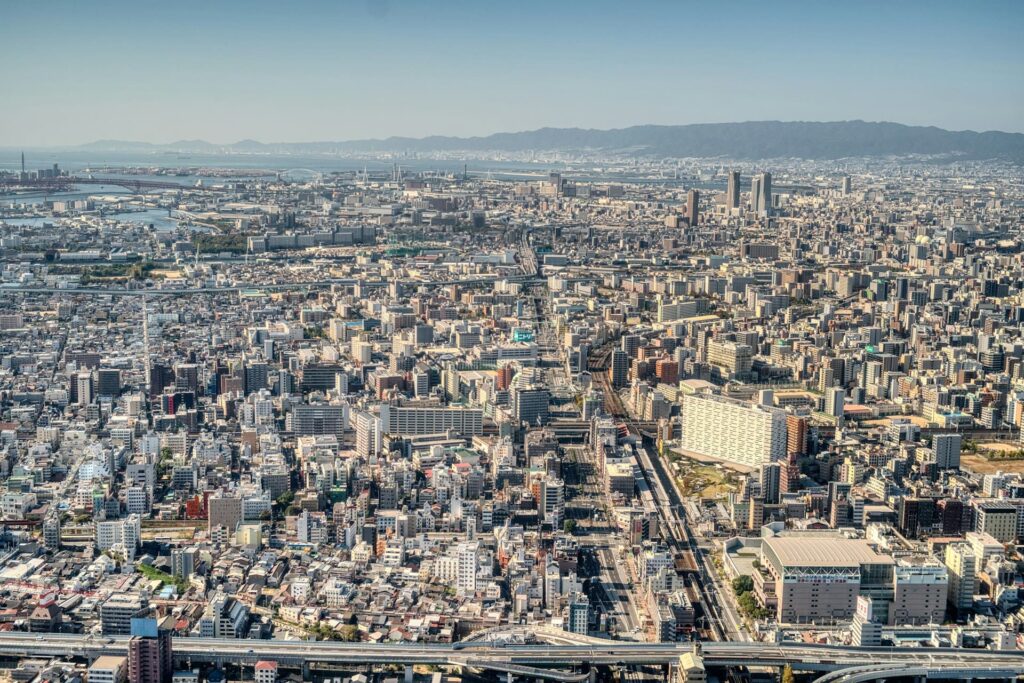
If Dotonbori feels like a satisfying end to your day, stop there.
If you still have energy and want a skyline view, take the Osaka Metro Midosuji Line north from Namba toward Umeda and finish at Umeda Sky Building.
The Kuchu Teien Observatory has an open-air rooftop with panoramic city views. The official Umeda Sky Building website currently lists regular hours of 9:30 AM to 10:30 PM, with last admission at 10:00 PM. Regular adult admission is ¥2,000.
This works better as an optional extension than a compulsory part of the itinerary. After a full day of walking, you may enjoy one last city view — or you may prefer another drink, dessert, or an earlier return to your hotel.
If sunset or night photography is important to you, our Umeda Sky Building sunset guide covers timing and practical details in more depth.
Important Osaka Amazing Pass Rule for Umeda
If you are using the Osaka Amazing Pass, do not assume an evening Umeda Sky Building visit is free.
Under the current 2026 pass conditions, free admission to Umeda Sky Building with the pass applies only until 3:00 PM. From 3:00 PM onward, presenting the pass gives you a 10% discount instead.
That matters because sunset and night views are exactly when many travelers want to visit.
What Should You Skip With Only One Day in Osaka?
With only one day, removing the wrong stops is just as important as choosing the right ones.
Universal Studios Japan
Do not combine Universal Studios Japan with this city itinerary.
USJ is a full-day destination once you include travel, admission, queues, rides, meals, and the time you will actually want to spend inside. If USJ is your priority, make it your Osaka day and save the city route for another visit.
Osaka Aquarium Kaiyukan
Kaiyukan is an excellent attraction, but it works better as a separate daytime route than as an extra stop. If the aquarium is a priority, use the Kaiyukan + Dotonbori alternative below instead of squeezing it into the main itinerary.
Both Tsutenkaku and Umeda Sky Building
You can do both, but you probably do not need two observation experiences in the same short itinerary.
Pick the one you care about more and use the saved time for food, neighborhoods, or a slower evening.
Too Many Food Stops
Osaka has enough famous dishes that it is easy to turn every neighborhood into another full meal.
Lunch in Shinsekai, a snack around Namba, and dinner in Dotonbori is already a substantial food day for most travelers.
What If This Osaka Route Does Not Fit You?
The Osaka Castle → Shinsekai → Dotonbori route is the best default for a first visit, but there are two situations where I would change it completely.
Rainy Day or Traveling With Children: Kaiyukan + Dotonbori
If the weather is poor, you are traveling with younger children, or the aquarium is one of your main reasons for visiting Osaka, make Osaka Aquarium Kaiyukan your daytime anchor.
The aquarium itself takes around two hours for many visitors. Once you include the surrounding Tempozan area, meals, and getting in and out, allow roughly 3 to 4 hours for the Bay Area rather than treating Kaiyukan as a quick stop.
When you are finished, take the Osaka Metro Chuo Line back toward central Osaka and continue toward Namba and Dotonbori for the evening. Build in extra transfer time on weekends or when traveling with children.
Kaiyukan currently uses date-and-time tickets, with admission numbers controlled in 15-minute intervals. Same-day tickets can be available, but the official aquarium recommends buying a timed e-ticket in advance if a particular entry time matters to you.
For more wet-weather options, see our guide to Osaka with kids on a rainy day.
Secure your Osaka Aquarium Kaiyukan E-ticket in advance
Shopping and City Views: Umeda + Dotonbori
If traditional sightseeing is less important to you, skip Osaka Castle entirely.
Spend the first part of the day around Osaka/Umeda Station, shopping complexes, and indoor attractions, then take the Midosuji Line south to Namba and stay around Dotonbori for the evening.
If you want a lighter sightseeing stop after Umeda rather than another museum or observation deck, a river cruise around Namba is another option once you move south.
This is also an easier structure during very hot weather because you can spend more of the day indoors.
Temporary closure: The Osaka Museum of Housing and Living, which was previously recommended in this article, is closed for renovation from September 1, 2026 through January 5, 2027. Check its official website before planning a visit after that period.
Which Osaka Transport Pass Makes Sense?
Do not buy a sightseeing pass first and then design your day around getting your money’s worth. Build your itinerary first, then calculate the cost.
Enjoy Eco Card
For travelers mainly using Osaka Metro, the Enjoy Eco Card is the simpler option to check.
As of September 2026, the official Osaka Metro price is ¥820 for adults on weekdays, ¥620 on weekends and national holidays, and ¥310 for children. It provides unlimited eligible Osaka Metro and Osaka City Bus rides for the day, subject to the current coverage rules.
Osaka Amazing Pass
The Osaka Amazing Pass currently costs ¥3,500 for one day and ¥5,000 for two consecutive days for the 2026–27 season.
For the default itinerary in this article — especially if you see Osaka Castle mainly from outside, skip Tsutenkaku, and visit Umeda Sky Building after 3:00 PM — the Amazing Pass is not automatically the better deal.
It makes more sense when you deliberately plan to enter several participating paid attractions.
Before buying, compare the pass against what you will realistically enter, not everything that is theoretically included.
For a detailed breakdown, see our Osaka city pass comparison.
See what is included in the Osaka Amazing Pass
Can You Do This as a Day Trip From Kyoto?
Yes. This route works well for travelers coming from Kyoto.
Aim to reach the Osaka Castle area around 9:00 AM if you want to follow the full itinerary. If you arrive later, skip the castle rather than rushing every later stop.
The bigger decision is how late you want to stay in Osaka.
If you want a relaxed dinner or nightlife without checking your return train all evening, staying overnight in Osaka is more convenient.
If you are still choosing your Kansai base, see our guide to staying in Osaka or Kyoto.
If you are returning to Kyoto the same night, protect enough time for a relaxed Dotonbori evening and check your return connection before dinner.
Practical Tips for a One-Day Osaka Itinerary
Do Not Carry Your Suitcase Around Osaka
If you are arriving from another city with luggage, store it before you start sightseeing.
Osaka Castle Park, busy subway stations, Shinsekai, and Namba are much less enjoyable with a large suitcase. A major station near where you will finish the day — usually Namba or Osaka/Umeda — can be more convenient than storing it at a small station midway through the route.
Starting Around Noon? Skip Osaka Castle
If you cannot begin until around noon, do not simply move every stop three hours later.
Start with Shinsekai for lunch, then continue to Namba and Dotonbori. That preserves the strongest food and evening portions of the route.
Extreme Heat? Reduce the Outdoor Walking
Osaka Castle Park and the walk-heavy sections around Shinsekai can become tiring in hot and humid weather.
Shorten the castle stop, use the subway rather than walking long connecting sections, and build in indoor breaks.
Leave Space for Food
A restaurant may have a queue. You may find somewhere more interesting around the next corner. You may simply decide to stay longer than planned.
Do not schedule a one-day Osaka trip in 30-minute blocks. A little slack in the itinerary makes the whole day easier.
Frequently Asked Questions
If You Only Have Time for One, Is Dotonbori or Shinsekai Better?
Choose Dotonbori if you want the classic first-time Osaka scene: the canal, the Glico Running Man sign, bright neon, and an easy food crawl around Namba.
Choose Shinsekai if you prefer retro streets, kushikatsu restaurants, Tsutenkaku, and a slightly less polished old-school atmosphere. If you are unsure and can visit only one, Dotonbori is the more straightforward first-time choice.
What If You Have Two or Three Days in Osaka?
With two days, split Osaka rather than adding more stops to this itinerary: use one day for the north and central areas such as Umeda and Osaka Castle, and another for Namba, Shinsekai, and Dotonbori.
With three days, you have room to add a time-heavy attraction or excursion such as Universal Studios Japan, Kaiyukan, Nara, or Kobe without sacrificing Osaka’s food and nightlife.
For a fuller breakdown, see our guide to how many days in Osaka you really need.
What Is the Best Way to Spend One Day in Osaka?
For most first-time visitors, the most practical route is Osaka Castle in the morning → Shinsekai for lunch → Namba and Dotonbori in the afternoon and evening.
The goal is not to maximize the number of attractions. It is to keep the route compact enough that meals, wandering, queues, and small delays do not take over your only day in Osaka.

Hi, I’m Kai. I’m a Tokyo-based travel writer, tourism industry insider, and the author of a published guidebook for international visitors to Japan. With over 10 years of professional experience at a leading Japanese tourism company, my mission is to help you skip the tourist traps and navigate Japan’s best destinations like a local. I believe the perfect day trip is like a traditional kaiseki meal: a beautiful balance of precise planning and unforgettable seasonal discovery. When I’m not out conducting field research, you’ll usually find me drafting new itineraries with one of my favorite fountain pens!