
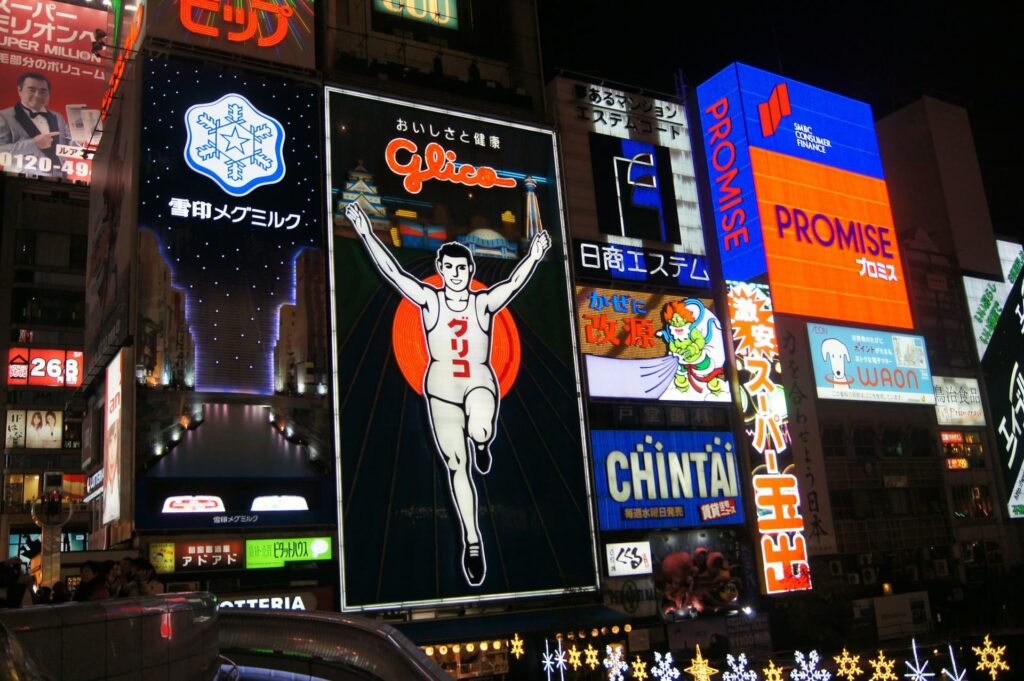
Choosing an Osaka pass can feel more complicated than it should. The Osaka Amazing Pass, Osaka e-Pass, and Osaka Metro Pass all sound useful, but they are built for very different types of travel days.
The fastest way to choose is not to ask, “Which pass is best?” Instead, ask: am I paying for attractions, transport, or both? If you buy a pass on the wrong day, especially on a Kyoto, Nara, Kobe, Himeji, or Kansai Airport travel day, it can easily cost more than using an IC card and buying tickets separately.
This guide compares the main Osaka city passes by itinerary, break-even point, transport coverage, and common first-time mistakes. Prices and pass details should always be checked before purchase, but the comparison below is based on pass information available as of May 2026.
Which Osaka Pass Should You Choose?
For most visitors, the right answer depends on how many paid attractions you will visit in one day and how often you will ride Osaka Metro or other eligible city transport.
- Buy the Osaka Amazing Pass if you plan to visit 3 or more paid attractions and use eligible Osaka transport several times in one full sightseeing day.
- Buy the Osaka e-Pass if you want attraction entry but do not need unlimited transport included.
- Buy an Osaka Metro day pass or Enjoy Eco Card if your day is mostly food, shopping, and neighborhood hopping without paid attractions.
- Use an IC card if your Osaka day is relaxed, flexible, or only includes one or two paid sights.
- Do not buy any of these Osaka city passes for a Kyoto, Nara, Kobe, Himeji, or Kansai Airport travel day. Use an IC card, private railway ticket, airport ticket, or regional rail pass instead.
Simple rule: the Osaka Amazing Pass is best for a packed sightseeing day, the Osaka e-Pass is best for attractions without bundled transport, and the Osaka Metro Pass or Enjoy Eco Card is best for transport-heavy city exploring.
What Is the Difference Between the Osaka Amazing Pass, e-Pass, and Metro Pass?
The biggest difference is whether the pass includes transport, attractions, or both. This matters because many visitors pay for features they never actually use.
| Pass | 2026 Price Guide | Transport Included? | Attractions Included? | Best For | Avoid If |
|---|---|---|---|---|---|
| Osaka Amazing Pass | 1-day: 3,500 JPY 2-day: 5,000 JPY |
Yes. Osaka Metro, Osaka City Bus, New Tram, and selected private railway sections mainly within Osaka City. | Yes, around 40 facilities | A full Osaka sightseeing day with 3 or more paid attractions | You start late, dislike rushing, or plan to rely heavily on JR lines |
| Osaka e-Pass | 1-day: around 2,400 JPY 2-day: around 3,000 JPY |
No | Yes, 25+ facilities | Attraction-focused travelers using an IC card for transport | You need unlimited subway or city transport included |
| Osaka Metro Tourist Pass / Enjoy Eco Card | Enjoy Eco Card: 820 JPY weekdays / 620 JPY weekends and holidays Tourist pass prices can vary by product and platform |
Yes, mainly Osaka Metro and eligible city bus routes, depending on the product | No free entry, though some discount benefits may apply | Food, shopping, Dotonbori, Umeda, Tennoji, Shinsekai, and subway-heavy city exploring | You want free entry to castles, cruises, observation decks, or other paid attractions |
Important: none of these three Osaka city pass categories should be treated as a JR pass. If your route depends on JR trains such as the Osaka Loop Line, or if you are leaving Osaka for Kyoto, Nara, Kobe, Himeji, or Kansai Airport, calculate those fares separately.
What Should You Check Before Buying?

Before you buy any Osaka pass, check these points first:
- The Osaka Amazing Pass is not a true 24-hour ticket. It is based on the service day, so starting in the afternoon can reduce its value.
- The Osaka e-Pass does not include transport. You still need an IC card, separate train tickets, or another transport pass.
- The Osaka Metro Pass is not an attraction pass. It is useful for transport, not free entry to major paid sights.
- JR lines are not included. If your route depends on JR, calculate those fares separately or learn more about navigating the Osaka train system.
- Airport access is not the main purpose of these passes. Kansai Airport usually requires a separate airport ticket, IC card payment, or regional pass.
- Some attractions have time limits, closures, or ticket exchange rules. Cruises, observation decks, and popular facilities can be affected by weather, crowding, or operating hours.
When Is the Osaka Amazing Pass Worth It?
The Osaka Amazing Pass is usually the best value if you want to spend one full day in Osaka visiting multiple paid attractions while using eligible city transport to move between them.
A strong Amazing Pass day might include Osaka Castle Museum, Umeda Sky Building Kuchu Teien Observatory, Tsutenkaku, and a river cruise. Once you combine 3 major paid attractions with several transport rides, the pass can become cheaper than paying for everything separately.
Best for: energetic travelers who want a full sightseeing day in Osaka city.
Not best for: slow travelers, late starters, food-focused visitors, or anyone who prefers to visit only one or two paid sights per day.
Break-even clue: if your plan includes 3 paid attractions plus several eligible transport rides, the Osaka Amazing Pass is likely worth comparing seriously.
Main risk: pass burnout. Because the value depends on using it actively, some travelers rush through attractions just to feel they saved money. If that sounds stressful, the e-Pass or individual tickets may be a better fit.
The Osaka Amazing Pass is also weaker if your route depends heavily on JR lines. It can still work, but you need to pay those JR fares separately and decide whether the pass still saves enough money.
If your Osaka day is built around paid sights and city transport, compare the current attraction list and price before buying.
Check current prices and availability for the Osaka Amazing Pass
When Is the Osaka e-Pass Worth It?

The Osaka e-Pass is a better fit if you want attraction entry but do not need transport bundled into the price. This is especially useful if your hotel is in a central area such as Namba, Shinsaibashi, or Umeda and you expect to walk, use an IC card, or take only a few short train rides.
The main advantage is flexibility. You are not paying extra for unlimited transport that you may not use. Instead, you use the pass for eligible attractions and handle trains separately.
Best for: travelers who want to visit multiple paid attractions but prefer to use Suica, ICOCA, PASMO, or another IC card for transport.
Not best for: travelers who will ride the subway many times in one day and want transport included.
Break-even clue: if you want to visit 2 or 3 included attractions but only expect to take 1 or 2 short train rides, the Osaka e-Pass may be cleaner and cheaper than the Osaka Amazing Pass.
Main risk: assuming it works like the Osaka Amazing Pass. The Osaka e-Pass does not include subway rides, and some facilities may have time restrictions, closures, ticket exchange rules, or limited availability.
If you already have an IC card and mainly want attraction access, compare the included sights before choosing.
Check current prices and included attractions for the OSAKA e-PASS
When Is the Osaka Metro Pass or Enjoy Eco Card Worth It?
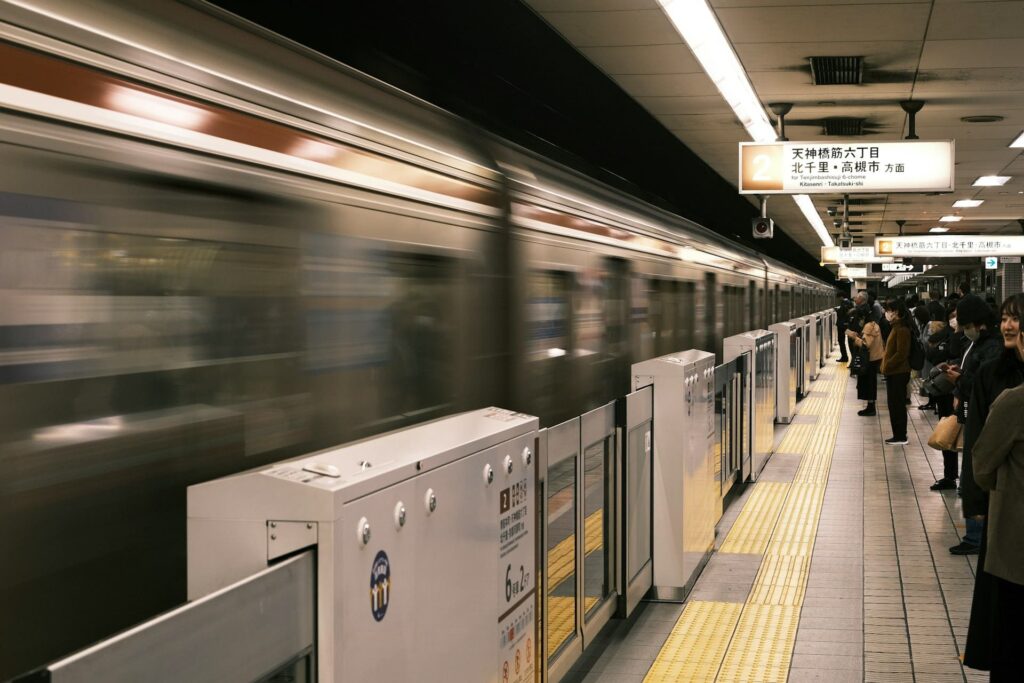
An Osaka Metro day pass, including products such as the Enjoy Eco Card or tourist-oriented Osaka Metro passes, is the best option when your Osaka day is about transport rather than paid attractions.
This is the pass category to consider if you want to move between areas such as Namba, Dotonbori, Umeda, Tennoji, Shinsekai, and Osaka Bay without paying for castles, cruises, or observation decks.
Best for: food lovers, shoppers, and travelers who want to explore several Osaka neighborhoods in one day.
Not best for: travelers who want free entry to major paid attractions.
Break-even clue: if you will take 3 or 4 Osaka Metro rides in one day, a simple subway pass can be cheaper than using an IC card for each ride.
Main risk: buying it when your route depends on JR trains. Osaka Metro passes and the Enjoy Eco Card are for Osaka Metro and eligible city bus travel, not JR lines.
If your day is mostly Namba, Umeda, Tennoji, Shinsekai, and Dotonbori, you may not need an attraction pass at all. A transport-only pass can be the cleaner choice.
Check options for the OSAKA Metro 1 Day or 2 Day Tourist Pass
When Is an IC Card Better Than an Osaka Pass?
Sometimes the best Osaka pass is no pass at all. An IC card such as ICOCA, Suica, or PASMO is often better when your day is relaxed, uncertain, or not built around paid attractions.
An IC card is usually the smarter choice if:
- You only plan to visit one paid attraction.
- Your day is mostly Dotonbori, Shinsaibashi, Namba, cafes, shopping, or casual food stops.
- You may change plans depending on weather, energy, or restaurant timing.
- Your route mixes Osaka Metro, JR, private railways, and buses in a way no city pass covers cleanly.
- You are traveling with children, seniors, or anyone who prefers a slower schedule.
The advantage of an IC card is not major fare savings. It is freedom. You pay only for the rides you actually take and avoid forcing extra attractions into your day just to make a pass feel worthwhile.
Should You Buy an Osaka Pass for Kyoto, Nara, Kobe, Himeji, or Kansai Airport?
No. The Osaka Amazing Pass, Osaka e-Pass, and Osaka Metro day passes are city-focused products. They are not designed for regional day trips to Kyoto, Nara, Kobe, Himeji, or Kansai Airport.
If you are using Osaka as a base for a Kansai day trip, compare your actual train route first. In many cases, an IC card or private railway ticket may be enough. For heavier JR travel, a regional JR-West pass may be worth checking.
Do not use an Osaka city pass to solve a Kansai-wide itinerary. If your main travel cost is leaving Osaka, the value of an Osaka city pass drops quickly.
Check prices and coverage for the JR-West Kansai Rail Pass
What Are the Biggest Mistakes First-Timers Make?
Most Osaka pass mistakes happen because visitors buy a pass before building a realistic itinerary. Avoid these common traps before you purchase anything.
- Thinking the Osaka Amazing Pass covers JR lines: it does not cover JR trains such as the Osaka Loop Line.
- Buying an attraction pass for a food day: if you only plan to eat, shop, and walk around Dotonbori or Namba, you may not need a paid attraction pass.
- Starting too late: the Osaka Amazing Pass is best for a full sightseeing day, not a relaxed afternoon start.
- Cramming too much into one day: saving money is not worth turning Osaka into a stressful checklist.
- Ignoring closures and time limits: cruises, observation decks, and popular facilities may have ticket exchange rules, weather disruption, crowd limits, or reduced operating hours.
- Using an Osaka city pass for a regional day trip: Kyoto, Nara, Kobe, Himeji, and Kansai Airport usually require a different transport plan.
If you are deciding between a packed Osaka sightseeing day and a slower multi-day Kansai attraction plan, read our dedicated comparison: Have Fun in Kansai Pass vs Osaka Amazing Pass.
Which Osaka Pass Should You Buy?
Use this final checklist before deciding:
- Choose the Osaka Amazing Pass if you have a full day, 3 or more paid attractions, and several eligible Osaka transport rides planned.
- Choose the Osaka e-Pass if you want attraction entry but prefer to pay for transport separately with an IC card.
- Choose an Osaka Metro day pass or Enjoy Eco Card if you are mainly moving between neighborhoods for food, shopping, and sightseeing from the street.
- Choose an IC card if your plans are relaxed, flexible, or attraction-light.
- Choose a regional rail pass or separate train ticket if your main plan is Kyoto, Nara, Kobe, Himeji, Kansai Airport, or another route outside Osaka city.
For many visitors, the best Osaka pass is not the most expensive one. It is the one that matches the day you are actually planning.
Frequently Asked Questions
Can I use the Osaka Amazing Pass on JR lines?
No. The Osaka Amazing Pass does not cover JR trains, including the Osaka Loop Line. If your route depends on JR, you need to pay separately or use another ticket.
Does the Osaka e-Pass include subway rides?
No. The Osaka e-Pass is mainly for attraction entry. You still need an IC card, separate train tickets, or another transport pass for subway and train rides.
Is the Osaka Metro Pass the same as the Enjoy Eco Card?
Not always. Travelers often compare them because both are transport-focused options for Osaka Metro and eligible city bus travel, but the exact product name, price, eligibility, and purchase method can vary. Check the current product details before buying.
Is the Osaka Metro Pass the same as an attraction pass?
No. Osaka Metro day passes and the Enjoy Eco Card are transport-focused options. They can help with subway and eligible bus travel, but they do not give free entry to major paid attractions.
Do I need a pass for Dotonbori and Namba?
Usually no. Dotonbori, Namba, and Shinsaibashi are easy to explore on foot once you are in the area. An IC card is often enough unless you plan to take several subway rides in the same day.
Is it cheaper to buy individual tickets instead of a pass?
Yes, if you only plan to visit one or two paid attractions. A pass starts to make more sense when you combine several paid attractions with enough transport use to reach the break-even point.
Which pass is best for Kyoto or Nara on the same day?
None of these Osaka city passes is the best choice for a Kyoto or Nara day trip. Compare an IC card, private railway fare, JR fare, or a regional rail pass instead.
Can I use these Osaka passes from Kansai Airport?
Do not assume so. Kansai Airport access usually requires a separate railway ticket, airport transfer, IC card payment, or a regional pass that specifically covers your airport route.
Is the Osaka Amazing Pass valid for 24 hours?
No. Treat it as a service-day pass rather than a true 24-hour countdown pass. Starting early gives you a much better chance of getting full value from it.
Is the Have Fun in Kansai Pass the same as these Osaka city passes?
No. The Have Fun in Kansai Pass is better treated as a flexible Kansai attraction, food, shopping, or experience pass rather than an Osaka city transport pass. If you want to spread selected benefits across several Kansai days, compare it separately from the Osaka Amazing Pass, Osaka e-Pass, and Osaka Metro Pass.
Final Verdict: Which Osaka Pass Saves More?
The Osaka pass that saves the most is the one that matches your actual itinerary.
The Osaka Amazing Pass can save the most on a packed Osaka sightseeing day with 3 or more paid attractions and several eligible transport rides. It is the strongest all-in-one option when you start early and move efficiently.
The Osaka e-Pass is better if you want attraction entry but prefer to handle transport separately with an IC card. It can be cleaner for travelers staying in central Osaka or visiting fewer transport-heavy areas.
An Osaka Metro day pass or Enjoy Eco Card is better if your day is mostly about moving between neighborhoods for food, shopping, and casual sightseeing without many paid attractions.
If your plan is Kyoto, Nara, Kobe, Himeji, Kansai Airport, or another regional route, skip these Osaka city passes and compare regular fares, IC cards, private railway tickets, or a regional rail pass instead.
Before buying any pass, write down your actual day: attractions, neighborhoods, transport routes, and start time. If the pass supports that plan, it may save money. If it forces you to travel faster than you want, individual tickets and an IC card may be the smarter choice.

Hi, I’m Kai. I’m a Tokyo-based travel writer, tourism industry insider, and the author of a published guidebook for international visitors to Japan. With over 10 years of professional experience at a leading Japanese tourism company, my mission is to help you skip the tourist traps and navigate Japan’s best destinations like a local. I believe the perfect day trip is like a traditional kaiseki meal: a beautiful balance of precise planning and unforgettable seasonal discovery. When I’m not out conducting field research, you’ll usually find me drafting new itineraries with one of my favorite fountain pens!