
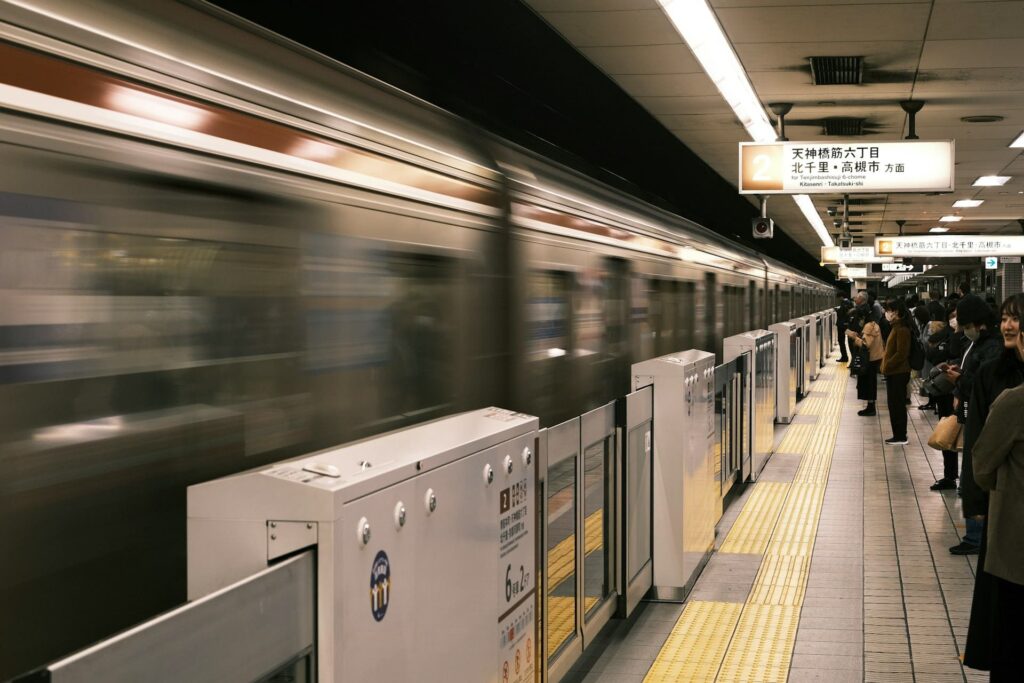
Information checked as of May 2026. The Osaka train system is not one single network. It is a mix of JR West, Osaka Metro, and private railways, which is why first-time visitors often feel confused when they look at an Osaka Metro map or transfer between stations.
Quick answer: Use Osaka Metro for most inner-city sightseeing, JR for Universal Studios Japan, Shin-Osaka, and many regional trips, and private railways for specific direct routes such as Nara, Koyasan, Kyoto, or Kobe. For most visitors, an IC card is the easiest way to ride across these different systems without buying a separate paper ticket each time.
The most important rule is simple: JR, Osaka Metro, and private railways are separate companies. Their gates, tickets, and passes are not always interchangeable. An IC card such as ICOCA, Suica, or Pasmo solves most regular rides, but special passes and limited express trains still need a little care.
How Does the Osaka Train System Work?
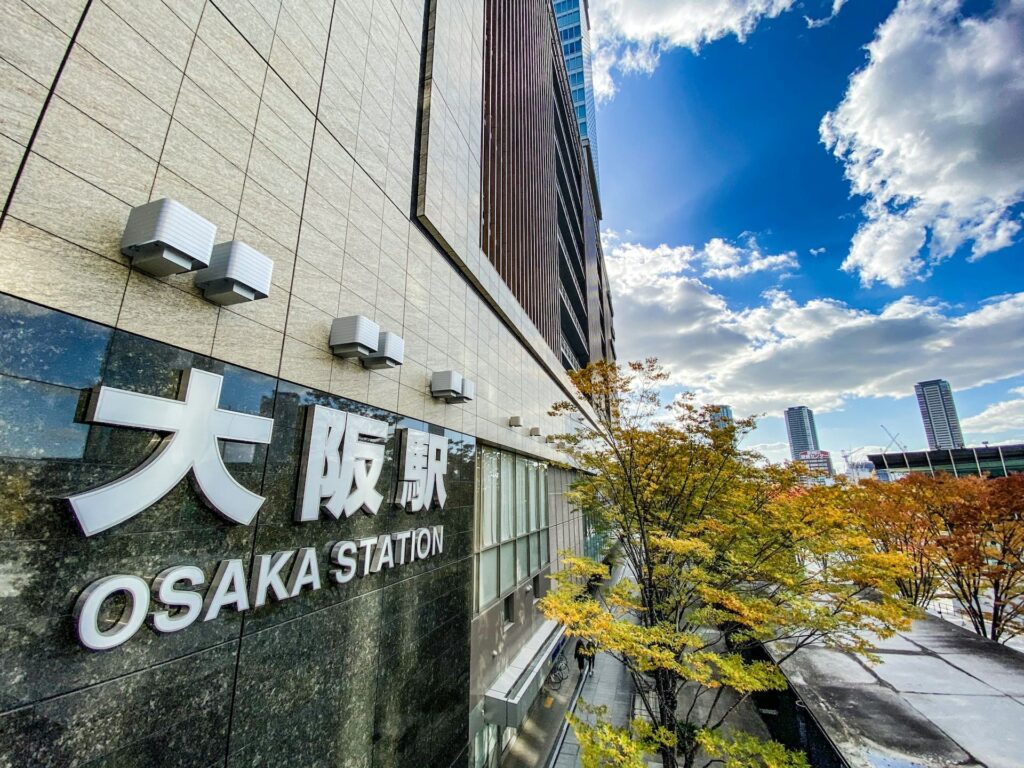
Osaka’s rail network feels complicated because several companies operate side by side. A route from your hotel to a sightseeing spot may involve Osaka Metro, JR, or a private railway depending on where you start and where you are going.
In practice, you do not need to memorize every line. You only need to know the role of each system:
- Osaka Metro: Best for moving around central Osaka, especially Namba, Umeda, Shinsaibashi, Tennoji, Shinsekai, and many city attractions.
- JR West: Best for Universal Studios Japan, Shin-Osaka, Osaka Station, Tennoji, the Osaka Loop Line, and many trips to Kyoto, Kobe, Himeji, and Kansai Airport.
- Private railways: Best for certain direct routes, such as Kintetsu to Nara, Nankai to Kansai Airport or Koyasan, and Hankyu, Hanshin, or Keihan toward Kyoto and Kobe.
Important: A Japan Rail Pass works on JR lines, but it does not cover Osaka Metro or most private railways. An Osaka Metro pass works on Osaka Metro routes, but it does not cover JR. This is the biggest difference in the JR vs Osaka Metro question.
JR vs Osaka Metro vs Private Railways: Which Should You Use?
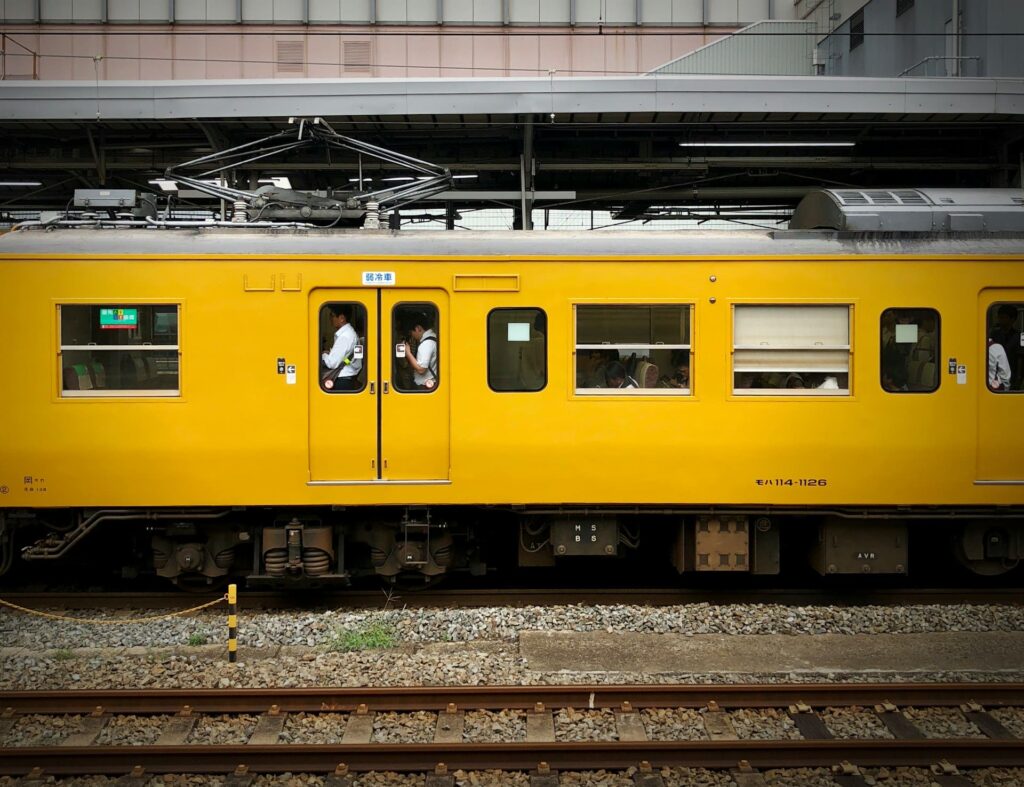
If you are deciding between JR and Osaka Metro, start with your destination. Do not choose a train company just because it appears first in a route app. The best option depends on whether you are traveling within central Osaka, going to USJ, heading to a Shinkansen station, or taking a day trip.
| System | Best For | Use This For | Pass Note | Common Mistake |
|---|---|---|---|---|
| Osaka Metro | Inner-city sightseeing | Namba, Umeda, Shinsaibashi, Tennoji, Shinsekai, Osaka Castle area | Osaka Metro passes cover Metro routes, not JR lines | Thinking the JR Pass works on the subway |
| JR West | USJ, Shin-Osaka, regional travel | Universal Studios Japan, Osaka Loop Line, Shin-Osaka, Kyoto, Kobe, Himeji, some KIX routes | JR passes only cover JR lines | Using JR for every short city hop when Osaka Metro is simpler |
| Private Railways | Specific direct routes | Nara, Koyasan, Kyoto districts, Kobe, Kansai Airport to Namba | Usually not covered by the Japan Rail Pass | Going to the wrong Namba or Umeda station |
How Should You Read the Osaka Metro Map?
The Osaka Metro map is easier to understand if you focus on the lines most visitors actually use. The key line is the Midosuji Line, shown in red on the map. It runs north to south through many of Osaka’s most useful areas, including Shin-Osaka, Umeda, Shinsaibashi, Namba, and Tennoji.
When reading the Osaka Metro map, look for three things: the line name, the line color, and the station name. Station numbers are helpful, but the line name and direction are usually more important when you are standing on a platform.
- Midosuji Line: The most useful Metro line for first-time visitors. Good for Shin-Osaka, Umeda, Shinsaibashi, Namba, and Tennoji.
- Chuo Line: Useful for Osaka Castle area and some east-west trips across the city.
- Tanimachi Line: Helpful for Tennoji, Higashi-Umeda, and some quieter city routes.
- Sakaisuji Line: Useful for some connections toward Nipponbashi, Dobutsuen-mae, and Hankyu-linked routes.
For most sightseeing days, you will not need the entire Osaka Metro map. Start with the Midosuji Line, then add other lines only when your route app tells you to transfer.
When Should You Use Osaka Metro?
Use Osaka Metro when your day is mostly inside the city. If you are visiting Dotonbori, Shinsaibashi, Umeda, Namba, Shinsekai, Tennoji, or the Osaka Castle area, the subway is often the simplest choice.
Osaka Metro is especially useful because trains run frequently and stations are close to major shopping, food, and sightseeing areas. The downside is that transfers can involve long underground walks, especially around Umeda and Namba.
A Metro pass can make sense if you plan to take several Osaka Metro rides in one day. It is not the right pass for Kyoto, Nara, Universal Studios Japan, or JR lines, but it is worth comparing if you are deciding which Osaka pass saves more for your itinerary.
Check OSAKA Metro 1 Day or 2 Day Tourist Pass options
When Should You Use JR in Osaka?
Use JR when your route involves Universal Studios Japan, Shin-Osaka, Osaka Station, Tennoji, the Osaka Loop Line, or a regional trip outside the city. JR can also be useful for reaching Kyoto, Kobe, Himeji, and some Kansai Airport routes.
Inside Osaka, the Osaka Loop Line is useful for places such as Osaka Castle area and Tennoji. For USJ, the nearest station is Universal City Station on the JR Yumesaki Line, so most train routes to Universal Studios Japan use JR.
Do not buy a JR pass just for Osaka city sightseeing. A JR pass only makes sense when your itinerary includes enough JR-heavy regional travel to justify the cost. If you are mainly visiting central Osaka, an IC card or Osaka Metro pass is usually easier.
If you are planning day trips from Osaka to Kyoto, Kobe, Himeji, or Nara, compare your routes carefully before buying separate long-distance tickets or a regional JR pass.
Check JR West Kansai Area Pass options
When Are Private Railways Better?
Private railways are best when they offer a direct route to a specific destination. They are not “secondary” trains. In many cases, they are the most convenient option.
- Kintetsu: Often the easiest choice for Nara if you are starting from the Namba area.
- Nankai: A popular option between Kansai Airport and Namba, and the main railway for Koyasan access.
- Hankyu: Useful for Kyoto and Kobe routes from the Umeda area.
- Hanshin: Useful for Kobe and some direct connections from Namba.
- Keihan: Helpful for Kyoto areas such as Fushimi Inari and Gion-side access.
The main thing to remember is that private railways often have their own stations inside large areas such as Namba or Umeda. Check the railway company name before following signs.
Should You Buy an IC Card, Metro Pass, or JR Pass?
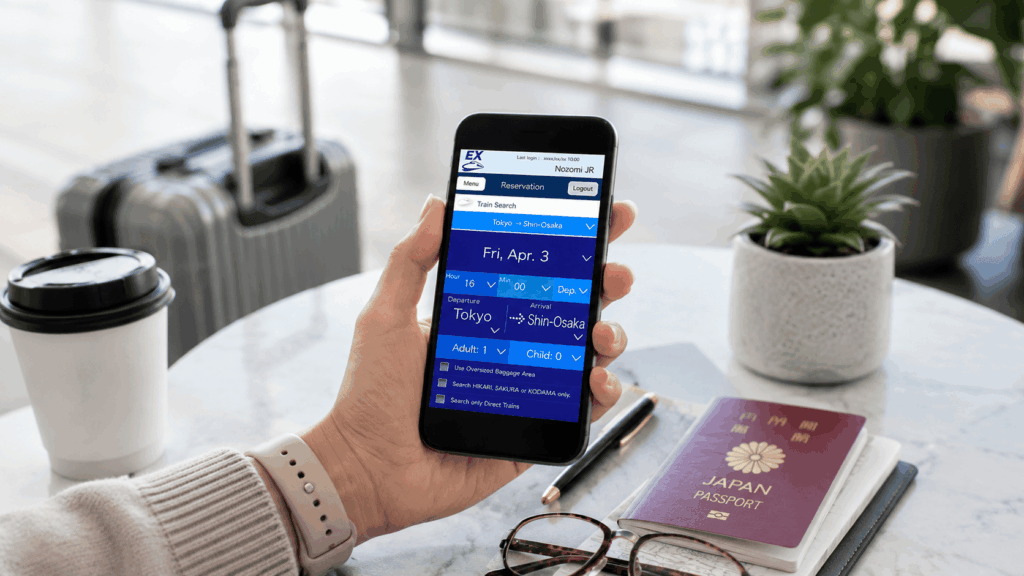
For most first-time visitors, the safest default is an IC card. It lets you tap in and out on most regular trains, subways, and buses without calculating individual fares at a ticket machine.
Choose your ticket or pass based on your itinerary:
- Use an IC card if you want the easiest option for mixed JR, Osaka Metro, private railway, and bus rides.
- Use an Osaka Metro pass if you will take several Metro rides in one day and stay mostly within the city.
- Consider a JR regional pass only if your trip includes multiple JR-heavy regional routes.
- Buy a separate ticket when your route requires a limited express ticket, reserved seat, airport express supplement, or Shinkansen ticket.
If you want to skip the stress of calculating fares at vending machines, a pre-charged IC card can make your first day in Osaka smoother.
Check ICOCA IC Card availability here
Which Routes Confuse First-Time Visitors Most?
The Osaka train system becomes much easier when you know the few routes where visitors often compare JR, Osaka Metro, and private railways. These are the routes where choosing the wrong station or company can add unnecessary walking, transfers, or cost, particularly when navigating from Kansai Airport to Osaka.
| Route | Usually Easiest Option | When to Compare Alternatives |
|---|---|---|
| Kansai Airport to Namba | Nankai Railway | Compare JR if your hotel is closer to Tennoji, Osaka Station, or Shin-Osaka |
| Osaka to Nara | Kintetsu from Namba area | Compare JR if you are starting near Osaka Station, Tennoji, or a JR line |
| Osaka to Kyoto | JR, Hankyu, or Keihan depending on your Kyoto destination | Use JR for Kyoto Station, Hankyu for Kawaramachi area, and Keihan for Fushimi Inari or Gion-side access |
| Osaka to USJ | JR | The nearest station is Universal City Station on the JR Yumesaki Line |
What Station Name Traps Should You Watch For?
The biggest reason tourists get lost in Osaka is not the train map itself. It is the station names. Large areas such as Umeda and Namba contain several stations operated by different companies, and they are connected by long underground passages.
Is Osaka Station the Same as Umeda Station?
Osaka Station and Umeda Station are in the same major district, but the name depends on the railway company.
- JR uses Osaka Station.
- Osaka Metro uses Umeda, Higashi-Umeda, and Nishi-Umeda.
- Hankyu and Hanshin also use Umeda-area station names.
These stations are connected, but the underground area is large. When transferring, follow signs for the railway company first, then the line name. Do not follow only the word “Umeda” unless you know which Umeda station you need.
Which Namba Station Do You Need?
Namba is even more confusing because several stations share similar names. They are close to each other, but they are not the same gate or platform.
- Osaka Metro Namba: Useful for Midosuji Line, Yotsubashi Line, and Sennichimae Line subway routes.
- Nankai Namba: Useful for Kansai Airport and Koyasan routes.
- Osaka-Namba: Used by Kintetsu and Hanshin, and often useful for Nara or Kobe routes.
- JR Namba: Located farther from the main Dotonbori and Nankai Namba area than many visitors expect.
If you are meeting someone in Namba, do not say “Namba Station” only. Specify the company and exit, such as Osaka Metro Namba, Nankai Namba, Osaka-Namba, or JR Namba.
What Is the Difference Between Osaka Station and Shin-Osaka Station?
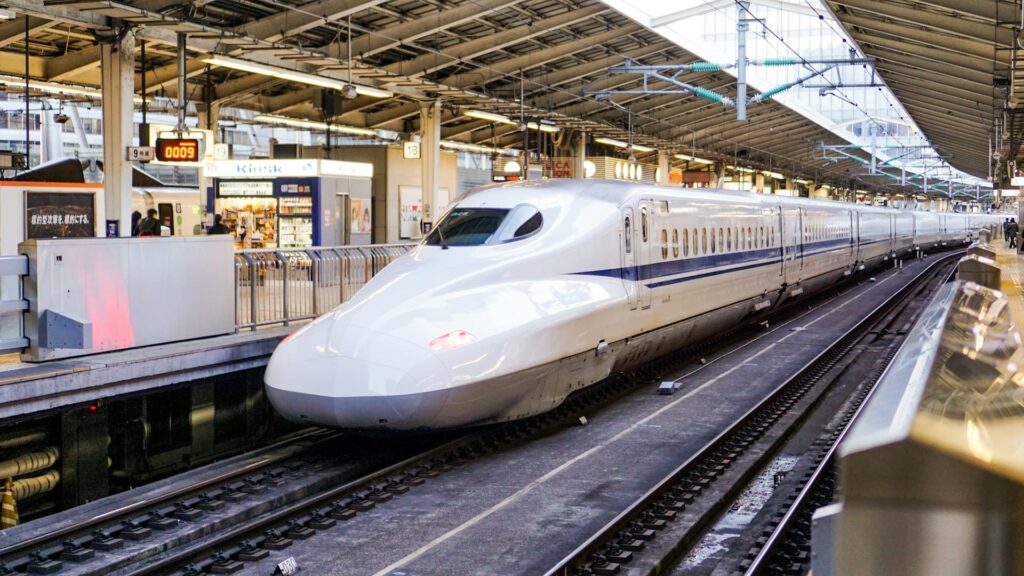
Osaka Station is the main downtown JR hub in the Umeda area. Shin-Osaka Station is the Shinkansen hub north of central Osaka.
If you are taking the bullet train, you usually need Shin-Osaka, not Osaka Station. The two stations are close, but they are not the same place. They are connected by JR and Osaka Metro routes, so keep this in mind when choosing where to stay in Osaka, and check your departure station carefully before a Shinkansen trip.
What Apps and Habits Make Osaka Trains Easier?
You do not need to understand every railway rule before your trip. A few habits will prevent most mistakes.
- Use Google Maps for simple routes: It is usually enough for city sightseeing, basic transfers, and walking directions to station entrances.
- Use Japan Travel by Navitime for complex routes: It is helpful when you want more detail about platforms, train types, and transfer options.
- Check the railway company name: JR, Osaka Metro, Nankai, Kintetsu, Hankyu, Hanshin, and Keihan are different operators.
- Look at the train type: Local trains stop at every station. Rapid or express trains skip some stations. Limited express trains may require an extra ticket or reserved-seat fee.
- Use an IC card for most regular rides: Buy separate paper, reserved-seat, limited express, airport express, or Shinkansen tickets only when the route requires them.
During typhoons, heavy rain, or strong winds, airport trains and regional JR or private railway services can be delayed or suspended. Before heading to Kansai Airport, Kyoto, Nara, Kobe, or Himeji, check the operator’s official service status as well as your route app.
What Do Visitors Usually Ask About Osaka Trains?
Can I Use Suica or Pasmo in Osaka?
Yes. Suica, Pasmo, ICOCA, and most major Japanese IC cards can be used for regular train, subway, and bus rides in Osaka. They are usually the easiest option for visitors who will use a mix of JR, Osaka Metro, private railways, and buses.
Does the JR Pass Cover Osaka Metro?
No. The Japan Rail Pass covers eligible JR lines, but it does not cover Osaka Metro. If you ride the subway, you need to pay separately with an IC card, buy a Metro ticket, or use a valid Osaka Metro pass.
Should I Use JR or Osaka Metro Inside Osaka?
Use Osaka Metro for most central sightseeing, especially around Namba, Shinsaibashi, Umeda, Tennoji, Shinsekai, and many city attractions. Use JR when your route involves Universal Studios Japan, Shin-Osaka, Osaka Station, Tennoji, the Osaka Loop Line, or a regional trip.
Which Osaka Metro Line Should First-Timers Know?
The Midosuji Line is the most important Osaka Metro line for many visitors. It connects Shin-Osaka, Umeda, Shinsaibashi, Namba, and Tennoji, which makes it useful for hotels, shopping, food areas, and major transfers.
How Do I Get to Universal Studios Japan by Train?
The nearest station to Universal Studios Japan is Universal City Station on the JR Yumesaki Line. Many routes involve taking a JR line to Nishikujo Station, then transferring to the JR Yumesaki Line for Universal City Station.
Is Namba Station the Same for JR, Nankai, Kintetsu, and Osaka Metro?
No. Namba has several different stations. Osaka Metro Namba, Nankai Namba, Osaka-Namba, and JR Namba are not the same station gates. Always check the railway company name before following signs or arranging a meeting point.
Do I Need to Buy Paper Tickets in Osaka?
For most regular rides, no. An IC card is usually easier than buying paper tickets for each ride. However, you may still need a separate ticket for Shinkansen rides, limited express trains, airport express supplements, reserved seats, or special passes.
What Is the Easiest Setup for a First Osaka Trip?
Use an IC card as your default ticket, rely on Osaka Metro for central sightseeing, use JR for USJ and Shin-Osaka, and choose private railways when they give you a direct route to places such as Nara, Koyasan, Kyoto, Kobe, or Kansai Airport.
What Should You Check Before You Ride?
Before entering a ticket gate, check three things: the railway company, the line name, and the destination direction. In Osaka, the platform you need is often determined by the operator first, not just the station name.
If you remember one rule, make it this: Osaka Metro is usually best for city sightseeing, JR is usually best for USJ, Shin-Osaka, and regional travel, and private railways are often best for specific direct routes. Add an IC card, and the Osaka train system becomes much easier to handle.

Hi, I’m Kai. I’m a Tokyo-based travel writer, tourism industry insider, and the author of a published guidebook for international visitors to Japan. With over 10 years of professional experience at a leading Japanese tourism company, my mission is to help you skip the tourist traps and navigate Japan’s best destinations like a local. I believe the perfect day trip is like a traditional kaiseki meal: a beautiful balance of precise planning and unforgettable seasonal discovery. When I’m not out conducting field research, you’ll usually find me drafting new itineraries with one of my favorite fountain pens!