
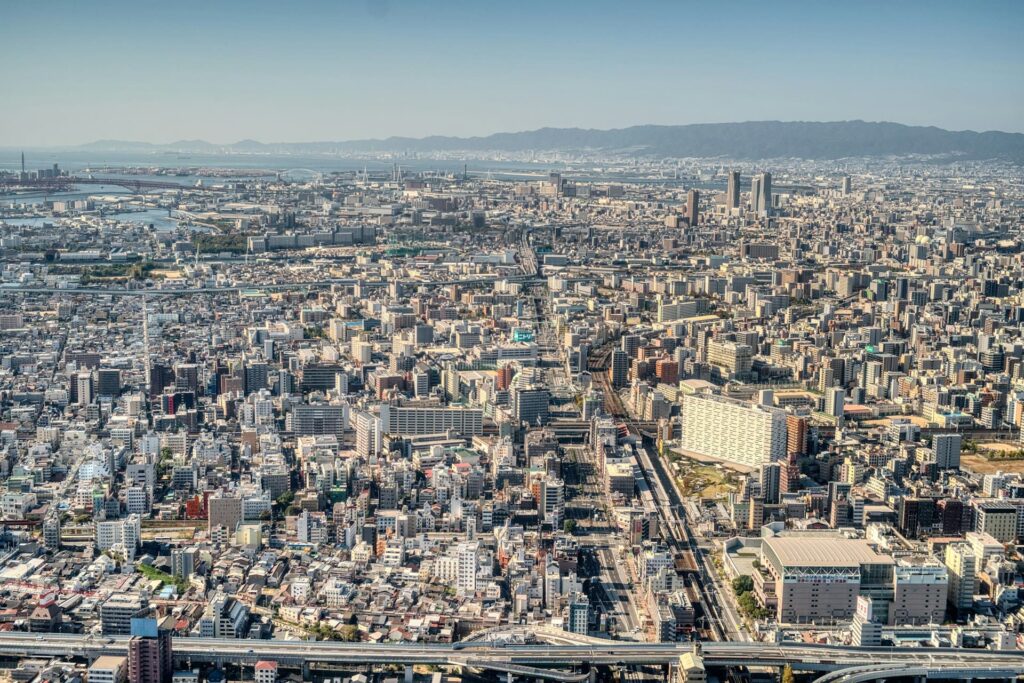
Trying to fit Osaka into a wider Japan trip can be surprisingly difficult. Tokyo, Kyoto, Nara and Hiroshima all compete for your time, and it is easy to underestimate Osaka because it looks simple on the map.
So, how many days in Osaka is enough? For most first-time visitors, 3 days in Osaka is the sweet spot. Two days works if you mainly want food, neon lights and a few classic sights. Four days is better if you want to add Universal Studios Japan (USJ), a Nara or Uji day trip, or a slower pace.
The biggest mistake is not choosing too few days. It is trying to make a 2-day Osaka itinerary behave like a 4-day one. Use the guide below to decide what you can realistically do, what you should skip, and when an extra day is actually worth it.
How Many Days in Osaka Is Enough?
Here is the practical answer:
| Time in Osaka | Best For | What You Can Realistically Do | What You Should Skip |
|---|---|---|---|
| 2 Days | Food lovers and quick city visits | Dotonbori, Shinsekai, Osaka Castle, Umeda and one focused food night | USJ, Nara, Uji, Kobe and anything that needs a full extra day |
| 3 Days | Most first-time visitors | Core city sights, Kuromon Market, Osaka Aquarium Kaiyukan, Umeda and a less rushed food itinerary | A full Kansai base plan or multiple day trips |
| 4 Days | Families, USJ visitors and slower travelers | A 3-day Osaka itinerary plus USJ, Nara and Uji, or another focused day trip | Trying to cover Kyoto properly in only half a day |
| 5+ Days | Travelers using Osaka as a Kansai base | Osaka plus day trips to Kyoto, Nara, Uji, Kobe or Himeji | Changing hotels too often across Kansai |
If you are still unsure, choose 3 days. It gives you enough time to enjoy Osaka’s food scene without turning every day into a race between train stations.
Which Osaka Itinerary Fits Your Travel Style?
Is 2 Days in Osaka Enough for Food and City Highlights?
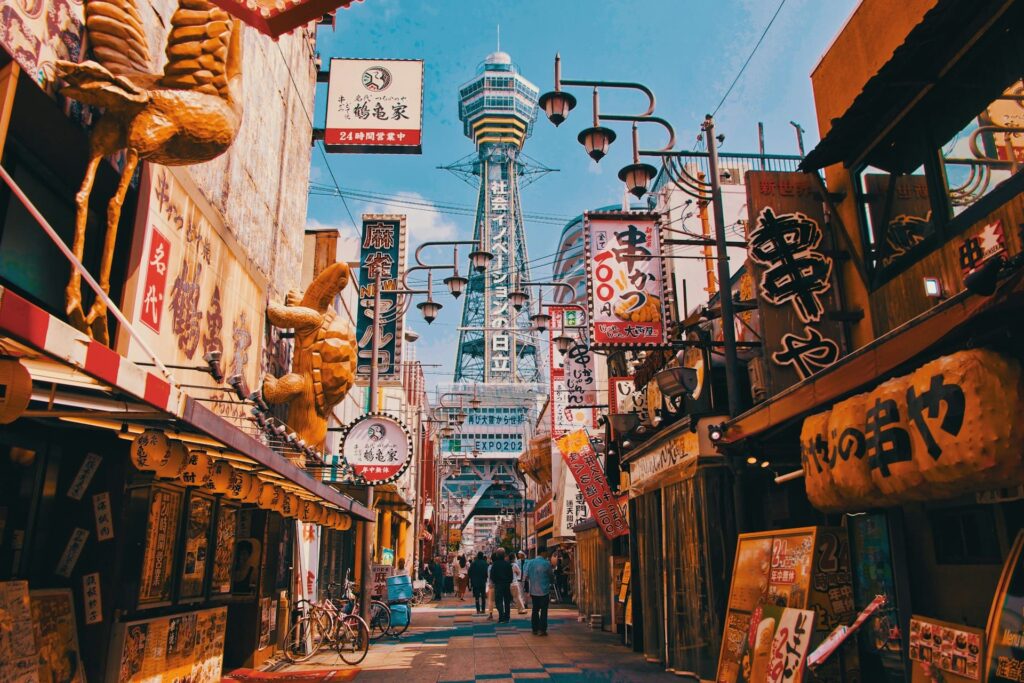
Yes. Two days in Osaka is enough if your main goal is to eat well, see Dotonbori at night, walk through Shinsekai, visit Osaka Castle from the outside or inside, and spend some time in Umeda or Namba.
Two days is not enough if you want to visit USJ, take a day trip, explore several museums, shop slowly and still have relaxed evenings. In that case, your itinerary will feel rushed before you even arrive.
Is 3 Days in Osaka Best for First-Timers?
For most first-time visitors, yes. A 3-day Osaka itinerary lets you separate the city into manageable areas instead of crossing from north to south several times in one day.
You can spend one day around Namba, Shinsaibashi and Dotonbori, another day around Osaka Castle, Shinsekai and Tennoji, and a third day around Umeda or the Bay Area. That extra day is what turns Osaka from a quick food stop into a city you can actually enjoy.
Do You Need 4 Days in Osaka If You Are Visiting USJ?
Four days is the safer choice if Universal Studios Japan is a priority. USJ is not a half-day add-on. Between getting there, entering the park, dealing with crowds, using the official app, and planning around popular areas such as Super Nintendo World, it deserves a full day by itself.
You can technically fit USJ into a 3-day Osaka trip, but it means your actual city sightseeing drops to two days. That works for some travelers, but families and first-time visitors will usually be more comfortable with four days.
Should You Use Osaka as a Base for Kansai?
Osaka can be a smart base if you want nightlife, late-night food, easier access to USJ, and day trips by train. Kyoto, Nara, Uji, Kobe and Himeji can all fit into a Kansai trip, but that does not mean you should squeeze them all into three days.
If you plan to use Osaka as your base for several day trips, think in terms of 5 days or more, not a short Osaka city break.
What Should You Know About Weather and Season Before Choosing Your Days?
Your Osaka itinerary will feel very different depending on the season. In summer, heat and humidity can make a compact 2-day itinerary feel much harder than it looks on paper. In rainy periods, outdoor-heavy plans around Osaka Castle Park, Dotonbori and Shinsekai may need more flexibility.
If you are visiting in a hot, rainy or typhoon-prone period, avoid planning every hour tightly. Keep indoor options such as Osaka Aquarium Kaiyukan, covered shopping arcades, department stores, museums or observation decks as backup choices.
This matters most for USJ. Even if the park is open, rain, heat and long outdoor waits can make the day more tiring than expected. Do not plan an ambitious dinner or another major attraction across town after your USJ day.
Is a 2-Day Osaka Itinerary Enough?
A 2-day Osaka itinerary works best when you keep it focused. Do not try to see every neighborhood. Instead, divide your time between modern Osaka, food districts, one major historic sight and one evening area.
Day 1: Umeda, Namba and Dotonbori
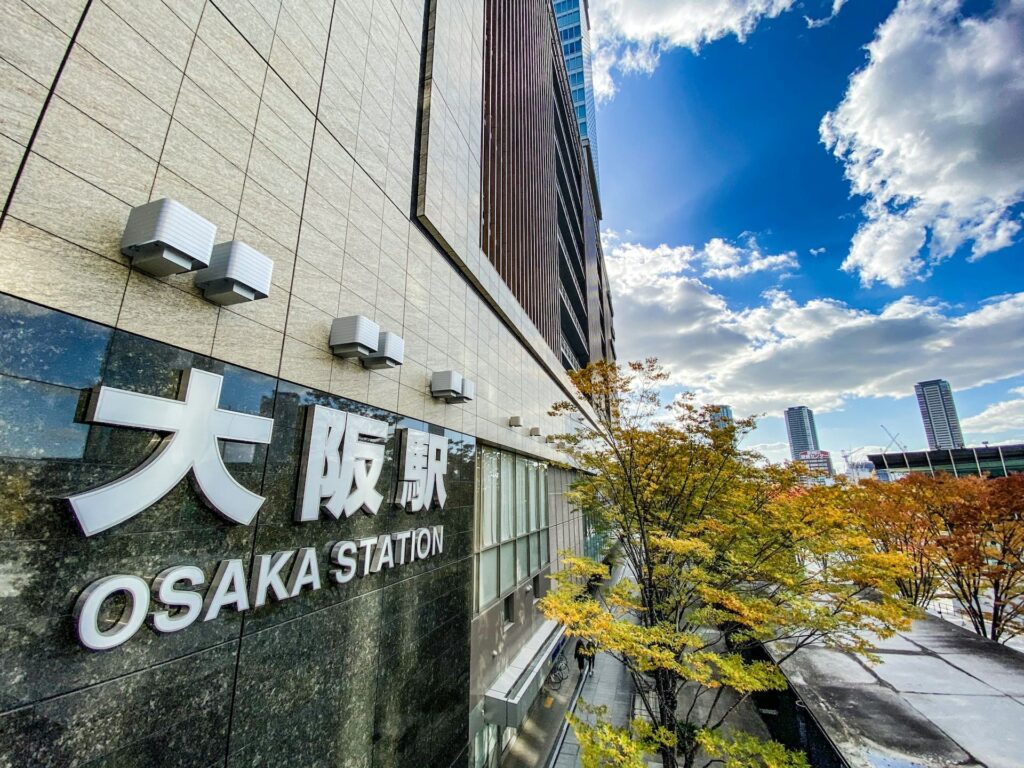
Start with the Umeda area if you arrive through Osaka Station. You can shop, explore underground malls, visit an observation deck, or simply get oriented before heading south later in the day.
In the evening, go to Namba and Dotonbori. This is the Osaka many first-time visitors imagine: neon signs, takoyaki stands, canal views, giant restaurant signs and crowds moving between food spots. It is touristy, but it is still worth seeing on a first trip.
Day 2: Osaka Castle, Shinsekai and Retro Osaka
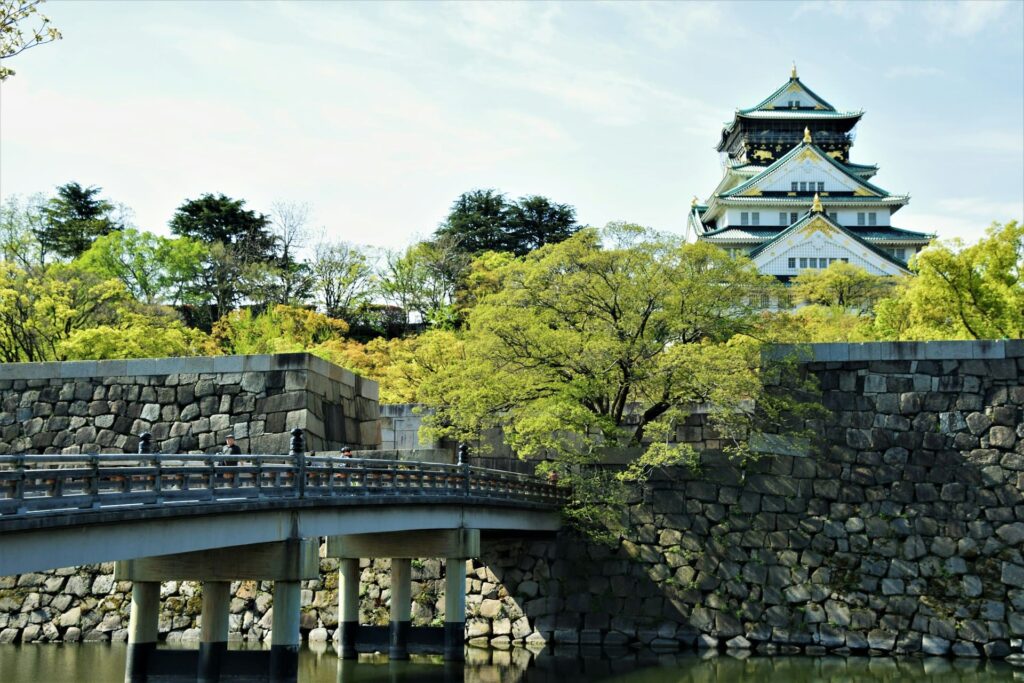
Start your second day at Osaka Castle before the area gets too crowded. If you are short on time, the outside view and surrounding park may be enough. The interior is a modern museum, so it is most worthwhile if you are interested in the history exhibits rather than expecting an original castle interior.
Later, head toward Shinsekai and Tsutenkaku. This area gives you a rougher, retro side of Osaka and is a good place to try kushikatsu, the deep-fried skewers associated with the neighborhood.
With only two days, choosing where to eat can become more stressful than expected, especially if you arrive tired or jet-lagged. A guided food tour can make sense on your first evening because it turns dinner into the main experience instead of a last-minute search for an English menu.
Book the Osaka Food Tour (15 Dishes & Drinks in Shinsekai) here
What Can You Do With 3 Days in Osaka?
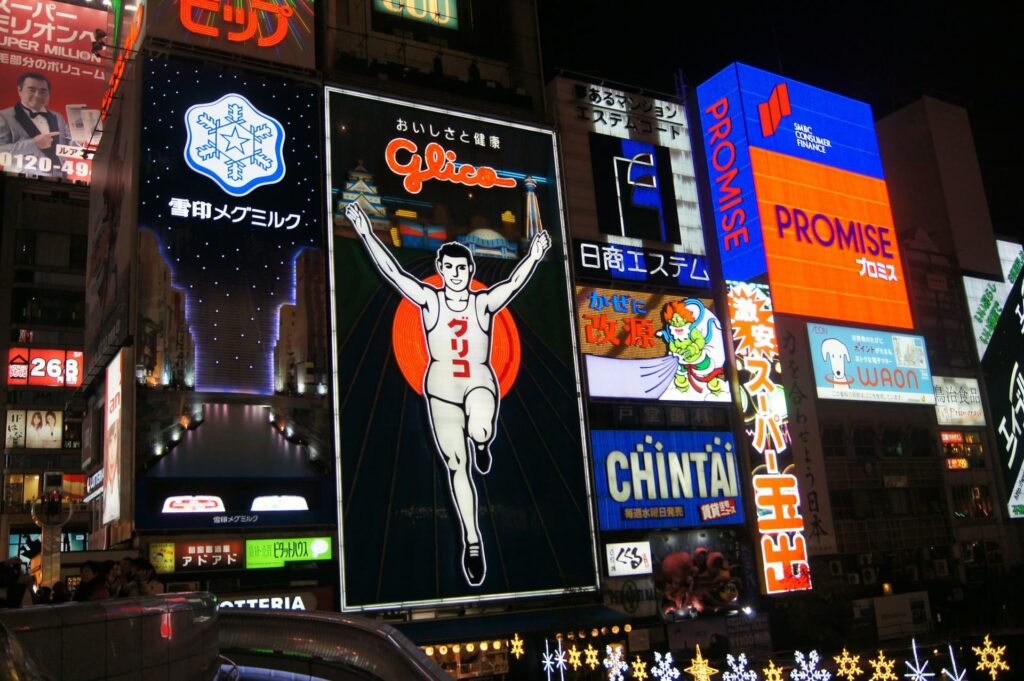
Three days gives you the best balance of food, neighborhoods and sightseeing. You can still move efficiently, but you do not need to stack every major attraction into the same day.
Day 1: Namba, Shinsaibashi and Dotonbori
Spend your first day in Minami, Osaka’s southern downtown area. Start around Kuromon Market if you want a food-focused morning, then walk toward Namba, Shinsaibashi-suji Shopping Street and Dotonbori.
This is a good day to keep flexible. You do not need many formal attractions here. The point is to walk, snack, shop and save energy for the evening atmosphere around the canal.
Day 2: Osaka Castle, Tennoji and Shinsekai
Use your second day for the classic Osaka history-and-retro route. Visit Osaka Castle in the morning, then continue toward Tennoji, Abeno or Shinsekai depending on your interests.
If you want an observation deck, choose one instead of trying to do several. Umeda Sky Building works well if you are staying or shopping in the north. Abeno Harukas 300 is easier to combine with Tennoji and Shinsekai.
Day 3: Umeda or Osaka Bay Area
Use your third day for places that take more time. Osaka Aquarium Kaiyukan is a strong choice for families, rainy days or travelers who want a slower indoor activity. Umeda is better if you want shopping, food halls, station-area convenience and city views.
This is also the day when the Osaka Amazing Pass may start to make sense. As of May 2026, the standard Osaka Amazing Pass is listed at 3,500 yen for a 1-day pass and 5,000 yen for a 2-day pass. It is only worth considering if you plan to group several covered attractions and subway rides into a compact sightseeing day or two.
Do the math before buying it. If your Osaka plan is mostly eating, shopping and walking around Dotonbori, you may not need a pass at all. If you are combining paid attractions such as observation decks, river cruises and museums, it can be useful.
Check if the Osaka Amazing Pass fits your itinerary here
Should You Spend 4 Days in Osaka?
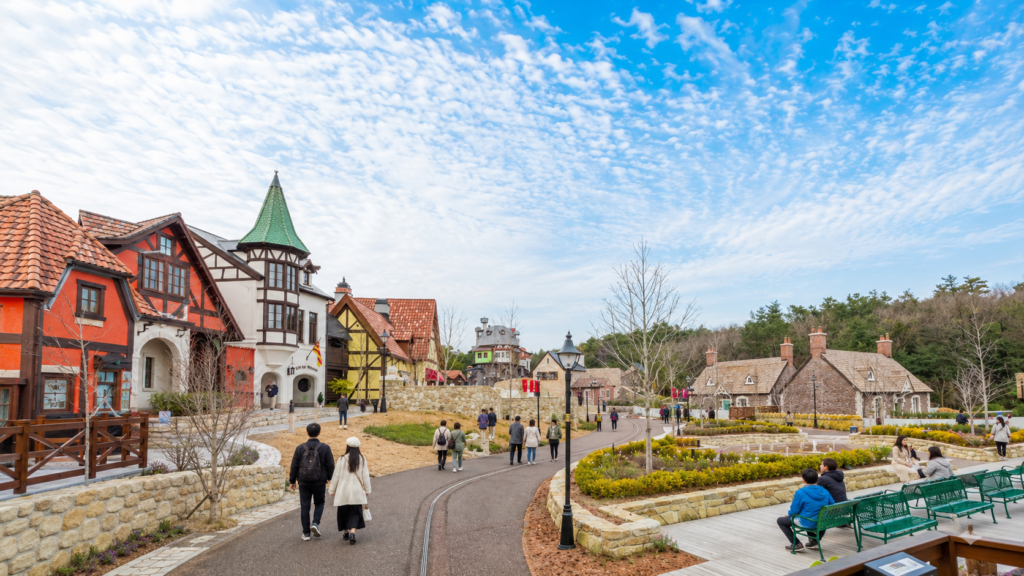
Four days in Osaka is ideal if you want one extra day for something big: Universal Studios Japan, a Nara and Uji day trip, Kobe, or a slower recovery day between busier parts of your Japan trip.
The key is to treat the fourth day as a real choice, not a place to dump everything that did not fit earlier. For most travelers, the best fourth day is either USJ or a day trip, not both.
Option A: Spend a Full Day at Universal Studios Japan
If you are traveling with kids, teenagers, Nintendo fans, Harry Potter fans or theme-park lovers, USJ can easily become the main reason to add a fourth day in Osaka.
Plan USJ as a full-day commitment. Buy your Studio Pass in advance, install the official app before you go, and check how Area Timed Entry works for popular zones such as Super Nintendo World. Ticket prices and entry rules can vary by date, so check the latest details before locking in your itinerary.
Do not plan Osaka Castle, Dotonbori, Shinsekai or a formal dinner across town after USJ. You may have the energy for a simple meal near your hotel, but USJ is usually too tiring to combine with another major sightseeing block.
Book your USJ Studio Pass in advance here
Option B: Take a Nara and Uji Day Trip
If theme parks are not your style, use your fourth day to leave the city. Nara is the classic choice for Todai-ji Temple, Nara Park and the famous deer. Uji is a quieter addition, especially if you like matcha, riverside walks and a slower atmosphere than central Osaka.
You can visit Nara independently by train, but combining Nara and Uji in one day takes more planning. A guided day trip can make sense if you want to reduce transfers, walking between stations and timing decisions.
Check the Nara & Uji Day Trip from Osaka itinerary here
Option C: Choose Kobe, Kyoto or Himeji Instead
Kobe works well if you want an easier food-and-harbor day without making the itinerary too intense. Himeji is better for travelers who care about castles and do not mind a longer train ride. Kyoto is possible as a day trip from Osaka, but it deserves a full day at minimum, not a rushed afternoon squeezed between Osaka plans.
If Kyoto is a major priority, give it its own dedicated days rather than trying to treat it as a side trip after Dotonbori or USJ.
What Should You Cut If Your Osaka Itinerary Feels Too Busy?
If your Osaka itinerary starts looking crowded, cut activities that duplicate the same experience or require too much transit for too little reward. Osaka is more enjoyable when you leave time for food, wandering and breaks.
Should You Go Inside Osaka Castle?
Go inside Osaka Castle if you are interested in the museum exhibits and history. If your time is limited, seeing the castle exterior and walking through the park may be enough.
The current Osaka Castle keep is a modern reconstruction, not an untouched original interior. That does not make it bad, but it does mean you should not force it into the itinerary if you mainly want the classic castle photo and a pleasant morning walk.
Do You Need More Than One Observation Deck?
No. Choose one observation deck based on where you will already be that day.
Umeda Sky Building fits naturally with Osaka Station, Grand Front Osaka and northern Osaka. Abeno Harukas 300 fits better with Tennoji, Shinsekai and Tsutenkaku. Doing both on a short trip usually adds cost and transit without adding much variety.
Should You Do a Half-Day Trip to Kyoto?
A half-day in Kyoto from Osaka is usually not worth it for first-time visitors. Kyoto’s temples and shrines are spread out, and travel time inside Kyoto can be slower than expected.
If Kyoto matters to you, give it a proper full day or stay there separately. If you only have half a day free, stay in Osaka and enjoy Namba, Umeda, Tennoji or a food-focused evening instead.
Is the Osaka Amazing Pass Worth It?
The Osaka Amazing Pass is worth considering if your itinerary includes several covered paid attractions and subway rides within one busy day or two. It is not automatically useful for every Osaka trip.
As of May 2026, the standard Osaka Amazing Pass is listed at 3,500 yen for a 1-day pass and 5,000 yen for a 2-day pass. Before buying it, compare the pass price with the attractions you actually plan to visit. Do not buy it just because it sounds convenient.
The pass is more likely to work for you if you are planning an attraction-heavy day with observation decks, cruises, museums or multiple subway rides. It is less useful if your Osaka plan is mostly Dotonbori, shopping streets, food, free neighborhoods and USJ.
Check Osaka Amazing Pass details and prices here
Frequently Asked Questions About How Many Days in Osaka
Is 2 Days in Osaka Really Enough?
Yes, 2 days in Osaka is enough for food, Dotonbori, Shinsekai, Osaka Castle and one or two city viewpoints. It is not enough for USJ, day trips and slow neighborhood exploring.
Is 3 Days in Osaka Too Much?
No. For most first-time visitors, 3 days in Osaka is the best balance. It gives you enough time to enjoy the city without turning every day into a packed checklist.
Do You Need 4 Days in Osaka?
You need 4 days in Osaka if you want to add USJ, a Nara and Uji day trip, Kobe, or a slower pace. If you only want Dotonbori, Osaka Castle, Shinsekai and Umeda, 2 or 3 days is usually enough.
How Many Days in Osaka Do You Need With USJ?
Plan at least 3 days, but 4 days is better. With 3 days, USJ takes one full day and leaves only two days for Osaka itself. With 4 days, you can enjoy the city and still give USJ the time it deserves.
Is Osaka Worth Visiting Without USJ?
Yes. Osaka is worth visiting for its food, nightlife, shopping streets, retro districts, castle park, aquarium and easy Kansai connections. USJ is a major bonus, but it is not the only reason to visit Osaka.
Should You Stay in Osaka or Kyoto?
Stay in Osaka if you want nightlife, late-night food, easier access to USJ and a more urban base. Stay in Kyoto if temples, early mornings and quieter historic neighborhoods are your main priority.
Many travelers split their time between the two. If you do not want to change hotels, Osaka can work as a Kansai base, but give yourself enough days so that Kyoto, Nara and USJ do not all compete with your actual Osaka sightseeing.
What Is the Best Osaka Itinerary for First-Timers?
The best Osaka itinerary for first-timers is usually 3 days: one day for Namba, Shinsaibashi and Dotonbori; one day for Osaka Castle, Tennoji and Shinsekai; and one day for Umeda, Osaka Aquarium Kaiyukan or a slower food-and-shopping day.
Final Answer: How Many Days Should You Spend in Osaka?
For most first-time visitors, 3 days in Osaka is enough and usually the best choice. Choose 2 days if you only want food and core city highlights. Choose 4 days if you want USJ, Nara, Uji or a slower itinerary. Choose 5 days or more if you want to use Osaka as a base for wider Kansai day trips.
For a short Osaka trip, do not judge your itinerary only by how many attractions you can fit on a map. Leave enough time for meals, evening walks and flexible stops, especially around Namba, Dotonbori, Shinsekai and Umeda.

Hi, I’m Kai. I’m a Tokyo-based travel writer, tourism industry insider, and the author of a published guidebook for international visitors to Japan. With over 10 years of professional experience at a leading Japanese tourism company, my mission is to help you skip the tourist traps and navigate Japan’s best destinations like a local. I believe the perfect day trip is like a traditional kaiseki meal: a beautiful balance of precise planning and unforgettable seasonal discovery. When I’m not out conducting field research, you’ll usually find me drafting new itineraries with one of my favorite fountain pens!