
This article is based on recurring traveler comments across Reddit and Tripadvisor threads, verified against current official information from the Toyako Onsen Tourist Association, Donan Bus, and Usuzan Ropeway. All prices and schedules are as of July 2026 and are subject to change. This article contains no fabricated first-hand experience — the analysis reflects observable patterns in traveler feedback and verified public data.
If your Hokkaido time is tight and you want to see both Lake Toya and Noboribetsu without piecing together JR and local bus connections, compare the current itinerary, available dates, and recent traveler reviews for this Lake Toya and Noboribetsu guided day tour from Sapporo.
Quick Verdict: Is Lake Toya Worth Visiting?
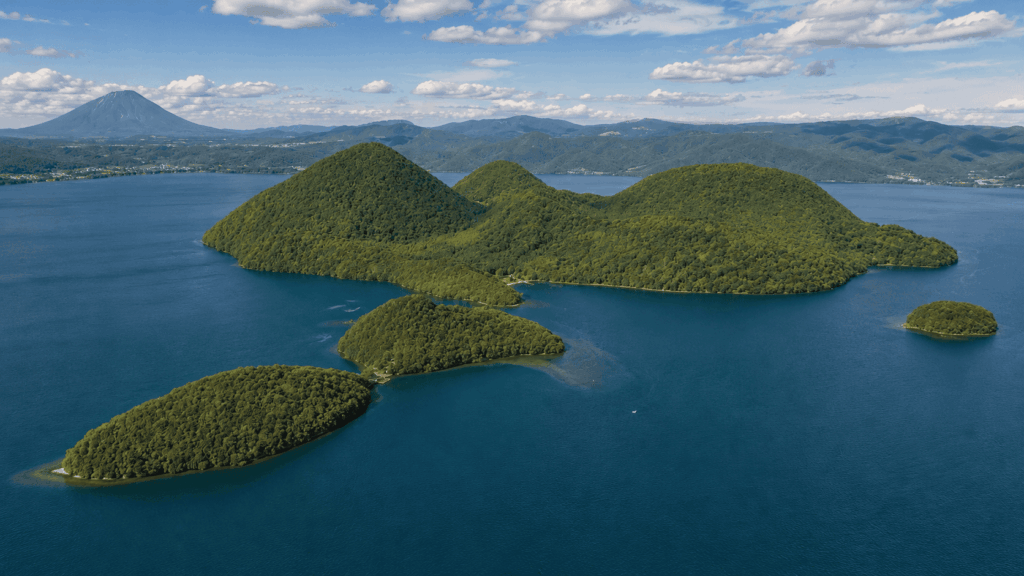
Lake Toya is a genuinely beautiful caldera lake in the Shikotsu-Toya National Park, framed by the active volcano Mt. Usu to the south and the iconic Mt. Yotei to the north. But the honest answer to whether it’s worth your time depends entirely on your itinerary style and what you expect from a stop here.
If you are looking for a quiet onsen-town stay with a lake view, a relaxing hot spring bath, and a short evening fireworks display (April–October), and you have at least one night to spend — Lake Toya is worth visiting.
If you are a first-time visitor to Hokkaido on a 7–10 day itinerary with limited time and no car, and you need to choose between Lake Toya and Noboribetsu — most travelers regularly report higher satisfaction with Noboribetsu for the density of attractions alone.
| Traveler Type | Verdict | Best For | Recommended Stay |
|---|---|---|---|
| Onsen lover / slow traveler | ✅ Worth it | Relaxation, hot spring bath, quiet lake views | 1–2 nights |
| First-timer on a tight 7–10 day itinerary | ⚠️ Low priority | Only if you need a quiet break between cities | 1 night or skip |
| Family with kids (summer) | ✅ Worth it (seasonal) | Kayaking, crater trails, fireworks, open space | 1–2 nights |
| Solo traveler without a car | 🔄 Depends | Worth it if staying overnight; heavy as a day trip | 1 night |
| Couple seeking romance / quiet | ✅ Worth it | Onsen ryokan, lakeside evening stroll, fireworks | 1–2 nights |
| Hiking / volcano enthusiast | ✅ Worth it (longer stay) | Mt. Usu ropeway, Nishiyama crater trail, cycling | 2 nights |
| Sapporo → Hakodate pass-through traveler | ✅ Worth it (as an overnight) | Natural stop between the two cities | 1 night |
Lake Toya Is Worth It If…
- You want a genuine onsen town experience — staying at a lakeside hotel, wearing a yukata, soaking in a hot spring bath while looking at the lake.
- You are passing between Sapporo and Hakodate — Lake Toya sits roughly halfway, making a one-night stop logistically sensible rather than adding extra travel time.
- You visit between April 28 and October 31 — this is when the nightly fireworks run, the ropeway and cruise operate on full schedules, and the crater walking trails are open.
- You have a car — a recurring observation across Reddit threads is that visitors with a car report significantly higher satisfaction because they can access Mt. Usu, Showa Shinzan, the Silo Observatory, and nearby Lake Hill Farm or Sobetsu on their own schedule.
- You value quiet over convenience — several threads describe Lake Toya as “serene,” “peaceful,” and “charming,” with the caveat that “quiet” is exactly the point.
You May Want to Skip It If…
- You are short on days and have never been to Noboribetsu — a common trade-off debate on Reddit. Noboribetsu offers a more concentrated set of sights (Jigokudani, Oyunuma, onsen-hopping, and more dining options) in a more compact area.
- You are visiting without a car in winter (November–April) — the crater trails are closed, the fireworks do not run (except for a short winter fireworks event in early February), and bus frequencies are lower. A recurring complaint is that the area becomes too quiet for a satisfying trip.
- You expect a bustling resort town with multiple restaurants open late — Toyako Onsen is a small lakeside settlement. Dining options are limited and many restaurants close early. Travelers who arrive late without a dinner reservation or meal-included hotel plan often express frustration.
- You are basing yourself here for multiple days without a car — beyond the lakeside promenade, one onsen visit, and one ropeway ride, a second full day without a car can feel repetitive according to several trip reports.
What Travelers on Reddit Actually Like About Lake Toya
The Lake and Mountain Scenery
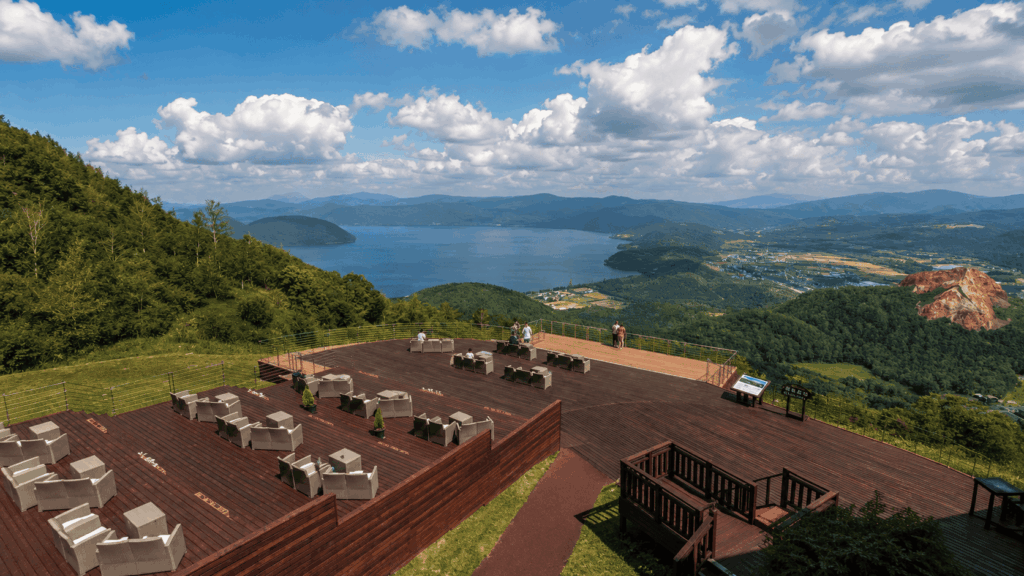
The most consistently praised aspect across Reddit threads is the view itself: the circular lake framed by the volcanic cone of Mt. Usu and, on clear days, the pyramidal silhouette of Mt. Yotei in the distance. The best viewpoints accessible without a car include the free Silo Observatory (open 8:30–18:00 in summer, 8:30–17:00 in winter), the Usuzan Ropeway summit station (¥2,000 round trip for adults, 6-minute ride, first ascent at 8:15 in summer), and the lakeside promenade that runs the length of the Toyako Onsen district.
A recurring view across several threads is that the scenery justifies the trip when the weather cooperates, but that a cloudy or rainy day significantly reduces the impact — particularly if seeing Mt. Yotei was part of the expectation. Travelers who visited on overcast days mention that the lake itself remains pleasant but the surrounding mountains disappear into the clouds.
The Quiet Onsen-Town Atmosphere
Many travelers who stayed overnight at Lake Toya describe the experience as a deliberate escape from the pace of Sapporo or Tokyo. The Toyako Onsen district is a single street of hotels, souvenir shops, and restaurants along the lakeside, with footbaths and small art installations (part of the Lake Toya Gurutto Sculpture Park) scattered along the promenade.
The combination of an outdoor onsen facing the lake and the absence of crowds is frequently cited as the main reason travelers feel their stay was worthwhile. However, this same quiet atmosphere is also the most common source of disappointment for travelers who expected more activity or entertainment options.
The Nightly Fireworks During the Operating Season
The Lake Toyako Long Run Fireworks Display runs every evening from April 28 to October 31, 20:45–21:05, launched from a moving boat on the lake. The 45th edition of this display runs in 2026, and admission is free from the lakeside.
Traveler opinions on the fireworks tend to divide along expectations. Those who describe them positively in threads tend to frame them as “a bonus that makes the evening special” — a 20-minute display with around 450 shells that adds charm to an onsen stay. Those who describe them as underwhelming tend to have expected a large-scale festival-style display comparable to major Japanese summer fireworks events. The display is modest but consistent, and it runs every single night for six months — which is unusual for Japan.
A fireworks viewing cruise (¥200 supplement on top of the regular Toyakokisen fare) departs at 20:35 from the pier if you prefer to watch from the water, though the lakeside is free and typically uncrowded.
The Most Common Complaints — and How Much They Matter

It Can Feel Too Quiet or Limited
This is the single most common critical theme across Reddit. Travelers accustomed to Japanese onsen towns like Hakone, Kusatsu, or Noboribetsu — which offer multiple dining streets, evening activities, and onsen-hopping between different baths — sometimes find Lake Toya lacking in variety once the initial “wow” of the lake view wears off.
The weight of this complaint depends heavily on your travel style. If you are the type of traveler who is happy spending an evening rotating between a hot spring bath, a short stroll, and dinner at your hotel, the quiet atmosphere works in your favor. If you prefer to explore different restaurants, shop, or find evening entertainment outside your hotel, the limited options may genuinely reduce your satisfaction.
Public Transport Requires Planning
This is where the gap between expectation and reality is most significant — for full route breakdowns, see our complete guide on how to get to Lake Toya. A recurring point of confusion in Reddit threads is the assumption that JR Toya Station sits on the lakeside. In reality, JR Toya Station is a 15–25 minute bus ride from the Toyako Onsen bus terminal (the main drop-off point for the lakeside hotels). The Donan Bus connection runs roughly every hour (approximately 16 services per day), costs ¥400 one way, and the last bus from Toya Station departs at 19:48.
If you miss the last bus, a taxi to the lakeside costs around ¥3,000–4,000. The bus is not covered by the Japan Rail Pass.
Without a car, getting to Mt. Usu (via the Usuzan Ropeway bus connection), the Nishiyama Crater Walking Trail, or the Silo Observatory requires timing your trip to the local bus schedule, which runs at roughly one bus per hour in each direction.
Weather Can Change the Experience
Lake Toya is a scenic destination first and foremost. Heavy cloud, rain, or fog can obscure the views of Mt. Usu and Mt. Yotei that are central to the Lake Toya experience. A recurring practical observation in several trip reports is that the Usuzan Ropeway and Silo Observatory both become significantly less rewarding in poor visibility, and hikers on the Nishiyama Crater Walking Trail may find the experience less dramatic when the craters are shrouded in low cloud.
However, the same reports also note that an onsen stay at Lake Toya is less weather-dependent than a day trip: you can enjoy the bath, the hotel dining, and the fireworks (which run unless canceled by stormy weather) regardless of the daytime visibility.
How Long Should You Stay at Lake Toya?

The ideal length of stay at Lake Toya depends on which experiences you want to include and how you are traveling. The table below compares what is realistically achievable for each option, factoring in local bus schedules and opening hours.
| Factor | Day Trip | One Night | Two Nights |
|---|---|---|---|
| Lake stroll + onsen footbaths | ✅ Yes (1–2 hours) | ✅ Yes (evening + morning) | ✅ Yes (unlimited) |
| Usuzan Ropeway / Mt. Usu | 🔄 Possible with early start or tour | ✅ Morning of day 2 | ✅ Flexible timing |
| Nightly fireworks (Apr–Oct) | ❌ No (last bus departs before 20:45) | ✅ Yes (free from lakeside) | ✅ Yes (even if rain on night 1) |
| Toyakokisen lake cruise | 🔄 Possible if skip the ropeway | ✅ Morning of day 2 | ✅ Flexible timing |
| Nishiyama Crater Walking Trail | ❌ Unlikely (bus timing) | 🔄 Tight on day 2 if doing ropeway too | ✅ Dedicated time |
| Outdoor activities (kayak / cycle) | ❌ Not recommended | 🔄 Afternoon of day 1 or morning of day 2 | ✅ Full afternoon or morning |
| Best for | Car travelers passing through, or tour participants | Most travelers — the sweet spot | Hikers, volcano enthusiasts, slow travelers |
Day Trip
A day trip to Lake Toya from Sapporo is possible but comes with compromises. The most common itinerary involves taking the Hokuto Limited Express (about ¥5,920–6,800 one way, all reserved seats) to JR Toya Station, then the Donan Bus (¥400, 15–25 minutes) to the lakeside. If you arrive around 11:00 and leave by 16:00, you have enough time for a lakeside walk, lunch, and one activity — either the Usuzan Ropeway or the Toyakokisen cruise, but not both comfortably without a car.
The most significant trade-off: you will miss the fireworks (20:45 start, after the last bus at 19:48) and the opportunity to experience the onsen town in the evening when it is at its most atmospheric. A recurring sentiment in Reddit trip reports is that the day-trippers who regretted their decision were those who arrived late, missed the ropeway, and only had time for a brief walk before heading back to the station.
If you are visiting without a car and want to combine Lake Toya with Noboribetsu in a single day from Sapporo, a guided tour that handles the transport logistics is a more realistic option than trying to coordinate JR, bus, and activity schedules independently. This approach allows you to see the lake, the ropeway (through the Mt. Usu option), and Jigokudani in the same day without worrying about the last bus.
One Night (Recommended for Most Travelers)
One night is the most common recommendation across traveler reviews and the configuration that produces the highest satisfaction-to-time-spent ratio. A typical one-night itinerary:
- Afternoon arrival (12:00–14:00): Check into your lakeside hotel, walk the promenade, use the sculpture park, visit Silo Observatory (free, on the hill above the bus terminal — a 10-minute walk uphill).
- Late afternoon: Onsen bath facing the lake, early dinner at the hotel or a local restaurant.
- 20:45: Fireworks from the lakeside (April–October). If your hotel has a lake-facing room, you may be able to watch from inside.
- Next morning: Before checkout, take the Usuzan Ropeway (first ascent at 8:15 in summer) for the crater views and panorama of Lake Toya. If time allows, the cruises depart from 8:30.
- Midday departure: Head toward Hakodate or return to Sapporo.
This schedule fits naturally as an overnight stop between Sapporo and Hakodate on the Hokuto line.
Two Nights
Two nights is suitable for travelers who want to include the Nishiyama Crater Walking Trail (free, open late April to mid-November, 7:00–18:00, about 15 minutes by bus from Toyako Onsen), explore Nakajima island inside the lake via the longer Toyakokisen cruise (1 hour 20 minutes with a stop on the island), or rent a bicycle and circle part of the 43 km lake shore. It is also a reasonable option for families with children who want a relaxed pace without daily train transfers.
For most travelers on a standard 7–10 day Hokkaido itinerary, two nights at Lake Toya is more than needed. A recurring observation across several trip reports is that the second day at Lake Toya tends to feel slow unless you have specific outdoor activities planned or the weather is ideal for hiking Mt. Usu.
Lake Toya vs Noboribetsu: Which Is Better?

This is the most frequently debated comparison on Reddit, and the honest answer is that they serve different traveler needs — for a detailed comparison between Lake Toya and Noboribetsu, see our dedicated breakdown. The table below compares the two across eight practical dimensions.
| Dimension | Lake Toya | Noboribetsu |
|---|---|---|
| Scenery type | Open caldera lake, distant volcano, mountain panorama | Geothermal valley, active steam vents, hot river, forested gorge |
| Onsen experience | Large resort hotels with lake-facing baths; fewer public bath options | Mixed — large hotels + small public baths + footbath street; more variety |
| Attraction density | Low — one main street, a few scattered viewpoints | High — Jigokudani, Oyunuma, Onsen-hopping street, Bear Park, Taga Castle |
| Evening atmosphere | Quiet — one or two restaurants, hotel dining, fireworks in season | Livelier — more restaurants and souvenir shops open later |
| Food options | Limited — mostly hotel restaurants; few standalone eateries open late | Moderate — main street has multiple restaurant choices; convenience store nearby |
| Without-a-car convenience | Moderate — bus from JR station needed; sights are spread out | Good — JR station has a direct bus; sights are walking distance from onsen district |
| Best trip length | 1 night (optimal) / 2 nights (slow pace) | 1 night (packed) / 2 nights (if including Date city or lake) |
| Best for | Travelers wanting a calm lake view and quiet onsen retreat | Travelers wanting dramatic volcanic scenery and more to explore on foot |
Choose Lake Toya If…
- You value a lake view from your onsen bath and a quiet evening.
- You want to watch the nightly fireworks from your hotel or the lakeside.
- You are traveling between Sapporo and Hakodate and need a logical overnight stop.
- You are visiting for the second time and have already seen Noboribetsu.
Choose Noboribetsu If…
- You have limited days and want the highest concentration of sights within walking distance.
- You are interested in geothermal landscapes and active volcanic vents (Jigokudani).
- You prefer a wider selection of dinner options and more evening activity.
- You are visiting without a car and want to minimize transport transfers.
A recurring pattern across Reddit discussions is that travelers with only 1–2 nights for Hokkaido’s onsen towns overwhelmingly recommend Noboribetsu for first-time visitors, while those with 3+ nights or a return visit find Lake Toya equally or more rewarding for its serene atmosphere.
Visiting Lake Toya Without a Car: Self-Guided or Tour?

Without a car, reaching and exploring Lake Toya requires a decision between coordinating your own transport and joining a structured tour. Both approaches have trade-offs.
| Self-Guided (JR + Bus) | Sapporo-Based Day Tour | |
|---|---|---|
| Base fare (round trip) | ¥12,640–14,100 (JR Hokuto reserved + Donan Bus) | ~$57–$77 USD per person (typically includes transport, guide, and some entrance fees) |
| Travel time (Sapporo → Toya) | ~2h 45m by JR + bus | ~2h 30m by tour bus (direct to lakeside) |
| What you can see | Depends on bus timing — pick 1–2 sights | Multiple stops (Silo Observatory, Lake Toya, Showa Shinzan, Jigokudani, Cape Chikyu, Lake Shikotsu) |
| Flexibility | High — choose your own pace | Low — fixed schedule and stops |
| Fireworks (Apr–Oct) | ❌ Cannot stay (last bus 19:48) | ❌ Tour returns by evening |
| Mt. Usu Ropeway | ✅ Possible (morning portion) | 🔄 Optional add-on (check tour details) |
| Best for | Overnight stays, experienced independent travelers | Day-trippers wanting coverage, first-timers, solo travelers without a car |
Self-Guided Travel Works Best When…
You plan to stay overnight at the lake. Once you are already checked into your hotel, the lack of a car matters less — you can walk the lakeside promenade, use the hotel onsen, and watch the fireworks without needing transport. For the next morning, the Donan Bus can take you to the ropeway before checkout. Self-guided travel is also a good choice if you have a Japan Rail Pass and want to maximize its value on the Hokuto Limited Express.
A Day Tour Works Best When…
You are based in Sapporo, do not have a car, and want to see Lake Toya as part of a broader day trip that also includes Noboribetsu’s Jigokudani. The main advantage of a tour is that it removes the need to coordinate the JR Toya Station → lakeside bus, the ropeway schedule, and the return timing — all of which become logistically tight as a self-guided day trip. Several tours on GetYourGuide and Klook combine the Silo Observatory, Lake Toya, Showa Shinzan, Jigokudani, and Lake Shikotsu in a single 10-hour itinerary, which is significantly more coverage than most self-guided day-trippers can achieve on their own.
The trade-off: you will not experience the lake in the evening, and you will have limited say in how long you spend at each stop. For travelers who prioritize flexibility over coverage, self-guided remains the better choice.
If you fall into the day-trip camp — you want Lake Toya and Noboribetsu in one day, but coordinating the transport yourself feels like more effort than the sightseeing is worth — this is the one booking worth comparing with the DIY route.
Why I’d book this one
- It solves the main logistics problem: recent travelers consistently mention the convenience of covering several spread-out Hokkaido stops without managing separate JR and local bus connections.
- The guide is part of the value: traveler feedback frequently highlights helpful, knowledgeable guiding and a well-organized pace rather than transport alone.
- You can check the commitment before deciding: the booking page shows current cancellation terms, start times, available dates, and the latest itinerary details before you finalize anything.
What Is Actually Worth Doing at Lake Toya?
Based on recurring traveler feedback and our full list of the best things to do in Lake Toya, the experiences below are ranked by how consistently they appear in positive reviews versus their logistical ease.
High-Priority Experiences
- Lakeside promenade walk (any time of day) — free, no timing required. The sculpture park along the shore adds interest, and the footbaths scattered along the street let you rest while taking in the view.
- One visit to a lake-view onsen — the main reason most travelers stay. If your hotel’s bath does not face the lake, the public bath at the Toyako Onsen Visitor Center (¥1,000 for adults) offers a lakeside soak for non-guests.
- Usuzan Ropeway to the summit crater — the most popular single activity. ¥2,000 round trip, 8:15–17:45 in summer. The summit has a walking loop to two crater observation decks with views over Lake Toya. Allow 1–1.5 hours total including the ride and the walk.
- Nightly fireworks (April 28–October 31, 20:45–21:05) — free from the lakeside. If your hotel has a lake-facing room, ask at check-in whether the fireworks are visible from your window.
Optional Experiences for Longer Stays
- Toyakokisen Lake Cruise — ¥1,440–1,600 for adults. The 50-minute loop (without Nakajima stop) is sufficient to see the lake from the water. The 1-hour 20-minute version includes a stop at Nakajima island, where you can walk the nature trail for 30–40 minutes before the next boat.
- Nishiyama Crater Walking Trail — free, open late April to mid-November, 7:00–18:00 (until 17:00 in October–November). About 15 minutes by bus from Toyako Onsen. The trail loops around a 2000 eruption crater with visible steam vents. Requires sturdy shoes and a moderate fitness level. The bus runs roughly hourly — check the Donan Bus schedule in advance.
- Silo Observatory — free, open year-round. A 10-minute uphill walk from the Toyako Onsen bus terminal. Best viewpoint for the full lake panorama without paying for the ropeway.
- Cycling or kayaking (summer only) — rental shops along the lakeside. The full lake loop by bicycle is roughly 43 km (3–4 hours of cycling). Kayak rentals are available near the pier for 1–2 hour sessions.
Practical Issues Reddit Users Often Mention
Food and Dinner Planning
A recurring practical concern across multiple threads is that Toyako Onsen has fewer independent restaurants than many other Japanese onsen towns, and most of them close by 19:00–20:00. If you arrive late (after 18:00) without a dinner reservation or a meal-included hotel plan, your options may be limited to one of two or three restaurants that remain open, or the convenience store near the bus terminal.
The most reliable approach is to book a hotel with a dinner-included plan (half board). Most lakeside hotels in the ¥15,000–30,000 per person range offer Japanese kaiseki dinner and breakfast buffets as part of their standard plan, and several travelers note that this removes the single biggest source of dining-related frustration.
If you prefer to eat independently, the restaurants along the main street near the pier (including a well-reviewed soba shop and an izakaya) are worth checking, but calling ahead to confirm opening hours is advisable — several travelers have reported arriving at a listed address only to find the restaurant closed for the evening or for a regular day off.
Choosing a Hotel Room
Lake Toya’s lakeside hotels range from traditionally elegant to noticeably dated, and the discrepancy between a hotel’s lake-facing rooms and its non-lake-facing rooms is one of the most commonly raised complaints. The most practical advice echoed across several trip reports: confirm that your assigned room has a lake view. Some hotels reserve “lake side” rooms for specific plan tiers, and a “standard room” at a lakeside hotel may face the mountain or the parking lot.
Among the major hotels on the lakefront: The Lake View Toya Nonokaze Resort (modern, all rooms face the lake, large outdoor bath), Toyako Manseikaku Hotel Lakeside Terrace (older but recently renovated in some wings, good fireworks view), and Toya Kanko Hotel (traditional, mixed reviews on aging facilities). Across all hotels, the size and quality of the onsen bath, the meal plan, and the presence of hotel shuttle service from Toya Station are the factors that appear most frequently in positive versus negative reviews.
Seasonal Closures and Changing Schedules
Several activities at Lake Toya operate on seasonal schedules that may not match a traveler’s visit window:
- Nishiyama Crater Walking Trail: Closed mid-November to late April.
- Toyakokisen Lake Cruise: Winter schedule (November–March) runs at 60-minute intervals with the last departure around 15:00–16:00, and the Nakajima stop is unavailable.
- Usuzan Ropeway: May close for maintenance periods in winter. Check the official Usuzan Ropeway website for the latest operating calendar.
- Nightly fireworks: Run April 28–October 31 only. A shorter winter fireworks event (about 8 minutes) runs for approximately 10 days in early February — check the Toyako Onsen Tourist Association page for exact dates.
A precaution that appears across multiple travel discussions: do not rely on Reddit posts from previous years for current opening dates. Seasonal schedules shift, and a post from 2023 or 2024 may describe an operating calendar that no longer applies. Always verify directly with the official Toyako Onsen Tourist Association website or the individual facility’s official page before your visit.
FAQ
Is Lake Toya worth visiting without a car?
Yes, if you stay overnight and plan your bus connections in advance. The Donan Bus connects JR Toya Station to the Toyako Onsen bus terminal (¥400, 15–25 minutes) roughly once per hour. Once you are at the lakeside, the promenade, onsen, and fireworks are all walkable. The Usuzan Ropeway is accessible by local bus, but requires timing your trip to the roughly hourly schedule. For day-trippers without a car, a guided tour from Sapporo is a more efficient way to see the lake alongside Noboribetsu.
Is one night enough at Lake Toya?
For most travelers, yes. A one-night stay allows you to arrive in the afternoon, walk the lakeside promenade, soak in a lake-view onsen, watch the fireworks (April–October), and take the Usuzan Ropeway the following morning before checking out. Travelers who want to include the Nishiyama Crater Walking Trail, a lake cruise to Nakajima, or cycling around the lake shore may prefer two nights.
Is Lake Toya better than Noboribetsu?
It depends on what you are looking for. Noboribetsu offers a higher density of dramatic geothermal sights (Jigokudani, Oyunuma), more dining options, and easier walking access without a car. Lake Toya offers a calmer lakeside atmosphere, a lake-view onsen experience, and nightly fireworks in season. A recurring pattern across traveler discussions is that first-time visitors with limited time tend to prefer Noboribetsu, while those with more days or a return visit often find Lake Toya equally or more rewarding for its serene setting.
Can you visit Lake Toya as a day trip from Sapporo?
Yes, but with significant compromises. By public transport (JR Hokuto + Donan Bus), you can expect about 2 hours 45 minutes each way, leaving roughly 4–5 hours at the lake before you need to head back (the last bus from Toyako Onsen to JR Toya Station departs around 19:00). You will be able to walk the lakeside and choose one activity — either the Usuzan Ropeway or the Toyakokisen cruise — but you will miss the evening fireworks and the onsen town atmosphere. A guided tour that combines Lake Toya with Noboribetsu’s Jigokudani is a more time-efficient option for day-trippers who want to see both.
Are the Lake Toya fireworks worth staying overnight for?
If you are already planning a one-night onsen stay at Lake Toya, the fireworks are a pleasant bonus that adds to the evening atmosphere. They run every night from April 28 to October 31 (20:45–21:05, free from the lakeside), and the consistency — every single night for six months — is unusual for Japan. However, the display itself is modest (approximately 450 shells launched from a moving boat, not a large-scale festival). If the fireworks alone would be the deciding factor for an overnight stay, a recurring observation across several reviews is that they enhance an existing onsen visit rather than justifying one on their own.
Final Verdict: Should You Add Lake Toya to Your Hokkaido Itinerary?
The honest assessment, based on the recurring patterns across traveler discussions and verified against current official information, is that Lake Toya is a wonderful destination — but only for specific itinerary styles and traveler types.
✅ Yes — Add It If…
- You are traveling between Sapporo and Hakodate and looking for a one-night stop that breaks up the journey naturally. The Hokuto Limited Express connects all three, and a single night at Toyako Onsen fits the route logistically.
- You want a quiet onsen stay with a lake view and are happy spending the evening rotating between a hot spring bath, a short walk, and dinner at your hotel. If serenity is your goal, Lake Toya delivers.
- You have a car and can visit on your own schedule. The ability to drive up to the Silo Observatory, time the ropeway independently, and stop at Showa Shinzan or Lake Hill Farm on the way out significantly raises satisfaction levels.
- You are visiting between April and October and want to see the nightly fireworks from your hotel or the lakeside. The combination of a warm-season visit with the fireworks running is when Lake Toya is at its most charming.
🔄 Maybe — Consider It If…
- You are a first-time visitor to Hokkaido on a 7–10 day itinerary and trying to decide between Lake Toya and Noboribetsu. Most travelers in this situation recommend prioritizing Noboribetsu for its higher density of sights, especially if you have only 1–2 nights for the onsen town portion of your trip.
- You are traveling without a car and want a day trip from Sapporo. It is possible but tight, and you will miss the fireworks and evening atmosphere. A combined day tour from Sapporo that includes Lake Toya and Noboribetsu is a more efficient use of your time.
- You are visiting in winter (November–April). The crater trails are closed, the fireworks do not run (except the early February winter event), and bus frequencies are lower. If your primary goal is a quiet onsen stay, it still works — but the outdoor sightseeing options are significantly reduced.
❌ Skip It If…
- You have very limited time and have not visited Noboribetsu before. A recurring verdict across multiple travel discussions is that Noboribetsu provides a more concentrated and memorable first visit to Hokkaido’s onsen region.
- You prefer busy resort towns with multiple dining options and evening entertainment. Toyako Onsen is quiet by design, and the limited restaurant choices are a consistent source of disappointment for travelers who expected more variety.
- You are without a car on an overnight trip and the weather forecast shows heavy rain or fog for your visit. While the onsen itself is weather-independent, the primary visual experience — the lake and mountain views — can be substantially reduced in poor visibility.
This article was compiled from recurring traveler feedback across Reddit and Tripadvisor threads, verified against current official information from the Toyako Onsen Tourist Association, Donan Bus, Usuzan Ropeway, and Toyako Kisen as of July 2026. Prices, schedules, and operating seasons are subject to change — always confirm directly with the official source before your visit.

Hi, I’m Kai. I’m a Tokyo-based travel writer, tourism industry insider, and the author of a published guidebook for international visitors to Japan. With over 10 years of professional experience at a leading Japanese tourism company, my mission is to help you skip the tourist traps and navigate Japan’s best destinations like a local. I believe the perfect day trip is like a traditional kaiseki meal: a beautiful balance of precise planning and unforgettable seasonal discovery. When I’m not out conducting field research, you’ll usually find me drafting new itineraries with one of my favorite fountain pens!