

Lake Toya is one of those places where the question isn’t whether to visit — it’s how much time to give it.
Most first-time visitors should plan for one night and two days. That is the shortest stay that lets you ride the Usuzan Ropeway to an active volcanic crater, cruise the caldera lake, soak in an onsen overlooking the water, and watch the Long Run Fireworks Display launch from a moving boat — all without rushing through any of it.
In this guide I will help you match your schedule to the right itinerary — whether you have half a day or two nights — with specific timings for car travelers, public transport users and every season.
If you already know you only have one day and would rather not drive from Sapporo, it is worth comparing a guided route that combines Mt. Usu with other major stops. Check live availability, Mt. Usu options and current departure details for this Sapporo day trip.
How Many Days Do You Need in Lake Toya?
Your itinerary depends on how much of the Toya-Usu UNESCO Global Geopark you want to experience and what you are willing to leave for another trip. Here is how the options compare.
| Duration | Best For | What You Can Do | What You’ll Miss | Best Transport | Verdict |
|---|---|---|---|---|---|
| Half Day (road-trip stopover) |
Travelers passing through between Sapporo and Hakodate | Usuzan Ropeway + lake view from the summit observation deck | Cruise, onsen, fireworks, crater walking trails, hot-spring town atmosphere | Car only | Only if you are already driving the route and have 90 minutes to spare |
| Day Trip (Sapporo return) |
Travelers who absolutely cannot stay overnight | Usuzan Ropeway, Showa-Shinzan, a short lakeside walk | Evening fireworks, onsen soak, sunset over Mount Yotei, crater trails, Volcano Science Museum | Car or guided tour | Works but rushed — 2 hours 45 minutes each way from Sapporo by bus, 2 hours 10 minutes by car |
| 1 Night / 2 Days ★ Recommended |
First-time visitors | Usuzan Ropeway, Lake Toya Cruise, onsen with lake view, fireworks, plus one museum or crater trail on departure morning | Nakajima island exploration, both crater trails, north-shore viewpoints | Car or public bus | Best balance of experience and time — you cover the iconic experiences without feeling rushed |
| 2 Nights / 3 Days | Nature lovers, hikers, families with young children who prefer a slow pace | Everything above plus Nakajima, both Konpira and Nishiyama crater trails, kayaking on the lake, north-shore viewpoints like Silo Observation Deck | Nothing — you cover the full area at a relaxed pace | Car ideal (public bus is limiting for the north shore and Nakajima ferry schedule) | Worth it if you enjoy hiking and have the flexibility in your Hokkaido itinerary |
Kai’s tip: What catches people out is underestimating the travel-to-experience ratio. A day trip from Sapporo gives you roughly four hours on the ground after factoring in travel. By the time you queue for the ropeway and eat lunch, you are already watching the clock. If you can stretch your Hokkaido schedule to include one night here, the fireworks and a morning onsen soak alone are worth the swap.
Is a Day Trip to Lake Toya Enough?
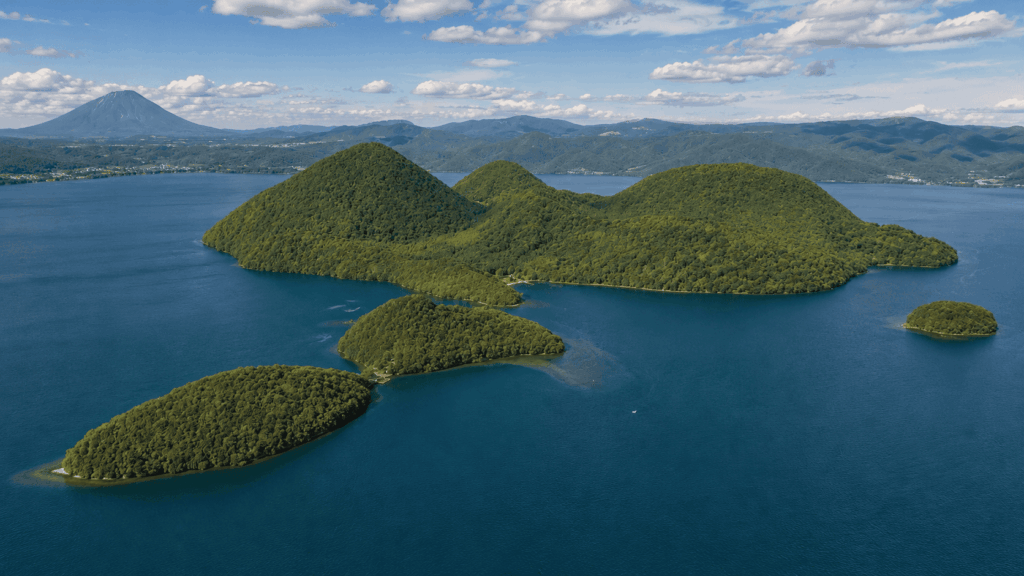
A day trip works best if you have a car or join a guided tour. From Sapporo the drive takes about 2 hours 10 minutes via the Hokkaido Expressway (Abuta-Toyako Interchange). The Donan Bus from Sapporo Station to Toyako Onsen takes 2 hours 45 minutes and requires a reservation.
If Lake Toya has to fit into one day and you want to see Mt. Usu without spending most of your attention on driving and connections, this is the guided option worth comparing first.
Why I’d book this one
- Recent travelers consistently mention helpful guides who add context to the scenery and volcanic landscape rather than simply moving the group between stops.
- The route groups Mt. Usu with other major Hokkaido sights in one day, which is where a guided trip has the clearest advantage over public transport.
- The booking page lets you check current availability, itinerary options and cancellation terms before committing.
With a car you can hit the Usuzan Ropeway in the late morning, drive to the Showa-Shinzan viewing area, and walk the lakeside promenade before heading back. You will skip the cruise (50 minutes plus waiting time), the onsen and — most importantly — the fireworks, which start at 8:45 p.m. from late April to October.
A day trip is a reasonable option for travelers on a tight Hokkaido itinerary who want to see the crater and the lake with their own eyes—if you choose this option, check out our Lake Toya day trip from Sapporo guide for details on timing and transport. But if you enjoy hot springs, evening atmosphere or photography at golden hour, the overnight version is a significantly better experience.
When Are Two Nights Worth It?
Two nights make sense in three specific scenarios:
- You want to visit Nakajima island. The Nakanoshima Cruise allows passengers to disembark on Nakajima only during the summer season (late April to October). Disembarking adds about 80 minutes round trip instead of 50. In winter (November to early April) the boat still runs but you cannot get off.
- You want to walk both crater trails. The Konpira Crater-Remnants of the Disaster Walking Trail and the Nishiyama Craters Walking Trail are in opposite directions from Toyako Onsen. Each takes 1 to 2 hours. Doing both in one morning is possible but tight with a noon checkout.
- You are traveling with young children or prefer a slow rhythm. Two nights lets you spread the ropeway over one morning, the cruise over one afternoon, and the trails or museum over the second morning, with plenty of breaks and onsen time in between.
For most other travelers — couples, solo visitors, friends traveling together — one night is enough to have a rich experience of Lake Toya.
The Best One-Night, Two-Day Lake Toya Itinerary
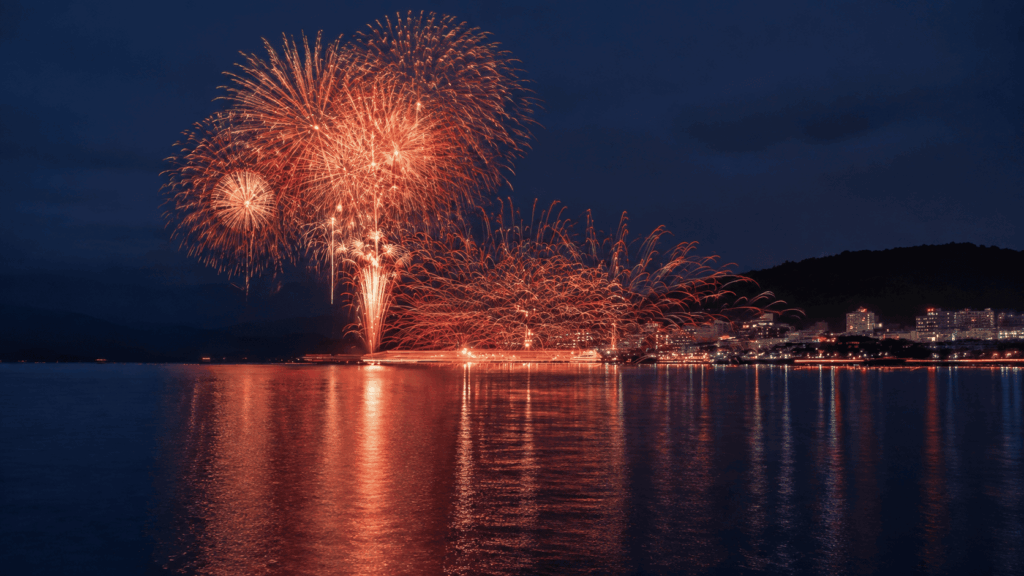
This is the itinerary I recommend for first-time visitors. It sequences the key experiences in an order that respects opening hours, travel times and the evening fireworks. The table below shows the schedule at a glance; each step is explained in detail afterward.
| Time | Stop | Duration | Why This Timing | Weather Alternative |
|---|---|---|---|---|
| Day 1: 9:00–10:30 | Usuzan Ropeway + summit observation (Mt. USU Terrace / USU360) | 40–60 min at summit; 6 min ropeway each way; total ~1.5 hr | Morning light reduces cloud cover and leaves the afternoon free for the cruise | Skip ropeway if winds close it; proceed to Volcano Science Museum and crater trails |
| Day 1: 10:30–11:00 | Showa-Shinzan viewing (near the ropeway base station) | 20–30 min | Convenient stop before or after the ropeway — the viewing area is a short walk from the base station | Drive-by only in rain; the view is still visible from the car |
| Day 1: 11:00–12:30 | Lunch in Toyako Onsen or near the ropeway area | 45–60 min | Lunch between activities avoids the midday cruise queue | Restaurants along the main street in Toyako Onsen |
| Day 1: 13:00–14:00 | Lake Toya Cruise (Nakanoshima Cruise) | 50 min (cruise only) or 80 min (with Nakajima disembark) | Aim for the 13:00 or 13:30 departure so you have time before hotel check-in | Cruise runs in light rain; cancelled in high wind or heavy fog |
| Day 1: 14:30–15:00 | Hotel check-in and rest | 30 min | Standard check-in from 15:00; leave bags and take a short break | Same regardless of weather |
| Day 1: 15:00–17:30 | Onsen / lakeside promenade walk | 1–2 hr | Use the afternoon window before dinner for a soak or a stroll along the lakefront | Indoor onsen is available; the Illumination Street along the lake lights up year-round after dark |
| Day 1: 18:00–20:30 | Dinner (hotel buffet or local restaurant) | 1.5–2 hr | Most hotel dinner services run 18:00–20:30; aim to finish by 20:30 to secure a good spot for fireworks | Same |
| Day 1: 20:45–21:05 | Long Run Fireworks Display | 20 min | Fireworks launch from a moving boat on the lake — visible from the lakeside promenade or your hotel room if it faces the lake | Fireworks are cancelled in stormy weather; check with your hotel for contingency plans |
| Day 2: 7:00–9:00 | Breakfast + morning onsen | 1–2 hr | Take advantage of the lake view in early light before checkout | Same |
| Day 2: 9:30–11:30 | Choose one: Volcano Science Museum (indoor) or a crater walking trail (outdoor) | 1–2 hr | Both open at 9:00; a focused visit fits neatly before checkout and departure | Visitor Centre and Volcano Science Museum are the default wet-weather plan |
Day 1 Morning — Start with Usuzan Ropeway and the Volcano Views

Begin your Lake Toya visit at the Usuzan Ropeway. The cable car runs every 15 minutes and reaches the summit in six minutes. A round-trip ticket costs around 2,000 yen for adults (1,000 yen for children). The first upward departure is typically around 8:15 a.m. in summer, with the last descent around 5:45 p.m., though hours shift by season.
At the summit you have two options. The quick version is the Mt. USU Terrace, an observation deck directly outside the upper station with a wide view of Lake Toya and the crater basin. If the weather is clear you can also see Mount Yotei to the northwest. The longer version adds a 7-minute walk to USU360, a 360-degree circular observation path that opened in 2025, offering views into the active volcanic crater and across the Shikotsu-Toya National Park.
Allow 40 minutes at the summit if you stick to the main terrace, or 60 minutes if you walk the USU360 loop. The ropeway station at the base also has a small information area about the volcano’s history — worth a quick browse while you wait for your car.
Kai’s tip: If you only do one thing at Lake Toya, make it the ropeway in the morning. What I have noticed guiding visitors here is that by early afternoon clouds often drift in from the lake, and the summit view turns from a panorama into a white wall. Aim to be on the first or second car after the ropeway opens. That also leaves you the entire afternoon for the cruise and hotel check-in without rushing.
After descending, take a few minutes to see Showa-Shinzan, the young volcanic dome that pushed up through a wheat field between 1943 and 1945. The viewing area is within walking distance of the ropeway base station. What surprises most visitors is how sudden the creation was — farmers watched their own field rise over two years. The contrast between the quiet, round lake and the raw, still-steaming ground of Showa-Shinzan is the kind of detail that makes this geopark memorable.
Day 1 Afternoon — Lake Toya Cruise, Hotel Check-In and the Fireworks Setup

From the ropeway area, head down to the lakefront for the Lake Toya Cruise operated by Toyakokisen. The Nakanoshima Cruise sails out to Nakajima island in the center of the caldera lake. Two options are available:
- Cruise only (50 minutes): The boat circles Nakajima without stopping. This is the standard ticket and fits comfortably between lunch and hotel check-in.
- Cruise with Nakajima disembark (80 minutes): In summer (late April to October) you can get off on the island, walk a short marked trail and board a later boat back. This option is best if you have a flexible afternoon or a two-night stay. In winter (November to early April) disembarkation is not available.
Tickets cost around 1,600 yen for adults (800 yen for children). The first departure is 8:30 a.m. and the last departure is 16:30 in summer (16:00 in winter), with boats every 30 minutes during peak hours. If you are following the recommended itinerary, aim for the 13:00 or 13:30 departure — this gives you enough time before hotel check-in and leaves room for a short rest afterward.
On a clear day Mount Yotei rises behind the lake from certain angles during the cruise. Whether you see it depends entirely on the weather — the mountain has its own cloud cover more often than you would expect.
After the cruise, proceed to your hotel for check-in. Standard check-in in Toyako Onsen is 15:00. If you arrive a little early, most hotels will hold your luggage and let you start using the onsen facilities.
Day 1 Evening — Onsen, Dinner and the Famous Fireworks

The evening is where staying overnight at Lake Toya earns its value. From late April to October, the Long Run Fireworks Display takes place every night at 20:45, launching from a moving boat on the lake for 20 minutes. It is free to watch from anywhere along the lakeside promenade or from hotel rooms and onsen facilities that face the lake.
Your evening schedule should work backward from the fireworks:
- 15:00–17:30: After check-in, take an onsen soak or walk the lakeside promenade. If your hotel has a lake-facing outdoor bath, this is a good time to use it — the afternoon light over the water is different from the morning.
- 18:00–20:30: Dinner. Most hotel buffet dinners run from 18:00 to 20:30. If you are eating at a restaurant in the town, check the closing time and plan to finish by 20:30 so you can secure a good spot.
- 20:45–21:05: Fireworks. You can watch from the lakefront, your hotel room if it faces the water, or a hotel onsen with a lake view. The fireworks launch from a moving boat, so the display shifts across the lake — you do not need to be directly in front of the launch point.
If you are staying at a hotel with a lake-facing outdoor onsen, the combination of warm water, cool autumn or spring air, and fireworks reflected on the water is the single best experience Lake Toya offers. I have yet to meet a traveler who regretted choosing a lake-view room for this reason.
Kai’s tip: The mistake I see budget-conscious travelers make is choosing a mountain-facing room to save money, then realizing they cannot see the fireworks — or the lake at sunrise the next morning. A lake view is not about luxury; it is the functional choice that lets you see the two things that make staying overnight here special: the 20:45 display and the 6:00 a.m. reflection on the caldera. If the price gap is significant, consider a hotel that offers lake-view communal onsen even if your room faces the mountain — that way you still get the evening view without paying for a prime room.
Day 2 Morning — Volcano Trails or Indoor Alternatives

With checkout typically at 10:00 or 11:00, you have one to two hours in the morning for a final activity. Choose based on the weather and your energy level:
- Volcano Science Museum (indoor, 600 yen adults | 300 yen children): Opens at 9:00 a.m. The museum covers the 1977 and 2000 eruptions of Mount Usu with video footage, physical models and interactive displays. It takes about 45 minutes to go through. Good for families and anyone interested in volcanology.
- Toyako Visitor Centre (indoor, free): Also opens at 9:00 a.m. Smaller and quicker than the museum, with maps of the geopark and English-language panels about the area’s geology and ecology. Takes about 20 minutes.
- Konpira Crater-Remnants of the Disaster Walking Trail (outdoor, free): Open late April to early November only (closed mid-November to mid-April). A 1.5 km trail through the area devastated by the 2000 eruption, leading to Konpira Crater. Takes about an hour. The trail has stairs and uneven ground.
- Nishiyama Craters Walking Trail (outdoor, free): A shorter trail (about 1 km) near the Toyako Onsen bus terminal, through a hillside where craters opened during the 2000 eruption. Takes about 30–40 minutes. Open until late October or early November.
If you are short on time, the Volcano Science Museum and the free Visitor Centre are next to each other near the lakefront, so you can visit both in under 75 minutes. If the weather is good and you prefer being outside, the Nishiyama Craters trail is the quicker and easier option.
Lake Toya by Car vs Without a Car
Your mode of transport changes what you can realistically visit. The table below shows the difference for each major stop.
| Stop | By Car | Without a Car | Keep or Skip (No Car) | Notes |
|---|---|---|---|---|
| Toyako Onsen (your base) | Direct access via Hokkaido Expressway (Abuta-Toyako IC) | Bus from JR Toya Station (Donan Bus, ~400 yen, 26 min, ~15 buses/day) or direct bus from Sapporo | Keep | Both options are manageable |
| Usuzan Ropeway | 5-minute drive from Toyako Onsen | 15-minute walk from Toyako Onsen Bus Terminal uphill, or taxi (~1,500 yen) | Keep — walkable in good weather | The walk is uphill; taxis are available at the bus terminal |
| Showa-Shinzan viewing area | Adjacent to the ropeway base station (same parking) | Adjacent to the ropeway base station — walk from Toyako Onsen | Keep | Same access as the ropeway |
| Lake Toya Cruise boarding | Parking at the pier area | 5-minute walk from Toyako Onsen Bus Terminal or most lakeside hotels | Keep | Easily walkable from the town center |
| Silo Observation Deck | 10-minute drive northwest of Toyako Onsen | No public transport | Skip | Only accessible by car or taxi (expensive round trip) |
| Nakajima (island) | Car is parked at the pier — no difference | Same as cruise access | Keep (if summer) | Access does not depend on car; depends on cruise schedule |
| North-shore viewpoints | 15–20 minute drive along the north shore road | No public transport | Skip | Scenic but not essential for a first visit |
A car gives you more flexibility in timing and lets you reach the north shore and Silo Observation Deck. Without a car, you are limited to the Toyako Onsen cluster and the ropeway, but — crucially — the three core experiences (ropeway, cruise, fireworks) are all within walking distance of the town center.
A Simpler Itinerary Without a Car
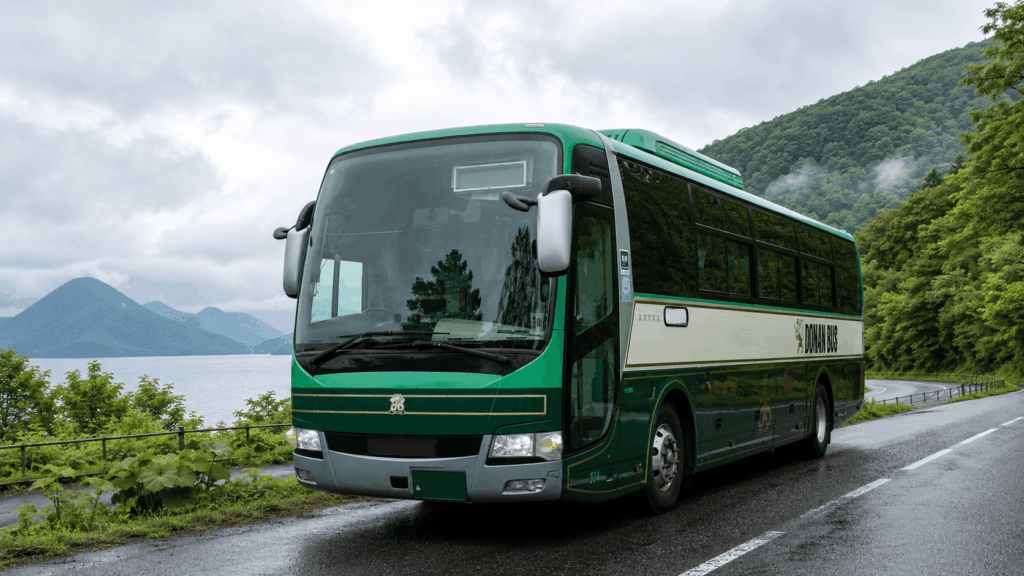
If you are relying on public transport (see our complete guide on how to get to Lake Toya for train and bus breakdowns), here is the adjusted one-night schedule:
- Arrive by Donan Bus from either JR Toya Station (26 minutes, around 400 yen) or directly from Sapporo (2 hours 45 minutes, reservation required).
- Morning: Walk to the Usuzan Ropeway base station (15 minutes uphill). Ride the ropeway and explore the summit.
- Lunch: Restaurants along the lakefront or in the Toyako Onsen shopping street.
- Afternoon: Walk to the cruise pier (5 minutes from most hotels). Take the 50-minute cruise.
- Evening: Same as the main itinerary — onsen, dinner, fireworks from the lakeside promenade.
- Day 2 morning: Walk to the Toyako Visitor Centre and Volcano Science Museum (located together near the lakefront), then catch the bus to Toya Station or Sapporo.
How to Adjust This Lake Toya Itinerary by Season
Spring to Autumn Version (Late April–October)
This is the standard season for the itinerary above. Everything is running:
- Long Run Fireworks Display: nightly, 20:45–21:05
- Lake Toya Cruise: hourly departures with Nakajima disembark option
- Usuzan Ropeway: extended hours until around 17:45
- Konpira and Nishiyama crater trails: open (check exact closing dates — typically early to mid-November)
Winter Version (November–Early April)
Winter at Lake Toya is quieter and the itinerary shifts significantly (for a full seasonal breakdown, see our detailed guide to visiting Lake Toya in winter):
- No nightly fireworks. The Long Run Fireworks Display ends October 31. A shorter Winter Fireworks event runs on select dates (e.g., February 2026: February 3–12, 20:30, ~8 minutes) — check the current year’s schedule.
- Cruise runs but shorter. The Lake Toya Cruise operates year-round but departs every 60 minutes, the last boat leaves earlier (around 16:00), and Nakajima disembark is not available. The trip is 45 minutes.
- Crater trails are closed. Both Konpira and Nishiyama trails close from mid-November to mid-April. Replace the morning trail with the Volcano Science Museum or a longer onsen session.
- Ropeway remains open (weather permitting), though it may close for maintenance for a few weeks in winter. Check the official website before visiting.
- Driving requires winter tires. If you are renting a car, request a vehicle equipped with winter tires. The roads around the lake can be icy in December–February.
The winter itinerary for one night would be: Ropeway → lunch → cruise → onsen → dinner → early rest by the lake (no fireworks to wait for) → Day 2: Volcano Science Museum + Visitor Centre → departure.
Where to Stay for the Best Lake Toya Itinerary

The right hotel can make or break your one-night experience. In Toyako Onsen, almost all hotels are within walking distance of the cruise pier and the lakeside promenade, but the view from your room and the onsen quality vary significantly.
Here are three hotels I recommend checking for a one-night stay, each with a different strength:
- The Lake View Toya Nonokaze Resort: Every room faces the lake and three of its onsen baths have lake views. If fireworks visibility from your room is a priority, this is a reliable choice. Mid-range price among lake-view hotels.
- Toyako Manseikaku Hotel Lakeside Terrace: A larger hotel with a buffet dinner and an 8th-floor open-air onsen (“Star Bath”) that overlooks the lake. Almost all rooms have lake views. The dinner buffet runs 18:00–20:30, which aligns well with the fireworks schedule.
- Toya Kohantei: A quieter, smaller hotel with a 9th-floor open-air bath facing the lake. Suitable if you prefer a more intimate atmosphere over a large resort.
If you are on a tighter budget, consider hotels on the mountain side of the main street — they are often significantly cheaper, but you will need to walk to the lakeside promenade for the fireworks and morning view. Ask at check-in about the onsen schedule: some hotels have separate male and female bath hours, and the lake-facing side may switch between genders.
What to Check Before Booking a Lake-View Room
Before you book, confirm these details to avoid disappointment:
- Does the room actually face the lake? Some hotels advertise “lake view” for a portion of rooms — confirm you are booking that specific category.
- Can you see the fireworks from the room or only from the onsen? Check recent guest reviews for fireworks visibility.
- Does the onsen have a lake view, and which hours is it open for use? Some hotels switch the lake-facing onsen between male and female sections at different times.
- What time is dinner served? If you want to catch the 20:45 fireworks, finish dinner by 20:30.
- Does the hotel offer a shuttle from Toya Station? Most lakeside hotels do, often by request at reservation time.
What to Skip When Your Schedule Is Tight
If you only have one night, here is my honest prioritization:
- If you care about scenery and photos → Keep the ropeway and cruise. Skip Silo Observation Deck (requires a car).
- If you care about onsen and relaxation → Keep the evening onsen and lake-view room. Skip the crater trails and museum — do the quick lakeside walk instead.
- If you are traveling without a car → Keep the ropeway, cruise, and fireworks. Skip the north shore and Silo Observation Deck.
- If the weather is bad → Skip the ropeway (clouded out). Spend the morning at the Volcano Science Museum and Visitor Centre, have a long lunch and enjoy the onsen.
- If you visit in winter → Skip the crater trails (closed). Keep the ropeway (weather permitting), winter cruise, and indoor museums.
Can You Combine Lake Toya with Noboribetsu or Hakodate?
Lake Toya sits geographically between Sapporo (2 hours north) and Hakodate (2.5 hours south), with Noboribetsu about 50 minutes east by car. It is a natural stop on a Sapporo → Toya → Noboribetsu → Hakodate route.
However, do not try to visit both the Usuzan Ropeway and Noboribetsu’s Jigokudani (Hell Valley) on the same day (if you are still deciding between the two towns, see our comparison of Lake Toya vs Noboribetsu). Each area deserves at least a half-day, and the road between them has limited services. A common workable pattern is: Day 1 in Toya → Day 2 morning departure to Noboribetsu → afternoon at Jigokudani → onward to Hakodate or back to Sapporo.
If you are planning a broader Hokkaido trip, one night in Lake Toya fits well on a Sapporo (3 nights) → Toya (1 night) → Hakodate (2 nights) itinerary over 6–7 days.
FAQ
How many days do you need in Lake Toya?
Most first-time visitors should plan for one night and two days. This gives you time for the Usuzan Ropeway, the Lake Toya Cruise, an onsen soak, dinner, the evening fireworks and one activity on departure morning. A day trip works if you are driving or joining a guided tour, but you will miss the fireworks, the evening atmosphere and the morning onsen.
Is Lake Toya worth staying overnight?
For most travelers, yes. The single biggest reason is the Long Run Fireworks Display (late April to October, 20:45–21:05), which you can watch from a lake-view room, an outdoor onsen or the lakeside promenade. Staying overnight also lets you visit the ropeway in the morning when visibility is best, and enjoy an onsen soak without rushing to catch the last bus back to Sapporo.
Can you visit Lake Toya without a car?
Yes. Toyako Onsen is walkable and the three main experiences — Usuzan Ropeway, Lake Toya Cruise, and the lakeside promenade — are all within a 15-minute walk of the bus terminal. Donan Bus connects JR Toya Station to Toyako Onsen (26 minutes, around 400 yen). A direct bus from Sapporo also runs daily (2 hours 45 minutes, reservation required). You will not reach the north-shore viewpoints or Silo Observation Deck without a car, but the town-center activities are sufficient for a one-night stay.
Can you do Lake Toya as a day trip from Sapporo?
Yes, with a car or a guided tour. By car it takes about 2 hours 10 minutes each way; by express bus about 2 hours 45 minutes. You will have roughly four hours on site — enough for the ropeway and a lakeside walk, but too tight for the cruise and fireworks. A day trip is a reasonable option only if you absolutely cannot stay overnight. One night gives you a significantly richer experience.
If the fireworks are the one thing keeping you from choosing a day trip, there is also an evening-focused Lake Toya tour from Sapporo that stays through the display. Check the current operating dates, itinerary and availability for the Lake Toya fireworks day tour before building your schedule around it.
Can you see the Lake Toya fireworks from every lake-view hotel room?
Not necessarily. Some lake-view rooms face the lake at an angle where trees, other buildings or the hotel’s own structure partially block the view of the fireworks boat. If seeing the display from your room is a priority, check recent guest photos or contact the hotel before booking. A hotel’s lake-facing onsen is a more reliable vantage point, as those baths are designed for the widest possible view of the lake.
Final Verdict — Which Lake Toya Itinerary Is Right for You?
Choose a day trip if you are driving the Sapporo–Hakodate route, have a rental car and only want to see the crater and the lake with your own eyes. You will skip the cruise, the onsen and the fireworks, but the ropeway summit on a clear morning is worth the detour on its own. A guided tour from Sapporo is a reasonable alternative if you do not drive.
Choose one night if this is your first visit. One night gives you the full set of iconic experiences — ropeway in the morning, cruise in the afternoon, onsen before dinner, fireworks over the lake after dark, and a volcano museum or crater trail before you leave. In my experience guiding visitors through this area, the travelers who leave wishing they had stayed longer are almost always the day-trippers, never the overnighters.
Choose two nights if you enjoy hiking, want to explore Nakajima island, or are traveling with young children who need a slower rhythm. Two nights lets you do both the Konpira and Nishiyama crater trails, take the longer cruise with an island stop, and still have time for an unhurried morning onsen. It is also a good fit if you are using Lake Toya as a base to relax between Sapporo and Hakodate.
For families: One night at a hotel with a lake-view onsen works well — children often enjoy the ropeway ride and the fireworks more than adults, and the short walking distances within Toyako Onsen mean less logistics. Confirm that the hotel dinner service starts early enough (by 18:00) to finish before the fireworks.
For travelers on a tight schedule: If you only have one day for Lake Toya, prioritize the ropeway in the morning. That single experience — the view of the caldera lake from an active volcanic summit — gives you the strongest sense of why this place is different from any other lake in Japan.
For repeat visitors: If you have been to Lake Toya before, consider winter. The quiet lake, snow-covered crater trails, the Winter Fireworks (if scheduled) and a near-empty onsen offer a completely different experience from the busy summer season.

Hi, I’m Kai. I’m a Tokyo-based travel writer, tourism industry insider, and the author of a published guidebook for international visitors to Japan. With over 10 years of professional experience at a leading Japanese tourism company, my mission is to help you skip the tourist traps and navigate Japan’s best destinations like a local. I believe the perfect day trip is like a traditional kaiseki meal: a beautiful balance of precise planning and unforgettable seasonal discovery. When I’m not out conducting field research, you’ll usually find me drafting new itineraries with one of my favorite fountain pens!