
If you have seen recent photos or news about Kyoto, you likely share the same concern: the crowds can feel overwhelming. The city’s legendary temples, bamboo groves, and shrine streets are still beautiful, but standing shoulder-to-shoulder with hundreds of other visitors can quickly drain the magic.
The good news is that you do not have to cancel your trip or accept the chaos. Kyoto’s crowds are real, but they are also predictable. With the right timing, smarter routes, and a willingness to skip a few overhyped hours of the day, you can still experience the quiet, historic Kyoto you came to see.
Quick Answer: Is It Possible to Avoid Crowds in Kyoto?
Yes, absolutely. But you need to stop sightseeing on the standard 9:00 AM to 5:00 PM schedule. To avoid the worst crowds in Kyoto, use at least one of these three strategies:
- Time-Shifting: Visit major landmarks extremely early, ideally before 7:00 AM, or after sunset where appropriate.
- Smart Guided Tours: Use local guides and backstreet walking routes to avoid the most crowded bus stops and main tourist arteries.
- Place-Shifting: Skip some famous names and explore quieter temples, shrine areas, and neighborhoods that most first-time visitors miss.
For most first-time visitors, the best plan is to combine all three: do one famous site early, use a guided route for a difficult area, and save at least one quieter temple for the afternoon.
Strategy 1: Shift Your Time — Early Mornings and Nights
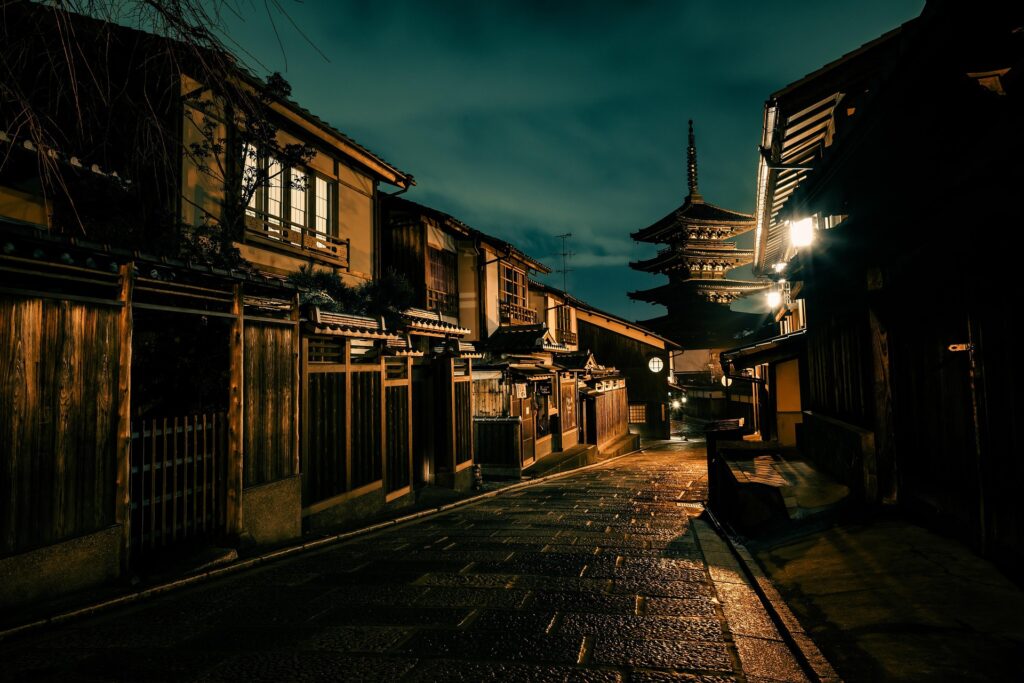
The simplest way to beat the crowds at Kyoto’s most famous sights is to visit when most travelers are still sleeping, eating breakfast, or having dinner. This is also the best time to plan some of the best things to do in Kyoto early in the morning.
Arashiyama Bamboo Grove — Aim for 6:30 AM
The Arashiyama Bamboo Grove is free to enter and can be visited at any time of day. If you arrive in the middle of the day, however, the main path is often packed with tour groups, selfie sticks, and slow-moving crowds.
- The reality: Crowds usually start building in the morning and become much heavier by mid-morning, especially on weekends and during cherry blossom or autumn foliage seasons.
- The solution: Arrive around 6:30 AM to 7:00 AM if you want a calmer walk and a better chance of photos without a wall of people.
- Access: Take the JR Sagano Line from Kyoto Station to Saga-Arashiyama Station, then walk about 10 minutes to the bamboo grove. Early trains normally start running in the 5:00 AM hour, but always check the latest schedule before your visit.
Weekday mornings are usually better than weekends. If you are visiting in peak season, do not expect the grove to be completely empty, but arriving early still makes a major difference.
Kiyomizu-dera Temple — Use the 6:00 AM Opening
Kiyomizu-dera is one of Kyoto’s most famous temples, but it has one huge advantage for crowd-avoidance: it opens very early. In 2026, the temple’s official schedule lists a 6:00 AM opening, with closing times varying by season and special events.
Arriving close to 6:00 AM lets you enjoy the wooden stage, city views, and temple approach before the main daytime crowds arrive. You will still need to walk uphill to reach the temple, but the reward is a much calmer experience than visiting late morning or early afternoon.
Expect standard temple admission, and check the latest fee before visiting because prices can change. Recent visitor information lists adult admission at around ¥500, but do not rely on old blog posts or screenshots for final pricing.
Kiyomizu-dera Night Illuminations in 2026
Kiyomizu-dera also offers special evening openings several times a year. These are not “empty” events, but they give you another option outside the busiest daytime hours and are a memorable part of exploring Kyoto after dark.
- Spring special night viewing: March 27 to April 5, 2026, open until 9:30 PM with last entry at 9:00 PM.
- Summer special night viewing: August 14 to August 16, 2026, open until 9:30 PM with last entry at 9:00 PM.
- Autumn special night viewing: November 21 to November 30, 2026, open until 9:30 PM with last entry at 9:00 PM.
Night illuminations can still be busy, especially in spring and autumn. If your goal is quiet rather than atmosphere, the 6:00 AM opening is usually the better choice.
Fushimi Inari Taisha — Visit Very Early or After Sunset
Fushimi Inari Taisha, famous for its thousands of vermilion torii gates, is open at all hours and does not charge an admission fee. During the day, the lower gate paths can be extremely congested. Very early morning is the safest quiet option, while night visits offer a completely different atmosphere.
After sunset, the shrine becomes quieter and more mysterious, with the torii gates and shrine buildings softly lit in places. However, the mountain paths are uneven, and the upper sections can feel dark and isolated. Do not assume the entire trail is bright, busy, or easy to navigate at night.
If you visit alone after dark, stay aware of your surroundings, wear sturdy shoes, and consider turning back before the route feels too quiet or poorly lit. For many travelers, the lower and middle sections are enough to enjoy the atmosphere without pushing all the way to the summit.
Who this is for: Travelers who want the atmosphere of Fushimi Inari at night, prefer the company of a guide, and want cultural context rather than just photos.
Who this is not for: Travelers who want to hike completely alone to the very top of the mountain. Guided night tours usually focus on the main shrine area and selected torii paths, not a full dark summit hike.
👉 Check availability for the Kyoto Fushimi-Inari Night Walking Tour
Strategy 2: Avoid the Most Crowded Bus Routes
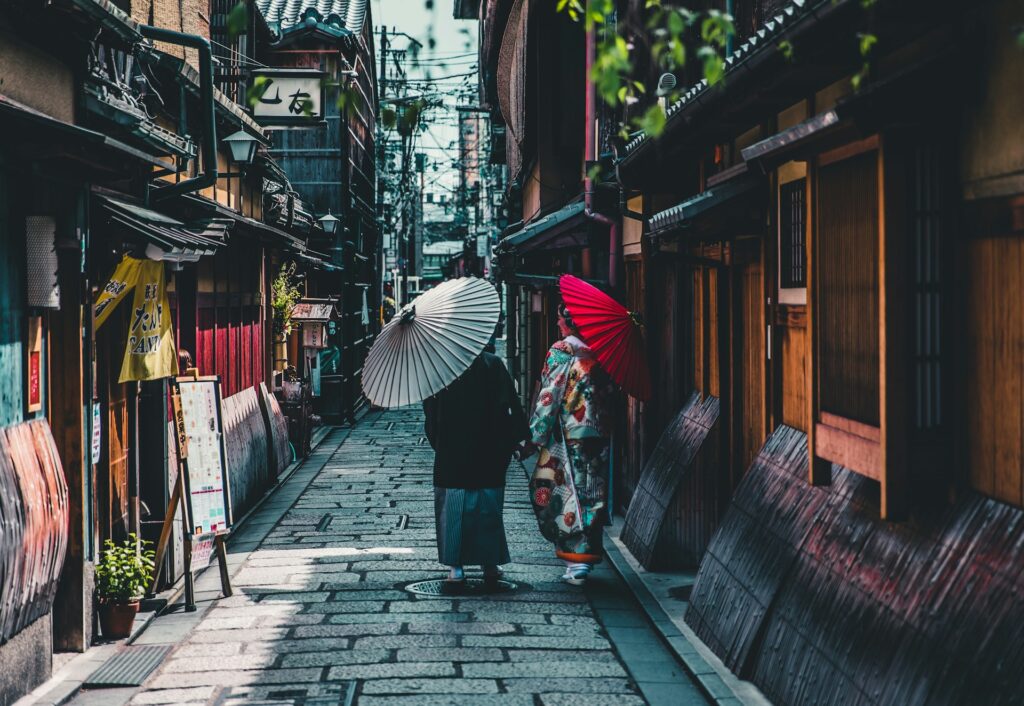
If you cannot wake up before sunrise but still want to visit major daytime sights like Kiyomizu-dera, Ginkaku-ji, and the Philosopher’s Path, your biggest problem may not be the temples themselves. It may be getting between them.
Kyoto’s popular bus routes can become extremely crowded, especially around Higashiyama, Gion, Kiyomizu-dera, and Ginkaku-ji. At busy times, you may face long lines, slow boarding, standing-room-only rides, and buses that are too full to be comfortable.
As of the latest available transport information, regular city bus fares in the central flat-fare zone are still far cheaper than guided tours, while sightseeing express buses cost more. Kyoto has also been discussing future fare changes and crowd-control measures, so always check current city transport information before relying on old bus fare details.
DIY Public Bus vs. Crowd-Avoidance Guided Tour
| Feature | DIY by Public Bus | Guided Walking Route |
|---|---|---|
| Stress Level | Can be high during peak hours, especially at major tourist stops. | Lower, because you follow a planned route with local guidance. |
| Time Efficiency | Good when buses are quiet, poor when routes are congested. | Often better for short trips when you do not want to figure out transfers. |
| Cost | Cheaper per ride, but delays can cost time and energy. | More expensive, but can be worth it if you have limited time in Kyoto. |
| Sightseeing Quality | You may stick to the same crowded streets as everyone else. | A guide can use quieter side streets and explain what you are seeing. |
A guided tour is not automatically “better” than DIY. If you are on a strict budget and have extra time, public transport still works. But if you only have one or two days in Kyoto, avoiding crowded buses can be worth paying for.
Who this is for: Travelers who want to see major Kyoto highlights with less route-planning stress, especially during busy seasons.
Who this is not for: Budget travelers who prefer to keep transport costs low and do not mind waiting, walking, or changing plans.
Before booking: Check the current start time, meeting point, review count, cancellation policy, and what is included. Tour details and prices can change by date.
👉 Check availability for the Kyoto: Crowd-Free Tour of Kiyomizu & Ginkaku-ji Temples
Strategy 3: Explore Kyoto’s Hidden Gems
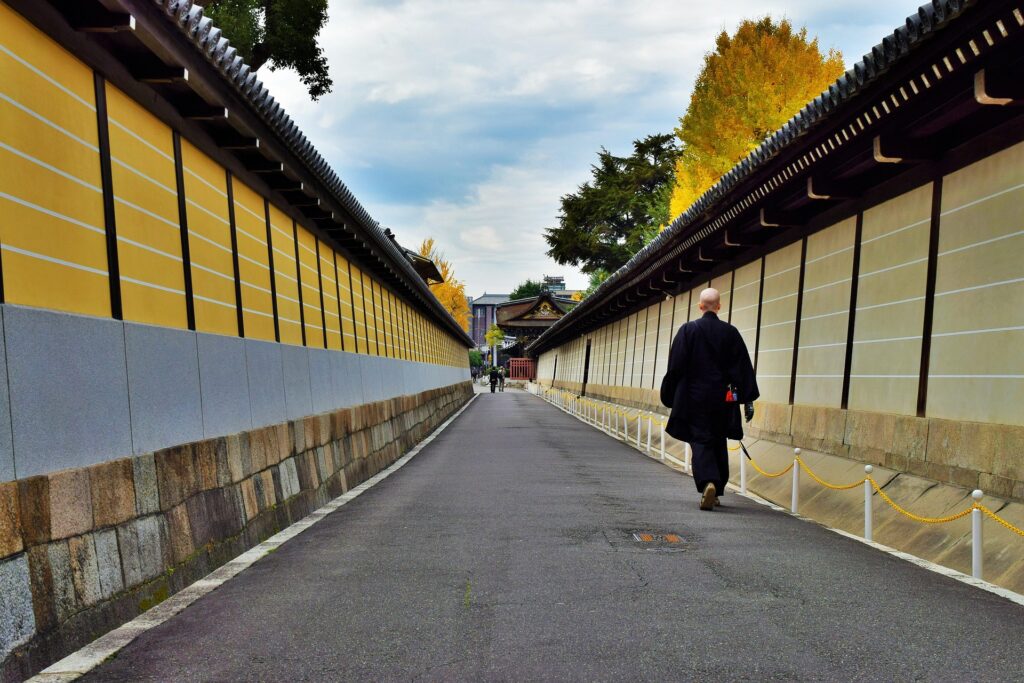
Kyoto has far more than its most famous temples. You do not need to squeeze into the same three or four headline sights to experience Japanese history, gardens, gates, and quiet temple architecture. By shifting your focus to less famous places, you can find a more peaceful side of the city.
For more ideas, see our full guide to hidden gems in Kyoto to avoid crowds.
Kurodani Temple / Konkai Komyoji
Konkai Komyoji, often called Kurodani, sits on a hill in eastern Kyoto. It has a large wooden gate, spacious temple grounds, and a much calmer atmosphere than many of the headline sights nearby.
The temple has historical importance, including connections to the Shinsengumi in the late Edo period, but it remains much less crowded than places like Kiyomizu-dera or Fushimi Inari. The outer grounds are generally free to explore, while special viewings, halls, or gardens may require a separate fee depending on the season.
- Best for: Quiet temple grounds, large wooden architecture, and views over Kyoto.
- Best time to visit: Morning, especially if you want the calmest atmosphere.
- Important note: Special viewing areas, halls, and gardens may have separate opening hours and fees, so check current details before planning your visit around them.
Daitoku-ji Temple Complex — Zen Gardens Without the Biggest Crowds
If your goal is to sit quietly near a Zen garden, Daitoku-ji is one of the best alternatives to Kyoto’s most crowded temple routes. It is a large walled complex in northern Kyoto with multiple sub-temples, some of which are open to visitors.
Instead of treating Daitoku-ji as one single attraction with one ticket, think of it as a temple complex. The main grounds are generally free to walk through, but individual sub-temples set their own opening hours, rules, and admission fees. Some may close temporarily or open only for special periods.
- Best for: Zen gardens, slower travel, and repeat visitors to Kyoto.
- Typical visit style: Choose one or two sub-temples rather than trying to see everything.
- Important note: Sub-temple hours and fees vary. Check the specific temple you want to visit before going.
Bonus Strategy: Rent a Bicycle Instead of Taking the Bus
Another practical way to avoid Kyoto’s crowded buses is to skip them for part of the day. Central Kyoto and many eastern areas are relatively manageable by bicycle, and electric bicycle rentals are widely available.
A bike can be especially useful for linking quieter temples, cafes, riverside areas, and early-morning stops. It also gives you flexibility if a bus stop looks too crowded. However, cycling is not ideal for everyone. Kyoto has narrow streets, busy intersections, pedestrian-heavy areas, and some uphill approaches near temples.
- Good for: Confident cyclists, repeat visitors, and travelers who want flexibility.
- Not ideal for: Nervous cyclists, families with very young children, heavy rain days, or travelers uncomfortable riding in city traffic.
- Safety tip: Use proper parking areas. Do not leave rental bikes randomly near temples, shops, or station entrances.
Quick Comparison: Which Crowd-Avoidance Strategy Fits You?
| Traveler Type | Best Strategy | Why |
|---|---|---|
| Early riser / photographer | Time-Shifting | You want calmer photos and can handle a 6:00 AM to 7:00 AM start. |
| First-time visitor | Early start + guided route | You can see one famous site early, then avoid getting stuck in the busiest transit flow. |
| Short on time | Guided tour | You reduce route-planning stress and make better use of limited sightseeing hours. |
| Return visitor / slow traveler | Hidden gems | You can skip the headline sights and enjoy quieter temples and neighborhoods. |
| Budget traveler | Early mornings + DIY transport | Most early visits cost only standard admission or nothing at all. |
| Solo traveler | Early morning for major sites; guided tour for night visits | You get quieter conditions without pushing too far into dark or isolated areas alone. |
| Family with kids | Short early visit + flexible transport | One early landmark can work well, but long waits for crowded buses can drain everyone quickly. |
Seasonal Tips for Avoiding Crowds in Kyoto
Cherry Blossom Season
Late March to early April is one of Kyoto’s busiest periods. Even early mornings can feel busier than usual, especially around famous cherry blossom areas. If you visit during sakura season, combine strategies: arrive early for one famous spot, use quieter side streets, and avoid trying to pack too many headline sights into one day.
Kiyomizu-dera’s spring night viewing in 2026 runs from March 27 to April 5. It is atmospheric, but it is not a secret. Go for the mood and lights, not because you expect it to be empty.
Autumn Foliage Season
Mid to late November is another major crowd period. Kiyomizu-dera’s 2026 autumn night viewing is scheduled for November 21 to November 30, with evening opening until 9:30 PM and last entry at 9:00 PM.
Autumn nights can still draw large crowds. If you want a quieter foliage experience, consider less famous temples, northern Kyoto, or early morning visits rather than relying only on evening illuminations.
Rainy Days
Rain does not always ruin a Kyoto crowd-avoidance plan. Light rain can actually reduce crowds, especially in the early morning. Arashiyama Bamboo Grove can feel more atmospheric in mist or drizzle, and temple gardens often look beautiful in wet weather.
- Bring an umbrella or light rain jacket.
- Wear shoes with good grip because temple paths and stone steps can become slippery.
- Choose covered verandas, gardens, cafes, and shorter walking routes if rain becomes heavy.
- Be flexible with outdoor night plans if visibility or footing feels poor.
Frequently Asked Questions
Is Fushimi Inari safe to visit at night?
Fushimi Inari is accessible at night, and many travelers do visit after sunset. However, the mountain paths can be uneven, dim, and quiet as you climb higher. If you are uncomfortable in dark or isolated places, stay in the lower sections or join a guided night walk rather than attempting the full route alone.
What time should I visit Arashiyama Bamboo Grove to avoid crowds?
Aim for around 6:30 AM to 7:00 AM. You may still see other early visitors, especially in peak seasons, but the experience is usually much calmer than mid-morning or afternoon. Weekdays are generally better than weekends.
Is Kiyomizu-dera better in the morning or at night?
For fewer crowds, early morning is usually better. The 6:00 AM opening gives you a valuable head start before tour groups and day visitors arrive. Night illuminations are beautiful but can still be crowded during spring and autumn.
Do I need to book Kyoto guided tours in advance?
During cherry blossom season, autumn foliage season, weekends, and holiday periods, popular small-group tours can fill up earlier than expected. Check availability once your Kyoto dates are fixed, especially if the tour is a key part of your itinerary.
Can I avoid Kyoto crowds without paying for a tour?
Yes. The cheapest strategy is to start early, use trains where possible, walk more, and choose quieter temples instead of only the most famous landmarks. A tour is most useful when you are short on time, nervous about routes, or want a guided night experience.
Is Kyoto still worth visiting despite the crowds?
Yes. Kyoto is still worth visiting, but it rewards travelers who plan carefully. If you follow the standard mid-morning sightseeing route, you may feel overwhelmed. If you shift your timing and choose your routes carefully, the city can still feel calm, beautiful, and deeply memorable.
Final Verdict: The Best Way to Avoid Crowds in Kyoto
Choose early mornings if you want the cheapest and most reliable way to avoid the worst crowds. Kiyomizu-dera around opening time, Arashiyama Bamboo Grove around 6:30 AM, and Fushimi Inari before breakfast are all strong choices.
Choose a guided tour if you have limited time, dislike crowded buses, want local context, or prefer not to navigate quiet areas alone at night. Always check the current start time, meeting point, inclusions, price, and reviews before booking.
Choose hidden gems if you have already seen Kyoto’s major sights, want a slower trip, or simply prefer quiet temple grounds over famous photo spots.
For most travelers, the best Kyoto crowd-avoidance plan is simple: wake up early for one major landmark, avoid the busiest bus routes when possible, and give yourself permission to skip famous places when they no longer sound enjoyable.
Planning a crowded-season Kyoto trip? Compare the latest start times, inclusions, prices, reviews, and cancellation policies before building your itinerary around a tour.
Opening hours, admission fees, transport fares, bus routes, tour prices, tour inclusions, review counts, seasonal events, and special night-viewing schedules can change. Always check official sources and your selected booking page before finalizing your Kyoto itinerary.
Hi, I’m Kai. I’m a Tokyo-based travel writer, tourism industry insider, and the author of a published guidebook for international visitors to Japan. With over 10 years of professional experience at a leading Japanese tourism company, my mission is to help you skip the tourist traps and navigate Japan’s best destinations like a local. I believe the perfect day trip is like a traditional kaiseki meal: a beautiful balance of precise planning and unforgettable seasonal discovery. When I’m not out conducting field research, you’ll usually find me drafting new itineraries with one of my favorite fountain pens!