
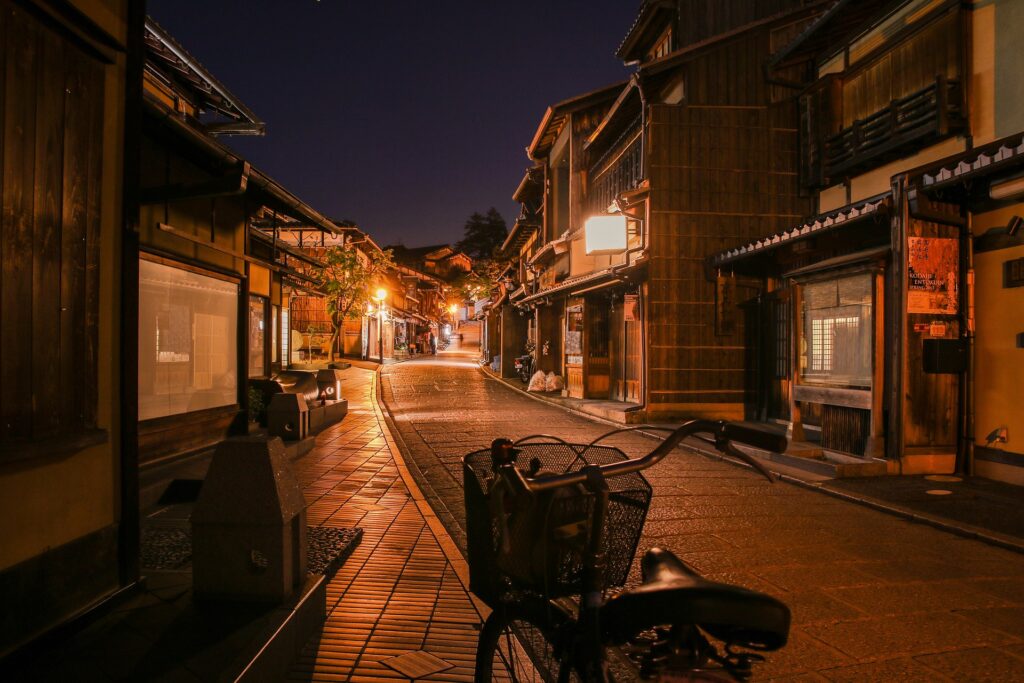
Waking up at 4:30 AM because of jet lag can feel miserable—until you realize it is your ultimate superpower in Kyoto. While the city’s famous temples, shrines, and old streets become crowded later in the day, the early morning hours offer a very different Kyoto: quieter paths, softer light, and a calmer atmosphere.
Quick Answer: Kyoto Early Morning Essentials
- Best 24-hour-style spots: Fushimi Inari Taisha and Yasaka Shrine are the easiest early morning choices. The main Arashiyama Bamboo Grove path is also generally accessible early, but nearby temples and gardens have their own opening hours.
- Best temple opening: Kiyomizu-dera usually opens at 6:00 AM, making it one of Kyoto’s best major temples for early risers.
- Best arrival window: Aim for around 6:00–7:00 AM if you want a much better chance of quiet photos before tour groups and day visitors arrive.
- The catch: Public transport runs early, but frequency can be limited before the morning rush. Combining several distant sights by yourself can be harder than it looks.
- Best for: Jet-lagged travelers, photographers, first-time visitors, and anyone who wants to enjoy Kyoto before the crowds build.
Why Early Morning Is the Best Time to Explore Kyoto
Kyoto rewards early risers. By mid-morning, famous areas such as Ninenzaka, Sannenzaka, Fushimi Inari, Arashiyama, and Kinkaku-ji can feel busy, especially during cherry blossom season, autumn foliage season, weekends, and holidays. Before breakfast, however, the city often feels slower and more atmospheric.
If you are arriving from North America or Europe, jet lag may wake you before sunrise anyway. Instead of lying in bed waiting for cafes and shops to open, you can use those first hours to see a quieter side of Kyoto that many visitors miss.
When Do the Crowds Usually Arrive?
- Fushimi Inari Taisha: The lower torii gate area can start filling up from around 7:00–7:30 AM, with heavier crowds later in the morning.
- Arashiyama Bamboo Grove: The path gets busy quickly after breakfast time. Arriving before 7:00 AM gives you a much better chance of a quieter walk.
- Kiyomizu-dera: The 6:00 AM opening gives early visitors a peaceful window before the surrounding streets become crowded.
- Kinkaku-ji: The Golden Pavilion is not a pre-7 AM attraction. It generally opens at 9:00 AM, so treat it as a later morning stop.
If waking up at dawn is not your style, exploring Kyoto at night is another excellent strategy to avoid the daytime rush.
Top Things to Do in Kyoto Early Morning Before 8 AM
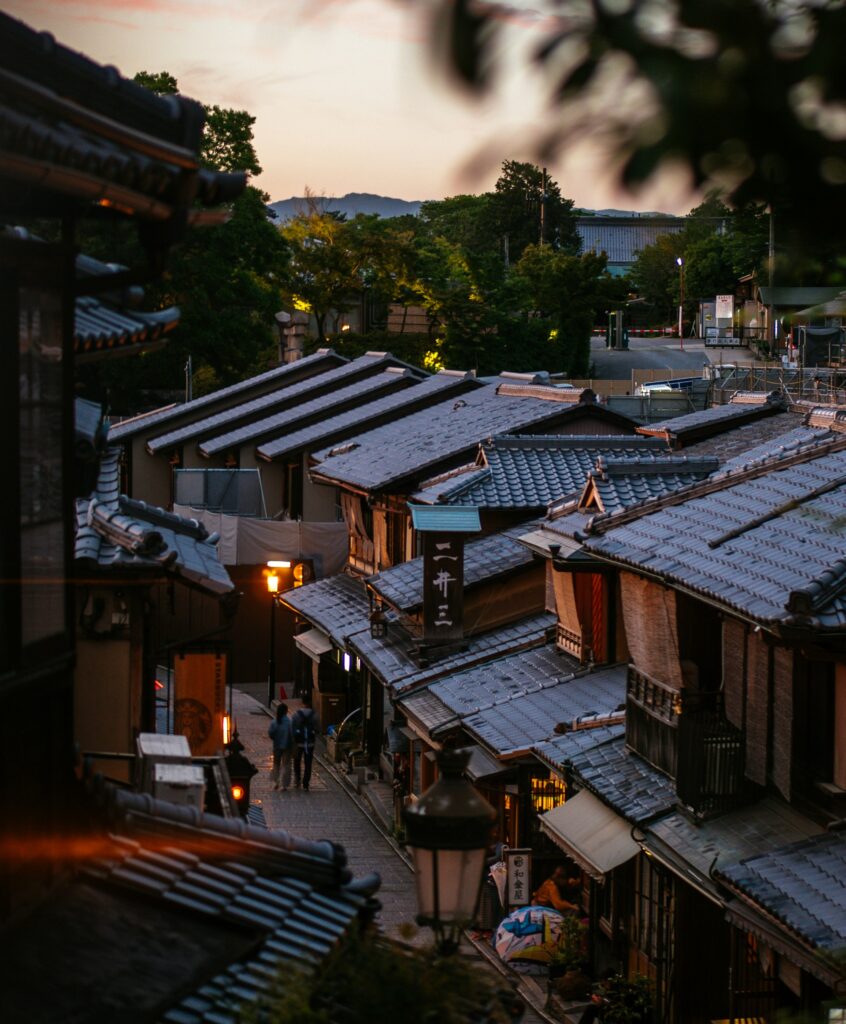
Not all temples open early. Many standard attractions open around 8:30 AM or 9:00 AM, so your early morning plan needs to focus on places that are actually accessible before the city fully wakes up.
1. Fushimi Inari Taisha
Fushimi Inari Taisha is one of Kyoto’s best early morning spots. The shrine grounds are generally accessible at all hours, and there is no admission fee to walk through the famous vermilion torii gates. Shops, shrine offices, and prayer services may operate on separate schedules, but the main walking route is a strong choice for sunrise or a very early start.
Arriving around 6:00 AM gives you a much better chance of walking the lower trails in relative peace, especially outside peak cherry blossom and autumn foliage periods. It does not guarantee empty paths, but it is dramatically calmer than visiting later in the day.
Photo tip: Walk at least 10–15 minutes up the main trail before stopping for photos. Many visitors cluster near the entrance, while the path becomes quieter as you climb. A slightly low angle can make the torii gates look taller and help reduce people in the background.
Practical note: Use the restroom before starting the mountain trail. Carry water if you plan to climb beyond the lower gate area.
2. Kiyomizu-dera Temple
Kiyomizu-dera is one of the rare major Kyoto temples that opens very early, usually at 6:00 AM. This makes it a strong choice for travelers staying near Higashiyama, Gion, or Kawaramachi. Standing on the wooden stage while the city slowly wakes up is one of Kyoto’s most memorable early morning experiences.
Admission is typically paid at the gate. The adult fee is commonly listed as ¥500, but prices and special viewing periods can change, so check the official temple information before your visit. Carry cash as a backup for temple admissions, small shops, and older cafes.
Photo tip: Start with the main stage, then walk toward the areas that give you a view back toward the temple buildings. Early light can be beautiful, but cloudy or rainy mornings can still feel atmospheric.
For a detailed map of the grounds and other strategic times to visit, check out our complete Kiyomizu-dera guide.
3. Arashiyama Bamboo Grove
Arashiyama Bamboo Grove is one of Kyoto’s most famous photo spots, but it is also one of the easiest places to ruin by arriving too late. The main bamboo path is generally accessible early in the morning, while nearby temples, gardens, villas, shops, and managed paths have their own opening hours.
For the best atmosphere, aim to arrive before 7:00 AM. The path is narrow, so even a modest number of people can make it feel crowded. Early morning is your best chance for a quieter walk and cleaner photos.
Photo tip: Shoot vertically to emphasize the height of the bamboo. Avoid blocking the path for long photo sessions, even early in the morning.
Getting there early matters: Arashiyama is on the western side of Kyoto, so combining it with Fushimi Inari or Kiyomizu-dera in the same early morning requires careful planning. If you are trying to link distant sights, see our guide on how to get from Fushimi Inari to Arashiyama.
4. Yasaka Shrine
Yasaka Shrine, located near Gion, is another useful early morning stop. The shrine grounds are generally open for worship at all hours, although the shrine office and services operate on separate daytime hours. It is less dramatic than Fushimi Inari, but it works well if you are staying near Gion or walking toward Kiyomizu-dera.
Early morning is especially pleasant here because the surrounding Gion area is much quieter before shops, cafes, and tour groups appear.
DIY vs Guided Early Morning Tour
Knowing where to go is easy. Figuring out how to connect several places efficiently before 8:00 AM is the hard part. Kyoto has trains, subways, buses, and taxis, but early morning frequency is lower than during peak hours. If you miss one connection, your schedule can slip quickly.
| Feature | DIY Early Morning | Guided Early Morning Tour |
|---|---|---|
| Transportation | You must check early train, subway, bus, or taxi options yourself. | The guide helps manage route order, timing, and transfers. |
| Efficiency | Best for 1–2 areas unless you plan carefully. | Better for travelers who want to cover several major sights in one morning. |
| Cultural Context | You rely on guidebooks, maps, and your own research. | A live English-speaking guide can explain the history, religion, and local context. |
| Stress Level | Higher if you are jet-lagged, sleep-deprived, or unfamiliar with Kyoto transit. | Lower, because you follow a set route and meeting point. |
| Best For | Flexible travelers, repeat visitors, and people who enjoy planning. | First-time visitors, photographers, and travelers with limited time. |
If your goal is to enjoy one quiet place deeply, DIY works very well. If your goal is to connect multiple big-name sights before the crowds build, a guided early morning tour can reduce schedule stress and help you avoid wasting time on transfers.
English-speaking guide options may include Fushimi Inari, Arashiyama and Kinkaku-ji. Always confirm the latest route, meeting point, inclusions and cancellation policy before booking.
Where to Eat Breakfast Early in Kyoto
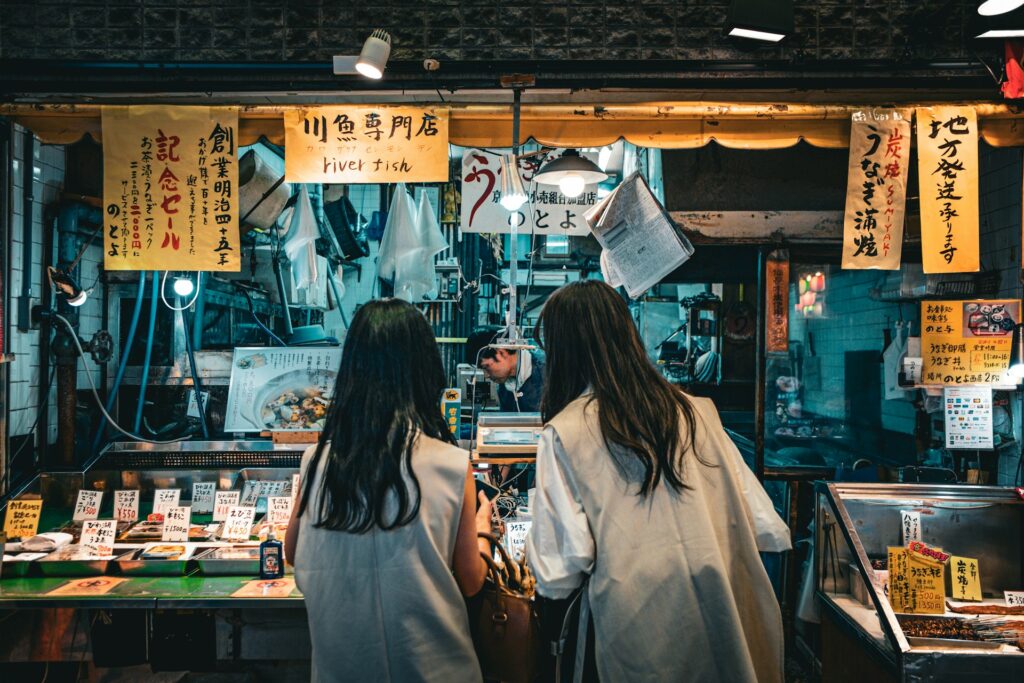
One of the biggest challenges of exploring Kyoto before 8:00 AM is finding breakfast. Many local cafes, restaurants, and sweets shops open later in the morning. If you are starting before sunrise, plan your first coffee or meal in advance.
- Kyoto Station area: Ogawa Coffee has Kyoto Station-area branches, including shops that are useful for an early coffee or toast set. Check the exact branch and current hours before walking over.
- Downtown / Karasuma area: Inoda Coffee Honten is a classic Kyoto coffee shop and is commonly listed with a 7:00 AM opening. It is a good choice if you want a more traditional cafe breakfast after your first stop.
- Shijo Karasuma area: Shinpachi Shokudo Shijo Karasuma is useful if you want a simple Japanese set meal early in the morning. Check current hours and menu prices before relying on it.
- Near Kiyomizu-dera: Most Higashiyama shops are closed very early. Starbucks Coffee Kyoto Ninenzaka Yasaka Chaya usually opens later than Kiyomizu-dera, so it works better after a 6:00 AM temple visit than before one.
Convenience Store Strategy
Do not underestimate Japan’s convenience stores. 7-Eleven, FamilyMart, and Lawson are useful for onigiri, sandwiches, boiled eggs, yogurt, bottled drinks, and hot coffee before cafes open. It is not a fancy Kyoto breakfast, but it is reliable, quick, and perfect for a jet-lagged morning.
Be respectful about where you eat. Avoid eating while walking through shrine or temple grounds unless it is clearly acceptable, and always take your trash with you until you find a proper bin.
Early Morning Kyoto Itineraries
The key to a successful early morning in Kyoto is not trying to do everything. Pick a route that matches your energy level, hotel location, and transport confidence.
Option 1: DIY Itinerary for a Relaxed Morning
- 5:30 AM: Pick up coffee, water, and a light breakfast from a convenience store near your hotel.
- 6:00–7:30 AM: Visit Fushimi Inari Taisha or Kiyomizu-dera, depending on where you are staying.
- 7:30–8:30 AM: Head to a nearby cafe, Kyoto Station, or your next neighborhood for breakfast.
- After 8:30 AM: Add a second nearby stop rather than crossing the entire city.
Best for: Travelers who want flexibility, low cost, and a calm start. Trade-off: You will probably cover fewer major sights.
Option 2: DIY Itinerary for Photographers
- Before sunrise: Travel to Arashiyama or Fushimi Inari, whichever is more important for your photos.
- Sunrise to 7:30 AM: Focus on one location instead of rushing between distant sights.
- After 8:00 AM: Move to breakfast or a nearby temple that opens later.
Best for: Travelers who care more about one strong photo location than checking off a long list.
Option 3: Guided Tour Itinerary for Maximum Efficiency
- Early morning: Meet your guide at the designated meeting point.
- First stop: Visit a major early-access location such as Fushimi Inari before the heaviest crowds arrive.
- Mid-morning: Continue to other major areas such as Arashiyama or Kinkaku-ji, depending on the tour route and opening hours.
- Late morning or midday: Finish with the rest of your day free for lunch, rest, or slower sightseeing.
Best for: First-time visitors, families with limited time, and travelers who do not want to manage early transfers while jet-lagged. Trade-off: You follow a fixed route and group pace.
Essential Tips for Early Morning Kyoto Exploration
Navigating Limited Public Transport
Kyoto’s trains, subways, and buses start early, but frequency can be limited before the morning rush. Always check your route the night before using a reliable transit app and, when possible, confirm with the official operator schedule.
Taxis can help, but do not assume you can easily flag one down on an empty street at 5:30 AM. Taxi apps such as GO or Uber may be useful, but availability can vary by area and time.
If you are combining distant spots like Fushimi Inari in the south and Arashiyama in the west, leave buffer time. The travel time on paper may look simple, but waiting time and transfers can make the morning feel rushed.
Seasonal Clothing and What to Pack
- Winter: Early mornings can be cold, especially on temple hillsides and shaded paths. Wear a warm coat, gloves, and comfortable shoes.
- Spring and autumn: Mornings can feel much cooler than midday. A light jacket or fleece is useful.
- Summer: Early morning is the most comfortable part of the day, but humidity rises quickly. Bring water and sun protection.
- Rainy season and typhoon season: Carry a compact umbrella or light rain jacket. Stone steps and shrine paths can become slippery.
- Footwear: Wear comfortable walking shoes. Fushimi Inari has slopes and stairs, while many temple areas have gravel, stone, or uneven paths.
Toilets and Facilities for Early Birds
Facilities are more limited early in the morning, so plan ahead. Use your hotel restroom before leaving, and do not assume every cafe or shop will be open when you need it.
- Fushimi Inari Taisha: Restrooms are available around the main shrine area, but use them before climbing higher.
- Arashiyama: Public toilets and station facilities are useful, but opening conditions may vary by location.
- Kiyomizu-dera: Facilities are available once the temple grounds are open.
- Convenience stores: Some have toilets, but not all do. Buy something small if you use the facilities.
Respect Quiet Neighborhoods
Many famous Kyoto sights sit beside residential streets. At 6:00 AM, locals may still be sleeping. Speak softly, avoid dragging noisy rolling luggage, do not block narrow lanes, and never step onto private property for a photo.
The whole point of early morning Kyoto is the quiet. Help keep it that way.
Rainy Day Early Morning Plan
Rain does not automatically ruin an early morning in Kyoto, but it should change your expectations.
- Fushimi Inari: The wet torii gates can look beautiful, but stone steps may be slippery.
- Arashiyama Bamboo Grove: Light rain can be atmospheric, but heavy rain and umbrellas make the narrow path less enjoyable.
- Kiyomizu-dera: Misty or rainy mornings can still be beautiful, though city views may be limited.
- Indoor backup: Kyoto Station is useful for shelter, breakfast, coin lockers, and waiting for museums, shops, or other indoor attractions to open later.
Common Mistakes to Avoid
- Trying to cross the whole city before 8:00 AM. Kyoto looks compact on a map, but early transfers can be slow.
- Assuming every famous place is open early. Many temples and gardens open around 8:30 AM or 9:00 AM.
- Expecting empty photos just because it is morning. Early arrival improves your chances, but it does not guarantee crowd-free conditions.
- Forgetting breakfast. Many cafes open later than travelers expect. Have a convenience store backup.
- Relying only on card payments. Carry cash for temple admissions, small shops, lockers, and backup transport.
- Bringing rolling luggage through quiet streets. The noise carries, especially in Higashiyama and residential lanes.
- Ignoring weather. Wet stone, summer humidity, and winter cold can all affect your pace.
Is a Kyoto Early Morning Tour Worth It?
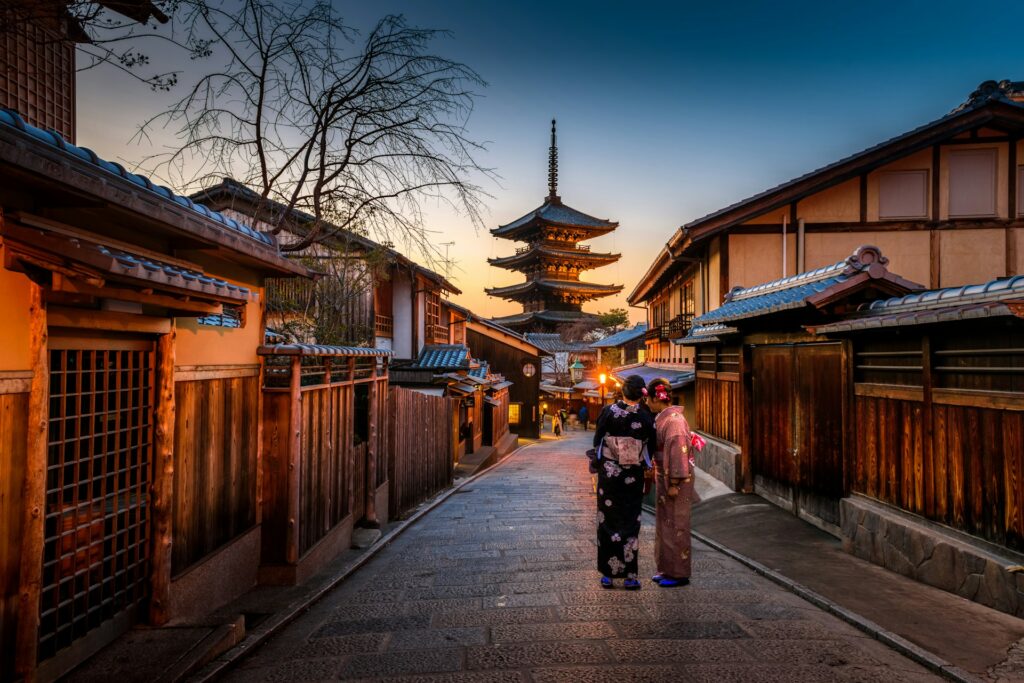
A Kyoto early morning tour is worth considering if you want to cover multiple major sights with less stress. The value is not only the guide’s explanation—it is also the logistics. When you are jet-lagged and trying to move across Kyoto before the crowds arrive, having a set route can make the morning much easier.
Choose a guided early morning tour if:
- You naturally wake up early because of jet lag.
- You want to photograph iconic places before the busiest hours.
- You have limited time in Kyoto and want an efficient first morning.
- You feel anxious about early trains, buses, transfers, or taxis.
- You want cultural context instead of just taking photos and leaving.
Skip the tour if:
- You prefer to move slowly and spend a long time in one place.
- You enjoy planning routes and using local transport independently.
- You have mobility concerns, because early morning routes may involve stairs, slopes, long walks, and public transit.
- You want to sleep in and start sightseeing after breakfast.
Before booking, check the current tour page carefully. Confirm the meeting point, start time, route order, included sights, transport style, walking distance, cancellation policy, and whether entrance fees are included.
Confirm the latest start time, price, route, inclusions and cancellation terms before booking.
Frequently Asked Questions About Early Morning Kyoto
Is it safe to walk around Kyoto early in the morning?
Kyoto is generally a safe city, and early morning walks around major sightseeing areas can feel very peaceful. Still, use normal travel precautions: keep your phone charged, know your route, avoid poorly lit shortcuts, and stay aware of your surroundings.
Are trains and buses running before 6 AM in Kyoto?
Some services run early, but frequency can be limited and it depends on the line, route, and station. Check your exact route the night before instead of assuming frequent service. If one connection is missed, your schedule may shift more than expected.
What Kyoto temples or shrines are open very early?
Fushimi Inari Taisha and Yasaka Shrine are the easiest shrine choices for very early visits. Kiyomizu-dera is one of the best major temples for early risers because it usually opens at 6:00 AM. Most other temples, gardens, and villas open later in the morning.
Can I visit Arashiyama Bamboo Grove at sunrise?
The main bamboo grove path is generally accessible early, so sunrise can be a good time to visit. However, nearby temples, gardens, villas, shops, and managed paths have separate opening hours. If you want to visit more than the bamboo path, check the individual facilities first.
Where can I find breakfast before 8 AM in Kyoto?
Your safest backup is a convenience store. For cafes and restaurants, Kyoto Station, Karasuma, and central Kyoto usually offer more options than temple districts. Always check current opening hours because cafe schedules can change by branch, season, and holiday.
What should I wear for early morning sightseeing in Kyoto?
Wear comfortable walking shoes year-round. In winter, bring warm layers. In spring and autumn, bring a light jacket. In summer, bring water and sun protection even if the morning feels pleasant. For rainy mornings, use shoes with decent grip because stone steps can become slippery.
Is a guided early morning tour worth the cost?
It can be worth it if you want to cover several major sights in one morning without managing early transport yourself. The main value is convenience, timing, and context. If you only want one quiet location and enjoy planning, a DIY morning may be better.
Prices, opening hours, transport schedules, pass conditions, tour inclusions, payment methods, seasonal operations, and crowd levels can change. Always check official sources and your selected booking page before finalizing your trip.
Hi, I’m Kai. I’m a Tokyo-based travel writer, tourism industry insider, and the author of a published guidebook for international visitors to Japan. With over 10 years of professional experience at a leading Japanese tourism company, my mission is to help you skip the tourist traps and navigate Japan’s best destinations like a local. I believe the perfect day trip is like a traditional kaiseki meal: a beautiful balance of precise planning and unforgettable seasonal discovery. When I’m not out conducting field research, you’ll usually find me drafting new itineraries with one of my favorite fountain pens!