
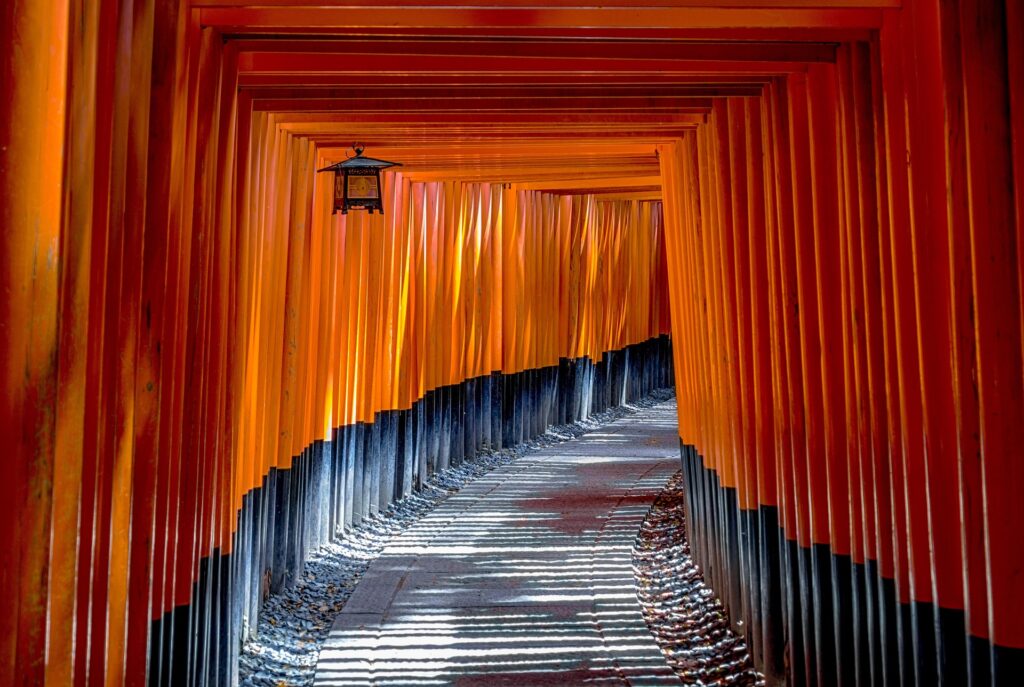
If you are planning to visit both Fushimi Inari Taisha and Arashiyama in one day, the easiest route for most travelers is by JR train via Kyoto Station. The total trip usually takes about 35 to 45 minutes, costs around 240 JPY, and is fully covered by the Japan Rail Pass.
The recommended route is simple: take the JR Nara Line from Inari Station to Kyoto Station, then transfer to the JR Sagano Line for Saga-Arashiyama Station. This guide explains the route step by step, compares alternative options, and gives you a realistic 1-day plan for seeing both areas without rushing.
Quick Answer
- Best public transport route: JR Inari Station → Kyoto Station → JR Saga-Arashiyama Station
- Total travel time: About 35 to 45 minutes including transfer and waiting time
- Standard fare: Around 240 JPY
- JR Pass: Yes, this JR-only route is covered
- Transfer difficulty: Easy to moderate because Kyoto Station is large
- Best order: Visit Fushimi Inari early, then continue to Arashiyama later in the morning
At a Glance
| What You Need to Know | Answer |
|---|---|
| Best route | JR Inari Station → Kyoto Station → JR Saga-Arashiyama Station |
| Best for most travelers | JR train |
| Train ride time only | About 20 to 25 minutes total |
| Real total journey time | About 35 to 45 minutes including walking, transfer, and waiting time |
| Fare | Around 240 JPY |
| JR Pass coverage | Covered on the JR route |
| Alternative route | Keihan + Hankyu, useful for some travelers staying around Gion or Kawaramachi |
| Taxi | Usually faster door to door, but much more expensive and traffic-dependent |
Best Route: JR Inari Station to JR Saga-Arashiyama Station
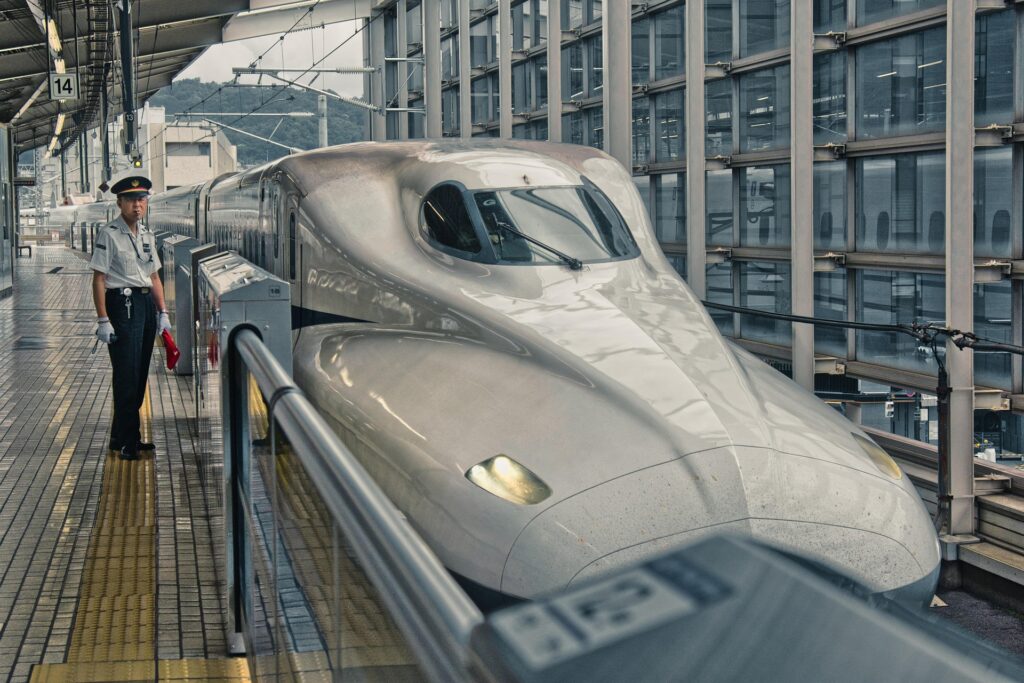
For most visitors, the JR route is the best balance of price, simplicity, and convenience. Both sightseeing areas are close to JR stations, and the transfer at Kyoto Station is straightforward once you know where to go.
Step 1: JR Inari Station to Kyoto Station
After visiting Fushimi Inari Taisha, walk to JR Inari Station, which is directly across from the main shrine entrance. From there, take a JR Nara Line train toward Kyoto Station.
- Travel time: Usually about 5 minutes
- Direction: Toward Kyoto
- Tip: Check the live departure board before boarding, because stopping patterns can change with timetable revisions
Older travel guides may warn that only Local trains stop at Inari Station. For a 2026 trip, do not rely only on old advice. The safest rule is to check the station display and board a train that clearly lists Kyoto as a stop.
Step 2: Transfer at Kyoto Station
At Kyoto Station, transfer from the JR Nara Line to the JR Sagano Line, also known as the Sanin Main Line. This is the only part of the route that can feel slightly confusing, because Kyoto Station is large and the transfer is not usually a same-platform connection.
- JR Nara Line platforms: Usually platforms 8, 9, or 10
- JR Sagano Line platforms: Usually platforms 31, 32, or 33
- Walking time: Allow about 5 to 10 minutes between platforms
- Signage: Follow signs for JR Sagano Line, Sanin Line, or Saga-Arashiyama
The transfer is manageable for first-time visitors, but do not assume it will take only one or two minutes. If the station is crowded, build in a small buffer.
Step 3: Kyoto Station to JR Saga-Arashiyama Station
From the Sagano Line platforms, take a train heading toward Saga-Arashiyama, Kameoka, or Sonobe. Get off at JR Saga-Arashiyama Station.
- Travel time: Usually about 12 to 17 minutes depending on the service
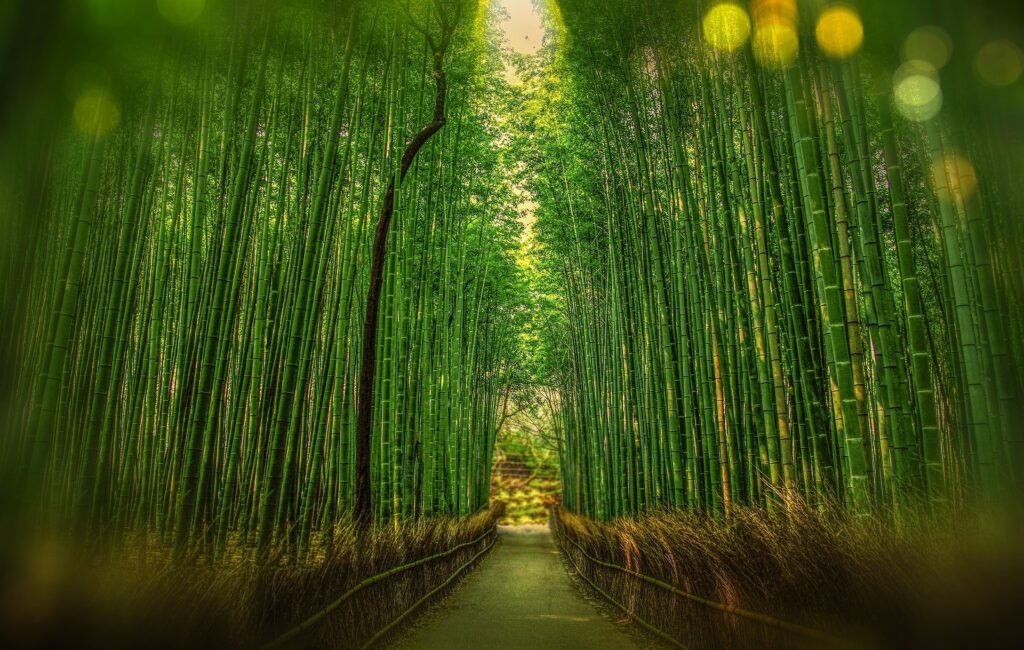
- After arrival: Walk about 10 to 15 minutes to the Arashiyama Bamboo Grove, Tenryu-ji area, and Togetsukyo Bridge area
- Best next stop: Go to the Bamboo Grove first if you arrive in the morning
If you want to add a scenic ride to your Arashiyama visit, the Sagano Romantic Train is a popular option. The standard one-way fare is typically 880 JPY for adults, but schedules, seat availability, and seasonal operations can change, so check the latest details before planning your afternoon around it.
Important Kyoto Station Transfer Tips
Kyoto Station is one of the busiest transport hubs in the city. The route from the Nara Line platforms to the Sagano Line platforms is clearly signed, but it involves walking through the station.
- Do not rush the transfer: Allow 5 to 10 minutes, especially with luggage or children.
- Follow the yellow station signs: Look for JR Sagano Line, Sanin Line, or Saga-Arashiyama.
- Use an IC card: Suica, Pasmo, Icoca, and other major IC cards are convenient for this route.
- Check the platform display: Train stopping patterns and departure platforms can change.
- Use the official timetable if timing matters: If you have a tour, lunch booking, or limited time, check the latest JR West timetable before you travel.
Alternative Routes Compared
The JR route is the easiest choice for most travelers, but it is not the only way to travel between Fushimi Inari and Arashiyama. Your best option depends on where you are staying, how much you want to walk, and whether you are prioritizing cost or convenience.
| Route | Typical Cost | Typical Time | Transfers | JR Pass? | Best For |
|---|---|---|---|---|---|
| JR Train | Around 240 JPY | About 35–45 min | 1 at Kyoto Station | Yes | Most travelers, JR Pass holders, simple navigation |
| Keihan + Hankyu | Usually higher than JR | Often about 45–60 min | 2 or more | No | Travelers staying around Gion, Sanjo, or Kawaramachi |
| Taxi | Several thousand yen, depending on traffic and route | Often faster door to door | 0 | No | Groups, families, limited mobility, heavy luggage |
JR Route
The JR route is the best default choice. It is cheap, easy to explain, covered by the Japan Rail Pass, and connects two convenient stations: Inari and Saga-Arashiyama.
- Choose this if: You want the best balance of cost, speed, and simplicity.
- Avoid this if: You strongly dislike large station transfers or are starting from the middle of downtown Kyoto.
Keihan + Hankyu Route
The Keihan + Hankyu option can make sense if you are staying around Gion, Sanjo, or Kawaramachi and want to avoid returning through Kyoto Station. However, it usually involves more transfers and is not covered by the JR Pass.
- Possible route: Fushimi-Inari Station on the Keihan Line → central Kyoto area → Hankyu Kyoto Line → Katsura → Hankyu Arashiyama Line
- Best for: Travelers already based in downtown Kyoto
- Important note: Hankyu Arashiyama Station is convenient for Togetsukyo Bridge and the riverside, but it is not necessarily the closest station to the Bamboo Grove.
Taxi
A taxi can be faster door to door, especially for a group, but it is much more expensive than the train and travel time depends heavily on traffic.
- Best for: Groups of 3 to 4, families with young children, travelers with heavy luggage, or visitors with limited mobility
- Downside: Cost can rise quickly in traffic
- Tip: Check a taxi app estimate before committing if price matters
Which Route Should You Choose?
Choose the JR Route If…
- You want the cheapest and simplest public transport route
- You have a Japan Rail Pass
- You are comfortable with one transfer at Kyoto Station
- You want to start very early at Fushimi Inari
- You are heading mainly to the Bamboo Grove, Tenryu-ji area, or central Arashiyama
Choose the Keihan + Hankyu Route If…
- You are staying around Gion, Sanjo, or Kawaramachi
- You prefer to avoid Kyoto Station
- You do not mind extra transfers
- You are mainly heading toward Togetsukyo Bridge or the riverside area
Choose a Taxi If…
- You are traveling as a group and can split the fare
- You have young children, heavy luggage, or mobility concerns
- You want the least walking between transport and attractions
- You are short on time and willing to pay more for convenience
Which Place Should You Visit First?
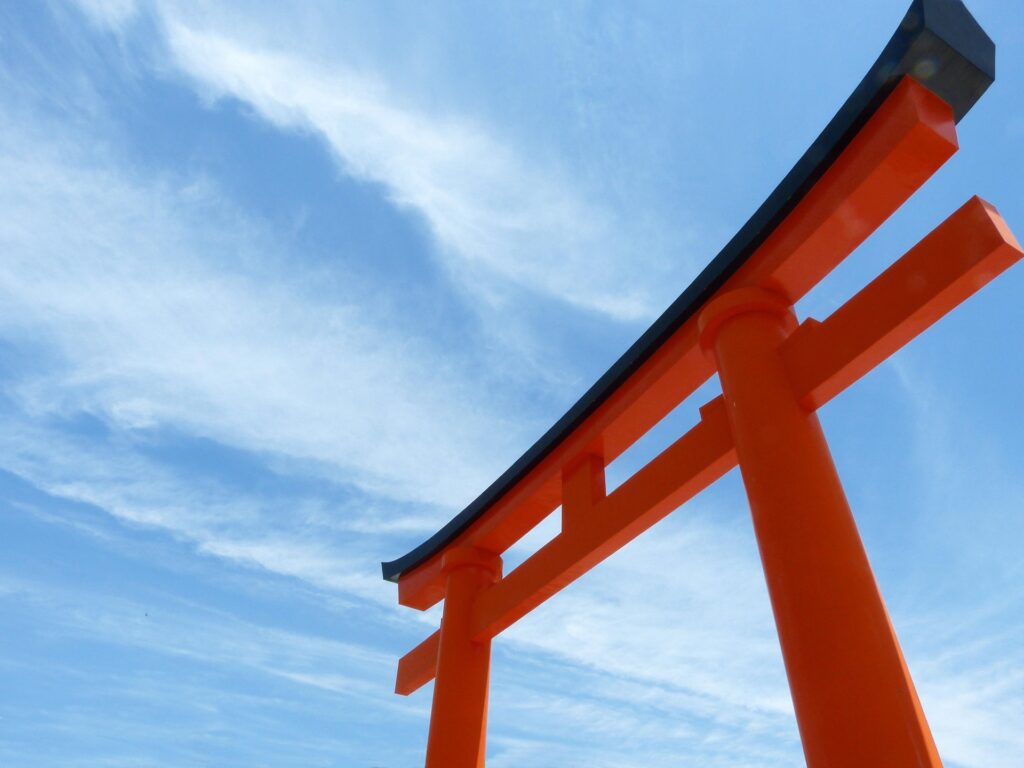
For most travelers, the better order is Fushimi Inari Taisha first, then Arashiyama.
Fushimi Inari is especially enjoyable early in the morning, when the lower torii gate paths are quieter. The shrine grounds are generally accessible at all hours and do not require an admission ticket, although shops, shrine offices, and nearby food stalls keep their own hours.
Starting at Fushimi Inari around 6:30 AM to 7:00 AM lets you enjoy the shrine before the main daytime crowds arrive. After that, you can continue to Arashiyama later in the morning, when temples, cafes, shops, and the riverside area feel more active.
You can reverse the order, but it is less convenient for many travelers. If you visit Arashiyama first, you need to arrive very early to avoid the Bamboo Grove crowds, then you may reach Fushimi Inari closer to midday when the lower shrine paths are busier.
What to Do After Arriving at Saga-Arashiyama Station
Once you arrive at JR Saga-Arashiyama Station, you can walk to the main Arashiyama sights. Distances vary depending on your pace, route, and crowd levels, but these rough walking times are useful for planning.
| Attraction | Approximate Walk from JR Saga-Arashiyama Station | Planning Note |
|---|---|---|
| Arashiyama Bamboo Grove | About 10 to 15 minutes | Go early if you want fewer crowds |
| Tenryu-ji Temple area | About 10 minutes | Pairs naturally with the Bamboo Grove |
| Togetsukyo Bridge | About 10 to 15 minutes | Good for riverside views and photos |
| Arashiyama shopping street | About 10 minutes | Good for snacks, souvenirs, and lunch |
| Iwatayama Monkey Park | About 15 to 20 minutes to the entrance, plus an uphill walk inside the park | Check opening hours and be prepared for a climb |
If you prefer having a guide explain the area while you walk, an Arashiyama Bamboo Grove and temple walking tour can fit naturally into the late-morning sightseeing block. This is especially useful if you want context for Tenryu-ji, the bamboo grove, and the surrounding streets instead of simply walking through on your own.
Sample 1-Day Plan: Fushimi Inari + Arashiyama
This itinerary is designed for travelers who want to see both areas in one day without making the day feel too rushed.
- 6:30 AM – 8:30 AM: Visit Fushimi Inari Taisha. Walk through the main torii gate paths and continue partway up the mountain if you have the energy.
- 8:30 AM – 9:15 AM: Travel from Fushimi Inari to Arashiyama by JR via Kyoto Station.
- 9:30 AM – 10:30 AM: Visit the Arashiyama Bamboo Grove and the Tenryu-ji area.
- 10:30 AM – 12:30 PM: Walk the shopping street, visit Togetsukyo Bridge, and explore the riverside.
- 12:30 PM onward: Have lunch, visit another temple, ride the Sagano Romantic Train if it fits your schedule, or continue to Iwatayama Monkey Park if you are comfortable with the uphill walk.
During cherry blossom season, autumn foliage season, weekends, and Japanese holidays, expect heavier crowds. In those periods, the main advantage of starting early is not that you will avoid all crowds, but that you will usually avoid the most congested part of the day at Fushimi Inari.
DIY Train Travel vs. Guided Bus Tour
Taking the JR train is the best choice for most independent travelers. It is affordable, flexible, and easy once you understand the Kyoto Station transfer. However, a guided bus tour may be a better fit if you want to reduce navigation stress or combine several major sightseeing areas in one day.
| Feature | DIY JR Train | Guided Bus Tour |
|---|---|---|
| Best for | Independent travelers, JR Pass holders, early starters | Families, first-time visitors, travelers who prefer less navigation |
| Cost | Low train fare, usually around 240 JPY for this route | Higher, but transport and guide services may be included |
| Comfort | May involve busy platforms, walking, and standing on trains | Usually arranged group transport with less station navigation |
| Flexibility | High — you control your schedule | Lower — you follow the tour itinerary |
| Ease of navigation | Simple overall, but requires one transfer at Kyoto Station | Easier if you do not want to manage train transfers |
| Extra sightseeing | You plan everything yourself | Some tours also include Nara or other Kyoto highlights |
Who Should Choose the JR Train?
- Travelers on a budget
- Visitors using a Japan Rail Pass
- People who want to start very early at Fushimi Inari
- Travelers who want maximum flexibility in Arashiyama
- Anyone comfortable with one station transfer
Who Should Consider a Guided Tour?
- Families with young children
- Travelers using a stroller or carrying extra luggage
- First-time visitors who do not want to navigate Kyoto Station
- People trying to combine Fushimi Inari, Arashiyama, and Nara in one day
- Travelers who prefer a structured itinerary with fewer decisions
If a smoother, more organized day sounds better than managing trains and transfers yourself, compare the current price, meeting point, route, and inclusions before booking.
Is It Realistic to Visit Fushimi Inari and Arashiyama in One Day?
Yes. Visiting Fushimi Inari and Arashiyama in one day is realistic for most travelers if you start early and keep your plan focused.
The key is not to treat both areas as quick photo stops. Fushimi Inari is best when you have enough time to walk beyond the first crowded stretch of torii gates, and Arashiyama is more enjoyable if you leave time for the Bamboo Grove, Tenryu-ji area, riverside, and lunch.
If you also want to add Nara on the same day, the day becomes much more demanding by public transport. It is possible, but it can feel rushed unless you are comfortable with a long sightseeing day. For that kind of plan, a guided bus tour may be more convenient because it reduces the number of transfers you need to manage yourself.
Common Mistakes to Avoid
- Relying on old train advice: Train stopping patterns can change, so always check the live departure board at JR Inari Station before boarding.
- Underestimating Kyoto Station: The transfer is clear, but it is not instant. Allow 5 to 10 minutes between platforms.
- Starting too late at Fushimi Inari: The lower shrine paths are much more atmospheric early in the morning.
- Expecting the Bamboo Grove to be empty: Even in the morning, it can be busy during peak seasons and weekends.
- Overpacking the day: Fushimi Inari and Arashiyama pair well together, but adding too many major stops can turn the day into a checklist.
- Comparing DIY and tours only by price: The train is much cheaper, but a tour may be worth it if you value simpler logistics and bundled transport.
Frequently Asked Questions
How long does it take to get from Fushimi Inari to Arashiyama?
By JR train, the total journey usually takes about 35 to 45 minutes. The train rides are short, but you should allow extra time for the transfer at Kyoto Station and a short wait for your next train.
How much does it cost to go from Fushimi Inari to Arashiyama?
The standard JR fare is usually around 240 JPY. Fares can change, so check the latest fare on the JR West timetable or your route-planning app before you travel.
Is the route covered by the Japan Rail Pass?
Yes. The route from JR Inari Station to JR Saga-Arashiyama Station uses JR lines only, so it is covered by the Japan Rail Pass.
Is there a direct train from Fushimi Inari to Arashiyama?
No. There is no direct JR train from Fushimi Inari to Arashiyama. The easiest JR route requires one transfer at Kyoto Station.
Is the Kyoto Station transfer difficult?
Not really, but Kyoto Station is large. The transfer from the Nara Line platforms to the Sagano Line platforms usually takes about 5 to 10 minutes. Signs are available in English, and the route is manageable if you do not rush.
Can I use Suica, Pasmo, or Icoca on this route?
Yes. Major IC cards such as Suica, Pasmo, and Icoca can usually be used on JR lines in the Kyoto area. Tap in at Inari Station and tap out at Saga-Arashiyama Station.
Should I buy a Japan Rail Pass just for this trip?
No. The local fare between Fushimi Inari and Arashiyama is low, so a Japan Rail Pass does not make sense for this route alone. The pass is only worth considering if you are also taking multiple long-distance JR trips, such as Shinkansen rides between major cities.
Should I visit Fushimi Inari or Arashiyama first?
For most travelers, Fushimi Inari first is the better plan. It is most enjoyable early in the morning, while Arashiyama works well later in the day when shops, cafes, temples, and the riverside area are active.
Can I visit Fushimi Inari, Arashiyama, and Nara in one day?
It is possible, but doing all three by public transport can feel rushed and tiring. If seeing all three in one day is important to you, a guided tour is often the easier option because it reduces transfer stress.
Final Verdict
For most travelers, the best way to get from Fushimi Inari to Arashiyama is by JR train via Kyoto Station. It is affordable, easy to follow, JR Pass-friendly, and practical for a Kyoto one-day itinerary.
Choose the JR route if:
- You want the best value
- You are comfortable with one transfer at Kyoto Station
- You want maximum flexibility in Arashiyama
- You have a Japan Rail Pass
Choose the Keihan + Hankyu route if:
- You are staying around Gion, Sanjo, or Kawaramachi
- You want to avoid Kyoto Station
- You do not mind more transfers
Choose a guided tour if:
- You want a lower-stress day with less navigation
- You are traveling with young children or limited mobility
- You want to combine Fushimi Inari, Arashiyama, and Nara in one day
For an independent, flexible, and budget-friendly day, take the JR train. For a smoother itinerary that covers more ground with fewer logistics, compare guided tour options before deciding.
Check the latest pricing and availability for the Nara, Fushimi Inari & Arashiyama Bus Tour →
Prices, transport schedules, platform information, pass conditions, tour inclusions, attraction hours, ticket availability, and seasonal operations can change. Always check official transport information and your selected booking page before finalizing your trip.

Hi, I’m Kai. I’m a Tokyo-based travel writer, tourism industry insider, and the author of a published guidebook for international visitors to Japan. With over 10 years of professional experience at a leading Japanese tourism company, my mission is to help you skip the tourist traps and navigate Japan’s best destinations like a local. I believe the perfect day trip is like a traditional kaiseki meal: a beautiful balance of precise planning and unforgettable seasonal discovery. When I’m not out conducting field research, you’ll usually find me drafting new itineraries with one of my favorite fountain pens!