
Quick Answer: How to Choose a Kyoto Kimono Rental
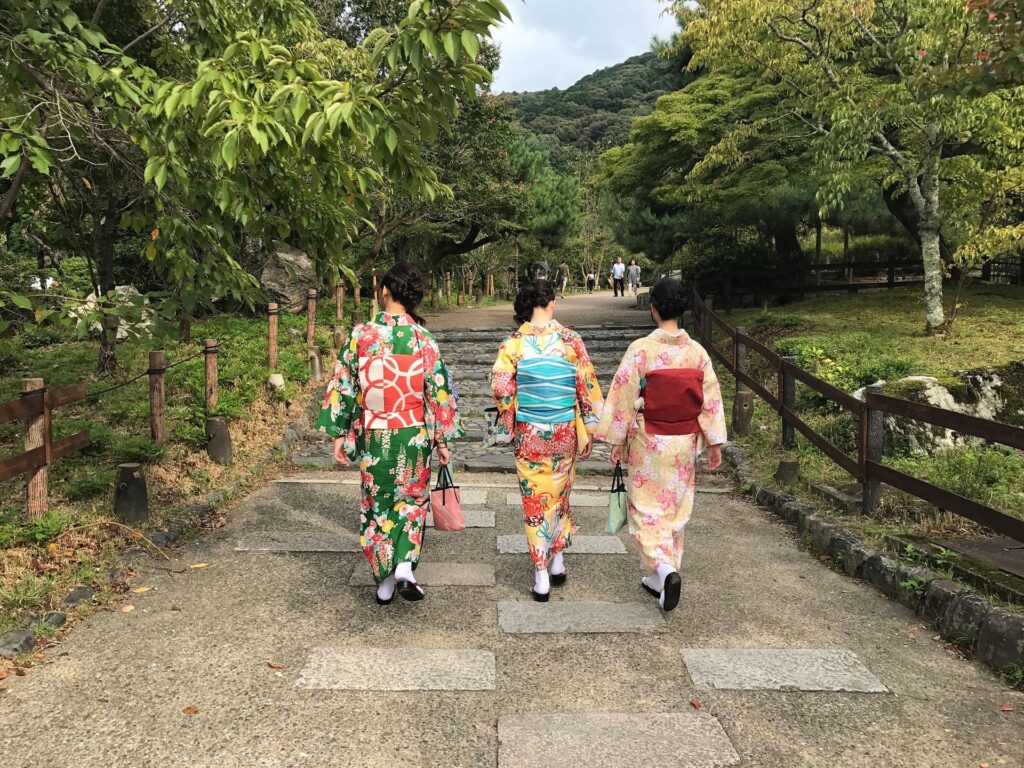
Renting a kimono in Kyoto can be one of the most memorable parts of your trip, but choosing the wrong shop can lead to hidden add-ons, confusing size options, long waits, or a rushed experience.
For most first-time visitors, the easiest approach is to choose the area you want to explore first, then compare the return time and what the package actually includes. If your day is centered on Gion and Higashiyama, MomoKa Kimono Rental is a practical option for travelers who want hairstyling, accessories, luggage storage, and a clear booking process in one place.
Best for: foreign visitors, couples, families, first-time kimono renters, and travelers who want to explore Gion and Higashiyama on foot, with Kiyomizu-dera still reachable as part of the same sightseeing area.
- Shop: MomoKa Kimono Rental, in Gionmachi Minamigawa, Higashiyama
- Main advantage: clearer upfront pricing for the selected package
Before planning the rest of your Kyoto day, check the current price, cancellation rules, plan details, and available time slots for your travel date. If a different area or a later same-day return matters more, compare the alternatives further down this guide.
Check Availability & See What’s Included
Walk-In vs Pre-Booked Kimono Rental: Which Actually Costs Less?
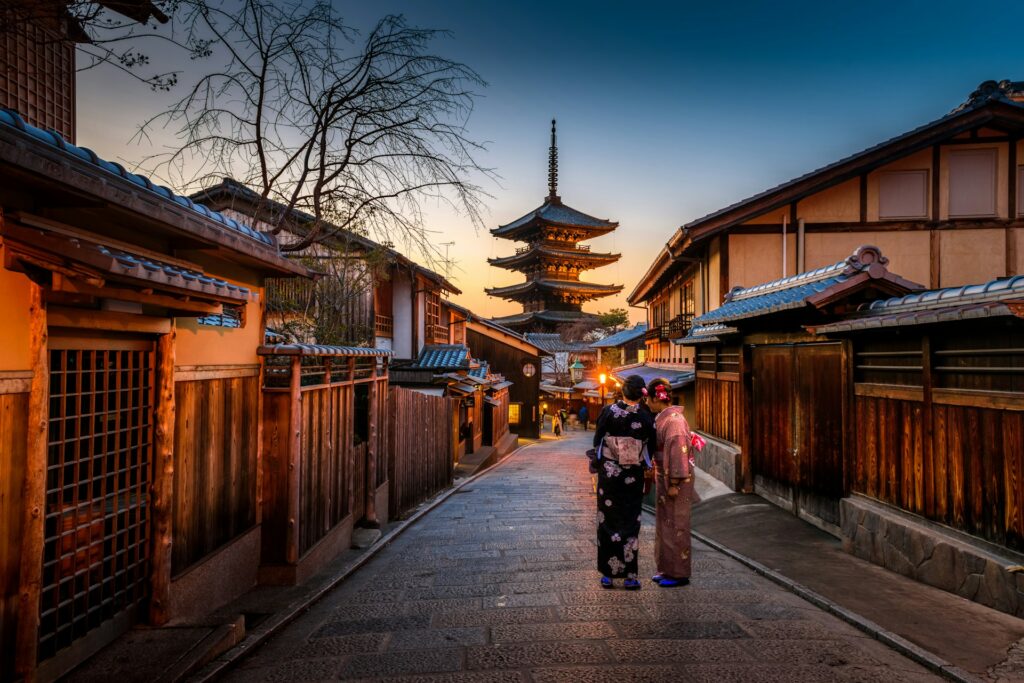
A common mistake is assuming that the cheapest sign outside a kimono shop is the price you will actually pay. In Kyoto, some walk-in shops advertise low base rates, but the final cost can rise once you add hairstyling, hair ornaments, upgraded kimono designs, bags, or other accessories.
That does not mean every walk-in shop is bad. If you speak Japanese, are flexible with styles, and do not care about hairstyling, a walk-in rental can work. But if you want a photo-ready look without negotiating every add-on, a pre-booked package is usually less stressful.
| Feature | Walk-In Shop | Pre-Booked Package |
|---|---|---|
| Advertised Price | Can look very cheap at first, especially for basic plans | Usually clearer before you arrive |
| Final Cost | Can rise quickly with hairstyling, accessories, and upgrades | Easier to understand if you read the plan inclusions carefully |
| Hairstyling | Often an add-on | Included in many selected packages, but check the exact plan |
| Accessories | Bags, ornaments, and upgraded belts may cost extra | Basic accessories are often included; premium upgrades may still cost more |
| Language Support | Varies by shop and staff on duty | Usually easier for foreign visitors when booked through an international platform |
| Size Options | Can be limited, especially in smaller shops | Size limits are usually easier to check before booking |
| Availability | Flexible, but busy shops may have long waits | Reserved time slot, subject to the booking conditions |
| Cancellation | Usually not relevant because you pay on the spot | Depends on the booking page, so confirm before paying |
For cherry blossom season, autumn foliage, weekends, and holidays, pre-booking is the safer choice because Kyoto’s most photogenic areas get crowded quickly.
Featured Option: MomoKa Kimono Rental
For travelers spending the day around Gion and Higashiyama, the Kyoto kimono rental package with hairstyling and accessories is a practical choice for a smooth, photo-friendly experience without crossing the city in traditional sandals.
What Is Usually Included?
- Kimono or yukata: Choose from available designs. In warmer months, lighter yukata options are commonly used.
- Obi belt, zori sandals, tabi socks, and bag: The basic items needed for a complete rental look are included in the selected package.
- Standard hairstyling: Hairstyling and hair accessories are usually included, but upgraded hair options may cost extra.
- Luggage storage: You can usually leave bags at the shop while you explore, but keep passports, wallets, phones, cameras, and other valuables with you.
Important: Makeup is not included in the standard package. Arrive with your makeup already done if you want to save time and control your final look. MomoKa currently offers a separate makeup service for ¥8,800, which requires booking one week in advance.
Pricing: What You Should Budget
MomoKa currently lists its Limited Basic Kimono Plan at ¥5,580 including tax. Its Basic Kimono With Taiko (Nagoya-belt) Plan is ¥7,780 including tax. Formal kimono, furisode, professional photography, makeup, upgraded hairstyling, and damage insurance can cost more.
The safest way to think about the price is this: the selected package makes the main essentials clearer before you arrive, but optional upgrades still exist. Always check the live booking page for your exact date, plan, inclusions, cancellation rules, and any add-on fees.
Sizing, Pregnancy, and Children’s Restrictions
Japanese clothing sizes often run smaller than Western travelers expect. This package is more foreigner-friendly than many small walk-in shops, but it still has limits.
- Hip size: Options may be limited for travelers above approximately 130 cm / 51 in around the hips.
- Pregnancy: MomoKa explicitly prohibits kimono dressing during pregnancy.
- Children: MomoKa’s current child plan is for children aged 12 and under and is available from 70 cm in height.
- Men: Men’s kimono styles are available, making this a good option for couples, families, and mixed groups.
If anyone in your group is tall, plus-size, pregnant, traveling with children, or worried about comfort, check the current size rules before booking.
Why the Location Matters
Location is one of the biggest reasons to choose this package. Walking in a kimono and zori sandals is slower than normal sightseeing. You do not want to spend half your rental time riding trains across Kyoto.
MomoKa is in Gionmachi Minamigawa in Higashiyama, close to central Gion and Yasaka Shrine. From the shop, you can walk through the wider Higashiyama area toward Yasaka Pagoda, Ninenzaka and Sannenzaka, then continue toward Kiyomizu-dera Temple if your schedule and energy level allow.
Want to know the exact price and inclusions for your date?
Check Real-Time Availability & Plan Details
What Happens at the Shop: Step-by-Step
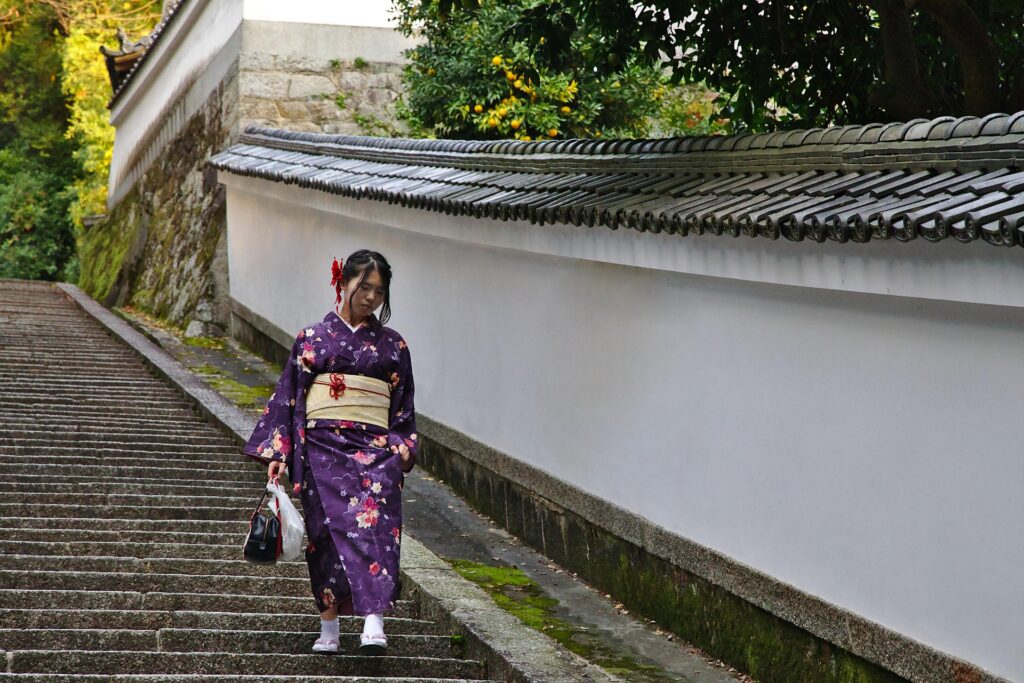
If you have never worn a kimono before, the process can feel mysterious. In reality, it is straightforward once you know what to expect.
1. Check In and Store Your Bags
When you arrive, staff will confirm your booking and guide you through the process. You can usually leave luggage or shopping bags at the shop while you explore. Keep valuables such as passports, wallets, phones, and cameras with you.
2. Choose Your Kimono
You will choose from the available kimono or yukata designs for your plan. Staff can help you match the kimono with an obi belt, bag, and accessories. If you are unsure, choose a color that photographs well against Kyoto’s wooden streets: deep red, navy, cream, pale pink, green, or classic floral patterns usually work beautifully.
3. Get Dressed
Professional dressers will help you put on the kimono. This involves several layers and ties, so expect the fit to feel more structured than normal clothing. It should feel secure, but not painful. Speak up if you feel dizzy, short of breath, or too tightly bound.
Plan for the full preparation process to take around 45 minutes, though timing can vary depending on crowds, your chosen style, and the number of people in your group.
4. Hairstyling
After dressing, you will usually choose from several standard hairstyle options. Hair ornaments are typically included in the selected package, while upgraded styles may cost extra.
Tip: Arrive with clean, dry hair and finished makeup. This keeps the process smoother and helps your photos look better from the start.
5. Explore and Return on Time
MomoKa’s current standard return time is 5:00 PM. Late returns are charged ¥1,100 per person for every 30 minutes, and a paid next-day return option is also available under the current terms. Set a phone alarm so you are not rushing back through crowded streets at the last minute.
Essential Tips for a Comfortable Day in a Kimono
A kimono looks elegant, but it changes how you move. These simple tips make the day much easier.
What to Wear Underneath
- Winter: Wear thin thermal layers. Choose a deep V-neck or U-neck top so it does not show around the kimono collar. Hand warmers can help on colder days.
- Summer: Kyoto is hot and humid. Wear breathable, moisture-wicking undergarments. Carry a small towel, sunscreen, and water.
- Spring and autumn: These are the most comfortable seasons for kimono rental. Bring a light layer if the forecast looks cool, especially in the morning or evening.
How to Walk in a Kimono
Take smaller steps than usual. Traditional sandals have less grip than sneakers, and Kyoto’s old stone streets can be uneven. Avoid rushing, especially on slopes like Ninenzaka and Sannenzaka.
How to Use the Bathroom
Use the restroom before getting dressed. If you need to go during the day, gather the layers gently like a long skirt and lift them together. Keep long sleeves away from the floor by carefully holding them or tucking them into the obi area. Take your time.
Food, Drinks, and Damage
Be careful with matcha, coffee, soy sauce, ramen broth, and street snacks. Stains can be expensive, especially on delicate fabrics. If the shop offers optional damage insurance and you plan to eat or drink while wearing the kimono, it may be worth considering.
Suggested Photo Walk Around Kiyomizu-dera
This area is one of Kyoto’s best short routes for kimono photos because you do not need to travel far after getting dressed.
- Ninenzaka: A classic stone-paved slope with traditional wooden buildings. Go early if you want fewer people in your photos.
- Sannenzaka: Another beautiful historic slope, but watch your step because the stones can be uneven.
- Kiyomizu-dera Temple: A famous temple with views over Kyoto. Admission fees, opening hours, and special night viewing periods can change, so check the latest details before visiting.
- Yasaka Pagoda area: A classic Kyoto backdrop that works especially well for photos on side streets.
Morning is usually best for softer light and fewer crowds. If you book an afternoon slot, keep the return deadline in mind and avoid walking too far from the shop.
If your route starts in Gion, remember that it is a living neighborhood: do not enter private property, block streets for photos, or follow, touch, or photograph geiko and maiko without permission. Photography is prohibited on some private roads, so follow local signs.
If you are planning more sightseeing after changing back, see our Kyoto at Night guide.
How 5 Kyoto Kimono Rental Shops Compare
MomoKa is convenient for Gion and Higashiyama, but it is not the best choice for every itinerary. The biggest practical differences are location, what the starting price includes, and how late you can return the kimono.
| Shop | Best For | Published Starting Price | Standard Same-Day Return |
|---|---|---|---|
| MomoKa | Gion/Higashiyama and an easy bundled rental | ¥5,580 incl. tax | 5:00 PM |
| Wargo | Lower-cost standard plan with simple hairstyling included | ¥3,300 incl. tax online | 5:30 PM |
| RikaWafuku | Choosing among Kiyomizu, Gion, Arashiyama, and Kyoto Station | ¥4,500 incl. tax for the Basic Plan; no hair set | 5:30 PM |
| Okamoto | Flexible returns and clearly published special-size options | ¥2,980 before tax for the Set Plan | 5:50 PM |
| Tekuteku | Keeping the kimono later into the day | ¥4,400 incl. tax for the Casual Plan | 6:30 PM at Kiyomizu / 8:00 PM at Karasuma |
These are not identical packages, so do not rank them by the headline price alone. Prices and conditions were checked in September 2026 and can change.
- Choose an Arashiyama shop if your main goal is the Bamboo Forest, Togetsukyo Bridge, or the Sagano area. Arashiyama is far from Gion and Kiyomizu, and the train ride is not ideal in kimono and sandals.
- Choose Okamoto if return flexibility matters most: it currently offers same-day, other-shop, next-day, and eligible hotel-return options.
- Choose a maiko or geisha makeover studio if you want white makeup, a wig, studio photography, and a transformation experience. That is different from a normal kimono rental.
- Contact the shop before booking if anyone in your group may exceed the posted size limits or has mobility concerns.
Frequently Asked Questions
Do I need to book a kimono rental in advance?
Booking in advance is strongly recommended during cherry blossom season, autumn foliage season, weekends, and holidays. Walk-ins can work on quieter days, but you may face limited choices or longer waits.
Is hairstyling included?
It depends on the shop and plan. Some packages include standard hairstyling, while others price it separately, so check the exact plan before booking.
Is makeup included?
No, makeup is not usually included in the standard kimono rental package. Arrive with your makeup already done if you want to be photo-ready immediately. MomoKa currently offers makeup as a separate paid service by advance arrangement.
Can men rent kimonos too?
Yes. Men’s kimono options are available, and kimono rental is a popular activity for couples, friends, and families.
Can children rent kimonos?
Children’s kimono options may be available, but height and age limits apply. Check the current rules before booking for a family group.
Is this suitable for plus-size travelers?
It may be suitable for some plus-size travelers, but inventory varies by shop. MomoKa says adult kimono selection becomes limited above approximately 130 cm / 51 in around the hips, while Okamoto offers a dedicated Special Size Plan. Confirm the latest size rules before booking.
Can pregnant travelers wear a kimono?
MomoKa explicitly prohibits kimono dressing during pregnancy. Other shops may also restrict dressing during pregnancy, so confirm the policy of the shop you plan to use before booking.
What time do I need to return the kimono?
Return deadlines vary by shop, so use the comparison above as a planning guide and confirm the current time and any late fees before leaving. Set a phone reminder so you have enough time to walk back and change.
Can I keep the tabi socks?
Many rental plans provide a new pair of tabi socks that you can keep, but check your selected package details to confirm.
Should I rent near Kiyomizu-dera or Arashiyama?
Rent near Kiyomizu-dera if you want photos around Ninenzaka, Sannenzaka, Yasaka Pagoda, and Higashiyama. Rent near Arashiyama if your main goal is the Bamboo Forest and Togetsukyo Bridge.
Final Verdict: Which Kyoto Kimono Rental Fits Your Day?
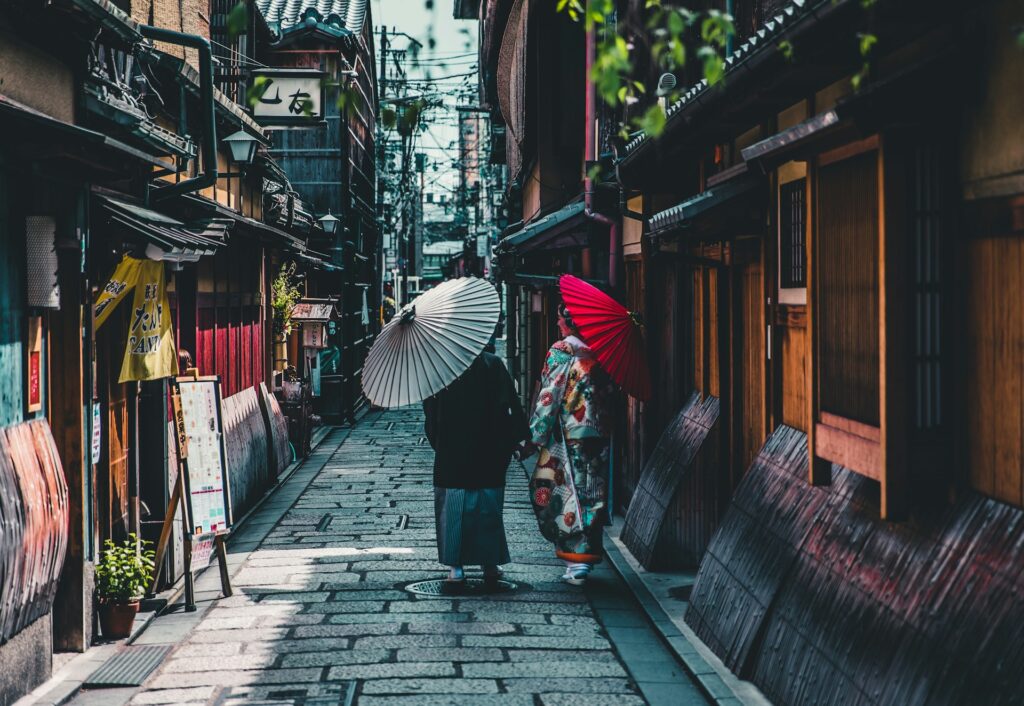
For most foreign visitors, a pre-booked kimono rental is worth considering because it reduces common stress points such as unclear pricing, language barriers, sizing questions, hairstyling add-ons, and inconvenient locations. Choose the sightseeing area first, then make sure the return time and package inclusions fit your day.
Choose this package if:
- You want hairstyling and basic accessories included in the selected plan.
- You prefer clearer upfront pricing over negotiating add-ons in a shop.
- You want to explore Gion and Higashiyama, with time to continue toward Kiyomizu-dera, Ninenzaka, and Sannenzaka.
- You are traveling as a couple, family, or first-time visitor and want a smoother experience.
Consider another option if:
- You want a full maiko or geisha makeover with white makeup and studio photography.
- You only want the cheapest possible base rental and do not care about hairstyling or accessories.
If the plan details and location match your itinerary, MomoKa remains one of the easiest options in this comparison.
Check Availability & Book Your Kimono Experience
Prices, opening hours, return deadlines, cancellation rules, size limits, tour inclusions, payment methods, optional add-ons, and seasonal operations can change. Always check official sources and your selected booking page before finalizing your trip.

Hi, I’m Kai. I’m a Tokyo-based travel writer, tourism industry insider, and the author of a published guidebook for international visitors to Japan. With over 10 years of professional experience at a leading Japanese tourism company, my mission is to help you skip the tourist traps and navigate Japan’s best destinations like a local. I believe the perfect day trip is like a traditional kaiseki meal: a beautiful balance of precise planning and unforgettable seasonal discovery. When I’m not out conducting field research, you’ll usually find me drafting new itineraries with one of my favorite fountain pens!