
If you’ve scrolled through travel forums or social media lately, you’ve probably seen it: “Is Kyoto just a massive tourist trap?” Between the shoulder-to-shoulder crowds at Kiyomizu-dera and the overflowing city buses, many visitors leave Japan’s ancient capital feeling exhausted rather than inspired.
Here is the honest answer: Kyoto is not overrated. The standard tourist itinerary is. And the way most people try to get around — relying on city buses that crawl through traffic — makes everything feel worse than it really is.
This guide covers exactly where to go instead, how to get there without the stress, and what has actually changed in Kyoto for 2026 — so you can decide for yourself whether it’s worth the trip.
At a Glance: Can You Actually Enjoy Kyoto Without Crowds?
- The Real Problem: 80% of tourists cluster at 3 spots (Kiyomizu-dera, Fushimi Inari’s main path, and Arashiyama Bamboo Grove) between 10:00 AM and 3:00 PM. Meanwhile, Kyoto has over 1,600 temples — most are nearly empty.
- The 2026 Transport Trap: The old bus-only day pass (¥700) has been discontinued. Buses are still overcrowded, and single fares are ¥230 per ride. The Subway & Bus One-Day Pass (¥1,100) is now the standard — and the subway is almost always faster.
- Best Way to Move: An E-bike lets you bypass traffic, cover more ground, and reach quiet temples that buses can’t get to efficiently. In April 2026, Japan introduced the Blue Ticket cycling fines, so riding with a local guide removes the risk of navigating unfamiliar roads alone.
Not sure which transport option fits your trip? Skip the research stress — an E-bike tour combines bike, guide, and route planning in one package. Check the latest availability, pricing, and reviews for the Kyoto Hidden Gems E-Bike Tour here →
Is Kyoto Overrated? The Honest Answer (2026)
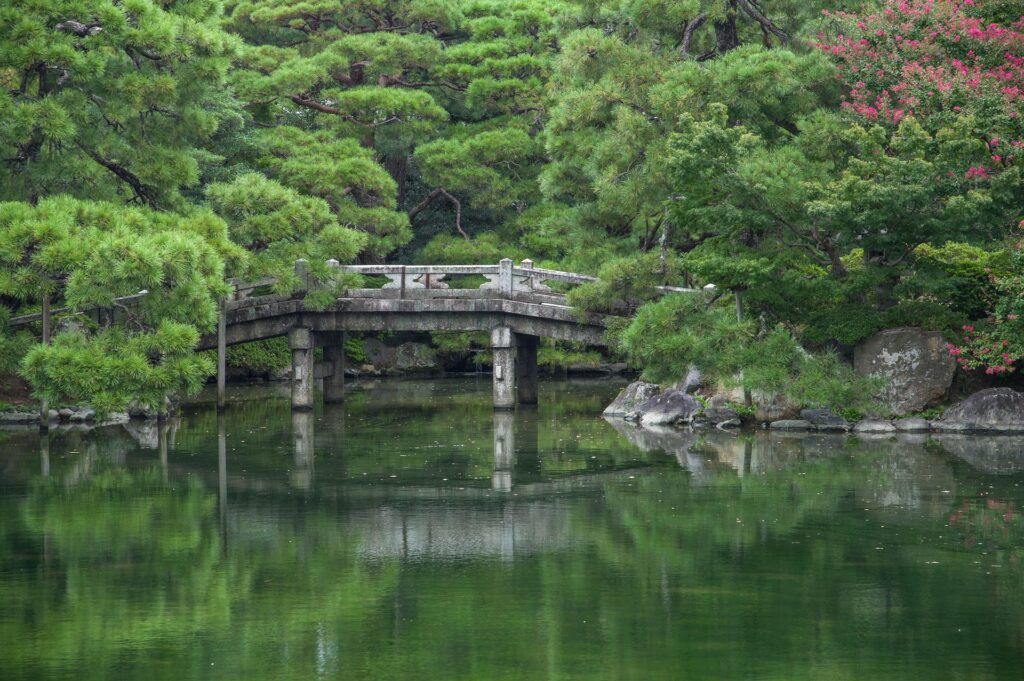
The phrase “Kyoto overrated” has been trending for a reason — but the real issue is where and when people go. When millions of visitors try to see the same three locations at the same time using the same overcrowded bus routes, the experience suffers. You end up staring at the back of someone’s head instead of a Zen garden.
Here is what most people don’t realize: Kyoto has over 1,600 temples and shrines. The famous spots are genuinely beautiful — but the lesser-known locations are where you actually feel the magic. The trick is knowing which ones to swap in and how to reach them without wasting half your day in transit.
3 Golden Rules to Escape the Crowds in Kyoto
- Don’t rely on city buses during peak hours. The municipal buses run directly through the worst traffic bottlenecks. Use the subway, trains, walking, or cycling instead. The old ¥700 bus-only pass is gone — the Subway & Bus Pass (¥1,100) is better value and gets you on the faster rail network.
- Choose temples with spacious grounds. Avoid narrow pedestrian streets like Ninenzaka in the afternoon. Instead, head to large temple complexes with sprawling gardens — crowds naturally disperse across the space, and you’ll find moments of genuine quiet.
- Go north, not just east and west. Most tourists cluster in the southeast (Fushimi Inari) and the far west (Arashiyama). The northern and northeastern edges of the city — around Shimogamo Shrine, Nanzen-ji, and the Philosopher’s Path — hold incredible, tranquil sites that most visitors never reach.
Kyoto Hidden Gems: Where to Go Instead
Skip Kiyomizu-dera → Visit Nanzen-ji & Shinnyo-do
While everyone else is climbing the crowded hillside to Kiyomizu-dera, head slightly north to Nanzen-ji Temple. Though well-known locally, its grounds are massive — you can walk for 20 minutes inside the complex without feeling boxed in. The highlight is the striking red brick Roman-style aqueduct, a unique photo spot that surprises most first-time visitors. Entry to the grounds is free; the sub-temples and Hojo garden cost around ¥500. Open 8:40 AM to 5:00 PM (until 4:30 PM December–February).
A 10-minute walk northeast brings you to Shinnyo-do Temple (Shinsho Gokuraku-ji), a genuinely quiet sanctuary that tour buses completely bypass. The main hall and moss garden offer a serene atmosphere with stunning seasonal colors. Admission is ¥500 (¥1,000 during peak autumn foliage). Open 9:00 AM to 4:00 PM.
Skip the Arashiyama Bamboo Grove Crowds → Walk 20 Minutes North to Oku-Saga
Arashiyama is beautiful, but the main Bamboo Grove and Togetsukyo Bridge can feel like a theme park at peak hours. If you still want to visit the main area, our Arashiyama Bamboo Forest guide has timing tips. But the real magic lies 20 minutes north in the Oku-Saga area, where two hidden temples offer the Arashiyama you came looking for:
- Otagi Nenbutsu-ji — Famous for its 1,200 unique moss-covered stone statues (Rakan), each with a different facial expression. You will often have the place almost to yourself. Admission: around ¥500. Open 9:00 AM to 5:00 PM (until 4:00 PM December–February). Allow 30–45 minutes.
- Gio-ji Temple — A tiny, incredibly atmospheric temple wrapped in a lush moss garden with a quiet bamboo grove that rivals the main tourist strip — without the crowds. Admission: ¥300. Open 9:00 AM to 5:00 PM (last entry 4:30 PM). Allow 20–30 minutes.
Skip Fushimi Inari at Peak Hours → Start Your Morning at Shimogamo Shrine
Instead of battling the crowds at Fushimi Inari’s main gate between 10 AM and 3 PM (it’s beautiful but intense), head north to Shimogamo Shrine, one of the oldest Shinto shrines in Japan and a UNESCO World Heritage site. The approach leads you through Tadasu no Mori, a primeval forest preserved for over a thousand years. Walking beneath the towering ancient trees in the crisp morning air is exactly the kind of mystical Kyoto experience most tourists miss. Admission: free. Open 6:00 AM to 5:00 PM. Early morning (before 9 AM) is especially peaceful.
From here, you can easily bike or walk to Kyoto Imperial Palace and the Philosopher’s Path — two more spacious, crowd-friendly spots that work beautifully as part of a northern Kyoto route.
Best Transport for Kyoto Hidden Gems: Updated for 2026
Once you know where the hidden gems are, the next challenge is getting to them. Kyoto’s layout means these quieter spots are spread across the northern and eastern edges of the city. Here is how your options compare in 2026:
| Option | Cost (Approx.) | Pros | Cons | Best For |
|---|---|---|---|---|
| City Bus | ¥230/ride or ¥1,100 day pass (subway & bus) | Covers most areas | Crowded, stuck in traffic, confusing routes. Bus-only pass discontinued. | Short trips where subway isn’t available |
| Rental Bike (Manual) | ¥800–¥1,300/day | Cheap, flexible | Narrow streets, hidden hills, navigation stress. Blue Ticket fines apply from April 2026. | Confident cyclists who read Japanese signage |
| E-Bike Rental (Self-Guided) | ¥1,700–¥1,800/day | Effortless hills, flexible, faster than bus | Same navigation and fine risks as manual bike. Shops open 9 AM–6 PM. | Independent travelers comfortable with route planning |
| Guided E-Bike Tour | From ~$75 (4 hours, bike + guide incl.) | No navigation needed, local guide, skips traffic, Blue Ticket risk handled by guide | Fixed schedule, higher upfront cost | Travelers who want to maximize limited time and minimize stress |
Important note for cyclists: Since April 2026, Japan’s Blue Ticket system allows police to issue on-the-spot fines for 113 cycling violations — including phone use (¥12,000) and riding in prohibited zones. If you can’t read Japanese road signs, a guided tour removes this risk entirely.
Not sure which option fits your travel style? A guided E-bike tour solves the three biggest problems at once: route planning, bike rental, and local knowledge — all in one 4-hour package. Compare what’s included, check start times, and read recent reviews on GetYourGuide →
DIY vs Guided E-Bike Tour: Which One Is Right for You?
If the comparison table above has you considering an E-bike, the next question is: rent one yourself, or join a guided tour? Here is an honest breakdown:
| Factor | Self-Guided E-Bike Rental | Guided E-Bike Tour |
|---|---|---|
| Cost | ¥1,700–¥1,800/day | From ~$75 (includes bike + guide for 4 hours) |
| Navigation | You plan the route. Google Maps works, but some temple grounds restrict bikes. | Guide leads the way. No phone checking needed. |
| Local knowledge | None — you rely on online research | Guide provides historical context and hidden photo spots |
| Blue Ticket risk | You are responsible for obeying Japanese cycling laws | Guide handles route compliance and parking |
| Flexibility | Go at your own pace, linger anywhere | Fixed itinerary and schedule |
| Best for | Repeat visitors, confident navigators, longer stays (2+ days) | First-timers, short stays, anyone who values time over budget |
The short version: If you are in Kyoto for 3+ days and enjoy independent exploration, rent an E-bike for one day and follow the sample route below. If you have only 1–2 days and want to cover the best hidden gems without the logistics headache, the guided tour is worth the premium.
Kyoto Hidden Gems E-Bike Tour: What You Actually Get
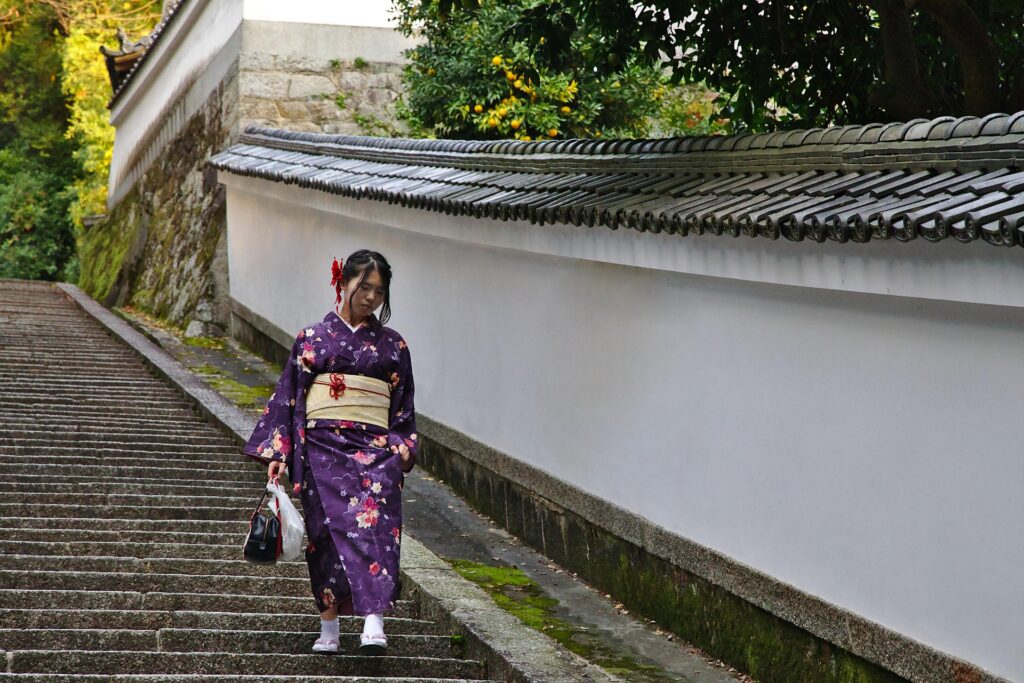
For visitors trying to escape the crowds without the planning stress, the Kyoto: Hidden Gems E-Bike Tour Through Backstreets & Temples is a strong option. Here is what it includes:
- Duration: 4 hours (typically morning or afternoon slot)
- Group size: Maximum 8 people — small enough to navigate narrow streets easily
- Meeting point: Kyoto Tourist Lounge Gion (easy to reach by subway or taxi)
- Bike quality: Electric-assisted bicycle included (no need to be a serious cyclist — the assist makes hills feel flat)
- Typical stops: Gion Shirakawa → Nanzen-ji → Heian Shrine → Murin-an Villa → Honen-in → Philosopher’s Path → Shimogamo Shrine → Kyoto Imperial Palace
- What’s covered: E-bike rental, English-speaking guide, helmet, and route planning through quiet backstreets away from bus traffic
The tour focuses entirely on the northern and eastern parts of Kyoto — the areas where crowds naturally thin out. You won’t visit Kiyomizu-dera, Arashiyama, or Fushimi Inari’s main gate, so if those are non-negotiable for you, plan a separate morning for them.
Who It’s For
- Travelers tired of crowds: If you value your peace of mind over checking off a packed bucket list, this tour routes you away from the chaos.
- Repeat visitors: You have already seen Kiyomizu-dera and the Bamboo Forest and want a deeper, quieter experience.
- Anyone with limited time: You want to cover multiple beautiful shrines and temples in a half-day without spending half of it figuring out bus routes.
- Non-confident cyclists: The E-assist makes it physically easy, and the guide handles all navigation and road rules.
Who Should Skip It
- First-timers set on the “Big 3”: If your trip will feel incomplete without Fushimi Inari, the Bamboo Grove, and Kiyomizu-dera, do those on your own before or after — but mix in quieter alternatives too.
- Budget travelers: At ~$75 per person, it costs more than a day of self-guided E-bike rental (~¥1,800). If you are comfortable with route planning, go DIY.
See the latest tour availability, start times, and traveler reviews on GetYourGuide →
Sample Half-Day E-Bike Route Through Kyoto’s Hidden Gems (Self-Guided)
If you prefer to explore independently, here is a 4-hour route that mirrors the tour but costs less and lets you go at your own pace. Rent an E-bike from a shop near Kyoto Station or Karasuma-Oike Station (most open at 9:00 AM).
- 9:00 AM – Pick up your E-bike
Arrive early to secure a bike. Shops in central Kyoto include NORU and SunnyCycle. Bring your passport for rental registration. - 9:30 AM – Shimogamo Shrine & Tadasu no Mori
Free entry. The forest path is best in the morning light. Allow 30–40 minutes. - 10:30 AM – Kyoto Imperial Palace
Free entry to the gardens. The expansive grounds are a 5-minute ride from Shimogamo. Allow 20–30 minutes. - 11:15 AM – Nanzen-ji Temple
Free grounds; ¥500 for sub-temples. The aqueduct is the unique photo spot here. Allow 30–40 minutes. - 12:00 PM – Philosopher’s Path (quiet northern section)
Ride the northern half of the path (less crowded than the southern end) toward Honen-in Temple. The path is bike-friendly in most sections. Allow 20–30 minutes. - 12:30 PM – Lunch break
Head toward Heian Shrine area for lunch options — try a quiet café near Okazaki Park.
Tip: Return the bike by 6:00 PM (most rental shops close by then). Plan your route on Google Maps before you go, and save offline maps in case of poor reception.
Seasonal Tips: When (and When Not) to Visit Each Spot
| Season | Best For | Crowd Level | Note |
|---|---|---|---|
| March–April (Cherry Blossom) | Philosopher’s Path, Heian Shrine, Nanzen-ji | High | Philosopher’s Path is crowded at peak bloom even in the north. Go before 8 AM. |
| November–Early Dec (Autumn Leaves) | Shinnyo-do, Nanzen-ji, Gio-ji | Very High | Shinnyo-do charges ¥1,000 during peak foliage (vs ¥500 normally). Still quieter than Kiyomizu-dera. |
| June–July (Rainy Season) | Shimogamo Shrine (Tadasu no Mori is stunning in rain), Nanzen-ji covered walkways | Low | Bring a rain jacket. E-bikes are still rideable, but consider a tour with rain gear provided. |
| July–August (Summer) | Otagi Nenbutsu-ji (shady hillside), Shimogamo forest | Moderate | Heat + humidity can be draining. E-bike helps with airflow. Start early. |
| December–February (Winter) | Nanzen-ji, Honen-in (fewer crowds, crisp air) | Low | Shorter daylight hours. Temples close earlier (~4:30 PM). Dress warmly — E-bike wind chill is real. |
Best overall window for avoiding crowds: Late January to early March or June to early July. The weather is less predictable, but you will often have major temples nearly to yourself by 9 AM.
FAQ About Kyoto Crowds & Hidden Gems
Is Kyoto overrated in 2026?
No — but the common tourist route is. If you only visit Kiyomizu-dera, Fushimi Inari’s main gate, and the Arashiyama Bamboo Grove during peak hours using city buses, you will leave frustrated. If you swap in the northern temples and use an E-bike or subway, you will find the serene, historical Kyoto you came for.
What are the best hidden gems near Arashiyama?
Walk 20 minutes north to the Oku-Saga area. Otagi Nenbutsu-ji (1,200 quirky stone statues) and Gio-ji (a moss garden sanctuary with a private bamboo grove) offer the peaceful Arashiyama experience most tourists miss.
How do I get around Kyoto without using buses?
The subway is faster and more reliable than buses for reaching the east and north areas. An E-bike is the best option for connecting multiple hidden gems in a half-day. Walking works for compact areas like Gion and the Philosopher’s Path.
Is the Kyoto bus pass still available in 2026?
The bus-only one-day pass (¥700) was discontinued in March 2024. The current standard is the Subway & Bus One-Day Pass (¥1,100), which covers both networks. If you only take 2–3 bus trips, paying ¥230 per ride may be cheaper.
Are guided E-bike tours worth it for Kyoto?
Yes — if you value time and convenience over the lowest possible cost. At around $75 for 4 hours (bike, guide, and route included), it removes the stress of navigation, traffic, and Japan’s new cycling fines. For budget travelers comfortable with route planning, renting an E-bike alone (¥1,700/day) is a good alternative.
Can I visit Fushimi Inari without crowds?
Yes, but you need to go very early (before 7:00 AM) or late (after 5:00 PM). The main path near the entrance is almost always busy, but the trails deeper into the mountain see far fewer visitors the higher you climb. For a similar shrine experience without the crowds, start your day at Shimogamo Shrine instead.
Final Verdict: Is Kyoto Overrated?
After everything we have covered — the real problem, the hidden alternatives, the transport options, and the seasonal realities — here is the honest conclusion:
Choose Kyoto if…
- You are willing to swap the most famous spots for quieter alternatives
- You use an E-bike, subway, or walking instead of the city bus during peak hours
- You visit the northern and eastern temples (Nanzen-ji, Shimogamo, Honen-in, Philosopher’s Path)
- You visit during off-peak times (before 9 AM or after 3 PM for major sites)
Reconsider Kyoto if…
- Your itinerary is fixed on Kiyomizu-dera, Fushimi Inari’s main gate, and Arashiyama Bamboo Grove, and you plan to visit them all between 10 AM and 3 PM
- You only plan to use city buses and refuse to walk or cycle
- You are visiting during peak cherry blossom or autumn foliage season without an early-morning strategy
For first-time visitors: Do see the famous spots — but go early (before 8 AM) and mix in at least 2–3 hidden gems from this guide. Your memory of Kyoto will be shaped by the peaceful moments, not the crowded ones.
For returning visitors: Skip the major sites entirely. Spend a full day on the northern loop (Shimogamo → Imperial Palace → Nanzen-ji → Philosopher’s Path → Gion backstreets). This is where the real Kyoto lives.
For travelers on a tight schedule: A guided E-bike tour is your best investment. In 4 hours, you cover what would take 6+ hours by bus — and you learn about the city from a local guide who knows which routes stay quiet.
Still deciding? Check the latest reviews and availability for the Kyoto Hidden Gems E-Bike Tour →

Hi, I’m Kai. I’m a Tokyo-based travel writer, tourism industry insider, and the author of a published guidebook for international visitors to Japan. With over 10 years of professional experience at a leading Japanese tourism company, my mission is to help you skip the tourist traps and navigate Japan’s best destinations like a local. I believe the perfect day trip is like a traditional kaiseki meal: a beautiful balance of precise planning and unforgettable seasonal discovery. When I’m not out conducting field research, you’ll usually find me drafting new itineraries with one of my favorite fountain pens!