
Quick Verdict: Yes, the Kyoto Geisha Walking Tour: Gion District & Hidden Gems is worth it if you want to understand geisha culture, follow Gion’s current private-lane and photography rules, and explore the district with less stress. It is a sightseeing and cultural walking tour, not a private geisha dinner or performance. You may have a chance to see a geiko or maiko walking to an appointment, especially in the early evening, but sightings are never guaranteed. Check the latest availability, start times, and prices here.
Tour at a Glance
| Detail | Information |
|---|---|
| Tour Name | Kyoto Geisha Walking Tour: Gion District & Hidden Gems |
| Duration | Approximately 2 hours |
| Typical Price Range | Often starts around the mid-$20s to $30s per person, depending on date, currency, and booking platform |
| Language | English-speaking local guide |
| Best Time to Book | Late afternoon or early evening if you hope to see Gion as geiko and maiko head to appointments |
| Cancellation | The current listing offers free cancellation up to 24 hours before the tour, but always confirm the policy before booking |
| Good For | First-time Kyoto visitors, culture-focused travelers, solo travelers, couples, and visitors worried about Gion’s etiquette rules |
As of June 2026, the GetYourGuide listing showed a 4.8/5 rating from 4,000+ reviews. Ratings, review counts, prices, start times, and cancellation policies can change, so always check the current listing before booking.
What the Gion Walking Tour Includes
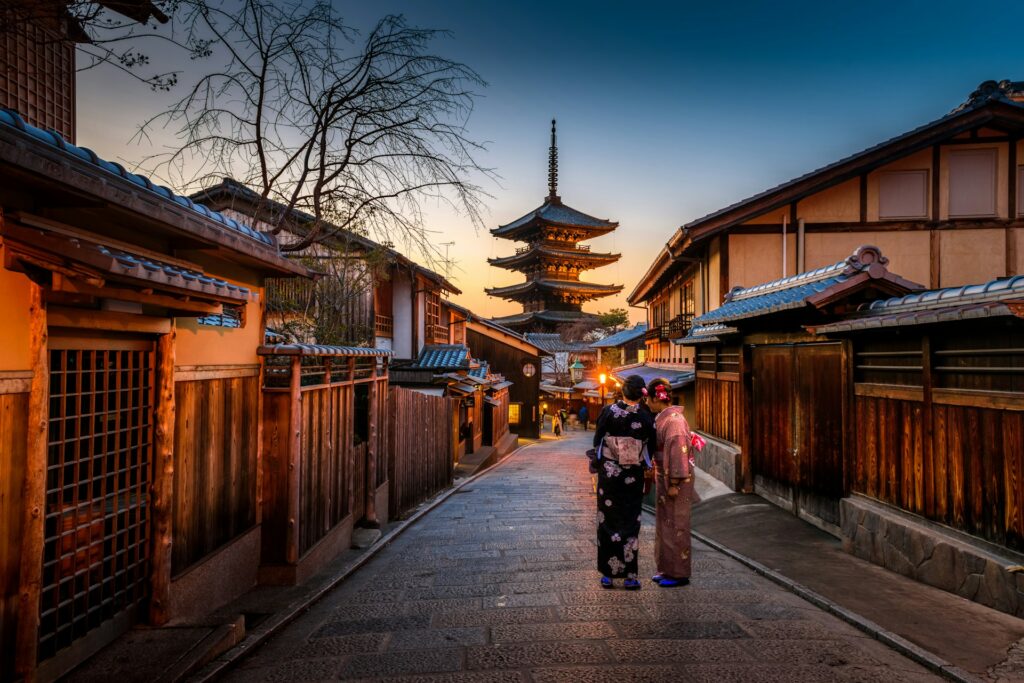
This tour focuses on what you can legally and respectfully experience in Gion. It is designed to help you understand the culture behind Kyoto’s geiko and maiko while avoiding the confusion of wandering into private lanes or behaving in a way that disturbs local residents.
Sights You May See
- Hanamikoji Street — Gion’s famous main street, lined with preserved wooden buildings and traditional tea houses.
- Shirakawa Minami — A scenic canal-side area with willow trees and a softer, quieter atmosphere than the busiest parts of Gion.
- Kennin-ji Temple surroundings — One of Kyoto’s most atmospheric temple areas, located close to the heart of Gion.
- Yasaka Pagoda viewpoints — Classic Kyoto photo spots near the Higashiyama area, depending on the guide’s route.
- Quiet public backstreets — Lanes and viewpoints that many DIY visitors miss, while staying away from restricted private areas.
Exact routes can vary by guide, crowd levels, local conditions, and your selected time slot. Treat the route as a guided cultural walk rather than a fixed checklist of guaranteed stops.
What You’ll Learn About Geisha Culture
- The difference between a geiko, the Kyoto term for geisha, and a maiko, an apprentice geiko.
- How the training path works and why the world of Gion is not open to casual walk-in visitors.
- The meanings behind kimono patterns, hairstyles, and seasonal hair ornaments.
- How traditional tea houses, known as ochaya, fit into Kyoto’s entertainment culture.
- Why Gion’s recent tourist restrictions exist and how visitors can behave more respectfully.
What’s Not Included
This is a sightseeing and educational walking tour, not a private geisha entertainment experience. You should not expect to:
- Sit down with a geiko or maiko for tea or dinner.
- Watch a private dance performance as part of the walking tour.
- Enter a private tea house, residence, or restricted lane.
- Take close-up photos of geiko or maiko while blocking their path.
If you want a formal ozashiki banquet or private geisha entertainment experience, expect a much higher price, more planning, and often a specialized booking service or introduction. This walking tour is a more affordable way to understand the culture from the outside while staying respectful.
Gion’s 2026 Rules: What Travelers Need to Know
You may have seen headlines saying that Gion is closed to tourists. That is not accurate. Gion is still open, but some private lanes and private properties are off-limits, and visitors are expected to follow stricter manners around geiko, maiko, residents, and working streets.
Where You Can and Cannot Go
The key point is simple: public streets remain open, but private lanes and private properties are not places to wander into for photos. Some private-property alleys in Gion have signs asking tourists not to enter. These restrictions were introduced after years of complaints about crowding, trespassing, and intrusive photography.
Generally open to visitors:
- Hanamikoji Street and other public roads.
- Shirakawa Minami and the canal-side public areas.
- Kennin-ji Temple surroundings and other public temple approaches.
- Yasaka Shrine, Higashiyama, shops, restaurants, and hotels that are open to the public.
Do not enter:
- Private alleys marked with no-entry signs.
- Private residential areas, courtyards, and properties.
- Tea houses or private buildings unless you have a confirmed reservation or invitation.
The difficult part is that some private lanes look similar to public streets. This is one reason a local walking tour can be useful: a guide can help you stay on appropriate routes and explain what the signs and local expectations mean.
Photography and Manners Around Geiko and Maiko
Geiko and maiko are working professionals, not theme park characters. If you see one walking through Gion, treat the moment as someone commuting to work.
- Do not chase, touch, or block geiko and maiko.
- Do not pull their kimono or stop them for a photo.
- Do not enter private property or private lanes to photograph them.
- Do not stand in the road or block sidewalks for a shot.
- Do not use flash at close range or crowd around them.
Kyoto’s official guidance warns that obstructing or stalking someone, pulling someone’s hand or clothes, trespassing, and blocking traffic can involve fines or legal penalties. The safest rule is simple: observe from a respectful distance, keep walking paths clear, and follow your guide’s instructions.
How a Guide Helps
A guide cannot guarantee that every visitor around you will behave well, and no guide can guarantee a maiko sighting. What a guide can do is reduce the stress of exploring Gion by helping you:
- Understand which streets are public and which lanes should be avoided.
- Learn the difference between respectful observation and intrusive behavior.
- Move through the district efficiently without wandering aimlessly.
- Understand the history and context behind the buildings, tea houses, and local customs.
DIY Gion Walk vs. Guided Tour: Which Is Better?
| Feature | DIY Free Walk | Guided Walking Tour |
|---|---|---|
| Cost | Free | Usually an affordable paid tour, often around the mid-$20s to $30s |
| Risk of Accidental Trespassing | Higher if you cannot read signs or do not know the area | Much lower because the guide helps you stay on appropriate routes |
| Historical Context | Limited to what you read online or on signboards | Local storytelling about Gion, geiko, maiko, tea houses, and etiquette |
| Chance of Seeing a Maiko | Depends on luck, timing, and where you walk | May improve your chances, especially on early evening routes, but never guaranteed |
| Photography Rules | Can be confusing if you do not know which areas are private | The guide can explain when photography is inappropriate or restricted |
| Time Efficiency | You may miss key context or circle the same busy streets | A curated 2-hour route helps you understand the district faster |
Bottom line: A DIY walk is fine if you only want to stroll public streets, take architecture photos, and keep your expectations low. But if you want cultural context, help with etiquette, and a more meaningful understanding of Gion, the guided tour is a better value.
Check current tour options, availability, and start times here.
When Should You Book: Morning, Afternoon, or Evening?
Your experience changes depending on the time of day. If your main goal is architecture and atmosphere, morning can be peaceful. If your goal is to understand Gion at its most active, late afternoon or early evening is usually better.
| Time Slot | Atmosphere | Best For |
|---|---|---|
| Morning | Quieter streets and softer crowds, but little chance of seeing geiko or maiko heading to appointments | Travelers focused on architecture, photography, and a calmer walk |
| Late Afternoon / Early Evening | The district becomes livelier as evening appointments approach | Most first-time visitors and anyone hoping for a respectful glimpse of Gion’s working culture |
| Night | Lantern-lit streets, restaurants, bars, and a more atmospheric feel | Couples, bar hoppers, and travelers who care more about mood than maiko spotting |
If seeing a geiko or maiko from a respectful distance matters to you, choose an early evening tour rather than a morning walk. Just remember that sightings depend on real people’s schedules, weather, local events, and luck.
Who This Tour Is For
Book This Tour If…
- You are visiting Kyoto for the first time. Gion is beautiful on your own, but it becomes much more interesting when someone explains what you are looking at.
- You want to understand geisha culture beyond the surface. The best part of the tour is not just seeing streets; it is learning how the world of geiko, maiko, tea houses, training, and etiquette fits together.
- You are worried about the current Gion rules. A guide helps reduce the chance of accidentally entering a private lane or behaving in a way that bothers residents.
- You want an affordable cultural experience. Compared with private geisha entertainment, a walking tour is a much more budget-friendly introduction.
- You are a solo traveler. The group setting makes the evening walk feel easier, and the guide gives structure to an area that can feel confusing alone.
- You plan to stay in the area for dinner. A late afternoon tour flows naturally into dinner or drinks around Gion, Pontocho, or Kiyamachi.
Skip This Tour If…
- You expect a private geisha dinner or tea ceremony. This tour does not include direct entertainment by geiko or maiko.
- Your main goal is close-up maiko photography. Respectful distance is part of the experience, and intrusive photography is exactly what Gion is trying to prevent.
- You dislike group tours. If you prefer to stop constantly for photos or wander without a fixed route, a careful DIY walk on public streets may suit you better.
- You have very limited time in Kyoto. If you only have a few hours and care more about temples or shrines, prioritize Kiyomizu-dera, Fushimi Inari, or another must-see instead.
Family and Accessibility Notes
- Children: The tour is best for older children and teens who can handle a 2-hour walk and listen to cultural explanations. Younger children may find it slow.
- Mobility: According to the current tour listing, this experience is not suitable for wheelchair users or travelers with significant mobility impairments. Contact the provider before booking if accessibility is a concern.
- Strollers: Main public streets in Gion are generally walkable, but narrow lanes, crowds, curbs, and route changes can make strollers inconvenient. Ask the provider before booking with a stroller.
- Rain: The tour may run in wet weather. Bring a compact umbrella, wear comfortable shoes, and check the cancellation policy if heavy rain is forecast.
What to Do After the Tour: Pontocho, Gion Corner, and Kyoto Nightlife
Most Gion walking tours finish around the time Kyoto’s evening atmosphere starts to build. That makes the tour a natural lead-in to dinner, drinks, or a traditional performance.
Pontocho Alley
Just across the Kamo River, Pontocho Alley is one of Kyoto’s best areas for dinner after a Gion walk. It is narrow, atmospheric, and lined with restaurants, izakayas, and small bars. During warmer months, some restaurants offer kawadoko, riverside dining platforms overlooking the Kamo River.
Kiyamachi Street
Kiyamachi runs near the Takase River and has a more casual nightlife feel. It is a good choice if you want yakitori, ramen, casual drinks, or a less formal end to the night.
Gion Corner
If you want a seated introduction to Kyoto’s traditional performing arts after your walk, consider Gion Corner. It presents several traditional arts in one short performance, including Kyomai dance by maiko depending on the program. Check the official schedule and ticket availability before planning your evening around it.
If you want more ideas for your post-tour itinerary, read our complete guide to the best things to do in Kyoto at night. If you plan to dress up during your Kyoto visit, our stress-free kimono rental guide explains how to choose a rental shop without overcomplicating your day.
FAQ: Gion Walking Tours and Geisha Spotting
1. Is Gion completely closed to tourists in 2026?
No. Gion is not completely closed. Public streets, restaurants, shops, hotels, temples, and shrines remain accessible. The important change is that visitors should not enter private lanes, private properties, or areas marked as off-limits. A guided tour helps you understand which areas are appropriate to walk through.
2. Will I definitely see a geiko or maiko?
No. A responsible tour should not guarantee a sighting. Geiko and maiko are working professionals with real schedules, not performers appearing on demand. Early evening tours may improve your chances of seeing one walking to an appointment, but luck, timing, weather, and local events all matter.
3. Can I take photos of geiko and maiko on the street?
Use extreme caution. Do not chase, block, touch, surround, or photograph geiko and maiko without permission. Never enter a private lane or private property for a photo. If your guide says not to take a photo, follow that instruction immediately. The respectful choice is often to lower your camera, step aside, and simply observe.
4. How much does the Kyoto Geisha Walking Tour cost?
Prices often start around the mid-$20s to $30s per person, but they vary by date, demand, currency, and booking platform. Always check the current listing for your travel dates rather than relying on a fixed price in any blog post.
5. Does the tour sell out?
Popular early evening slots can sell out during busy travel periods such as cherry blossom season, autumn foliage season, Golden Week, and major holidays. If your Kyoto dates are fixed, booking ahead is safer than waiting until the same day.
6. Is this tour suitable for solo travelers?
Yes, this is a strong option for solo travelers. The group setting gives structure to an evening walk, and a guide can explain local etiquette that may be hard to understand when exploring alone.
7. Is this tour good for families?
It can work well for families with older children or teens who enjoy history and can handle a 2-hour walk. For toddlers or younger children who need frequent breaks, the route may feel too slow or too structured.
8. What should I wear?
Wear comfortable walking shoes. Gion’s streets are mostly urban, but you may stand for long periods and walk through crowded areas. If rain is possible, bring an umbrella or light rain jacket.
Final Verdict: Is the Kyoto Geisha Walking Tour Worth It?
Yes, the Kyoto Geisha Walking Tour is worth it for most first-time visitors who want more than a quick photo walk through Gion. The tour turns a beautiful but confusing district into a meaningful cultural experience. You learn what you are seeing, why the rules matter, and how to enjoy Gion without adding to the overtourism problem.
Book this tour if you are:
- A first-time Kyoto visitor who wants cultural context.
- A traveler who feels nervous about Gion’s private-lane and photography rules.
- Interested in geiko and maiko culture but not ready to pay for a private entertainment experience.
- Planning to explore Gion in the late afternoon or early evening anyway.
- Looking for a budget-friendly guided experience in Kyoto.
Skip this tour if you are:
- Expecting a guaranteed maiko sighting.
- Looking for a private dinner, tea ceremony, or dance performance with geiko or maiko.
- Mainly interested in close-up photos for social media.
- Traveling with major mobility needs unless the provider confirms the route can work for you.
- Only interested in temples and shrines, not cultural storytelling.
If the current Gion rules make you nervous, that is exactly where this tour adds value. It helps you explore one of Kyoto’s most famous districts with more context, less stress, and better manners.
If you are still deciding how to balance famous sights with quieter places, you may also like our guide to Kyoto hidden gems and crowd avoidance.
Prices, ratings, review counts, opening hours, tour routes, accessibility conditions, cancellation policies, performance schedules, local rules, and enforcement practices can change. Always check official sources and your selected booking page before finalizing your trip.

Hi, I’m Kai. I’m a Tokyo-based travel writer, tourism industry insider, and the author of a published guidebook for international visitors to Japan. With over 10 years of professional experience at a leading Japanese tourism company, my mission is to help you skip the tourist traps and navigate Japan’s best destinations like a local. I believe the perfect day trip is like a traditional kaiseki meal: a beautiful balance of precise planning and unforgettable seasonal discovery. When I’m not out conducting field research, you’ll usually find me drafting new itineraries with one of my favorite fountain pens!