
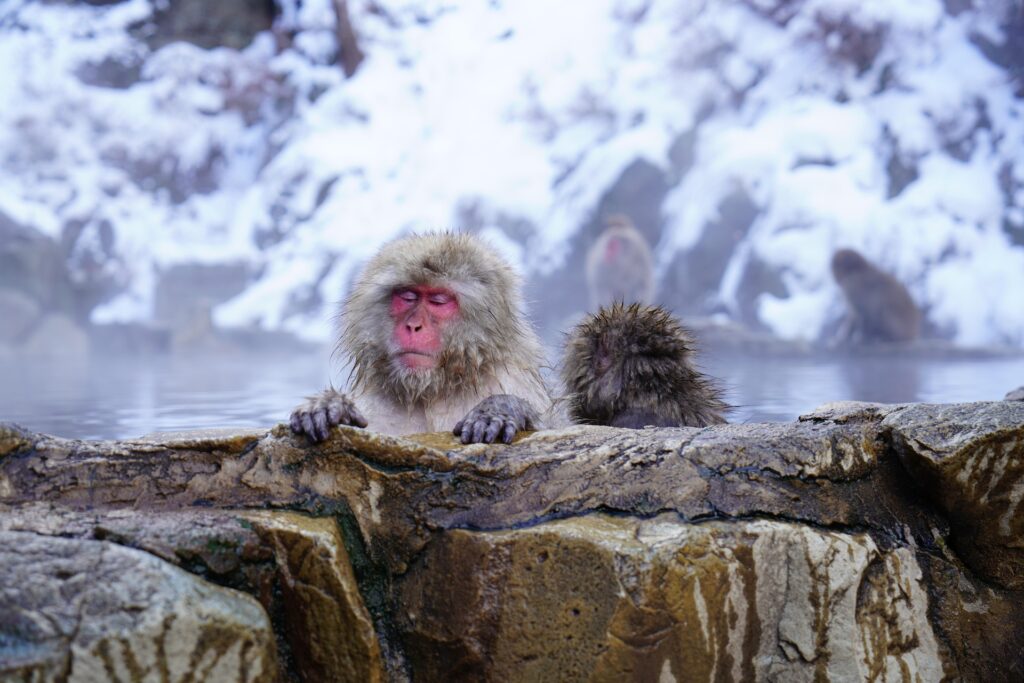
If you’re searching “jigokudani monkey park snow”, you’re probably not asking about weather trivia—you’re trying to catch that iconic scene: steam, snow, and macaques soaking. The catch is that snow (and monkey behavior) is never guaranteed on one specific date, so the goal is to stack the odds in your favor.
You’ll also see the name written as Jigokudani Yaen-Koen—same place, same monkeys, same slippery winter trail.
Quick Verdict
If you want the best chance of snow-on-the-ground and monkeys using the hot spring, plan for mid-winter (roughly January–February) and avoid weekends/holidays if you can. It’s still worth visiting in December or March, but you’re more likely to deal with patchy snow or mild days. The biggest make-or-break factor is simple: weather + arrival time (crowds).
If you want a step-by-step logistics plan (routes, timing, what to wear), use our in-depth guide here: ➡️[Snow Monkey Park Review: Is This Nagano Day Trip Actually Worth It?]. If you’d rather skip the transfers and winter-trail planning, this day trip bundles the essentials: ➡️ [Check availability & prices]
When does it actually snow at Jigokudani?
Think in probabilities, not promises.
Most reliable “snowy look” window: late December through March
Best odds for the classic white-background photos: January to February
Most variable weeks: early December and late March
Even in peak winter, you can get a blue-sky day with less fresh snow. And sometimes you’ll get snowfall in town but not much accumulation at the park (or the reverse). If your trip is short and the “snow monkeys” photo is a must-have, aim for the deepest winter weeks.
Will you definitely see monkeys bathing in the hot spring?
Not definitely.
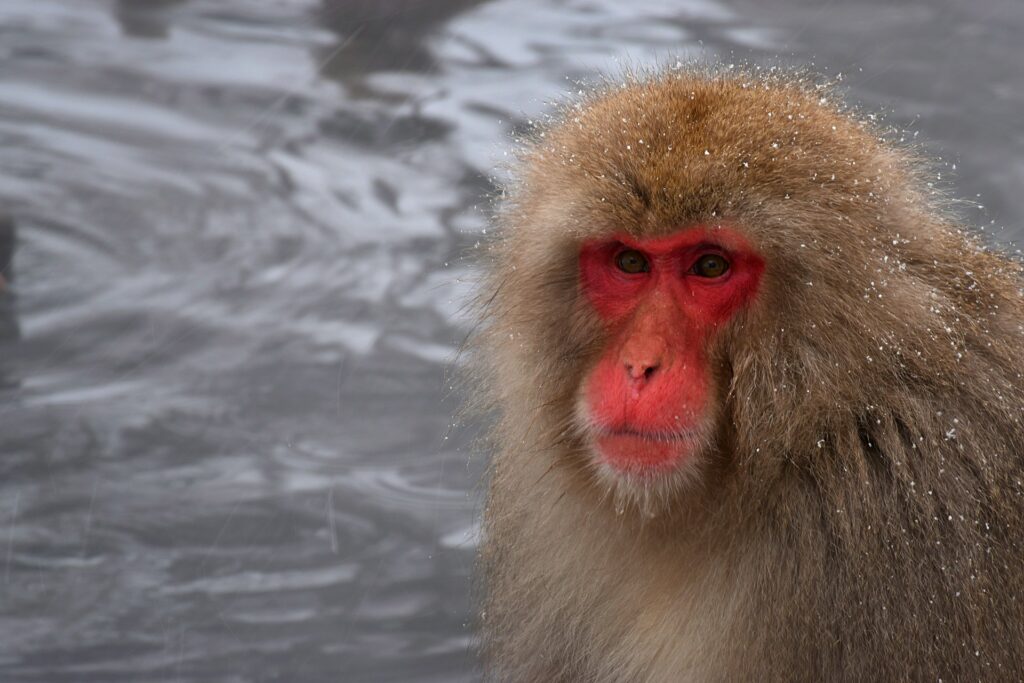
The monkeys are wild, and their routines shift with temperature, food, and human presence. In cold months, you often see more hot-spring lounging, but there are days when they don’t come down in big numbers—or they stay near the pool but don’t actually soak.
How to improve your odds:
- Go in the coldest part of winter (not shoulder season).
- Arrive early or late (less noise, fewer bodies pressed into the viewing area).
- Check the latest park updates before you travel (conditions and monkey appearances can change day to day).
Winter crowds: what to expect (and how to avoid the worst of it)
Winter is peak season here, and the viewing area by the pool is small—so it can feel crowded fast. On busy days, you might face slow traffic near the approach and a “shuffled-along” feeling at the pool.
A simple crowd strategy:
- Best: weekday + arrive near opening
- Good: weekday + late afternoon (daylight permitting)
- Risky: weekends, long weekends, New Year period, midday arrival
If photography matters, the crowd plan is just as important as the snow plan.
DIY from Tokyo: doable, but it’s a long day
A Tokyo DIY day trip is totally possible, but it’s not “quick.” Your day has three friction points: (1) long-distance train timing, (2) local connections/bus schedules, and (3) the final winter walk.
A realistic DIY flow looks like this:
- Early train from Tokyo to Nagano
- Local train or bus onward toward the Snow Monkey Park area
- Walk the forest trail to the park (and back)
- Reverse it all to return to Tokyo
That last walk is where many people get surprised—especially when it’s icy.
The winter walk: what it feels like
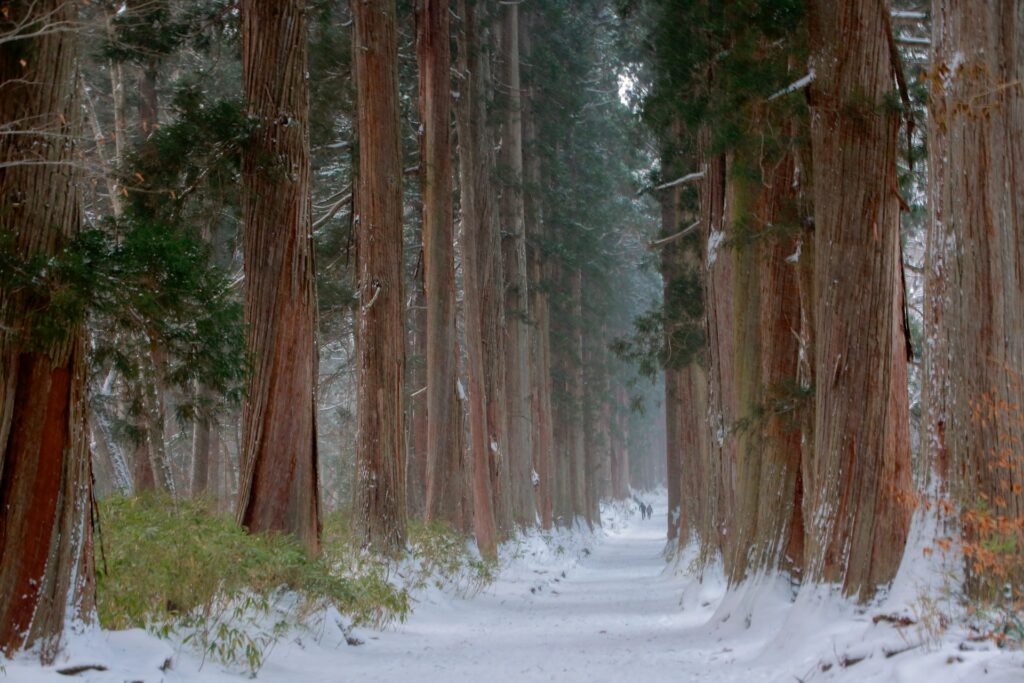
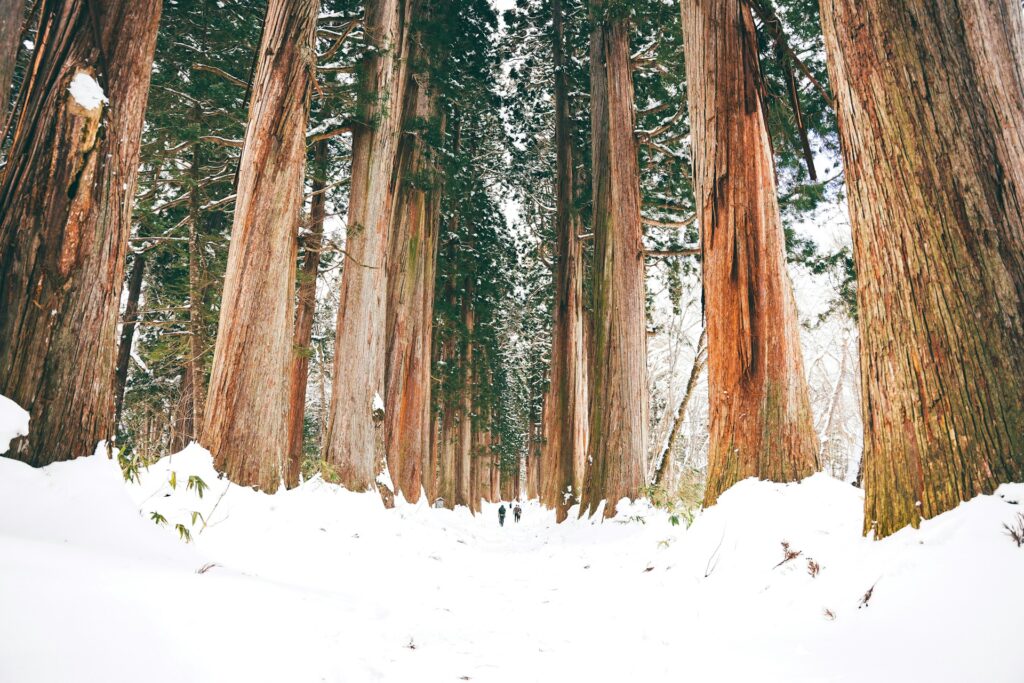
Expect a forest trail that can be packed snow, slush, or ice depending on the day. It’s manageable for most travelers with decent footwear, but it’s not ideal if you have mobility limitations or you’re wearing city shoes.
A small packing/footwear checklist (winter):
- Waterproof shoes or boots with grip
- Warm gloves (your hands get cold fast while photographing)
- A small, easy-to-carry day bag
- Layers (the walk warms you up; the viewing area cools you down)
- Optional: simple traction cleats if conditions are icy
DIY from Nagano: the easiest “independent” version
If your priority is “snow monkeys in snow,” basing yourself in Nagano (even for one night) makes everything easier:
- You can start earlier without a pre-dawn Tokyo departure.
- You have more flexibility to dodge peak crowds.
- If the weather shifts, you can adjust plans without wasting a full Tokyo round-trip day.
If your schedule allows it, Nagano-base DIY is the sweet spot between independence and sanity.
What this day tour includes (at a glance)
If you’d rather not stitch together trains, buses, and a winter trail on a tight clock, a guided day trip can be the simplest option—especially in peak snow season.
What’s typically bundled on the tour page:
- Transport between Nagano and the major stops
- An English-speaking guide
- Snow Monkey Park entry
- Lunch (with a vegetarian option noted)
- Sake tasting (with non-alcoholic alternatives mentioned)
Important reality check: there’s still a meaningful amount of walking involved, and the tour is not a fit for some mobility needs.
Who a tour fits best (and who should skip it)
A tour is usually a good match if you:
- Want the least planning and fewer connection headaches
- Are visiting in winter and don’t want to navigate icy trails solo
- Care about timing (and want someone else to manage it)
DIY is usually better if you:
- Want full control of pacing and photo time
- Can comfortably handle winter walking and local logistics
- Have flexibility to adjust your day around conditions
A simple winter timing plan for “snow + fewer crowds”
If you only take one planning idea from this article, make it this: time beats everything.
Two workable approaches:
Option A: Photo-first (early)
Arrive as early as you reasonably can, get your time at the pool before it bottlenecks, then linger on the paths after the “main wave” passes.
Option B: Crowd-avoid (late)
Arrive later when some groups have already cycled through. This can be calmer, but you’re trading away daylight and weather certainty.
If there’s no snow (or fewer monkeys): how to keep the day from feeling wasted
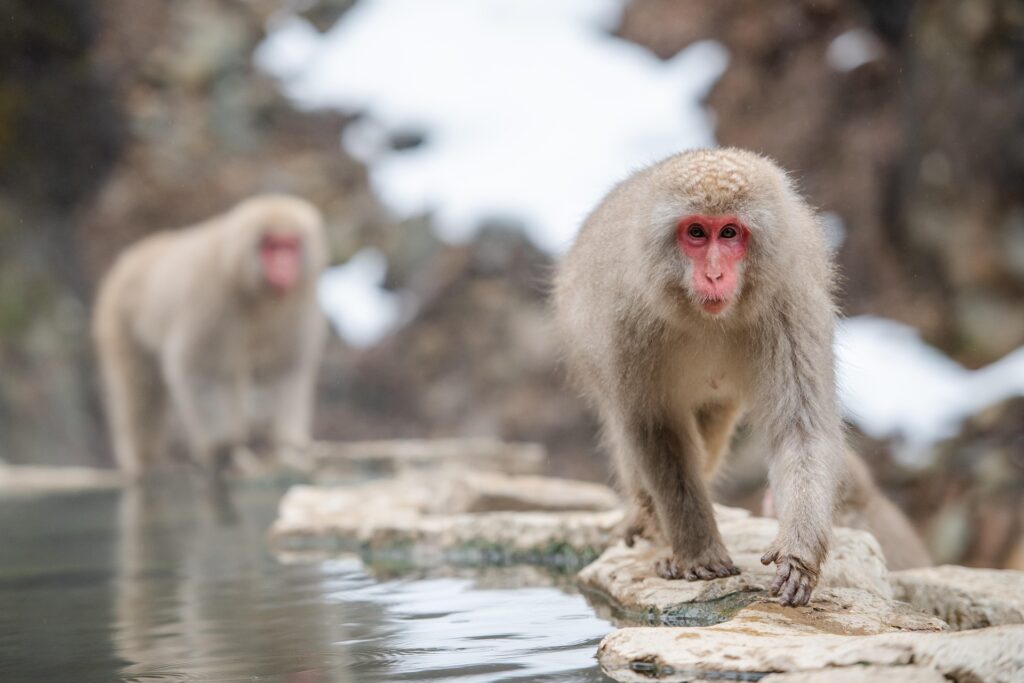
If you arrive and it’s more “mud and steam” than “snow globe,” don’t panic. You can still make the day feel like a win by leaning into Nagano’s other highlights (temple visit, warm food, an onsen town stop) rather than trying to force one perfect photo.
And if the logistics are already stressing you out, it’s completely reasonable to switch to the easy-button option: ➡️ [view tour details]
➡️[Snow Monkey Park Review: Is This Nagano Day Trip Actually Worth It?]
Common mistakes that ruin the snow-monkey vibe
- Assuming “winter” means snow on your day
- Arriving at midday and expecting calm, clean photos
- Wearing sneakers with poor grip (and focusing on your feet instead of the monkeys)
- Treating it like a quick Tokyo side quest instead of a full-day outing
Wrap-up: the easiest decision rule
If your main goal is snowy scenery + the best chance of bathing monkeys, aim for January–February, avoid peak days, and plan around the walk. DIY works well if you’re comfortable coordinating transport and winter conditions—especially if you can base yourself in Nagano.
If you’d rather skip the planning and just follow a proven timing plan with transport and key stops handled, the bundled day trip is the simplest path: ➡️ [Check availability & prices]
FAQ
Is January really the best month for Jigokudani Monkey Park snow?
It’s usually your best bet for consistent snow cover and cold conditions, which helps the “classic” look. But weather varies each year, so treat it as “best odds,” not a guarantee.
Is December too early for snow monkeys in the hot spring?
Not necessarily—December can be great. The tradeoff is that some weeks may have less settled snow (or warmer spells), especially earlier in the month.
How hard is the walk in winter?
It’s not a mountain hike, but it can be slippery. With proper shoes and a steady pace, most travelers are fine. If you have mobility concerns, it may be stressful.
Do the monkeys always show up?
No. They’re wild animals, and there are days when fewer monkeys come down or they don’t use the pool much.
Can I do this as a day trip from Tokyo?
Yes, but expect a long day with multiple connections and a winter trail. If you want it to feel relaxed, consider basing yourself in Nagano or using a guided day trip.