
Nagasaki is often reduced to a single chapter of its story, but the city that rebuilt itself after August 1945 is far more layered than most first-time visitors expect. For a first trip, the decision is not which of thirty sights to tick off — it’s what to prioritize, what to pair together, and what to leave for another day.
The short version: if you only have one day, build it around the Peace area, the Oura Cathedral and Glover Garden quarter, and one compact stop in central Nagasaki, then add Mt. Inasa in the evening only if the sky is clear. Chinatown works best as a meal stop rather than a destination in its own right, and Gunkanjima is a rewarding half-day add-on rather than something every first-timer needs to squeeze in.
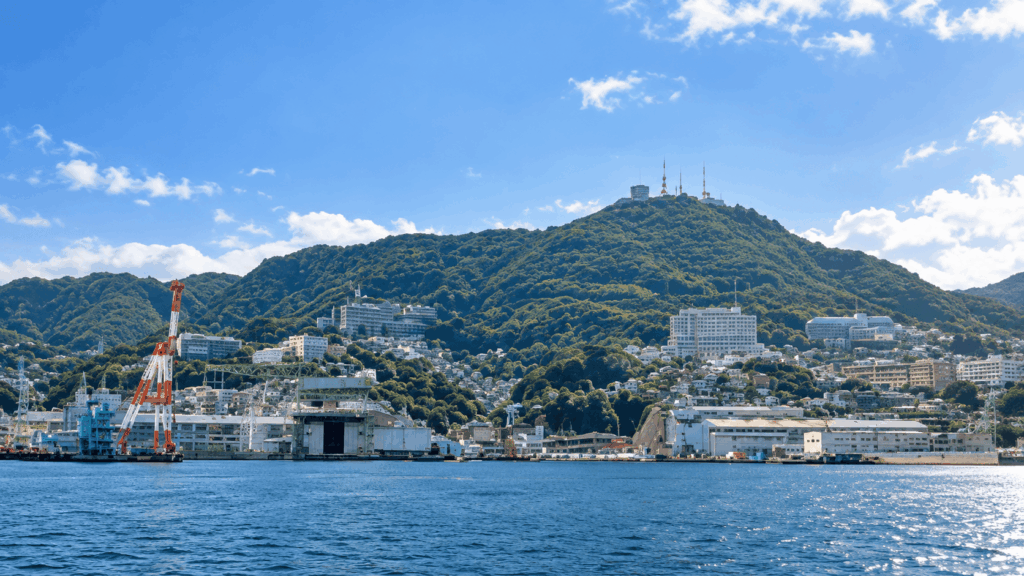
Verdict: With one full day, focus on central Nagasaki and the Peace area; keep Gunkanjima and slower museum time for a second day if you can spare one.
If you’d rather cover the main sights in one day without planning every tram connection and opening hour yourself, comparing a private licensed-guide tour is a sensible first step — it’s the most direct way to fit the highlights into a single day.
Planning just one day in Nagasaki? A customizable private walking tour with a licensed local guide can help you focus on the sights that matter most without working out the entire route yourself. Compare the 4- and 6-hour guided tour options, current prices, and available dates before deciding whether to explore independently.
The Best Things to Do in Nagasaki at a Glance
Here’s the whole city in one view. Priorities assume a first visit of one to two days; adjust them to your own interests and the weather.
| Place | Best for | Priority | Time needed | Best paired with | Skip if… |
|---|---|---|---|---|---|
| Nagasaki Atomic Bomb Museum | Understanding the 1945 bombing | Must-do | 1.5–2.5 hrs | Peace Park, Hypocenter Park | You have no interest in wartime history |
| Peace Park & Hypocenter Park | Open-air monuments and reflection | Must-do | 45–60 min | Atomic Bomb Museum | Rarely — they sit next to the museum |
| Oura Cathedral | Christian history and architecture | Must-do | 30–45 min | Glover Garden | You only want an outdoor photo stop (no interior photos) |
| Glover Garden | Harbor views and Meiji-era houses | Must-do for views | 60–90 min | Oura Cathedral | You need to avoid slopes and stairs entirely |
| Dejima | Edo-period trade history | Worth it if interested | 60–90 min | Central Nagasaki | You’re short on time and indifferent to trade history |
| Nagasaki Shinchi Chinatown | Street food and Chinpon or sara udon | Meal stop | 30–60 min | Dejima, Meganebashi | You’re expecting a sprawling Chinatown |
| Meganebashi & Nakashima River | A free, photogenic stroll | Good addition | 20–30 min | Sofukuji, Chinatown | You’re rushing to fit in the big sights |
| Sofukuji Temple | Chinese heritage and quiet temple grounds | Good addition | 20–30 min | Meganebashi | You’ve already had your fill of temples |
| Mt. Inasa Observatory | One of Japan’s best night views | Strongly recommended (clear weather) | 1.5–2 hrs | An evening after dinner | The forecast is cloudy, foggy, or wet |
| Gunkanjima (Hashima Island) | Industrial ruins and a harbor cruise | Optional | Half day | A second day in the city | You only have one day in Nagasaki |
| Urakami Cathedral | A rebuilt cathedral tied to the bombing | Worth it if nearby | 20–30 min | Peace Park | You’re strictly following a one-day route |
| Nagasaki Museum of History and Culture | Context and a solid rainy-day option | Good addition | 60–90 min | Central Nagasaki | You’ve had enough museums for one trip |
1. Nagasaki Atomic Bomb Museum
The Atomic Bomb Museum is the reason many people come to Nagasaki, and it earns that place — but it’s a heavier experience than the modest admission price suggests. Budget more time than you think you’ll need, and don’t schedule anything demanding straight afterward.
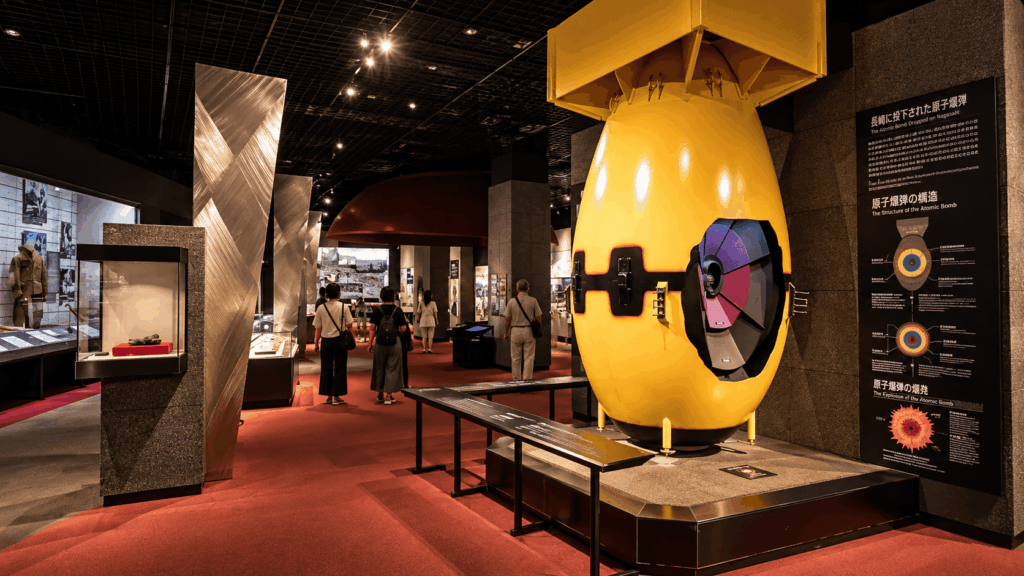
- Why go: A clear, personal account of the August 9, 1945 bombing and its aftermath, told through artifacts, photographs, and survivor testimony.
- Best for: First-time visitors who want to understand the city’s modern history before exploring anything else.
- Time needed: Allow 1.5 to 2.5 hours. Visitors consistently describe the exhibits as absorbing and emotionally heavy, and many report needing longer than expected.
- Pair it with: Peace Park and the Hypocenter Park, which are a short walk away and free to visit.
- Skip it if: Wartime history is genuinely not your subject — the rest of Nagasaki stands on its own.
Practical notes: the museum generally opens in the morning and closes in the late afternoon, with seasonal variation, and it closes around the New Year holidays. Admission is inexpensive — historically around ¥200 for adults — but prices and hours can change, so check the latest details before you go. Audio guidance has been offered in the past, though availability changes, so don’t rely on it without confirming.
How Much Time Should You Allow for the Peace Area?
Treat the Peace area as one block, not three separate stops. A fast visit to the museum plus a walk through Peace Park and the Hypocenter Park takes roughly two hours. If you read the exhibits properly, sit with the memorials, and let the space breathe, three hours is realistic. The most common mistake I see travelers make here is bolting the museum onto a packed afternoon — it’s the one stop in Nagasaki that rewards a slower pace, and rushing it drains the rest of the day.
2. Peace Park and Hypocenter Park
Both parks are free to wander and sit within walking distance of the museum, which makes them an easy extension rather than a separate outing. Come here to slow down between indoor exhibits, not to “collect” another sight.
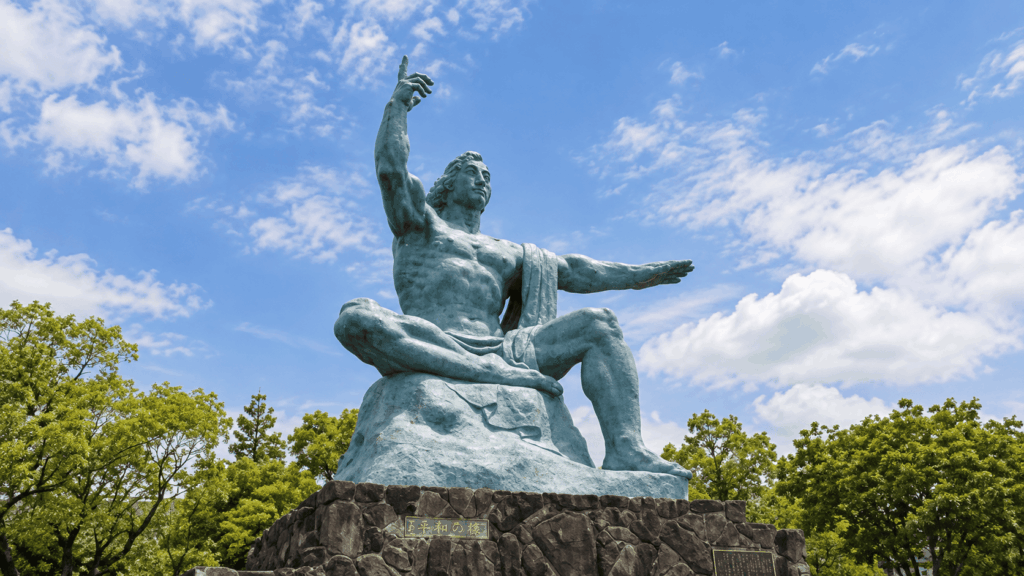
- Why go: Peace Park centers on the 9.7-meter Peace Statue, while the Hypocenter Park marks the exact point above which the bomb detonated, with its own monuments and a quiet, sober atmosphere.
- Best for: Anyone visiting the museum who wants the context outdoors, and anyone who prefers reflection to exhibits.
- Time needed: 45 to 60 minutes for both, more if you linger.
- Pair it with: The Atomic Bomb Museum, and Urakami Cathedral just beyond.
- Skip it if: It’s pouring rain and you’re squeezing the city into a single tight day — these are outdoor spaces.
Getting there is straightforward: the tram stops near Peace Park, and the museum, the statue, and the hypocenter memorial are all reachable on foot from each other. Because the monuments are outdoors, save them for a dry slot in your plan rather than the one hour it happens to rain.
3. Oura Cathedral
Oura Cathedral is Japan’s oldest surviving church and a National Treasure, and it anchors the hillside quarter that most travelers remember best. It’s more than a pretty facade, though — you visit it as a place of prayer and history, and it works best when you pair it with Glover Garden next door.
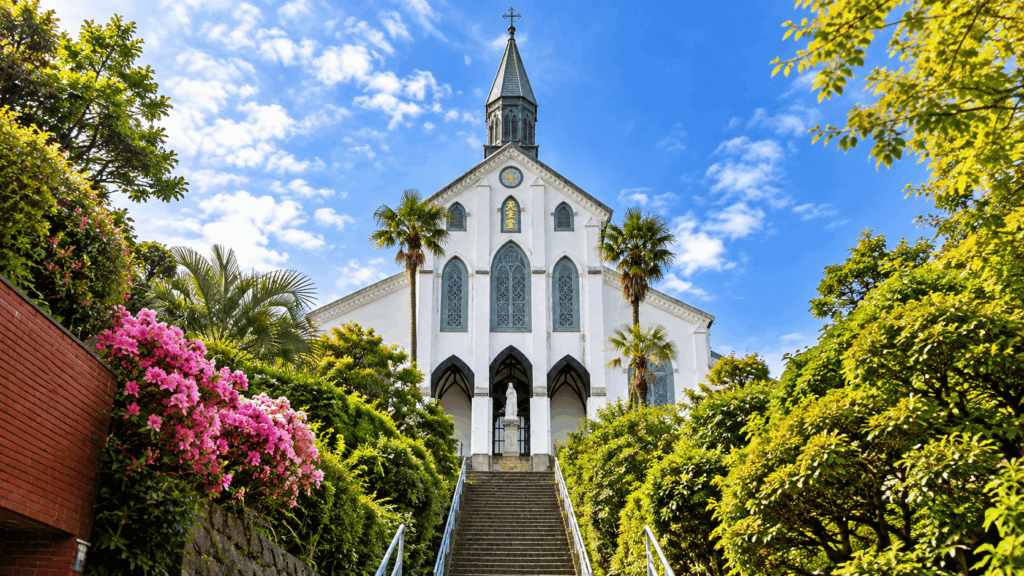
- Why go: A moving record of Nagasaki’s Christian community, built in the 1860s and linked to the hidden Christians who re-emerged here. Admission includes the adjacent Christian museum.
- Best for: Travelers interested in Japan’s international and religious history, and anyone already heading up the hill to Glover Garden.
- Time needed: 30 to 45 minutes for the church and museum together.
- Pair it with: Glover Garden — the two are only a few minutes apart on foot and share a combined ticket.
- Skip it if: You’re after a quick exterior photo and nothing more; the interior is the point.
Admission is currently ¥1,000 for adults, with reduced rates for students, and it includes the museum. Opening hours run later in spring and summer than in the colder months, and the church occasionally closes for events. Photography inside the church is not allowed; exterior shots are fine. There’s no visitor parking, so come by tram or on foot.
Kai’s tip: The thing that catches people out at Oura Cathedral is how much of the visit happens before you’re even inside. There’s a long staircase from the square up to the entrance and no other way in, so if stairs are a concern, plan for it — wheelchair users need assistance. Once inside, put the camera away, because photos aren’t permitted, and enjoy the way daylight comes through the stained glass and how calm the nave feels. It’s a place to sit and absorb rather than tick off quickly.
Oura Cathedral Alone vs Oura Cathedral + Glover Garden
Do both. They sit within a few minutes’ walk of each other in the Minami-Yamate district, and pairing them turns a scattered detour into one coherent half of your day. A combined ticket covers both for less than buying separately, and it’s valid for several days, so you can split the two visits if the weather turns. If you truly have time for only one, choose based on your interest: Oura Cathedral for history and faith, Glover Garden for harbor views and Western-style houses.
4. Glover Garden
Glover Garden spreads across a hillside above the harbor, and the payoff is one of the best views in the city. It’s a garden of restored Western houses tied to Nagasaki’s Meiji-era foreign community, and Thomas Glover in particular — a merchant who played an outsized role in Japan’s modernization.
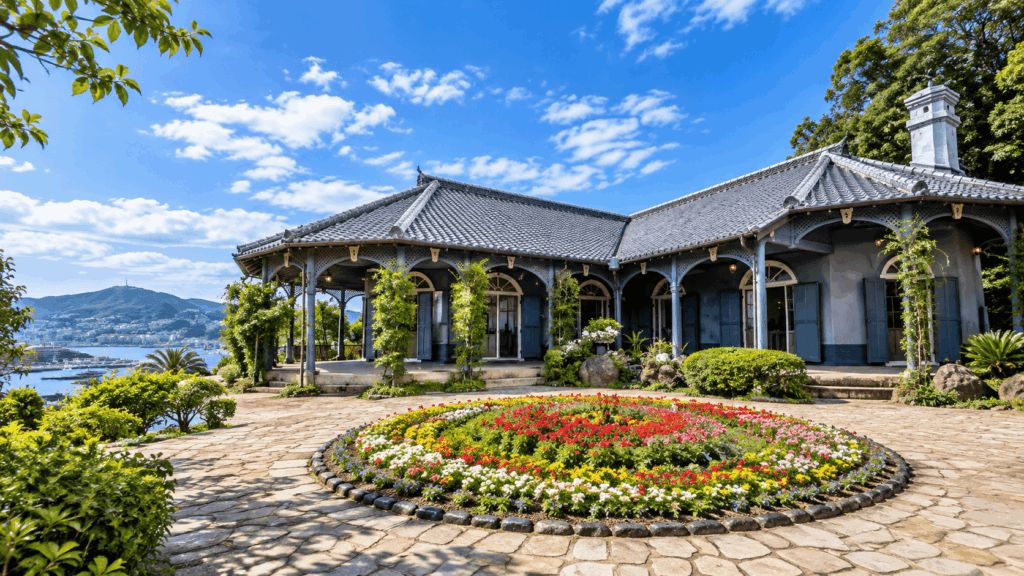
- Why go: Elegant historic villas, landscaped grounds, and sweeping views down over Nagasaki Harbor and the city.
- Best for: Travelers who enjoy architecture, gardens, and viewpoints, and anyone combining the visit with Oura Cathedral below.
- Time needed: 60 to 90 minutes, more if you stop for the views and tea.
- Pair it with: Oura Cathedral, a few minutes’ walk away.
- Skip it if: You need to avoid slopes, stairs, and uneven stone paving altogether.
The entrance fee is currently ¥1,300 for adults, with a lower rate for children, and like Oura it’s included in the combined Minami-Yamate ticket. Hours vary by season — the garden opens in the morning and generally closes in the early evening, with later closing in peak summer. There’s an entrance at the top of the hill as well as at the bottom, which matters more than it sounds.
Kai’s tip: Don’t let the hill put you off. There’s a moving walkway and escalators that carry you up the steepest section, so it’s far less of a climb than it looks from the tram stop — though the grounds themselves still have stone paths and gentle slopes, so it’s not completely flat. What stuck with me was the view from the upper level looking down over the harbor. If you’re here mainly for the scenery, you’ll get your money’s worth. One caveat from my own visit: school groups can make parts of the garden loud at times, so if you want quiet, aim for the edges of the day.
5. Dejima
Dejima is the reconstructed island where the Dutch traded under Japan’s long period of national isolation, and it’s the easiest place to understand why Nagasaki became such an unusual, outward-facing city. It’s compact, central, and pleasantly uncrowded compared with the peace sites.
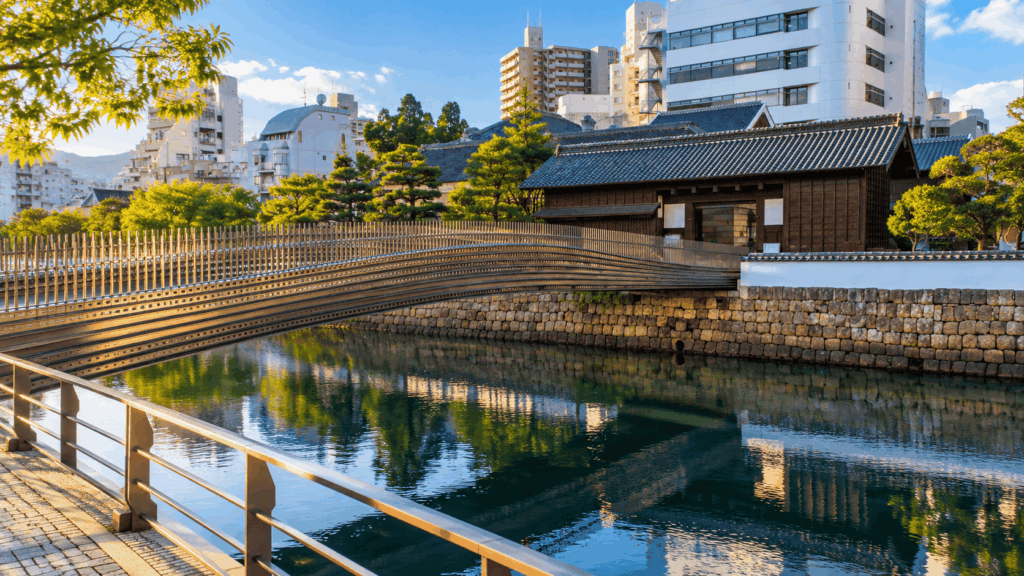
- Why go: A walkable, well-explained slice of Edo-period international trade, with restored buildings, quarters, and exhibitions on the Dutch presence.
- Best for: Travelers curious about trade, diplomacy, and how Japan engaged with the outside world before it opened to the West.
- Time needed: 60 to 90 minutes.
- Pair it with: Chinatown and the Nakashima River area, both a short walk away.
- Skip it if: You’re packing the city into one day and trade history doesn’t appeal.
Admission is currently around ¥1,100 for adults, with lower rates for students, and the site stays open into the evening — unusually late for a Nagasaki attraction — so it can fit after other stops close. Prices and hours change, so confirm before you build your day around it. Because it’s so central, Dejima is a good “flex” stop: pull it forward or push it back depending on how the rest of your day is running.
6. Nagasaki Shinchi Chinatown
Nagasaki’s Chinatown is one of Japan’s three historic Chinatowns and the oldest of them, but it is also the smallest — and that single fact should shape how you use it. Think of it as a compact, lively place to eat, not a district you set aside an afternoon to explore.
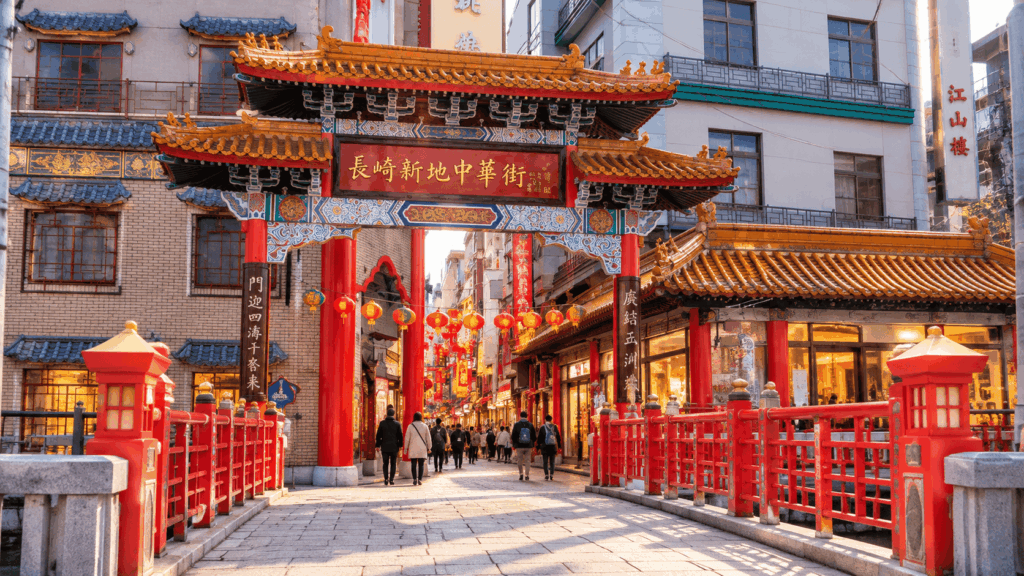
- Why go: Concentrated Chinese restaurants and street snacks, in a quarter with genuine centuries-old roots in the city’s trade history.
- Best for: Anyone wanting a quick, flavorful meal or a snack between bigger sights — especially noodles like champon and sara udon, which have deep local roots here.
- Time needed: 30 to 60 minutes, mostly eating.
- Pair it with: Dejima and Meganebashi, both easy walks.
- Skip it if: Your only goal is sightseeing — there isn’t enough “sight” here to justify a long visit on its own.
The whole quarter runs to roughly 250 meters of crisscrossing lanes, which confirms what most visitors suspect on arrival: it’s compact, and it doesn’t take long to walk through. Rather than comparing it unfavorably to larger Chinatowns, use it the way locals do — drop in for food, then move on.
Kai’s tip: I found Nagasaki’s Chinatown noticeably more compact than the ones in Yokohama or Kobe, and that’s exactly why it works best as a meal stop. On my visit, several shops were shut even at midday, so don’t treat any single restaurant as guaranteed — walk a couple of the lanes first and pick what’s actually open. The street snacks were the highlight for me: xiaolongbao and sesame balls as I wandered, then champon and sara udon shared in a back-street restaurant. Go in expecting a good lunch, not a long sightseeing stop, and you’ll enjoy it far more.
7. Meganebashi and Nakashima River
Meganebashi — the “Spectacles Bridge” — is a small stone arch over the Nakashima River, and it’s one of the few central sights that costs nothing and asks nothing of your schedule. It earns its place because of how photogenic it is and how easily it slots into a walk through central Nagasaki.
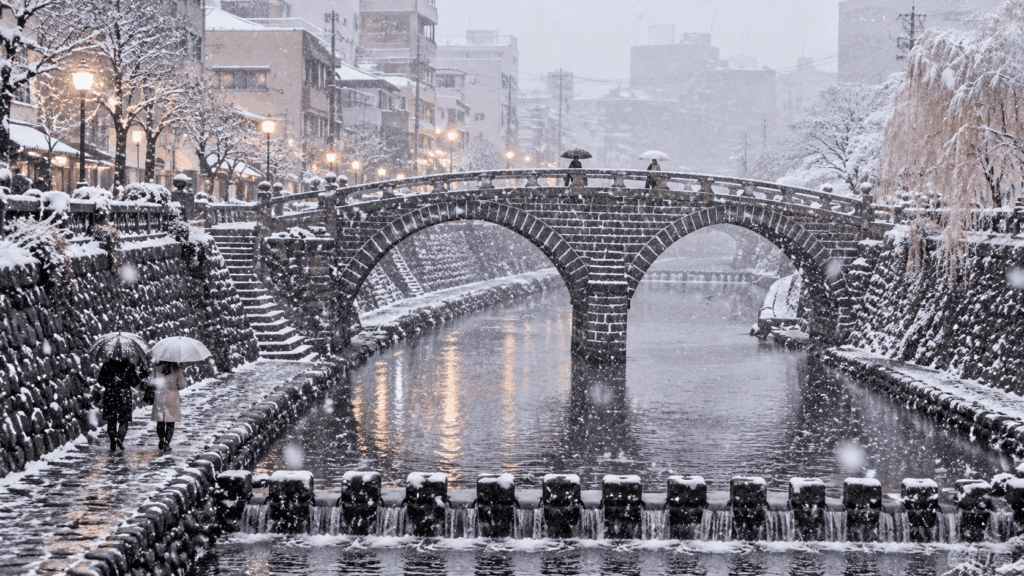
- Why go: A 17th-century stone bridge whose reflection in the water forms a pair of spectacles, with pleasant riverside paths and a short walk to nearby temples.
- Best for: Slow walkers, photographers, and anyone with a free half hour between central stops.
- Time needed: 20 to 30 minutes.
- Pair it with: Sofukuji Temple, Chinatown, and Dejima.
- Skip it if: You’re hard against the clock and prioritizing the peace sites and the Oura/Glover quarter.
There’s no admission and no opening hours to work around, and the area is lit in the evening, which gives it a different mood after dark. The bridge itself is a quick stop; the value comes from treating the whole riverside strip as a gentle walk rather than a single photo.
8. Sofukuji Temple
A few minutes from Meganebashi, Sofukuji is one of Nagasaki’s Chinese-founded temples and one of its quietest major sights. It’s the kind of stop that rewards curiosity more than obligation — a chance to see how deeply Chinese culture shaped the city’s religious landscape.
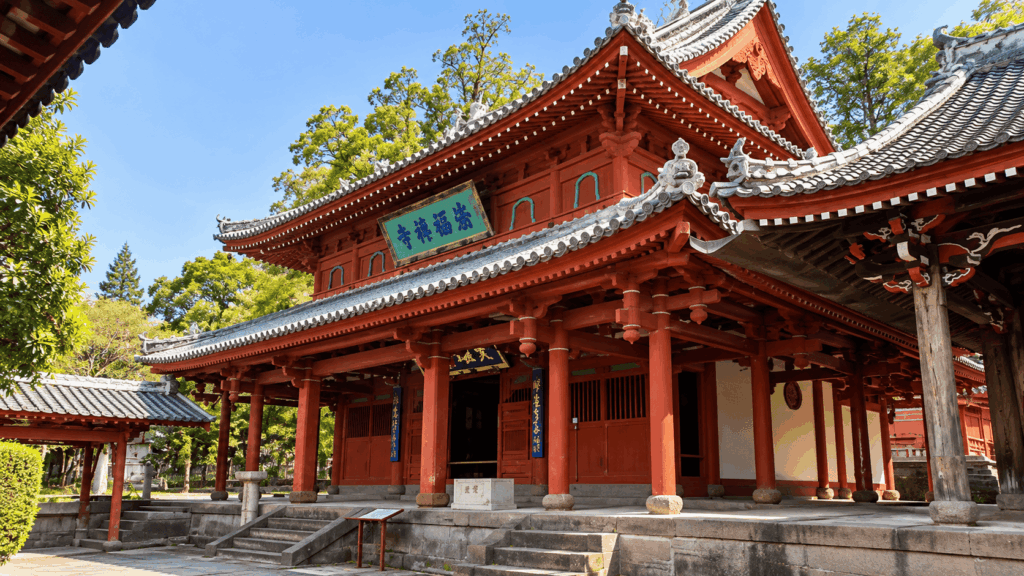
- Why go: Distinctive Chinese-influenced temple architecture and a calm, uncrowded atmosphere in the middle of the city.
- Best for: Travelers who like temples, and anyone building a slower central-Nagasaki walk.
- Time needed: 20 to 30 minutes.
- Pair it with: Meganebashi and Chinatown.
- Skip it if: Temples don’t hold your interest, or you’re on a strict one-day route.
Check current opening details before visiting, as temple access can vary. Because it sits in the same cluster as the bridge and the Chinatown lanes, it’s an easy add-on rather than a stand-alone trip — which is exactly how it’s best used.
9. Mt. Inasa Observatory
Mt. Inasa is where Nagasaki’s hills, harbor, and city lights come together — a panorama that’s regularly ranked among Japan’s best night views. But unlike the peace sites, this one is genuinely weather-dependent, and that should decide whether it makes your plan.
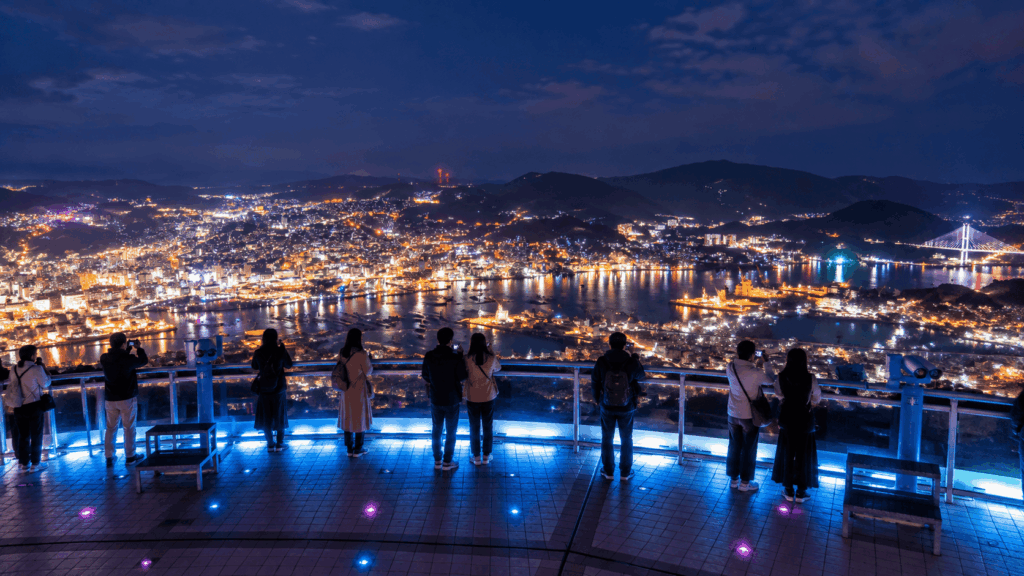
- Why go: A 360-degree view from 333 meters up, spectacular at dusk and after dark when the city below lights up.
- Best for: Anyone who wants the classic Nagasaki night view and can be flexible about timing.
- Time needed: 1.5 to 2 hours round trip, including the climb and time at the top.
- Pair it with: An evening after dinner, on a clear night.
- Skip it if: The forecast is cloudy, foggy, or wet, or you’re already exhausted — the view is the entire point.
There are three ways up: by ropeway, by slope car, or by car. Our guide on how to get to Mount Inasa covers the details for each route, but note that both the ropeway and the slope car have had periods of maintenance suspension in recent years — the slope car, in particular, has been affected by repairs, so always check the current operating status on the day rather than assuming. If you’re driving, note that the summit parking area is closed to vehicles during evening hours on weekends, holidays, and peak periods, so you may end up parking midway and riding up. All of this is worth confirming before you set out.
Kai’s tip: Go in the evening for the lights, but don’t underestimate the conditions up top. When I visited from late afternoon, the wind on the summit was strong and cold enough that I wished I’d brought an extra layer — the temperature drops noticeably from the city below. On a holiday weekend the midway parking was already filling up, so we headed up early rather than cutting it close. On a clear night the view genuinely delivers, including a small unexpected bonus: deer and monkeys near the midway area were a fun distraction on the way up. On a hazy or wet night, though, I’d skip it and save it for next time.
10. Gunkanjima (Hashima Island)
Gunkanjima — “Battleship Island,” formally Hashima — is the most striking optional experience in Nagasaki, and the one where expectations matter most. It’s a fully abandoned former coal-mining island, seen by boat and, when conditions allow, from a small landing area on the island itself.

- Why go: A UNESCO-listed industrial ruin unlike anything else in Japan, with guided commentary on its history and a memorable harbor crossing.
- Best for: Travelers with a spare half day and a real interest in industrial heritage or unusual landscapes.
- Time needed: Roughly half a day, typically two and a half to three hours door to door.
- Pair it with: A second day in Nagasaki, alongside the central sights you couldn’t fit on day one.
- Skip it if: You only have one day — it consumes a large block of time and shouldn’t replace the city’s core sights.
The honest caveats matter here. Landing on the island is permitted only when sea and weather conditions meet strict safety standards, so cancellation or a cruise-by-only trip is a real possibility — morning departures are often reported to have a better chance of landing than afternoon ones. Some travelers also find the boat ride itself uncomfortable. Tours are run by several operators at different prices, usually departing once in the morning and once around midday. Because this all varies by operator and by day, check the latest landing rules, departure times, and fares directly before booking. If the conditions don’t cooperate, treat it as a reason to enjoy central Nagasaki instead, not a ruined trip.
11. Urakami Cathedral
Urakami Cathedral sits in the northern part of the city, close to the Peace area, and carries the bombing story in built form: the original cathedral was destroyed in 1945 and later rebuilt. It’s a brief, meaningful stop if you’re already in the area.
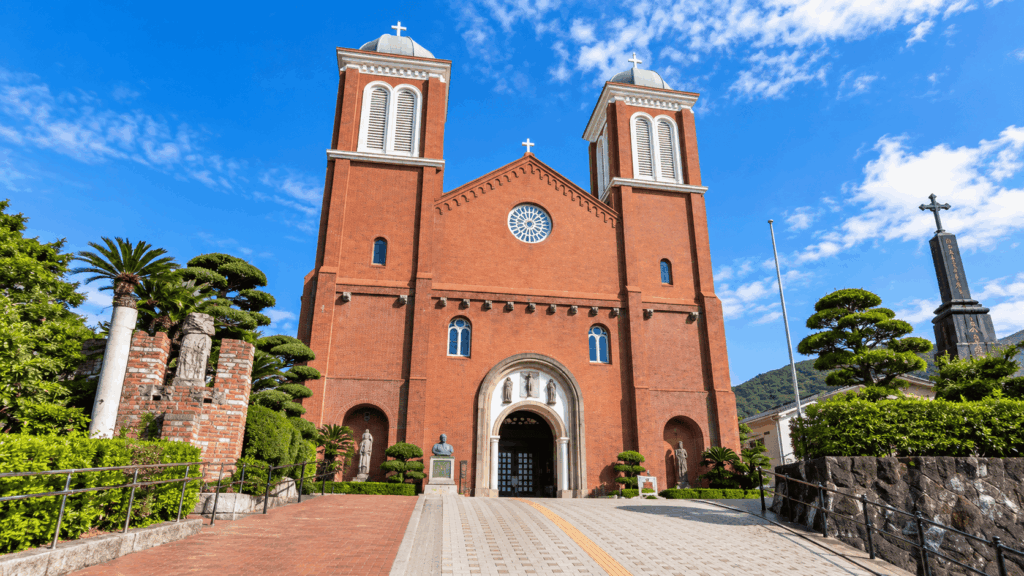
- Why go: A working Catholic cathedral with a powerful history, adding a religious dimension to the Peace area’s wartime narrative.
- Best for: Travelers combining the museum and parks with a short walk or ride north.
- Time needed: 20 to 30 minutes.
- Pair it with: The Atomic Bomb Museum and Peace Park.
- Skip it if: You’re on a tight one-day route and already stretched.
As an active place of worship, visiting arrangements can differ from those at the city’s ticketed museums, so confirm the current situation and any restrictions before you go. It’s best treated as part of the Peace area block rather than a separate destination.
12. Nagasaki Museum of History and Culture
If you want the deeper historical thread that ties Nagasaki’s trade, faith, and foreign relations together — or you simply need an indoor option on a rainy day — the Nagasaki Museum of History and Culture is a strong addition. It’s central, well organized, and rarely crowded.
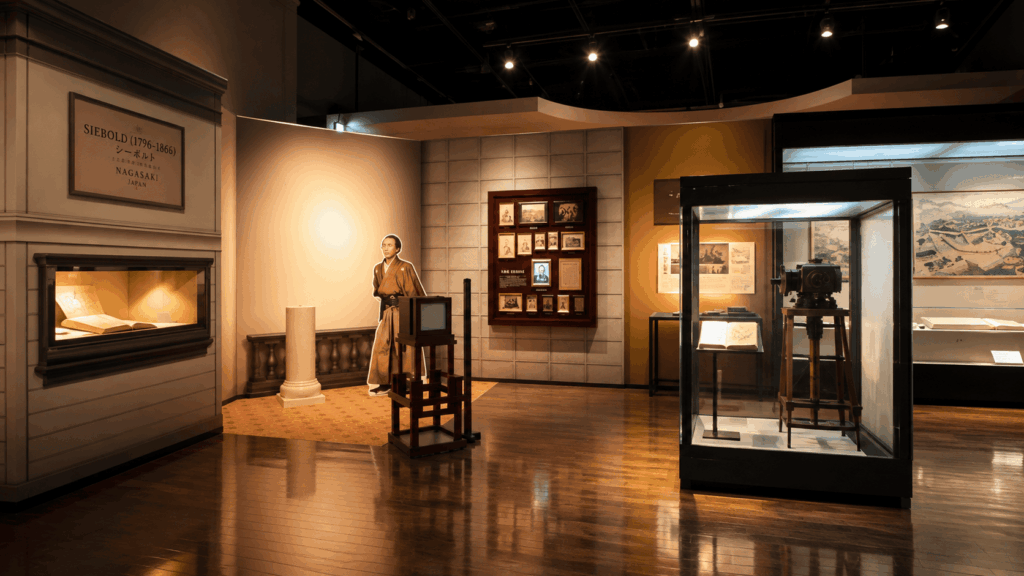
- Why go: Exhibitions covering the city’s role as Japan’s window to the world, with artifacts from its trade and diplomatic history.
- Best for: History-minded travelers and anyone planning around unpredictable weather.
- Time needed: 60 to 90 minutes.
- Pair it with: Dejima and central Nagasaki.
- Skip it if: Museum fatigue has set in, or you’re maximizing outdoor time on a clear day.
Admission is modest — around ¥630 for adults, with reduced student rates and lower advance-ticket prices — and hours run longer in spring and summer than in winter. The museum closes on certain Mondays, so check the calendar before you plan a visit around it. As always, confirm current fees and hours before you go.
How Many Days Do You Need in Nagasaki?
One full day is enough to cover the main city highlights if you move efficiently. Two days let you add Gunkanjima, spend longer in the museums, and eat and wander without watching the clock. If you are deciding how many days to spend in Nagasaki, here’s how the two plans compare.
| Area | 1 Day | 2 Days |
|---|---|---|
| Peace area (museum, parks) | Morning, ~2–3 hrs | Morning, unhurried |
| Oura Cathedral + Glover Garden | Early afternoon | Flexible, weather-dependent |
| Central city (Dejima, Meganebashi, Sofukuji) | Mid-afternoon, pick one or two | Spread across both days |
| Chinatown meal | Lunch or early dinner | Lunch, unhurried |
| Mt. Inasa | Evening, only if clear | Evening, with a backup night |
| Gunkanjima | Not recommended | Half of day two |
| Pace | Tight but doable | Comfortable |
If you have one day: start at the Atomic Bomb Museum and the two parks in the morning, when you’re freshest and the site is calmer. Break for lunch in Chinatown, then spend the early afternoon at Oura Cathedral and Glover Garden before walking down into central Nagasaki for a quick look at Dejima or Meganebashi. Finish with dinner, and head to Mt. Inasa only if the evening is clear. It’s a full day, but the areas connect logically.
That said, one day in Nagasaki means choosing your stops and accepting that you’ll skip some. If you’d rather not spend the day figuring out tram connections, opening hours, and the best route, a private licensed-guide tour is the most logical paid option — it’s designed for exactly this kind of tight, history-heavy day.
For a history-focused day in Nagasaki, a private guide makes the most sense if you want to choose your priorities while leaving the route planning and historical explanations to someone local. This customizable walking tour is particularly relevant if you value local context more than simply being driven between attractions.
Why I’d book this one
- More context at each stop: Recent travelers highlight the guides’ historical knowledge and their ability to explain Nagasaki’s complex past clearly — particularly valuable for understanding the city’s wartime history and international heritage.
- A day shaped around your interests: Choose a 4- or 6-hour private itinerary rather than following a fixed group schedule. Traveler feedback also highlights flexible planning and guides who consider visitors’ preferences and the city’s hilly terrain.
- Booking flexibility: The listing offers a free-cancellation window and a reserve-now, pay-later option, subject to the conditions shown for your chosen date. Public transport, taxis, and attraction admission are generally extra, so check the full cost before deciding.
See live availability, start times, booking conditions, and recent traveler reviews for the Nagasaki private licensed-guide tour. It’s worth comparing with a self-guided day, especially if historical explanations and a route tailored to your interests would make the experience more rewarding.
If you have two days: keep the Peace area and the Oura/Glover quarter on day one, then use day two for Gunkanjima in the morning and the central sights, a longer museum visit, or simply slower food and neighborhood time. Two days also gives you a second chance at Mt. Inasa if the first evening is cloudy — a real advantage, given how weather-dependent the view is.
The Best Way to Get Around Nagasaki
Central Nagasaki is compact on a map but genuinely hilly on the ground, and that gap is where most travel plans — and decisions on where to stay in Nagasaki — go wrong. The tram gets you between the main areas quickly and cheaply, but the final stretch to places like Glover Garden or the peace sites is usually on foot, often uphill.
| Option | Best for | Watch out for |
|---|---|---|
| Tram | Cheap, frequent hops between major areas | Can be crowded with luggage; some routes have been reduced or suspended |
| Walking | Central clusters like Dejima, Chinatown, and Meganebashi | Hills and stairs — don’t underestimate the climb to Oura and Glover |
| Taxi | Reaching Mt. Inasa or saving energy on a hot or rainy day | Cost adds up; availability can thin at peak times |
| Private guide with car | Covering several areas in one day without planning transfers | Higher cost; book ahead and confirm what’s included |
The tram is flat-fare and inexpensive, and a one-day pass pays for itself if you’ll ride more than a few times. Be aware that route coverage and service levels do change — some routes have been suspended or reduced in recent years — so check the current timetable rather than relying on older guides. Fares and pass prices are low but do get revised, so confirm the latest.
What I’d tell a friend planning their first day: don’t try to walk the whole city. Use the tram for the long hops and save your legs for the hills at Oura, Glover, and the peace sites, where the walking is the experience. If steep streets, stairs, or carrying luggage are a concern, arranging a car or a guide removes most of that friction — this is one city where convenience genuinely changes how much you can see in a day.
What I’d Prioritize on a First Trip to Nagasaki
If you take one thing from this guide, make it this ranking. Nagasaki rewards a focused plan far more than a long checklist.
- Must-do: The Peace area — the Atomic Bomb Museum with Peace Park and the Hypocenter Park — and the Oura Cathedral plus Glover Garden quarter.
- Strongly recommended if conditions fit: Mt. Inasa in the evening, but only on a clear night.
- Good additions: Dejima, Meganebashi and the Nakashima River walk, Sofukuji Temple, and the Nagasaki Museum of History and Culture. Use Chinatown as a meal stop rather than a sightseeing destination.
- Optional if you have more time: Gunkanjima and Urakami Cathedral, both best slotted into a second day.
The honest version, after spending time here: the travelers who enjoy Nagasaki most aren’t the ones who saw the most sights — they’re the ones who gave the Peace area room to land, kept their evenings flexible for Mt. Inasa, and treated Chinatown as lunch rather than a landmark. Skip what doesn’t interest you without guilt, and the city repays you.
Frequently Asked Questions
What are the must-see attractions in Nagasaki for first-time visitors?
For a first visit, the essential set is the Peace area — the Atomic Bomb Museum with Peace Park and the Hypocenter Park — followed by the Oura Cathedral and Glover Garden quarter on the hillside above the harbor. Add one compact central stop such as Dejima or the Meganebashi riverside walk, and treat Chinatown as a meal rather than a sight. Mt. Inasa makes the list too, but only on a clear evening, since clouds or fog can wipe out the view entirely.
Is one day enough for Nagasaki?
Yes, for the main city highlights — if you move efficiently and accept that you’ll skip a few things. A realistic one-day route covers the Peace area in the morning, Chinatown for lunch, Oura Cathedral and Glover Garden in the early afternoon, one central stop, and Mt. Inasa at night only if the sky is clear. What one day doesn’t comfortably fit is Gunkanjima, which consumes roughly half a day on its own, or a slow, unhurried museum visit. Adding a second day turns the trip from tight into comfortable.
Is Gunkanjima worth visiting if I only have one day?
Generally, no — not if you have just one day. The tour takes around two and a half to three hours door to door, plus travel and check-in, so it eats a large block of your only day, and landing can be cancelled when sea and weather conditions don’t meet strict safety standards. It’s genuinely rewarding if industrial ruins and unusual landscapes interest you and you can spare a half day, ideally on a second day. If your time is limited, spend it in central Nagasaki instead and save Gunkanjima for another trip.
Is Nagasaki Chinatown worth visiting?
It’s worth visiting for the food, not for sightseeing. It’s one of Japan’s three historic Chinatowns and the oldest, but it’s also the smallest — the whole quarter is only about 250 meters of crisscrossing lanes, so it doesn’t fill an afternoon. Go for a quick, tasty meal or snacks such as champon, sara udon, or street food, and expect some shops to be closed depending on the time of day. As a lunch stop between bigger sights, it works well; as a destination in its own right, it can disappoint.
What is the best time to visit Mt. Inasa?
The best time is dusk through early evening on a clear, dry day — you catch the change from daylight to city lights, and the panorama is at its most impressive. Because the view is the entire point, check the weather forecast and, if possible, the live visibility before heading up. Be aware that both the ropeway and the slope car have had maintenance suspensions in recent years, so confirm they’re operating on your chosen day, and note that summit parking is closed to cars during evening hours on weekends, holidays, and peak periods. Bring an extra layer; it’s noticeably colder and windier at the top than in the city.
Final Verdict: Which Nagasaki Plan Fits You?
There’s no single “best” way to see Nagasaki — the right plan depends on how much time you have and what you care about. Here’s how I’d decide.
- Choose the classic one-day route if… you want the essential Nagasaki — the Peace area, Oura Cathedral, and Glover Garden — and can move at a steady pace. Add Mt. Inasa only on a clear evening.
- Choose a two-day plan if… you want Gunkanjima, a slower museum visit, or unhurried food and neighborhood time. Two days also give you a second shot at Mt. Inasa if the first night is cloudy.
- For first-time visitors: prioritize the Peace area and the Oura/Glover quarter over everything else. These two blocks define the city, and both deserve real time rather than a rushed photo stop.
- For families: build the day around the Peace area and Glover Garden, use Chinatown for a relaxed meal, and keep Mt. Inasa optional so a late night or bad weather doesn’t derail the plan. The hills and stairs are the main thing to plan around.
- For travelers on a tight schedule: stay central. Pair Dejima, Meganebashi, and Chinatown in one compact loop, and treat the longer detours — Gunkanjima especially — as first things to cut.
- For repeat visitors: go deeper. Spend more time at Dejima and the Museum of History and Culture, walk the temple-and-river district slowly, and give Gunkanjima the half day it needs.
- Choose a private guided day if… you’d rather cover several areas in one day without planning tram connections and opening hours, or you want the historical context explained as you go. It makes the most sense when time is short or when a hill-heavy, step-by-step day would be a strain.
Whatever you choose, resist the urge to cram in everything. Nagasaki is a city that punishes a rushed checklist and rewards a focused one — and the view from Mt. Inasa at dusk is the best argument for leaving something for next time.

Hi, I’m Kai. I’m a Tokyo-based travel writer, tourism industry insider, and the author of a published guidebook for international visitors to Japan. With over 10 years of professional experience at a leading Japanese tourism company, my mission is to help you skip the tourist traps and navigate Japan’s best destinations like a local. I believe the perfect day trip is like a traditional kaiseki meal: a beautiful balance of precise planning and unforgettable seasonal discovery. When I’m not out conducting field research, you’ll usually find me drafting new itineraries with one of my favorite fountain pens!