
If you are planning a ninja experience in Tokyo and wondering whether the Samurai Ninja Museum Asakusa is worth your time and money, here is the short answer:
Yes — if you want a short, indoor, English-friendly activity near Senso-ji Temple that includes a guided museum tour, samurai armor photo time, and hands-on ninja-style activities in about one hour. It is not a full-day theme park or a serious martial arts class, but for families, first-time visitors, rainy-day planning, and travelers short on time, it is one of the easiest ninja-themed experiences to add to an Asakusa itinerary.

Quick Answer: Is Samurai Ninja Museum Asakusa Worth It?
| Decision Point | What to Know |
|---|---|
| Best for | Families, first-time visitors, Asakusa sightseeing days, rainy-day planning, and travelers who want a short indoor activity. |
| Not ideal for | Travelers looking for serious martial arts training, a large historical theme park, or a quiet traditional museum. |
| Typical duration | About 45–60 minutes for the basic visit. Upgraded activities may take longer. |
| Typical price | The basic adult ticket is usually around ¥3,000, but child prices, upgraded experiences, third-party booking prices, and exchange-rate conversions can change. |
| Indoor suitability | Fully indoors, so it works well on rainy, very hot, or humid days in Tokyo. |
| Kids suitability | Good for children who can follow basic safety instructions during the hands-on parts. Check the age rules for your exact ticket before booking. |
| English support | English-friendly guided tour options are a major advantage for international visitors. |
| Booking advice | Book ahead if you want a specific time slot, especially on weekends, holidays, school breaks, or rainy days. |
Quick verdict: Choose Samurai Ninja Museum Asakusa if your priority is convenience, English support, indoor reliability, and a light cultural activity near Senso-ji Temple. Choose another option if you want a full-day historical theme park, formal martial arts training, or a location closer to Shinjuku or Harajuku.
What Is the Samurai Ninja Museum Asakusa?
The Samurai Ninja Museum Asakusa, also listed as SAMURAI NINJA MUSEUM TOKYO With Experience, is an interactive museum-style attraction in Nishiasakusa, close to Senso-ji Temple, Nakamise Shopping Street, and Asakusa Station.
Unlike a traditional museum where you only read plaques behind glass, this venue is designed around a guided experience. Visitors learn the basics of samurai and ninja history, see armor and weapon displays, try samurai-themed photo opportunities, and join hands-on activities such as shuriken throwing or other ninja-style practice depending on the ticket type.
It is not the only ninja-themed option in Tokyo, but its central location near classic Asakusa sightseeing makes it especially easy to combine with an Asakusa half-day itinerary.
Location and Access
- Area: Nishiasakusa, Taito City, Tokyo
- Nearby sightseeing: Senso-ji Temple, Nakamise Shopping Street, Kappabashi Kitchen Street, and Tokyo Skytree
- Nearest stations: Asakusa and Tawaramachi are the most useful stations depending on your route
- Planning tip: Check your map app before leaving the station, because “Asakusa Station” can refer to different train lines and exits
Samurai Ninja Museum Tickets, Prices, and Duration
The museum offers a basic ticket and upgraded hands-on experiences. The exact names, prices, inclusions, and time slots can vary by official page or booking platform, so treat the table below as a planning guide rather than a permanent price list.
| Ticket Type | Typical Time Needed | What It Usually Includes | Best For |
|---|---|---|---|
| Basic Museum Ticket | About 45–60 minutes | Guided museum tour, samurai-themed photo time or armor try-on, and hands-on ninja-style activity such as shuriken throwing | Families, first-time visitors, and travelers adding a short activity to Asakusa sightseeing |
| Ninja Experience Upgrade | Usually around 1.5 hours or more | Basic visit plus additional ninja-style activities, which may include costume rental, blowgun practice, stealth techniques, or a treasure-hunt style activity depending on the ticket | Children and families who want a more active ninja-themed experience |
| Samurai or Sword Experience Upgrade | Usually around 1.5–2 hours | Basic visit plus a more focused samurai-style activity, such as sword handling or cutting practice depending on the selected experience | Adults, couples, and older children who want a more memorable hands-on activity |
The basic adult ticket is commonly listed around ¥3,000. Child pricing and upgraded experiences vary, and third-party booking sites may show different totals depending on the date, exchange rate, fees, and cancellation terms. Always check the latest price, ticket inclusions, and age rules before reserving.
Opening hours and final entry can also change. Rather than planning around a fixed closing time from a blog post, use the official booking calendar or your selected booking page for the date you want to visit.
Still deciding which ticket to choose?
What to Expect During the Experience
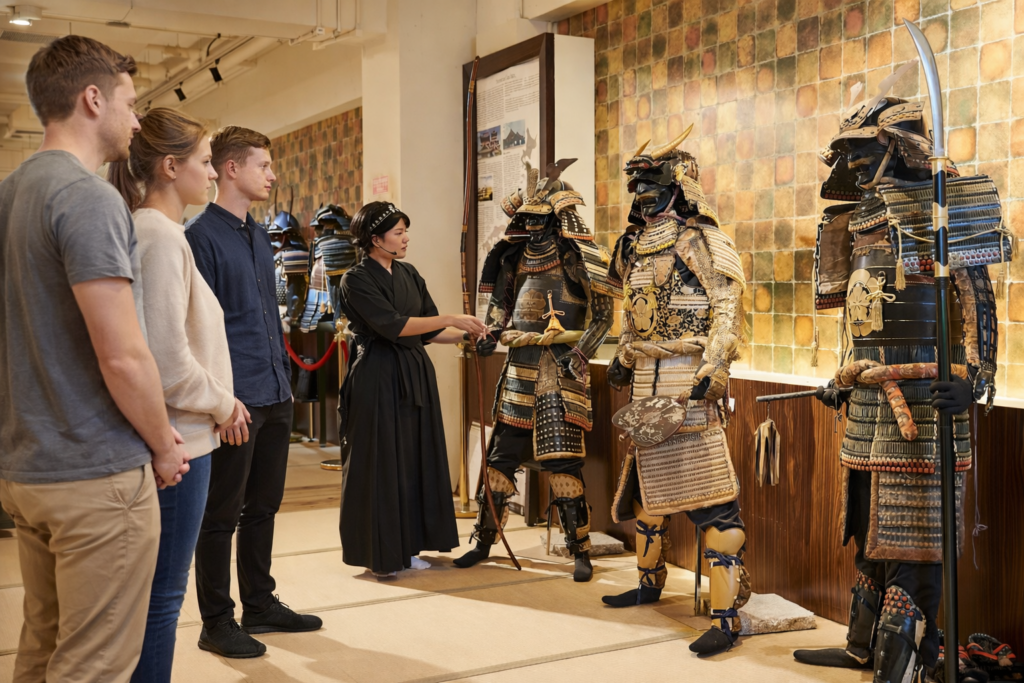
1. English-Friendly Guided Museum Tour
The experience usually begins with a guided explanation of samurai and ninja history. For international travelers, the English support is one of the biggest advantages. It makes the activity easier to follow than a Japanese-only museum visit, especially if you are traveling with children or visiting Japan for the first time.
The tone is light and accessible rather than academic. Expect an entertaining introduction to samurai and ninja themes, not a deep university-style lecture on feudal Japanese history.
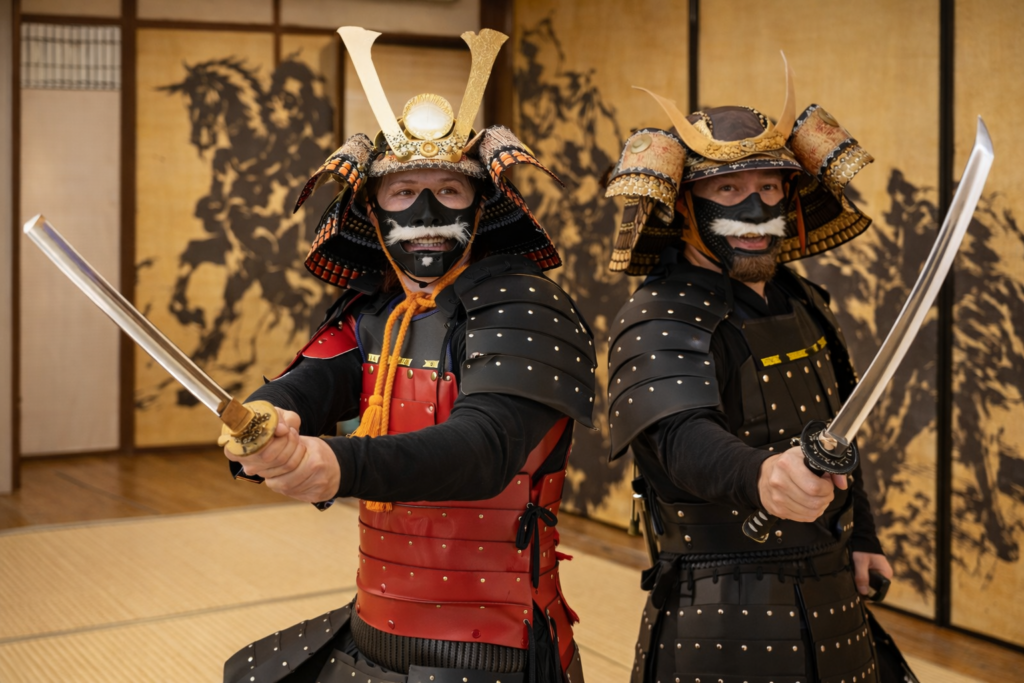
2. Samurai Armor Photo Time
A samurai-themed photo opportunity is one of the most memorable parts of the visit. Depending on the ticket and session, guests may be able to try on replica-style armor or pose with samurai-themed props.
This is especially appealing for families, couples, and travelers who want a fun Tokyo photo without committing to a full costume rental experience elsewhere.
3. Shuriken Throwing or Ninja-Style Practice
The hands-on ninja activity is usually the most active part of the basic visit. After receiving instructions, guests try shuriken throwing or another guided ninja-style activity in a controlled indoor setting.
Because this involves physical movement and safety rules, children should be old enough to listen to the guide and follow instructions. If you are visiting with toddlers or very young children, check the latest age guidance for your exact ticket before booking.
4. Optional Upgrades
If you choose an upgraded ticket, the experience may continue with more hands-on activities. Depending on the package, this could include ninja costume rental, blowgun practice, stealth-style training, a treasure hunt, samurai sword handling, or cutting practice.
These upgrades are better if the museum is one of the main activities of your day. If you only need a quick indoor stop between Senso-ji and lunch, the basic ticket is usually enough.
Do You Need to Book in Advance?
Advance booking is the safer choice if you want a specific time slot. The experience runs on scheduled guided sessions, and availability can be less predictable during weekends, Japanese holidays, school breaks, cherry blossom season, autumn foliage season, and rainy days when indoor activities become more popular.
Walk-ins may be possible at some times, but they are not something to rely on if you are planning a tight Asakusa day. Before booking, check the latest cancellation policy, start time, language details, meeting point, ticket inclusions, and whether your selected package has any age restrictions.
Samurai Ninja Museum Asakusa vs Other Ninja Experiences in Tokyo
If you are choosing between multiple ninja experiences in Tokyo, the decision comes down to location, time, budget, and how serious you want the experience to feel.
| Option | Better For | Possible Drawback |
|---|---|---|
| Samurai Ninja Museum Asakusa | Short English-friendly activity, families, rainy days, and Asakusa sightseeing | Less suitable if you want a full-day theme park or serious martial arts training |
| Samurai Ninja Museum Shinjuku | Travelers staying around Shinjuku who want a similar samurai/ninja-themed experience closer to their hotel | Less convenient if your day is centered on Senso-ji, Nakamise, or Kappabashi |
| Ninja Experience Cafe Harajuku | Travelers who want a playful cafe-style ninja activity near Harajuku | Less connected to historic Asakusa sightseeing |
| NINJA SAMURAI TOKYO | Travelers who want a more training-focused ninja or samurai lesson | Usually more expensive and more intense than a casual museum visit |
| Ninja Trick House in Shinjuku | Travelers staying near Shinjuku who want a compact ninja-themed stop | Less convenient for an Asakusa-based day, and access may involve stairs depending on the venue |
| Edo Wonderland Nikko Edomura | Travelers who want a full-day historical theme park outside Tokyo | Requires much more travel time, transport planning, and budget |
Choose Samurai Ninja Museum Asakusa if your priority is convenience, English support, indoor reliability, and an easy add-on to Senso-ji Temple. Choose another option if your priority is a full-day theme park, a more serious training session, or a location closer to Shinjuku or Harajuku.
Asakusa Branch vs Shinjuku Branch: Which Should You Choose?
The best branch depends less on which one is “better” and more on where your Tokyo day is already taking you.
| Factor | Asakusa Branch | Shinjuku Branch |
|---|---|---|
| Best nearby plan | Senso-ji Temple, Nakamise Shopping Street, Kappabashi, Tokyo Skytree, Sumida River | Shinjuku hotels, Shinjuku Gyoen, Golden Gai, Kabukicho, evening plans in west Tokyo |
| Best for | Families, first-time visitors, and classic Tokyo sightseeing days | Travelers staying in Shinjuku or building a west-side Tokyo day |
| Main advantage | Very easy to combine with Asakusa’s major attractions | Convenient if your hotel or evening plans are in Shinjuku |
| Possible drawback | Less convenient if you are staying far west in Tokyo | Less natural if your main sightseeing day is Asakusa-based |
For most first-time visitors who already plan to see Senso-ji Temple, the Asakusa branch is the more natural fit. For travelers staying in Shinjuku with limited time, the Shinjuku branch may be easier.
Who Should Visit?
Families with Children
This is one of the strongest matches. The guided format, armor photo time, and hands-on ninja-style activity give children something active to do, which can be a welcome break from temples, shopping streets, and train transfers. If you are planning Tokyo with kids, this type of short indoor activity can help balance the day.
That said, families should check the rules for their specific ticket. Basic admission, ninja upgrades, and sword-related experiences may have different age guidance. Children also need to follow safety instructions during the hands-on parts.
First-Time Visitors to Japan
If this is your first trip to Japan, the museum offers a simple introduction to samurai and ninja themes without requiring much background knowledge. The experience is designed to be accessible, so you do not need to be a history expert to enjoy it.
Travelers with Limited Time in Tokyo
The short format is a major advantage. You can place the museum before or after Senso-ji Temple, Nakamise Shopping Street, Kappabashi Kitchen Street, or lunch in Asakusa without losing most of the day.
Rainy-Day Planners
Because the activity is indoors, it is a practical backup plan when rain, heat, or humidity makes outdoor sightseeing less appealing. This is especially helpful in summer, during the rainy season, or on days when you want a break from walking.
Who Should Skip It?
Skip It If You Want Serious Martial Arts Training
The Samurai Ninja Museum Asakusa is a museum-based cultural activity, not an intensive martial arts class. If you want deeper sword training, formal movement practice, or a more serious training atmosphere, look for a dedicated dojo-style samurai or ninja lesson instead.
Skip It If You Want a Full-Day Theme Park
This is a compact indoor experience in central Tokyo. If you want to walk through a large historical village, watch multiple shows, and spend several hours in costume, consider Edo Wonderland Nikko Edomura instead.
Skip It If You Prefer Quiet Museums
The appeal here is interaction. If you prefer silent galleries, long artifact descriptions, and a slower museum pace, this may feel more entertainment-focused than you want.
Tips for the Best Experience
Visit on a Weekday If You Can
Weekdays are usually easier than weekends for timed indoor activities in tourist areas. If you are visiting during a busy season, book ahead and avoid building your entire day around same-day availability.
Pair It with Senso-ji and Nakamise
The location is one of the biggest reasons to choose this museum. A simple half-day plan could look like this:
- Morning: Visit Senso-ji Temple before the heaviest crowds
- Late morning or early afternoon: Join the Samurai Ninja Museum experience
- Afterward: Walk through Nakamise, Kappabashi, or stop for lunch in Asakusa
- Later: Continue to Tokyo Skytree or take a Sumida River cruise if the weather is good
Wear Comfortable Clothes
You do not need special clothing for the basic visit, but comfortable clothes and shoes are helpful. You may be posing for photos, throwing shuriken, or moving around during hands-on activities.
Avoid Bringing Large Luggage
As with many small indoor attractions in Tokyo, large suitcases can be awkward. If you are arriving before hotel check-in or heading to the airport afterward, use your hotel storage or station coin lockers before visiting.
Frequently Asked Questions
Is the Samurai Ninja Museum Asakusa good for kids?
Yes, it can be a good choice for children because the experience includes hands-on activities instead of only museum displays. The shuriken throwing or ninja-style practice and samurai-themed photo time are usually the most appealing parts for families. For very young children, check the latest age guidance and safety rules before booking.
How long does the Samurai Ninja Museum Asakusa experience take?
The basic visit usually takes about 45–60 minutes. Upgraded ninja or samurai experiences can take longer, often around 1.5–2 hours depending on the package. Check the exact duration on your selected ticket page.
Do the guides speak English?
English-friendly guided options are one of the main reasons this museum works well for international travelers. Always check the language details for your specific booking date before reserving.
Do I need to book in advance?
Advance booking is recommended if you want a specific time slot. Walk-ins may be possible on quieter days, but timed guided sessions can make same-day availability less predictable, especially on weekends, holidays, and rainy days.
Is this a good rainy-day activity in Tokyo?
Yes. Because the activity is indoors, it is a useful backup plan for rainy days, hot summer afternoons, or humid weather. The main weather issue is simply getting to the museum comfortably from your station or nearby sightseeing area.
What should I wear?
Wear comfortable clothes that are easy to move in. You do not need special clothing for the basic museum visit, but comfortable shoes are useful if you are combining the experience with walking around Asakusa.
Is Samurai Ninja Museum Asakusa better than Edo Wonderland?
They serve different purposes. Samurai Ninja Museum Asakusa is better if you want a short, central Tokyo activity near Senso-ji Temple. Edo Wonderland is better if you want a full-day historical theme park experience outside central Tokyo and do not mind the travel time.
Can I combine this with other Asakusa sightseeing?
Yes. This is one of the easiest parts of the experience to plan. You can combine it with Senso-ji Temple, Nakamise Shopping Street, Kappabashi Kitchen Street, a short food stop in Asakusa, Tokyo Skytree, or a Sumida River cruise.
What is the cancellation policy?
Cancellation policies vary depending on where you book. Check the cancellation deadline, refund rules, and late-arrival policy on your selected booking platform before reserving.
Final Verdict: Should You Book the Samurai Ninja Museum Asakusa?
The Samurai Ninja Museum Asakusa is worth considering if you want a short, indoor, English-friendly ninja experience in Tokyo that fits easily into an Asakusa sightseeing day. Its biggest strengths are location, convenience, and the mix of guided explanation, samurai-themed photos, and hands-on ninja-style activities.
Choose this if:
- You are already visiting Senso-ji Temple or Nakamise Shopping Street
- You want a short indoor activity that works in bad weather
- You are traveling with children who need an interactive break from sightseeing
- You are a first-time visitor who wants a light introduction to samurai and ninja culture
- You prefer convenience over a full-day trip outside central Tokyo
Choose another option if:
- You want serious martial arts training
- You prefer quiet, traditional museums with detailed artifact labels
- You want a full-day historical theme park experience
- Your Tokyo day is based around Shinjuku, Harajuku, or another area far from Asakusa
For most families and first-time visitors planning an Asakusa day, this museum is one of the easiest ninja-themed activities to add without complicating the itinerary.
If your Asakusa itinerary is taking shape, check the latest availability, current price, and exact ticket inclusions before choosing your time slot.
Check availability and book the Samurai Ninja Museum Asakusa: Guided Tour & Ninja Experience
Prices, opening hours, ticket inclusions, age rules, cancellation policies, available time slots, and booking-platform details can change. Always check the official museum page and your selected booking platform before finalizing your visit.

Hi, I’m Kai. I’m a Tokyo-based travel writer, tourism industry insider, and the author of a published guidebook for international visitors to Japan. With over 10 years of professional experience at a leading Japanese tourism company, my mission is to help you skip the tourist traps and navigate Japan’s best destinations like a local. I believe the perfect day trip is like a traditional kaiseki meal: a beautiful balance of precise planning and unforgettable seasonal discovery. When I’m not out conducting field research, you’ll usually find me drafting new itineraries with one of my favorite fountain pens!