
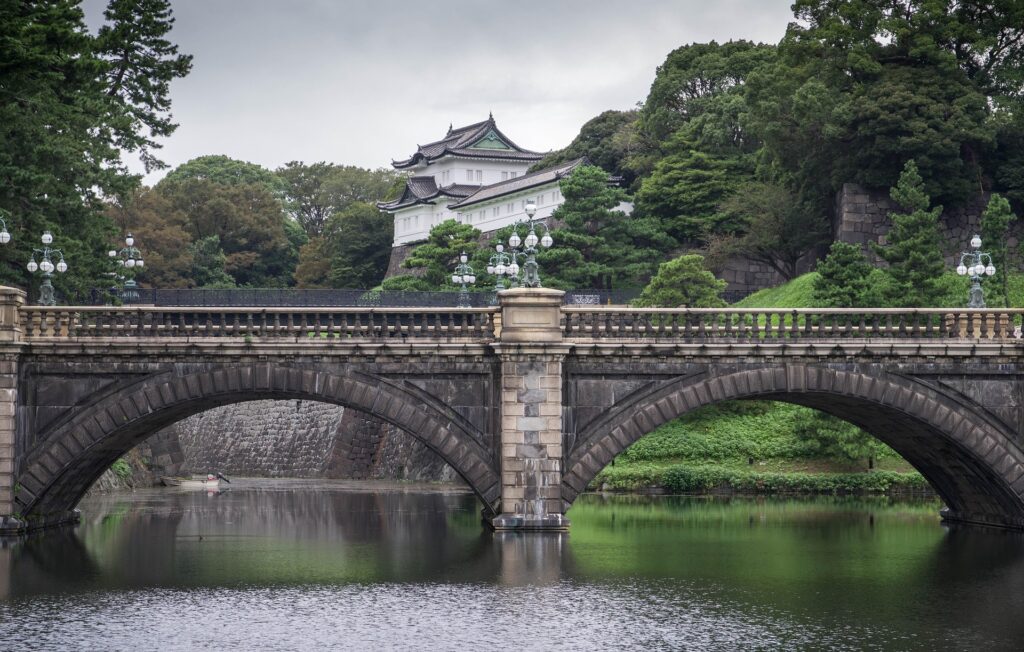
Do you need a guided tour for the Tokyo Imperial Palace? For a simple walk around the East Gardens and outer palace area, no. For the official Inner Palace Grounds, yes—you need to join the free Imperial Household Agency tour. For live English historical explanation, a paid walking tour can be worth it.
The Tokyo Imperial Palace is confusing because the area is not one single attraction with one ticket rule. The East Gardens are free and usually easy to visit on your own. The Inner Palace Grounds require official tour registration. The palace buildings themselves are not open to the public on regular visits.
This guide explains which option to choose, what is actually free, what paid English tours usually add, and what to check before you plan your day.
Quick Answer: Do You Need a Guided Tour for Tokyo Imperial Palace?
- Just want to walk around freely? Visit the East Gardens and the outer palace area. No tour is needed.
- Want to enter the Inner Palace Grounds? Join the free Imperial Household Agency tour. Advance online application is the safest option.
- Want live English historical context? Consider a paid English walking tour focused on Edo Castle, the East Gardens, moats, gates, and palace history.
- Want to go inside the palace buildings? Not possible on regular public visits. The Imperial Palace is an active Imperial residence.
- Want the classic Nijubashi Bridge photo? You can usually view it from Kokyo Gaien without joining a tour, but access can change during special events.
As of June 2026: entry to the East Gardens is free, and the official Imperial Household Agency tour is also free. Paid third-party tours vary by operator, route, language, date, and platform. Always check the official palace calendar and your selected booking page before finalizing your plan.
Check availability for a Tokyo Imperial Palace historical walking tour
Which Areas Can You Visit at Tokyo Imperial Palace?
East Gardens: Free, No Advance Booking Required
The East Gardens, also called Higashi Gyoen, are the easiest part of the Tokyo Imperial Palace to visit independently. They sit on the former site of Edo Castle’s innermost defensive circles and include historic guardhouses, stone walls, gardens, lawns, and the foundation of the former castle tower.
- Cost: Free.
- Booking: Not required during normal opening hours.
- Main gate for most visitors: Ote-mon Gate, convenient from Tokyo Station and Otemachi Station.
- Best for: travelers who want a flexible, free visit without joining a group.
- Watch out for: closure days, seasonal opening hours, and occasional closures for Imperial events.
At the gate, visitors may receive a small entry token and return it when leaving. The system is simple, but it can surprise first-time visitors who expect a normal ticket counter.
East Gardens Opening Hours and Closure Days
Opening hours vary by season. As of June 2026, the East Gardens generally open at 9:00, with closing times ranging from 16:00 in winter to 18:00 in late spring and summer. Last entry is usually 30 minutes before closing.
- March 1 to April 14: 9:00–17:00, last entry 16:30.
- April 15 to August 31: 9:00–18:00, last entry 17:30.
- September: 9:00–17:00, last entry 16:30.
- October: 9:00–16:30, last entry 16:00.
- November to February: 9:00–16:00, last entry 15:30.
The East Gardens are generally closed on Mondays and Fridays, from December 28 to January 3, and on some Imperial Court function days. If a national holiday falls on a Monday, the gardens may close on the following Tuesday. Check the official Imperial Household Agency calendar before visiting.
Inner Palace Grounds: Free, But Registration Is Required
The Inner Palace Grounds are the restricted area closer to the modern Imperial Palace facilities. You cannot simply walk in. The only regular way for general visitors to enter this area is through the free official tour run by the Imperial Household Agency.
- Cost: Free.
- Registration: Advance online application or same-day walk-in registration is required.
- Meeting point: Kikyo-mon Gate, not Ote-mon Gate.
- Route: About 2.2 km outdoors with limited shade.
- Time needed: The official route is roughly one hour of walking, but allow extra time for registration, ID check, and waiting.
- ID required: Yes. Bring a valid physical ID. For international visitors, a physical passport is the safest option. Photocopies are not normally accepted.
Palace Buildings: Not Open to the Public
The Imperial Palace buildings are not open to regular visitors. Both free and paid visits are limited to outdoor areas such as gardens, moats, bridges, gates, stone walls, and selected official tour viewpoints.
Free Official Imperial Household Agency Tour: What to Know
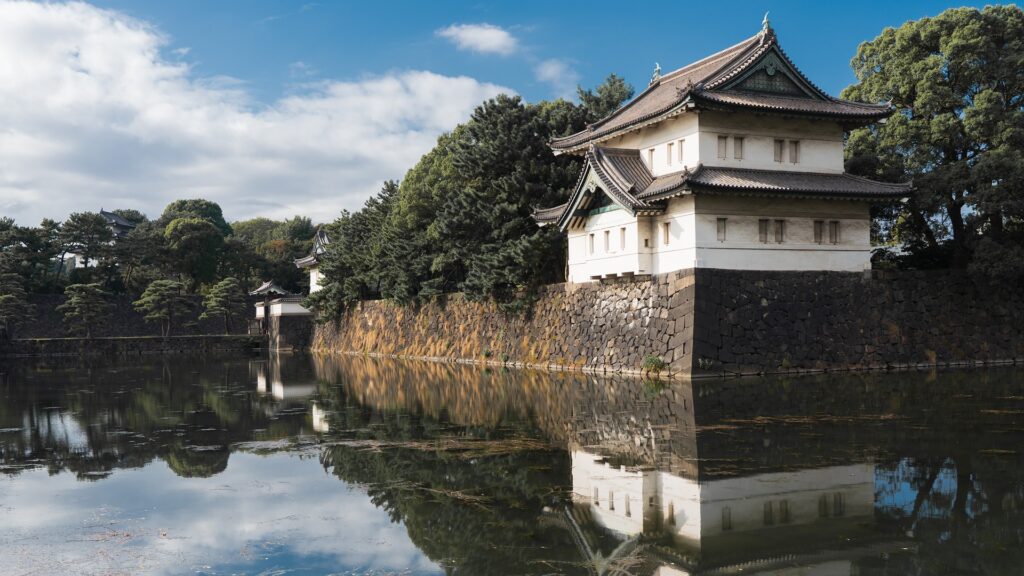
The free official tour is the main reason to plan ahead. It is the option to choose if your top priority is entering the restricted Inner Palace Grounds, rather than simply walking through the East Gardens.
Official Tour Schedule
The official Imperial Palace tour is generally held twice a day, in the morning and afternoon. However, the schedule has important exceptions.
- No tours: generally on Sundays, Mondays, national holidays, year-end/New Year closure days, and selected Imperial event days.
- Summer note: from July 1 to September 30, the afternoon tour is normally suspended, so only the morning tour is available.
- Weather: the route is outdoors. Tours may still run in rain, but severe weather can cause cancellation.
- Heat: the route has limited shade, so summer heat and sun exposure matter more than many visitors expect.
Because schedules can change for Imperial events, weather, and official operations, always check the latest Imperial Household Agency tour calendar before planning your day around this tour.
How to Apply for the Free Official Tour
- Apply online through the official Imperial Household Agency visit system: Imperial Palace online application page.
- Application window: online applications usually open at 5:00 AM Japan time on the 1st day of the month before your visit and close at 11:59 PM Japan time, 4 days before the visit.
- Register all visitors: you need to provide visitor details such as names, ages, nationalities, and contact information.
- Save your permit information: after approval, keep your Visit Permit details available for the day of your visit.
- Arrive prepared: go to Kikyo-mon Gate with your permit details and valid physical ID.
Same-Day Walk-In Registration
If you did not apply in advance, same-day walk-in registration may be available. Numbered tickets are distributed at Kikyo-mon Gate on a first-come, first-served basis. Availability is limited and can fill up, especially during peak travel seasons.
Do not rely on same-day registration if entering the Inner Palace Grounds is a must-do part of your Tokyo itinerary. Apply online in advance whenever possible.
Language and Audio Guide Note
For English support, download the official Imperial Palaces Guide app before you arrive. The app provides audio guidance for Imperial sites, including the Tokyo Imperial Palace area. This is useful for following the official route, but it is different from walking with a live English-speaking guide who can answer questions throughout the tour.
Who Should Choose the Free Official Tour?
- You want to enter the official Inner Palace Grounds.
- You are comfortable following a fixed route in a larger group.
- You do not mind planning around the official schedule.
- You can apply in advance or arrive early for possible same-day registration.
- You can bring valid physical ID, preferably your passport if you are an international visitor.
Who Should Skip the Free Official Tour?
- You mainly want Edo Castle and samurai history explained in English.
- You dislike fixed routes, registration rules, and waiting time.
- You have limited time in Tokyo and want a simpler visit.
- You want to ask a guide questions while walking.
- You are visiting in midsummer and cannot make the morning tour slot.
Paid English Guided Tours: Are They Worth It?
A paid English guided tour can be worth it if your goal is not just to see the palace area, but to understand what you are looking at. The East Gardens and surrounding moats are full of Edo Castle history, but many details are easy to miss without explanation.
Paid walking tours usually focus on context: Edo Castle, the Tokugawa shogunate, samurai rule, the layout of the old castle, stone walls, guardhouses, bridges, and how the Imperial Palace fits into modern Tokyo.
What Paid Tours Usually Include
- A live English-speaking guide, depending on the tour selected.
- Historical explanation about Edo Castle, the shoguns, samurai-era Tokyo, and the Imperial Palace area.
- A walking route that may include the East Gardens, Ote-mon Gate, guardhouse ruins, Ninomaru Garden, moats, bridges, and Nijubashi viewpoints.
- Easier online booking through a tour platform or operator website.
- A smaller and more interactive experience than the official route, depending on the operator.
Prices vary by date, currency, platform, operator, group size, and inclusions. Some group walking tours on major booking platforms start from around the price of a casual museum or attraction ticket, while private tours can cost much more. Check the current price, route, cancellation policy, and included language before booking.
Important: Do Paid Tours Enter the Inner Palace Grounds?
Usually, no. Most paid Imperial Palace walking tours focus on the East Gardens, Kokyo Gaien, moats, bridges, Nijubashi views, and Edo Castle ruins. Unless the booking page clearly says that the official Inner Palace Grounds route is included, assume it is not included.
If Inner Palace Grounds access is your top priority, choose the free official Imperial Household Agency tour. If live English explanation and historical context are your top priorities, a paid English walking tour may be the better fit.
Who Should Choose a Paid English Walking Tour?
- You want a live English-speaking guide.
- You want historical stories, not just scenery.
- You prefer easier online booking.
- You want to ask questions during the walk.
- You are less concerned about entering the official Inner Palace Grounds.
If this sounds like your travel style, compare the latest route, start time, language, group size, and cancellation terms before planning the rest of your day.
Check availability for a Tokyo Imperial Palace historical walking tour
Free Official Tour vs Paid English Tour: Comparison Table
| Decision Point | Free Official Imperial Household Agency Tour | Paid English Walking Tour |
|---|---|---|
| Best for | Visitors who want official Inner Palace Grounds access | Visitors who want English historical explanation and easier planning |
| Cost | Free | Paid; varies by operator, date, platform, and inclusions |
| Booking method | Official online application or limited same-day registration | Usually online booking through a tour operator or platform |
| Booking risk | Requires advance planning or same-day availability | Usually simpler, but availability and cancellation rules vary |
| Language experience | Official route with app-based English audio support available | Live English-speaking guide if selected on the booking page |
| Area covered | Official Inner Palace Grounds on a fixed route | Often East Gardens, moats, bridges, Nijubashi, and Edo Castle ruins |
| Can you ask questions? | Limited, especially in a larger official group | Usually yes, depending on group size and guide style |
| ID required? | Yes, valid physical ID required | Usually not for ordinary outer-area walking tours, unless the operator states otherwise |
| Group size | Can be a large official group | Often smaller, but check the booking page |
| Weather and walking | Outdoor route of about 2.2 km with limited shade | Outdoor walking route varies by tour |
Which Option Should You Choose?
- Choose the free official tour if: your top priority is entering the Inner Palace Grounds. You are willing to apply online, bring valid ID, follow a fixed route, and plan around the official schedule.
- Choose a paid English tour if: you care more about understanding Edo Castle and palace history, want a guide you can talk to, and prefer simpler online booking.
- Choose the East Gardens only if: you have limited time, want flexibility, or just want a pleasant free walk through Edo Castle ruins. This is the best choice for many casual first-time visitors.
- For families with young children: the East Gardens are usually more flexible than the official tour because you can move at your own pace and leave when needed.
- For summer visitors: the official route has limited shade, and the afternoon official tour is normally suspended from July to September. Plan carefully or choose a more flexible option.
- For photography: you usually do not need a tour for the classic outer palace views, including Kokyo Gaien and Nijubashi viewpoints.
What to Know Before You Go
Use the Right Gate
- East Gardens: use Ote-mon Gate if you are coming from Tokyo Station or Otemachi Station.
- Official Imperial Household Agency tour: go to Kikyo-mon Gate.
- Nijubashi Bridge photos: head to Kokyo Gaien, the large open plaza in front of the palace.
Do not mix up Ote-mon Gate and Kikyo-mon Gate. They are both in the palace area, but they are not the same entrance.
How Long Should You Spend?
- Quick Nijubashi and Kokyo Gaien photo stop: 30 to 45 minutes.
- East Gardens self-guided visit: 1 to 1.5 hours.
- Free official Inner Grounds tour: allow roughly 1.5 to 2 hours including registration, waiting, and the outdoor route.
- Paid English walking tour: often around 2 hours, but check the exact operator route and duration.
If you are planning a busy Tokyo day, the Imperial Palace area pairs well with Tokyo Station, Marunouchi, Ginza, or the route in this Tokyo 1-day itinerary. Otemachi Station can also be useful if you are using the Tokyo Subway Ticket.
What to Bring
- Valid physical ID: required for the official tour. For international visitors, a passport is the safest choice.
- Comfortable shoes: both official and paid tours involve outdoor walking.
- Water and sun protection: the palace grounds have exposed sections with limited shade.
- Rain gear: the area is mostly outdoors, and light rain may not stop your visit.
- A charged phone: useful for maps, official audio guidance, and booking confirmations.
Avoid bringing large luggage. Visitors may be subject to baggage checks, and the palace area is much easier to enjoy with only a small day bag. If you are coming directly from Tokyo Station, use station coin lockers before walking over.
Common Mistakes to Avoid
- Going to the wrong gate: Ote-mon is for the East Gardens; Kikyo-mon is for the official tour.
- Assuming the palace buildings are open: they are not open to regular visitors.
- Relying on same-day official tour spots: they are limited and can fill up.
- Forgetting closure days: the East Gardens are often closed on Mondays and Fridays, with additional closure rules.
- Underestimating the walking: the official tour route is about 2.2 km outdoors, plus your walk to and from stations.
- Booking a paid tour without checking the route: many paid tours do not enter the Inner Palace Grounds.
Best Alternatives If You Skip the Tour
Can You Just See Nijubashi and Leave?
Yes. If you only want the classic Imperial Palace photo, go to Kokyo Gaien and view Nijubashi from the public outer area. This is the simplest short visit and does not normally require booking.
This option is best if you have limited time, are traveling with children, or only want a quick stop between Tokyo Station and Ginza.
Can You Visit Only the East Gardens?
Yes. For many first-time visitors, this is the best free self-guided option. You will not enter the Inner Palace Grounds, but you can still see Edo Castle ruins, stone walls, historic guardhouses, lawns, seasonal plants, and the former castle tower foundation.
Should You Choose a Different Garden Instead?
If your main interest is Japanese garden scenery rather than Imperial Palace history, you may prefer another Tokyo garden such as Hama-rikyu Gardens, Koishikawa Korakuen, or Shinjuku Gyoen. These are often better choices if you want landscaped views, seasonal flowers, teahouses, or a slower garden-focused visit.
If your main interest is Edo Castle, samurai history, and the palace’s role in Tokyo, the Imperial Palace area is still the stronger choice.
Frequently Asked Questions
Can you go inside the Tokyo Imperial Palace buildings?
No. The palace is an active Imperial residence. Regular public visits are limited to outdoor areas, gardens, moats, bridges, gates, and selected official tour viewpoints.
Is the Tokyo Imperial Palace free to visit?
Yes, the main public options are free. The East Gardens are free during opening hours, and the official Imperial Household Agency tour is also free. You only pay if you choose a third-party guided walking tour or private guide.
Do you need tickets for the Tokyo Imperial Palace?
You do not need tickets for the East Gardens during normal opening hours. You do need official registration for the free Inner Palace Grounds tour. Paid English walking tours should be booked through the operator or platform.
Do you need a passport for the official Imperial Palace tour?
You need a valid physical ID for the official tour. For international visitors, bringing your physical passport is the safest option because photocopies are not normally accepted.
Is a paid Tokyo Imperial Palace guided tour worth it?
It can be worth it if you want live English explanation, easier booking, and historical context about Edo Castle and the palace area. It is less necessary if you are happy walking through the East Gardens on your own.
Can paid tours enter the Inner Palace Grounds?
Usually not unless the tour operator clearly states that the official Inner Palace Grounds route is included. Many paid tours focus on the East Gardens, Kokyo Gaien, Nijubashi views, moats, bridges, and Edo Castle ruins. Check the route before booking.
What happens if the weather is bad?
The palace area is mostly outdoors. Light rain may not stop a visit, but severe weather can affect official tours. In summer, heat and limited shade can be a bigger issue than rain.
Which gate should you use?
Use Ote-mon Gate for the East Gardens if you are coming from Tokyo Station or Otemachi Station. Use Kikyo-mon Gate for the official Imperial Household Agency tour. For Nijubashi photos, head to Kokyo Gaien.
Can you see Nijubashi without joining a tour?
Yes. Nijubashi can usually be viewed from Kokyo Gaien without joining a tour. However, access conditions can change during special events, security operations, or official closures.
Can you bring luggage?
Small bags are usually more practical than suitcases. Visitors may be subject to baggage checks, and large luggage makes the palace area inconvenient. Use coin lockers near Tokyo Station or leave luggage at your hotel.
Final Verdict
- Choose the free official tour if your top priority is walking inside the Inner Palace Grounds. Plan ahead, apply online, and bring valid physical ID.
- Choose a paid English tour if you want live historical explanation, a more interactive guide, and easier booking. You may learn more about Edo Castle, but you usually will not enter the Inner Palace Grounds.
- Choose the East Gardens only if you have limited time, want flexibility, or just want a peaceful free walk through Edo Castle ruins. This is the simplest option for most casual visitors.
Whichever option you choose, the Tokyo Imperial Palace area is one of the most accessible historic sights in central Tokyo. The key is knowing which part you actually want to visit before you arrive.
Check availability for a Tokyo Imperial Palace historical walking tour
Prices, opening hours, closure days, transport details, tour schedules, application rules, tour routes, language support, group sizes, payment methods, and booking conditions can change. Always check official sources and your selected booking page before finalizing your trip.

Hi, I’m Kai. I’m a Tokyo-based travel writer, tourism industry insider, and the author of a published guidebook for international visitors to Japan. With over 10 years of professional experience at a leading Japanese tourism company, my mission is to help you skip the tourist traps and navigate Japan’s best destinations like a local. I believe the perfect day trip is like a traditional kaiseki meal: a beautiful balance of precise planning and unforgettable seasonal discovery. When I’m not out conducting field research, you’ll usually find me drafting new itineraries with one of my favorite fountain pens!