
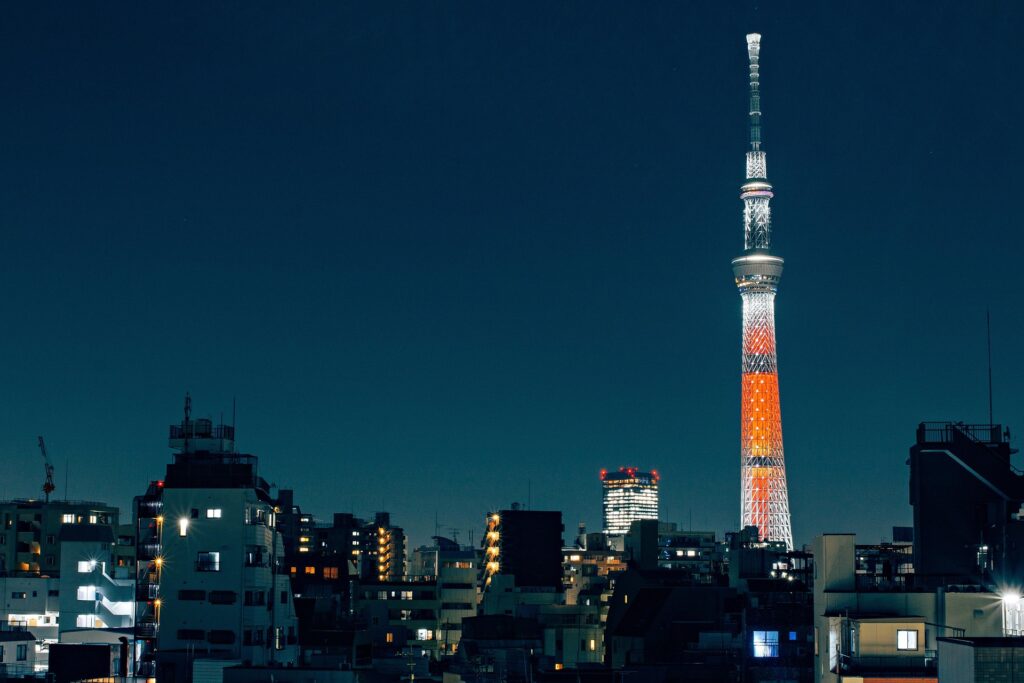
Is One Day in Tokyo Enough?
The honest answer is no. Tokyo is too large, layered, and spread out to “finish” in one day. But with a smart route and realistic expectations, you can still experience a strong mix of old Tokyo, pop culture, Shibuya Crossing, and neon-lit nightlife without spending half your day lost inside Shinjuku Station.
This Tokyo 1 day itinerary is designed around realistic train transfers, walking distances, and first-time visitor energy levels. The biggest mistake travelers make is trying to cram ten locations into one day, only to lose precious hours inside massive transit hubs. If you are nervous about that part, review how to navigate Shinjuku Station before your trip.
Quick Answer: Tokyo 1 Day Itinerary at a Glance
- Best start time: 8:00 AM, especially if you want Senso-ji before the heaviest crowds arrive.
- Best route: Asakusa → Meiji Shrine & Harajuku → Shibuya → Shinjuku.
- Expected pace: A full but realistic day, with several train transfers and plenty of walking inside stations and between sights.
- Expected walking distance: Around 15,000 to 20,000 steps, depending on detours, shopping time, and station exits.
- Best transport method: A prepaid IC card such as Welcome Suica, TOURIST PASMO where available, regular Suica/PASMO, or mobile Suica/PASMO on your smartphone.
- Best for: First-time visitors who want one balanced day of temples, street culture, city views, and Tokyo nightlife.
- Not ideal for: Travelers who want deep immersion in one district, families with very young children on a tight schedule, or anyone hoping to “see all of Tokyo.”
- Biggest risk: Losing time in stations, queuing for viral food spots, or building your afternoon around sold-out observation deck tickets.
Shibuya Sky note: Shibuya Sky is a great optional add-on, but do not build your entire afternoon around it unless you have checked ticket availability first. As of 2026, adult ticket prices vary by purchase method and entry time, with evening slots costing more than earlier daytime slots. Tickets are usually sold for a limited advance window, popular sunset times can sell out quickly, and bad weather may affect the open-air rooftop area.
Rain plan: Keep Asakusa and Shinjuku, but shorten the outdoor Harajuku-to-Shibuya walk. Replace long street wandering with station malls, department-store food halls, indoor cafes, or covered shopping areas around Shibuya and Shinjuku.
What This Tokyo 1-Day Route Includes and Skips
| Includes | Why It Works for One Day |
|---|---|
| Asakusa and Senso-ji | Tokyo’s most accessible traditional stop, with a temple, old shopping street, and classic photo spots in one compact area. |
| Meiji Shrine and Harajuku | A sharp contrast between quiet forest paths and youth culture, without a complicated detour. |
| Shibuya Crossing | The modern Tokyo moment most first-time visitors expect, plus easy access from Harajuku. |
| Shinjuku at night | Neon lights, food alleys, nightlife atmosphere, and plenty of dinner options in one dramatic evening district. |
| Skips | Why It Is Better to Save It |
|---|---|
| Tsukiji and Ginza | Excellent for food and shopping, but adding them makes the day rushed unless you skip Harajuku. |
| Akihabara | Worth it for anime and gaming fans, but best used as a swap for Harajuku rather than an extra stop. |
| Tokyo Tower or Roppongi | Good night-view alternatives, but they add another transfer and compete with Shinjuku for your evening. |
| TeamLab Planets or Tokyo Disney | Better as half-day or full-day plans because they require more time, ticket planning, and travel buffer. |
Tokyo 1 Day Itinerary: Step-by-Step Route
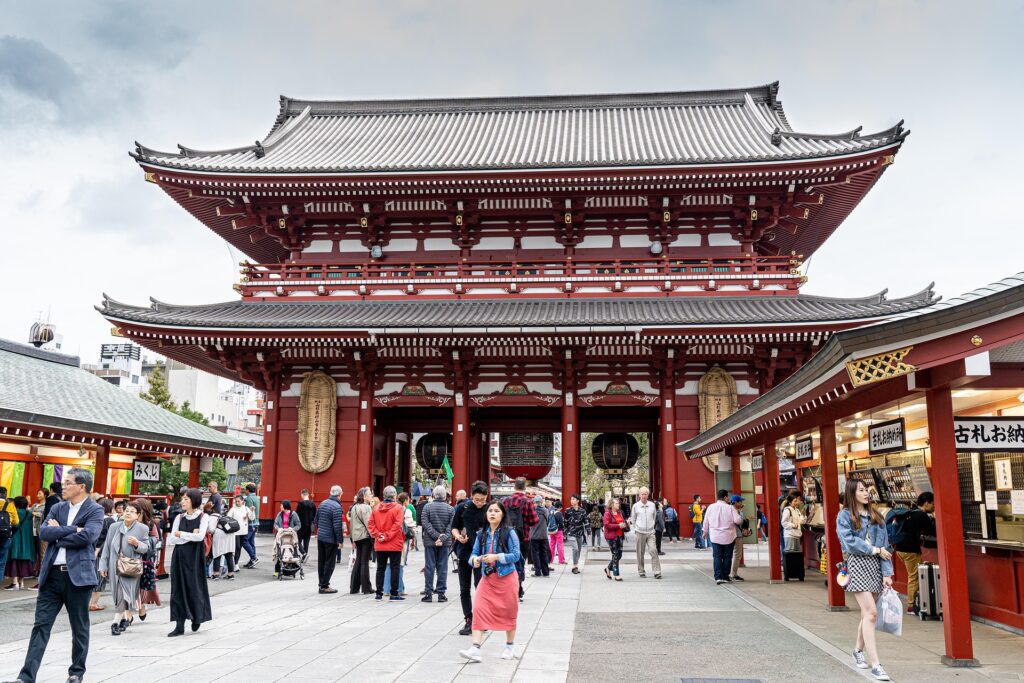
This route focuses on the absolute essentials rather than trying to turn Tokyo into a checklist. It keeps your day along efficient train corridors and avoids unnecessary backtracking between districts.
8:00 AM – Asakusa and Senso-ji Temple
Start your day in Asakusa, one of the best places to feel Tokyo’s older side without traveling far from the city center. Arriving around 8:00 AM gives you a calmer look at Senso-ji, Tokyo’s most famous temple, before the main tour groups and shopping crowds arrive.
- What to do: Take a photo under the giant red lantern at Kaminarimon Gate, walk along Nakamise Shopping Street, draw an omikuji paper fortune, and admire the five-story pagoda. The temple grounds are free to enter, and the main hall usually opens early in the morning and closes in the late afternoon.
- Timing tip: Many Nakamise shops do not fully open until around 9:00 AM or 10:00 AM, so enjoy the quieter temple grounds first, then browse the shopping street as it comes to life.
- Food tip: If shops are open, try a quick snack rather than a long sit-down breakfast. You will want to save your appetite for Harajuku and Shinjuku later in the day.
- Moving on: Walk back to Asakusa Station, take the Ginza Subway Line, and transfer toward Harajuku or Meiji-jingumae. Build in around 40 minutes for the ride, transfer, and station walking.
10:30 AM – Meiji Shrine and Harajuku
From Harajuku Station or Meiji-jingumae Station, cross into the forested grounds of Meiji Jingu. This stop works well after Asakusa because it gives you a completely different version of Tokyo: quiet gravel paths, tall trees, wooden torii gates, and a calm shrine atmosphere in the middle of the city.
- What to do: Walk the main approach, view the massive wooden torii gates, stop by the decorative sake barrel display, and take your time around the shrine buildings.
- Opening-hours note: Meiji Shrine opens around sunrise and closes around sunset, with times changing by month. This itinerary visits before lunch, so the timing is safe for most travelers. Avoid moving your shrine visit to late afternoon in winter, when it may already be closed.
- Lunch nearby: After the shrine, head into Harajuku for a casual lunch. A crepe from a street stall, a quick cafe stop, convenience store meal, or simple takeaway works better than waiting an hour for a viral restaurant.
- Time-saving rule: Do not let Takeshita Street eat your whole afternoon. It is fun, crowded, and easy to overdo when you only have one day.
2:00 PM – Shibuya Crossing and Optional Shibuya Sky
From Harajuku, you can either walk toward Shibuya via Omotesando and side streets or take the JR Yamanote Line one stop. The walk is more interesting if the weather is good and your energy is still high. For a more detailed route, follow this Harajuku to Shibuya walking route.
- What to do: Experience Shibuya Scramble Crossing from ground level, visit the Hachiko Memorial Statue, and take a short break in one of the surrounding shopping complexes.
- Best photo option: You do not need a paid observation deck to enjoy the crossing. Look for indoor viewpoints, cafe windows with a street-level view, or a nearby mall overlook if the weather is bad.
- Shibuya Sky – is it worth it? Shibuya Sky can be worth it on a clear day, especially if you already have a ticket. However, it is optional for this route. Tickets, prices, entry times, and rooftop access conditions can change, so check the official ticket page before making it the centerpiece of your afternoon.
- If Shibuya Sky tickets are sold out: Do not panic. Spend more time around Shibuya Crossing, Hachiko, Miyashita Park, department stores, side streets, or cafes before heading to Shinjuku.
6:00 PM – Shinjuku Neon Lights and Dinner
As the sun sets, take the JR Yamanote Line north to Shinjuku. This is the dense, neon-lit Tokyo many travelers imagine before they arrive: huge stations, glowing signs, packed side streets, and endless dinner options.
- What to do: Choose one main evening area instead of trying to cover all of Shinjuku. Kabukicho works for neon lights and the Godzilla head above Toho Cinemas, while Omoide Yokocho works for a narrow-lane dinner atmosphere. Before going, read this guide to Kabukicho safety and how to avoid scams.
- Dinner tip: For sushi, wagyu, or a specific restaurant, reserve ahead. For something easier, use a depachika, or department-store basement food hall, around Shinjuku Station for high-quality takeaway meals and bento boxes.
- Navigation tip: Shinjuku Station is huge, and the wrong exit can add 15 minutes or more. Decide your first Shinjuku stop before you arrive.
- Energy check: If you are tired, make dinner your final stop and skip extra nightlife. This route is already a full day.
DIY Route vs. Private Local Guide: Which Is Better for 24 Hours in Tokyo?
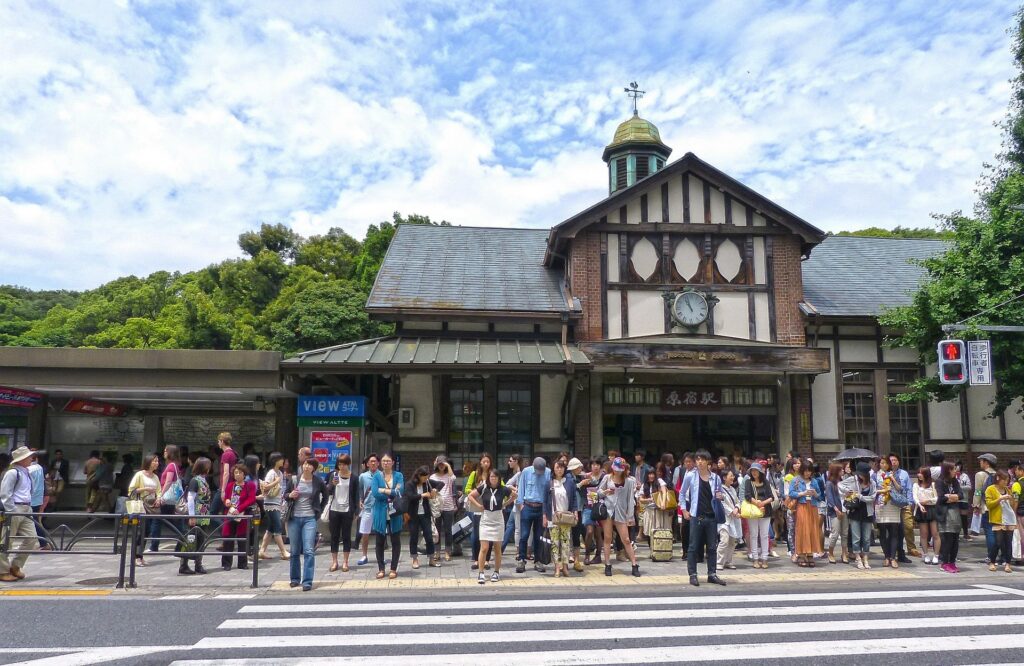
The DIY itinerary above is completely possible, but the biggest variable is transit time. Tokyo’s rail network is efficient, but it is split across multiple operators, and large stations can be confusing when you are tired, jet-lagged, carrying luggage, or traveling with family.
| Feature | DIY Route | Private Local Guide |
|---|---|---|
| Best for | Budget travelers, solo travelers, and confident navigators | Layovers, families, business travelers, and first-time visitors on a tight schedule |
| Navigation risk | Medium to high at Shibuya and Shinjuku stations | Lower, because a guide helps manage the route and timing |
| Time lost to transfers | Possible, especially at large stations when tired | Usually lower, especially on a tight schedule |
| Bad-weather flexibility | You need to adjust the plan yourself | A guide can help reroute around rain, heat, closures, or low energy |
| Booking support | You handle restaurants, tickets, and timing yourself | A guide may help plan the flow, though some attraction tickets still need separate advance booking |
| Estimated cost | Train fares, food, and optional attraction tickets only | Higher upfront cost, but better value for groups or time-sensitive trips |
Best Fit for DIY Travelers
The DIY route works well if you are budget-conscious, comfortable using Google Maps, willing to change plans quickly, and happy to treat a few wrong turns as part of the adventure. It is also a good fit if you do not need restaurant reservations, paid observation decks, or a perfectly smooth schedule.
Best Fit for a Private Local Guide
A private guide makes more sense if you are on a layover, have only one full day in Tokyo, limited mobility, children, older relatives, or a specific set of interests that does not fit a standard route. The value is not just information. It is reducing decision fatigue, avoiding train-transfer mistakes, and adjusting the day when the weather, crowds, or your energy level changes.
How Much Does This Tokyo 1-Day Itinerary Cost?
One of the most common questions travelers ask is how much a day like this will cost. The exact total depends on your meals, shopping, taxi use, and whether you add paid viewpoints, but here is a realistic budget range for a solo traveler following this route.
| Category | Estimated Cost per Person | Notes |
|---|---|---|
| Train fares with an IC card | Around ¥600–¥1,000 | For the core Asakusa → Harajuku/Meiji-jingumae → Shibuya → Shinjuku route. Extra detours increase the total. |
| Senso-ji | Free | Temple entry is free. Small offerings, fortunes, snacks, and souvenirs are optional. |
| Meiji Shrine | Free | The main shrine grounds are free. Some special areas, exhibitions, or garden visits may require a separate fee. |
| Shibuya Sky optional ticket | Varies by time and purchase method | Check the official ticket page before your visit. Evening and sunset slots are usually more competitive than earlier daytime slots. |
| Meals | Around ¥3,000–¥6,000+ | Lower if you use convenience stores and casual meals; higher if you choose a reserved dinner or specialty restaurant. |
| Snacks and drinks | Around ¥500–¥1,500 | Crepes, vending machine drinks, cafe stops, or street snacks. |
| Total without Shibuya Sky | Around ¥4,000–¥8,500+ | Excludes accommodation, airport transfers, major shopping, taxis, and guided tour fees. |
If you book a private guided tour instead, the cost changes significantly. The guide fee replaces some navigation stress and planning effort, but meals, attraction tickets, and transport may still be separate depending on the tour conditions. Always check what is and is not included before booking.
IC Card vs. Day Pass: What to Use for This Route
| Option | Best For | Watch Out For |
|---|---|---|
| IC card such as Suica or PASMO | Most first-time visitors following this itinerary | You pay per ride, so it is not always the theoretical cheapest option, but it is usually the simplest. |
| Mobile Suica or Mobile PASMO | Travelers who want fast gate access without buying a physical card | Setup depends on your phone, region, operating system, Apple Pay or wallet settings, and payment card issuer. Check compatibility before you rely on it. |
| Welcome Suica or TOURIST PASMO | Short-term visitors who prefer a physical IC card | These visitor cards are generally valid for a limited period. Availability and sales locations can change, especially at airports and major stations. |
| Tokyo Metro 24-hour Ticket | Travelers who will only use Tokyo Metro lines | It does not cover JR lines or Toei Subway lines. This route usually mixes operators, so it is not the most natural fit unless you adjust the route. |
| Tokyo Subway 24-hour Ticket | Overseas visitors using Tokyo Metro and Toei Subway frequently in one day | It does not cover JR lines such as the Yamanote Line, so you may still need separate fares or an IC card for parts of this itinerary. |
| Tokunai Pass | Travelers using mainly JR lines within central Tokyo | It does not cover the subway leg from Asakusa, so it is not ideal for this exact route. |
| Tokyo 1-Day Ticket / Tokyo Free Kippu | Travelers planning many rides across JR, Tokyo Metro, Toei Subway, buses, and other covered services in one day | It offers broad coverage, but for this simple four-area itinerary, an IC card is usually easier and often cheaper. |
Bottom line for this itinerary: Use an IC card unless you have a clear reason to buy a pass. The time saved at ticket machines is often more valuable than trying to calculate the cheapest combination while you are already moving between neighborhoods. For more detail, see our IC card comparison guide for Tokyo.
Rain Plan and Easy Route Swaps
Tokyo is still very workable in the rain, but you should reduce long outdoor walks and avoid building the day around exposed viewpoints. Keep the route flexible rather than forcing every stop.
| If This Happens | Best Adjustment |
|---|---|
| Heavy rain in the morning | Still visit Senso-ji, but shorten street-food browsing and move indoors sooner. |
| Bad weather near Shibuya | Skip Shibuya Sky and use indoor viewpoints, shopping complexes, cafes, or station malls. |
| Extreme summer heat | Cut the Harajuku-to-Shibuya walk and take the train one stop instead. Use convenience stores and department stores for air-conditioned breaks. |
| Low energy by evening | Make Shinjuku dinner your final stop and skip extra nightlife. This route is already a full day. |
| More interest in food than fashion | Swap Harajuku for Tsukiji or Ginza. Treat it as a swap, not an extra stop. |
| More interest in anime and games | Swap Harajuku for Akihabara, then rejoin the route at Shibuya later in the afternoon. |
| Traveling with young children | Drop one neighborhood, take more train hops, and avoid waiting in long food lines. A two-stop version is better than a meltdown version. |
Essential Tips for 24 Hours in Tokyo
- Use an IC card: Do not waste time buying individual paper tickets. A prepaid IC card lets you tap through ticket gates quickly across major operators. If you need help choosing, see our IC card comparison guide for Tokyo.
- Keep your route simple: Tokyo rewards slow wandering, but a one-day itinerary does not. Stick to Asakusa, Harajuku, Shibuya, and Shinjuku unless you are intentionally swapping one area out.
- Avoid rush-hour transfers when possible: Morning and evening commuter periods make large stations more stressful. If you are traveling with luggage or children, add extra buffer time.
- Secure your luggage early: Do not drag suitcases through Shibuya or Shinjuku. Use your hotel, airport storage, luggage forwarding, or station lockers before starting your sightseeing route.
- Keep your phone charged: Your phone is your map, translation tool, camera, and possibly your train card. Bring a portable power bank.
- Carry some cash: Credit cards are widely accepted in major restaurants, hotels, department stores, and convenience stores, but smaller shops, temple stalls, vending machines, and older restaurants may still prefer cash.
- Book anything time-sensitive in advance: Popular observatories, dinner reservations, and guided tours can sell out. This is especially important if you want Shibuya Sky near sunset.
Frequently Asked Questions
Is one day enough for Tokyo?
No, one day is not enough to see all of Tokyo. The city is too large and varied for that. However, one day is enough to experience a strong first-timer route with traditional temples, modern street culture, Shibuya Crossing, and Shinjuku nightlife, as long as you keep expectations realistic.
What time should I arrive at Senso-ji to avoid crowds?
Arrive around 8:00 AM if you want a calmer experience. The temple grounds are accessible early, while many shops on Nakamise Street open later in the morning. Early arrival gives you a quieter look before tour groups and shopping crowds build.
What is the best Tokyo 1 day itinerary for first-time visitors?
The best route for most first-time visitors is Asakusa in the morning, Meiji Shrine and Harajuku around midday, Shibuya in the afternoon, and Shinjuku in the evening. This gives you a balanced view of the city without too much backtracking.
Can I use a credit card everywhere in Tokyo?
Not everywhere. Major restaurants, hotels, department stores, and convenience stores usually accept credit cards. However, many smaller shops, temple stalls, vending machines, and some traditional restaurants may still be cash-only or cash-preferred. Carry cash as a backup.
What is the best way to get around Tokyo for one day?
Trains and subways are the best way to get around Tokyo for one day. They are usually faster and cheaper than taxis between major areas like Asakusa, Harajuku, Shibuya, and Shinjuku. Use an IC card so you can move through ticket gates quickly.
Should I use taxis for a 1-day Tokyo itinerary?
Use taxis only for short hops, late-night returns, mobility needs, or when traveling with tired family members. For sightseeing across the city, trains are usually more efficient because road traffic can slow you down during the day.
How much walking should I expect?
Expect around 15,000 to 20,000 steps. Tokyo stations are large, and you will walk a lot between platforms, exits, shopping streets, shrines, and restaurants. Comfortable walking shoes matter more than stylish shoes for this itinerary.
Can I do this Tokyo itinerary during a layover?
It depends on your airport, arrival time, and how many usable hours you truly have after immigration, luggage storage, and airport transfers. If you have fewer than eight usable hours in the city, shorten the route to Asakusa plus either Shibuya or Shinjuku. For a layover, a private guide can be worth considering because timing mistakes are more costly. Review our airport transfer guide to estimate your actual city time.
Where should I store luggage for one day in Tokyo?
Use your hotel, airport storage, luggage forwarding, or station coin lockers. Large stations such as Tokyo, Ueno, Shibuya, and Shinjuku have lockers, but large-size lockers can fill quickly. Store luggage before starting your sightseeing if possible.
Is Shibuya Sky worth it for a 1-day Tokyo itinerary?
Shibuya Sky can be worth it if you already have tickets and the weather is clear. It is not essential for this route. If tickets are sold out or the weather is poor, enjoy Shibuya Crossing from ground level and use the extra time for dinner, shopping, or an easier transition to Shinjuku.
Should I visit Tsukiji, Ginza, Akihabara, or Tokyo Tower instead?
Yes, but treat them as swaps rather than additions. Choose Tsukiji or Ginza if food and shopping matter most, Akihabara if anime and gaming are your priority, or Tokyo Tower and Roppongi if you prefer night views over Shinjuku nightlife.
Final Verdict: Is This Tokyo 1-Day Itinerary Worth It?
This Tokyo 1 day itinerary is worth it if you accept that you are getting a focused first taste of the city, not a complete Tokyo experience. Asakusa, Harajuku, Shibuya, and Shinjuku give you a strong mix of traditional culture, modern energy, and evening atmosphere while keeping the route realistic for a single day.
Choose this itinerary if:
- You are a first-time visitor who wants a balanced sample of old and new Tokyo.
- You are comfortable navigating trains with Google Maps and an IC card.
- You prefer a flexible DIY approach over a fixed guided schedule.
- You are traveling solo or with one or two other adults.
Choose another option if:
- You have a very specific interest, such as only anime, only temples, or only food.
- You have more than one full day. Use our 2-day Tokyo itinerary for a more relaxed pace.
- You are traveling with young children or elderly relatives who cannot manage 15,000+ steps and multiple train transfers.
- Your primary goal is shopping or high-end dining. Consider Ginza, Shinjuku, or a food-focused route instead.
For layover travelers: This route works only if you have enough usable city time after clearing immigration, storing luggage, and reaching central Tokyo. For shorter layovers, pick just two stops, such as Asakusa plus Shibuya or Asakusa plus Shinjuku.
For budget travelers: You can keep this route relatively affordable by using an IC card, choosing casual meals, skipping paid observatories, and avoiding taxis. Convenience stores, department-store food halls, and casual restaurants make Tokyo much easier on a limited budget.
The DIY version works well if you are confident with trains, flexible with timing, and comfortable changing plans when crowds or weather get in the way. A private guide is the better fit if this is your only day in Tokyo, you are on a layover, you are traveling with family, or you want to avoid spending your limited time figuring out stations and transfers.
More resources to help you plan:
- Suica & Pasmo IC Card Guide for Tokyo
- Tokyo 2-Day Itinerary for First-Time Visitors
- How to Navigate Shinjuku Station
- Harajuku to Shibuya Walking Route
- Is Kabukicho Dangerous? Honest Safety Guide
- Tokyo with Kids: Tips & Family-Friendly Guide
- Narita Airport to Tokyo: Best Transport Options
Prices, opening hours, transport schedules, pass conditions, ticket availability, tour inclusions, payment methods, and seasonal operations can change. Always check official sources and your selected booking page before finalizing your trip.

Hi, I’m Kai. I’m a Tokyo-based travel writer, tourism industry insider, and the author of a published guidebook for international visitors to Japan. With over 10 years of professional experience at a leading Japanese tourism company, my mission is to help you skip the tourist traps and navigate Japan’s best destinations like a local. I believe the perfect day trip is like a traditional kaiseki meal: a beautiful balance of precise planning and unforgettable seasonal discovery. When I’m not out conducting field research, you’ll usually find me drafting new itineraries with one of my favorite fountain pens!