
Is Kinkakuji worth visiting? Yes for first-time Kyoto visitors, photographers, and anyone building a northern Kyoto route — but go in knowing it is a 30–45 minute outdoor photo stop, not a place you explore. You cannot enter the pavilion, the walking route is one-way, and midday crowds are serious. Visit with the right expectations and it is genuinely worth the trip; visit expecting a long immersive temple experience and you will leave underwhelmed.
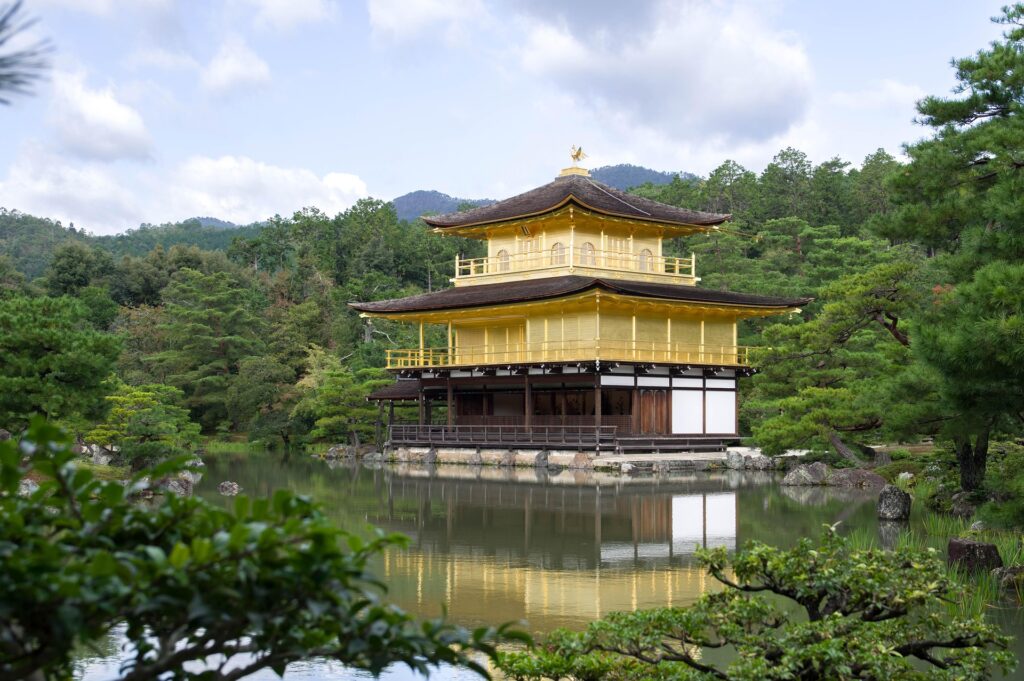
Kinkakuji, better known as the Golden Pavilion, is one of Kyoto’s most iconic sights. Covered in brilliant gold leaf and reflected across Kyoko-chi, the Mirror Pond, it is part of the UNESCO-listed Historic Monuments of Ancient Kyoto and appears on countless Japan travel itineraries.
I’m Kai Tanaka, a Japan-based travel writer, and Kinkakuji is the temple I get asked about most — usually in the form of “was it overrated?” My answer never changes: the first view across the pond is worth the bus ride on its own, and the rest of the visit depends entirely on how you plan around it. This guide covers exactly that: who should go, who should skip it, and how to keep a short famous stop from eating half a Kyoto day.
Quick Answer: Is Kinkakuji Worth It?
Kinkakuji is worth visiting if it is your first time in Kyoto, you love photography, or you plan to combine it with nearby temples like Ryoanji and Ninna-ji. It is less ideal if you only have one day in Kyoto, dislike crowds, or want a long, interactive temple experience.
Who Should Visit Kinkakuji
- First-time visitors to Kyoto: Seeing the Golden Pavilion in person is a classic Kyoto experience.
- Photography lovers: On a clear, calm day, the gold reflection on the pond is genuinely beautiful.
- History and architecture fans: The pavilion is connected to Ashikaga Yoshimitsu, Muromachi-period culture, Zen Buddhism, and samurai-era power.
- Travelers visiting northern Kyoto: Kinkakuji works best when paired with Ryoanji, Ninna-ji, or other nearby sights.
Who Should Skip Kinkakuji
- Travelers with only one day in Kyoto: You may get more value from a walkable Higashiyama route around Kiyomizudera, Sannenzaka, Ninenzaka, and Gion.
- People who strongly avoid crowds: Kinkakuji is popular year-round, especially in the middle of the day.
- Anyone expecting to enter the building: Visitors view the Golden Pavilion from outside only.
- Travelers who want a quiet, immersive temple visit: Without background knowledge or a guide, the visit is mostly visual and fairly quick.
If you prefer quieter places in Kyoto, you may enjoy this guide to Kyoto hidden gems away from the biggest crowds.
Kinkakuji at a Glance
| Category | Details |
|---|---|
| Official Name | Rokuon-ji, commonly known as Kinkakuji or the Golden Pavilion |
| Location | Northern Kyoto, Kita Ward |
| Admission | Adults: 500 JPY / elementary and junior high school students: 300 JPY / special openings may have different fees |
| Opening Hours | Usually 9:00 AM – 5:00 PM, open year-round; no regular nighttime opening |
| Typical Visit Duration | 30–45 minutes for most independent visitors |
| Best Time to Visit | Right at opening or later in the afternoon for a better chance of lighter crowds |
| Best For | First-timers, photographers, architecture fans, and northern Kyoto itineraries |
Kinkakuji Tickets: Price & How to Buy
General admission tickets for Kinkakuji are bought at the entrance gate. For most visitors, there is no need to book an ordinary admission ticket in advance online.
- Adults: 500 JPY
- Elementary and junior high school students: 300 JPY
- Payment tip: Bring cash as a backup. Payment methods at temples can change, and it is always safer to carry small yen bills and coins.
Opening hours and fees can change for special openings or events, so check the latest official information before your visit if timing or budget is tight. Note that some older blog posts still list the previous 400 JPY adult fee — the current adult price is 500 JPY.
The Unique Ofuda Entrance Ticket
One memorable detail is the ticket itself. Instead of a standard paper stub, Kinkakuji visitors receive an ofuda, a paper talisman with calligraphy — one of the nicest free souvenirs in Kyoto, and something no photo of the pavilion prepares you for. Try not to fold or crush it in your bag; flat inside a guidebook or passport wallet works well.
How Long Do You Need at Kinkakuji?
Most independent visitors spend about 30 to 45 minutes at Kinkakuji. This surprises many people because the Golden Pavilion is so famous that they expect a longer visit.
The reason is simple: the route through the grounds is fairly controlled. You enter, see the famous view of the pavilion across the pond, take photos, follow the one-way path around the garden, pass smaller features such as the Sekkatei Teahouse area, and then exit. You cannot go inside the Golden Pavilion itself, and you cannot loop back to the pond view once you have passed it — which is worth knowing before you walk on.
This short visit is not necessarily a bad thing. It just means you should avoid planning your day around Kinkakuji alone. The best strategy is to combine it with nearby temples or book a guide if you want more historical context.
Best Time to Visit Kinkakuji
Best Time of Day
- Right at opening: Arriving around 9:00 AM usually gives you your best chance of lighter crowds and calmer reflections on the pond. Do not expect an empty temple, though — school groups often arrive early too. “Early” at Kinkakuji means fewer people, not few people.
- Late afternoon: Visiting after around 4:00 PM can also be pleasant, and the lowering western light warms up the gold. Keep the 5:00 PM closing time in mind.
- Midday: Late morning through early afternoon tends to be the busiest window, especially when tour groups and school groups are present.
If you like starting early, Kinkakuji can fit into an early morning Kyoto itinerary, especially if you continue to other northern Kyoto temples afterward.
Best Season
- Winter: Snow on the Golden Pavilion is spectacular — gold against white is the single most famous Kinkakuji image — but snowfall in Kyoto is rare and melts fast. Treat a snow-day visit as a lottery win, not a plan.
- Autumn: Fall foliage adds color around the pond, but this is also one of Kyoto’s busiest seasons.
- Spring: The wider Kyoto area is beautiful in spring, but cherry blossom season brings heavy crowds across the city.
- Summer: The greenery is lush, but Kyoto can be hot and humid. Morning visits are more comfortable.
How to Get to Kinkakuji
Kinkakuji is in northern Kyoto, and there is no direct subway station right beside the temple. Most travelers arrive by bus, taxi, or a combination of subway and taxi.
By Bus from Kyoto Station
- Take a Kyoto City Bus toward the Kinkakuji area and get off near Kinkakuji-michi.
- Route options can change, so check Google Maps, the Kyoto City Bus route planner, or your accommodation before leaving.
- The ride from Kyoto Station often takes around 40–50 minutes, but traffic can make it longer.
- Kyoto City Bus rides within the flat-fare zone are usually 230 JPY for adults.
By Subway and Taxi
- Take the Karasuma Subway Line to Kitaoji Station.
- From Kitaoji, continue by taxi or local bus to Kinkakuji.
- This can be more comfortable than riding a bus all the way from Kyoto Station, especially during busy travel periods. Kyoto’s tourist buses are famously packed; the subway-plus-taxi combination costs a little more and saves a lot of patience.
About Transport Passes
If you plan to use buses and subways several times in one day, check the current Subway & Bus 1-Day Pass details before buying. Pass prices and conditions can change, so avoid relying on old blog posts or outdated screenshots.
DIY vs Guided Tour: Which Is Better?
A DIY visit to Kinkakuji is simple and affordable. You buy your ticket, follow the route, take photos, and leave. For travelers who already know the history or only want the classic photo, this is enough.
The downside is that Kinkakuji has limited English explanation on-site. Without context, it can feel like a beautiful but brief photo stop. A guide helps explain why the pavilion looks the way it does, how the garden is designed, what the different architectural styles mean, and why the site matters in Kyoto history.
| Feature | DIY Visit | Guided Tour |
|---|---|---|
| Cost | Low: admission plus transport | Higher: tour fee plus any required admission |
| Time Needed | Usually 30–45 minutes | Often around 1.5 hours, depending on the tour |
| Historical Context | Limited unless you research in advance | Much stronger, with explanations of history, architecture, and symbolism |
| Best For | Budget travelers, independent visitors, quick photo stops | First-timers, solo travelers, history lovers, and anyone who wants the visit to feel more meaningful |
If you are worried that Kinkakuji will feel too short or too crowded, a guide can make the visit more worthwhile by giving structure and context.
👉 See current tour details: Check availability, start times, group size options, and current inclusions for a Kinkakuji guided tour here.
The Story That Makes the Gold Mean Something
Two pieces of history turn Kinkakuji from a pretty building into a memorable one, and knowing them before you go costs nothing.
First, the pavilion you see is not medieval. The original — built as shogun Ashikaga Yoshimitsu’s retirement villa in the late 1300s and converted to a Zen temple after his death — survived wars and centuries, then was burned down in 1950 by a young monk in one of modern Japan’s most infamous acts of arson. The event shocked the country and became the basis of Yukio Mishima’s novel The Temple of the Golden Pavilion. The current structure dates from 1955.
Second, the gold is more intense than it was for most of the building’s history. During the 1987 restoration, the pavilion was re-covered with gold leaf several times thicker than before, which is why it glows the way it does in modern photos. Stand at the pond knowing both stories and the view lands differently: you are looking at destruction, obsession, and an almost defiant rebuilding — not just a gilded roof.
What to See Beyond the Golden Pavilion
Most visitors focus only on the famous gold building, but the surrounding garden is part of the experience. As you follow the walking route, slow down and look for the details around the pond, trees, stones, and smaller structures.
Classic Pond View
The first view across Kyoko-chi is the postcard angle. This is where most people stop for photos, so expect a crowd. On a calm day, the reflection can be excellent, especially earlier in the morning.
Garden Details
The garden is designed as a strolling garden, with carefully arranged stones, islands, pine trees, and viewpoints. Without a guide, many of these details are easy to miss, but they help explain why Kinkakuji is more than just a shiny building.
Sekkatei Teahouse Area
Near the later part of the walking route, you pass the Sekkatei Teahouse area. It offers a quiet contrast to the dramatic Golden Pavilion and is worth a brief look before you exit.
Combine Kinkakuji with Nearby Temples
Because Kinkakuji takes effort to reach from central Kyoto, visiting it alone can feel inefficient. A better approach is to turn it into a northern Kyoto half-day route.
Sample Northern Kyoto Half-Day Route
| Stop | Suggested Time | Notes |
|---|---|---|
| Kinkakuji | 30–45 minutes | Arrive near opening if you want a better chance of lighter crowds. |
| Ryoanji | 45–60 minutes | Famous for its Zen rock garden. It requires a separate admission fee, so check current prices before visiting. |
| Ninna-ji | 45–60 minutes | Large temple grounds with both free and paid areas. Fees vary by building and season. |
| Lunch near Kinugasa or Kitaoji | Flexible | Look for local restaurants around the university and residential areas nearby. |
This route makes Kinkakuji feel more worthwhile because you are not spending nearly an hour in transit for a single short stop.
Kinkakuji vs Ginkakuji vs Kiyomizudera
If you have limited time in Kyoto, you may be choosing between several famous temples. Here is the practical difference.
| Factor | Kinkakuji | Ginkakuji | Kiyomizudera |
|---|---|---|---|
| Main Appeal | Gold pavilion and pond reflection | Zen garden, moss, sand garden, calmer atmosphere | Large wooden stage, city views, historic streets nearby |
| Typical Visit Time | 30–45 minutes | 45–60 minutes | 60–90 minutes or more |
| Crowds | Usually busy | Often calmer than Kinkakuji and Kiyomizudera | Very busy, especially in peak seasons |
| Best Nearby Walk | Ryoanji and Ninna-ji route | Philosopher’s Path, Honen-in, Nanzen-ji | Sannenzaka, Ninenzaka, Yasaka Shrine, Gion |
| Best For | First-timers and photographers | Quiet garden lovers and slower travelers | Views, atmosphere, and a fuller half-day route |
Quick recommendation: If you only have one day in Kyoto, Kiyomizudera or Ginkakuji may fit better because they connect more easily with other walkable sights. If you have two or more days, Kinkakuji is worth adding as part of a northern Kyoto morning.
Tips for Visiting Kinkakuji
Bring Cash
Bring yen in small bills or coins for admission and small purchases. Even when some places accept cards, cash remains useful at temples, buses, vending machines, and smaller shops.
Do Not Expect a Long Visit
Kinkakuji is famous, but the on-site experience is compact. Plan for a short visit and combine it with other nearby sights.
Get Your Photos Before Moving On
The walking route is one-way. Once you leave the pond viewpoint, you cannot go back for another shot, so take the photos you want before continuing.
Prepare for Crowds
Kinkakuji is one of Kyoto’s most famous landmarks. Arriving near opening or later in the afternoon usually gives you a better chance of a calmer visit, but crowds are still possible at any time.
Wear Comfortable Shoes
The route is short, but parts of the grounds can include gravel or uneven surfaces. Comfortable shoes are helpful, especially if you are continuing to Ryoanji or Ninna-ji afterward.
Check Accessibility Before You Go
Kinkakuji is relatively compact and some areas are usable for wheelchair users or strollers, but parts of the route may be uneven or difficult depending on conditions. If accessibility is important for your visit, check current official information before going.
Frequently Asked Questions
Is Kinkakuji overrated?
It depends on what you expect. As a 30–45 minute photo stop with one world-class view, it delivers. As a deep temple experience, it disappoints — you cannot enter the building, and the route is quick and controlled. Most “overrated” reviews come from travelers who spent an hour each way in transit for a short visit; combining it with Ryoanji and Ninna-ji fixes exactly that problem.
Can you go inside Kinkakuji?
No. Visitors cannot enter the Golden Pavilion itself. You view the building from across the pond and follow a designated route through the garden.
How much is Kinkakuji admission?
Regular admission is 500 JPY for adults and 300 JPY for elementary and junior high school students. Special openings or events may have different conditions, so check the latest official information before visiting.
Do I need to book Kinkakuji tickets in advance?
For regular admission, no. Most visitors buy tickets at the entrance gate when they arrive.
How long should I spend at Kinkakuji?
Most independent visitors spend 30–45 minutes. A guided visit may take longer, often around 1.5 hours depending on the tour.
What is the best time to visit Kinkakuji?
Arriving right at opening or later in the afternoon usually gives you a better chance of lighter crowds. Midday tends to be busier.
Can you visit Kinkakuji at night?
No. Unlike Kiyomizudera, Kinkakuji has no regular nighttime illumination or evening opening. The temple usually closes at 5:00 PM, so plan it as a daytime stop.
Is Kinkakuji worth visiting in the rain?
Light rain can still be atmospheric, and the gold can look rich against darker skies. Heavy rain may reduce visibility, disrupt the pond reflection, and make the short visit feel less enjoyable.
Can I take photos at Kinkakuji?
Yes, photography is allowed in the outdoor areas. Be considerate with tripods, selfie sticks, and long photo sessions because the main viewpoint can get crowded.
What happened to the original Golden Pavilion?
The original pavilion was destroyed by arson in 1950, an event later fictionalized in Yukio Mishima’s novel The Temple of the Golden Pavilion. The current structure was rebuilt in 1955 and re-gilded with thicker gold leaf during the 1987 restoration.
Final Verdict: Is Kinkakuji Worth It?
Kinkakuji is worth it for most first-time visitors to Kyoto, but it should not be treated as a full destination by itself. The Golden Pavilion is beautiful and iconic, but the visit is short, crowded, and mostly visual.
Visit Kinkakuji if:
- You are visiting Kyoto for the first time.
- You want to see one of Japan’s most famous temple views in person.
- You enjoy photography and can arrive early.
- You plan to combine it with Ryoanji, Ninna-ji, or a northern Kyoto route.
- You are willing to take a guided tour for more historical context.
Skip Kinkakuji if:
- You only have one day in Kyoto and want a more walkable itinerary.
- You strongly dislike crowds.
- You want a temple where you can spend a long time exploring interiors and side streets.
- You would be disappointed by a 30–45 minute outdoor visit.
For families, keep expectations simple: Kinkakuji is short and visually impressive, but young children may not find it especially engaging. For solo travelers, DIY is easy, but a guide can make the history and symbolism much more interesting.
Kai’s bottom line: Arrive early, bring cash, take your pond photos before the one-way route moves you on, and pair it with Ryoanji and Ninna-ji. Do that, and the “overrated” complaints stop making sense — you get one of Japan’s great views inside a genuinely good half-day, instead of a long bus ride for one photo.
👉 Want more context than a quick photo stop? Check current availability, start times, group size options, and inclusions for a Kinkakuji Golden Pavilion guided tour here.
Prices, opening hours, transport routes, pass conditions, tour inclusions, payment methods, accessibility, and seasonal operations can change. Always check official sources and your selected booking page before finalizing your trip.

Hi, I’m Kai. I’m a Tokyo-based travel writer, tourism industry insider, and the author of a published guidebook for international visitors to Japan. With over 10 years of professional experience at a leading Japanese tourism company, my mission is to help you skip the tourist traps and navigate Japan’s best destinations like a local. I believe the perfect day trip is like a traditional kaiseki meal: a beautiful balance of precise planning and unforgettable seasonal discovery. When I’m not out conducting field research, you’ll usually find me drafting new itineraries with one of my favorite fountain pens!