
If you are searching for a Nagano private tour, what you probably really want is a stress-free way to see the Snow Monkeys and Zenkoji Temple in one day, without missing buses, getting lost, or rushing through the best parts.
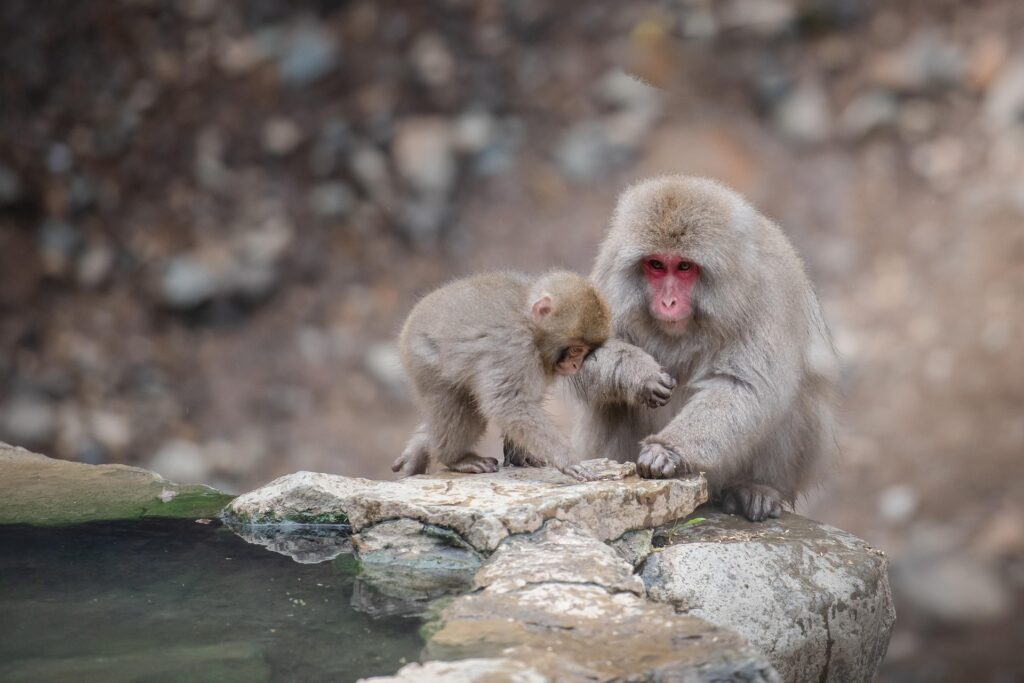
This article compares every realistic option: full DIY, small-group guided tour, local private guide in Nagano, and full private car from Tokyo. The most important thing to understand is that not all options start from the same place. A tour that starts from Nagano Station does not include your Shinkansen from Tokyo unless the listing clearly says so.
A quick note on naming: The snow monkey area is officially called Jigokudani, also written as Jigoku-dani. Both names refer to the same place.
Quick Verdict: Which Nagano Tour Option Is Right for You?
Best overall choice for most first-time visitors: take the Shinkansen to Nagano yourself, then join a small-group guided tour from Nagano Station. This does not make the full trip cheaper than DIY from Tokyo, but it removes the hardest local logistics: bus timing, trail pacing, lunch planning, and fitting Zenkoji into the day.
| Option | Where It Starts | Cost Logic | Planning Stress | Best For |
|---|---|---|---|---|
| Fully DIY | Tokyo or Nagano | From Tokyo: Shinkansen + local transport + entry. From Nagano: local transport + entry only. | High | Solo travelers, confident navigators, budget-focused planners |
| Small-Group Guided Tour | Usually Nagano Station | Tour price only. Add Shinkansen separately if coming from Tokyo. | Low | Couples, families, first-time visitors, and travelers who want convenience without a private-car price |
| Local Private Guide in Nagano | Usually Nagano Station | Private guide fee + local transport + entry. Add Shinkansen separately if coming from Tokyo. | Medium | Groups who want flexible pacing without paying for a Tokyo-based driver |
| Private Car from Tokyo | Tokyo hotel | Often several hundred dollars or more per group, depending on vehicle, date, route, and inclusions | Low for road transport, but the final forest trail still remains | Travelers with a large budget, groups wanting door-to-door service, and people who want less station stress |
The biggest reality check: a guide or private car can make the day easier, but it cannot guarantee snow, monkey bathing behavior, clear roads, or a perfectly smooth forest trail.
Nagano Day Trip Overview: What You Need to Know First
Before comparing options, these facts apply to every plan.
Getting from Tokyo to Nagano
The Hokuriku Shinkansen connects Tokyo Station and Ueno Station with Nagano Station in about 80 to 100 minutes, depending on the train. The fastest Kagayaki service is reserved-seat only.
If you are coming from Tokyo, remember that a Nagano Station-based tour does not include this Shinkansen ride unless the tour page clearly says so. You need to add the Tokyo to Nagano round trip separately, unless you are using a valid rail pass.
JR Pass note: the Hokuriku Shinkansen between Tokyo and Nagano is covered by the Japan Rail Pass and the Hokuriku Arch Pass. However, Nagaden trains and buses between Nagano and the Snow Monkey Park area are not JR services and are not covered by JR passes.
Two Main Ways to Reach Snow Monkey Park from Nagano Station
- Direct express bus: the simplest route from Nagano Station East Exit to the Snow Monkey Park bus stop. Fares and schedules change by season, so check the latest timetable before planning your day.
- Train + local bus: take Nagano Dentetsu to Yudanaka, then a local bus toward the Snow Monkey Park area. This can be useful if you are staying around Yudanaka, Shibu Onsen, or want more rail flexibility.
The express bus is generally easiest for day-trippers, but it may be non-reserved on some services. Arrive early at the bus stop during winter weekends and peak periods.
Key Entry Fees and Ticket Rules
- Snow Monkey Park / Jigokudani Yaen Koen: adult and child entry fees are paid separately if you visit DIY, unless your tour or transport pass includes admission.
- Zenkoji Temple: the temple precincts are free to walk around. Paid entry is required for the inner sanctuary, O-Kaidan tour, and related paid areas.
Important 2026/27 winter note: Jigokudani Snow Monkey Park has announced plans to introduce date-specific online tickets for winter crowd management. Details, dates, and ticket rules may change, so check the official Jigokudani Snow Monkey Park website before visiting, especially in winter.
Payment tip: carry cash as a backup for buses, small shops, temple areas, rural facilities, and backup payments. Some places may accept cards or cashless payment, but do not rely on cards for the whole day.
Snow Monkey Pass Options in 2026
Snow Monkey Pass options vary by route, season, and sales period, so do not rely on old blog posts showing one fixed price. The express-bus pass and the train/local-bus pass are different products.
| Pass Type | What It Usually Covers | Best For | Important Notes |
|---|---|---|---|
| Snow Monkey Pass for Bus | Round-trip express bus from Nagano Station to the Snow Monkey Park bus stop + Snow Monkey Park entry | Travelers who want the simplest direct route from Nagano Station | Price and sales period vary by season. Check Nagaden Bus before buying. |
| SNOW MONKEY PASS by Nagano Dentetsu | Nagano Dentetsu railway, local bus between Yudanaka and Snow Monkey Park, and Snow Monkey Park entry | Travelers using the train/local bus route or staying near Yudanaka or Shibu Onsen | Does not include the express bus from Nagano Station. Check Nagano Dentetsu for the current sales period. |
Important: these passes do not cover the Shinkansen from Tokyo to Nagano. Buy only after checking the latest official Nagaden Bus or Nagano Dentetsu information for your travel date.
Option 1: Fully DIY from Tokyo
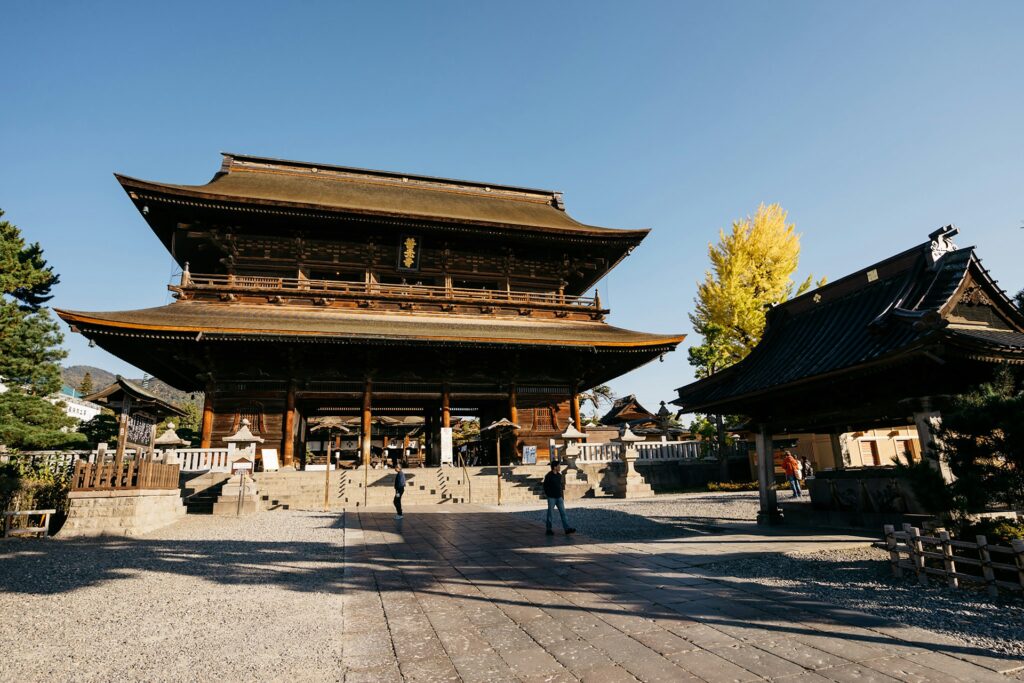
DIY is doable if you are comfortable navigating Japanese train stations, checking local bus times, and walking more than 3 km round trip on an unpaved forest trail in possibly icy conditions.
Step-by-Step DIY Plan
- Take the Hokuriku Shinkansen from Tokyo or Ueno Station to Nagano Station.
- From Nagano Station, take either the direct express bus to the Snow Monkey Park bus stop or use the train + local bus route via Yudanaka.
- Walk the forest trail to the park entrance, usually about 30 to 35 minutes each way depending on route and conditions.
- Visit the Snow Monkey Park, allowing enough time to observe the monkeys without rushing.
- Walk back to the bus stop or trail entrance area and return to Nagano Station.
- Visit Zenkoji Temple if timing still allows.
- Take the Shinkansen back to Tokyo.
Sample DIY Itinerary from Tokyo
This is a model itinerary, not an official timetable. Confirm current Shinkansen, Nagaden, Nagaden Bus, and park information before travel.
| Part of Day | Activity |
|---|---|
| Early morning | Depart Tokyo Station by Hokuriku Shinkansen |
| Morning | Arrive at Nagano Station, store luggage if needed, and confirm bus or pass details |
| Late morning | Take the express bus or train + local bus toward Snow Monkey Park |
| Arrival at trailhead | Walk the forest trail to the park |
| At the park | Observe the monkeys and take photos, keeping expectations flexible |
| Return walk | Walk back to the bus stop or trail entrance area |
| Afternoon | Return to Nagano Station and visit Zenkoji Temple if you still have time |
| Evening | Shinkansen back to Tokyo |
Reality check: this is a long day from Tokyo. If you miss a return bus, spend too long at the park, or hit icy trail conditions, Zenkoji can become rushed. For many DIY travelers, it is better to put the monkeys first and visit Zenkoji afterward because Zenkoji is closer to Nagano Station and easier to adjust if the day runs late.
DIY Cost Breakdown from Tokyo
| Item | Planning Notes |
|---|---|
| Tokyo to Nagano Shinkansen round trip | Depends on train, seat type, rail pass coverage, and booking method |
| Local Snow Monkey transport + park entry | Depends on whether you use the express bus, train/local bus route, pass, or individual tickets |
| Zenkoji paid areas | Optional paid entry if you enter the inner sanctuary, O-Kaidan areas, or related paid sections |
| Lunch and snacks | Self-paid; options may be limited near the park depending on season and timing |
Key point: DIY from Tokyo is usually cheaper than adding a guided tour after your Shinkansen, but it is not effortless. You are paying less because you are managing the transit chain yourself.
Who Should Go DIY
Good fit for: solo travelers, confident Japan travelers, budget-focused planners, and anyone who enjoys controlling their own schedule.
Skip DIY if: you are traveling with young children, seniors with limited mobility, or anyone who gets anxious about missed connections. Also think carefully if you are visiting between December and March and are not comfortable walking on icy, unpaved trails.
Option 2: Small-Group Guided Tour from Nagano Station
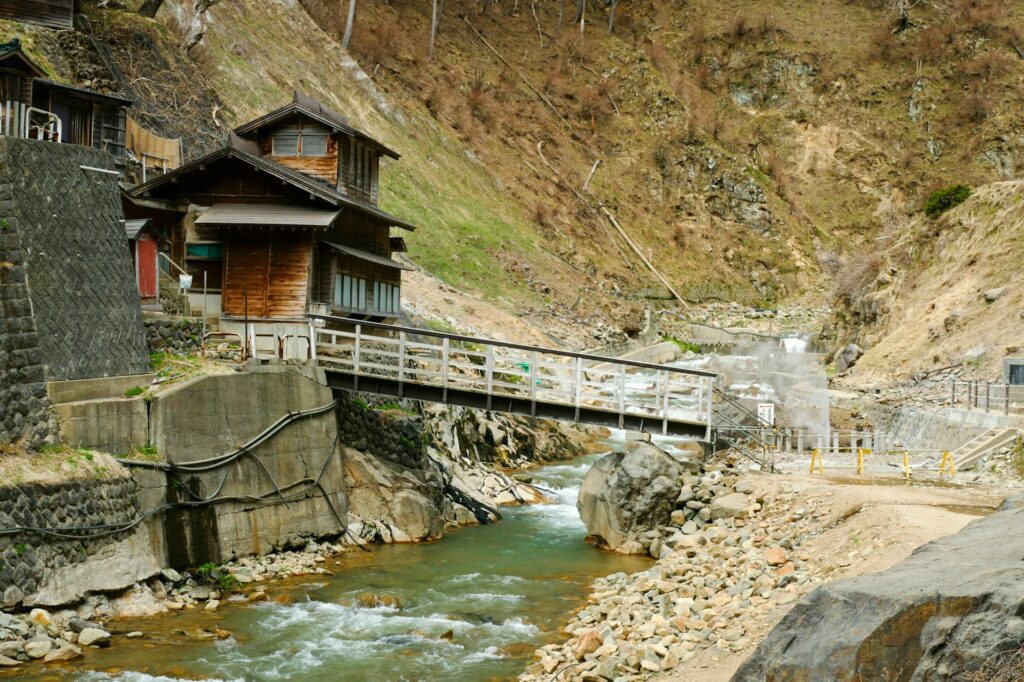
Many travelers searching for a “Nagano private tour” do not actually need a fully private car. They just want someone else to handle the local logistics. A well-run small-group guided tour from Nagano Station can solve the hardest part of the day without the high private-tour price.
What This Tour Typically Includes
Depending on the listing, a small-group day trip starting from Nagano Station may include:
- An English-speaking local guide
- Transport from Nagano Station to Zenkoji Temple and the Snow Monkey Park area
- Snow Monkey Park entrance fee
- A guided visit to Zenkoji Temple
- Traditional Japanese lunch and sake tasting, depending on the listing
- Help managing the day’s timing and route
- Cancellation terms that vary by platform, date, and ticket type
Always check the current tour page before booking. Inclusions, lunch, sake tasting, pickup location, cancellation policy, and winter availability can change.
Cost vs DIY: Is It Worth It?
If you start in Nagano City, a small-group tour can be a very good value because it bundles guide support, transport, lunch, and timing help into one plan.
If you start in Tokyo, the comparison is different. You must add the Shinkansen round trip to the tour price. In that case, the tour is usually not cheaper than DIY. Its value is convenience, English support, lunch planning, and avoiding the stress of local bus connections.
In simple terms: DIY saves money if you are comparing the full trip from Tokyo. A small-group tour saves stress once you arrive in Nagano.
Who Should Book a Small-Group Tour
Good fit for: couples who want a relaxed day, families with older kids, first-time visitors to Japan, and anyone arriving in Nagano by Shinkansen who does not want to manage bus connections and lunch logistics.
Skip if: you prefer complete flexibility, you want to spend a very long time at Zenkoji, or you have dietary restrictions that require special arrangements beyond what the tour can confirm.
If your travel dates are fixed, check the latest start times, inclusions, and cancellation rules before planning the rest of your day: Check availability and current prices here
Option 3: Local Private Guide in Nagano
This is often the best true private option for smaller groups. Instead of paying for a private car all the way from Tokyo, you take the Shinkansen to Nagano on your own and meet a private guide at or near Nagano Station.
A local private guide can help with:
- Zenkoji Temple context and pacing
- Choosing the best route to the Snow Monkey Park area
- Managing the forest trail timing
- Lunch planning
- Adapting the day for weather, children, or slower walkers
This gives you more flexibility than a small-group tour while avoiding the high cost and long road transfer of a Tokyo-based private car.
Best for: groups of 3 to 6 people who want private pacing and are comfortable taking the Shinkansen to Nagano independently.
Skip if: you are traveling solo and cost per person matters, or if you truly need door-to-door transport from Tokyo.
Option 4: Full Private Car from Tokyo
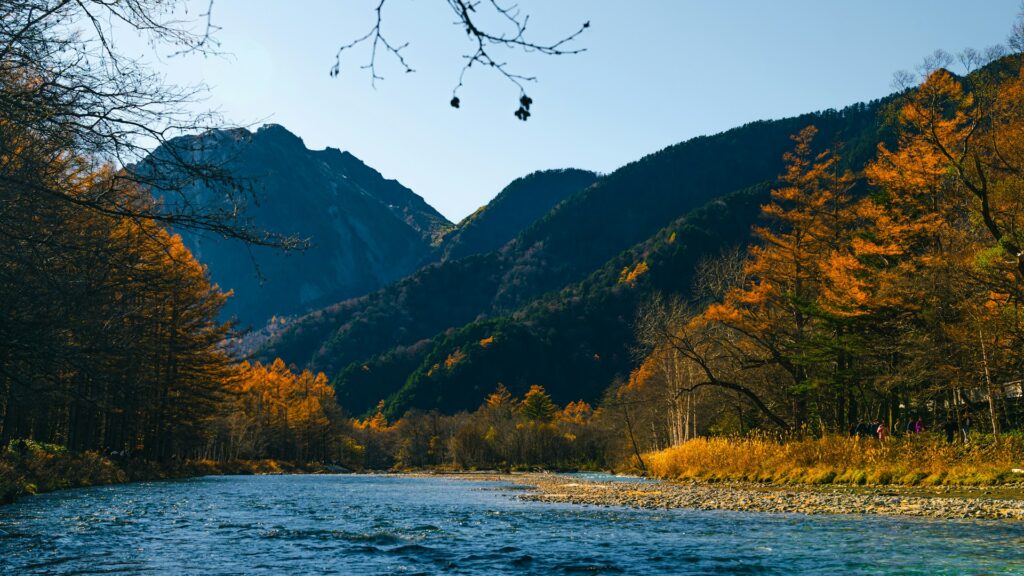
A full private car from Tokyo is the most hands-off option, but it is also the most expensive and not always the smartest. A driver picks you up at your Tokyo hotel, drives to Nagano, waits during your sightseeing, and returns you to Tokyo.
Private cars from Tokyo can easily cost several hundred dollars or more per group, and the final price may be much higher depending on vehicle size, pickup location, season, route, language support, tolls, parking, guide service, and inclusions.
Important accessibility note: a private car reduces station and transfer stress, but it does not remove the final forest-trail walk to the Snow Monkey Park. It may help groups who want fewer transfers, but it is not a full accessibility solution.
Best for: travelers with a large budget, families who strongly prefer door-to-door service, and groups who want to reduce station transfers.
Skip if: your group can use trains comfortably. The Shinkansen is faster than driving for most Tokyo to Nagano plans and usually a better use of the day.
Side-by-Side Comparison: Which Option Fits Your Trip?
| Factor | Fully DIY | Small-Group Tour | Local Private Guide | Private Car from Tokyo |
|---|---|---|---|---|
| Starting point | Tokyo or Nagano | Usually Nagano Station | Usually Nagano Station | Tokyo hotel |
| Total cost | Lowest if starting from Tokyo and managing everything yourself | Tour price + Shinkansen if coming from Tokyo | Private guide fee + local transport + Shinkansen if coming from Tokyo | Usually highest |
| Planning effort | High | Low | Medium | Low for road transport |
| Flexibility | High, but limited by bus schedules | Fixed group schedule | Flexible within your group’s needs | Flexible road routing, but still limited by park access and the trail |
| Winter trail support | You manage it yourself | Guide helps manage pacing and expectations | Guide can adapt pace to your group | Driver can reduce transfers, but the trail still remains |
| Best traveler type | Solo, budget, confident navigators | Couples, families, first-timers | Groups wanting private pacing | Door-to-door comfort seekers with larger budgets |
Snow Monkey Park: What Nobody Tells You Before You Go
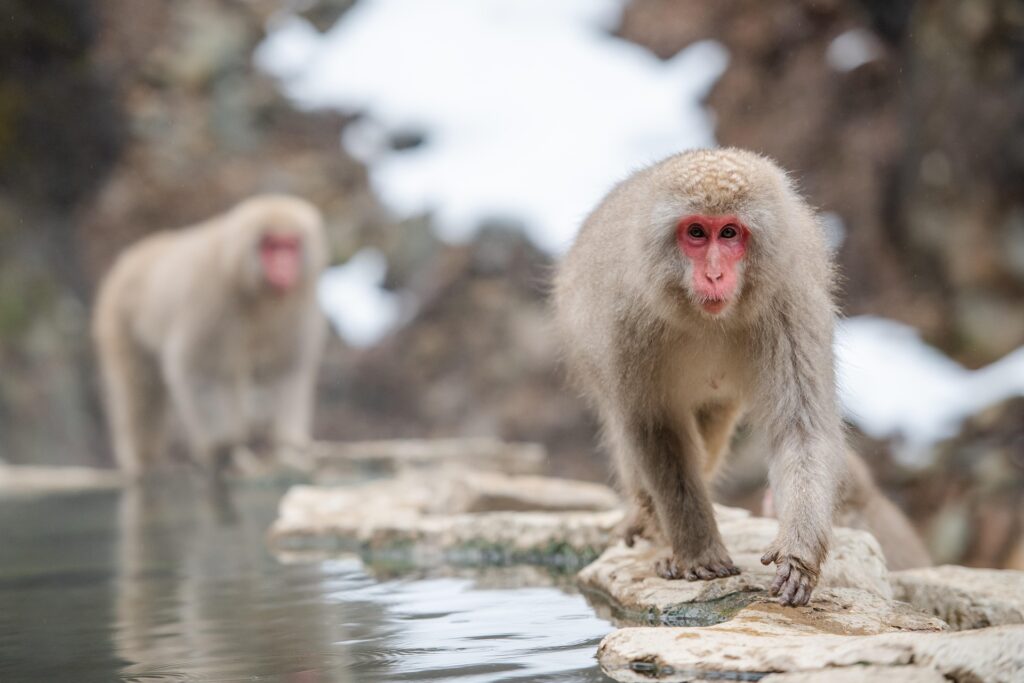
You have seen the photos of monkeys bathing in steaming hot springs. Here is the reality behind those images.
The Forest Trail
Even on a well-planned day, reaching the monkeys requires a walk on an unpaved forest trail. Depending on your route and conditions, expect about 30 to 35 minutes each way. In winter, the trail can be packed with snow, ice, mud, or freezing slush.
This is the single biggest reason to think carefully about your travel style if anyone in your group:
- has knee or hip problems,
- has balance issues,
- struggles on uneven or slippery paths,
- is too young or tired to handle the round-trip trail, or
- uses a stroller, wheelchair, walker, or mobility aid.
A guide can help manage timing and expectations, but no normal tour can magically remove the forest trail. If someone in your group cannot handle the walk, contact the operator before booking and be honest about mobility limits.
Winter Footwear
If you go DIY in winter, wear waterproof boots with solid grip. The shop near the trail entrance may rent snow boots or sell traction spikes in winter, but availability and prices can change. Do not depend on rentals as your only plan if winter walking safety matters to you.
Best and Worst Seasons
- Winter, December to March: best chance of the classic snowy bathing photos, but also the coldest, most crowded, and iciest season.
- Spring, April to May: baby monkey season, fewer icy sections, muddy trail, and less bathing.
- Summer, June to August: quiet and green, but monkeys rarely bathe in hot water.
- Autumn, October to November: scenic foliage and cooling temperatures, but the full snowy atmosphere has not arrived yet.
Monkey Bathing: What to Expect
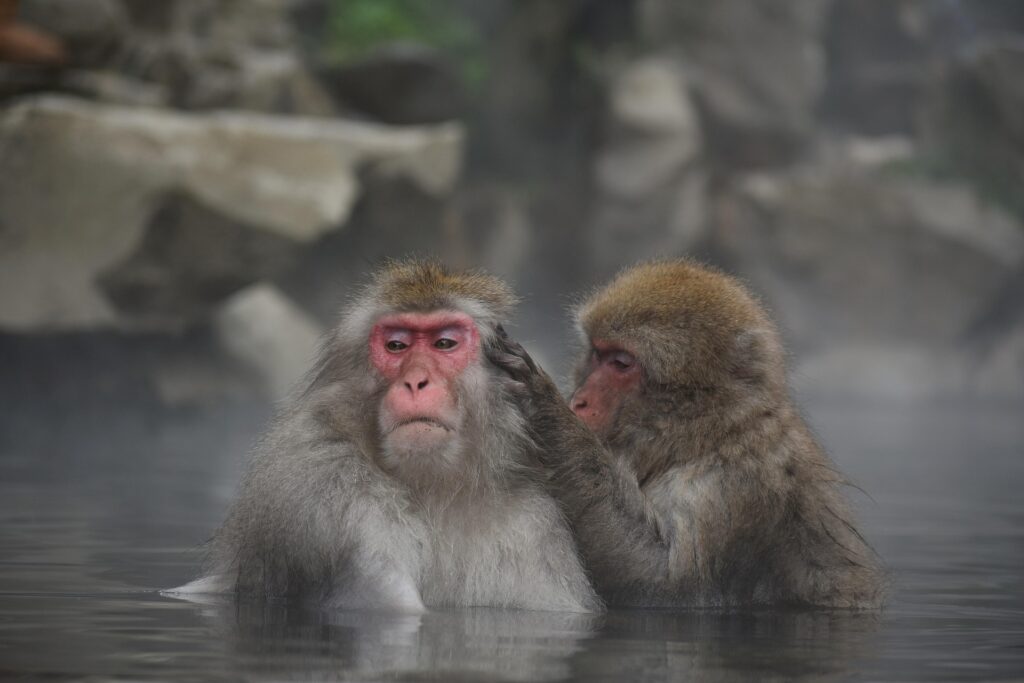
The monkeys are wild animals. You have a good chance of seeing monkeys when the park is open, but appearance is not guaranteed. Seeing them actively soaking in the hot spring is even less guaranteed. Bathing is most common on very cold winter days.
Before you go, check the official park information or live camera if available. Build the day around wildlife observation and the winter forest experience, not only the perfect hot-spring photo.
Essential Packing List
- Footwear with grip: waterproof boots in winter, trail shoes in other seasons.
- Layers: the park area can feel colder than Nagano City.
- Waterproof jacket: useful for snow, rain, and melting ice from trees.
- Cash: useful for buses, lockers, small shops, and backup payments.
- Small backpack: leave large luggage at Nagano Station or other luggage storage.
Common Mistakes That Quietly Ruin This Day Trip
- Leaving Tokyo too late: if your Shinkansen departs too late in the morning, you will spend the whole day chasing the clock.
- Comparing costs incorrectly: a Nagano Station tour price does not include your Tokyo to Nagano Shinkansen unless the listing clearly says so.
- Underestimating the forest trail: it takes longer than many people expect, especially in snow, ice, or mud.
- Assuming a private car solves accessibility: it reduces station stress, but it does not remove the final forest trail.
- Overpacking the itinerary: adding Obuse, Togakushi, or extra towns usually forces you to cut time at Zenkoji or the monkeys.
- Ignoring the return buffer: always allow extra time before your return Shinkansen. Buses can be full, late, or seasonal.
- Skipping lunch planning: restaurant options near the Snow Monkey Park area can be limited, especially in winter.
- Forgetting winter ticket rules: if date-specific online tickets apply for your travel period, showing up without checking the official site first could cause problems.
Frequently Asked Questions
Is a Nagano private tour doable as a day trip from Tokyo?
Yes, but it is a long day. The Shinkansen from Tokyo to Nagano takes about 80 to 100 minutes each way, and the Snow Monkey Park still requires local transport plus the forest trail. A tour or guide helps reduce the local stress, but it does not remove the travel time.
How long is the walk to the snow monkeys?
Expect about 30 to 35 minutes each way from the bus stop or trail entrance area, depending on your route, pace, and conditions. The approach is an unpaved forest trail. In winter, it can be slippery, icy, muddy, or covered in packed snow.
Do I need winter boots for the Snow Monkey Park?
If you visit between December and March, winter boots or waterproof shoes with strong grip are highly recommended. The shop near the trail entrance may offer rentals or traction spikes, but availability and prices can change.
Will I definitely see monkeys bathing in the hot spring?
No. The monkeys are wild animals. You have a good chance of seeing monkeys in the area when the park is open, but their appearance is not guaranteed. Bathing is most common on cold winter days and is never a scheduled performance.
Do I need to buy Snow Monkey Park tickets online?
For some winter periods, the park may use date-specific online tickets to manage crowding. Ticket rules can change, so check the official Jigokudani Snow Monkey Park website before you go. If you join a tour or buy a transport pass that includes entry, confirm exactly how admission is handled for your date.
Where can I leave my luggage?
Nagano Station has coin lockers and other luggage options, but availability varies by size and crowd level. Do not bring large suitcases to the Snow Monkey Park trail. If you are joining a tour, check luggage rules before booking.
Is this trip suitable for children?
It depends on the child. The trail may work for school-age children who are used to walking, but winter ice, mud, fatigue, and cold weather can make it difficult. Strollers are not practical on the unpaved trail. A guided option can reduce transport stress, but it cannot remove the walk.
Can I visit both Zenkoji Temple and Snow Monkey Park in one day?
Yes, but you need to be disciplined with time. Many DIY travelers should visit the monkeys first and Zenkoji afterward, because Zenkoji is close to Nagano Station and easier to adjust if the day runs late.
Is a small-group tour cheaper than DIY?
Usually not if you are comparing the full trip from Tokyo. DIY is usually cheaper because you manage the transport yourself. A small-group tour is valuable because it simplifies the local Nagano portion after you arrive, not because it eliminates the Shinkansen cost.
Which is better: private car from Tokyo or Shinkansen plus local tour?
For most travelers, the Shinkansen plus a Nagano-based tour or guide is better. It is faster, usually cheaper, and avoids spending many hours on the road. A private car from Tokyo only makes sense if door-to-door service is a high priority and the cost is not a major concern.
Final Verdict: Which Should You Choose?
Choose DIY if: you are traveling solo, confident with Japanese transit, and want to save money. Be prepared for a tightly scheduled day and the physical demands of the forest trail.
Choose the small-group guided tour if: you want local transport, lunch planning, timing, and guide support handled after you arrive in Nagano. This is the best balance for many first-time visitors.
Choose a local private guide in Nagano if: you are a group of 3 to 6 people who want private pacing without paying for a Tokyo-based driver.
Choose the full private car from Tokyo if: you strongly prefer door-to-door service, have a larger budget, and understand that the final forest-trail walk still remains.
For families: a small-group tour or local private guide is usually the best balance of cost and convenience. The guide helps with local timing, but children still need to handle the trail.
For travelers on a tight schedule: avoid DIY unless you are very comfortable with Japanese transit. The common failure points are missed buses, underestimated trail time, winter walking conditions, and treating a Nagano Station tour price as if it included your Tokyo Shinkansen.
Ready to compare options? If you are already in Nagano or arriving by early Shinkansen from Tokyo, check the latest start times, availability, inclusions, and cancellation policy for the small-group tour here: Check availability and current prices
For a deeper look at the park itself, read our detailed Snow Monkey Park Review.
Transport schedules, Snow Monkey Pass prices, pass sales periods, park hours, online ticket rules, winter trail conditions, payment methods, and tour inclusions can change. Always check official Nagaden, Nagaden Bus, Jigokudani Snow Monkey Park, and your selected tour listing before finalizing your trip.
Hi, I’m Kai. I’m a Tokyo-based travel writer, tourism industry insider, and the author of a published guidebook for international visitors to Japan. With over 10 years of professional experience at a leading Japanese tourism company, my mission is to help you skip the tourist traps and navigate Japan’s best destinations like a local. I believe the perfect day trip is like a traditional kaiseki meal: a beautiful balance of precise planning and unforgettable seasonal discovery. When I’m not out conducting field research, you’ll usually find me drafting new itineraries with one of my favorite fountain pens!