
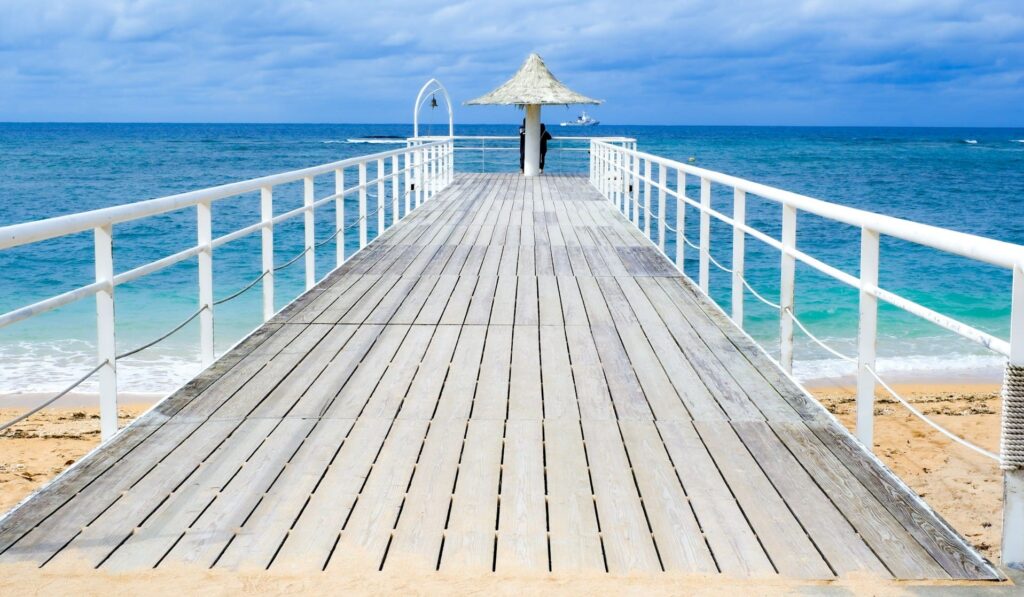
For most first-time visitors, 3 nights / 4 days is the sweet spot for Ishigaki: one full day for the main island, one day for a nearby island or the ocean, and arrival and departure days for light sightseeing. Two nights can work if you pick one priority. Four nights and five days is worth it if you want to add Iriomote or a dedicated snorkeling day.
One warning before you count your days: most “3-day Ishigaki itinerary” guides quietly assume three full sightseeing days. In practice, a “3-day trip” usually means two nights, and how much you actually see depends on when your flight lands and leaves. This guide is built around usable time, weather, ferries, and parking — not just a list of attractions.
If the 4-day plan sounds right but you don’t want to rent a car, check the current schedule, pickup details, and recent traveler reviews for this full-day Ishigaki island tour before you lock in your main-island day.
How Many Days Do You Need in Ishigaki?
The short answer: 3 nights / 4 days fits most first-time visitors. It gives you one relaxed day for the main island, one day for Taketomi or a marine activity, and enough slack to absorb a weather change. Two nights works for a focused trip. Four nights is the move if you want both Taketomi and Iriomote, or a dedicated day for snorkeling and diving.
Ishigaki is the base island of the Yaeyama group. Taketomi is a 10–15 minute ferry ride from Ishigaki Port, which makes it an easy half-day or full-day add-on. Iriomote is a bigger commitment: roughly 40–50 minutes by high-speed ferry each way, plus a full day of jungle and river time once you’re there.
| Trip length | What realistically fits | What you’ll probably skip | Best for |
|---|---|---|---|
| 2 nights / 3 days | Main-island highlights (Kabira Bay, Tamatorizaki) plus one of: Taketomi or a marine activity | Iriomote; any second island; buffer days if your flights are late or early | A focused add-on to a longer Japan trip, with a rental car |
| 3 nights / 4 days | A full main-island day, one island or ocean day, and arrival/departure sightseeing | Iriomote, unless you swap something else out | Most first-time visitors |
| 4 nights / 5 days | Everything above, plus Iriomote or a dedicated snorkeling/diving day or a weather buffer | Nothing essential | Ocean lovers, families, and anyone traveling during typhoon season |
Is 2 Nights / 3 Days Enough for Ishigaki?
Yes — but only if you treat it as a focused trip, not a greatest-hits tour. With two nights, pick one priority beyond the main island: either Taketomi or a half-day marine activity. Trying to fit Taketomi, Iriomote, and snorkeling into two nights is the most common way this trip falls apart.
Your flight times matter more here than anywhere else on this page. If you land late afternoon and your departure flight is early on day three, you realistically have one full day — so build the plan around that single day rather than the calendar count.
Why 3 Nights / 4 Days Is the Best Balance
Three nights gives you a structure that actually holds up on the ground: arrival day with one light stop, one full day for the main island, one day for Taketomi or the ocean, and a departure morning. That’s enough slack to swap days when the weather turns, which matters because boats and glass-bottom rides suspend in strong wind.
The stops that look small on a map still eat 30–60 minutes each once you factor in parking, photo stops, and summer heat. A 4-day frame lets you enjoy Kabira Bay instead of rushing through it.
Who Should Stay 4 Nights / 5 Days?
Book the extra night if any of these apply to you:
- You want both Taketomi and Iriomote. Taketomi is light and close; Iriomote is a heavy, rewarding full day. Together they need the extra night.
- You’re coming for snorkeling or diving. One full day on the water, plus a buffer day in case conditions change, is the difference between a highlight and a disappointment.
- You’re traveling August–September. Typhoons are most likely in this window, and a spare day lets you reshuffle instead of cancel. For more on weather patterns, see our guide on the best time to visit Ishigaki.
- You simply want a slower trip. Beach time, sunset walks, and island cafés are half the appeal of Ishigaki.
The Best 4-Day Ishigaki Itinerary for First-Time Visitors
This plan assumes you land at Painushima Ishigaki Airport on day one and fly out on day four, with a rental car for the main-island days. Day 2 and Day 3 are interchangeable — if the sea is rough, do the island drive first and save Taketomi for calmer weather.
Day 1 – Arrival + Tamatorizaki Observatory
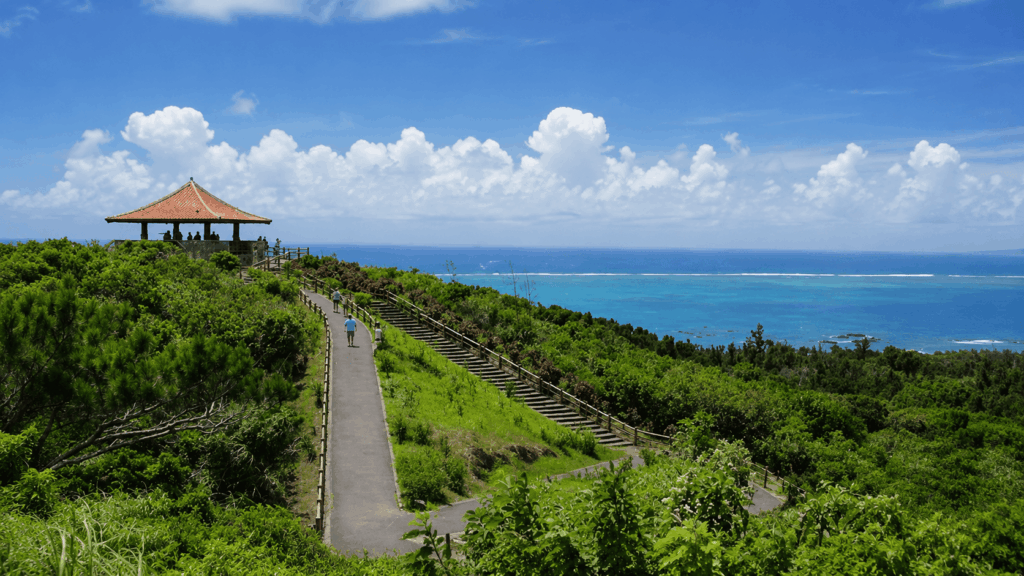
If your flight arrives by early afternoon and you have a car, start with Tamatorizaki Observatory, about 20 minutes from the airport. It’s free to enter with free parking, and the lookout gives you a first sweep of the island’s coastline without committing to a long drive. After that, check in and settle in Ishigaki City for an easy dinner.
If your flight lands late, skip it. Tamatorizaki is an open-air lookout, and the value disappears once the light goes.
Kai’s tip: Tamatorizaki is the classic “first stop after landing” precisely because it sits so close to the airport — but I’d time it for daylight hours only. It’s a hillside lookout, so stay on the paved walkway: the island has venomous habu snakes, they’re nocturnal, and the local guidance is to keep to lit paths after dark. In the right light it’s a 20-minute stop that sets the tone for the whole trip.
Day 2 – Kabira Bay + an Ishigaki Island Drive
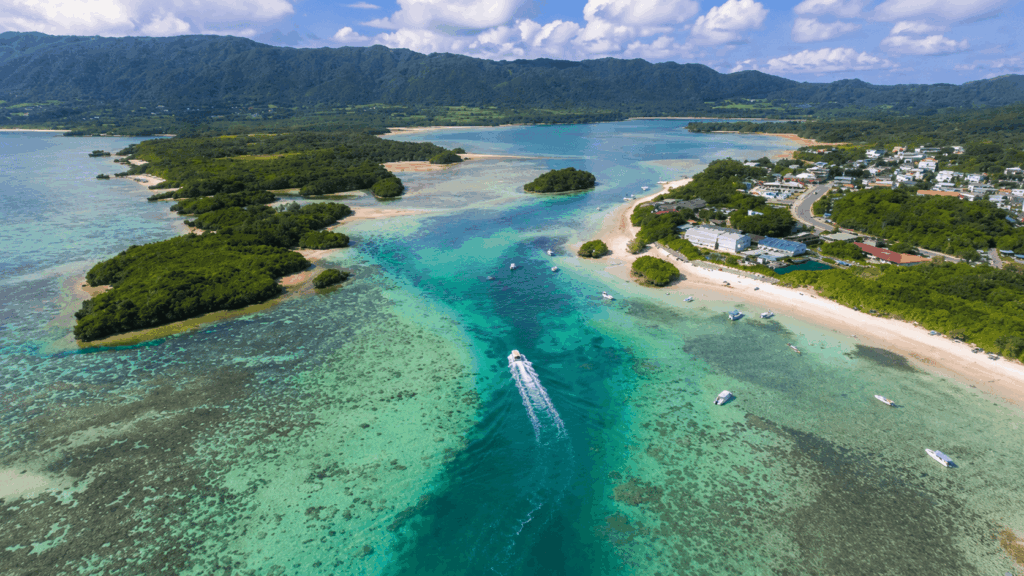
Make Kabira Bay your anchor stop and put it in the morning. The bay itself is famous for its emerald water and floating islands, but swimming is not permitted here — the experience is the viewpoint, the short walk, and optionally the glass-bottom boat (see below).
From Kabira, a good loop continues north to Hirakubozaki Lighthouse, the island’s northernmost point. It’s a long drive (roughly 50–60 minutes from the city, mostly through rural Ishigaki) with free parking and wide ocean views at the end — the kind of stop that only makes sense if you have a car and a full day. Afternoon is a good time to work back south toward a beach or Yonehara area before returning to town.
Kai’s tip: Don’t lock Kabira into a fixed 60-minute slot. Late morning and early afternoon are when tour groups and self-drive visitors overlap, and the parking area at Kabira Park can back up — the municipal lot has roughly 50 spaces, and the city now runs a live parking camera if you want to check before you leave. Put Kabira early, carry a 30-minute buffer, and remember the white sand reflects hard in summer: hat, sunglasses, and water make the stop much more comfortable.
Should You Take the Glass-Bottom Boat at Kabira Bay?
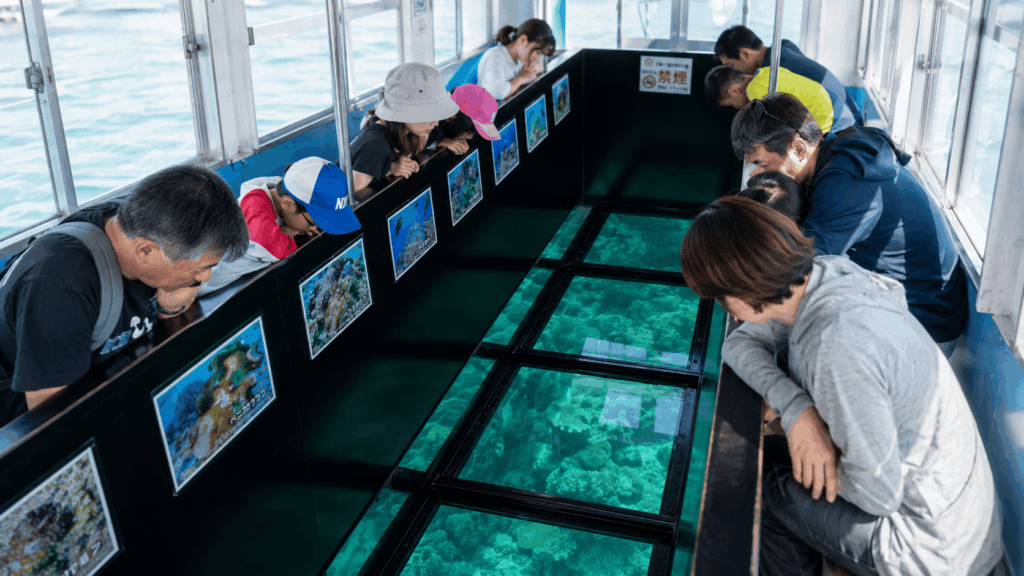
The glass-bottom boats run roughly every 15–20 minutes for a ride of about 30 minutes, with adult tickets in the ¥1,300–1,800 range depending on the operator and season. You stay dry and see coral and tropical fish through the hull — no swimming gear needed.
Take it if: you’re not snorkeling elsewhere, you’re traveling with kids, or you want a quick, low-effort look at the reef.
Skip it if: you already have snorkeling or diving planned, you’re prone to seasickness, or you’re short on time — the viewpoint itself is free and is most of the visual payoff.
Kai’s tip: The ride is gentle, but I’ve watched plenty of people turn green because they stared straight down through the glass for the whole trip. Look up at the horizon regularly, take your usual motion-sickness medicine beforehand, and on rough days the boats may not run at all — check with the operator in the morning rather than assuming the schedule holds.
Day 3 – Taketomi Island or a Marine Activity
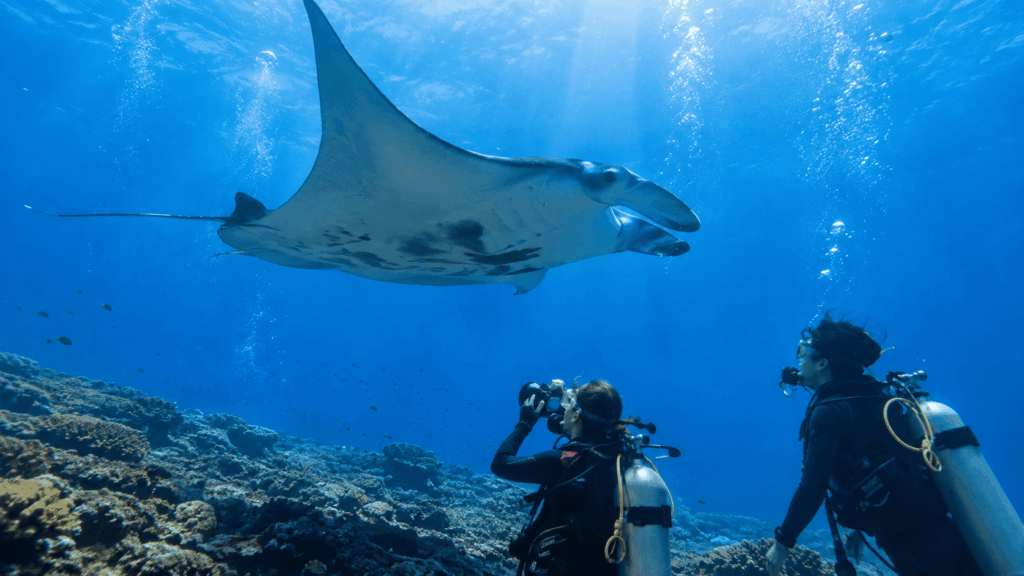
Day 3 is your choice day, and it comes down to one question: do you want an easy cultural day or a day on the water?
Option A — Taketomi Island: a 10–15 minute high-speed ferry from Ishigaki Port Remote Island Terminal (about 30 minutes by car from the airport). The island is small: red-tile roofs, white-sand lanes, and beaches like Kondoi and Kaiji (star sand). Rent a bicycle at the port and ride the ~2 km to the village, or take a water buffalo cart tour. One-way ferry tickets run around ¥1,400, and you can realistically cover the island in half a day at a relaxed pace. Check our guide for more on what to do on Taketomi Island.
Option B — a marine activity: half-day or full-day snorkeling or diving trips leave from Ishigaki and visit reefs around the island. This is the better choice if you came for the ocean itself, but it depends on weather and sea conditions — which is exactly why this day is interchangeable with Day 2.
Option C — Iriomote (only with 4+ nights): the ferry takes roughly 40–50 minutes each way, and once you arrive the real activity — jungle treks, river tours, waterfalls — needs a full day. It’s rewarding, but it’s the heaviest day on this itinerary, and it doesn’t fit comfortably into a 3-night trip.
Day 4 – Easy Morning + Departure
Keep day four deliberately light. Depending on your flight time, use the morning for Ishigaki City: a market stroll, souvenir shopping, or a relaxed breakfast — then head to Painushima Ishigaki Airport. Avoid booking anything on the water or on a ferry for your final day; if it gets cancelled, you have no day left to reshuffle into.
Only Have 3 Days? What to Cut
If your trip is really two nights and three calendar days, compress the plan like this:
- Day 1: arrive, pick up the car, Tamatorizaki if time and light allow, dinner in town.
- Day 2: the full main-island day — Kabira Bay in the morning, then the drive loop, beach time, or Hirakubozaki if you’re comfortable with the distance.
- Day 3: ferry to Taketomi for the morning and early afternoon, then straight to the airport — or skip Taketomi entirely and give the whole day to a marine activity or a slower island drive.
The rule for three days: pick one thing beyond the main island and let the rest go. Iriomote is the first thing to drop — it needs a full day plus ferry time, and rushing it is how travelers end up seeing more of a boat cabin than a jungle. If your flight times are awkward, even Taketomi should be treated as optional.
Have 5 Days? Add Iriomote or a Dedicated Ocean Day
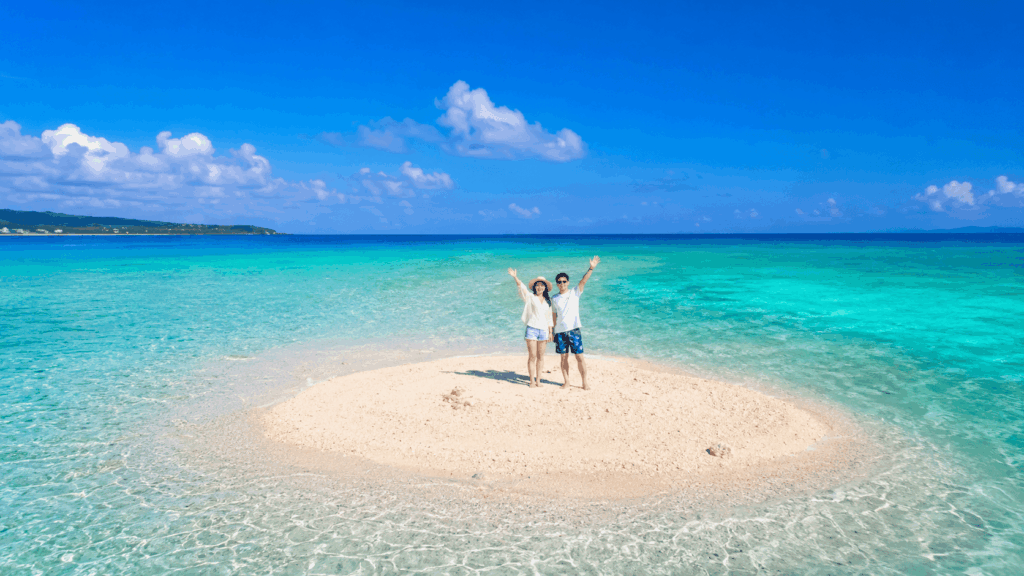
With four nights and five days, the structure opens up. The most common additions:
- Add Iriomote as a full day. This is the classic reason to extend — it becomes the adventure day of your trip, and you still keep Taketomi as the easy day.
- Add a dedicated snorkeling or diving day. If the ocean is the point of your trip, a second water day means you can chase better conditions instead of gambling on one morning.
- Add a buffer day. During typhoon season (roughly June through October, peaking August–September), a spare day is the difference between rescheduling and losing a plan entirely.
Taketomi vs Iriomote: Which Fits Your Itinerary Better?
Both islands are worth a visit — the question is which one fits the trip you have. This comparison assumes you’re choosing between them for a single day:
| Taketomi | Iriomote | |
|---|---|---|
| Ferry time (one way) | 10–15 minutes from Ishigaki Port | 40–50 minutes (Oohara or Uehara port) |
| Time commitment | Half a day to a full relaxed day | A full, tiring day |
| Main appeal | Traditional village, white-sand lanes, beaches, easy pace | Jungle treks, river tours, waterfalls, wild coast |
| Physical effort | Low — cycling, walking, or a buffalo cart | High — hiking and boat rides in heat and humidity |
| Weather sensitivity | Moderate (ferry only) | High (ferry plus river/trek tours, which suspend in bad weather) |
| Best for | Culture, families, first-time visitors, short trips | Adventurous travelers, nature lovers, longer trips |
| Choose this if… | You have 3 nights or fewer, or you want an easy day | You have 4+ nights, you don’t mind a big day, or you came for nature |
Do You Need a Rental Car in Ishigaki?
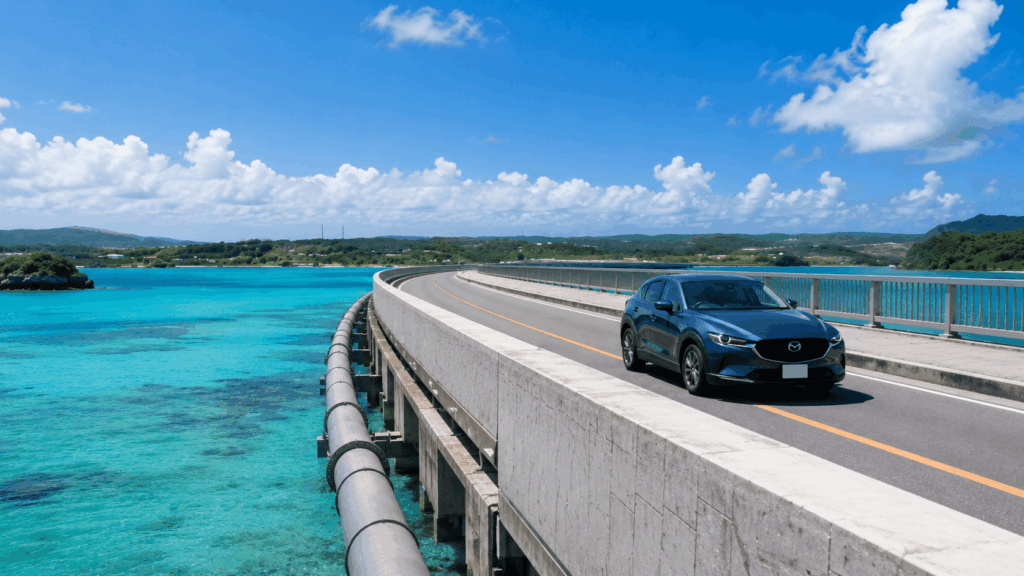
Not necessarily — but it changes how much you see. The main island’s best-known stops (Kabira Bay, Tamatorizaki, Hirakubozaki) are spread out and most comfortable with a car. That said, getting around Ishigaki without a car is workable if you plan around it: buses, taxis, and guided day tours cover the highlights, and you don’t need a car at all on Taketomi or Iriomote days.
If you do drive, remember you need an International Driving Permit (IDP) based on the 1949 Geneva Convention, and you’ll be driving on the left. Rental cars on Ishigaki are in strong demand, especially in summer and over Japanese holidays, so book early.
The trade-offs, in plain terms:
- Rental car: full freedom, on your schedule — but you handle parking (Kabira’s lot can fill in the middle of the day), left-side driving, and the cost of the rental.
- Bus: Azuma Bus runs routes from Ishigaki Bus Terminal toward Kabira and other sights, but departures are limited — a handful of runs a day on some routes, so you’re locked into the timetable.
- Guided day tour: you trade freedom for convenience and local context — and it’s the closest thing to following this itinerary without a car (below).
The Best No-Car Alternative: Join a Full-Day Island Tour
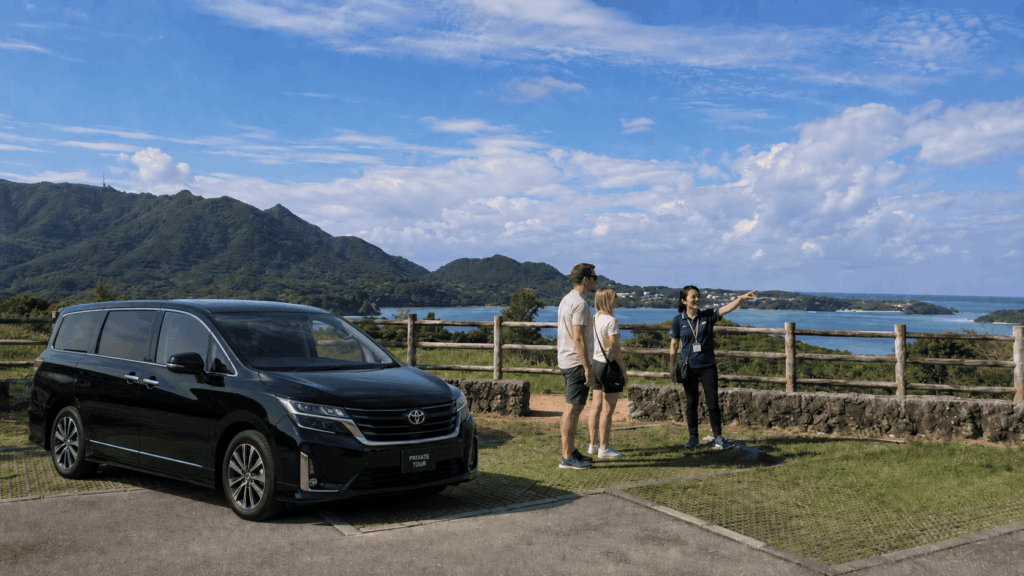
If you want to follow this 4-day plan but don’t want to drive in Japan, the cleanest replacement is a full-day guided tour of the island. GetYourGuide’s “Ishigaki: Full-Day Island Tour with Photos & Transfer” runs about 7.5 hours with an English- and Japanese-speaking guide, includes the glass-bottom boat at Kabira Bay, mangrove views at Nagura Bay, a Shisa garden, and a lighthouse viewpoint — with round-trip transfer from selected hotels in the south of the island and free photo data included. Meeting is at Euglena Ishigaki Port Remote Island Terminal, central entrance, by the red post box.
Two practical notes: the tour requires a minimum of four participants, so check availability, the current price, and booking conditions before you commit — and if it doesn’t run, you still have the bus-and-taxi fallback above. This is the one day of the plan where swapping your own wheels for a guide costs you almost nothing in sights.
If you want to see the main-island highlights without dealing with a rental car, limited bus schedules, or separate transport between stops, this is the one tour worth comparing before you finalise Day 2.
Why I’d book this one
- The route bundles Kabira Bay, the glass-bottom boat, mangroves, scenic viewpoints, and transport into one day, so the logistics are much simpler than piecing the same stops together by bus and taxi.
- Recent verified travelers mention the pacing, explanations, and included photos positively, though the listing notes that English fluency can vary by staff member.
- Because Ishigaki plans can shift with the weather, check the current cancellation and payment terms alongside your travel dates before committing.
How to Keep Your Ishigaki Itinerary Flexible for Weather
Ishigaki’s weather can change your plans faster than any other factor. The practical approach is to structure your trip so sea-dependent days and land days can swap. In the plan above, Day 2 (island drive) and Day 3 (Taketomi or marine activity) are interchangeable: if the sea is rough in the morning, do the drive first and push the boat day later. During typhoon season (roughly June–October, peaking August–September), ferries and glass-bottom boats suspend when wind and waves turn, so check the official operator pages the evening before and again in the morning rather than assuming the schedule holds.
What catches most first-timers out is not the typhoon itself — it’s the ordinary summer squall that kills a morning of boat plans. Keep your ferry-dependent day as the one that can move, not the one anchored to your flight. If your calendar has only one sea day, put it early in the trip so you have a later day to swap it into if conditions improve.
Build in Extra Time at Kabira Bay
Kabira Bay deserves its reputation, and it also deserves better planning than most guides give it. The viewpoint is free, the walk is short, and the parking area at Kabira Park (municipal lot, roughly 50 spaces, around ¥200 for the first hour) fills up in the middle of the day when tour groups overlap with self-drive visitors. The city now livestreams the lot’s status on its official YouTube channel, so you can check the parking situation before you drive out — a genuinely useful habit if you’re visiting in peak season. For full parking and bus details, see our guide on how to get to Kabira Bay.
Practical Tips That Make This Itinerary Work
- Swimming is not permitted at Kabira Bay. The water there is for looking, not bathing — the viewpoint and boat are the experience. For swimming, plan around other beaches.
- Book ferry seats when you can. High-speed ferries to Taketomi and Iriomote can fill up, and schedules shift with the weather. Check the official operator pages the day before.
- Expect heat and humidity in summer. July and August sit around 27–32°C with strong sun — the white sand at Kabira reflects hard, so carry water, a hat, and sunglasses even for short stops.
- Treat your final day as untouchable. No ferries, no boats, no activities that can strand you away from the airport.
- Carry cash. Ferry tickets, parking, and small island shops are more comfortable with cash (ferry tickets run around ¥1,400 one way to Taketomi); cards work at larger hotels and some restaurants.
- Keep an eye on venomous habu snakes — mainly a night issue. They’re nocturnal and local guidance is to stick to lit paths after dark and avoid tall grass. During the day on normal sightseeing routes, they’re rarely a practical concern.
FAQ
How many days do you need in Ishigaki?
For most first-time visitors, 3 nights / 4 days is the sweet spot: one full day for the main island, one day for Taketomi or a marine activity, and arrival and departure days for light sightseeing. Two nights works if you pick one priority beyond the main island. Four nights and five days is worth it if you want to add Iriomote, a dedicated snorkeling day, or a weather buffer during typhoon season.
Is 3 days enough for Ishigaki?
It depends on what “3 days” means. Three full sightseeing days is plenty for most first-timers. But a “3-day trip” usually means two nights — which gives you roughly one full usable day once flights are counted. With two nights, keep the plan to the main island (Kabira Bay, Tamatorizaki) plus one choice: Taketomi or a marine activity. Iriomote is the first thing to drop on a short trip.
Do you need a car in Ishigaki?
No, but it changes how much you see and how flexibly you move. The main island’s highlights are spread out and easiest with a rental car — which requires an International Driving Permit and left-side driving. Without a car, bus routes exist but departures are limited, and a full-day guided island tour is the closest replacement for the self-drive day. You don’t need a car at all on Taketomi or Iriomote days.
Is Taketomi or Iriomote better for a first trip?
Taketomi is the safer first-trip choice: a 10–15 minute ferry ride, easy cycling or a buffalo cart, and a half-day to a full relaxed day. Iriomote is a bigger commitment — 40–50 minutes each way by ferry plus a full, tiring day of jungle and river time — so it suits travelers with 4+ nights who want an adventure day. With 3 nights or fewer, choose Taketomi.
Can you swim at Kabira Bay?
No — swimming is not permitted at Kabira Bay. The experience there is the viewpoint, the short walk, and the glass-bottom boat ride. For actual swimming, plan around other beaches on the island instead of expecting to get in the water at Kabira.
Final Verdict: How Many Days Should You Stay in Ishigaki?
Don’t plan Ishigaki by counting attractions — plan it by counting full usable days. A flight arrival and departure day each eat into your calendar, and weather can reshuffle everything. That’s why the honest answer for most people is 3 nights / 4 days, with the structure below.
Choose 3 nights / 4 days if… you’re a first-time visitor who wants the main island (Kabira Bay, Tamatorizaki, an easy drive) plus one island or ocean day without rushing. This is the plan that survives real-world friction — parking at Kabira, ferry schedules, and a summer squall — and it’s the default recommendation of this guide.
Choose 2 nights / 3 days if… Ishigaki is one stop in a longer Japan trip and you have a rental car. Keep it to the main island plus Taketomi, accept that Iriomote and marine activities drop out, and build the plan around your single full day rather than the calendar count.
Choose 4 nights / 5 days if… you want both Taketomi and Iriomote, you’re coming for snorkeling or diving, you’re traveling August–September, or you want the slower version of the island with beach and café time. The extra night turns a tight schedule into a comfortable one.
For first-time visitors: follow the 4-day plan as written — arrival-day Tamatorizaki, a morning-first Kabira day, Taketomi on day three, and a light departure day. It gives you the island’s defining sights without the itinerary falling apart.
For families: the same 4-day structure works, with Taketomi as the easy day (cycling and buffalo carts are kid-friendly) and the glass-bottom boat as a dry, gentle introduction to the reef. Skip Iriomote on a first family trip.
For travelers on a tight schedule: two nights, a rental car, and a single priority — the main island plus Taketomi if your flights allow. Move Iriomote and marine activities to a future trip rather than stacking them into one short stay.
For repeat visitors: skip Taketomi entirely and spend the extra days on Iriomote and dedicated ocean time. The ferry ride to Iriomote (40–50 minutes each way) and the heavy day it brings are exactly what returning travelers should invest in.
For car-free travelers: the 4-day plan still works if you replace the self-drive island day with a full-day guided tour — the GetYourGuide island tour covers Kabira Bay (glass-bottom boat included), Nagura Bay mangroves, and a lighthouse viewpoint with round-trip transfer, which mirrors the driving day closely enough that you lose almost nothing in sights. Buses and taxis cover the gaps, and Taketomi and Iriomote days need no car at all.

Hi, I’m Kai. I’m a Tokyo-based travel writer, tourism industry insider, and the author of a published guidebook for international visitors to Japan. With over 10 years of professional experience at a leading Japanese tourism company, my mission is to help you skip the tourist traps and navigate Japan’s best destinations like a local. I believe the perfect day trip is like a traditional kaiseki meal: a beautiful balance of precise planning and unforgettable seasonal discovery. When I’m not out conducting field research, you’ll usually find me drafting new itineraries with one of my favorite fountain pens!