
Takayama sits deep in Gifu Prefecture, and for most travelers following the Tokyo–Kyoto–Osaka route, it is a deliberate detour rather than an easy add-on. That is exactly why this question matters: is Takayama actually worth the extra time in 2026, or is it better saved for a longer trip?
My honest answer is yes—but only for the right traveler and the right itinerary. Takayama is not a place I recommend squeezing into a short Japan trip just because it sounds famous. It works best when you want old merchant streets, Hida beef, a slower mountain-town pace, and ideally a route that also includes Shirakawa-go, Kanazawa, Nagoya, Toyama, or the Japanese Alps.
Quick Answer: Should You Visit Takayama in 2026?
Takayama is worth visiting in 2026 if you can stay at least one night or pair it with Shirakawa-go as part of a central Japan route. It is much less worth it as a rushed day trip from Tokyo, Kyoto, or Osaka.
✔️ Go to Takayama if…
- You want preserved old streets without the overwhelming scale of Kyoto
- You are excited to try Hida beef — as sushi, skewers, buns, or a full meal
- You can stay at least one night to enjoy the morning market and quieter hours
- You are building a route through Nagoya, Kanazawa, Toyama, or the Japanese Alps
- You plan to combine it with Shirakawa-go for a more rewarding regional detour
- You are visiting around the Takayama Festival; in 2026, the spring festival was April 14–15, and the autumn festival is October 9–10
❌ Skip Takayama if…
- You are trying to visit as a day trip from Tokyo — the travel time makes this exhausting
- You want nightlife, late dining, or big-city energy — Takayama is quiet after sunset
- You strongly dislike crowded sightseeing streets at midday
- Your Japan trip is short, under about 10 days, and every transfer adds stress
- You are only considering it because it sounds famous, not because the atmosphere or food genuinely appeals to you
| Question | Short Answer |
|---|---|
| Is Takayama worth visiting in 2026? | Yes, if you value atmosphere, food, and regional routing over speed and nightlife. |
| Does it work as a Tokyo day trip? | No. It is too far for a comfortable one-day visit. |
| How much time do you need? | One night is ideal. A rushed half day works only if you are already nearby. |
| Is it better with Shirakawa-go? | Usually yes. The combination makes the detour feel more worthwhile. |
| Should I visit during the festival? | Yes, if your dates align. Book accommodation and transport early, and remember outdoor events can change in bad weather. |
| Is it good for first-time visitors? | Yes, but mostly on longer itineraries with room for a mountain detour. |
Access & Travel Time: How to Get to Takayama in 2026
One of the biggest factors in deciding whether Takayama is worth it is how long it takes to get there and how much route friction it adds. The train is usually faster and more comfortable. The highway bus is often cheaper but slower and less flexible if your schedule changes.
| From | Train Route | Bus Route | Best For |
|---|---|---|---|
| Tokyo | Usually Shinkansen to Nagoya, then Limited Express Hida | Long highway bus option | Overnight stays only, not a casual day trip |
| Kyoto | Usually via Nagoya, then Limited Express Hida | Long-distance bus if available for your dates | Travelers building a slower central Japan route |
| Osaka | Usually via Nagoya, then Limited Express Hida | Long-distance bus if available for your dates | Longer trips where one transfer day is acceptable |
| Nagoya | Direct Limited Express Hida | Highway bus | The easiest major city gateway to Takayama |
| Kanazawa | Often planned via bus through Shirakawa-go rather than rail-only routing | Direct bus route via Shirakawa-go area | Best for combining Takayama, Shirakawa-go, and Kanazawa |
Exact fares and schedules change, so I would not plan this part from a blog table alone. Check current JR, Nohi Bus, Hokutetsu Bus, or official pass pages before booking, especially if you are traveling during the autumn festival, fall foliage season, Golden Week, New Year, or heavy-snow periods.
Kai’s tip: The mistake I see travelers make is choosing Takayama first, then trying to force the transport later. I always tell readers to decide the next city first: Nagoya, Kanazawa, Toyama, or Kyoto/Osaka. Once the onward direction is clear, Takayama becomes much easier to judge.
Budget Cheat Sheet: Which Option Saves You Money?
| Traveler Type | Best Option | Why |
|---|---|---|
| JR Pass holder | Train via Nagoya or Toyama | JR train segments can be good value if they are already covered by your pass. |
| No JR Pass, flexible schedule | Highway bus | Usually cheaper than the train, though slower and more schedule-dependent. |
| No JR Pass, time-sensitive | Train | Faster and more comfortable, but check current fares before committing. |
| Multi-city route: Nagoya → Takayama → Shirakawa-go → Kanazawa | Takayama-Hokuriku Area Tourist Pass | Often worth checking because it covers selected trains and buses in this region, including key Shirakawa-go routes, subject to current conditions and reservations. |
Note on the Takayama-Hokuriku Area Tourist Pass: This regional pass can be useful if you are connecting Nagoya, Takayama, Shirakawa-go, Toyama, and Kanazawa within its validity period. Do not assume every bus or seat is automatically covered without conditions. Check the latest official route map, reservation rules, and price before purchasing.
Reasons Takayama Is Worth the Trip
Takayama earns its reputation for three main reasons: its compact old town, its strong local food identity, and its easy-to-understand sightseeing core. If you only have limited time, that simplicity is part of the appeal.
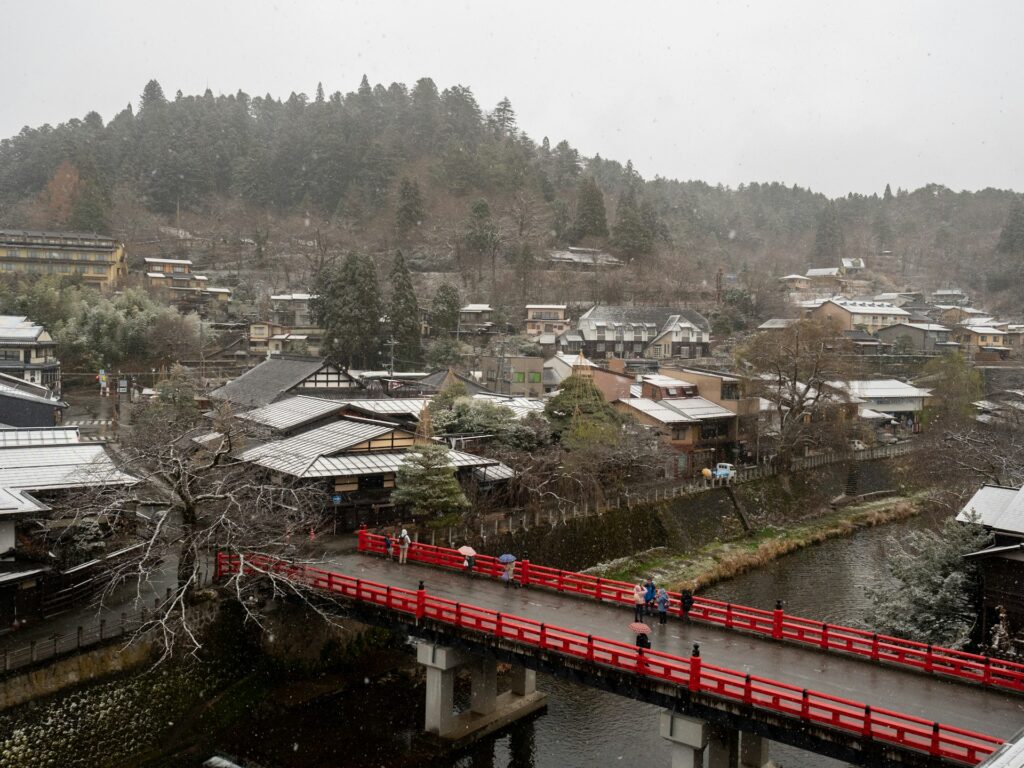
Sanmachi Suji’s Compact Historic Core
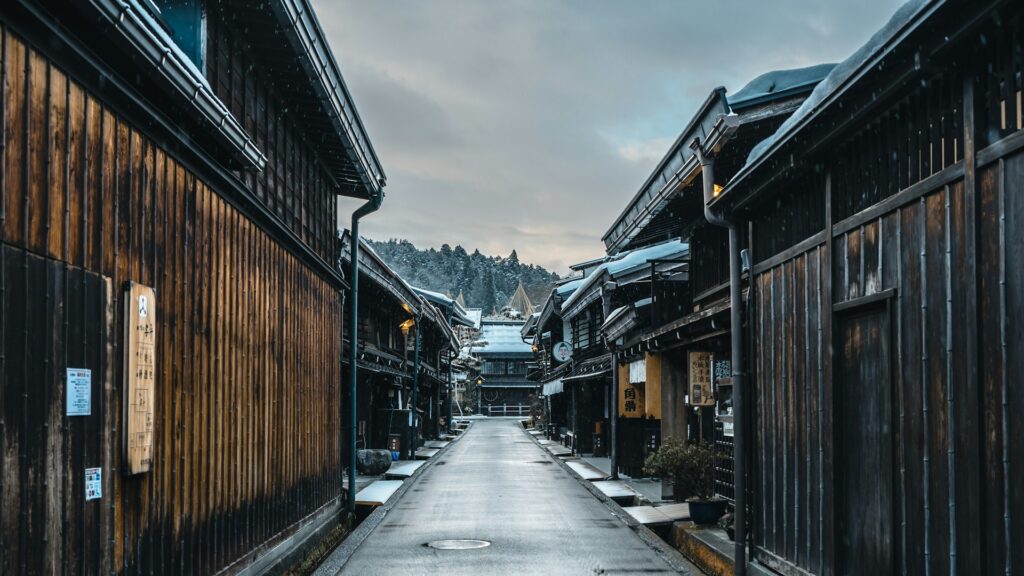
Takayama’s Old Town is not just one photogenic street. The Sanmachi Suji area is a compact cluster of preserved merchant houses, traditional facades, sake breweries, and narrow lanes that still feel visually consistent.
That matters because many travelers compare Takayama to Kyoto and expect temples spread across a major city. Takayama offers a different value: you can step into a historic district quickly and enjoy most of its atmosphere on foot without spending all day in transit between sights.
The dark wooden exteriors, latticed windows, and cedar balls (sugidama) hanging outside breweries make it one of the easiest traditional townscapes in Japan to appreciate even on a short visit.
Hida Beef as a Major Draw
For many visitors, Takayama becomes worth it the moment food enters the equation. Hida beef is the local signature, and it gives the town a clear culinary identity that goes beyond generic good food in Japan.
You do not need a long formal meal to try it. Street stalls and casual shops make it easy to sample Hida beef as sushi, skewers, buns, or a quick lunch, which works well for travelers with limited time.
If you already know you enjoy regional food experiences, this is one of Takayama’s strongest arguments over a faster but more generic stop elsewhere.
The Morning Market Advantage
The Miyagawa Morning Market helps Takayama feel more lived-in than purely scenic. Running along the river, it mixes produce, local snacks, pickles, crafts, and small souvenirs in a setting that is calmer than the old town’s busiest midday hours.
- Typical hours: April–November from 7:00 AM to noon; December–March from 8:00 AM to noon
- Open: Generally year-round
- Catch: On rainy or snowy days, the number of stalls can drop, so plan a backup indoor option
- Best time to go: Early morning, before the old town gets crowded
For overnight visitors, the market is one of the best reasons to stay instead of rushing through on a tight day trip.
Kai’s tip: What catches people out is the order of the morning. Do the market first, then Sanmachi Suji, then lunch. If you reverse that order and reach the old town around late morning, you may get the busiest version of Takayama rather than the most atmospheric one.
Takayama Festival: Spring & Autumn 2026
If your travel dates are flexible, the Takayama Festival is one of the strongest reasons to visit. It happens twice a year:
- Spring Festival, Sanno Matsuri: April 14–15, 2026
- Autumn Festival, Hachiman Matsuri: October 9–10, 2026
Because today’s planning context is mid-2026, the spring 2026 dates have already passed, while the autumn festival remains the major festival window to plan around for the rest of the year.
During the festival, elaborately decorated floats (yatai) are displayed or paraded through the streets, and the whole town atmosphere becomes far more lively than on a normal visit. This is also when Takayama becomes much harder to book casually.
Important planning notes:
- Book accommodation months ahead if you want to stay in town during festival dates
- Transport to and from Takayama will be busier than usual; reserve train and bus seats early where reservations are available
- Outdoor float displays, parades, and evening events may be canceled in rain because the floats are valuable cultural properties
- If you are not visiting during festival dates, Takayama is still worth it — but the festival adds a strong seasonal reason to align your trip
Reasons Takayama May Not Be Worth It
Takayama has real strengths, but it is not a universal recommendation. The biggest downsides are distance, crowd concentration, and the limited evening scene.
Midday Crowd Buildup
Takayama’s historic center is compact, which is part of its charm, but that also means crowds concentrate quickly. By late morning and early afternoon, the narrow streets of Sanmachi Suji can feel far busier than travelers expect from a mountain town.
If your ideal experience is a quiet, meditative village atmosphere, Takayama may disappoint during peak midday hours. It works much better early in the day, later in the afternoon, or with an overnight stay that lets you walk around outside the busiest window. You can also step away from the main streets to find a few quieter hidden gems.
The Tokyo Day Trip Problem
A common planning mistake is treating Takayama like a realistic day trip from Tokyo. On paper it is possible. In practice, it is usually not worth the effort.
- Transit pattern: Shinkansen to Nagoya, then Limited Express Hida to Takayama
- Reality check: You spend a large part of the day on transport before you even start sightseeing
- Cost check: Train fares vary by date, seat type, pass coverage, and route, so confirm current prices before planning
For most travelers, Takayama only makes sense as an overnight stop or as part of a route from Nagoya, Kanazawa, Toyama, or Shirakawa-go.
A Quiet Evening Scene
Takayama is strongest in the morning and daytime. Many shops, snack stalls, and small businesses in the old town close earlier than visitors used to larger Japanese cities may expect.
If your travel style depends on late dinners, bar-hopping, or evening shopping, Takayama will likely feel too quiet. That does not make it a bad destination, but it does make it the wrong one for some itineraries.
Rainy Days Can Shrink the Market
The Miyagawa Morning Market is one of Takayama’s best experiences on a clear day. But when it rains or snows, some vendors may not open. If your schedule only allows one morning in Takayama and the forecast looks wet, plan an indoor alternative like Takayama Jinya, the former government outpost, or a Hida beef lunch instead.
Day Trip vs Overnight Stay
| Option | Who It Works For | Main Drawback |
|---|---|---|
| Tokyo Day Trip | Almost nobody | Too much time on trains for too little time on the ground |
| Kyoto or Osaka Day Trip | Only very determined travelers | Long travel day with little flexibility |
| Nagoya to Takayama, overnight | Good for a regional route | Still needs planning around train times |
| Kanazawa + Shirakawa-go + Takayama | Excellent for regional itineraries | Public transport logistics can get messy |
| Overnight in Takayama | Best option for most travelers | Requires giving the town more itinerary space |
Bottom line: if Takayama interests you, give it one night. That is the simplest way to enjoy the old town early, visit the morning market, and avoid turning a scenic stop into a punishing transit day.
Shirakawa-go & Route Planning
For many travelers, Takayama becomes much easier to justify when paired with Shirakawa-go. The two places complement each other well: Takayama offers preserved merchant streets and food culture, while Shirakawa-go offers a very different rural landscape and architecture.
That pairing is one reason the region works better as a mini-route than as a single isolated stop. If you are already considering both, the detour starts to feel more efficient and more memorable.
Here is what you need to know about getting between them:
- Takayama → Shirakawa-go: Usually under one hour by bus, depending on service and road conditions
- Kanazawa → Shirakawa-go: Commonly planned by highway bus
- Reservations: Strongly recommended during peak seasons such as autumn leaves, festival dates, Golden Week, New Year, and heavy-snow travel windows
- Luggage: Coin lockers may be available around the Shirakawa-go bus stop, but space is limited. Consider luggage forwarding if you are moving between hotels
Kai’s tip: I always tell readers not to treat Shirakawa-go as a casual “maybe” add-on. Decide first whether it is a must-see or a bonus. If it is a must-see, build your bus reservation, luggage plan, and onward city around it before you book hotels.
Kanazawa is one of the most practical hubs for building this route. Instead of forcing Takayama into a Tokyo-based day trip, you can turn the Japanese Alps into a logical part of the journey. Kanazawa gives you gardens, samurai districts, and a stronger city base, while Takayama offers a smaller-scale old town and stronger mountain atmosphere.
For a more detailed breakdown, read our practical Shirakawa-go itinerary guide. If you are considering a guided option that covers both, see our review: From Kanazawa or Takayama: Private Shirakawa-go & Takayama Day Tour — Is It Worth It?
DIY vs Guided Tour
If you are deciding whether Takayama is worth it, the answer often depends on how you plan to visit. The region is absolutely doable on your own, but it is less forgiving than major city routes in Japan.
Takayama itself is easy to explore on foot. The planning friction usually comes from getting between cities, coordinating buses to Shirakawa-go, and dealing with luggage if you are moving between hotels.
| Decision Point | DIY, Public Transport | Guided Private Tour |
|---|---|---|
| Best for | Travelers who want flexibility and do not mind planning connections | Travelers who want the easiest way to see both Takayama and Shirakawa-go |
| Advance planning | Higher; train and bus timing matters | Lower; one booking covers the core day |
| Luggage handling | Can be inconvenient on transfer days | Easier if bags can stay in the vehicle, depending on the provider |
| Pace | More flexible but easier to mis-time | More structured, sometimes customizable depending on the tour |
| Stress level | Higher in peak seasons and tight itineraries | Usually lower for first-time visitors and families |
| Value | Better for independent travelers already comfortable in Japan | Better for travelers who value convenience, door-to-door movement, and time control |
When DIY Makes Sense
DIY travel works well if Takayama is one stop on a broader regional route and you are comfortable managing train and bus timing yourself. It is also the better option if you want to slow down, stay overnight, and explore the old town at your own pace rather than following a fixed schedule.
This is usually the stronger choice for travelers going from Nagoya to Takayama, staying one night, and then continuing onward after seeing the morning market or Shirakawa-go.
When a Guided Tour Makes Sense
A guided tour makes more sense when Takayama and Shirakawa-go are both on your wishlist, but you do not want to spend time managing transfers, reservations, and bags. This is especially useful for travelers starting from Kanazawa or trying to fit the region into a shorter itinerary.
The main value is not that Takayama is hard to walk around. It is that the surrounding logistics can eat into your sightseeing time if your connections are not smooth.
Recent traveler reviews for the private Shirakawa-go and Takayama route consistently mention comfort, smoother timing, English-speaking drivers, and the usefulness of combining Shirakawa-go, Takayama, and Hida no Sato in one day. The positive pattern is not “Takayama is impossible alone.” It is that a private vehicle removes several small frictions at once: bus timing, route planning, weather flexibility, and luggage movement.
Recommended Guided Option: Private Shirakawa-go & Takayama Day Tour
If your decision point is “I want Takayama and Shirakawa-go, but I do not want to juggle buses,” this is the tour I would put at the top of the shortlist. It is best for couples, families, small groups, and travelers using Kanazawa, Takayama, Toyama, or Shirakawa-go as part of a transfer day.
Why I’d book this one:
- It solves the real problem: The hard part is not walking around Takayama. It is connecting Takayama, Shirakawa-go, Hida no Sato, luggage, and onward travel without wasting half the day.
- It suits the traveler who is likely to value Takayama most: If you care about atmosphere, traditional architecture, and regional food, a smoother day gives you more energy for the places themselves.
- Reviews support the convenience angle: Travelers repeatedly highlight comfortable transport, helpful drivers, and a less stressful way to cover the Japanese Alps route.
Disclosure: This section contains a tour recommendation. If you book through a partner link, I may earn a commission at no extra cost to you.
| Option | Best For | Price | Main Trade-Off |
|---|---|---|---|
| DIY bus + train | Budget-focused independent travelers | Check current fares | More planning, reservations, and luggage decisions |
| Private Shirakawa-go & Takayama tour | Families, couples, small groups, and transfer-day travelers | Check current rate and group size rules | Less flexible than a fully self-planned overnight stay |
Hida Folk Village: A Nearby Alternative
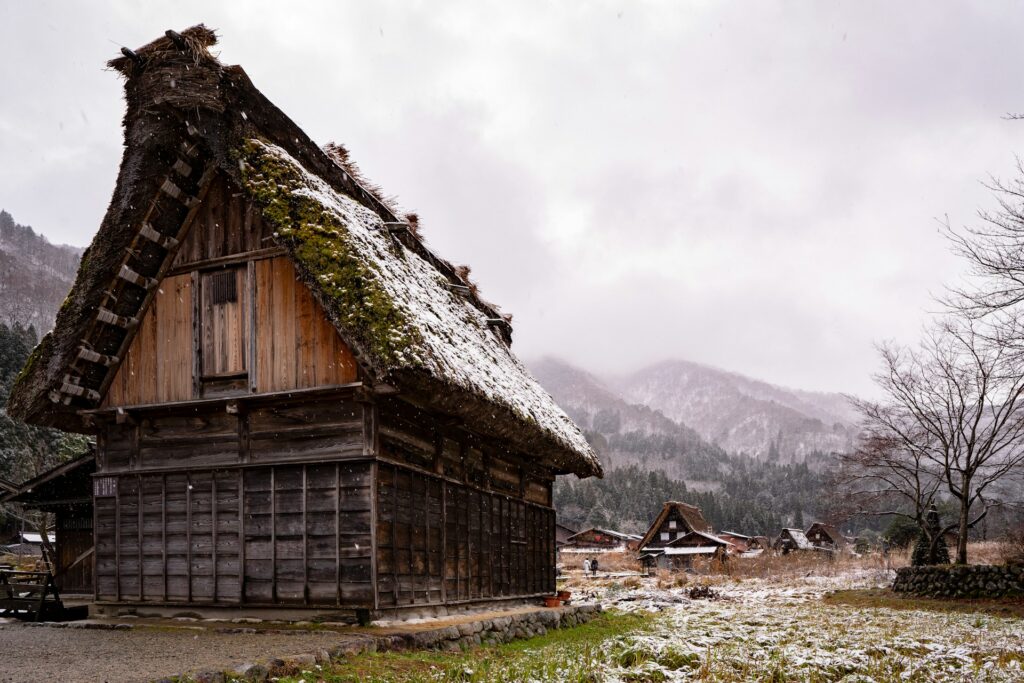
If Shirakawa-go feels too far or too complicated to add to your itinerary, consider Hida Folk Village, also called Hida no Sato. This open-air museum just outside Takayama city center features traditional farmhouses relocated from across the Hida region, including Gassho-zukuri architecture.
- Why go: Similar thatched-roof architecture and atmosphere to Shirakawa-go, but closer and usually easier to fit into a Takayama stay
- Access: A short local bus ride from Takayama Station, or a longer walk if the weather is good
- Time needed: About 1 to 1.5 hours for most travelers
- Best for: Travelers who want the thatched-roof village experience without committing to the Shirakawa-go bus route
If you skip Shirakawa-go, Hida Folk Village is a solid alternative. If you visit both, you get to compare two variations of the same architectural tradition, which adds depth without adding much effort.
Seasonal Guide: When to Visit Takayama
Spring, April–May
Spring highlights include the Takayama Spring Festival on April 14–15 and cherry blossoms in the surrounding mountains. For 2026 planning, those spring festival dates have already passed. In a normal year, accommodation fills quickly around the festival, and outdoor festival events may be affected by rain.
Summer, June–August
Takayama can feel more comfortable than the lowlands, making it a popular escape from Kyoto, Osaka, and Nagoya heat. Mornings and evenings are the best times to walk. Expect more domestic travel pressure around Japan’s Obon holiday period in mid-August.
Autumn, October–November
This is the strongest remaining season for many 2026 travelers. The Takayama Autumn Festival is scheduled for October 9–10, and fall foliage brings another wave of demand. Book accommodation, buses, and any guided tours early if these dates matter to you. November can be quieter after the peak color period, depending on the year.
Winter, December–March
Takayama in winter is quieter, colder, and often more atmospheric. The morning market typically starts later in winter, and buses toward Shirakawa-go can be affected by snow or road conditions.
Kai’s tip: If I had one winter day in this region, I would plan around footwear and buffers before photos. Snowy Takayama and Shirakawa-go can look beautiful, but slippery streets, cold waits, and delayed buses are what actually decide whether the day feels smooth. Build in more margin than you would in Kyoto or Osaka.
A Realistic 1-Day Plan
If you only have a short visit, the key is to focus on Takayama’s compact core instead of trying to do too much.
- Start early in the old town or at the Miyagawa Morning Market: This is the calmest part of the day and one of the best times to enjoy the area before it fills up.
- Walk Sanmachi Suji and nearby side streets: Spend time on the traditional merchant streets, sake breweries, and small shops rather than racing between scattered attractions.
- Build lunch around Hida beef: A quick meal or street-food stop is often a better use of time than waiting too long for a full sit-down lunch.
- Add one indoor sight if you want more context: Takayama Jinya is the easiest major add-on and helps balance the street-focused visit.
- Leave buffer time for transit: This matters even more if you are continuing to Shirakawa-go or another city the same day.
Adding Takayama Jinya
Takayama Jinya is one of the easiest historical sites to add because it is central, manageable in length, and different in feel from the streets outside. If you want more than food and photo spots, it is the most practical cultural stop in town.
- Why go: Former government outpost with tatami rooms, historical interiors, and a garden
- How long to allow: Around 30 to 45 minutes
- Admission: Check the official website for the latest price before visiting
Common Planning Mistakes
- Trying to do Takayama as a casual Tokyo day trip
- Arriving too late and missing the best morning atmosphere
- Underestimating how crowded the old town gets around midday
- Not checking Shirakawa-go bus schedules before planning same-day visits
- Forgetting that the morning market can shrink on rainy or snowy days
- Assuming the town has a strong evening scene after sightseeing hours
- Leaving accommodation and bus tickets to the last minute during festival season
None of these issues make Takayama a bad destination. They just mean the town rewards realistic planning more than impulse scheduling.
Final Verdict
Takayama is worth it in 2026 if you want traditional streets, strong regional food, and a quieter mountain-town atmosphere than Kyoto can offer. It is at its best when you stay overnight or combine it with Shirakawa-go as part of a broader regional route.
You can skip Takayama if your trip is short, your route is already packed, or you mainly want temples, nightlife, and efficient big-city connections. In that case, the detour may feel heavier than the payoff.
Choose Takayama if…
- You are a food traveler who actively seeks out regional specialties like Hida beef
- You are a traditional townscape enthusiast who enjoys compact, walkable historic districts
- You are on a longer Japan trip and have room for a mountain detour
- You are visiting during the Takayama Festival season
- You plan to combine it with Shirakawa-go as part of a regional loop
Skip Takayama if…
- You are on a tight 7-day Tokyo–Kyoto–Osaka itinerary
- You prefer nightlife and evening activity over morning sightseeing
- You are sensitive to midday crowds in narrow streets
- Your travel style prioritizes efficiency over atmosphere
The simplest way to decide is this: if you are excited by old merchant streets, Hida beef, and a slower pace, Takayama is one of the most rewarding detours in central Japan. If you are only considering it because it sounds famous, you probably do not need to force it into your itinerary.
My Recommended Booking Path
If you are staying overnight in Takayama and love independent travel, go DIY. Book transport early, choose accommodation near the station or old town, and give yourself a slow morning.
If you want Takayama, Shirakawa-go, and Hida no Sato in one smoother day—especially as a couple, family, or small group—the private tour is the cleaner choice. You are paying for route control, comfort, and fewer moving parts, not just for someone to show you where the old town is.
For the full tour-specific breakdown, read my detailed review here: From Kanazawa or Takayama: Private Shirakawa-go & Takayama Day Tour — Is It Worth It?
FAQ
Q: Is Takayama worth it without Shirakawa-go?
A: Yes. Takayama can stand on its own for one night, especially if you care about the old town, Hida beef, and the morning market. Shirakawa-go strengthens the regional detour, but it is not required for Takayama to feel worthwhile.
Q: How many days do you need in Takayama?
A: One night and two days is the sweet spot for most travelers. That gives you time for the old town, a proper meal, a calmer morning, and either Takayama Jinya, Hida Folk Village, or a connection to Shirakawa-go without feeling rushed.
Q: Is Takayama worth visiting in winter?
A: Yes, especially if you like snowy scenery and a quieter seasonal atmosphere. Just plan for cold weather, possible transport delays on buses to Shirakawa-go, and slippery conditions. The Miyagawa Morning Market typically starts later in winter.
Q: Can I use the JR Pass to get to Takayama?
A: The nationwide JR Pass can cover JR train segments such as the Limited Express Hida, depending on your route and pass validity. It does not cover every bus travelers may use around Shirakawa-go. If this region is a major part of your trip, also check the Takayama-Hokuriku Area Tourist Pass because it covers selected train and bus routes in the area, subject to current rules.
Q: Is Takayama worth it for first-time visitors to Japan?
A: Yes, but mostly on longer itineraries. If this is your first trip and you only have a week for Tokyo, Kyoto, and Osaka, Takayama may be too much of a detour. If you have more time and want one traditional mountain-town stop, it is a strong choice.
Q: Is a guided tour necessary for Takayama?
A: Not for Takayama town itself. The old town is walkable and easy to explore independently. A guided or private tour becomes more useful when you want to combine Takayama with Shirakawa-go, Hida Folk Village, luggage movement, and a transfer between regional cities.

Hi, I’m Kai. I’m a Tokyo-based travel writer, tourism industry insider, and the author of a published guidebook for international visitors to Japan. With over 10 years of professional experience at a leading Japanese tourism company, my mission is to help you skip the tourist traps and navigate Japan’s best destinations like a local. I believe the perfect day trip is like a traditional kaiseki meal: a beautiful balance of precise planning and unforgettable seasonal discovery. When I’m not out conducting field research, you’ll usually find me drafting new itineraries with one of my favorite fountain pens!