
You have probably seen the question in every Japan travel forum: “Do I need an English guide for Hakone?”
The short answer is no — for most travellers, an English guide is not strictly necessary. Hakone is set up for international visitors, with bilingual signs at major stations, English route maps, tourist information counters, and station staff who handle foreign guests every day. A translation app and a little patience will get you through the day.
But the better question is not whether you can visit Hakone without a guide. It is how much logistical friction you are willing to handle. Hakone looks simple on a map, but on the day, it often involves five or more different modes of transport, weather-related changes, queues, and tight connections. How you feel about managing all of that determines which option is right for you.
This guide compares four ways to experience Hakone with English support — DIY with the Freepass, a volunteer guide through OHSGG, a private English-speaking guide, and a Tokyo bus tour — so you can decide based on your budget, travel style, and tolerance for transport stress.
Quick Answer: Do You Really Need an English Guide for Hakone?
No, an English guide is not required for most visitors. Major stations like Odawara and Hakone-Yumoto, the Hakone Tozan Railway, the ropeway, and the sightseeing cruise all have English signage and announcements. Tourist information centres can answer route and ticket questions. If you are comfortable navigating public transport and checking live service updates, you can easily manage a full day in Hakone on your own.
However, a guide or guided tour becomes useful when:
- You only have one day from Tokyo and want the smoothest possible itinerary.
- You are travelling with young children, older parents, or anyone who tires easily.
- You feel anxious about transfers, weather-related changes, or crowded transport.
- You want someone else to handle the planning, tickets, and timing so you can focus on enjoying the day.
The real challenge in Hakone is rarely the language barrier. It is the logistics. Multiple connections in a single day can become exhausting when lines are long, weather affects operations, or one delayed leg throws off the next one. If that kind of uncertainty sounds stressful, one of the guided options below will feel much easier.
The 4 Options at a Glance
| Option | Typical Cost (per person) | Book Ahead? | English Help on the Ground | Tickets Handled for You | Best For |
|---|---|---|---|---|---|
| DIY with the Freepass | From 7,100 JPY + Romancecar surcharge (~1,150 JPY extra) | No (pass can be bought same day) | Basic to moderate (signs, maps, station staff) | No | Independent travellers who want flexibility and control over their schedule |
| Volunteer Guide (OHSGG) | Guide is free. You cover guide’s transport (~0–2,000 JPY), lunch, and admission fees | Yes — at least 2 weeks in advance | High — personalised one-on-one support | No | Cultural exchange, budget-conscious travellers who want local insight |
| Private Guide | From ~40,000 JPY (walking guide) to ~144,000 JPY (driver-guide) per group | Yes — book as early as possible | Very high — dedicated attention throughout the day | Usually partly or fully | Families, seniors, and travellers who want a customised, comfortable day |
| Tokyo Bus Tour | From ~7,000 JPY to ~$200+ depending on operator and inclusions | Recommended — popular tours sell out | Moderate to high depending on the operator | Often yes — transport and key sightseeing tickets bundled | First-timers who want the least stressful day from Tokyo |
Prices and inclusions vary by operator, season, and group size. Always check the latest listing before booking.
Not sure yet? Each option is explained in detail below. If you already know you want the easiest possible day from Tokyo, check the latest availability and inclusions for the Mt. Fuji & Hakone bus tour.
Option 1: DIY with the Hakone Freepass
For many travellers, the DIY route is still the best choice. If you enjoy independent travel and want to control your schedule, Hakone is very doable without a guide.
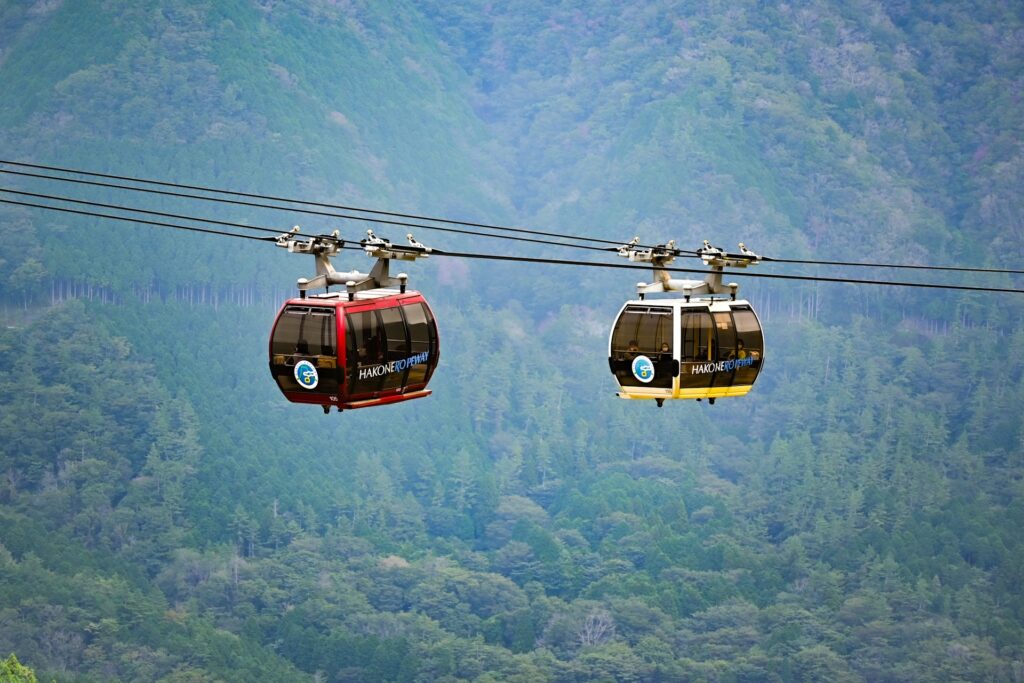
The Hakone Freepass is the key tool here. As of 2026, the 2-day pass from Shinjuku costs 7,100 JPY (adults) and includes round-trip transport between Shinjuku and Odawara plus unlimited rides on eight modes of transport within Hakone — the mountain railway, cable car, ropeway, sightseeing cruise, and local buses. A Romancecar limited express seat costs extra (around 1,150 JPY each way) but cuts the travel time to about 80 minutes.
Even for a day trip, the pass can still make sense because individual Hakone transport costs add up quickly. A one-way ropeway ride alone costs 2,000 JPY, and the sightseeing cruise is 1,700 JPY one way.
DIY is strongest when you want freedom. You can spend extra time at the Open-Air Museum, add an onsen stop, skip a line if it looks too long, or reverse your route if the weather changes.
Best for: solo travellers, couples, repeat Japan visitors, and anyone who enjoys figuring things out independently.
Not ideal for: travellers who only have one shot at Hakone and do not want to spend the day checking maps and transport updates.
Pros of DIY:
- Maximum flexibility throughout the day.
- Usually the most budget-friendly option if you plan carefully.
- Easy to extend into an overnight stay if you want a slower trip.
Cons of DIY:
- You are responsible for every transfer, queue, and route adjustment.
- Bad weather or service changes can disrupt the classic Hakone Loop.
- It is easy to waste time if you underestimate travel distances inside Hakone.
Option 2: Volunteer Guide (OHSGG)
Hakone has a volunteer guide option that many visitors do not realise exists. The Odawara Hakone Systematized Goodwill Guide Club (OHSGG) has been connecting overseas visitors with local volunteer guides since 1996. This is an excellent middle ground between going fully DIY and paying for a private guide — you get English support and local insight without the premium price of a commercial tour.
How OHSGG Works
- You request a guide by email at ohsgg1@gmail.com at least two weeks in advance.
- Download the guide request form from the OHSGG website, fill it out in English, and email it with your preferred date, group details, and interests.
- The assigned guide contacts you directly to customise the itinerary.
- On the day, the guide meets you at a mutually agreed location — usually a train station or your hotel.
What It Actually Costs
The guide service itself is free, but you are expected to cover real expenses:
- Transport fares for the guide during the tour — typically 0 to 2,000 JPY depending on where the guide lives and how far they travel to meet you.
- Lunch if the tour runs through a mealtime.
- Admission fees — though most facilities in Hakone allow guides to enter free of charge.
Even with these costs, a volunteer guide day is significantly cheaper than hiring a commercial private guide.
Important Limitations
- OHSGG guides are volunteers, not licensed professionals. They are not responsible for injuries, lost items, or trip disruptions.
- Availability is not guaranteed, especially in peak travel periods (spring cherry blossom season, autumn leaves, Golden Week, New Year).
- OHSGG does not offer overnight tours, private car tours, or commercial group tours.
- Communication before the tour is by email only (English or Japanese).
Best for: travellers who enjoy cultural exchange, have some planning lead time, and want English support without paying private-guide prices.
Less ideal for: anyone planning a spontaneous trip, anyone with a very tight one-day schedule, or anyone who wants a fully hands-off experience.
Option 3: Private English Guide
A private English-speaking guide is the premium option for Hakone. It makes sense when convenience, comfort, and personal attention matter more than keeping costs low. This is the best fit if you want your day shaped around specific interests — art museums, shrines, onsen, scenic viewpoints — or if you want to reduce walking, waiting, and on-the-spot decision-making.
Two Formats: Walking Guide vs Driver-Guide
Private guide pricing varies significantly depending on the format:
| Format | Typical Cost (per group, per day) | What’s Included | Best For |
|---|---|---|---|
| Walking Guide (licensed interpreter-guide) | ~40,000–57,000 JPY | Expert guide throughout the day, customised itinerary. Transport, admission fees, and meals not typically included. | Travellers who enjoy walking, want deep cultural context, and are comfortable using public transport with a guide’s help. |
| Driver-Guide (chartered vehicle) | ~71,000–144,000 JPY | Private vehicle, English-speaking driver-guide, hotel pickup/drop-off. Transport and some admission fees often included. | Families, seniors, travellers with mobility concerns, or anyone who wants the most comfortable possible day. |
Rates vary by season, group size, and booking platform. Always confirm what is included before booking.
Where to Book a Private Guide
- Viator / GetYourGuide / Klook — The widest selection with verified reviews. Easy cancellation on most listings.
- Tripadvisor Experiences — Useful for comparing operator ratings and reading recent traveller reviews.
- Japan Guide Agency (JGA) or direct booking with a licensed guide — Often more flexible than platform listings, but requires more research on your part.
Best for: families, multigenerational groups, travellers with mobility concerns, and visitors who want a more comfortable and customised day.
Less ideal for: budget travellers, spontaneous trips, or anyone who does not need much help beyond basic English signage.
Pros of a private guide:
- The most personalised way to experience Hakone.
- Helpful for families, older travellers, and anyone who wants a gentler pace.
- Much easier if you want context, translation help, and a tailored route.
Cons of a private guide:
- Usually the most expensive option by a wide margin.
- Often needs advance booking, especially in peak seasons.
- May still involve significant walking and transfers unless you book a driver-guide format.
Option 4: Tokyo Bus Tour (Mt. Fuji & Hakone Day Trip)
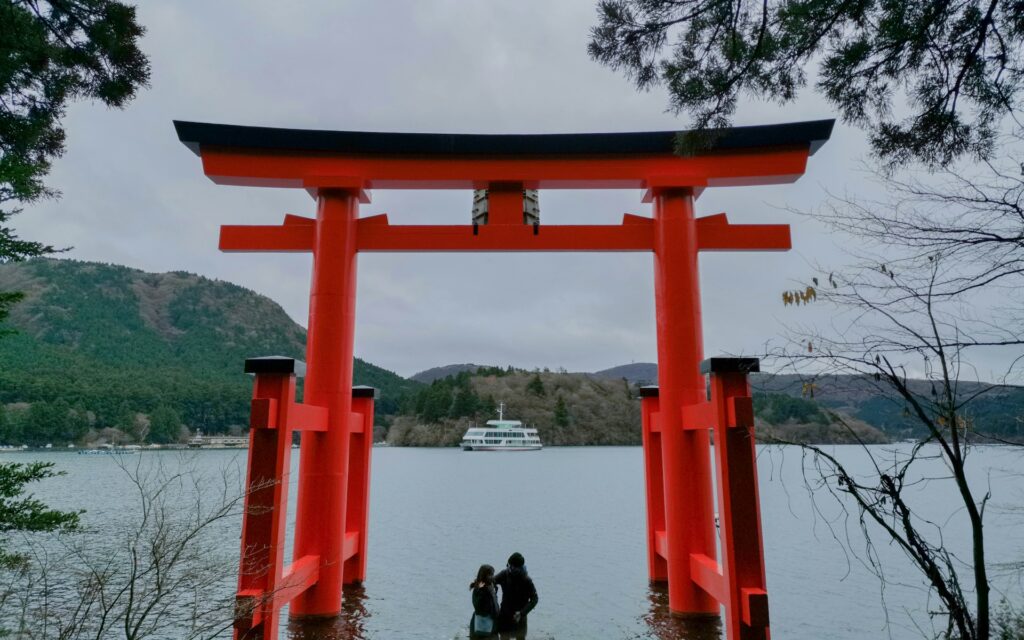
For many first-time visitors, a Tokyo departure tour is the simplest way to see Hakone without turning the day into a transport puzzle. Instead of managing every transfer yourself, you follow a fixed itinerary and let the operator handle the logistics.
This option is especially attractive if you want to combine Hakone with Mt Fuji viewpoints in one day. Doing that independently is possible, but it often means a long day with multiple connections and very little room for delays.
What to Look for in a Bus Tour
Not all bus tours are the same. Before booking, check:
- English guide or audio guide? Some tours have a dedicated English-speaking guide on board. Others use multilingual audio or have a driver who provides limited commentary.
- What is included in the price? Transport from Tokyo, ropeway tickets, sightseeing cruise, lunch — some tours bundle everything, others leave certain costs separate.
- Group size — Smaller groups (15–25 people) usually mean a smoother experience than larger coach tours.
- Cancellation policy — Weather can affect Hakone ropeway and cruise operations. A flexible cancellation policy matters.
- Meeting point vs hotel pickup — Some tours pick you up from central Tokyo hotels. Others require you to meet at a central location.
Tour prices vary widely depending on these factors. Expect to pay from around 7,000 JPY (~$50) for a basic bus tour with audio guidance to over $200 per person for a small-group tour with a dedicated English guide, lunch, and all entry fees included.
Best for: first-time Japan visitors, short stays in Tokyo, and travellers who want the smoothest possible day trip with minimal planning.
Less ideal for: travellers who dislike fixed schedules or want to linger longer at one particular stop.
Pros of a Tokyo bus tour:
- The least stressful option for a one-day trip from Tokyo.
- Good value if transport and key sightseeing tickets are bundled in.
- Excellent for first-timers who want structure and fewer decisions.
Cons of a Tokyo bus tour:
- Lower flexibility than DIY or a private guide.
- You move at the group’s pace, not your own.
- Tour details vary — always check exactly what is included before booking.
If your travel dates are already set, compare the latest start times, inclusions, and cancellation policies for the Mt. Fuji & Hakone day tour before planning the rest of your itinerary.
Which Option Is Best for Families, Seniors, and First-Timers?
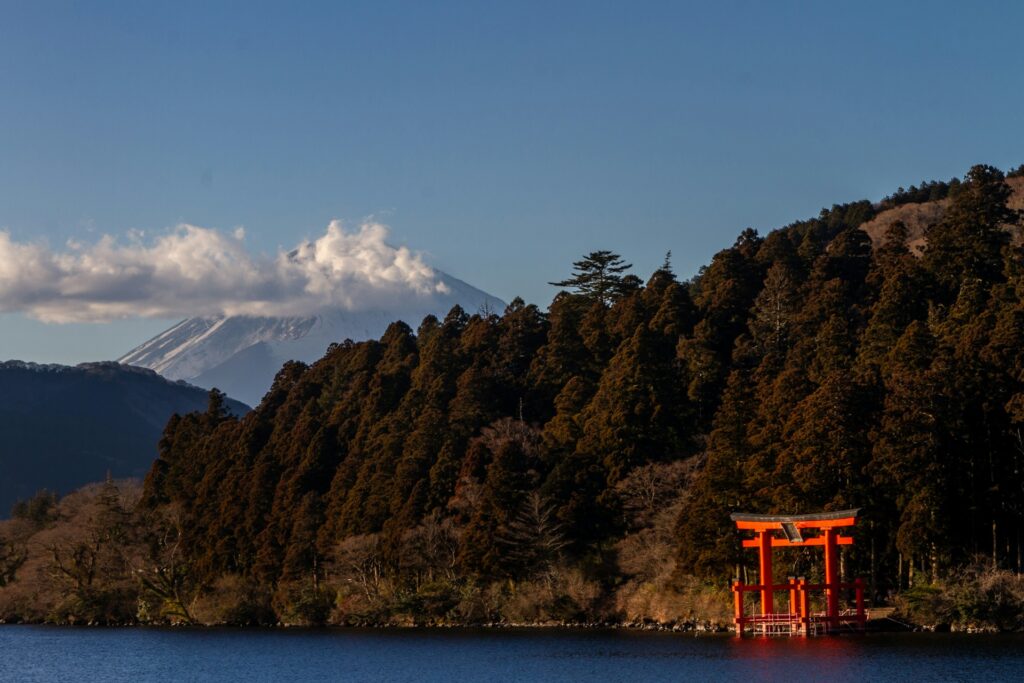
If you are still deciding, the easiest way is to match the option to your travel style rather than asking whether an English guide is necessary in general.
- Choose DIY with the Freepass if: you enjoy independent travel, want maximum flexibility, and do not mind checking routes, queues, and service updates yourself. This works well for solo travellers, couples, and anyone comfortable navigating unfamiliar transport systems.
- Choose a volunteer guide if: you want English support and local insight at a lower cost, and you have enough lead time (at least two weeks) to organise everything in advance. Great for travellers who value cultural exchange and conversation.
- Choose a private guide if: comfort, customisation, and reduced physical strain matter more than budget. A driver-guide format is especially helpful if mobility is a concern.
- Choose a Tokyo bus tour if: you want the easiest one-day option from Tokyo and would rather avoid handling the logistics yourself. This is the most practical choice for first-timers with a tight schedule.
For families with young children: A private guide or a well-organised bus tour is usually easier than DIY. The Hakone Loop involves walking, stairs, and queues that can exhaust small children by midday.
For seniors or travellers with mobility concerns: A private guide with a chartered vehicle is the safest and most comfortable choice. The DIY route involves walking between transport connections that may not always have elevators or escalators.
For first-timers with only one day from Tokyo: A Tokyo bus tour is usually the most practical answer. It removes the risk of losing time on connections and lets you focus on the experience itself.
Common Mistakes to Avoid When Choosing a Hakone Tour
- Underestimating transport time inside Hakone. The Hakone Loop takes at least 3 hours just for the transport connections, not counting time spent at stops. A day trip from Tokyo needs a tight schedule.
- Assuming “English guide” means the same thing on every tour. Some tours use multilingual audio guides. Others have a dedicated English-speaking guide throughout. Check before booking.
- Booking a private guide without asking what is included. Some guides charge extra for transport, admission fees, and lunch. Always ask for a full cost breakdown before confirming.
- Waiting until the last minute for volunteer guides. OHSGG requires at least two weeks’ notice. In spring and autumn, availability can fill up even earlier.
- Ignoring weather forecasts. The ropeway and sightseeing cruise may suspend operations in strong wind, fog, or volcanic activity warnings. Have a backup plan, especially in winter and early spring.
Frequently Asked Questions
Is English widely spoken in Hakone?
English support is strongest at major stations, transport hubs, and visitor-facing services. In smaller restaurants, local shops, and less touristy spots, you should still expect to rely on simple phrases or a translation app.
How far in advance should I book a guide for Hakone?
For a volunteer guide (OHSGG), at least two weeks in advance. For a private guide, at least one to two weeks ahead in peak seasons (March–May, October–November). Bus tours can be booked a few days before, but popular tours do sell out — especially during cherry blossom and autumn leaf seasons.
How much does a private guide in Hakone cost?
It depends on the format. A walking guide typically costs around 40,000–57,000 JPY per group for a full day. A driver-guide with a chartered vehicle ranges from 71,000 to 144,000 JPY. Costs vary depending on whether transport, admission fees, and hotel pickup are included.
Do I need to tip a volunteer guide in Japan?
No. Japan does not have a tipping culture. However, OHSGG guides expect you to cover their real costs — transport fares, lunch if applicable, and any admission fees during the day.
Can I visit Hakone without speaking Japanese?
Yes. Most travellers manage Hakone without speaking Japanese, especially if they stick to the main sightseeing areas and use maps, bilingual signs, and a translation app when needed.
Which option works best in winter?
Winter in Hakone brings a risk of ropeway and cruise suspension due to strong wind or fog. If you are visiting between December and February, a bus tour or private guide with a flexible itinerary is safer than a rigid DIY plan, because the operator can adjust the route if parts of the Hakone Loop are closed.
Can I see both Mt Fuji and Hakone in one day without a guide?
Yes, but it can be tiring and time-sensitive. If that combination is important to you and you only have one day from Tokyo, a guided or organised day trip is usually the easier choice.
Want a fuller breakdown of what a Mt. Fuji and Hakone day trip actually looks like? Read our detailed review here: Is This Mt. Fuji & Hakone Day Tour from Tokyo Really Worth It?
Final Verdict
You do not need an English guide to enjoy Hakone. For many travellers, bilingual signs, official route information, and a translation app are enough. What matters more is how much friction you are willing to handle.
Choose DIY with the Freepass if: you enjoy flexibility, want to set your own pace, and do not mind checking transport updates during the day.
Choose a volunteer guide if: you want local insight and English support, have at least two weeks to plan ahead, and prefer a budget-friendly middle ground.
Choose a private guide if: comfort, personalisation, and reduced stress are your priorities — especially if you are travelling with family, seniors, or anyone with mobility concerns.
Choose a Tokyo bus tour if: you have only one day from Tokyo, want the least stressful route, and prefer to let someone else handle the logistics while you enjoy the day.
For most first-time visitors, the best answer is not “Do I need an English guide?” but “How much help do I want on the day?” Once you frame it that way, the right option becomes much clearer.
If you want the easiest low-stress option from Tokyo, check availability and compare current tour details for the Mt. Fuji & Hakone Day Tour.

Hi, I’m Kai. I’m a Tokyo-based travel writer, tourism industry insider, and the author of a published guidebook for international visitors to Japan. With over 10 years of professional experience at a leading Japanese tourism company, my mission is to help you skip the tourist traps and navigate Japan’s best destinations like a local. I believe the perfect day trip is like a traditional kaiseki meal: a beautiful balance of precise planning and unforgettable seasonal discovery. When I’m not out conducting field research, you’ll usually find me drafting new itineraries with one of my favorite fountain pens!